Complete sourcing guide for Probiotic & Microbiome-Friendly Deodorant including supplier directory, FOB pricing, product specifications, and market validation.
FOB Price Range
$6.46 - $11.63
Verified Suppliers
1
Sourcing Strategies
2
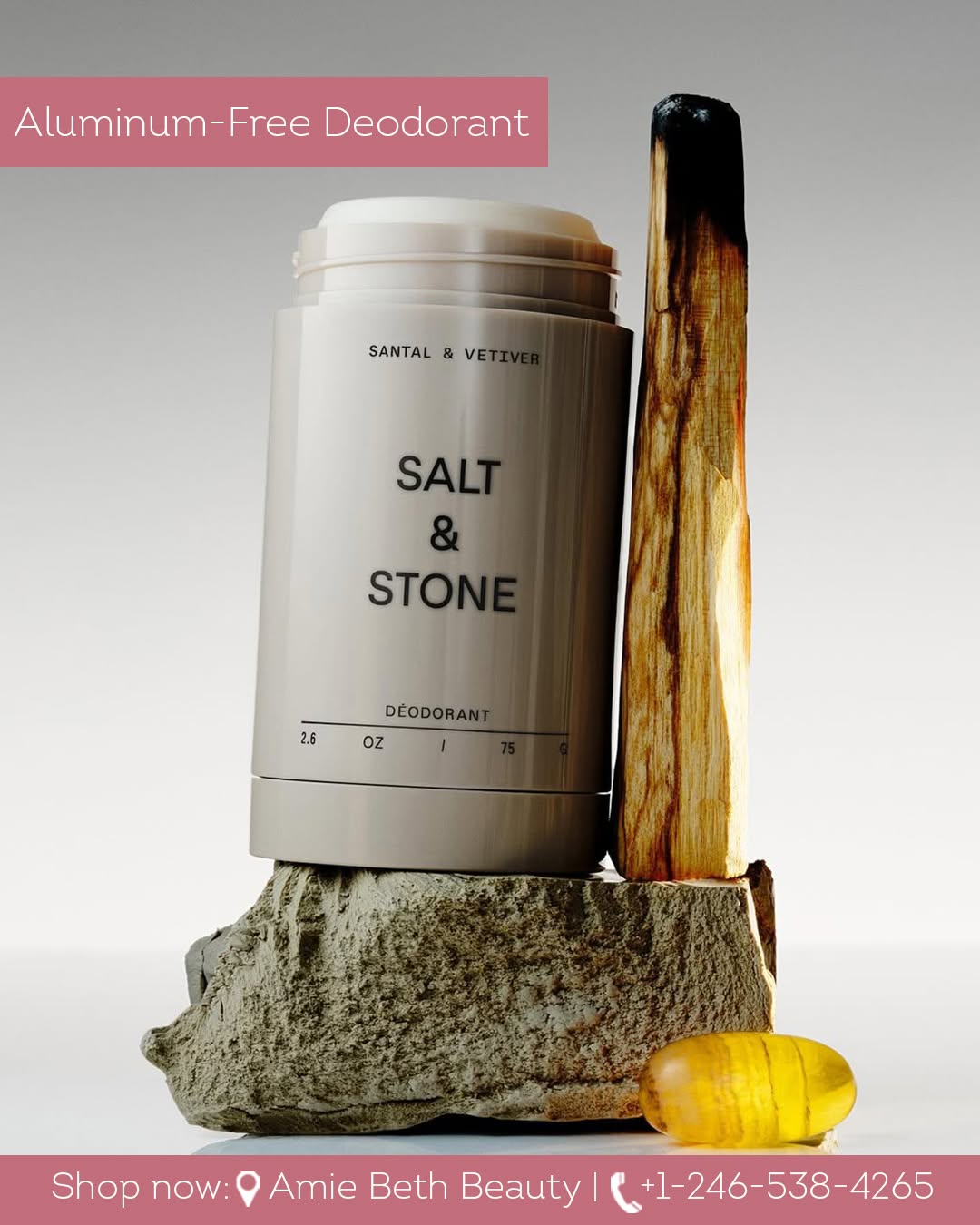
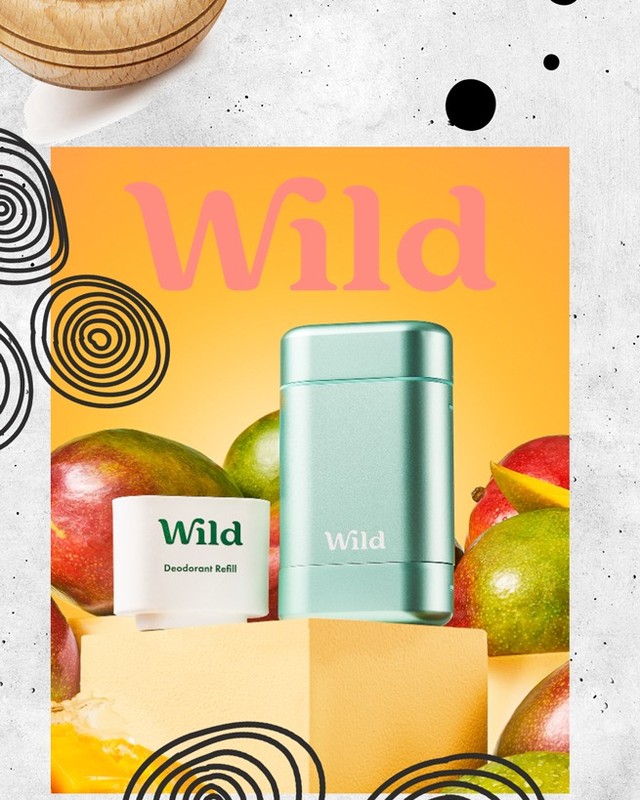
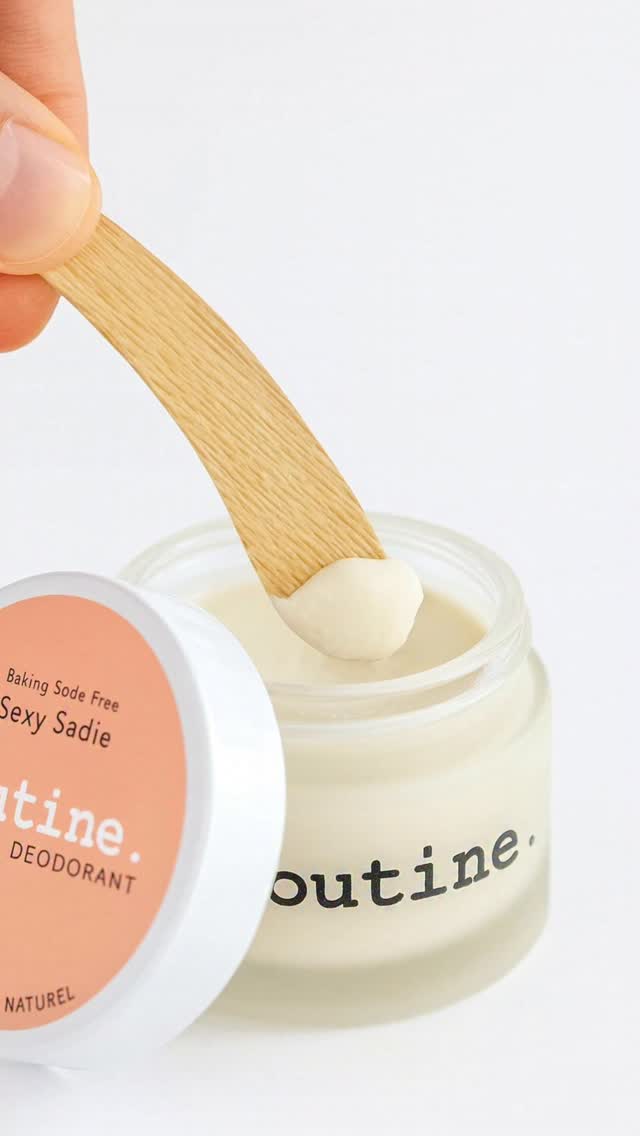
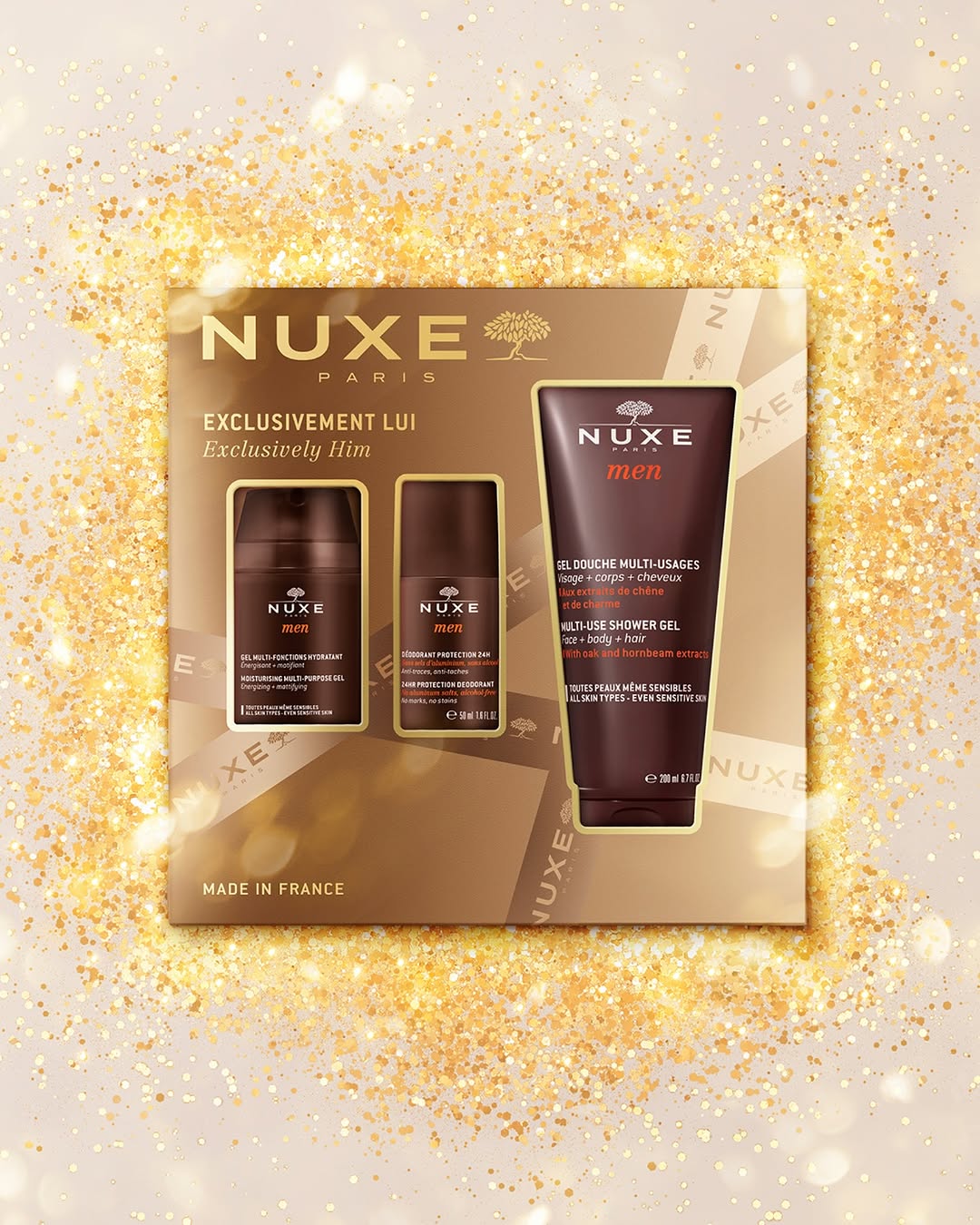
AI-generated product visualizations for Probiotic & Microbiome-Friendly Deodorant
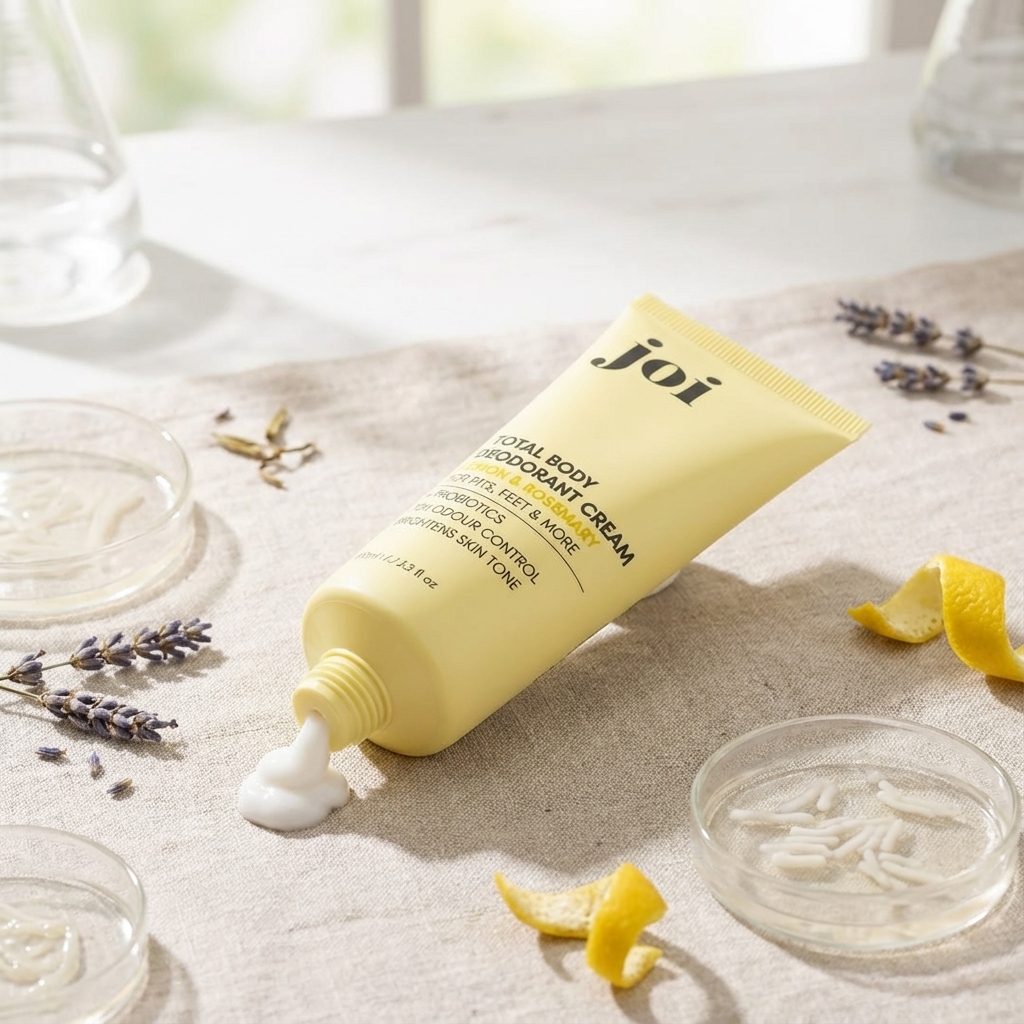
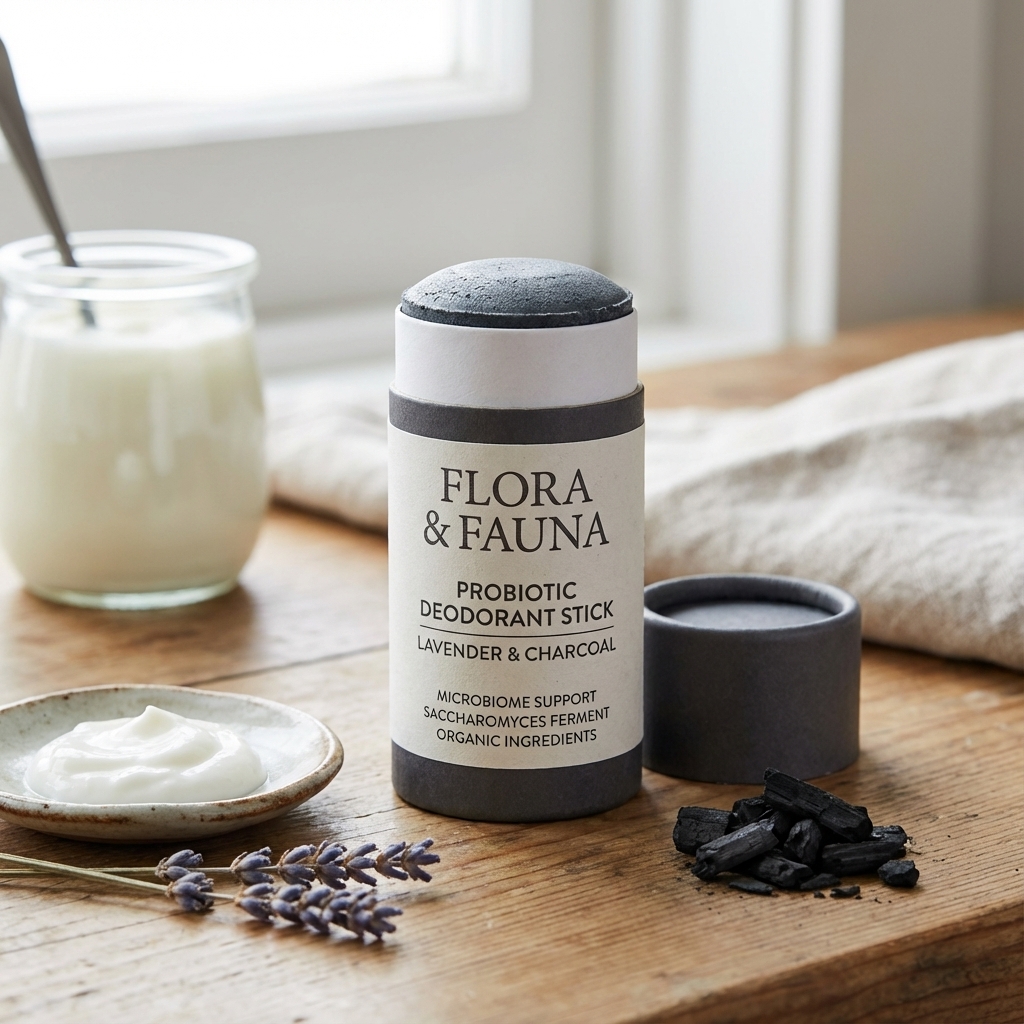
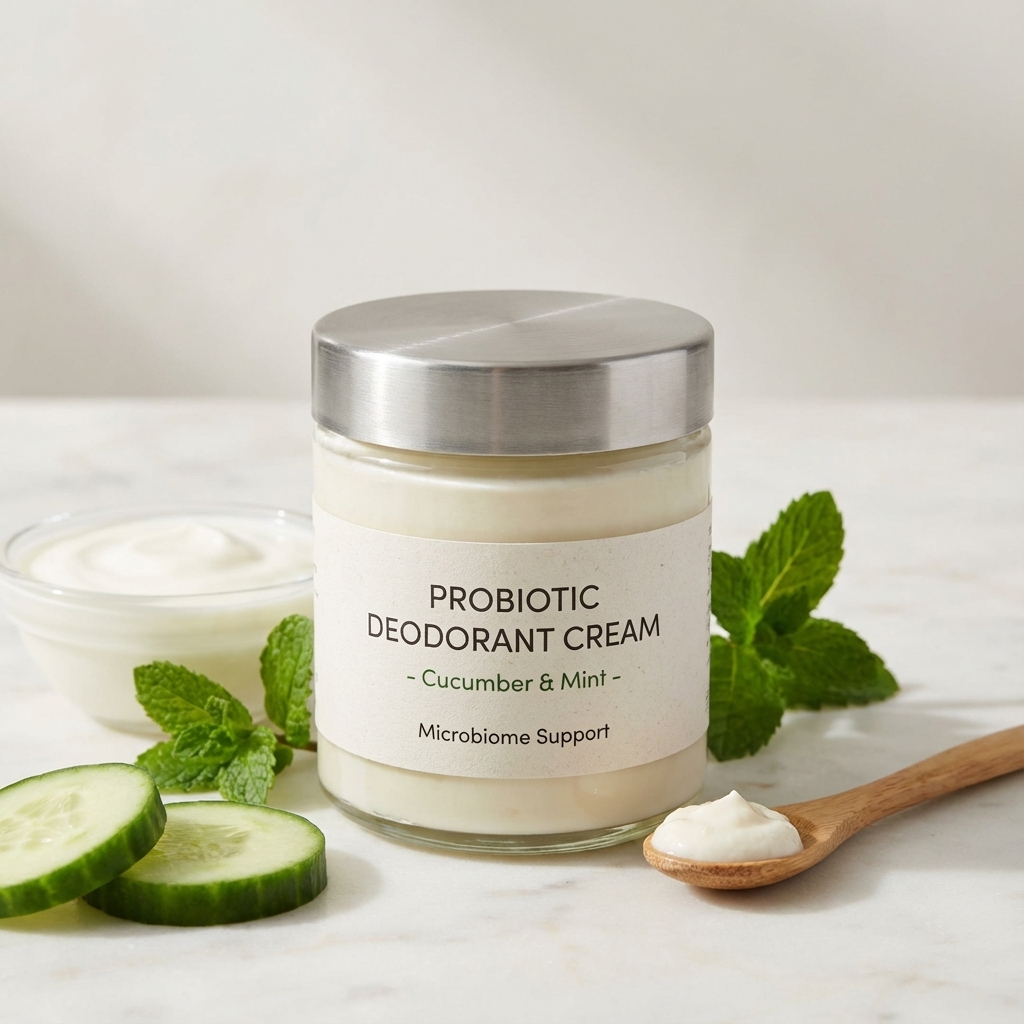
A quick preview of supplier standards, production requirements, and sourcing intelligence from our verified network.
Verified suppliers with years of experience and quality strengths
| Supplier | Images | Tier | Years | Response | Favorites | Key Strengths | Product Expertise | Shop Ratings | Contact |
|---|---|---|---|---|---|---|---|---|---|
Shantou Jiameda Biotechnology Co., Ltd. Guangdong Shantou Shantou City Haojiang District Binhai Street Shugang Avenue No. 7 Zhonghaixin Innovation Industrial Park Building C1-06 1st Floor No. 101 | Tier 4 | 5+ | 0.75% | 2.5k | Excellent QualityLow ReturnsGood DisputeGood Service | ShampooFace CreamLipstick, Lip Gloss | Quality 5.0 Returns 4.3 Logistics 3.7 Consult 2.0 Dispute 5.0 Overall 4.0 | View contact |
0 verified suppliers across 10 manufacturing hubs
Average Ratings Across All Suppliers
0.0
Quality
0.0
Logistics
0.0
Returns
0.0
Disputes
0.0
Support
0.0
Overall
FOB pricing by manufacturing cluster, compare costs across regions
| Region | Suppliers | Min FOB | Avg FOB | Max FOB |
|---|---|---|---|---|
| Guangzhou, Guangdong | 15 | ¥1 | ¥9 | ¥87 |
| Foshan, Guangdong | 6 | ¥2 | ¥6 | ¥11 |
| Shantou, Guangdong | 4 | ¥1 | ¥2 | ¥4 |
| Nanyang, Henan | 3 | ¥2 | ¥3 | ¥5 |
| Dongguan, Guangdong | 2 | ¥5 | ¥9 | ¥12 |
| Yunfu, Guangdong | 2 | ¥5 | ¥6 | ¥8 |
Guangdong province is the primary manufacturing hub for probiotic and microbiome-friendly deodorants, with Guangzhou serving as the epicenter for OEM/ODM production due to its comprehensive cosmetics supply chain. Other Guangdong cities like Foshan and Shantou offer more competitive cost structures, while Zhejiang emerges as a key region for specialized packaging and export-oriented production.
Best For: Developing custom-formulated (OEM/ODM) probiotic deodorants and accessing a wide variety of suppliers and innovative packaging options.
Why Strong: Hosts the highest concentration of suppliers, functioning as a cosmetics powerhouse with a complete supply chain for raw materials, production, and packaging. The city's Baiyun District is a well-esta...
⚠️ Higher average price points may reflect more complex formulations, premium ingredients, or the comprehensive services offered by established OEM/ODM p...
Best For: Buyers seeking a balance between cost-effectiveness and the capabilities of the established Pearl River Delta cosmetics ecosystem.
Why Strong: A significant secondary cluster within the dominant Guangdong province. It benefits from proximity to Guangzhou's supply chain while offering a more competitive cost structure.
⚠️ A smaller supplier base compared to Guangzhou, which may result in fewer options for highly specialized formulations or unique packaging.
Best For: Sourcing entry-level or mass-market probiotic deodorants where achieving a low price point is the primary objective.
Why Strong: This cluster stands out for its highly competitive pricing, indicating a specialization in cost-effective, high-volume production runs.
⚠️ Extremely low price points may correlate with simpler formulations, standardized packaging, and potentially large minimum order quantities (MOQs).
Top-tier verified manufacturers with quality ratings and capabilities
| Company | Tier | Years | Quality | Logistics |
|---|---|---|---|---|
| Shantou Jiameda Biotechnology ... | TIER 4 | 0+ | 5.0 | 3.7 |
| Supplier | Yrs | Rating ↓ | Actions |
|---|
Tip: Click on a supplier row to see detailed ratings breakdown. Ratings above 4.0 indicate reliable suppliers.
The primary cost drivers for probiotic deodorants are the complexity of the active ingredients, the percentage of certified organic materials, and the choice of packaging. To optimize for price, focus on simplifying the formula and selecting cost-effective, eco-friendly packaging like PCR plastic over glass.
Confidence: High| Pricing Lever | Cost Impact | Quality Risk | MOQ Impact | Lead Time | Notes |
|---|---|---|---|---|---|
| Simplify active ingredients (e.g., MgOH only vs. Probiotic + MgOH) | ↓ High | Medium | - None | ↓ Low | May impact performance consistency and marketing claims. Still effective for odor control. |
| Switch packaging from Glass to PCR Plastic | ↓ Medium–High | Low | - None | ↓ Low | Reduces cost, weight, and breakage risk while retaining strong eco-friendly claims. |
| Reduce organic content ('Made with organic' vs. 'Certified Organic') | ↓ Medium | Low | - None | ↓ Medium | Reduces raw material cost and certification time. Primarily a marketing trade-off. |
| Use stock packaging components (vs. custom mold/color) | ↓ Medium | Low | ↓ High | ↓ High | Fastest way to market. Differentiation is achieved through labels and secondary packaging. |
| Utilize a supplier's stock formula base | ↓ Low–Medium | Medium | ↓ Medium | ↓ High | Reduces R&D time but offers less product differentiation. Rigorous testing is essential. |
| Increase MOQ (e.g., from 3k to 10k units) | ↓ Medium | Low | ↑ High | - None | Enables better price breaks on formula batching and component printing/molding. |
| Remove secondary packaging (retail box) | ↓ Low | Low | - None | ↓ Low | Reduces cost and waste but offers less brand real estate and protection during shipping. |
Ready to develop your deodorant line? Submit a sourcing request with your target cost and key features, and we'll connect you with qualified manufacturers who can meet your budget.
The biggest quality risks are ineffectiveness, skin irritation, and undesirable texture (e.g., white residue). These issues stem from unstable formulas, incorrect ingredient concentrations, or poor manufacturing practices. Clear specifications and rigorous testing are key to prevention.
Confidence: HighRoot Cause
Unstable/inactive probiotics; low concentration of actives (MgOH, Zinc Ricinoleate); wrong formula for user's microbiome.
What to Specify / Ask Supplier
Specify minimum % of active ingredients. Request stability data for probiotics and preservative efficacy testing (PET) results.
QC Check (What "Good" Looks Like)
Conduct a 24-hour wear test with a user panel. Send samples for third-party lab analysis to verify active ingredient concentration.
Root Cause
Undeclared irritants (e.g., baking soda); high concentration of essential oils; formula pH is too high or low.
What to Specify / Ask Supplier
Provide a strict 'free-from' list (baking soda, aluminum). Specify target pH range (e.g., 4.5-5.5). Request HRIPT (patch testing) data.
QC Check (What "Good" Looks Like)
Test pH of batch samples using pH strips or a meter. Conduct a small user patch test before mass distribution.
Root Cause
Poorly balanced formula with excess starch, wax, or powders; incorrect particle size of ingredients.
What to Specify / Ask Supplier
Specify 'applies clear' and 'non-staining' as critical quality attributes. Provide a competitor benchmark product for texture.
QC Check (What "Good" Looks Like)
Apply the product to a dark-colored fabric swatch. Let it dry and check for visible residue or oil stains.
Root Cause
Poor emulsification; temperature instability during shipping/storage; ingredients not fully dissolved or milled.
What to Specify / Ask Supplier
Require stability testing results (e.g., 3 months at 40°C). Specify a smooth, homogenous texture.
QC Check (What "Good" Looks Like)
Visually inspect for separation. Rub a small amount between fingers to feel for grittiness. Perform freeze-thaw cycle tests on samples.
Root Cause
Poor GMP (Good Manufacturing Practices); ineffective preservative system, especially in water-based roll-ons.
What to Specify / Ask Supplier
Require supplier to be GMP certified. Ask for the Certificate of Analysis (COA) for each batch, including micro-testing results.
QC Check (What "Good" Looks Like)
Send random samples from the production run to a third-party lab for microbial testing (TVC, Yeast & Mold).
Root Cause
Poor component tolerances (cap, rollerball fit); faulty twist-up mechanism; cracks from shipping.
What to Specify / Ask Supplier
Provide technical drawings for custom components. Specify QC checks like vacuum leak testing and mechanism torque tests.
QC Check (What "Good" Looks Like)
Cycle test the mechanism (twist up/down 20x). Invert and store samples for 48 hours to check for leaks.
Root Cause
Variable quality of essential oils; poor batch-to-batch mixing; scent degradation over time.
What to Specify / Ask Supplier
Provide an approved physical scent standard for every batch. Specify grade of essential oils.
QC Check (What "Good" Looks Like)
Perform an olfactory (smell) test comparing the new batch against the approved scent standard.
Don't leave quality to chance. Source with us and we'll help you build a comprehensive QC checklist and testing protocol to ensure your deodorant delights customers every time.
Use this data to create your product specifications, reach out to suppliers, and validate your pricing strategy. Start with small sample orders to test quality.
Choose from 2 pricing strategies based on your target market
This sourcing playbook provides actionable guidance for importing Probiotic & Microbiome-Friendly Deodorantproducts. Our data-driven approach combines supplier intelligence with market validation to help you make informed purchasing decisions and minimize sourcing risks.
First orders typically require 30-50% deposit with balance before shipment (T/T). As relationships develop, suppliers may offer 30/70 splits or even open terms for established buyers. Letter of Credit (L/C) is available for larger orders but involves additional fees.
Document issues with photos immediately upon receipt. Most suppliers offer replacement or credit for legitimate defects within agreed AQL limits. Having clear quality specifications in your purchase order strengthens your position in disputes.
Third-party inspection is recommended for first orders and orders over $10,000. Services like SGS or Bureau Veritas cost $200-400 per inspection and can prevent costly quality issues. Pre-shipment inspection is most common; in-line inspection adds additional assurance.
Navigation: All Categories → Deodorant → Probiotic & Microbiome-Friendly Deodorant → Sourcing