Complete sourcing guide for Scarf Scrunchie Hair Ties including supplier directory, FOB pricing, product specifications, and market validation.
FOB Price Range
$2.1 - $25
Verified Suppliers
0
Sourcing Strategies
2
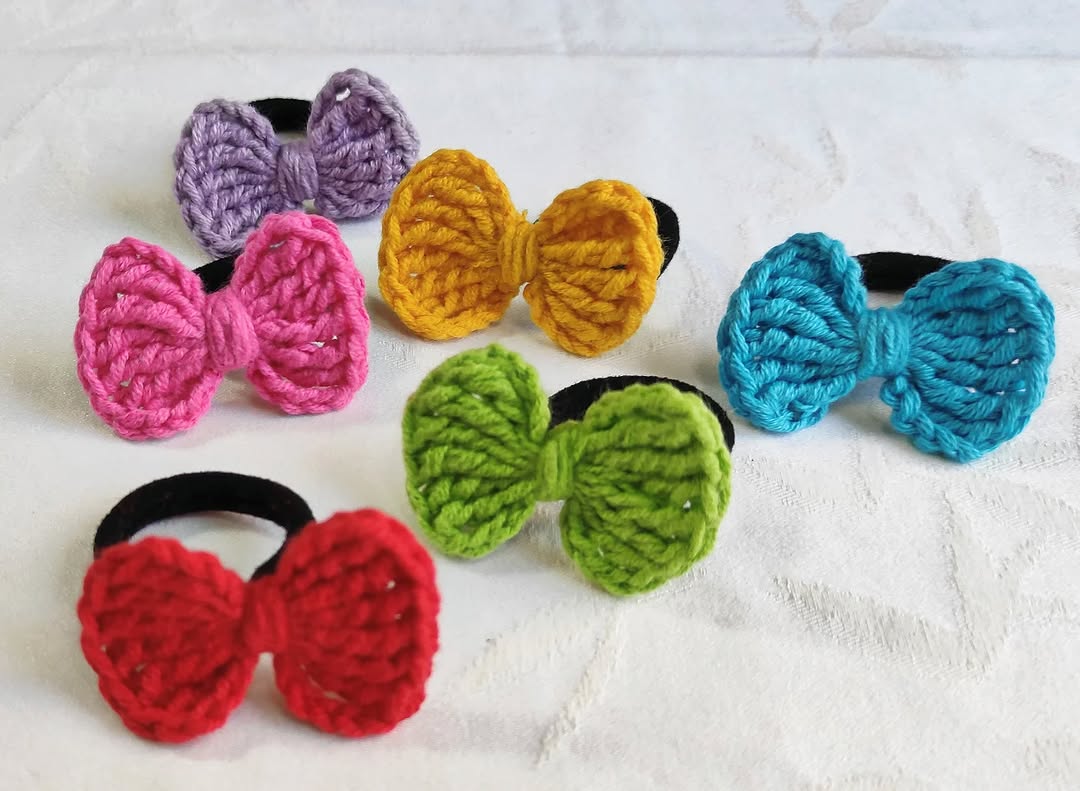
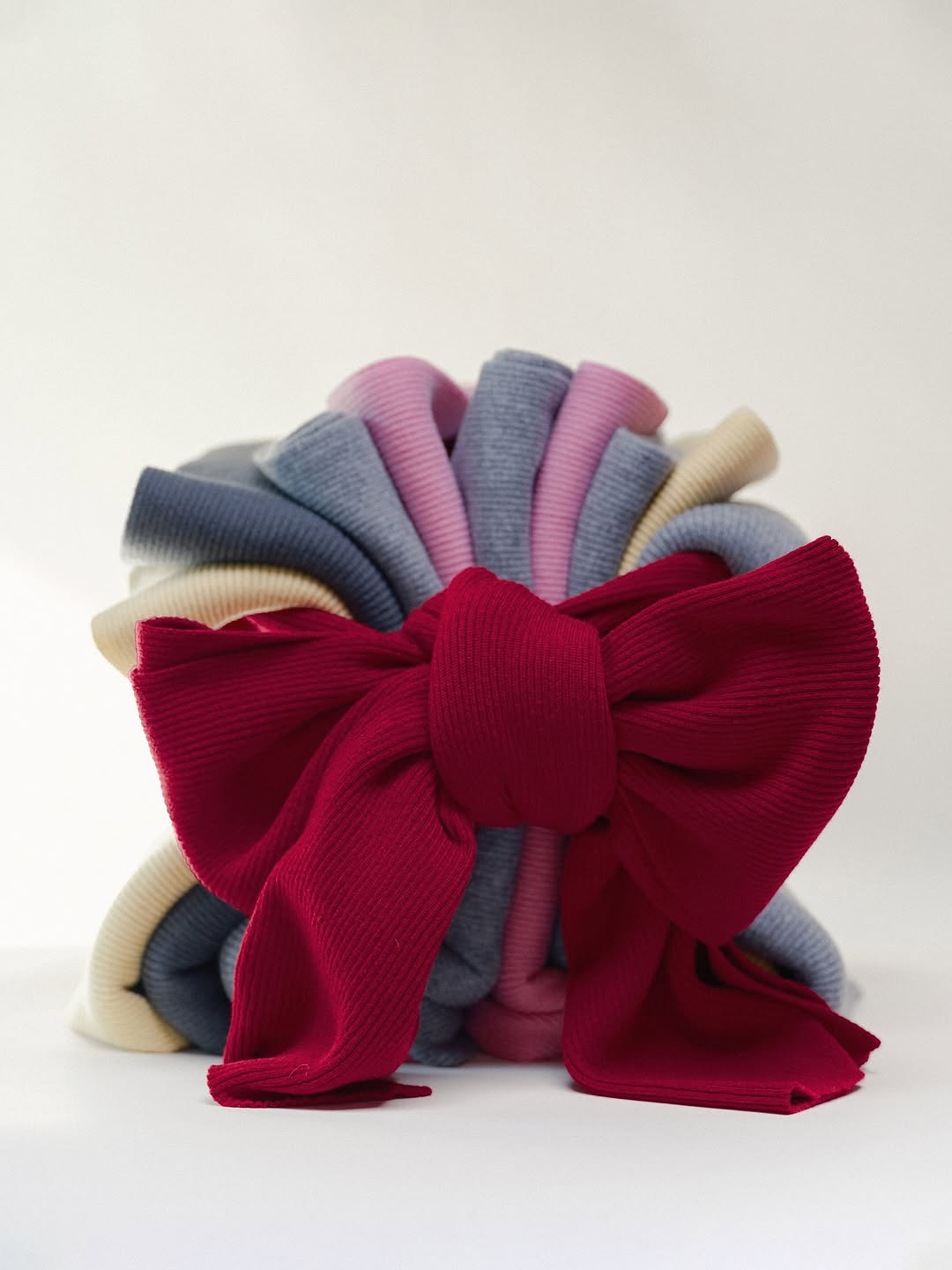
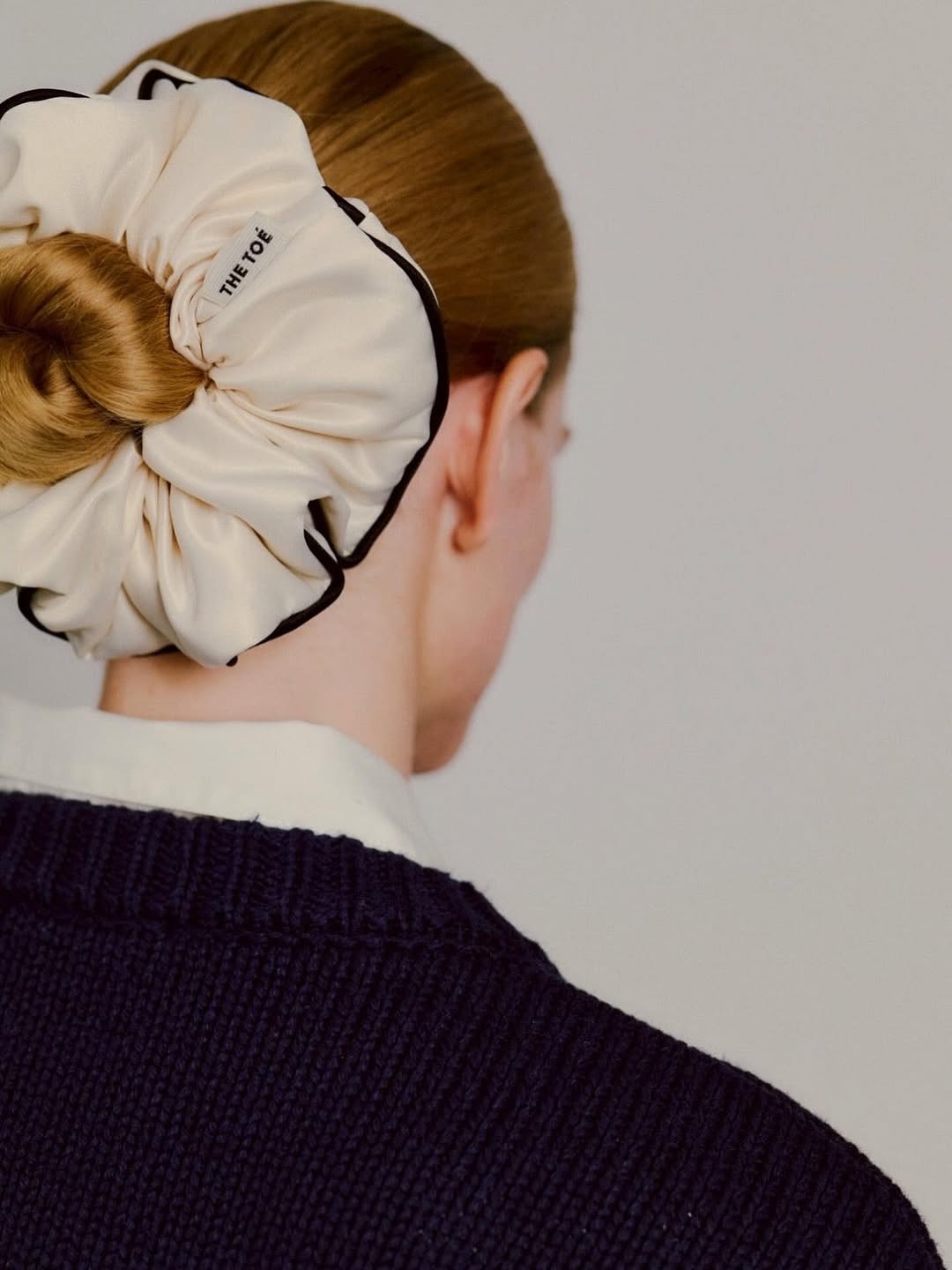
AI-generated product visualizations for Scarf Scrunchie Hair Ties
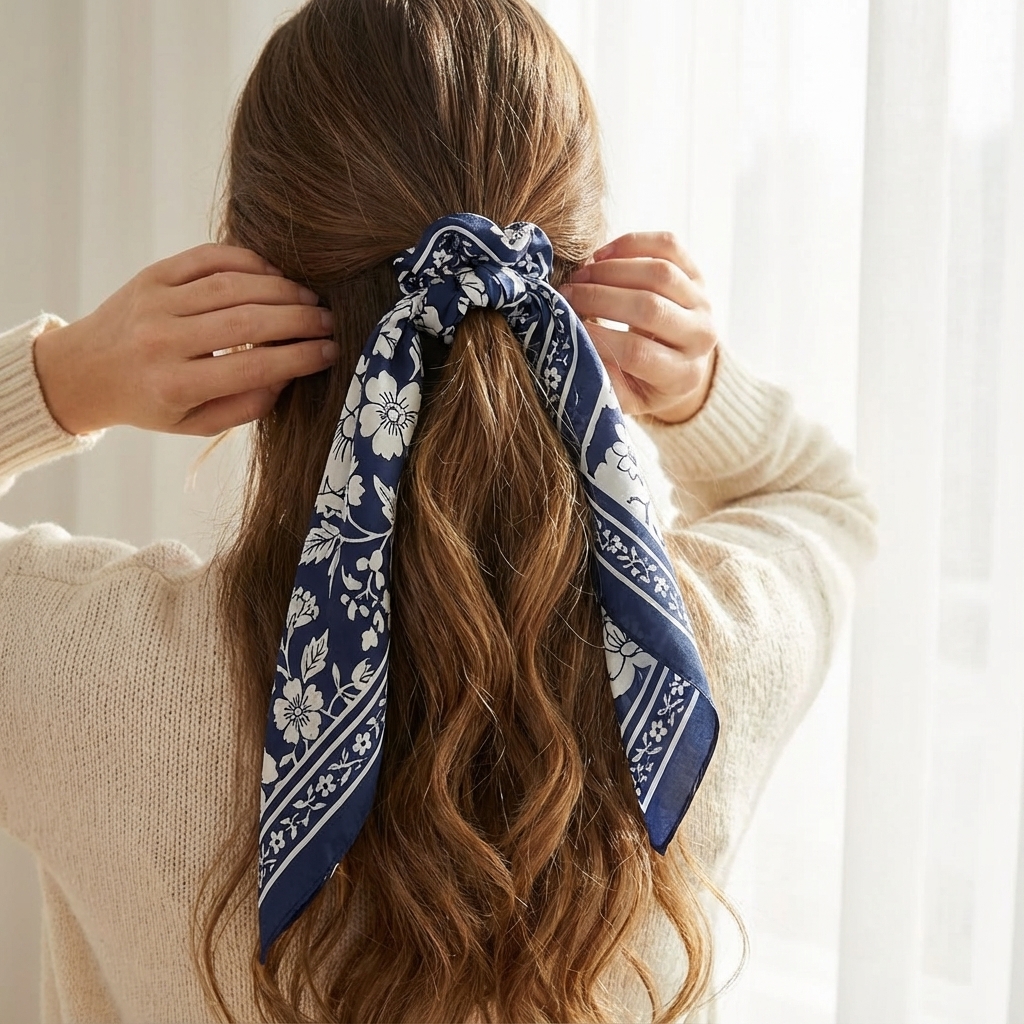
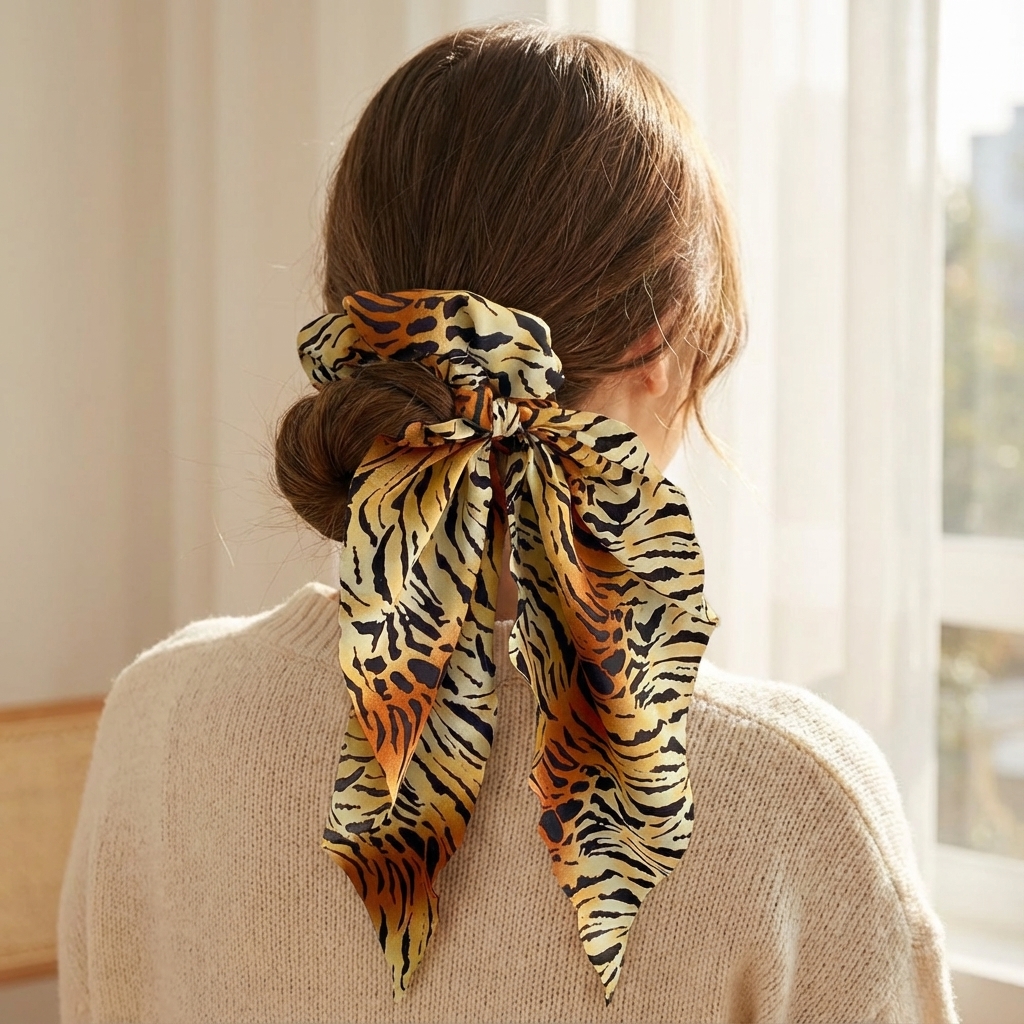
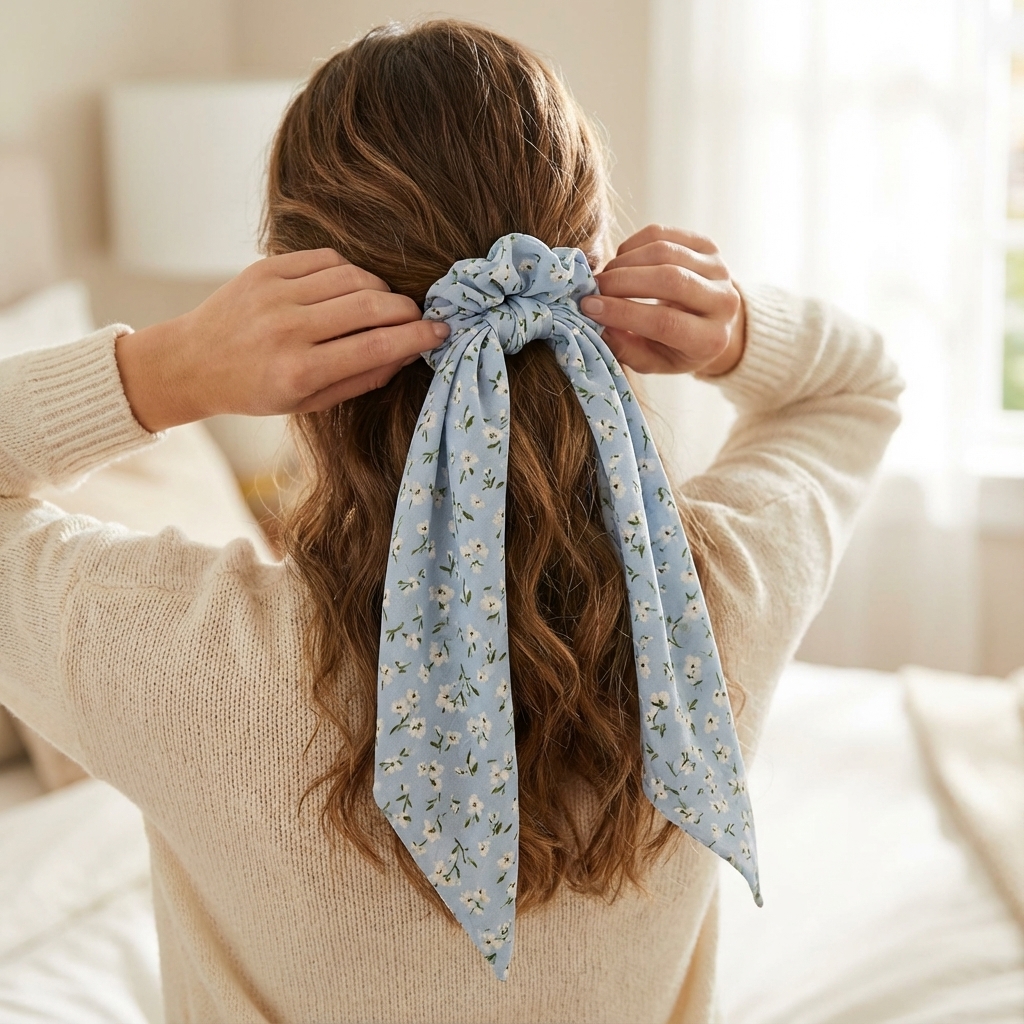
A quick preview of supplier standards, production requirements, and sourcing intelligence from our verified network.
The most significant cost driver for scarf scrunchies is the fabric choice, distinguishing premium silk from value polyester. After material, focus on simplifying construction (like making the scarf non-detachable) and the embellishment method (glued vs. sewn) to achieve target pricing.
Confidence: High| Pricing Lever | Cost Impact | Quality Risk | MOQ Impact | Lead Time | Notes |
|---|---|---|---|---|---|
| Fabric downgrade (e.g., Silk → Polyester Satin, or Chiffon → basic Polyester) | ↓ High | Medium | - None | - None | Directly impacts tactile feel and perceived value. 'Satin Silk' polyester is a good middle ground. |
| Simplify construction (Detachable → Fixed Scarf) | ↓ Medium | Low | - None | ↓ Low | Reduces labor but limits the product's styling versatility. A key value-engineering choice. |
| Simplify embellishment (Sewn → Glued Pearls) | ↓ Medium | High | - None | ↓ Low | Significant risk of embellishments falling off, leading to customer complaints and returns. |
| Use stock fabric prints/colors | ↓ Low–Medium | Low | ↓ Medium | ↓ High | Eliminates custom printing lead time and lowers MOQ per design, enabling faster market entry. |
| Downgrade packaging (Gift Box → Dust Bag → Polybag) | ↓ Medium–High | Medium | - None | - None | Significantly reduces product cost and shipping weight/volume, but lowers unboxing experience. |
| Reduce scarf dimensions (length/width) | ↓ Low | Medium | - None | - None | Saves fabric but can make the product look 'skimpy' and less luxurious. |
| Increase MOQ (e.g., 1k → 5k units per order) | ↓ Medium | Low | ↑ High | - None | Allows for better price breaks on raw materials and improves production efficiency. |
Ready to find the perfect balance between cost and quality? Submit your scarf scrunchie requirements and we'll connect you with vetted suppliers that fit your budget.
The most common quality failures are related to durability. Focus on the elastic's recovery, the security of embellishments, and the finishing of the fabric seams to prevent customer dissatisfaction.
Confidence: HighRoot Cause
Low-quality, thin elastic; incorrect tension during sewing.
What to Specify / Ask Supplier
Specify elastic material, width, and require a stretch/recovery test standard (e.g., 95% recovery after 100 stretches).
QC Check (What "Good" Looks Like)
Manually stretch the scrunchie fully 10-15 times. It should return to its original size with no sound of snapping.
Root Cause
Weak adhesive on glued pearls; insufficient stitching on sewn-on items.
What to Specify / Ask Supplier
Specify application method (e.g., 'securely sewn with 4-point stitch' vs. 'industrial adhesive').
QC Check (What "Good" Looks Like)
Gently pull or flick each pearl/charm. It should feel secure with no movement.
Root Cause
Edges not properly finished (no overlock/serging); low stitch density.
What to Specify / Ask Supplier
Require all internal fabric edges to be overlocked. Specify stitches per inch (SPI) requirement (e.g., 8-10 SPI).
QC Check (What "Good" Looks Like)
Turn a sample inside out to inspect seams. Pull gently at the seams; they should not show gaps or tear.
Root Cause
Low-quality ink; improper heat setting/curing of the print.
What to Specify / Ask Supplier
Request pre-production print strike-offs for approval. Specify colorfastness standard.
QC Check (What "Good" Looks Like)
Rub a white, slightly damp cloth on the print. No color should transfer. Check for vibrancy against the approved sample.
Root Cause
Inaccurate manual cutting; no standardized patterns used.
What to Specify / Ask Supplier
Provide exact dimensions (L x W) for the scarf component with a clear tolerance (e.g., +/- 0.5 cm).
QC Check (What "Good" Looks Like)
Measure a random sample of scarves to ensure they fall within the specified tolerance.
Root Cause
Low-grade fabric rolls; poor handling during sewing.
What to Specify / Ask Supplier
Define AQL (Acceptable Quality Limit) for cosmetic defects. Ask for fabric inspection before cutting.
QC Check (What "Good" Looks Like)
Visually inspect each unit under good lighting for any snags, stains, or inconsistencies in the fabric weave.
Root Cause
Poor communication; mistakes during the packing process.
What to Specify / Ask Supplier
Provide a clear packing list with images for each themed multi-pack.
QC Check (What "Good" Looks Like)
Open a few sample multi-packs to verify the contents match the specified assortment.
Don't let quality issues tarnish your brand. Source with us and receive a comprehensive QC checklist tailored for your scarf scrunchies to ensure every piece is perfect.
Use this data to create your product specifications, reach out to suppliers, and validate your pricing strategy. Start with small sample orders to test quality.
Choose from 2 pricing strategies based on your target market
This sourcing playbook provides actionable guidance for importing Scarf Scrunchie Hair Tiesproducts. Our data-driven approach combines supplier intelligence with market validation to help you make informed purchasing decisions and minimize sourcing risks.
First orders typically require 30-50% deposit with balance before shipment (T/T). As relationships develop, suppliers may offer 30/70 splits or even open terms for established buyers. Letter of Credit (L/C) is available for larger orders but involves additional fees.
Document issues with photos immediately upon receipt. Most suppliers offer replacement or credit for legitimate defects within agreed AQL limits. Having clear quality specifications in your purchase order strengthens your position in disputes.
Third-party inspection is recommended for first orders and orders over $10,000. Services like SGS or Bureau Veritas cost $200-400 per inspection and can prevent costly quality issues. Pre-shipment inspection is most common; in-line inspection adds additional assurance.
Navigation: All Categories → Hair Ties → Scarf Scrunchie Hair Ties → Sourcing