Complete sourcing guide for Indulgent Protein Bars including supplier directory, FOB pricing, product specifications, and market validation.
FOB Price Range
$20.24 - $70.43
Verified Suppliers
0
Sourcing Strategies
2
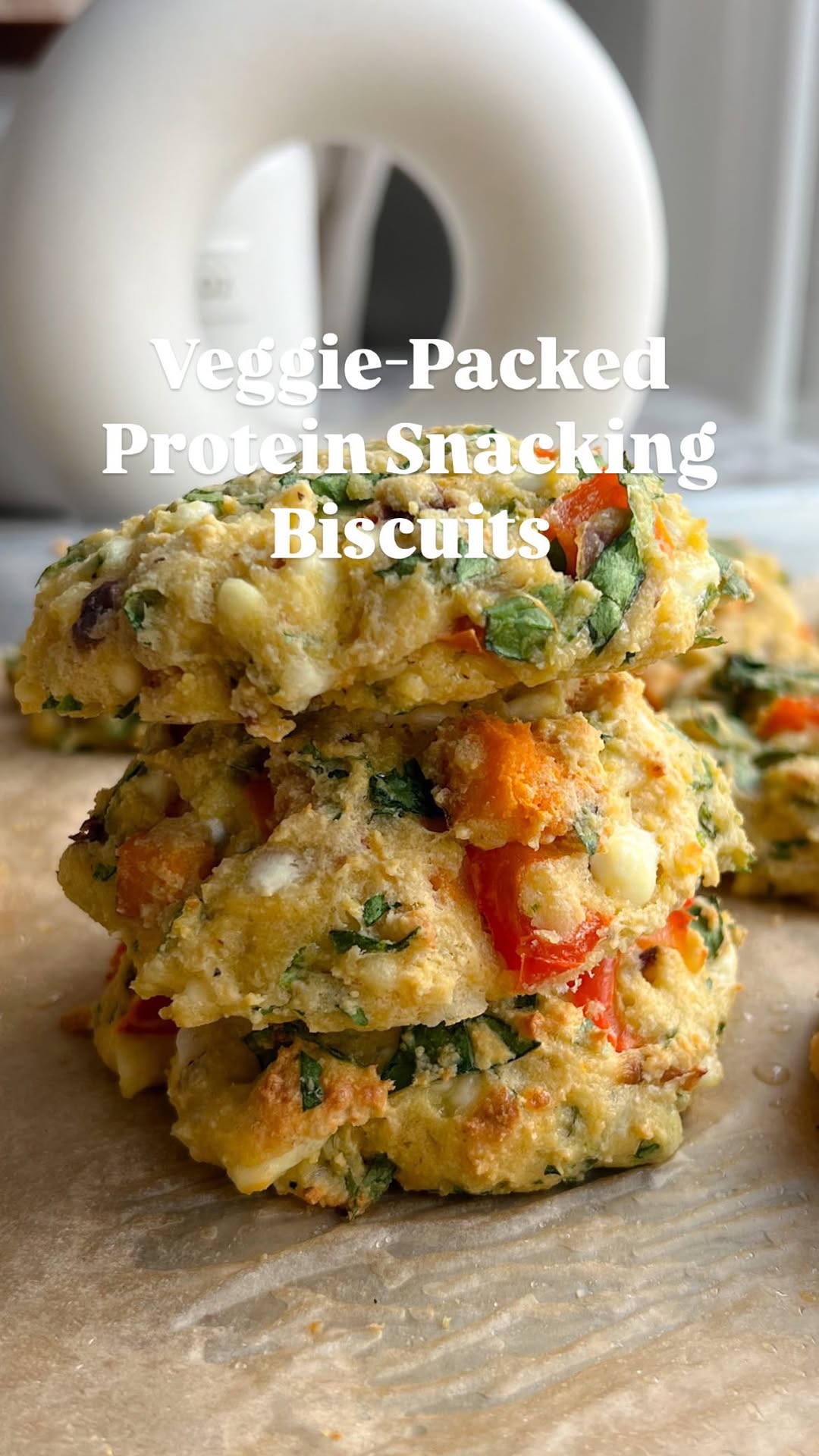
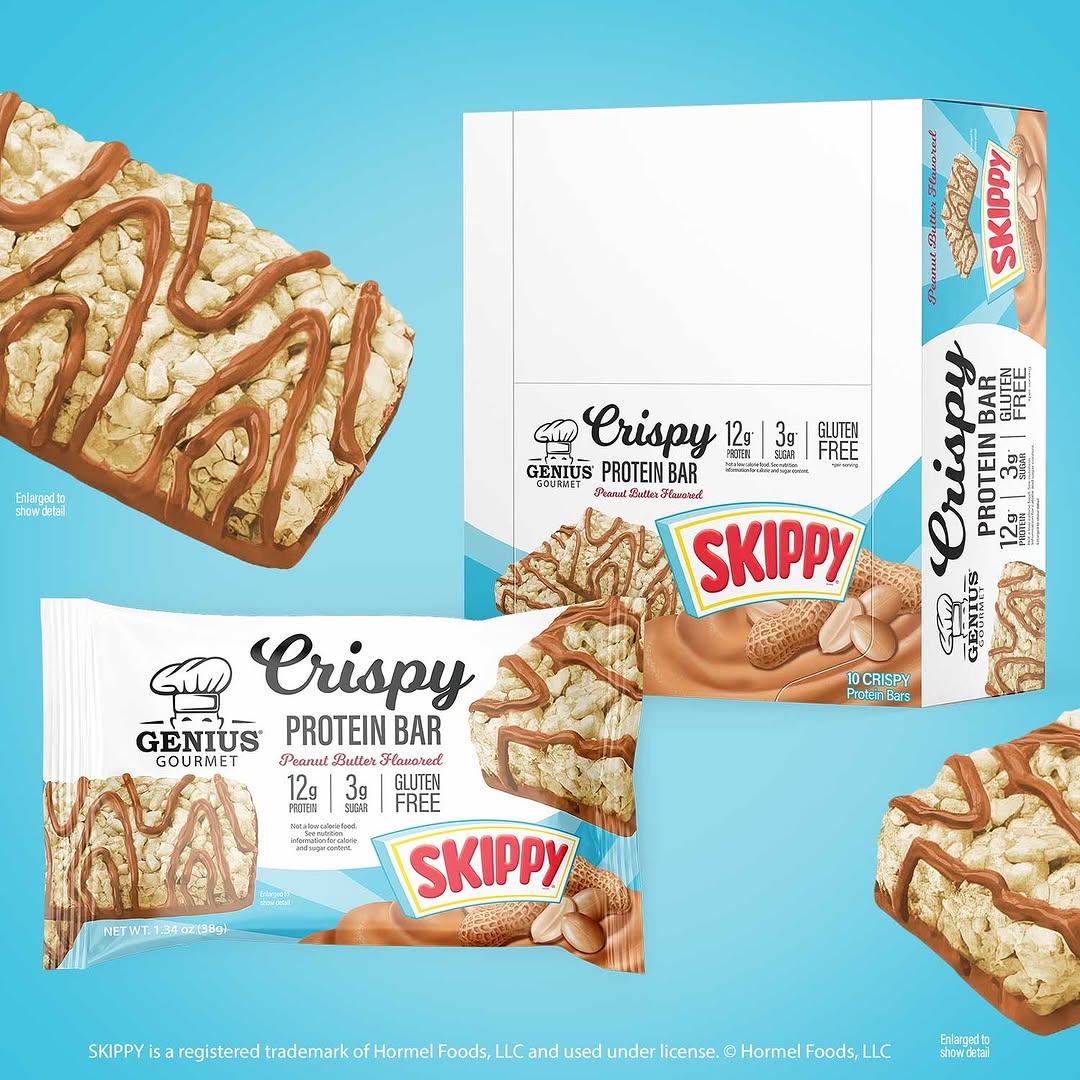
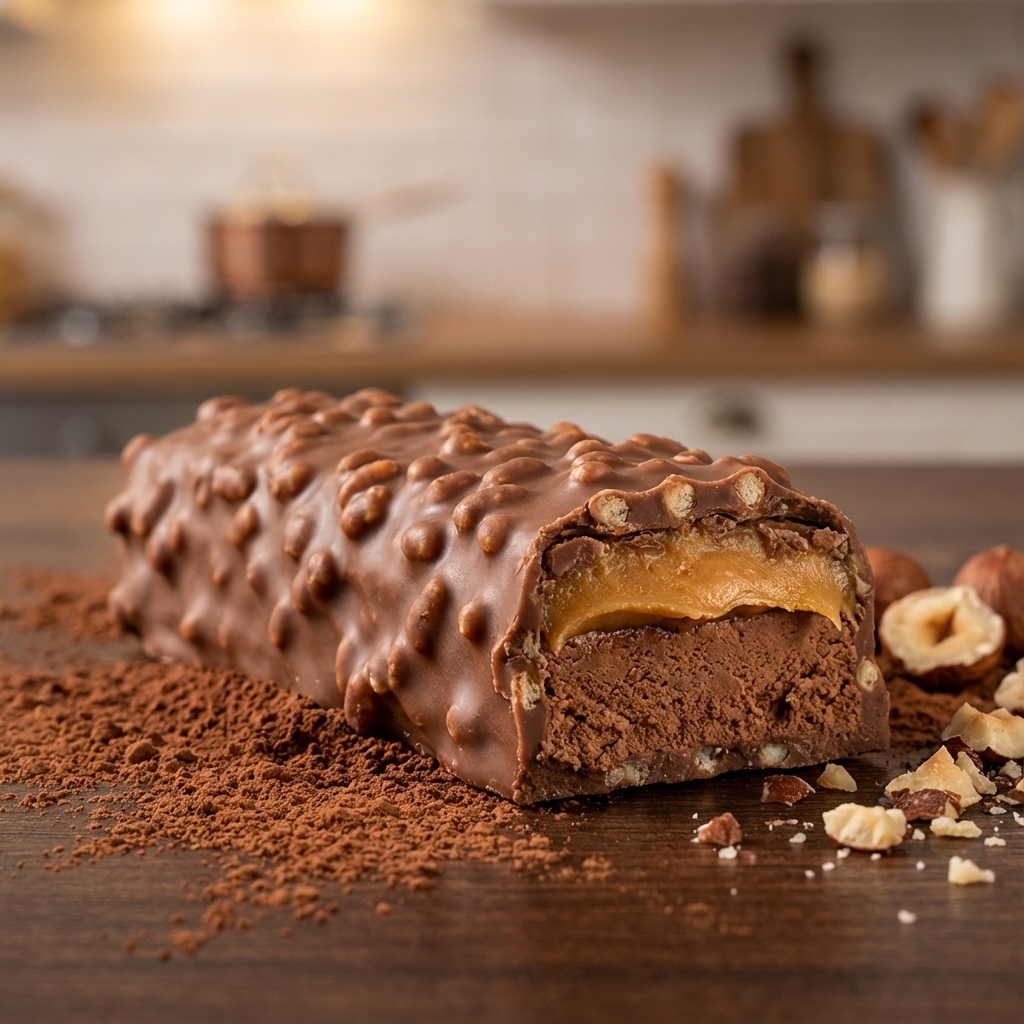
AI-generated product visualizations for Indulgent Protein Bars
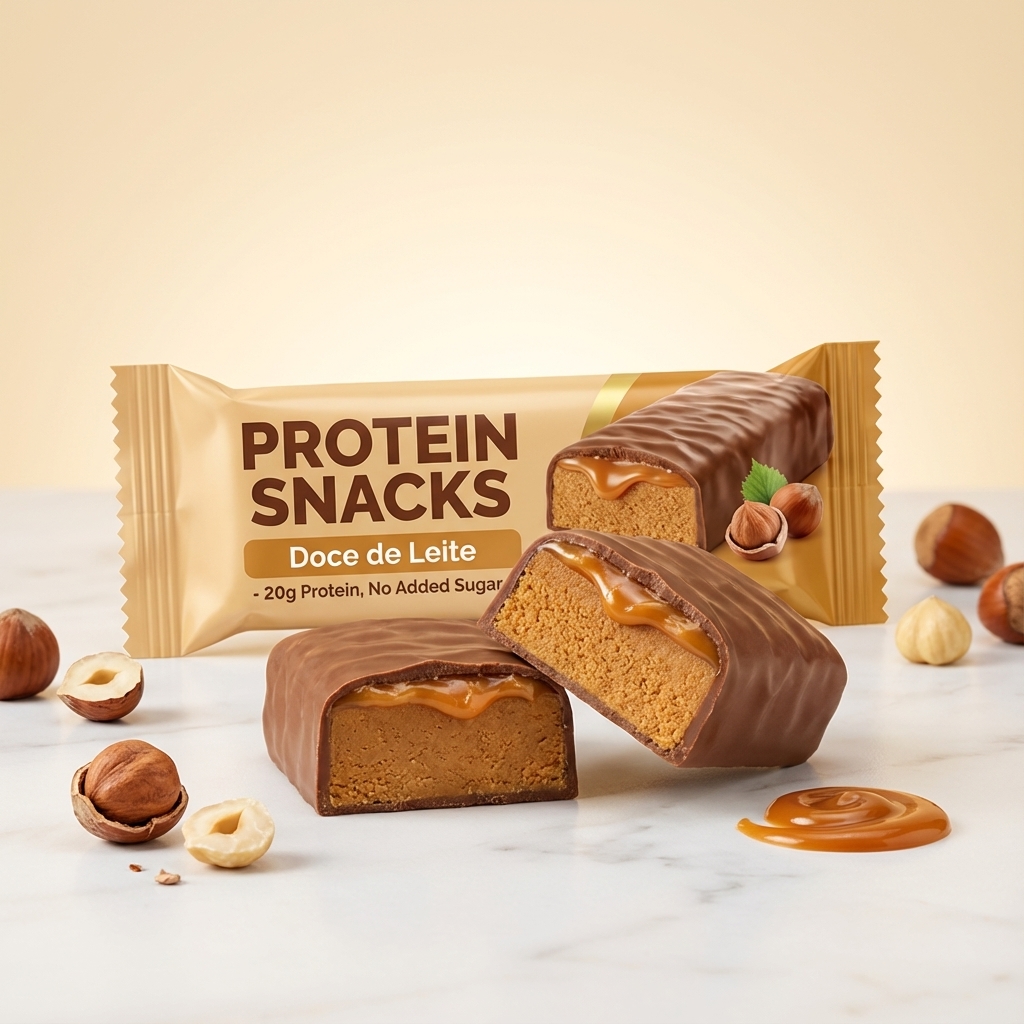
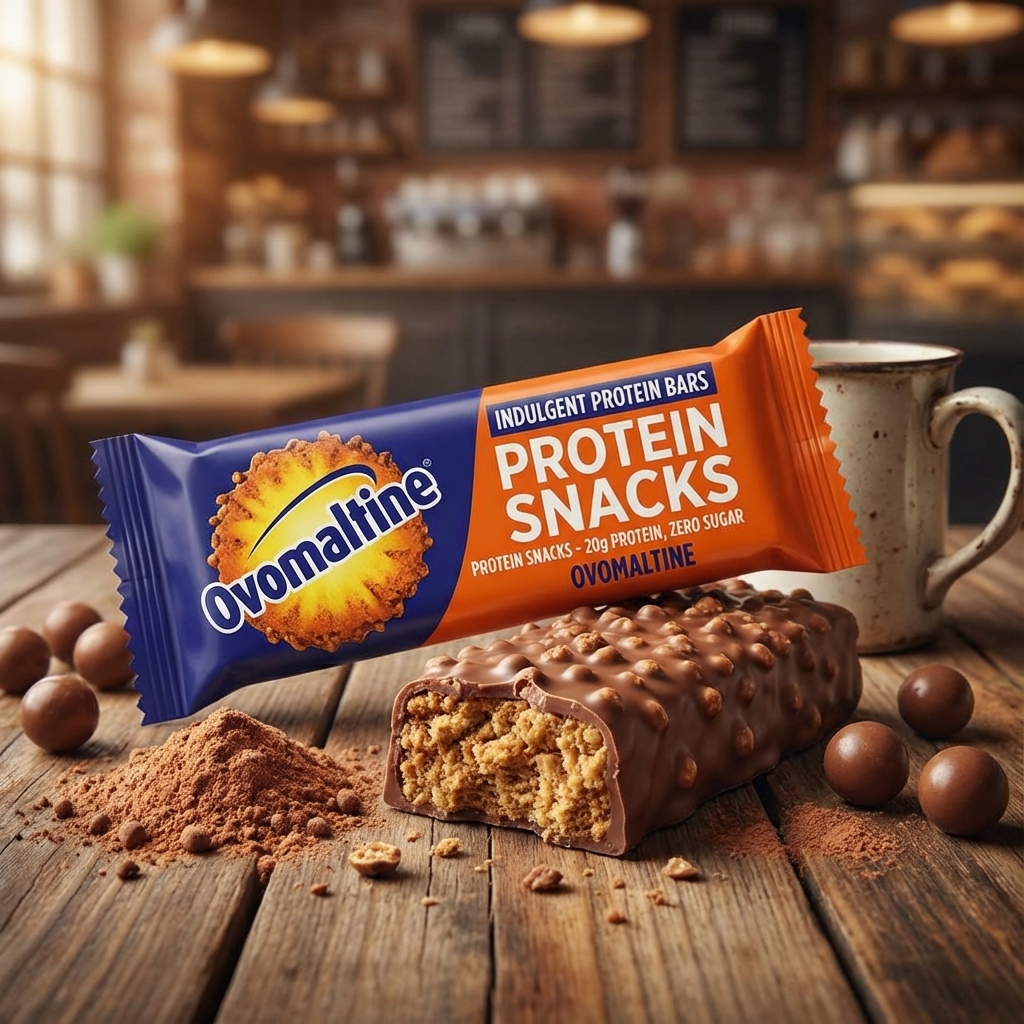
A quick preview of supplier standards, production requirements, and sourcing intelligence from our verified network.
The most significant cost drivers for indulgent protein bars are the protein source, bar complexity, and bar weight. To optimize for price, start by selecting a cost-effective protein blend (like whey concentrate/soy), then simplify the bar's construction, and finally adjust the weight. These three levers offer the most substantial cost savings.
Confidence: High| Pricing Lever | Cost Impact | Quality Risk | MOQ Impact | Lead Time | Notes |
|---|---|---|---|---|---|
| Switch protein from Isolate blend to Concentrate/Soy blend | ↓ High | Medium | - None | - None | Affects digestibility and may introduce a slight 'whey' aftertaste. Key lever for value segment. |
| Simplify construction (multi-layer → single layer with inclusions) | ↓ Medium–High | Low | - None | ↓ Low | Reduces manufacturing complexity but sacrifices the premium multi-texture experience. |
| Reduce bar weight (e.g., from 65g to 55g) | ↓ Medium | Low | - None | - None | Directly reduces ingredient cost per unit but may lower the perceived value and satiety. |
| Use standard coating vs. a 'Climate-Resistant' high-melt-point one | ↓ Low–Medium | High | ↓ Low | ↓ Low | High risk of melting during shipping in warm climates like Brazil, a major customer complaint. |
| Downgrade outer packaging (e.g., rigid box → corrugated → folding carton) | ↓ Medium | High | - None | ↓ Low | Increases risk of crushed boxes during transit, a common negative review point. |
| Use stock/common flavors instead of custom dessert profiles | ↓ Low | Low | ↓ Medium | ↓ Medium | Eliminates R&D time and cost, enabling a faster launch but with less differentiation. |
| Remove functional additions (e.g., Creatine, BCAAs) | ↓ Low | None | - None | - None | Simplifies formulation and cost, but removes a key selling point for niche fitness audiences. |
| Increase MOQ per flavor | ↓ Medium | Low | ↑ High | - None | Allows supplier to achieve economies of scale on ingredients and packaging, leading to better unit prices. |
Ready to formulate the perfect protein bar for your budget? Submit a sourcing request with your target specs, and we'll connect you with qualified manufacturers to balance cost, quality, and flavor.
The most frequent and damaging quality failures are filling leakage, coating melting, and poor wrapper seals, which create a messy user experience. These are followed by crushed packaging and inconsistent taste, which erode brand trust and lead to negative reviews.
Confidence: HighRoot Cause
Low-viscosity filling; formulation with low-melt-point fats; poor bar structure.
What to Specify / Ask Supplier
Specify a 'Climate-Resistant Formulation' with a high-viscosity, heat-stable filling. Request stability test data (e.g., results after 48h at 30-35°C).
QC Check (What "Good" Looks Like)
Incubate samples in a warm room. Check for any oiling out or leakage. Cut bar open to inspect structural integrity.
Root Cause
Incorrect sealing temperature/pressure; food residue on seal area; low-quality wrapper material.
What to Specify / Ask Supplier
Specify wrapper material (e.g., triple-laminate foil) and seal type (e.g., cold seal). Mandate in-line vision system inspection for seal integrity.
QC Check (What "Good" Looks Like)
Submerge a few wrapped bars in water and apply gentle pressure; no air bubbles should escape. Visually inspect seal for consistency.
Root Cause
Flimsy packaging material (e.g., thin paperboard); lack of internal dividers; poor master carton packing.
What to Specify / Ask Supplier
Specify box material (e.g., B-flute corrugated) and structure (e.g., with dividers). Require adherence to a shipping test standard like ISTA-1A.
QC Check (What "Good" Looks Like)
Perform a corner drop test on a sample display box and a full master carton. Box should maintain its shape without collapsing.
Root Cause
Poor raw material control; inconsistent mixing process; incorrect dosage of flavors or sweeteners.
What to Specify / Ask Supplier
Provide an approved 'golden sample' for sensory reference. Specify acceptable variance and require batch-to-batch consistency checks.
QC Check (What "Good" Looks Like)
Conduct sensory panel testing (taste, texture, smell) comparing production units against the golden sample. It should be indistinguishable.
Root Cause
Formulation changes not updated on packaging; poor process control leading to macro variance; printing errors.
What to Specify / Ask Supplier
Require a Certificate of Analysis (CoA) for each production batch confirming protein content and macros against the label claim.
QC Check (What "Good" Looks Like)
Periodically send random samples to a 3rd-party lab for verification. Cross-check artwork proofs meticulously before printing.
Root Cause
High water activity (Aw) in the bar; poor GMP/hygiene during production; inadequate preservation system.
What to Specify / Ask Supplier
Require supplier to be GMP certified. Specify a maximum water activity level (e.g., <0.7 Aw). Request micro testing reports per batch.
QC Check (What "Good" Looks Like)
Send samples from every batch to a lab for microbiological screening (Total Plate Count, Yeast, Mold, E.coli, Salmonella).
Root Cause
Promotional images are idealized; inconsistent application of toppings/inclusions; color variance in coating.
What to Specify / Ask Supplier
Provide clear photos of the approved sample, including a cross-section. Specify minimum percentage of inclusions by weight.
QC Check (What "Good" Looks Like)
Visually compare production bars to the golden sample. Check for consistent topping distribution and layer definition.
Don't let leaky wrappers and melted bars ruin your brand reputation. Source with us and we'll help you build a robust QC plan to ensure your protein bars delight customers every time.
Use this data to create your product specifications, reach out to suppliers, and validate your pricing strategy. Start with small sample orders to test quality.
Choose from 2 pricing strategies based on your target market
This sourcing playbook provides actionable guidance for importing Indulgent Protein Barsproducts. Our data-driven approach combines supplier intelligence with market validation to help you make informed purchasing decisions and minimize sourcing risks.
First orders typically require 30-50% deposit with balance before shipment (T/T). As relationships develop, suppliers may offer 30/70 splits or even open terms for established buyers. Letter of Credit (L/C) is available for larger orders but involves additional fees.
Document issues with photos immediately upon receipt. Most suppliers offer replacement or credit for legitimate defects within agreed AQL limits. Having clear quality specifications in your purchase order strengthens your position in disputes.
Third-party inspection is recommended for first orders and orders over $10,000. Services like SGS or Bureau Veritas cost $200-400 per inspection and can prevent costly quality issues. Pre-shipment inspection is most common; in-line inspection adds additional assurance.
Navigation: All Categories → Protein Snacks → Indulgent Protein Bars → Sourcing