Complete sourcing guide for Functional Protein Snacks including supplier directory, FOB pricing, product specifications, and market validation.
FOB Price Range
$25.12 - $126.36
Verified Suppliers
1
Sourcing Strategies
2
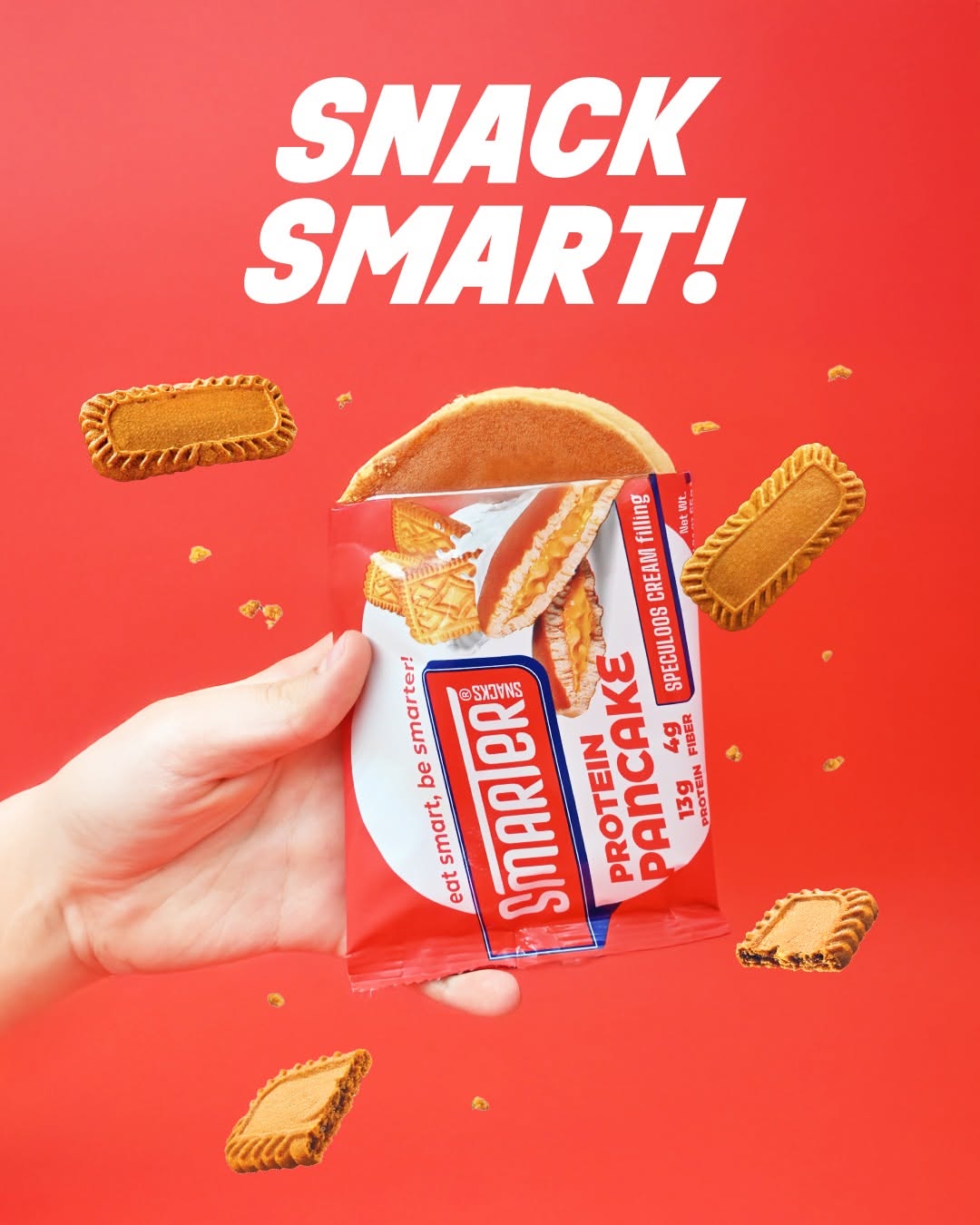
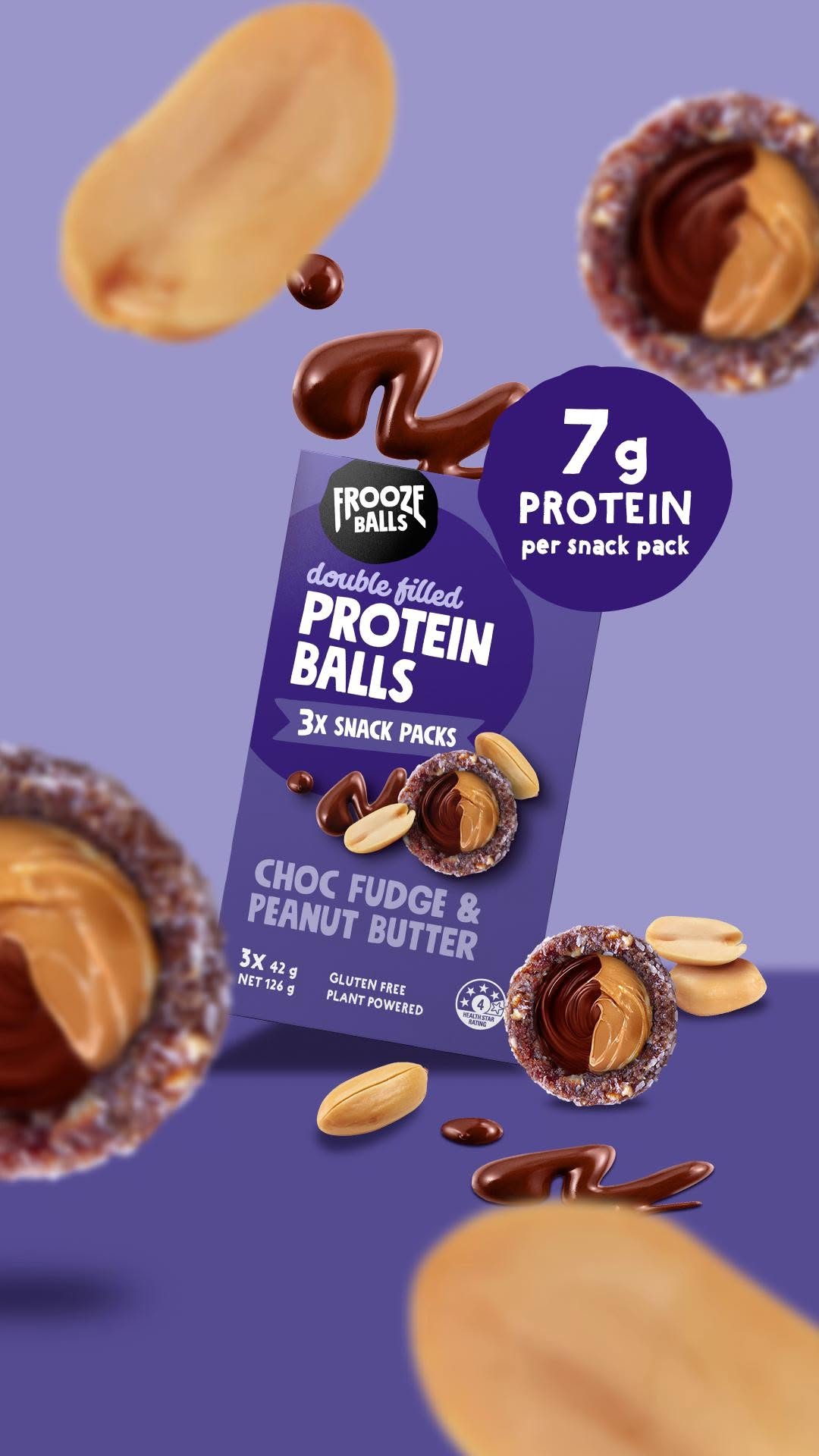
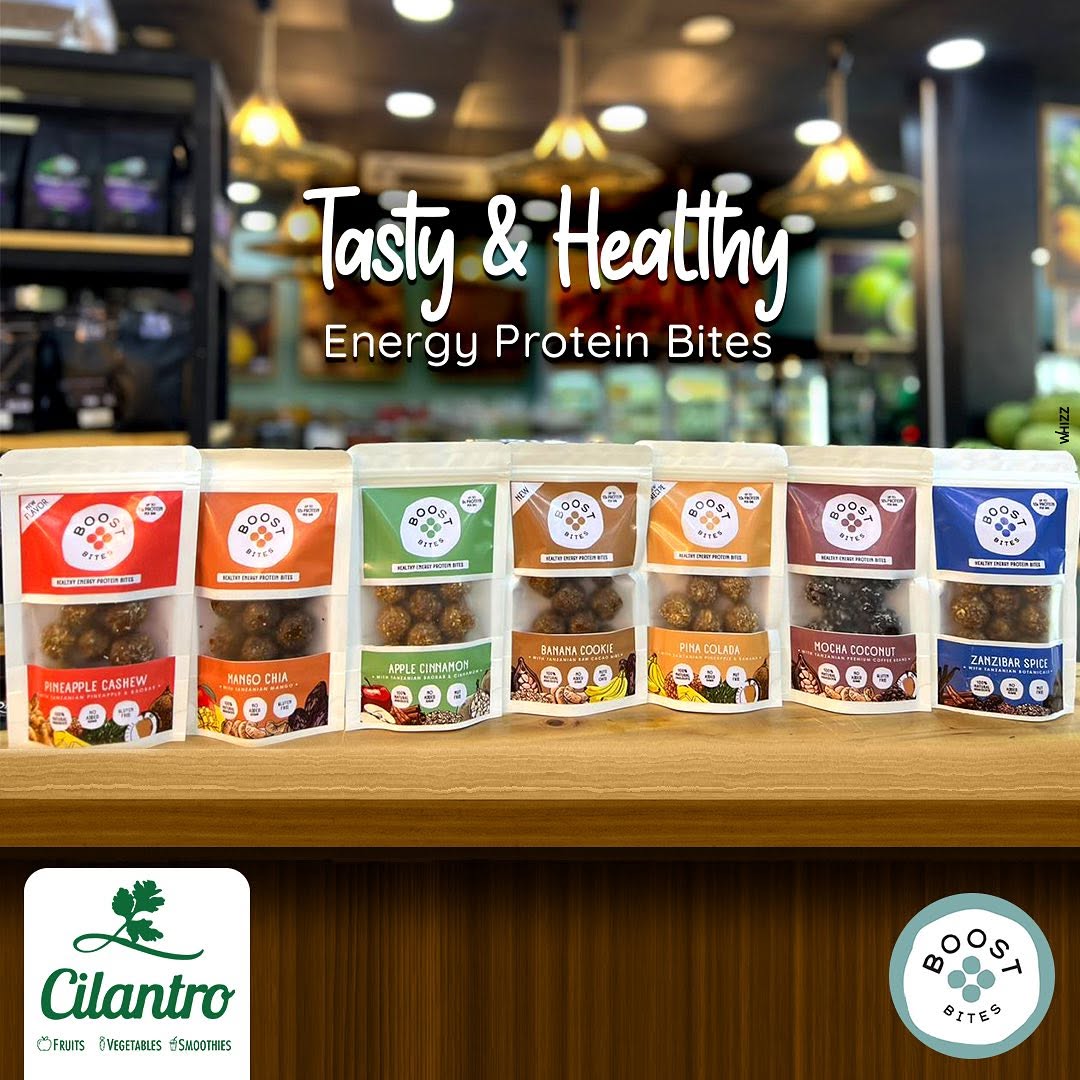
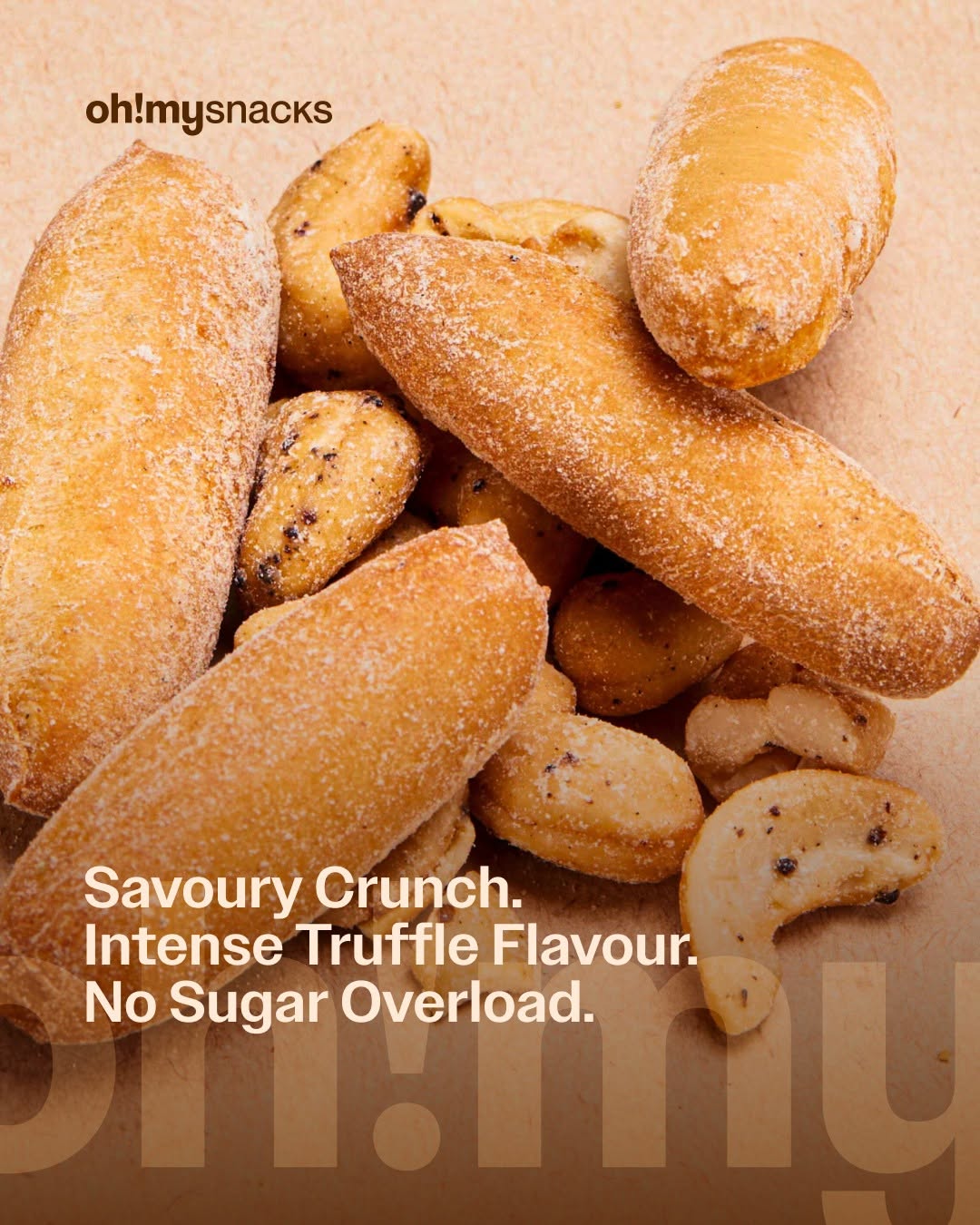
AI-generated product visualizations for Functional Protein Snacks
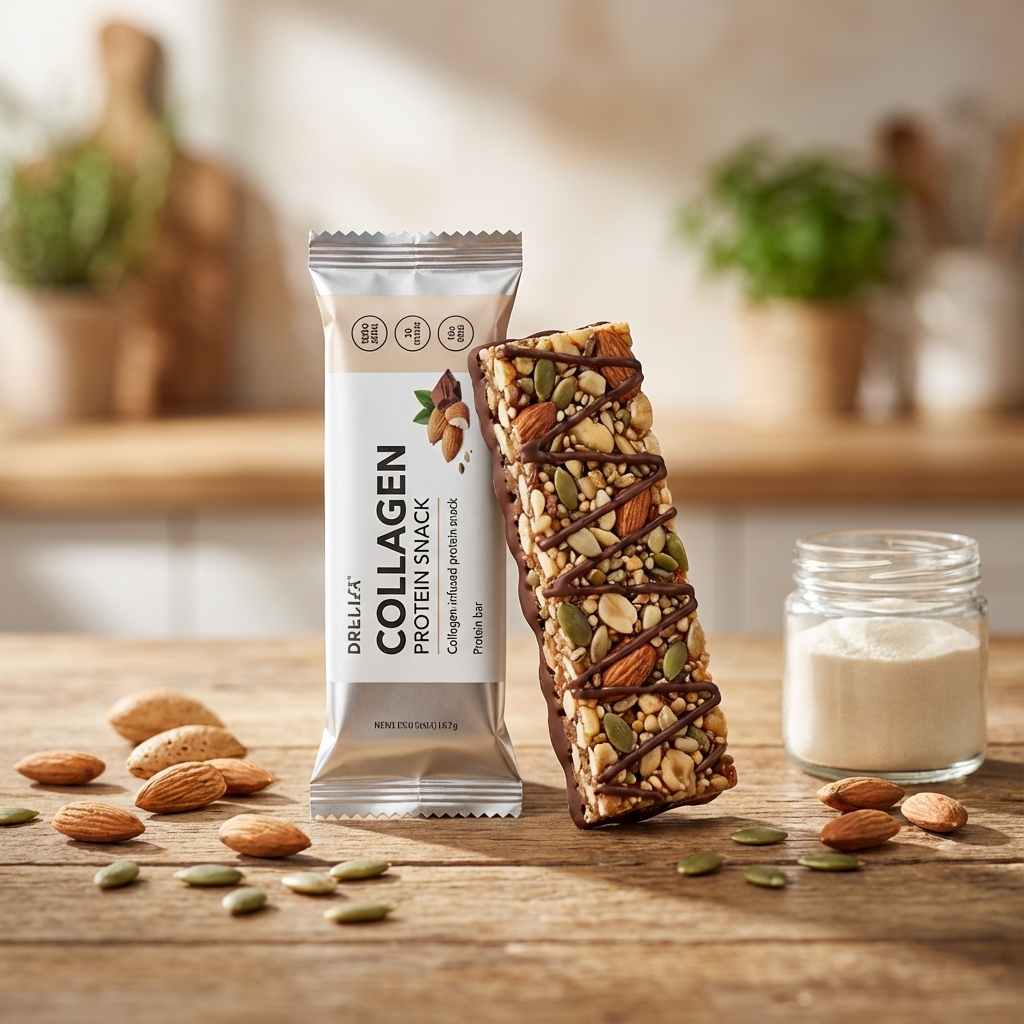
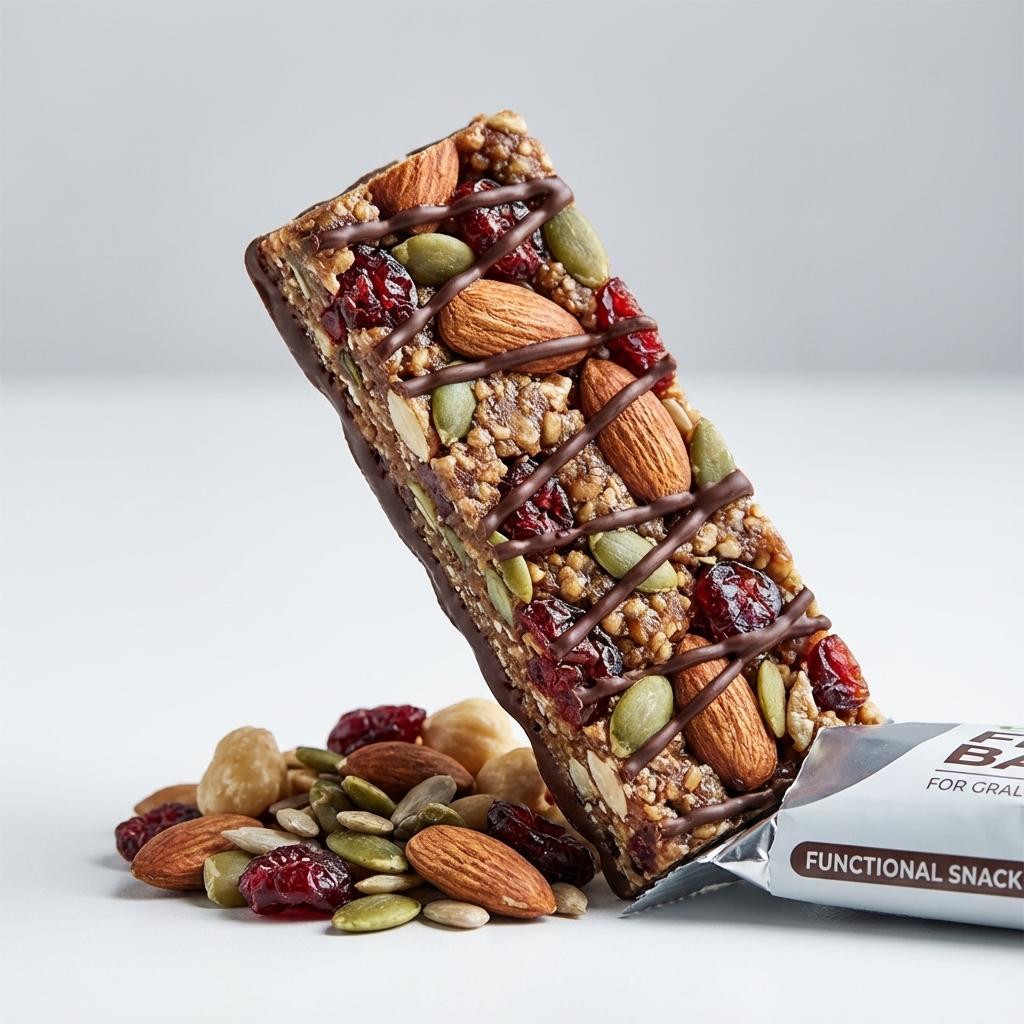
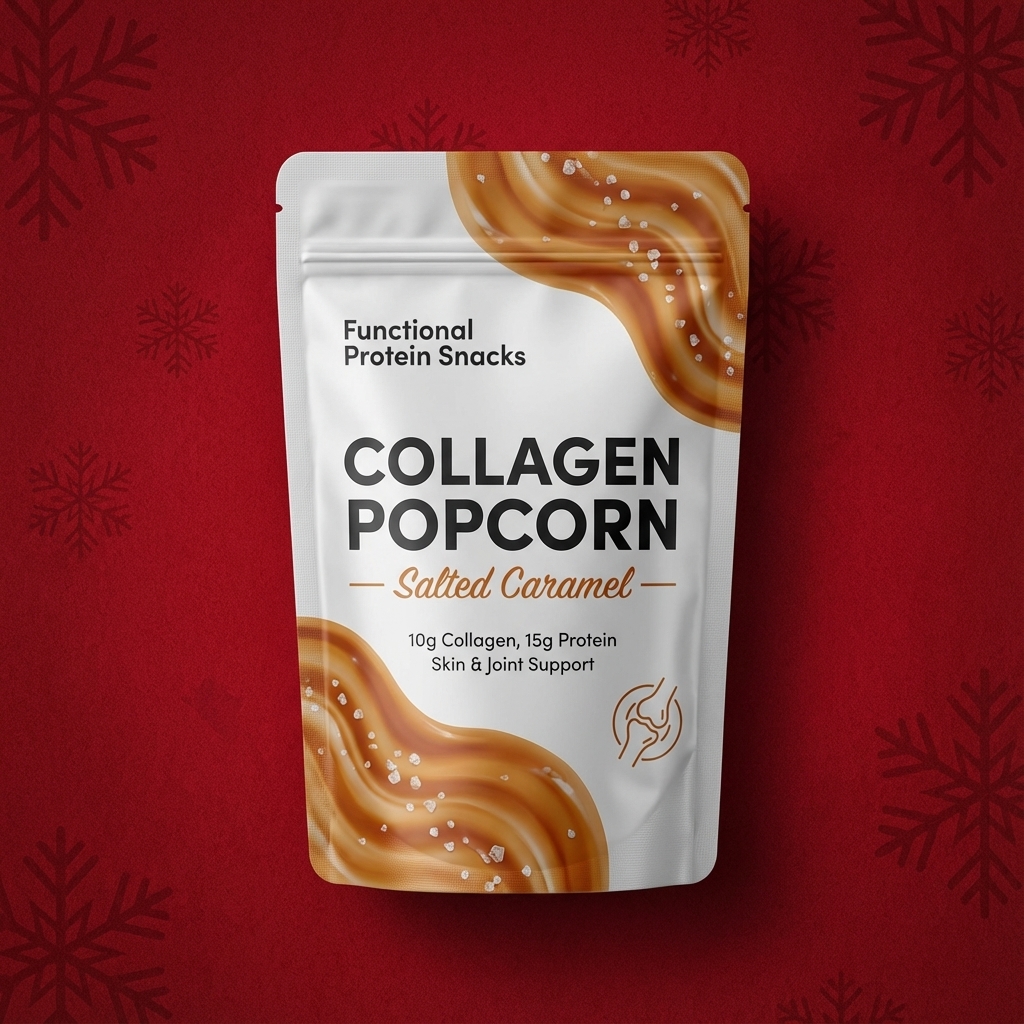
A quick preview of supplier standards, production requirements, and sourcing intelligence from our verified network.
Verified suppliers with years of experience and quality strengths
| Supplier | Images | Tier | Years | Response | Favorites | Key Strengths | Product Expertise | Shop Ratings | Contact |
|---|---|---|---|---|---|---|---|---|---|
Simeijian Cross-border E-commerce Trade (Guangzhou) Co., Ltd. Guangdong Guangzhou Guangzhou City | Tier 4 | 5+ | 0.42% | 197 | Excellent Quality | Composite Health Products | Quality 5.0 Returns 2.0 Logistics 2.1 Consult 4.0 Dispute 0.0 Overall 3.5 | View contact |
0 verified suppliers across 9 manufacturing hubs
Average Ratings Across All Suppliers
0.0
Quality
0.0
Logistics
0.0
Returns
0.0
Disputes
0.0
Support
0.0
Overall
FOB pricing by manufacturing cluster, compare costs across regions
| Region | Suppliers | Min FOB | Avg FOB | Max FOB |
|---|---|---|---|---|
| Guangzhou, Guangdong | 11 | ¥0 | ¥3 | ¥12 |
| Fuyang, Anhui | 6 | ¥0 | ¥2 | ¥9 |
| Binzhou, Shandong | 2 | ¥0 | ¥7 | ¥21 |
| Heze, Shandong | 1 | ¥0 | ¥0 | ¥1 |
| Foshan, Guangdong | 1 | ¥1 | ¥1 | ¥1 |
| Dongying, Shandong | 1 | ¥0 | ¥0 | ¥0 |
The supply base for functional protein snacks is concentrated in Guangdong, particularly Guangzhou, which serves as a major hub for finished product manufacturing with specialized food industrial parks. A secondary cluster exists in Anhui, Fuyang, offering competitive options. Shandong province stands out as a key region for raw material integration, being a major producer of soy protein, a critical ingredient for many functional snacks.
Best For: Sourcing a wide variety of finished, packaged functional protein snacks, including innovative plant-based options, from a large and established supplier base.
Why Strong: This city has the highest concentration of suppliers. It is a major food industry center with specialized facilities like the Fuling Food Industrial Park, which focuses on food and feed protein proces...
⚠️ The wide price range suggests significant variability in product quality, ingredients, and complexity. As a major hub, some suppliers may have higher ...
Best For: Buyers seeking cost-effective manufacturing for standard protein snack varieties where price is a key consideration.
Why Strong: Represents a significant secondary cluster of suppliers. The data indicates a more competitive average price point compared to the primary hub in Guangzhou, suggesting a focus on cost-effective produc...
⚠️ Less information is available regarding specialized R&D or advanced manufacturing capabilities. Buyers should perform detailed due diligence on qualit...
Best For: Sourcing protein snacks with a soy protein base or partnering with suppliers who have a raw material cost advantage.
Why Strong: This cluster is located in Shandong province, a major national producer of soy protein. This provides suppliers with direct access to key raw materials, suggesting strong upstream supply chain integra...
⚠️ The supplier base is smaller than in Guangdong. The higher average price in this specific city may indicate a focus on value-added or specialized prod...
Top-tier verified manufacturers with quality ratings and capabilities
| Company | Tier | Years | Quality | Logistics |
|---|---|---|---|---|
| Simeijian Cross-border E-comme... | TIER 4 | 0+ | 5.0 | 2.1 |
| Supplier | Yrs | Rating ↓ | Actions |
|---|
Tip: Click on a supplier row to see detailed ratings breakdown. Ratings above 4.0 indicate reliable suppliers.
The most significant cost driver for functional protein snacks is the protein source itself; switching from a patented ingredient to a high-quality generic hydrolyzed collagen offers the largest potential savings. Secondary levers include simplifying packaging from custom tubs to standard formats and opting for stock flavors over custom developments.
Confidence: High| Pricing Lever | Cost Impact | Quality Risk | MOQ Impact | Lead Time | Notes |
|---|---|---|---|---|---|
| Switch from patented (e.g., Bodybalance®) to generic hydrolyzed collagen | ↓ High | Medium | ↓ Low | - None | Loses marketing power of a branded ingredient; must verify bioavailability of generic source. |
| Use standard (non-hydrolyzed) collagen or a protein blend | ↓ High | High | - None | - None | May negatively affect mixability, digestibility, and key marketing claims ('gentle on stomach'). |
| Simplify packaging (e.g., standard tub vs. custom mold; sachet in polybag vs. box) | ↓ Medium–High | Medium | ↓ Medium | ↓ Medium | Reduces tooling costs but impacts brand differentiation and perceived premium quality. |
| Use supplier's stock flavors instead of custom development | ↓ Medium | Low | ↓ Low | ↓ High | Fastest way to market, but offers less flavor uniqueness. |
| Change sweetener blend (e.g., use sucralose vs. premium stevia/monk fruit) | ↓ Low–Medium | Medium | - None | - None | Affects taste profile and 'clean label' appeal. Requires careful sensory testing. |
| Reduce number of secondary functional ingredients (e.g., vitamins, fibers) | ↓ Low | Low | - None | - None | Simplifies formulation and sourcing but reduces functional claims. |
| Increase MOQ (to leverage volume discounts on ingredients/packaging) | ↓ Medium | Low | ↑ High | - None | Requires higher capital investment but lowers per-unit cost significantly. |
Ready to formulate your protein snack? Submit your project brief with us and we'll connect you with certified suppliers that meet your cost and quality targets.
The most critical quality risks involve product integrity and safety. These include broken seals leading to contamination, inaccurate protein content which undermines the core promise, and inconsistent flavor which kills repeat purchases.
Confidence: HighRoot Cause
Incorrect sealing parameters (heat/pressure); low-quality liner/film; incompatible tub/lid material.
What to Specify / Ask Supplier
Specify multi-layer induction seal for tubs. Require seal strength/peel test and vacuum leak test protocols for every batch.
QC Check (What "Good" Looks Like)
Invert and squeeze tub/sachet to check for leaks. Seal should peel off cleanly without tearing or leaving residue.
Root Cause
Low-quality or fraudulent raw material; incorrect mixing ratios during production.
What to Specify / Ask Supplier
Require Certificate of Analysis (CoA) for every raw protein batch. Mandate periodic third-party lab testing of finished product to verify protein content.
QC Check (What "Good" Looks Like)
Review supplier's CoA and third-party lab reports. Ensure protein content matches the label claim within an acceptable variance (e.g., ±5%).
Root Cause
Poor batch-to-batch process control; variation in raw material quality (especially sweeteners/flavors).
What to Specify / Ask Supplier
Provide an approved 'golden sample' for reference. Define acceptable sensory profile and sweetness level (e.g., target Brix).
QC Check (What "Good" Looks Like)
Conduct a sensory panel test (taste, smell, color) comparing a sample from the new batch against the approved golden sample.
Root Cause
High moisture content in powder; improper agglomeration process; ingredient static.
What to Specify / Ask Supplier
Specify maximum moisture content (e.g., <5%). Define a solubility standard (e.g., 'dissolves completely in 200ml water after 30s of shaking').
QC Check (What "Good" Looks Like)
Perform the specified mixability test. The resulting liquid should be smooth with no visible clumps or sediment.
Root Cause
Non-compliance with GMP (Good Manufacturing Practices); contaminated raw materials; poor sanitation.
What to Specify / Ask Supplier
Require supplier to be GMP certified. Demand a micro-biological CoA for each production lot (testing for TPC, yeast, mold, E.coli, Salmonella).
QC Check (What "Good" Looks Like)
Review the lab report for the specific batch to ensure all microbial counts are within safe, specified limits.
Root Cause
Flimsy tub material (thin walls); inadequate master carton strength for shipping weight.
What to Specify / Ask Supplier
Specify tub material (e.g., HDPE) and minimum wall thickness/weight. Define master carton specs (e.g., double-wall, 200lb burst strength).
QC Check (What "Good" Looks Like)
Perform a drop test on a fully packed master carton from a standard height (e.g., 1 meter) to check for damage to contents.
Root Cause
Poorly calibrated automated filling equipment; inconsistent powder density.
What to Specify / Ask Supplier
Specify the net weight and an acceptable tolerance range (e.g., 450g ± 1.5%).
QC Check (What "Good" Looks Like)
Weigh a random sample of units (using AQL standards) to ensure they fall within the specified weight range.
Don't leave quality to chance. Source with us to get a comprehensive QC checklist and inspection protocol tailored for your functional protein snack.
Use this data to create your product specifications, reach out to suppliers, and validate your pricing strategy. Start with small sample orders to test quality.
Choose from 2 pricing strategies based on your target market
This sourcing playbook provides actionable guidance for importing Functional Protein Snacksproducts. Our data-driven approach combines supplier intelligence with market validation to help you make informed purchasing decisions and minimize sourcing risks.
First orders typically require 30-50% deposit with balance before shipment (T/T). As relationships develop, suppliers may offer 30/70 splits or even open terms for established buyers. Letter of Credit (L/C) is available for larger orders but involves additional fees.
Document issues with photos immediately upon receipt. Most suppliers offer replacement or credit for legitimate defects within agreed AQL limits. Having clear quality specifications in your purchase order strengthens your position in disputes.
Third-party inspection is recommended for first orders and orders over $10,000. Services like SGS or Bureau Veritas cost $200-400 per inspection and can prevent costly quality issues. Pre-shipment inspection is most common; in-line inspection adds additional assurance.
Navigation: All Categories → Protein Snacks → Functional Protein Snacks → Sourcing