Complete sourcing guide for Minimalist & Stackable Rings including supplier directory, FOB pricing, product specifications, and market validation.
FOB Price Range
$5 - $83
Verified Suppliers
0
Sourcing Strategies
2
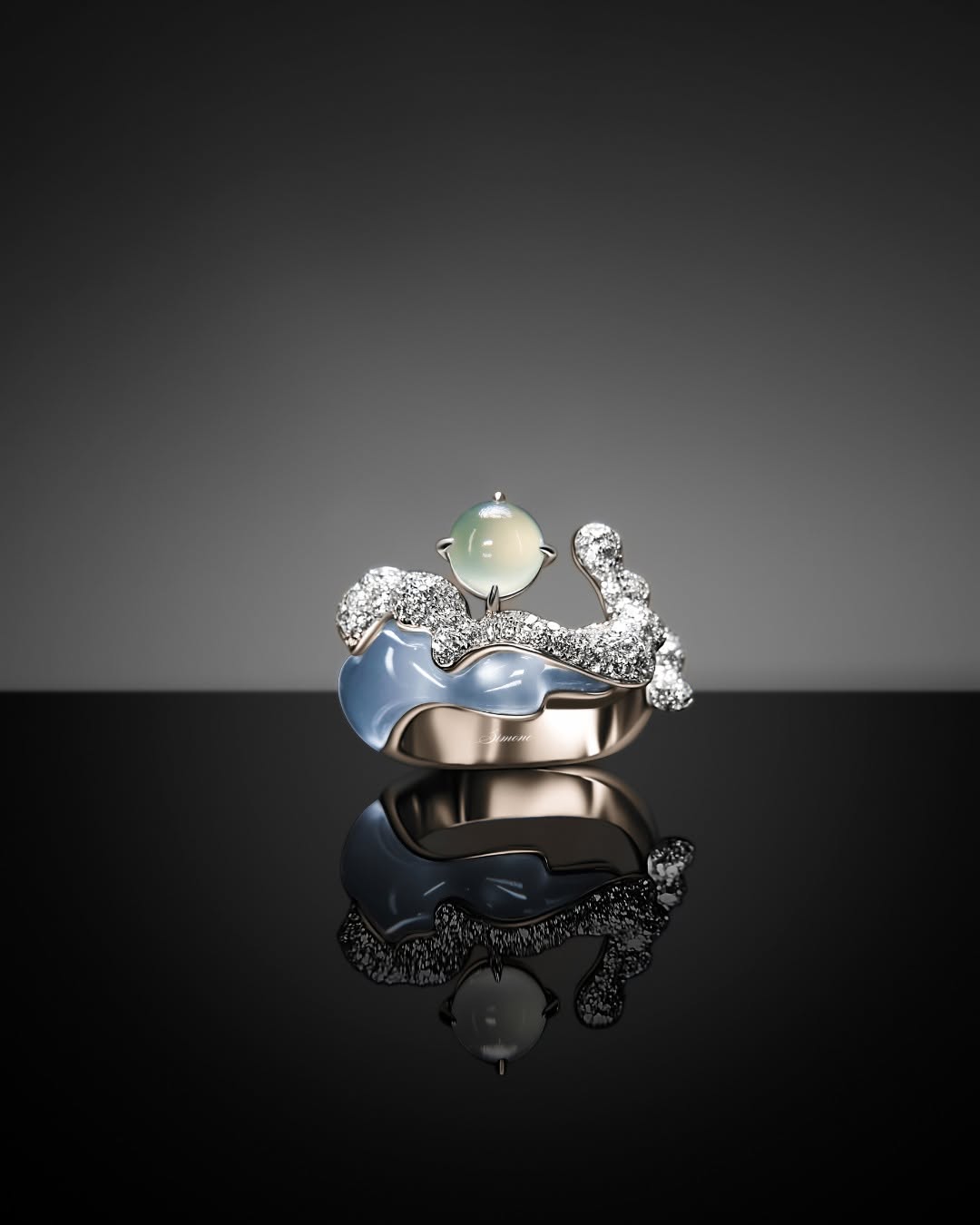
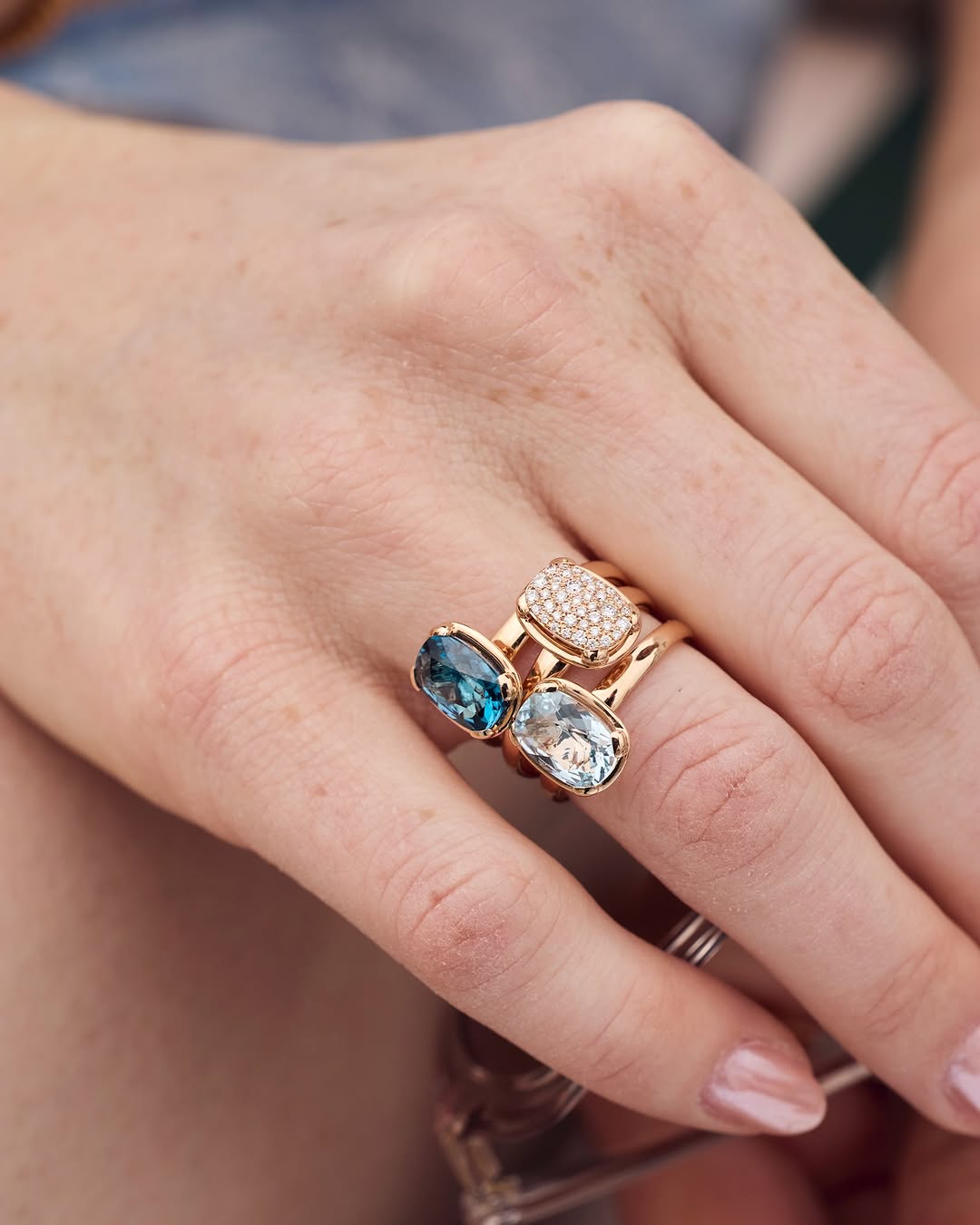
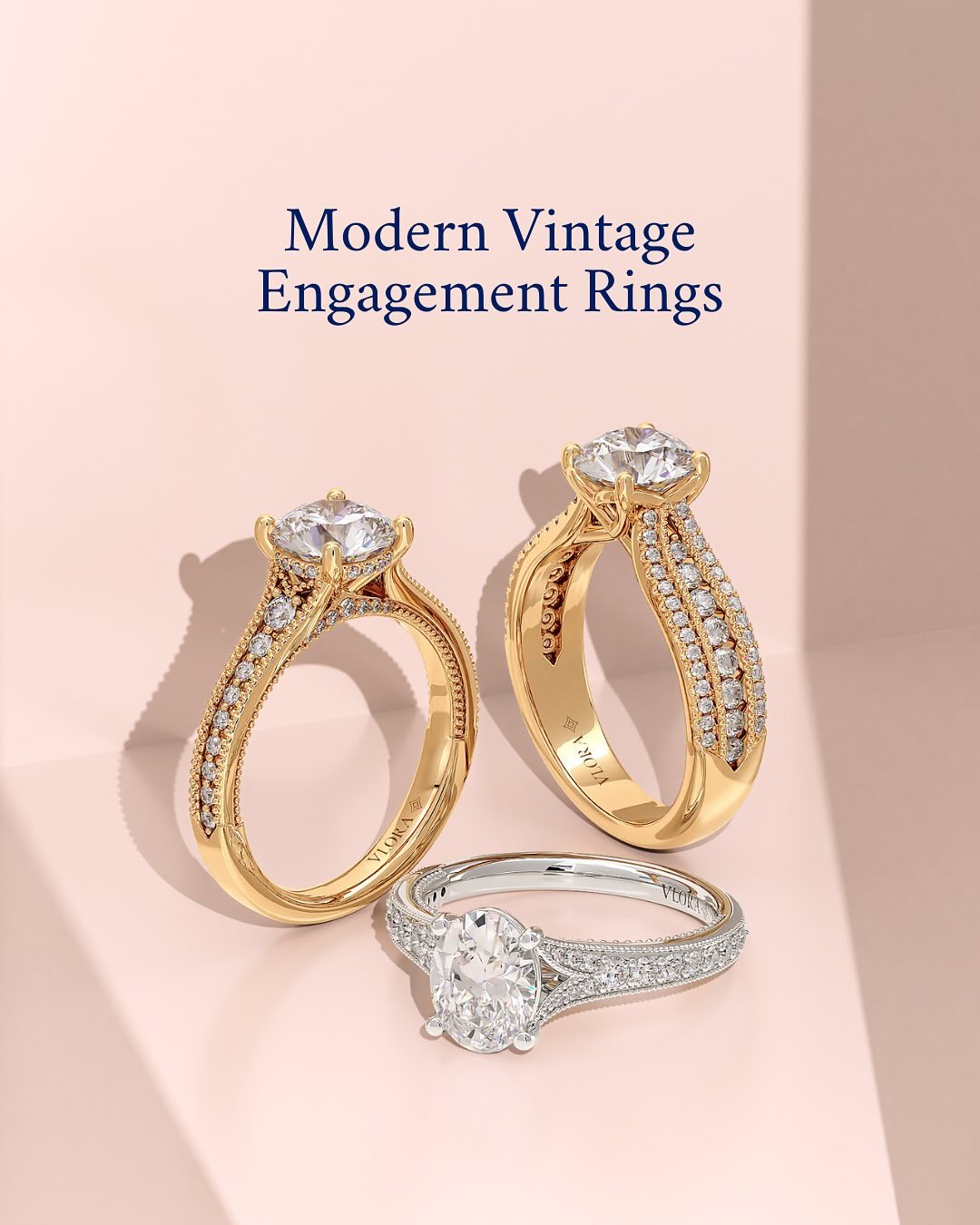
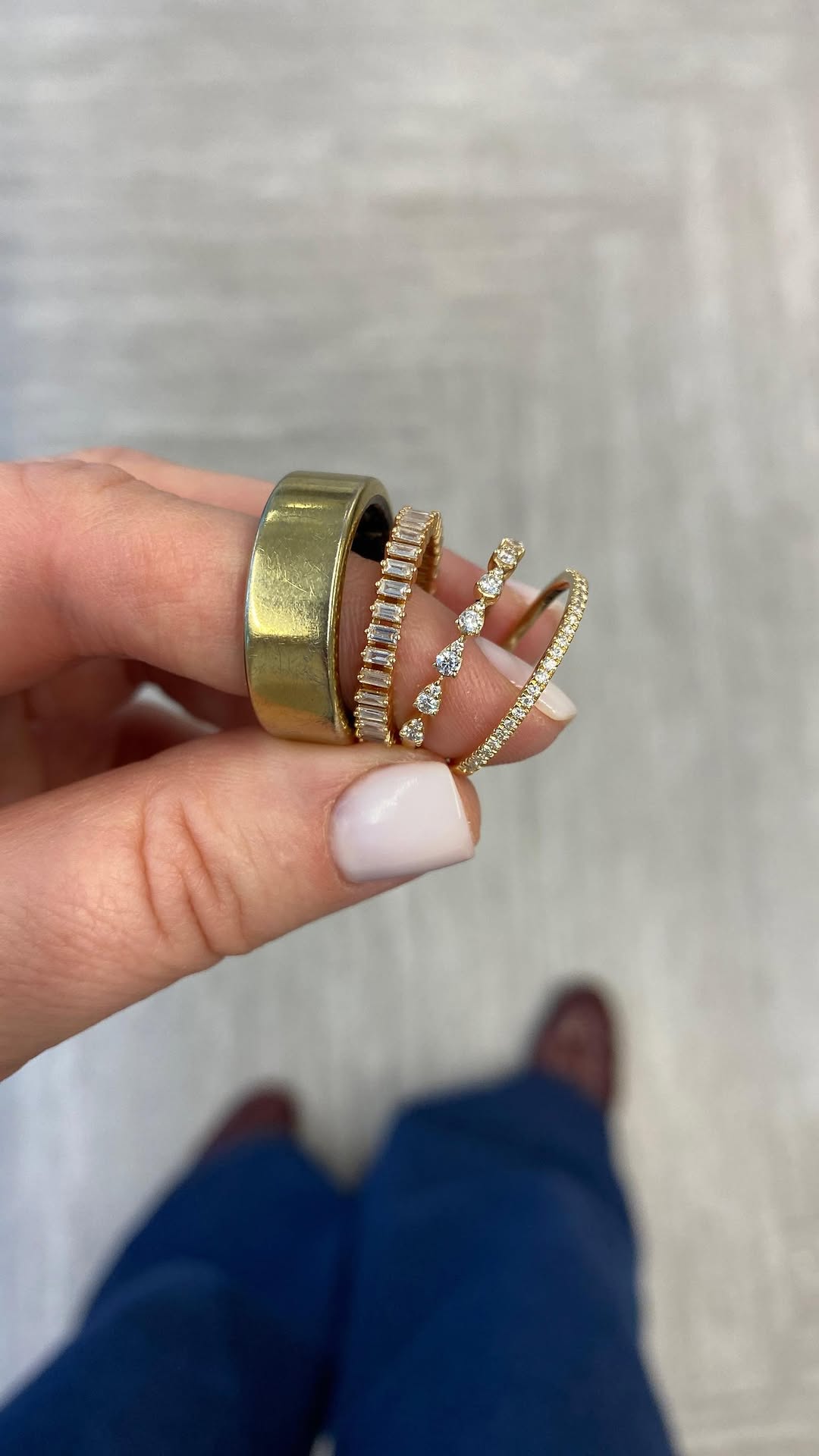
AI-generated product visualizations for Minimalist & Stackable Rings
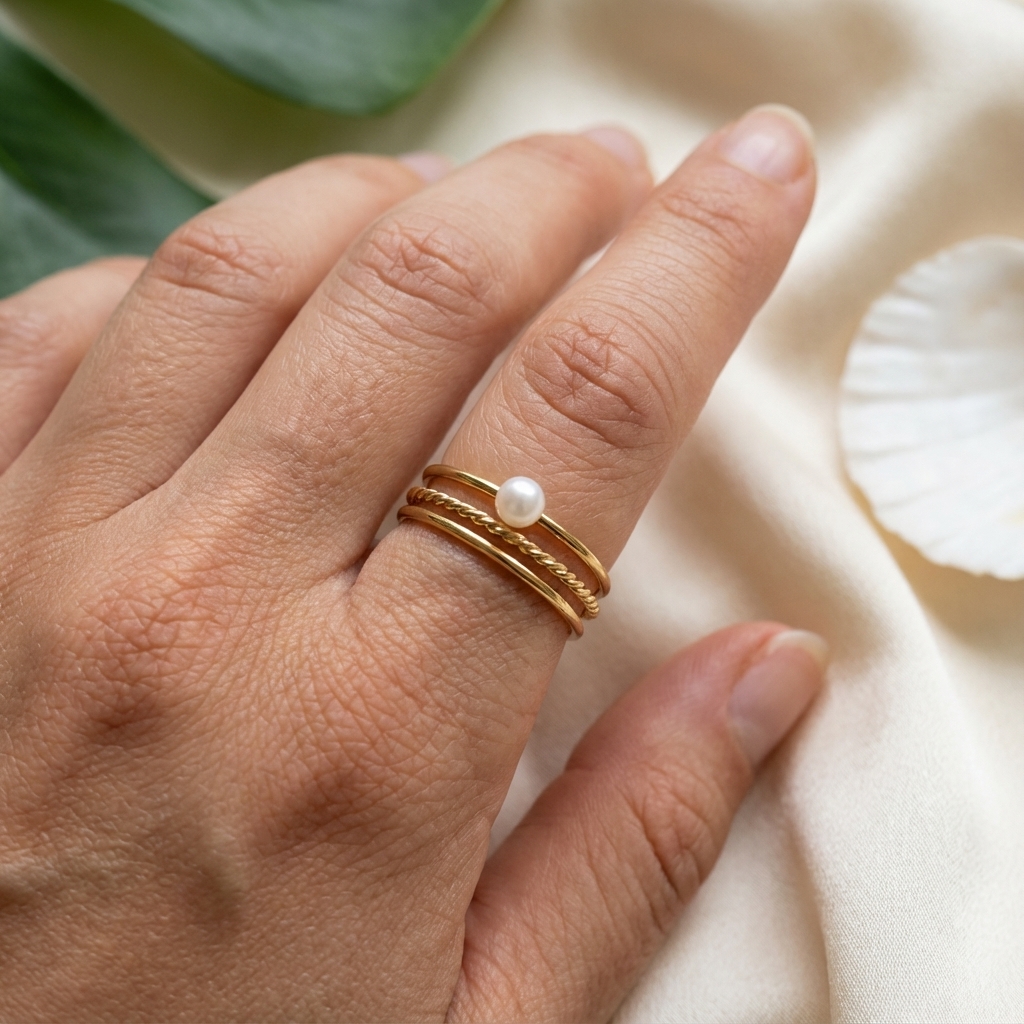
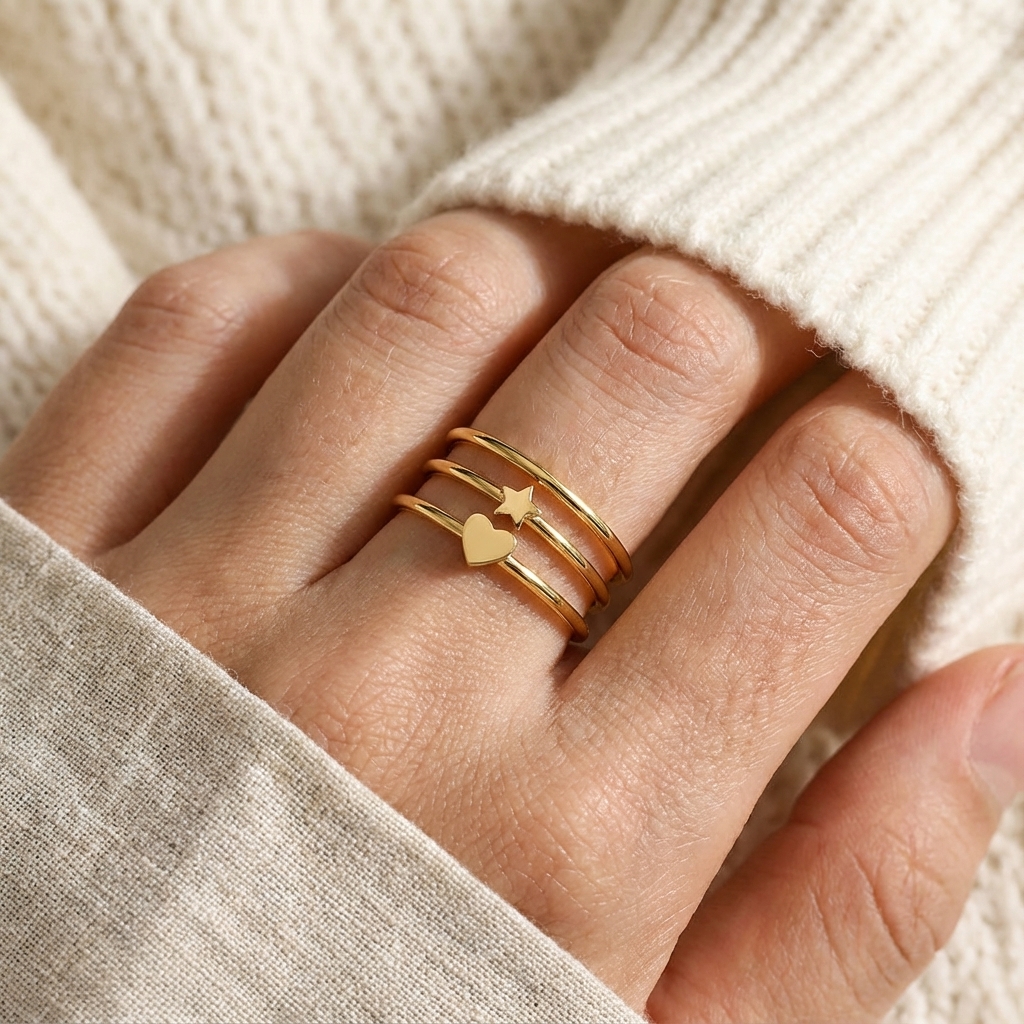
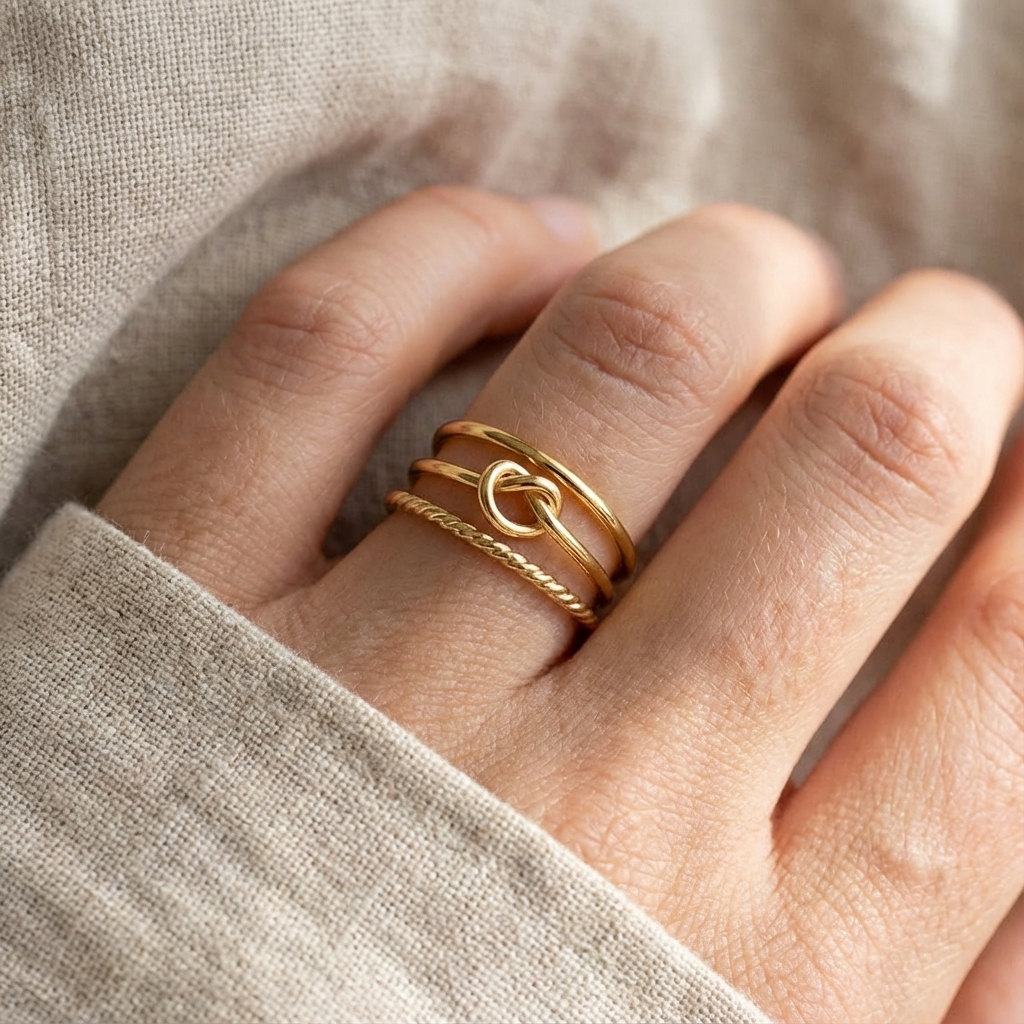
A quick preview of supplier standards, production requirements, and sourcing intelligence from our verified network.
The most significant cost savings can be achieved by strategically selecting the base material, adjusting the plating thickness and type, and simplifying embellishments. These three levers have the largest impact on the final unit price.
Confidence: High| Pricing Lever | Cost Impact | Quality Risk | MOQ Impact | Lead Time | Notes |
|---|---|---|---|---|---|
| Switch base material: 316L Steel → 304 Steel → Zinc Alloy | ↓ High | High | - None | - None | Zinc alloy is cheapest but less durable and may cause skin irritation. 304 steel is a good balance for value. |
| Reduce plating thickness/quality: 1.0μ 18k PVD → Standard PVD | ↓ Medium–High | High | - None | - None | Directly impacts 'non-fade' claim. Thinner plating will tarnish and fade much faster. |
| Simplify embellishments: AAA Zircon → A-grade Zircon / No stones | ↓ Medium | Medium | - None | - None | Reduces perceived value and sparkle. Downgrading grade is less noticeable than removing stones entirely. |
| Reduce number of rings per set | ↓ Medium–High | Low | - None | - None | Directly lowers COGS but also perceived value. A strategic choice based on target retail price. |
| Use existing molds instead of creating custom designs | ↓ Medium | Low | ↓ Low | ↓ High | Eliminates tooling fees (typically $50-$200 per mold) and shortens lead time by 2-3 weeks. |
| Simplify packaging: Gift box → Backing card → Bulk polybag | ↓ Low–Medium | Medium | - None | ↓ Low | Bulk packaging risks scratches and tangling during transit. Affects unboxing experience. |
Ready to find the perfect balance of cost and quality? Submit your design ideas and target price, and we'll source the ideal minimalist rings for your brand.
The most common and damaging quality issues for rings are plating failure (fading/peeling), stones falling out, and skin reactions. These are preventable with clear material and process specifications.
Confidence: HighRoot Cause
Plating is too thin (<0.1 micron); poor surface preparation; inferior plating method (e.g., simple electroplating vs. PVD).
What to Specify / Ask Supplier
Specify PVD (Physical Vapor Deposition) plating. Define thickness in microns (e.g., 0.8-1.0μ for premium). Request salt spray test report.
QC Check (What "Good" Looks Like)
Perform an adhesion test (cross-hatch tape test). Visually inspect for uniform color and luster. Rub vigorously with a white cloth to check for color transfer.
Root Cause
Use of glue instead of mechanical setting; weak or poorly formed prongs/bezels.
What to Specify / Ask Supplier
Require mechanical settings (prong, bezel, pavé). Explicitly state 'NO GLUE' for all stone settings.
QC Check (What "Good" Looks Like)
Under a loupe, check if prongs are secure and uniform. Gently push on the stone with a pin; it should not move or rattle.
Root Cause
Use of base metals with high nickel/lead content (common in Zinc Alloy); plating wears off, exposing the reactive base metal.
What to Specify / Ask Supplier
Specify hypoallergenic base material: 316L/304 Stainless Steel or Titanium. Request material compliance reports (REACH/Prop 65).
QC Check (What "Good" Looks Like)
Review material test certificates. For high-risk markets, use a nickel spot test kit on a sample.
Root Cause
Base material is too soft (e.g., Zinc Alloy); band is too thin for the design.
What to Specify / Ask Supplier
Specify a strong base material like Stainless Steel. Define a minimum band thickness and width, especially for delicate designs.
QC Check (What "Good" Looks Like)
Apply firm pressure with fingers. The ring should not easily deform. Check for weak solder joints.
Root Cause
Worn-out molds; lack of calibration in production; no clear sizing standard.
What to Specify / Ask Supplier
Provide standard US ring sizes (e.g., US 6, 7, 8) and specify the acceptable tolerance (e.g., +/- 0.1mm inner diameter).
QC Check (What "Good" Looks Like)
Measure a sample of rings from the batch using a professional ring mandrel or digital calipers.
Root Cause
Poor polishing before plating; inadequate packaging allowing rings to rub against each other during shipping.
What to Specify / Ask Supplier
Specify polishing standard (e.g., 'mirror finish'). Require individual polybags or compartment trays for shipping.
QC Check (What "Good" Looks Like)
Inspect ring surfaces under bright, direct light. There should be no visible scratches, pits, or polishing marks.
Don't let quality issues tarnish your brand. Source with us and receive a comprehensive QC checklist tailored to your specific ring designs to ensure flawless production.
Use this data to create your product specifications, reach out to suppliers, and validate your pricing strategy. Start with small sample orders to test quality.
Choose from 2 pricing strategies based on your target market
This sourcing playbook provides actionable guidance for importing Minimalist & Stackable Ringsproducts. Our data-driven approach combines supplier intelligence with market validation to help you make informed purchasing decisions and minimize sourcing risks.
First orders typically require 30-50% deposit with balance before shipment (T/T). As relationships develop, suppliers may offer 30/70 splits or even open terms for established buyers. Letter of Credit (L/C) is available for larger orders but involves additional fees.
Document issues with photos immediately upon receipt. Most suppliers offer replacement or credit for legitimate defects within agreed AQL limits. Having clear quality specifications in your purchase order strengthens your position in disputes.
Third-party inspection is recommended for first orders and orders over $10,000. Services like SGS or Bureau Veritas cost $200-400 per inspection and can prevent costly quality issues. Pre-shipment inspection is most common; in-line inspection adds additional assurance.
Navigation: All Categories → Rings → Minimalist & Stackable Rings → Sourcing