
Body & Recovery Care · AU
Body Lotion trends
The Australian body lotion market in 2026 is defined by the "skinification" of body care, where products are evolving beyond basic hydration to offer targeted treatments with high-efficacy ingredients traditionally reserved for facial skincare. Consumers are increasingly seeking out trending body lotions that deliver tangible results, addressing concerns like firming, anti-aging, and texture improvement. This has led to a surge in popularity for lotions infused with active ingredients such as retinol, peptides, and exfoliating acids (AHAs and BHAs). Concurrently, there is a strong and growing demand for natural and sustainable products, with a focus on clean formulations free from parabens, sulfates, and synthetic fragrances. Australian consumers are particularly drawn to products featuring native botanicals like Kakadu Plum, known for its high vitamin C content, and other locally sourced, biodynamic ingredients. The sensory experience is also paramount, with luxurious textures—like whipped creams and lightweight oils—and sophisticated fragrances playing a key role in product selection. Wellness-infused body care is another significant trend, incorporating ingredients like magnesium and probiotics to offer benefits that extend to overall wellbeing. Finally, the desire for a healthy, sun-kissed glow without sun damage is driving the popularity of gradual tanning lotions and those that enhance the skin's natural radiance.
Themes
5
Market
AU
Trend observations
53
AU
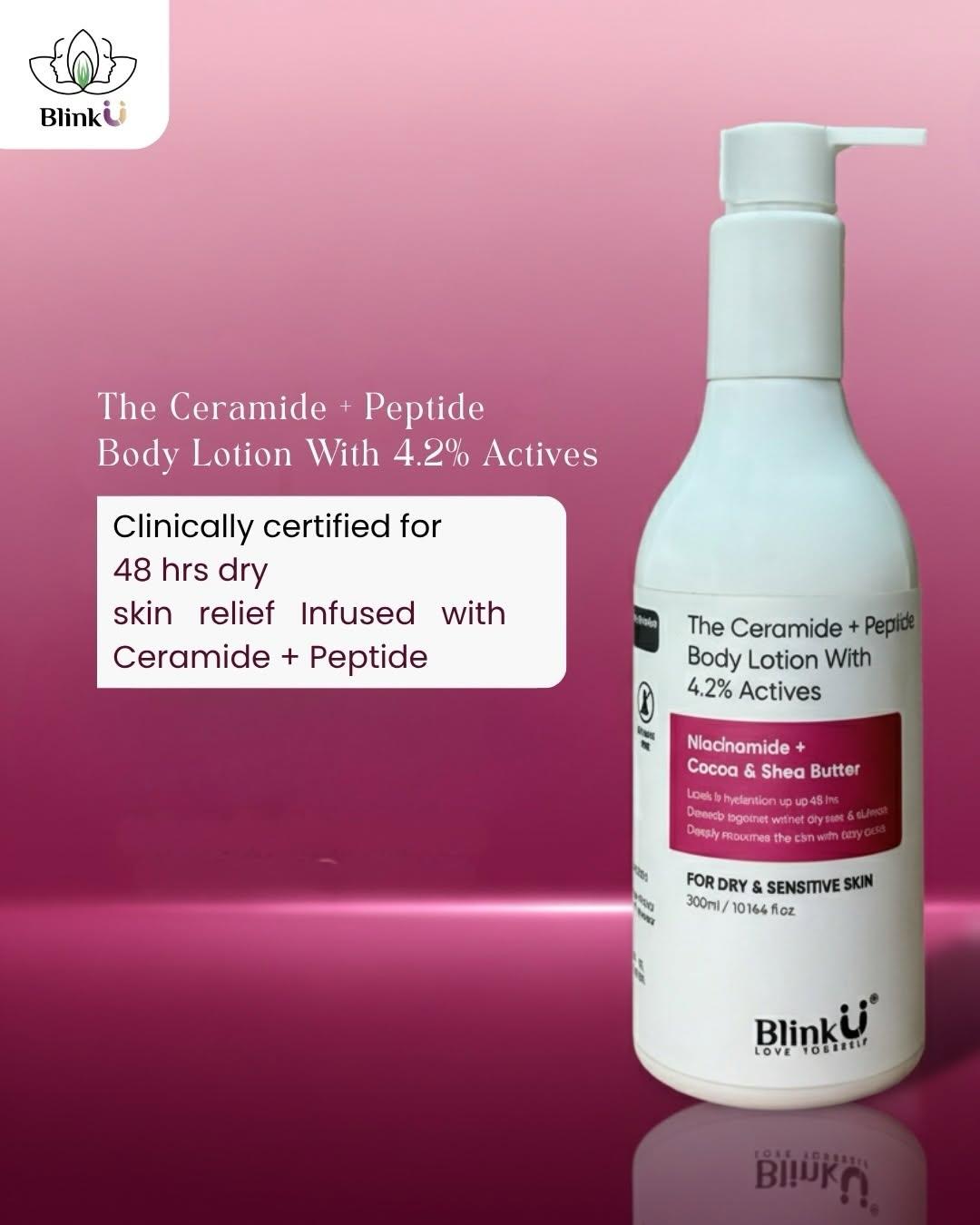
Actives-Infused Body Lotion
- Actives-infused body lotions are formulations that incorporate potent, science-backed ingredients traditionally found in facial skincare. - This category includes products with retinol to improve skin texture, peptides for firming, and hyaluronic acid for intense hydration. - These lotions offer targeted solutions for issues like loss of elasticity, fine lines, and uneven skin tone on the body.
Explore →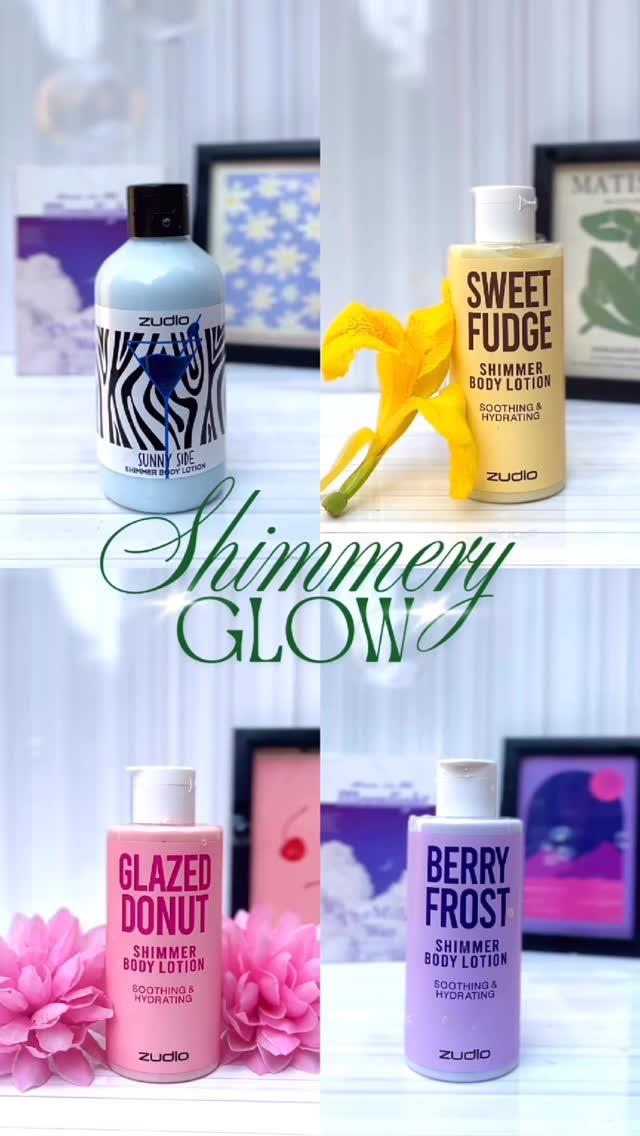
AU
Fragranced & Shimmer Body Lotion
- This theme covers body lotions where scent and finish are the primary features. - Products range from those with complex, perfume-quality fragrances to those containing shimmer particles for a radiant skin glow. - Brands are creating lotions with a wide array of scents, from sweet and fruity to rich and floral, designed for fragrance layering.
Explore →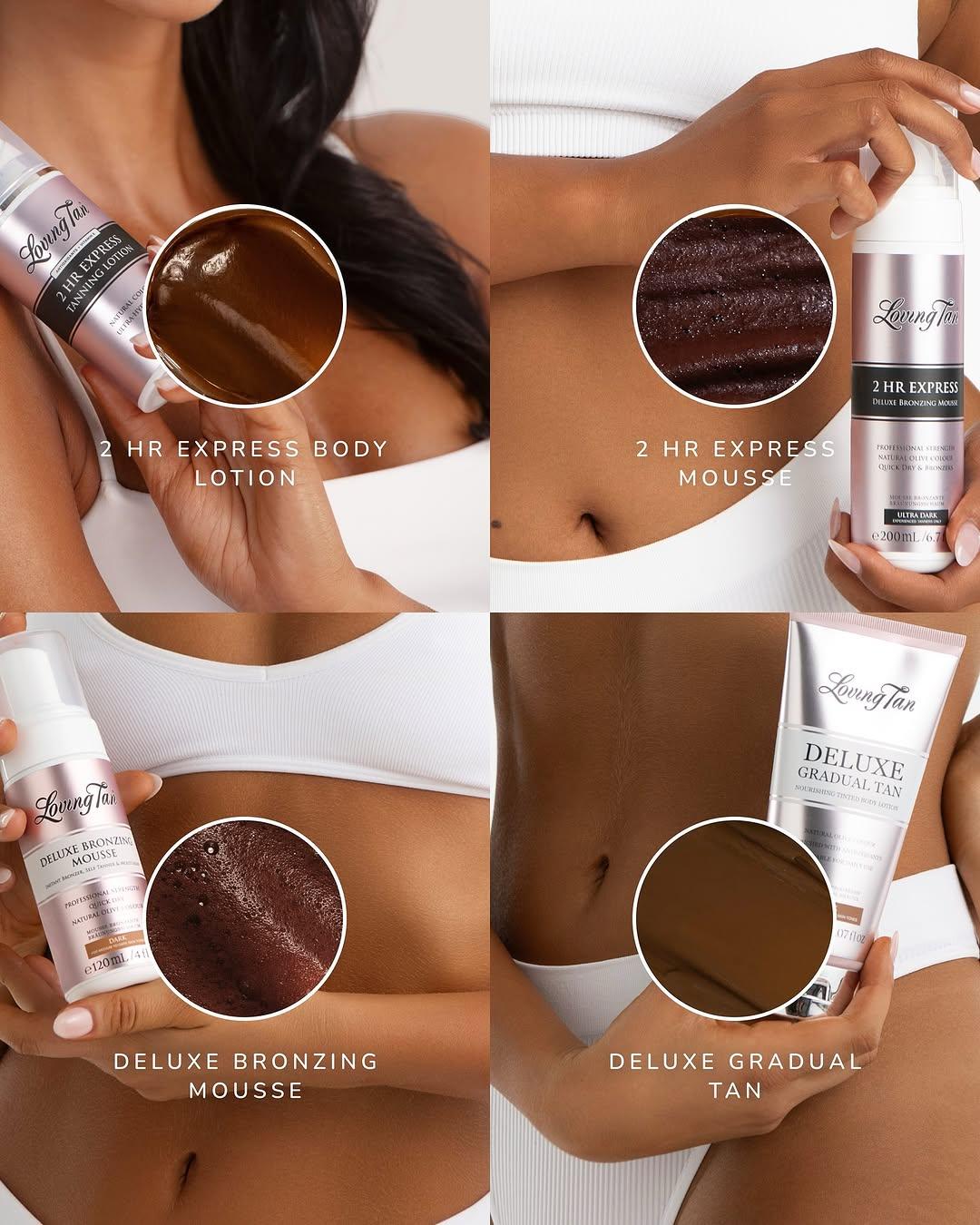
AU
Gradual Tan Body Lotion
- Gradual tan body lotions are multi-tasking products that provide daily hydration while building a subtle, natural-looking tan over time. - These trending body lotions often contain nourishing ingredients like macadamia and almond oils to ensure an even, non-patchy application and a healthy skin finish. - They offer a convenient way to achieve a sun-kissed glow without exposure to harmful UV rays.
Explore →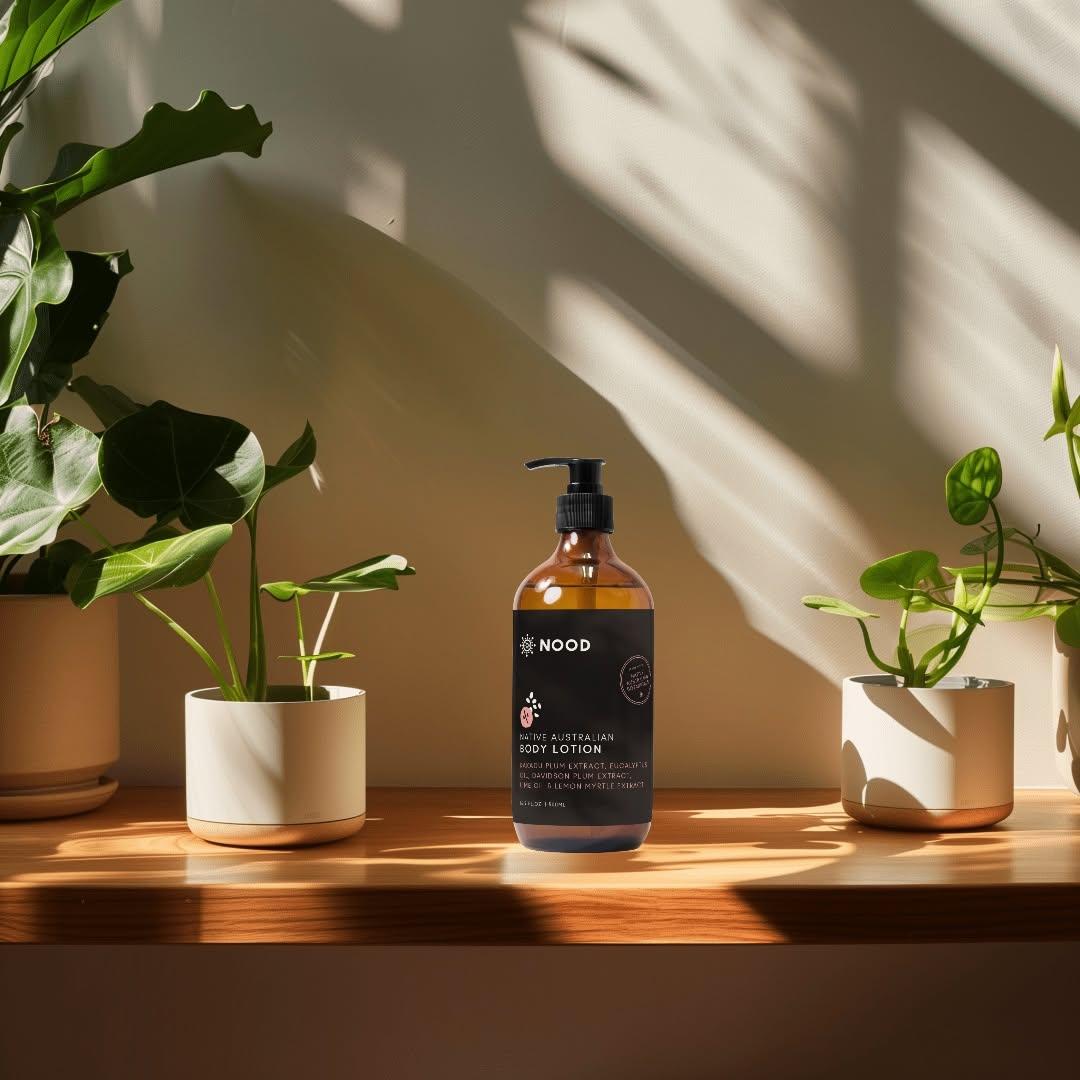
AU
Native Botanicals Body Lotion
- This theme centers on body lotions formulated with ingredients indigenous to Australia. - Trending body lotions in this category prominently feature extracts like Kakadu Plum and Australian Blue Cypress, known for their potent antioxidant and nourishing properties. - Brands are highlighting these locally sourced, natural ingredients to appeal to consumer desire for clean and effective skincare.
Explore →
AU
Wellness-Infused Body Lotion
- Wellness-infused body lotions are formulated with ingredients that aim to improve not just skin health but also overall wellbeing. - This category includes products with functional ingredients like magnesium for relaxation, probiotics to support the skin microbiome, and mood-boosting essential oil blends. - The focus is on creating a holistic ritual that connects body care with self-care.
Explore →