
Body & Recovery Care · AU
Body Wash trends
The Australian body wash market is experiencing a significant transformation, driven by a "skinification" trend where body care is adopting the sophistication of facial skincare. For the upcoming 2026 season, the focus is on formulations that offer more than just cleansing, with a strong preference for products containing active ingredients that target specific skin concerns. There is a growing demand for body washes with hydrating and exfoliating properties, featuring ingredients like hyaluronic acid, salicylic acid (BHA), and AHAs to address issues from dryness to body acne. Concurrently, sustainability is a major influence, fueling the rise of eco-friendly formats such as refillable pouches, compostable refills, and waterless or solid bar alternatives to traditional plastic bottles. Australian consumers are also showing a strong affinity for products formulated with native botanicals like Kakadu Plum, Lemon Myrtle, and Kunzea Oil, which are prized for their natural benefits and unique fragrances. The sensory experience remains a key purchasing driver, with complex, perfume-like scents and gourmand notes trending alongside fresh, natural fragrances derived from essential oils. This shift reflects a more educated consumer base that demands efficacy, sustainability, and a premium sensory experience from their daily body care routines. Brands are responding by innovating with active-led formulas, eco-conscious packaging, and locally sourced ingredients, creating a dynamic and sophisticated market. The convergence of these trends points towards a future where body wash is not just a simple cleanser, but a multi-functional treatment product that aligns with consumers' broader health, wellness, and environmental values.
Themes
5
Market
AU
Trend observations
53
AU
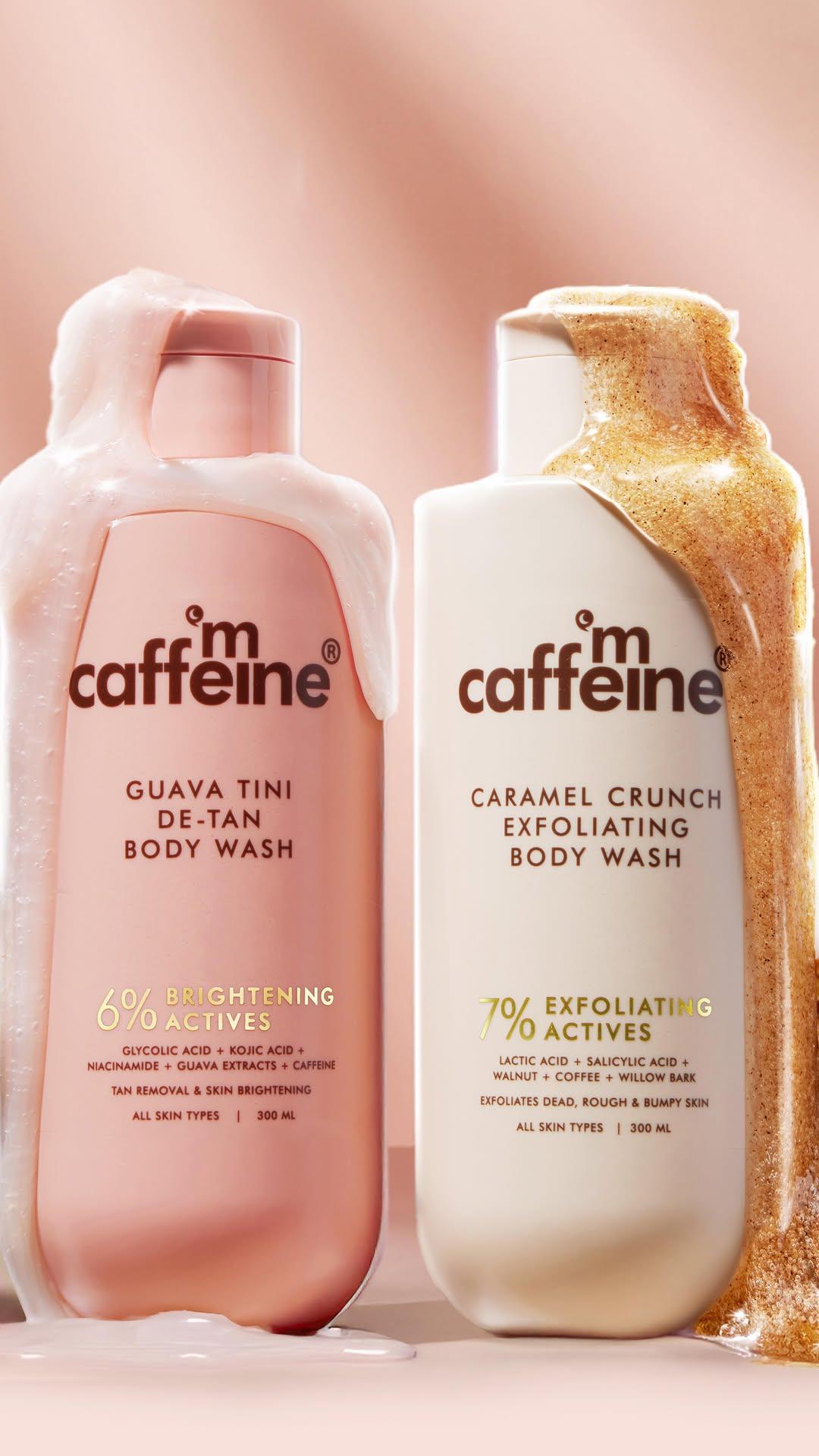
Active Body Wash
- Active Body Wash refers to cleansers infused with high-performance ingredients typically found in facial skincare. - These formulations are designed to target specific skin concerns beyond simple cleansing, such as blemishes, uneven texture, and dullness. - Key ingredients include chemical exfoliants like salicylic acid and alpha-hydroxy acids that help to unclog pores and gently remove dead skin cells. - This trend signifies a shift towards treating the skin on the body with the same level of care and targeted action as the face.
Explore →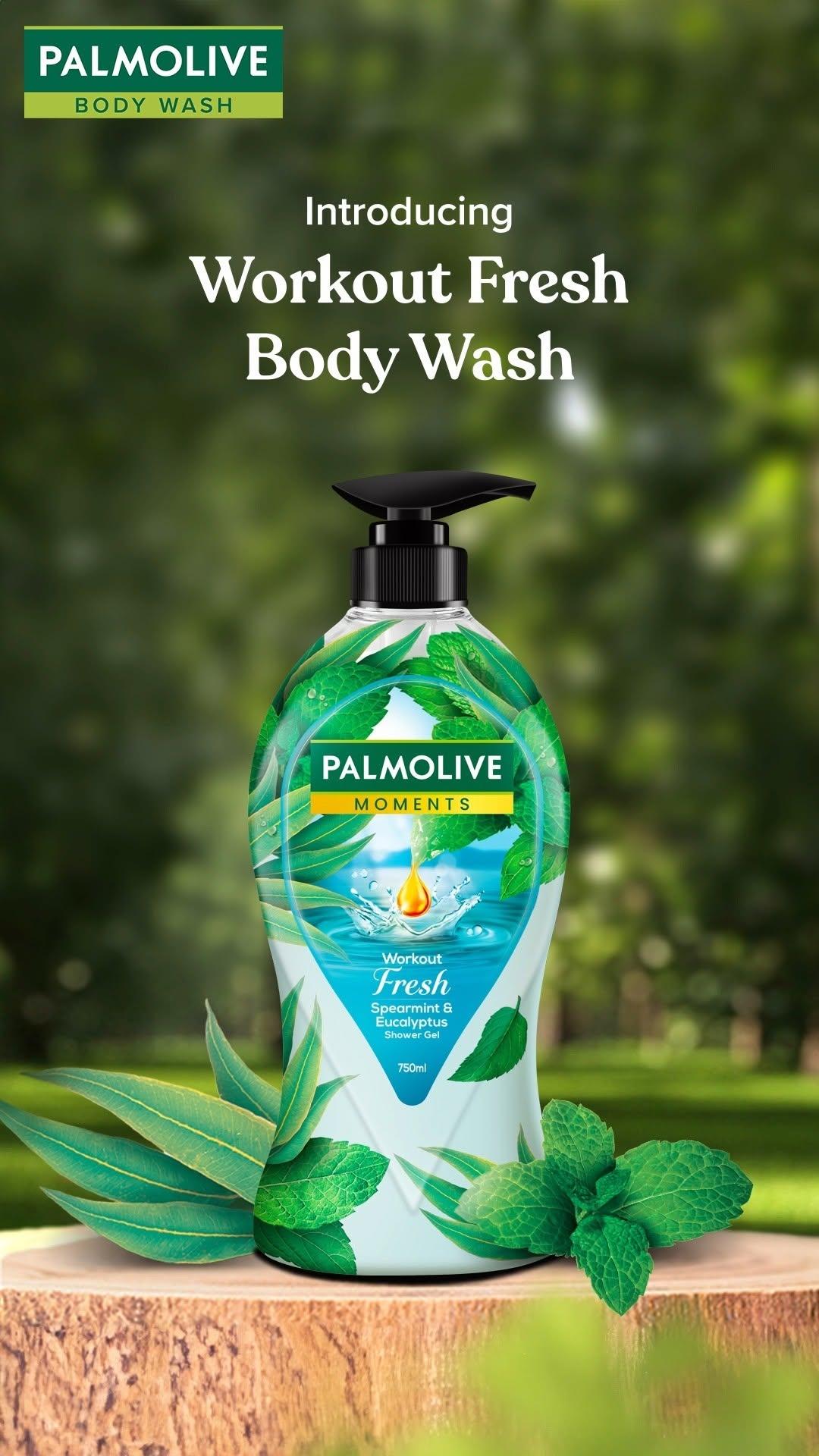
AU
Botanical Body Wash
- This trend highlights the use of native Australian plants and natural extracts for their skin-enhancing properties and unique scents. - Ingredients such as Kakadu Plum, Lemon Myrtle, and White Cypress are being prominently featured. - These body washes often boast paraben-free and sulphate-free formulas, appealing to consumers seeking gentle yet effective cleansing. - The fragrances are derived from natural essential oils, creating a refreshing and authentic Australian sensory experience.
Explore →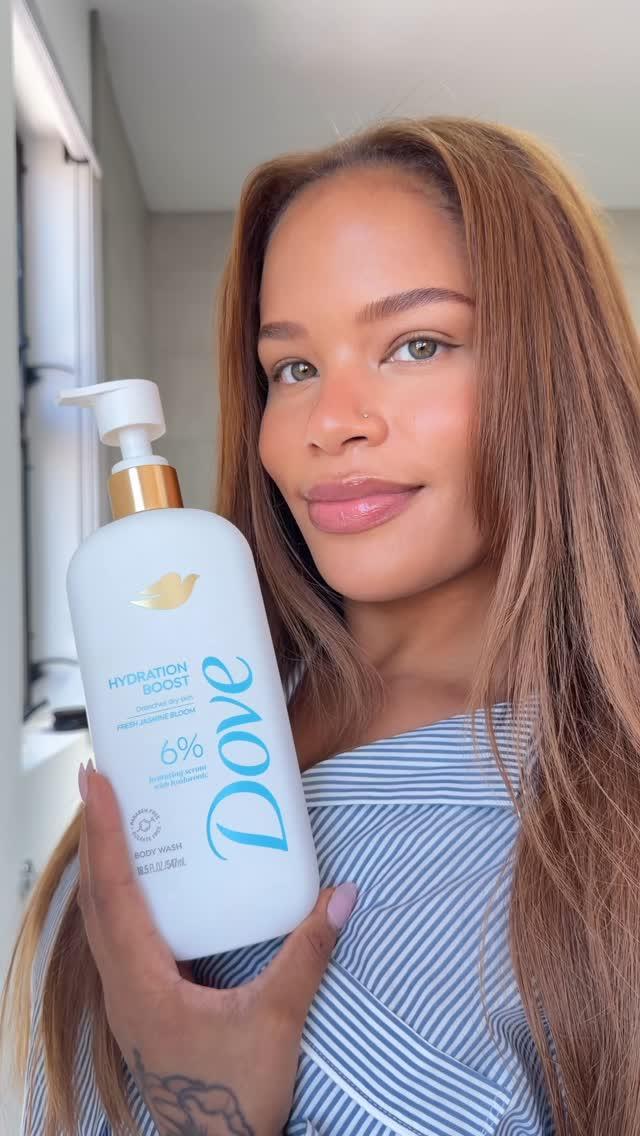
AU
Hydrating Body Wash
- Hydrating Body Wash formulations are focused on cleansing without stripping the skin's natural moisture barrier. - These products are enriched with powerful humectants and lipids like hyaluronic acid, ceramides, glycerin, and niacinamide. - Many are soap-free and pH balanced to be gentle on the skin, making them suitable for dry, sensitive, and eczema-prone types. - The textures are often creamy or oil-based, providing a nourishing and moisturizing experience that leaves skin feeling soft and supple.
Explore →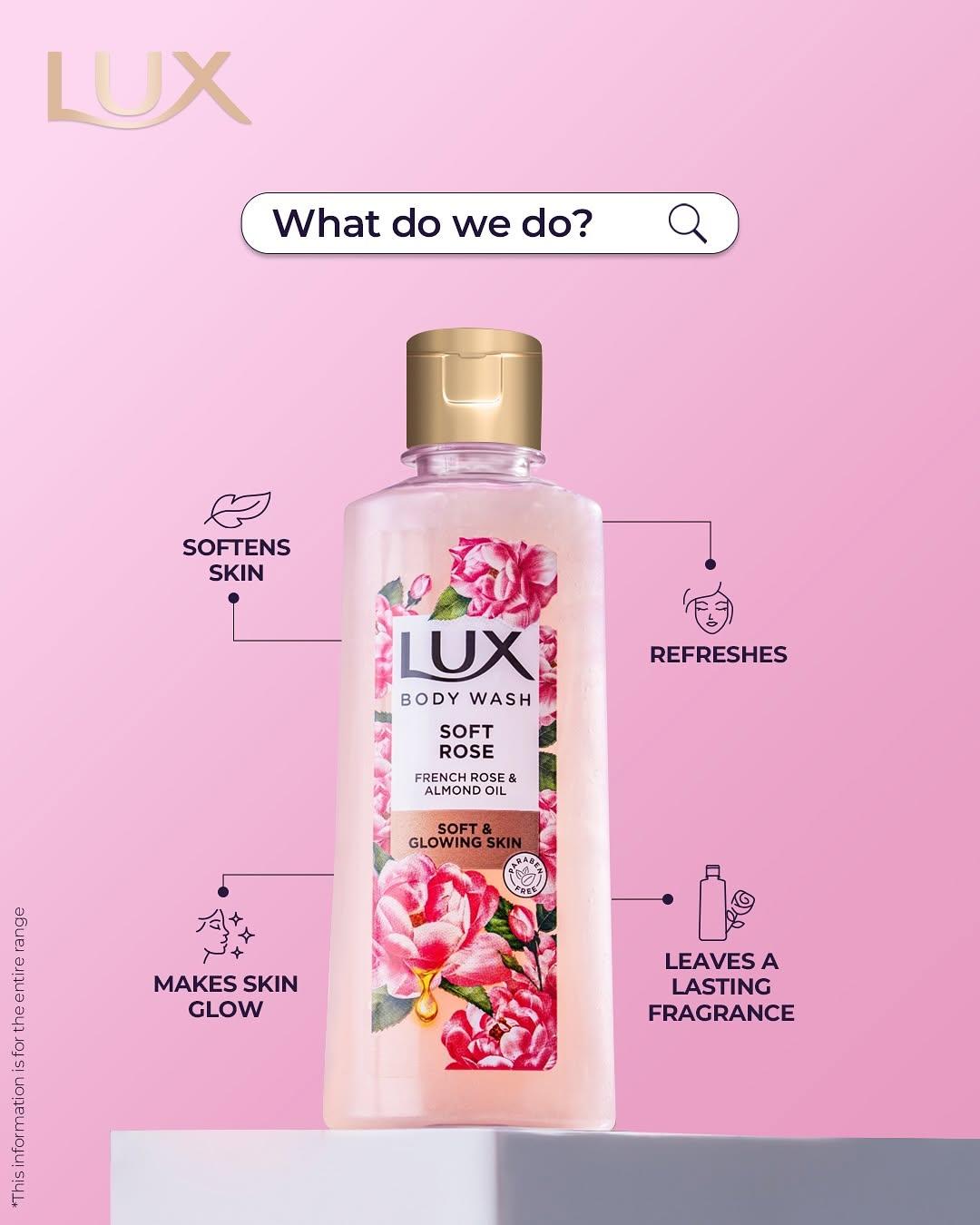
AU
Perfumed Body Wash
- This trend elevates the daily shower into a luxurious, sensory experience through sophisticated and lasting fragrances. - These body washes feature complex scent profiles designed like traditional perfumes, with distinct top, middle, and base notes. - Popular scent families include gourmand notes, fresh and fruity blends, and elegant floral compositions. - Brands are positioning these products as a way to layer fragrance, leaving a subtle scent on the skin that can be worn alone.
Explore →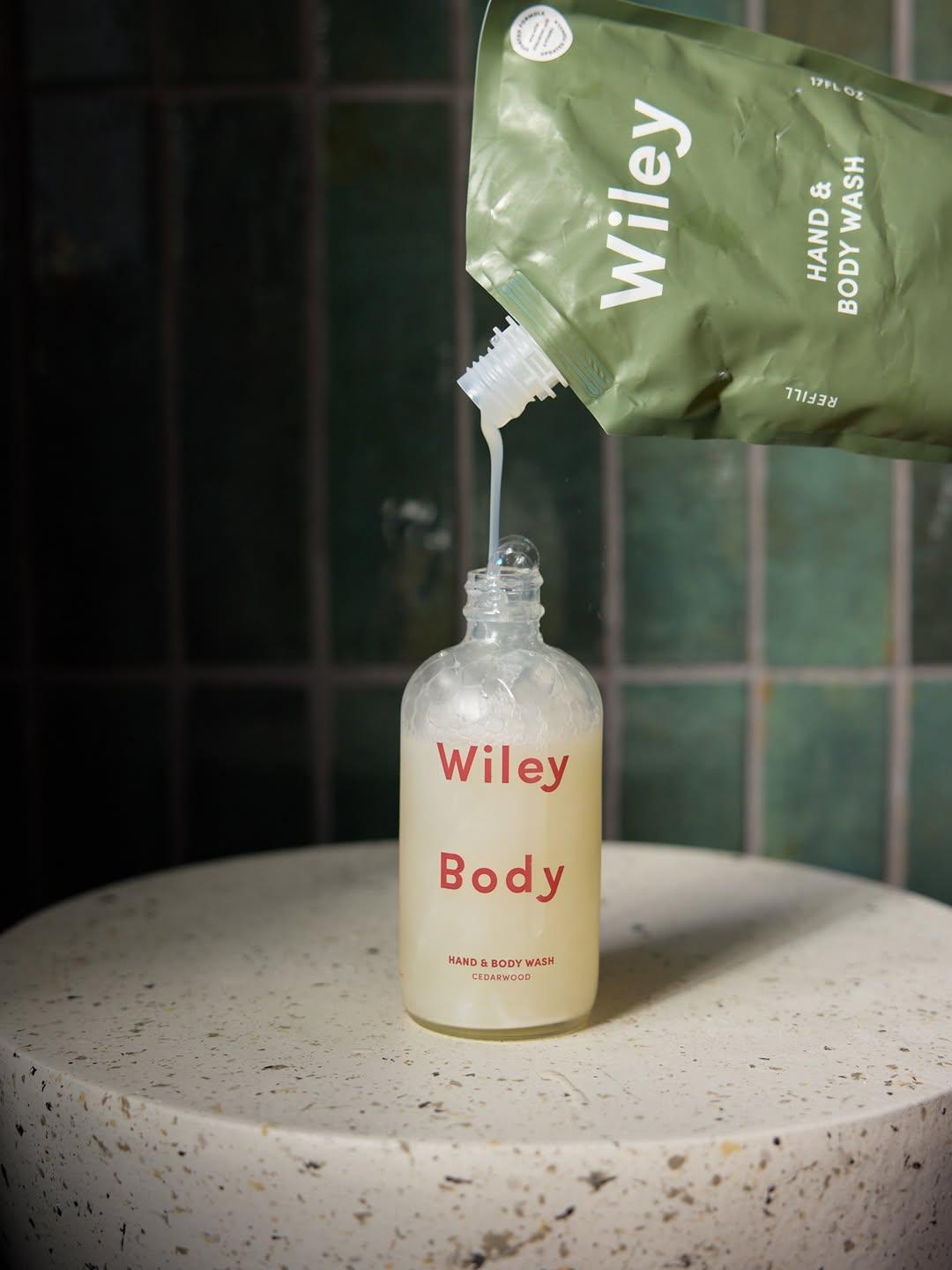
AU
Sustainable Body Wash
- This trend encompasses new formats and packaging designed to minimize environmental impact. - It includes a significant move towards refillable systems, where consumers purchase a durable "bottle for life" and replenish it. - Another key innovation is the emergence of water-conscious formats like waterless powder-to-foam body washes and solid cleansing bars. - These products often feature natural, biodegradable formulas and are marketed with a strong eco-friendly message.
Explore →