
Body & Recovery Care · AU
Cleanser trends
The Australian cleanser market in 2026 is defined by a "skinimalism" approach, where consumers prioritize long-term skin health and a minimalist yet effective routine. This trend sees a focus on gentle cleansers that protect and support the skin's natural barrier. There is a significant demand for hydrating cleansers formulated with ingredients like hyaluronic acid and ceramides that cleanse without stripping the skin. The "clean beauty" movement continues to gain momentum, with a strong preference for natural skincare featuring Australian botanicals and organic ingredients, alongside a growing expectation for sustainable and eco-friendly packaging. A key emerging trend is microbiome-friendly skincare, with cleansers containing prebiotics and probiotics becoming increasingly sought after to maintain a healthy skin ecosystem. Furthermore, gentle exfoliation is favored over harsh scrubs, with exfoliating cleansers containing ingredients like PHAs and fruit enzymes gaining popularity for achieving a radiant complexion. Ingredients such as niacinamide are also becoming staples for their multi-functional benefits, including calming and brightening the skin. Overall, the market reflects a sophisticated consumer base that is well-informed about ingredients and their effects on skin health. They seek products that are not only effective but also gentle, supportive of the skin's natural functions, and aligned with their values regarding sustainability and natural formulations. This shift towards a more holistic and health-focused approach to cleansing is expected to drive innovation and product development in the Australian beauty industry.
Themes
5
Market
AU
Trend observations
53
AU
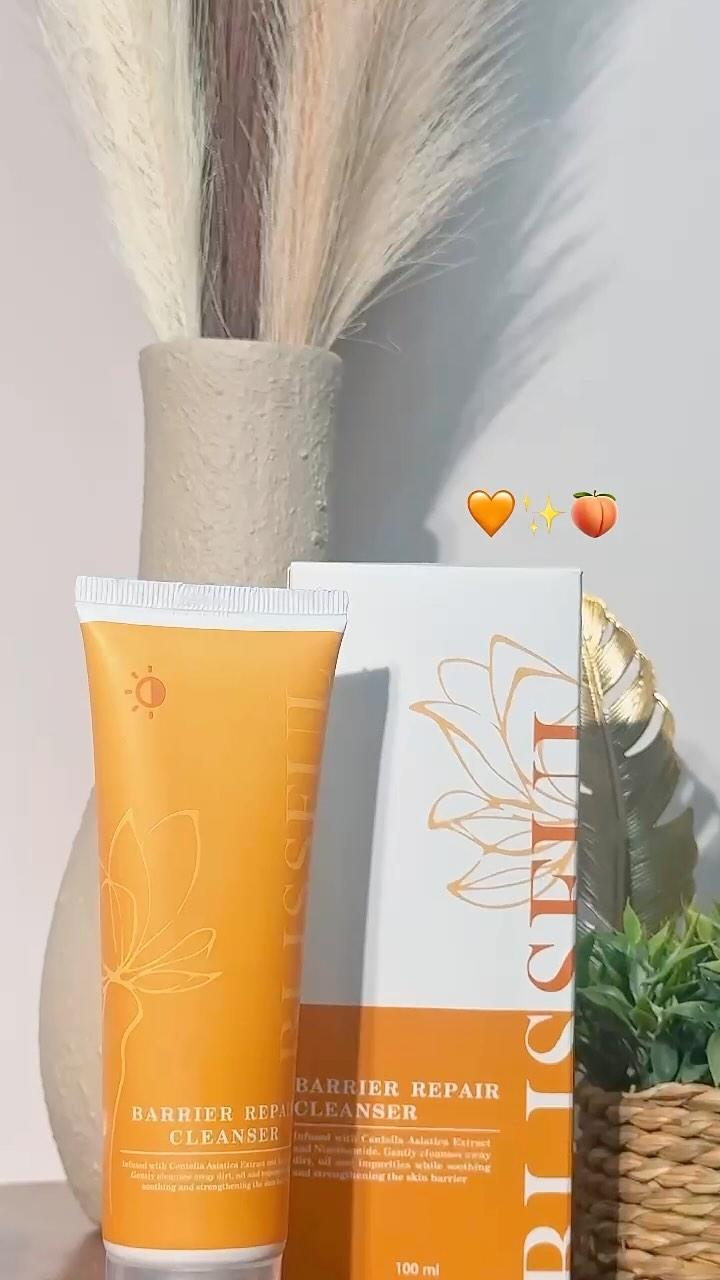
Barrier Repair Cleanser
- Barrier repair cleansers are focused on strengthening and maintaining the skin's natural protective barrier. - These cleansers are typically creamy, non-foaming, and enriched with ingredients like ceramides, hyaluronic acid, and niacinamide. - They effectively remove impurities and makeup without stripping the skin of its natural oils. - The skin is left feeling soft, hydrated, and comfortable after use.
Explore →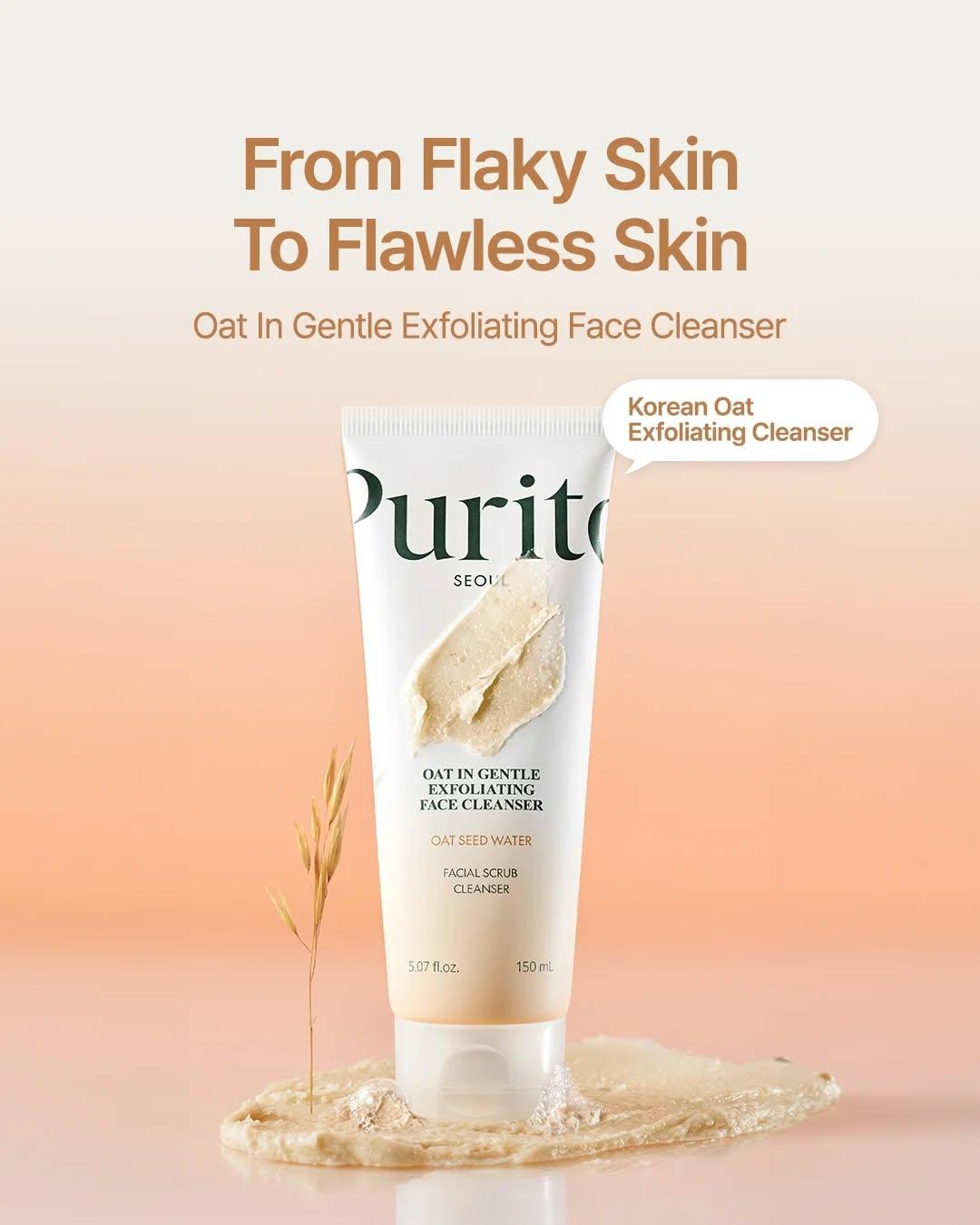
AU
Gentle Exfoliating Cleanser
- Gentle exfoliating cleansers offer a way to achieve a brighter, smoother complexion without causing irritation. - Instead of abrasive physical scrubs, these cleansers utilize mild chemical exfoliants like Polyhydroxy Acids (PHAs), fruit enzymes, and low concentrations of AHAs. - Many also incorporate soothing and hydrating ingredients like niacinamide and jojoba esters to ensure the skin remains calm and balanced.
Explore →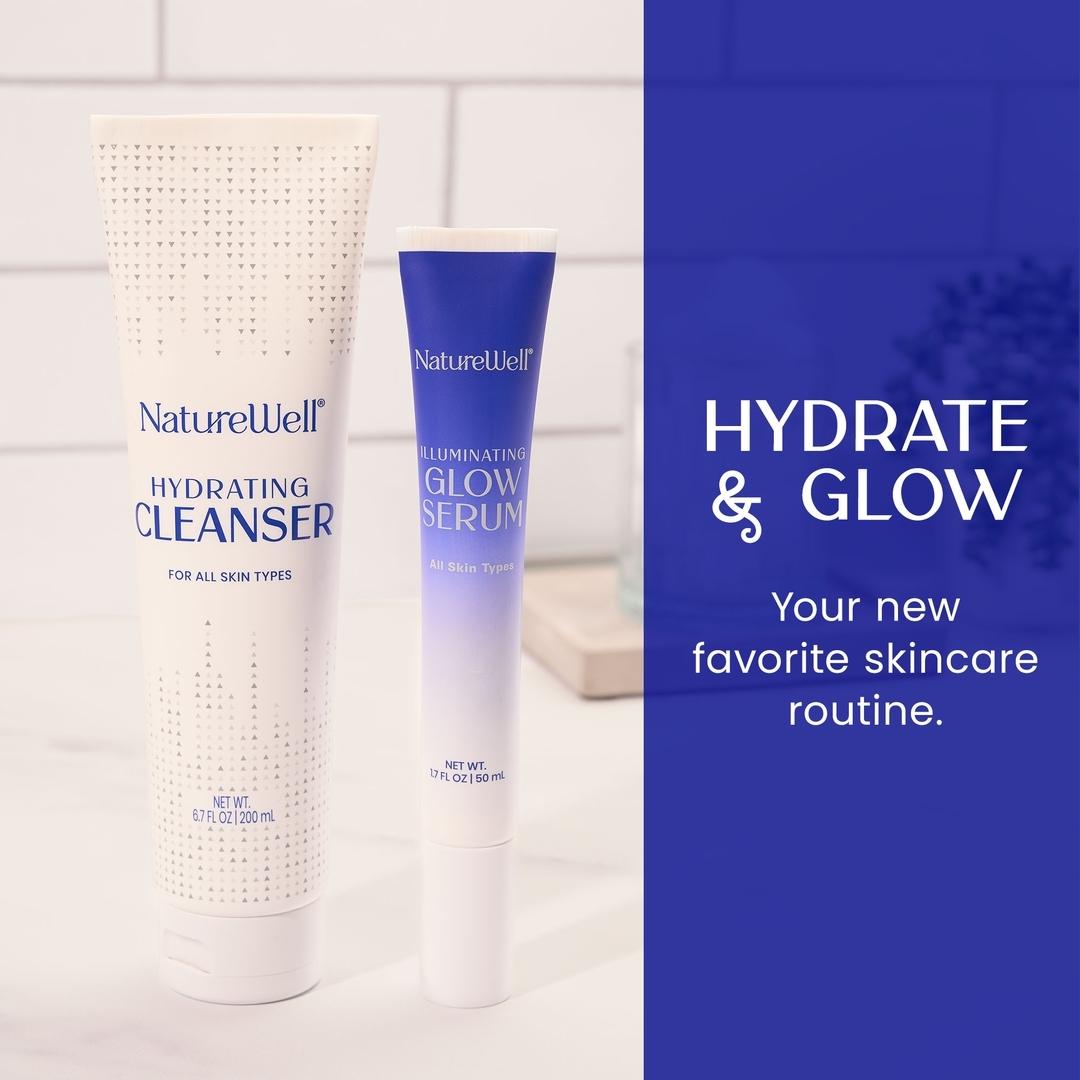
AU
Hydrating Serum Cleanser
- Hydrating serum cleansers are formulated with a high concentration of hydrating ingredients typically found in serums, such as hyaluronic acid, glycerin, and squalane. - These cleansers have a milky, creamy, or gel-like texture that effectively cleanses the skin while delivering a boost of moisture. - The goal is to leave the skin feeling clean, soft, and plump, rather than tight or dry.
Explore →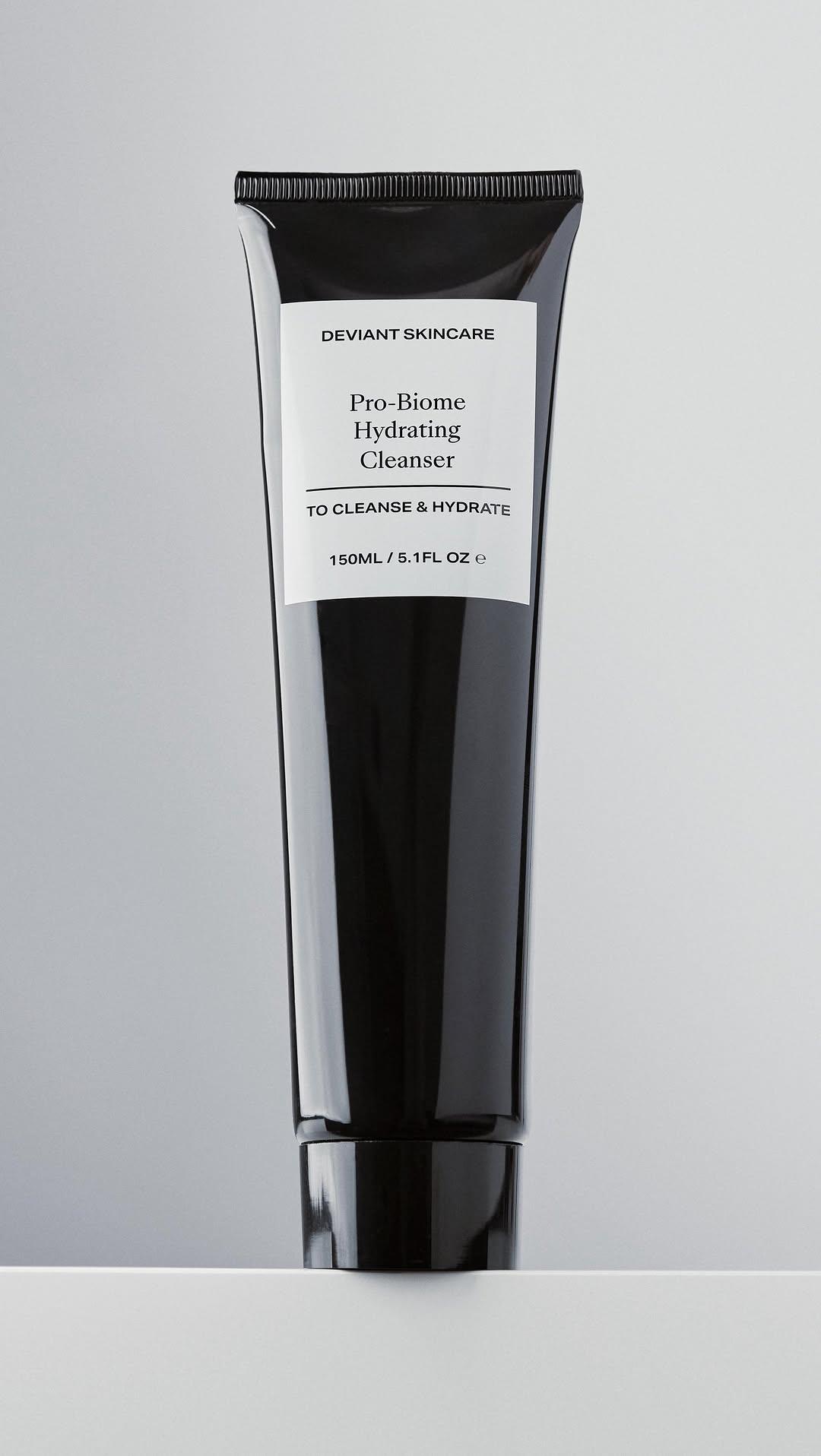
AU
Microbiome Support Cleanser
- Microbiome support cleansers are formulated to protect and nurture the skin's natural ecosystem of good bacteria. - These cleansers often contain prebiotics, probiotics, and postbiotics to help balance the skin's microflora. - They are designed to cleanse effectively while respecting the delicate skin barrier, preventing issues like sensitivity and irritation.
Explore →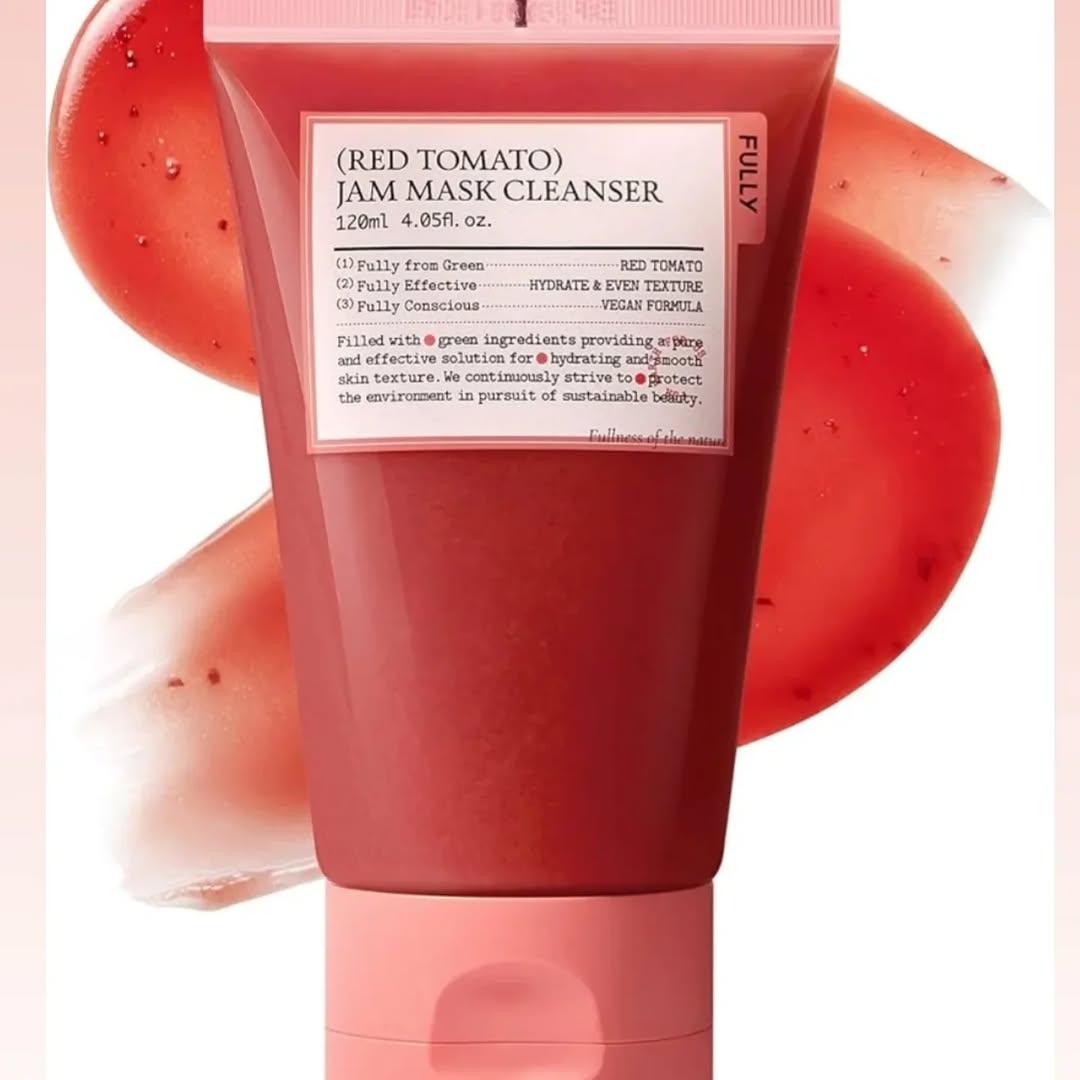
AU
Natural & Sustainable Cleanser
- This trend encompasses cleansers formulated with a high percentage of natural and certified organic ingredients. - Formulas often feature native Australian botanicals like Kakadu Plum and Macadamia Oil and are free from synthetic chemicals. - Brands are adopting eco-friendly packaging, such as glass bottles and biodegradable materials. - There is a commitment to sustainable and ethical sourcing practices.
Explore →