
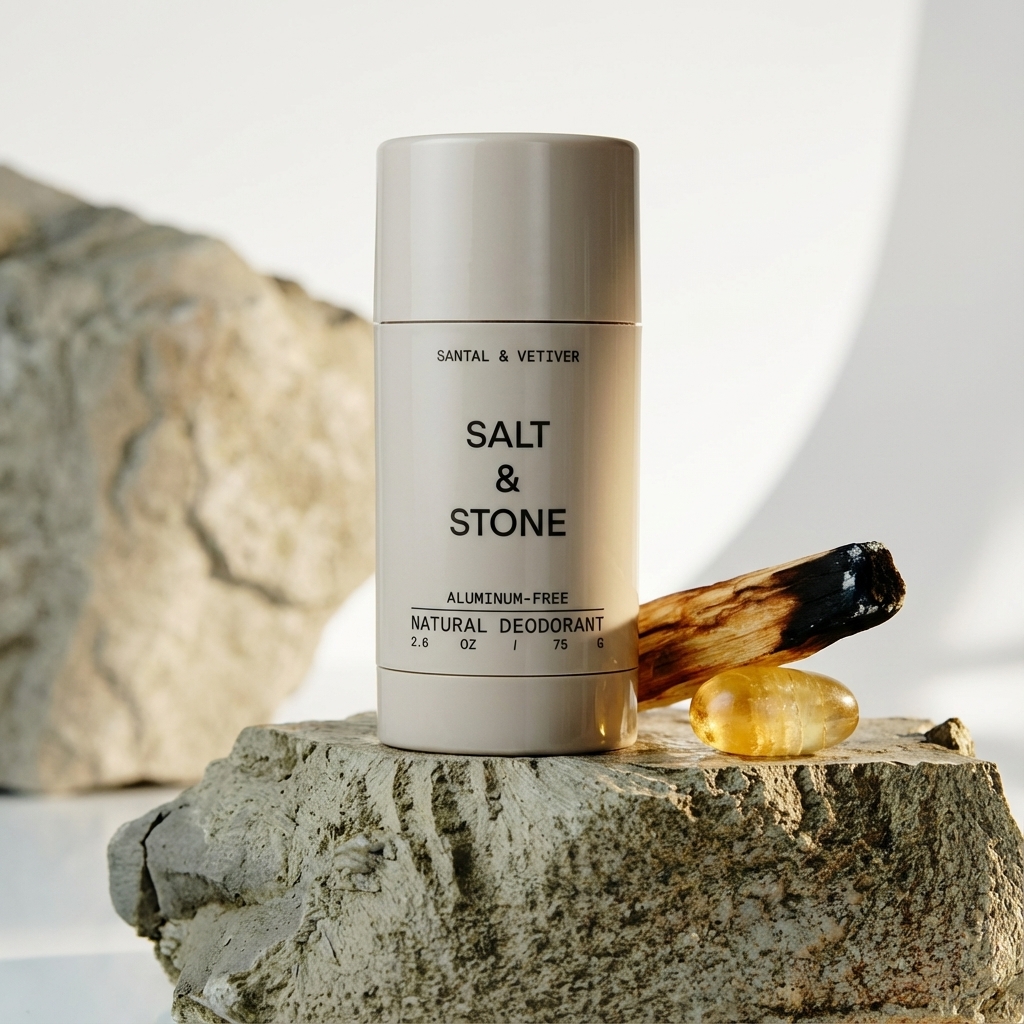
 IG Views
6.2M
 Trend InterestCloser to 50 = very trending
30
 Avg Price
$26
 Suppliers
12
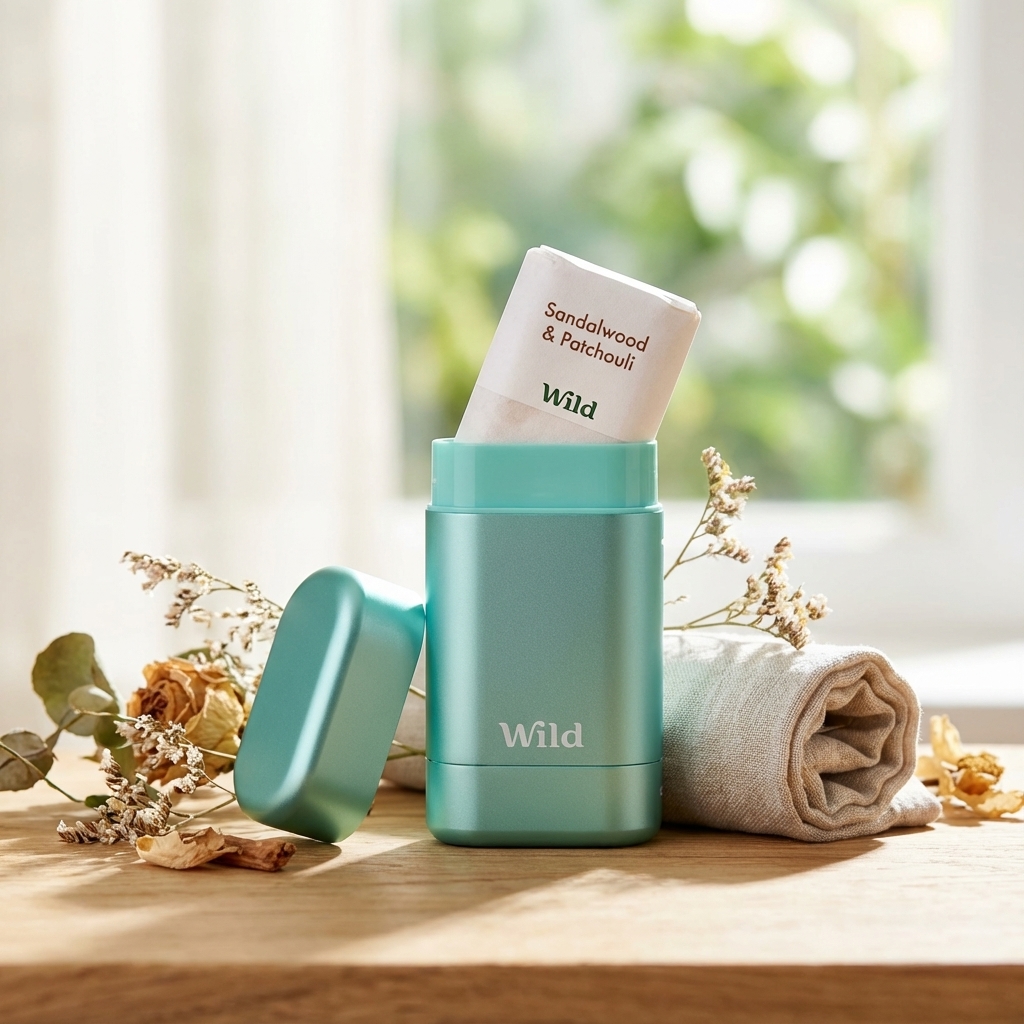
 TikTok Views
283.3K
Trend InterestCloser to 50 = very trending13
Avg Price$35
Suppliers16
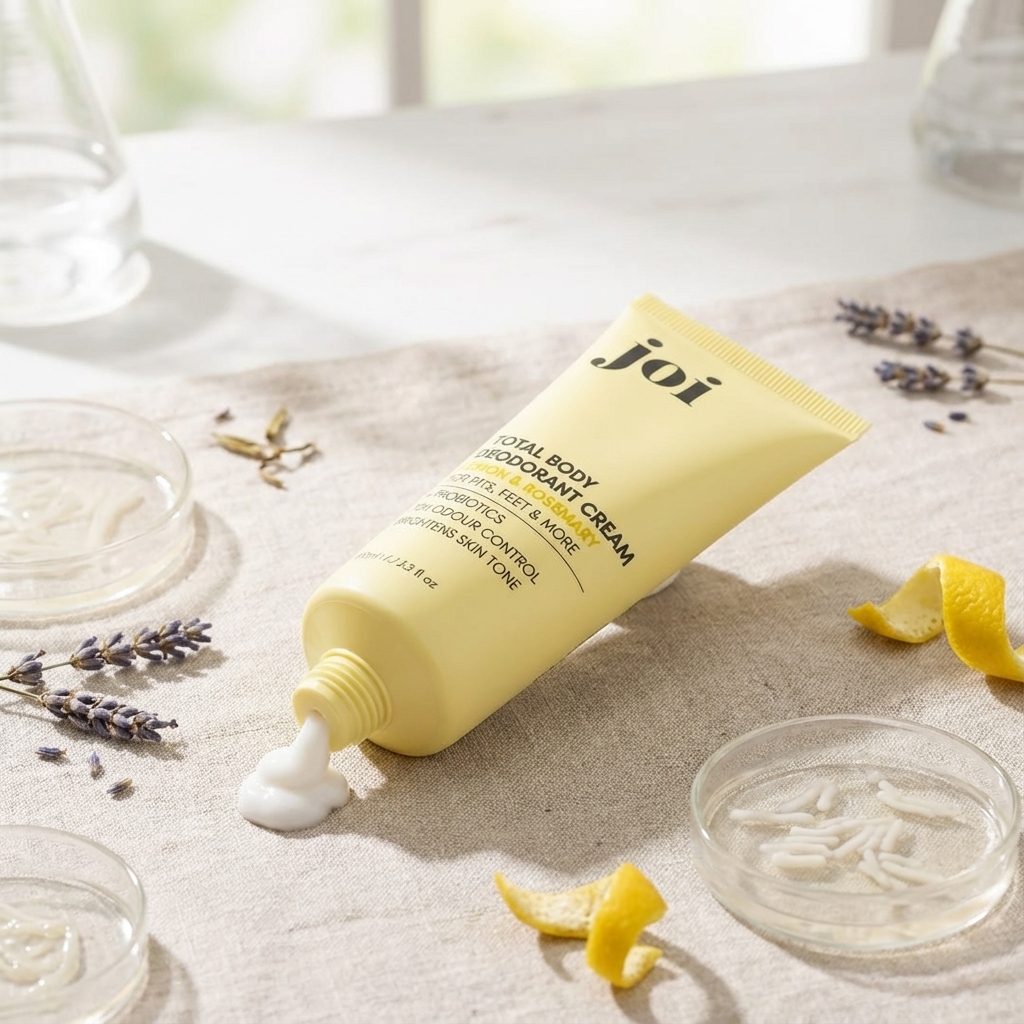 TikTok Views
—
Trend InterestCloser to 50 = very trending9
Avg Price$24
Suppliers3
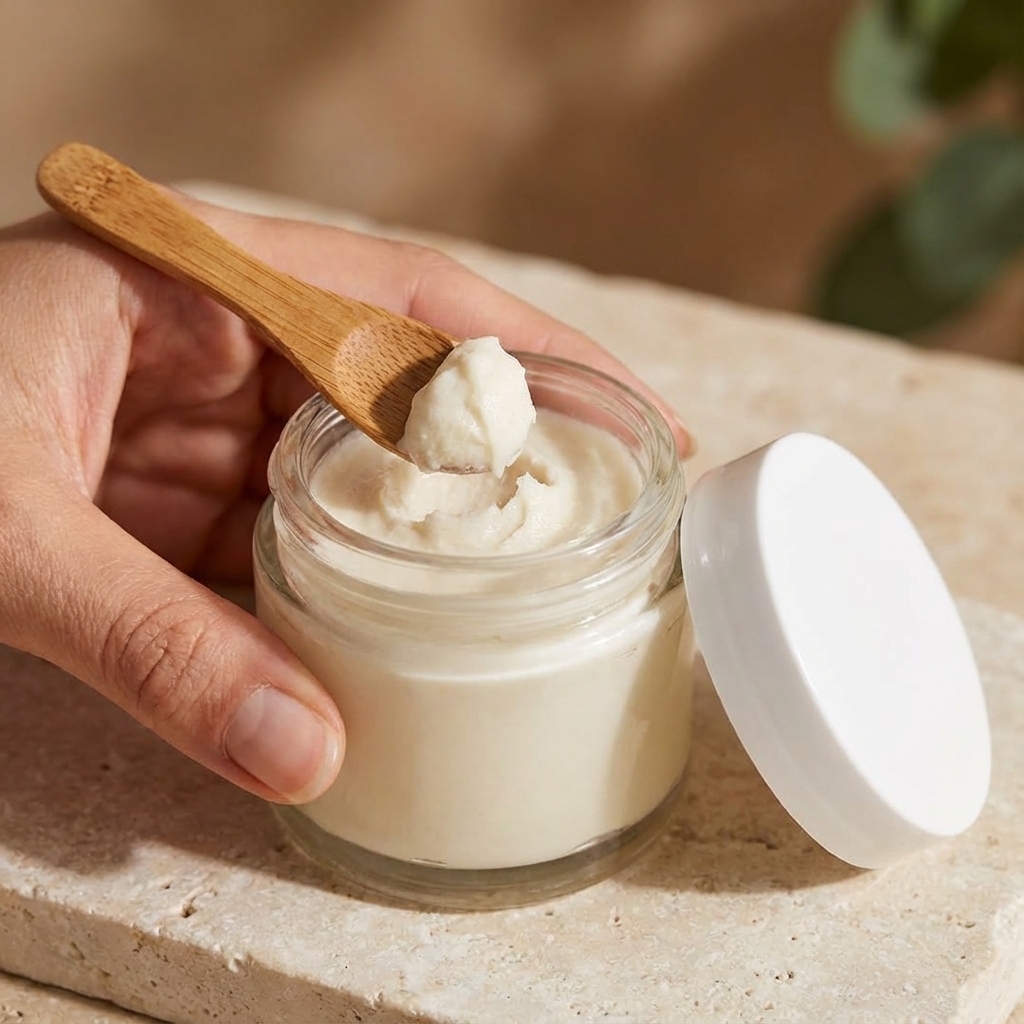 TikTok Views
80.4K
Trend InterestCloser to 50 = very trending15
Avg Price$25
Suppliers10
 TikTok Views
2.2M
Trend InterestCloser to 50 = very trending6
Avg Price$24
Suppliers8
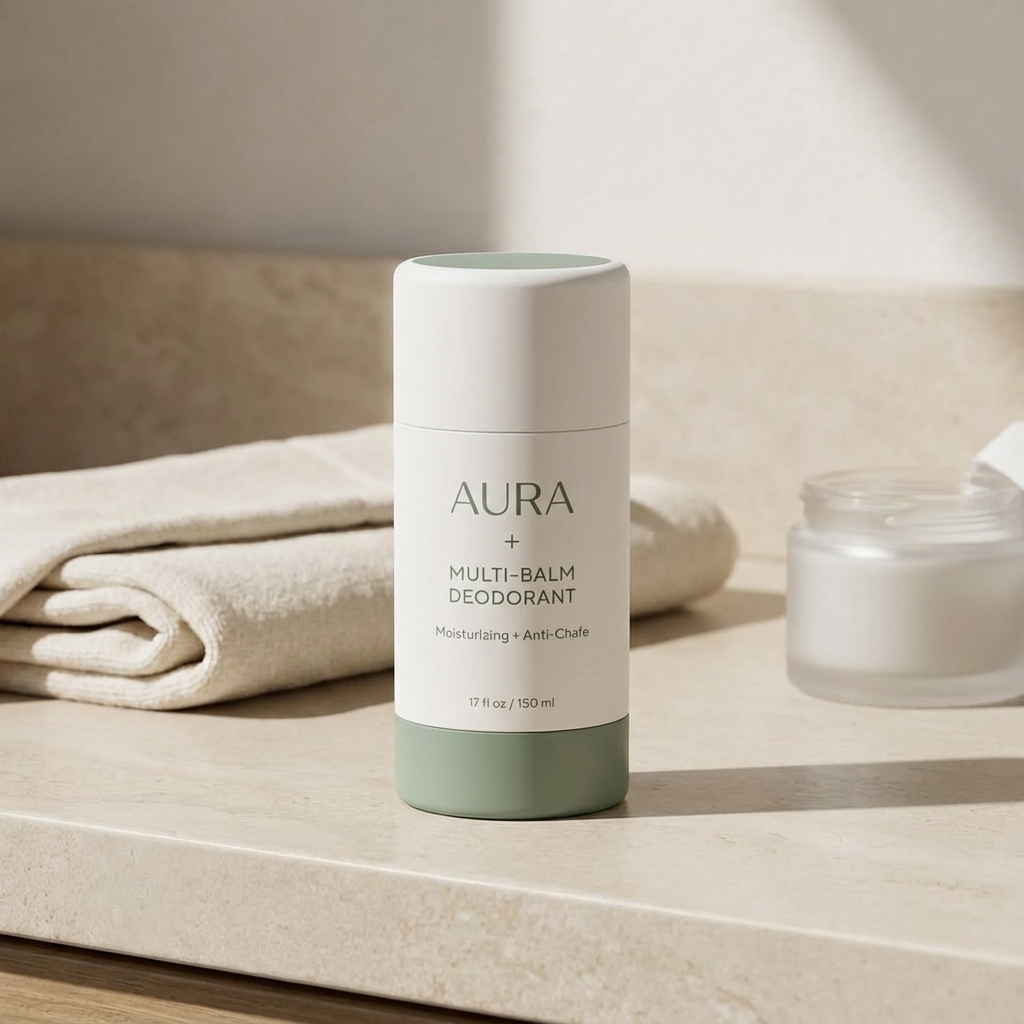
The Australian deodorant market is undergoing a profound transformation for the 2026 season, driven by a consumer desire for products that are beneficial for both personal health and the environment. This shift is crystallizing around three core trends: the use of natural ingredients, the adoption of sustainable packaging, and the development of specialized, targeted formulations. Shoppers are becoming more discerning, prioritizing products that align with a holistic and conscious lifestyle, moving away from traditional mass-market options towards more thoughtful alternatives. A key aspect of this evolution is the embrace of "clean beauty" principles. Consumers are actively seeking deodorants with transparent, easy-to-understand ingredient lists, specifically avoiding controversial components like aluminum, parabens, and synthetic fragrances. This has fueled a surge in popularity for formulations that leverage the power of nature. Products featuring native Australian botanicals, pure essential oils, and gentle yet effective ingredients such as magnesium and probiotics are becoming mainstream as they promise efficacy without compromising on skin health. Sustainability has emerged as a non-negotiable factor for many Australian shoppers. There is a strong and growing preference for innovative packaging solutions that combat plastic waste, such as refillable deodorant systems and containers made from compostable cardboard or recyclable aluminum. This eco-conscious mindset is also fostering the growth of niche and premium brands that build their identity around specific values. These smaller players are gaining market share by offering vegan, cruelty-free, and ethically produced deodorants that cater to a consumer base willing to invest in products that reflect their personal ethics.
The Australian deodorant market is undergoing a significant transformation, moving away from traditional antiperspirants towards natural, effective, and skin-conscious solutions. This shift creates a major opportunity for brands to source wholesale deodorant that addresses key consumer frustrations like skin irritation, ineffectiveness, and white residue on clothing. The trend is diversifying into several key areas: clean, aluminum-free and baking soda-free formulas; advanced microbiome-friendly ingredients like probiotics and mandelic acid; and a strong focus on sustainability through refillable systems and plastic-free packaging. Formats are also evolving beyond the solid stick to include serums, creams, and pastes, offering a superior user experience. To capture this discerning audience, brands must act quickly to buy deodorant wholesale and launch products that align with these powerful consumer demands for performance, wellness, and eco-consciousness.
The market data and sourcing advantages that make this trend worth pursuing.
Typical range
$5.35–$25.99
Typical range
$27.46–$60.00
132K views • 9% engagement
Strong organic resonance
53 suppliers
MOQ flexibility & scale options
High-margin candidate for boutique retail.
Premium Suede Backpack
High-margin candidate for boutique retail.
Top-selling entry-level SKU on Amazon.
Supplier Examples
Supplier 1
MOQ 100 • 5+ yrs
Supplier 2
MOQ 100 • 5+ yrs
Supplier 3
MOQ 100 • 5+ yrs
Supplier 4
MOQ 100 • 5+ yrs
Supplier 5
MOQ 100 • 5+ yrs
Add or customize product features and we'll match you with verified suppliers.
Feature Matching
Find suppliers with matching capabilities
Quote Comparison
Compare pricing and lead times
Sampling & Production
Request samples and begin production
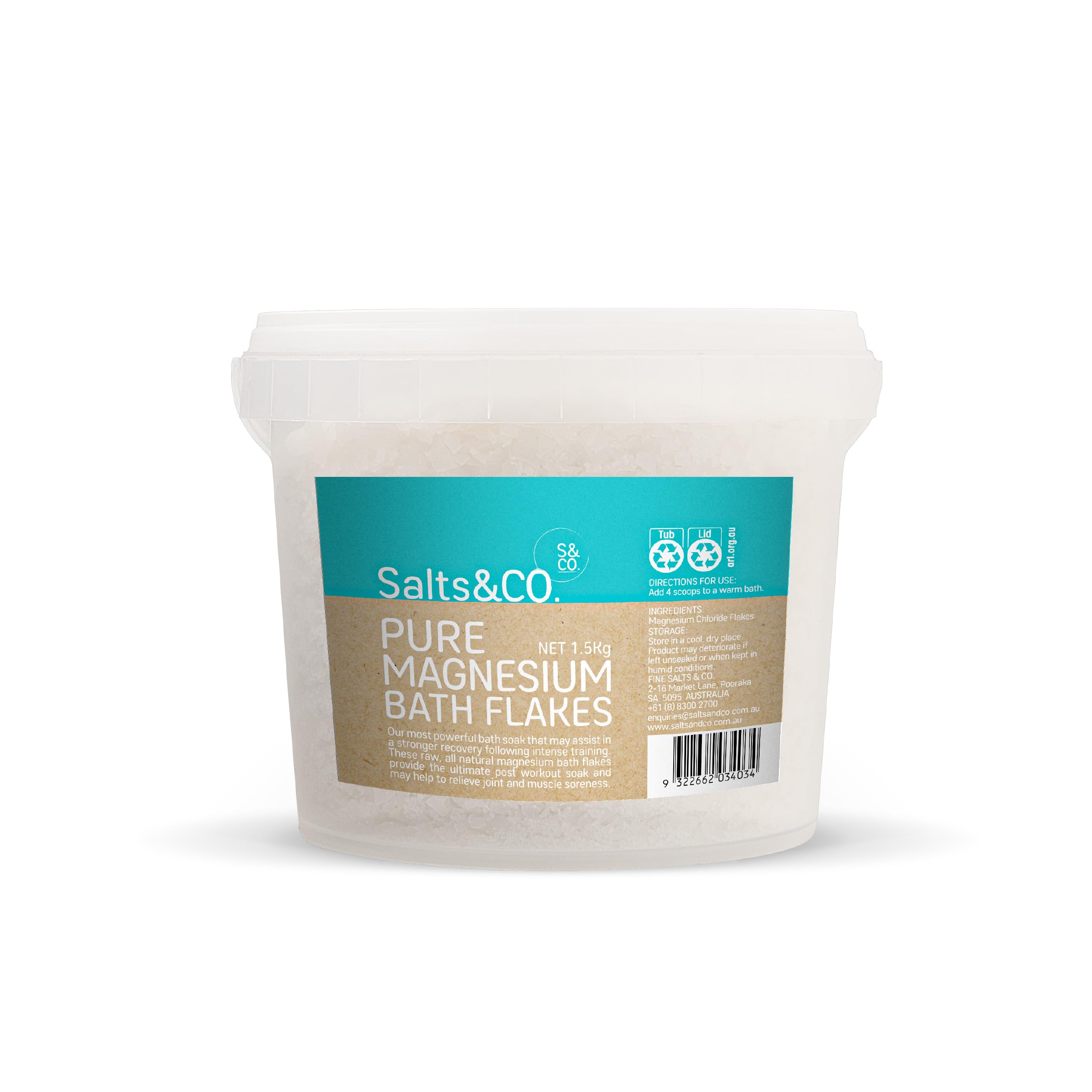
Explore Bath Salts trends and sourcing opportunities
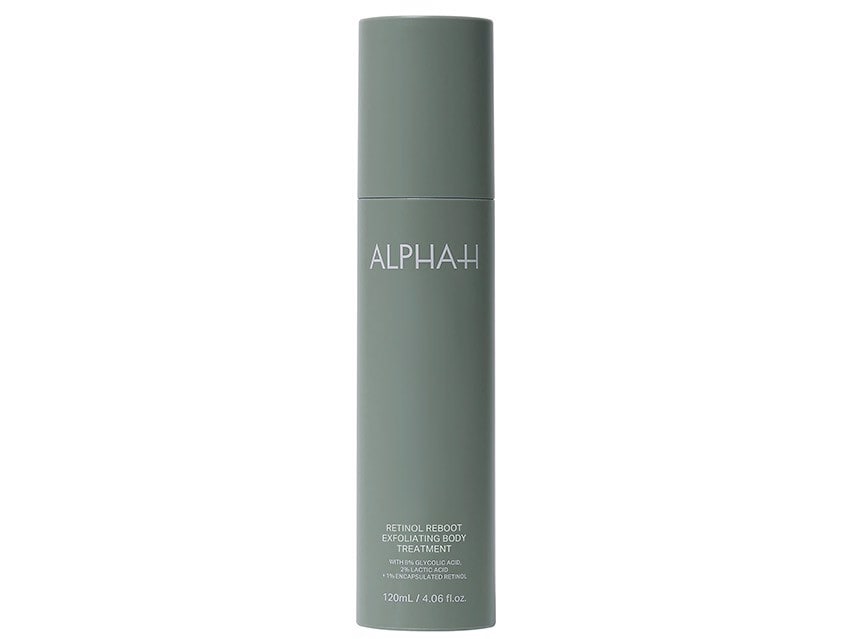
Explore Body Lotion trends and sourcing opportunities
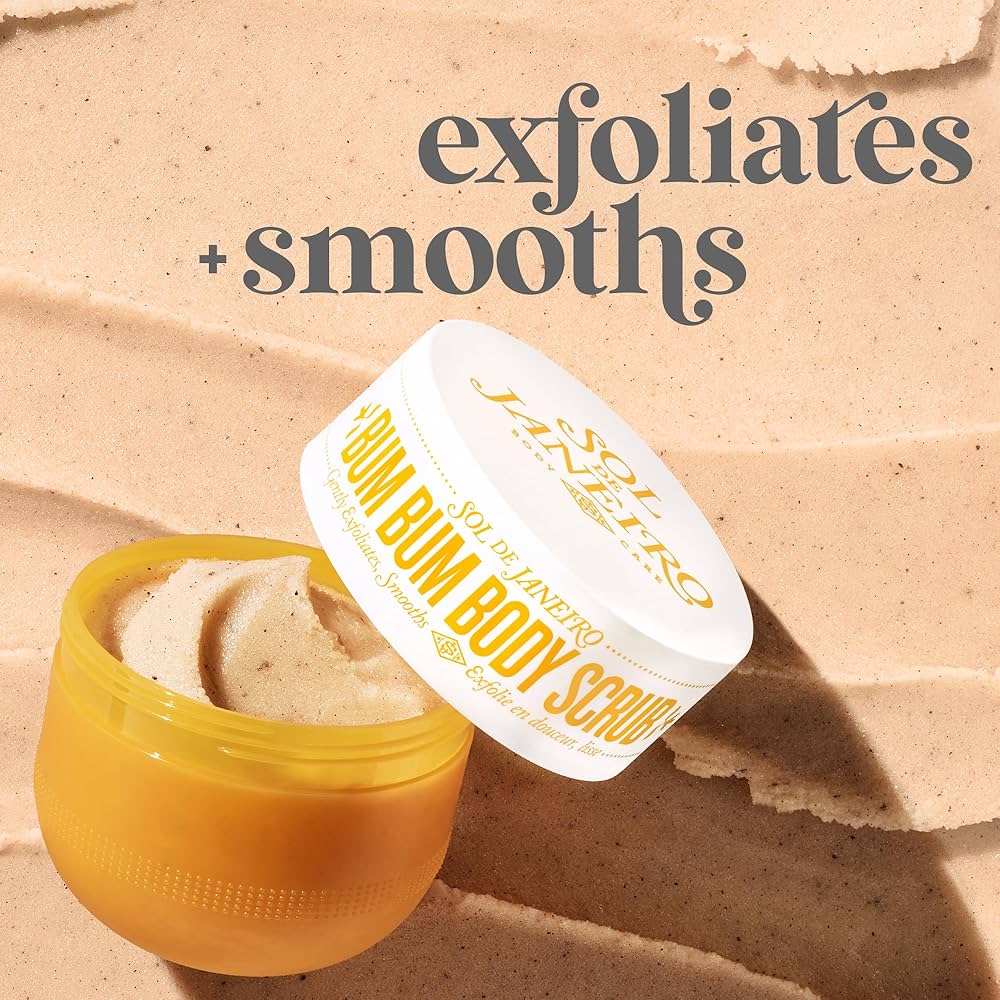
Explore Body Scrub trends and sourcing opportunities

Explore Body Wash trends and sourcing opportunities
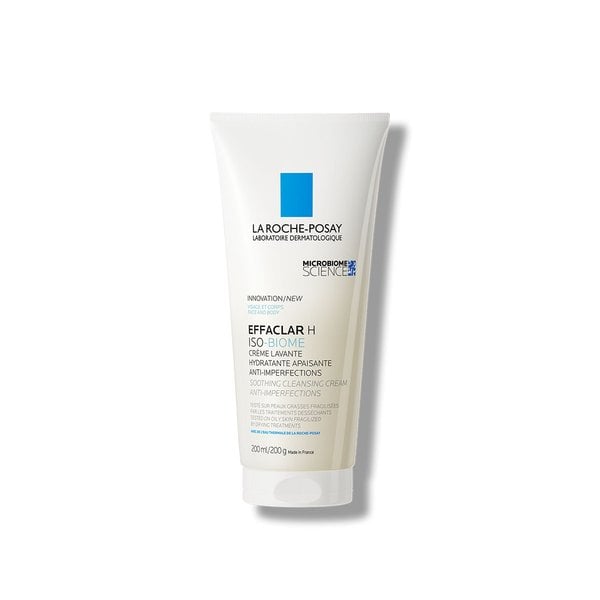
Explore Cleanser trends and sourcing opportunities
Minimum order quantities vary by supplier tier and product complexity. Value segment suppliers typically require 500-1,000 pieces per style/color, while premium manufacturers may accept 200-300 pieces for higher-value orders. Customization options like private labeling often increase MOQ requirements.
Common materials include cotton, polyester, modal, bamboo viscose, and various blends. Performance variants often incorporate spandex/elastane for stretch, while premium options may use pima cotton or Tencel. Material choice significantly impacts both FOB pricing and end-consumer appeal.
Request product samples before bulk orders, verify supplier certifications (ISO, BSCI, OEKO-TEX), check factory audit reports, and review trade history on B2B platforms. Our verified supplier ratings consider response rates, dispute history, and quality scores from verified transactions.
Standard production lead times range from 25-45 days depending on order complexity and supplier capacity. Rush orders may be possible at premium rates. Add 15-30 days for sea freight shipping to US ports, or 5-7 days for air freight on urgent orders.