
Body & Recovery Care · AU
Face Gel trends
As the Australian summer of 2026 approaches, the demand for face gels is centered on lightweight, hydrating, and refreshing formulations that offer a cooling sensation perfect for hot and humid weather. The overarching trend is a move towards "skinimalism," with consumers preferring simple yet effective skincare routines. This is complemented by a strong "clean beauty" movement, driving interest in products with natural, organic, and non-toxic ingredients. Key ingredients dominating the market include hyaluronic acid for intense hydration, aloe vera for its soothing and cooling properties, and a variety of native Australian botanicals known for their potent antioxidant and skin-repairing benefits. Multi-purpose products, such as gel-primers that hydrate while creating a smooth base for makeup, are also gaining popularity. Furthermore, the influence of K-Beauty continues with the "glass skin 2.0" trend, which prioritizes deep hydration to achieve a dewy, radiant complexion. Overall, Australian consumers are seeking face gels that are not only effective and suitable for the climate but also align with a minimalist and natural approach to beauty.
Themes
5
Market
AU
Trend observations
53
AU
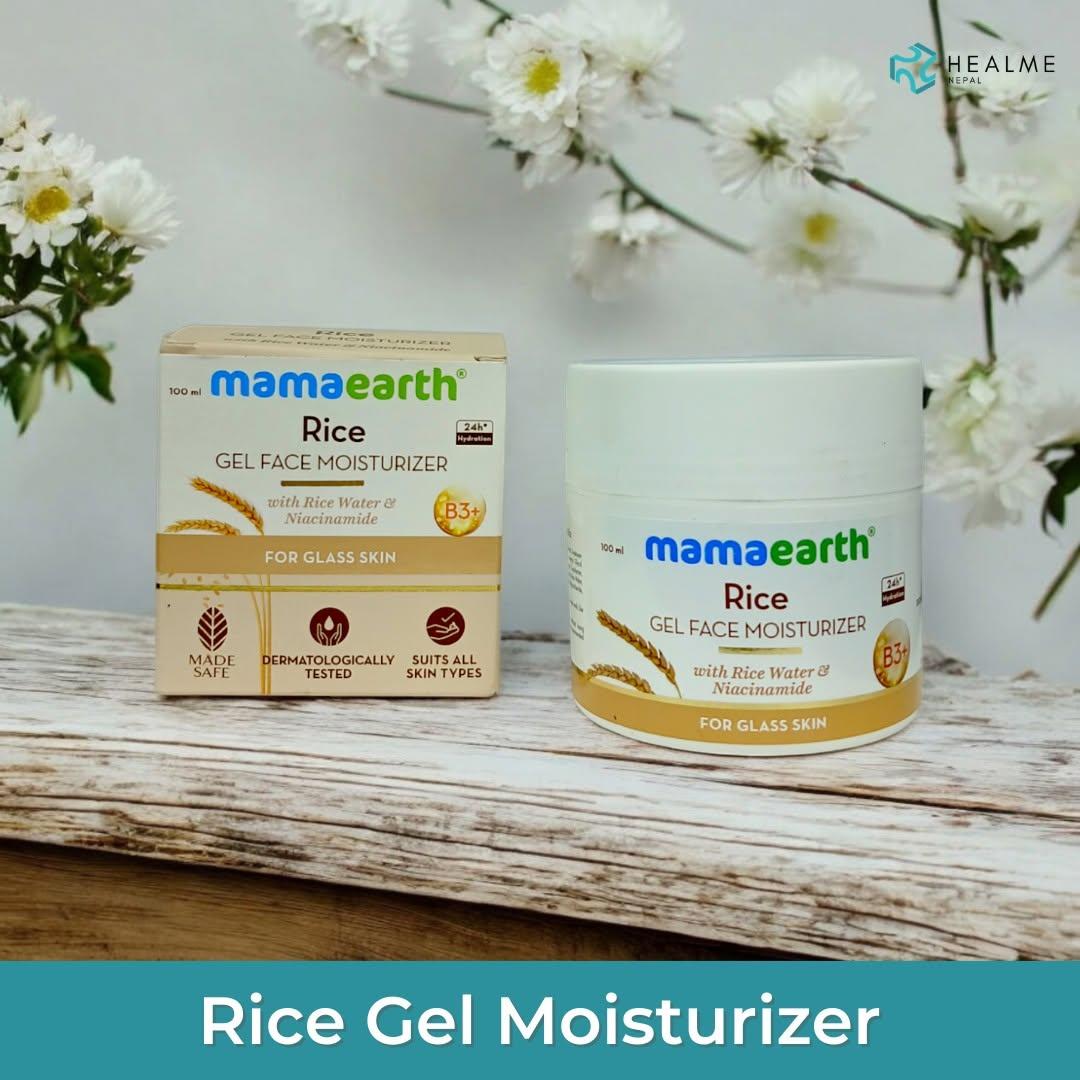
Hydrating Water Face Gel
- Hydrating Water Face Gels are ultra-lightweight, water-based formulas designed to deliver an intense burst of moisture without a heavy or greasy feel. - These gels are often packed with humectants like hyaluronic acid, resulting in a plump, dewy complexion. - Their fast-absorbing nature makes them ideal for the Australian climate, leaving the skin feeling refreshed, balanced, and shine-free. - Many formulations also incorporate ingredients like ceramides and peptides to help strengthen the skin's moisture barrier.
Explore →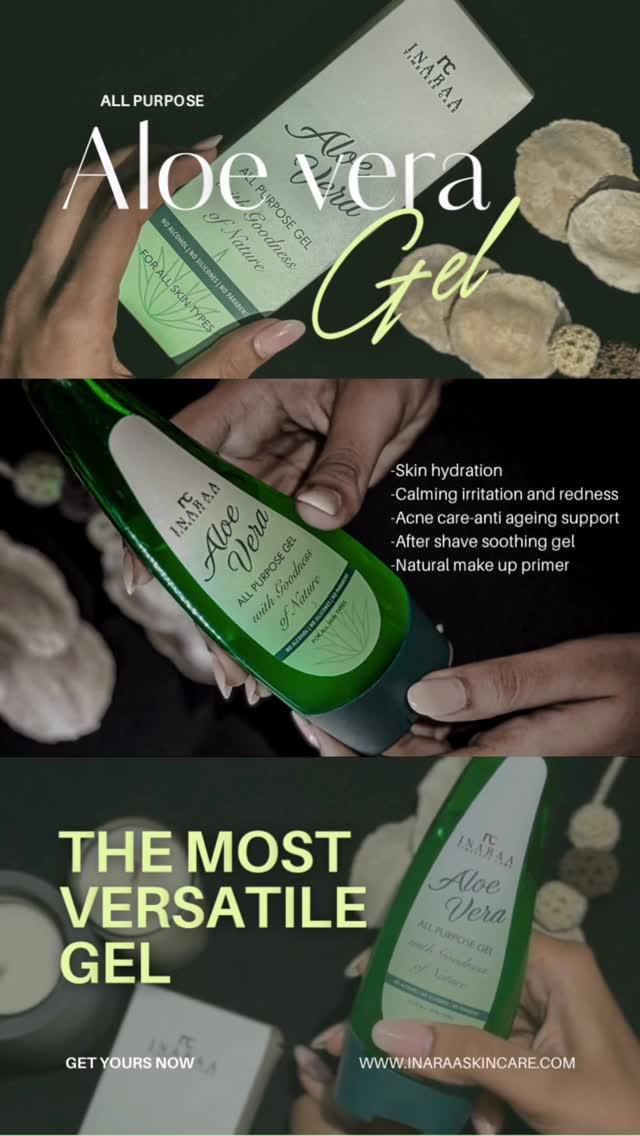
AU
Multi-Purpose Gel Primer
- Multi-Purpose Gel Primers are hybrid products that bridge the gap between skincare and makeup. - These lightweight gels provide a boost of hydration while creating a smooth, even canvas for foundation application. - They often contain skin-loving ingredients like hyaluronic acid that plump the skin and help makeup last longer. - The gel texture feels refreshing and absorbs quickly, without leaving a greasy residue.
Explore →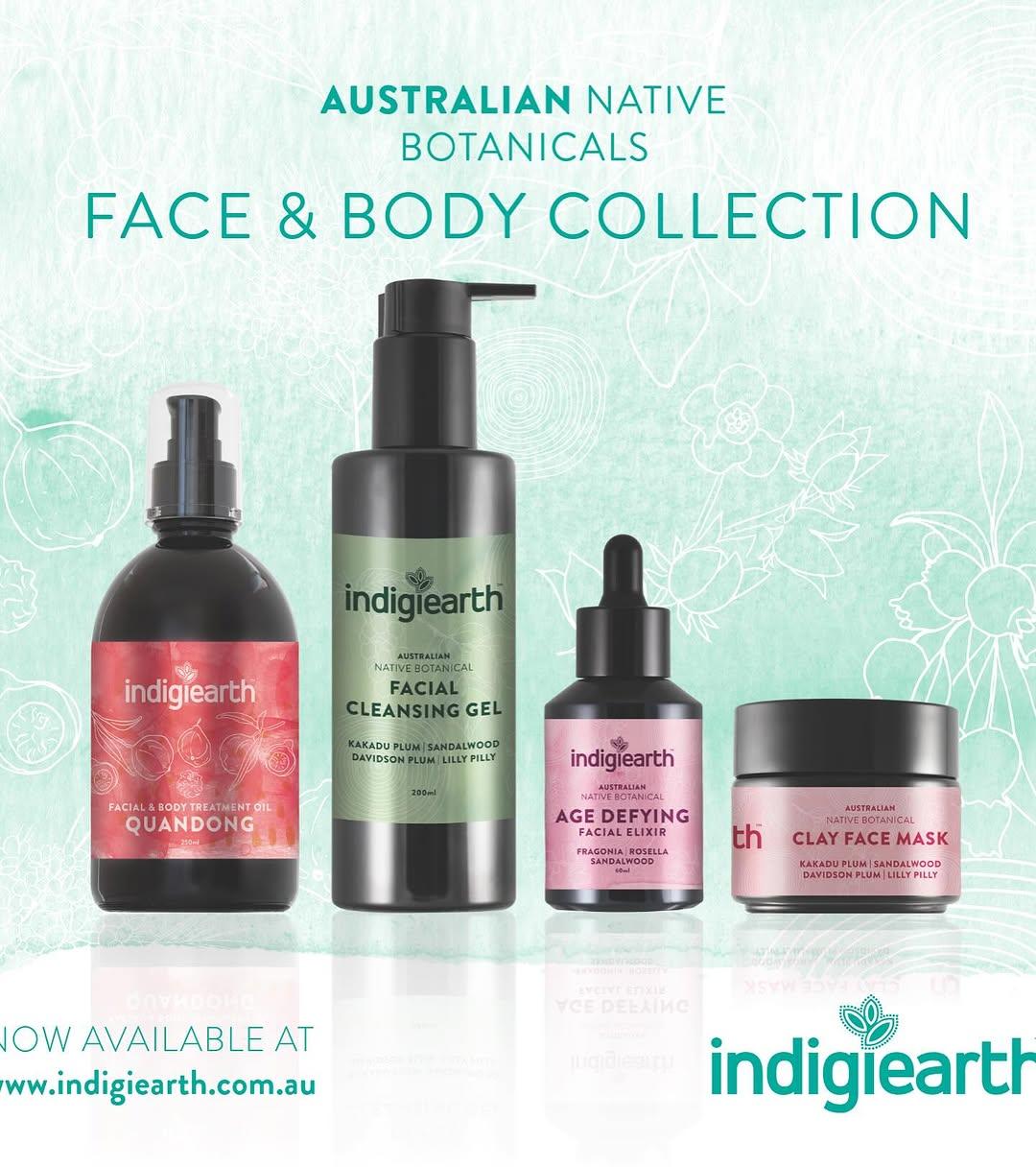
AU
Native Botanical Face Gel
- Native Botanical Face Gels are formulated with potent extracts from Australian indigenous plants. - They feature ingredients like Kakadu Plum for Vitamin C, Lemon Myrtle for antibacterial properties, and Lilly Pilly for anti-aging benefits. - These botanicals are known for their high antioxidant content, offering powerful protective and reparative benefits for the skin. - The lightweight formulations aim to brighten, even out skin tone, and improve skin elasticity.
Explore →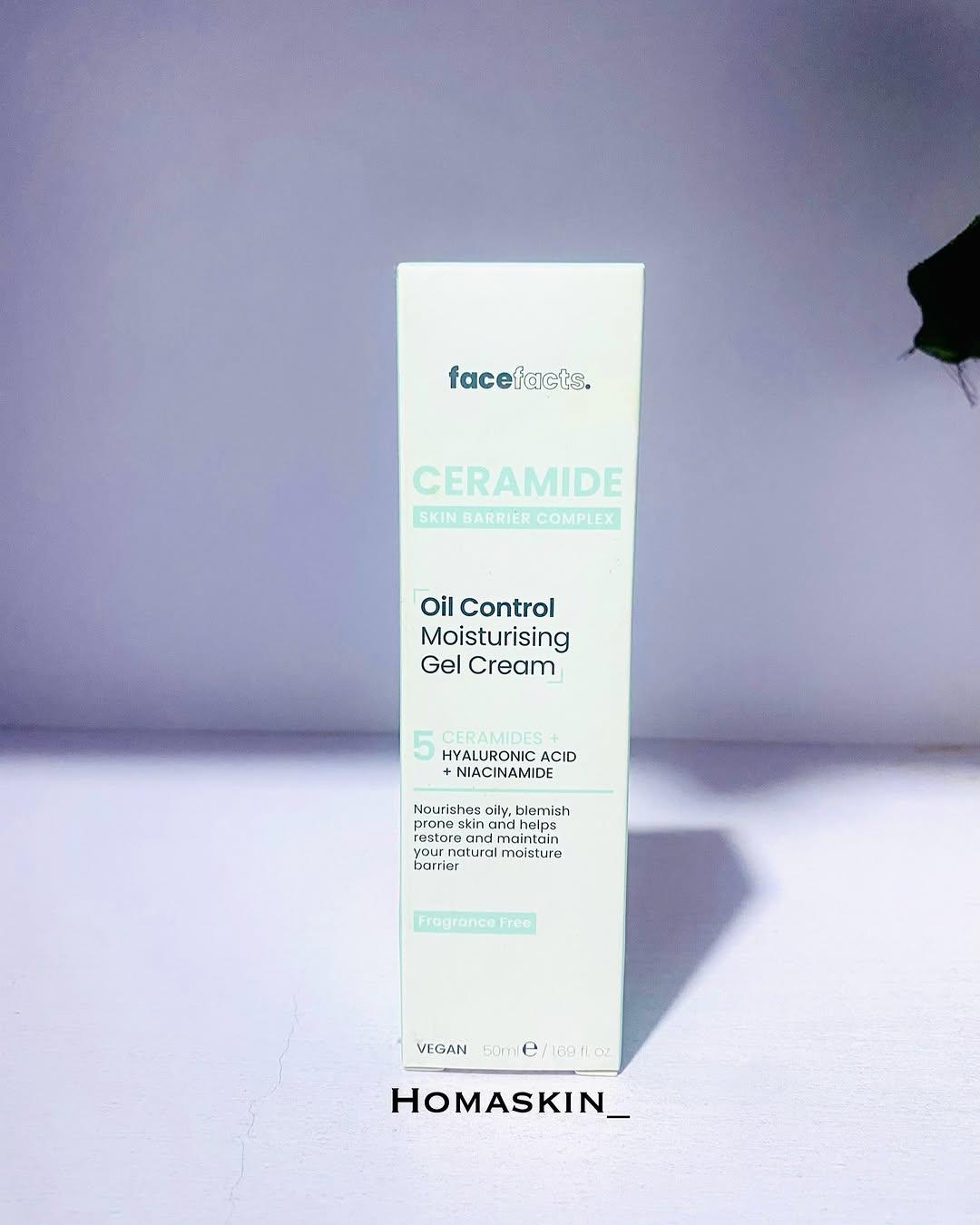
AU
Oil-Control Face Gel
- Oil-Control Face Gels are designed for oily and combination skin, offering hydration while minimizing excess shine. - These oil-free formulas have a lightweight, gel or gel-cream texture that absorbs quickly to leave a fresh, matte finish. - Key ingredients often include salicylic acid to keep pores clear and niacinamide to regulate sebum production. - They are non-comedogenic, meaning they won't clog pores, which is crucial for preventing breakouts.
Explore →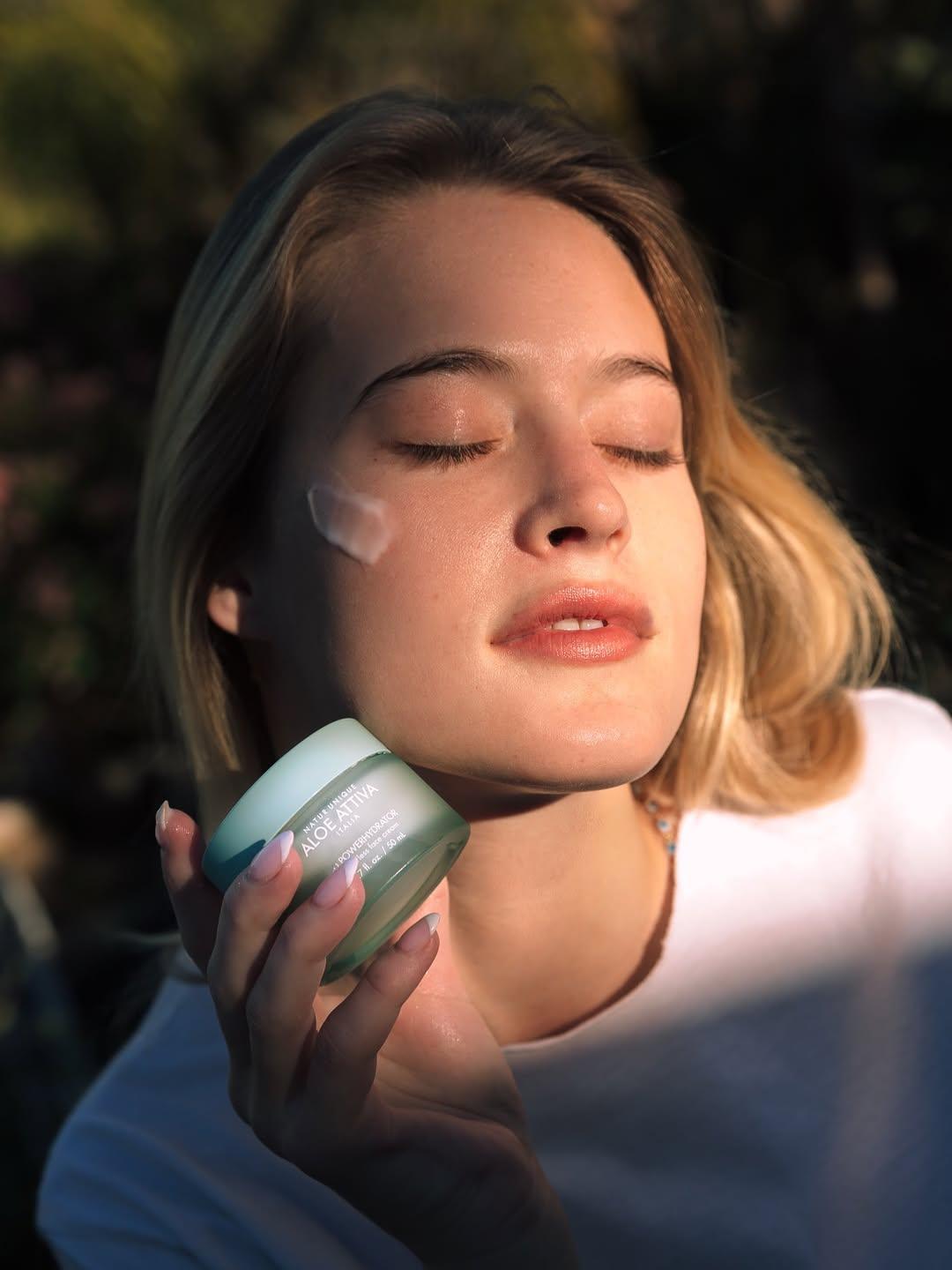
AU
Soothing Aloe Face Gel
- Soothing Aloe Face Gels are multi-purpose products celebrated for their calming and restorative properties. - Typically formulated with a high concentration of pure aloe vera leaf juice, these gels provide immediate relief to irritated or sun-exposed skin. - They are exceptionally lightweight, non-sticky, and absorb quickly, making them a versatile addition to any skincare routine. - Many are formulated to be free from parabens, alcohol, and artificial colors, catering to the demand for clean and gentle skincare.
Explore →