
Body & Recovery Care · AU
Footcream trends
Explore the themes shaping this product market.
Themes
5
Market
AU
Trend observations
53
AU
Cooling & Deodorizing Foot Cream
- These foot creams are designed for the hot Australian summer, providing an instant cooling and refreshing sensation. - The primary active ingredients are peppermint essential oil, menthol, and camphor, which soothe tired, aching feet and help neutralize odour. - Many also contain antibacterial and antifungal ingredients like tea tree oil to maintain foot hygiene.
Explore →AU
Exfoliating Foot Cream
- This category includes creams and at-home treatments designed to remove dead, rough skin and calluses for a smoother finish. - The trend features chemical exfoliants with ingredients like Alpha-Hydroxy Acids (AHAs), Beta-Hydroxy Acids (BHAs), and high-concentration urea. - It also includes intensive foot peels or masks that cause the skin to shed over several days.
Explore →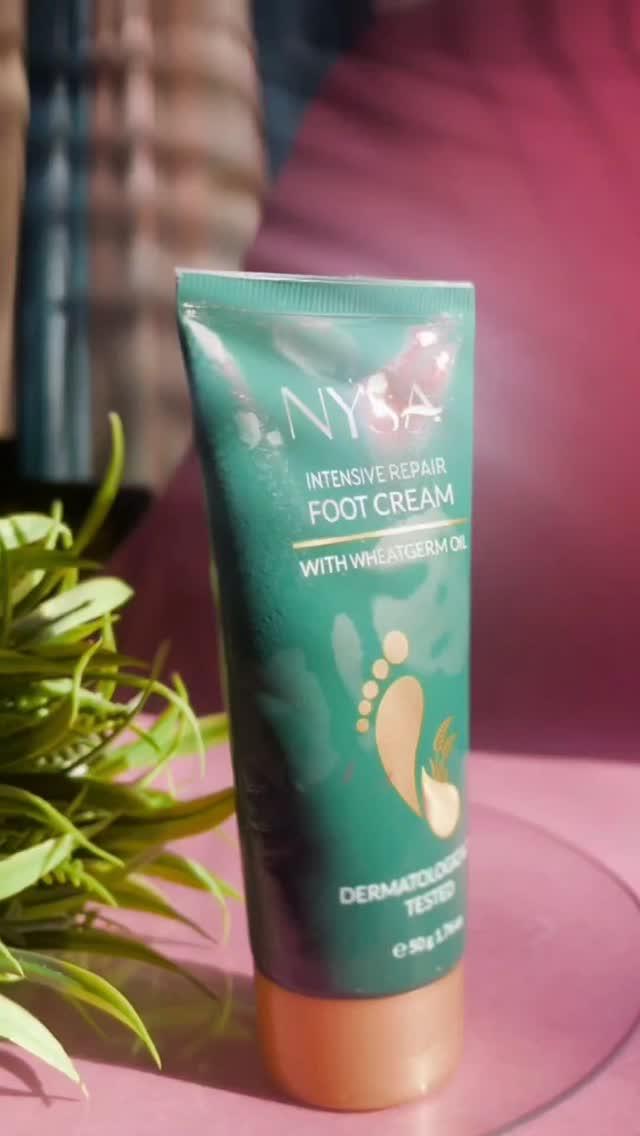
AU
Intensive Repair Foot Cream
- These are high-potency creams specifically formulated to treat severe dryness, deep cracks, and calluses. - The standout ingredient is high-concentration urea, which acts as a powerful humectant and a keratolytic agent to exfoliate thick, hardened skin. - The creams are often described as non-greasy and fast-absorbing, providing visible results in as little as one day.
Explore →AU
Natural & Nourishing Foot Cream
- This trend focuses on foot creams made with natural, organic, and sustainably sourced ingredients. - Key components include Tasmanian olive and hemp seed oils, shea butter, cocoa butter, and aloe vera, which deeply moisturize and repair the skin. - These formulations are often free from parabens, mineral oils, and artificial fragrances, making them suitable for sensitive skin. - Many are also vegan and cruelty-free.
Explore →AU
Podiatrist-Endorsed Foot Cream
- This trend highlights foot creams that are either developed by or recommended by podiatrists, lending them a seal of medical credibility. - These products are often formulated to address specific, persistent foot problems like diabetic foot care, severe calluses, or fungal-prone skin. - Brands in this space emphasize their clinical efficacy and are frequently sold in pharmacies and specialized clinics.
Explore →