
Body & Recovery Care · AU
Hand Cream trends
The Australian hand cream market in 2026 is moving towards sophisticated, ingredient-focused formulations that mirror facial skincare trends, a concept known as the "face-ification" of body care. Consumers are increasingly seeking products that do more than just moisturize, with a strong demand for anti-aging properties and ingredients like peptides and niacinamide to address fine lines and skin elasticity. There is a significant trend towards "clean" and "green" beauty, with a preference for natural and organic ingredients, particularly Australian native botanicals like Kakadu Plum, which is renowned for its high Vitamin C content. Barrier repair is a key focus, driven by increased hand washing and the popularity of ingredients such as ceramides, niacinamide, and glycerin that soothe and restore the skin's protective layer. Furthermore, given Australia's high UV exposure, hand creams with added SPF are becoming an essential preventative measure against sun damage and premature aging. The overall approach is one of "skinimalism," emphasizing effective, multi-functional products that promote long-term skin health and are housed in sustainable packaging.
Themes
5
Market
AU
Trend observations
53
AU
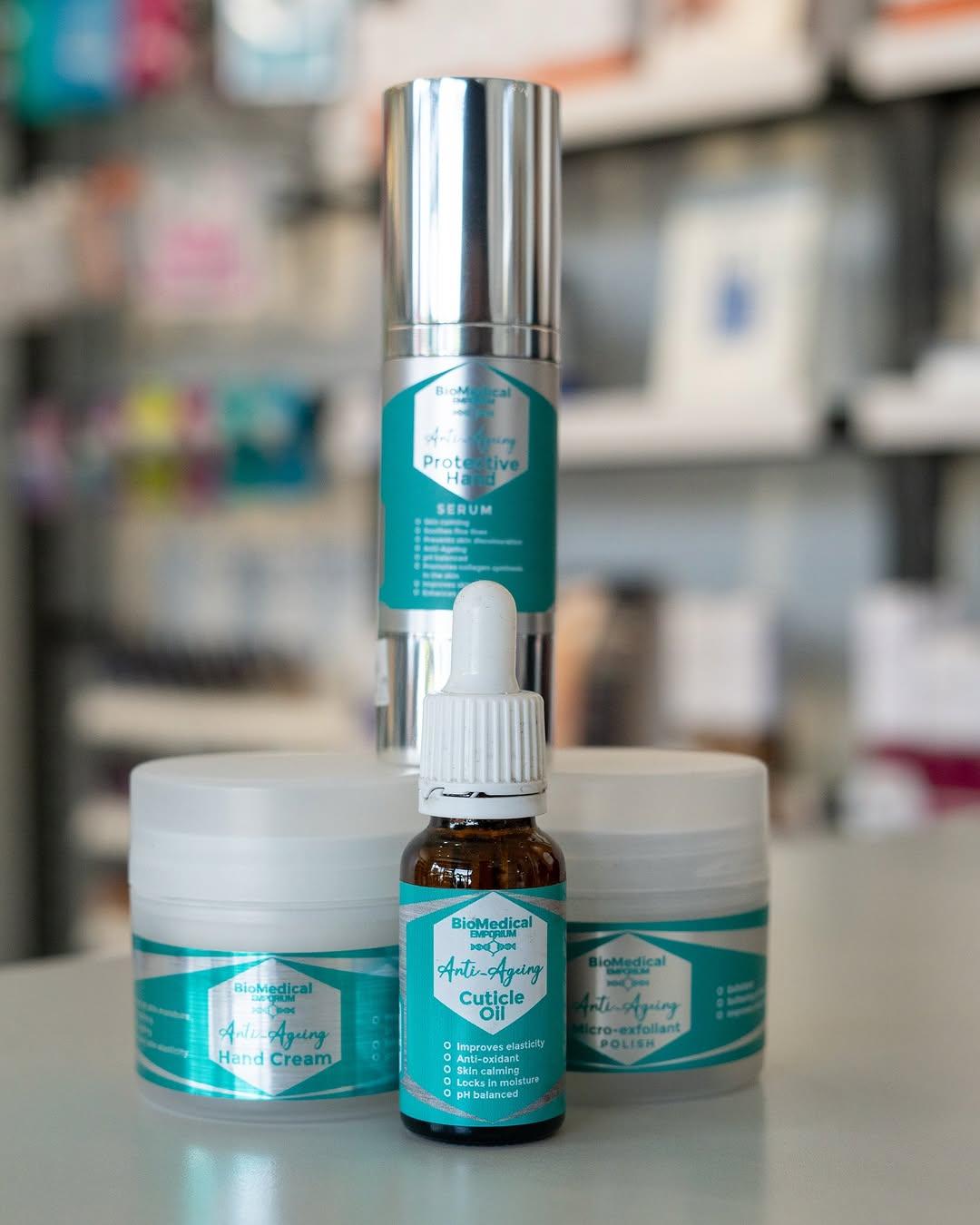
Anti-Ageing Hand Cream
- Anti-ageing hand creams are specialized treatments designed to target the visible signs of aging on the hands, such as wrinkles, fine lines, and loss of elasticity. - These products are moving beyond basic hydration to include active ingredients commonly found in facial skincare, such as peptides and niacinamide. - The goal is to deliver a more youthful appearance by plumping the skin and diminishing age spots.
Explore →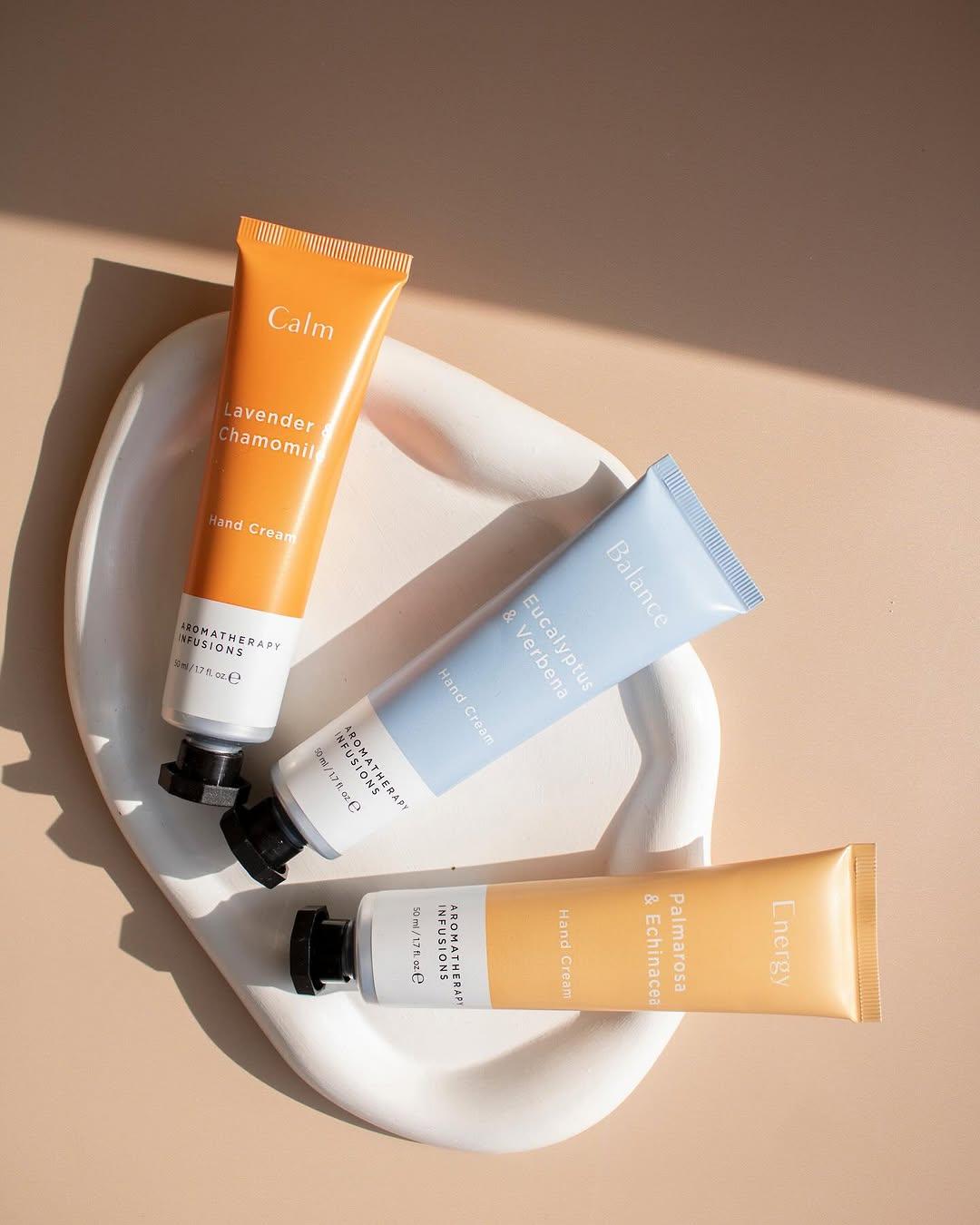
AU
Aromatherapeutic Hand Cream
- Aromatherapeutic hand creams elevate the daily act of moisturizing into a sensory wellness ritual. - These creams are formulated with botanical extracts and essential oils to provide a calming or invigorating scent experience. - While delivering hydration, the primary focus is on the aromatherapeutic benefits that help to soothe the mind and release tension.
Explore →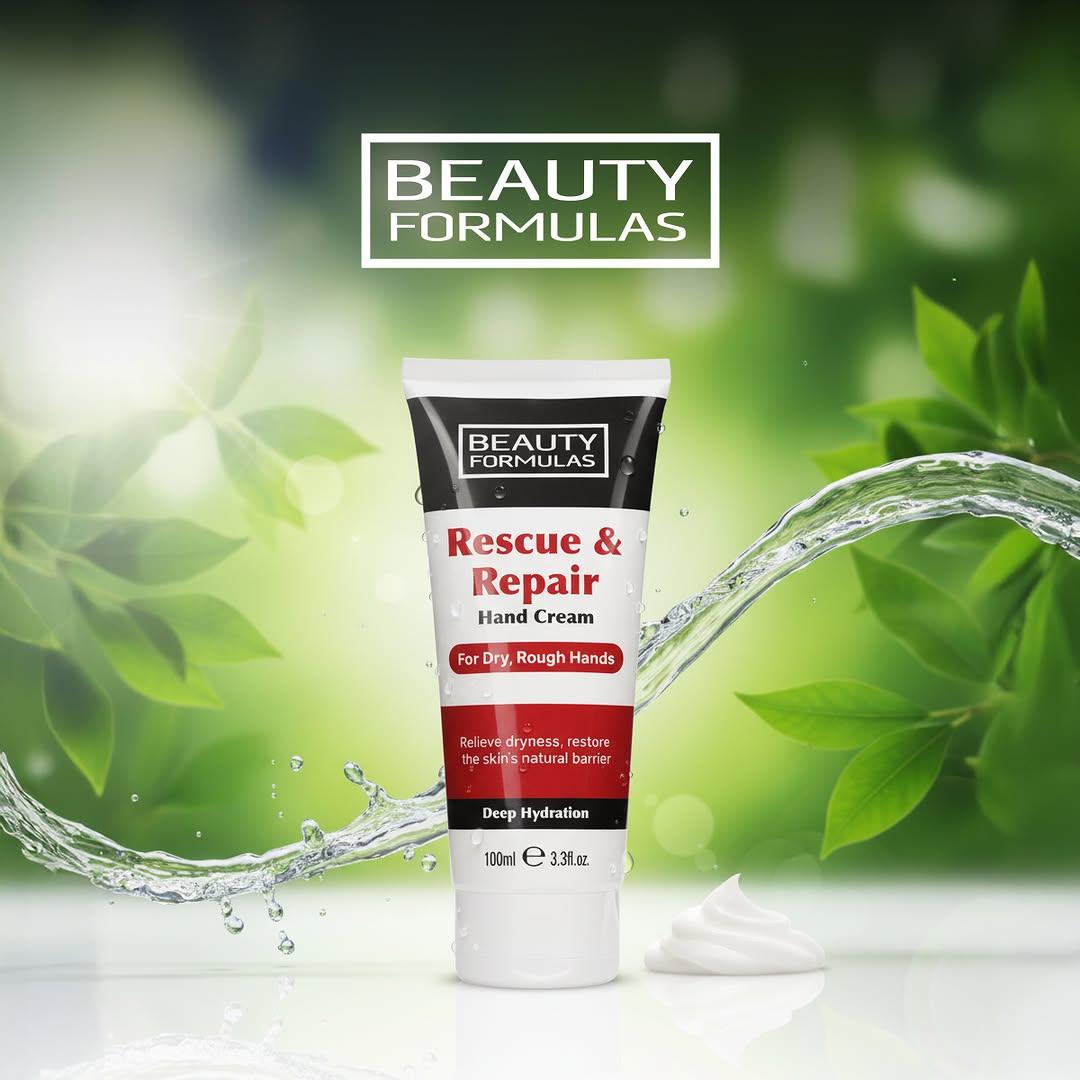
AU
Barrier Repair Hand Cream
- Barrier repair hand creams are formulated to restore and strengthen the skin's natural protective barrier. - These creams are rich in ingredients like niacinamide, glycerin, and ceramides to soothe irritation, reduce dryness, and lock in moisture. - They often have a non-greasy, fast-absorbing texture that provides immediate comfort to dry, chapped, or sensitive skin.
Explore →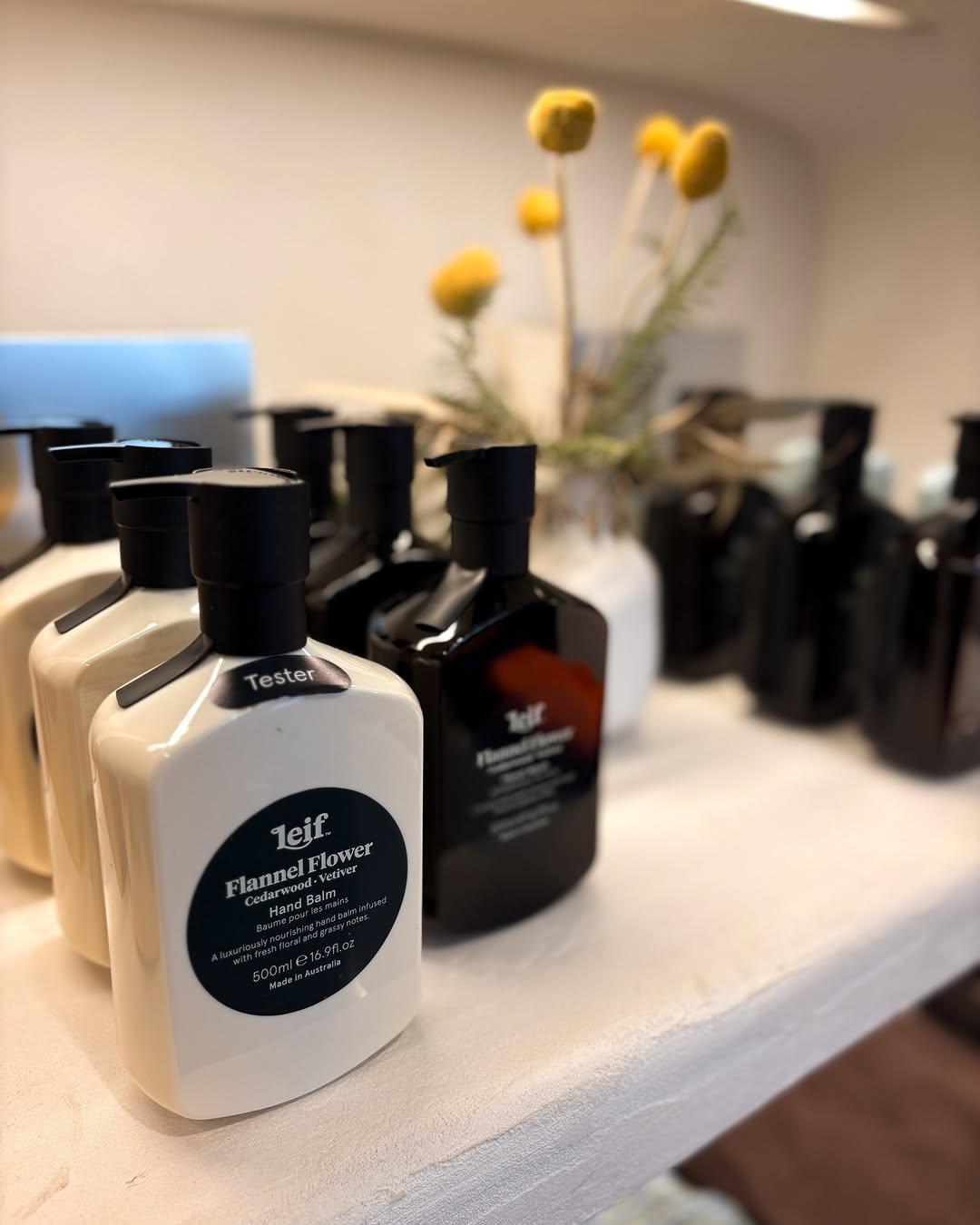
AU
Native Botanical Hand Cream
- Native botanical hand creams are infused with ingredients indigenous to Australia, celebrating the country's rich flora. - Formulations often feature powerful extracts like Kakadu Plum, known for its exceptionally high Vitamin C content. - Other botanicals such as Rose Gallica, Safflower Seed Oil, and Macadamia Oil are used for their soothing, moisturizing, and conditioning properties. - These creams emphasize natural and "clean" formulations, appealing to a desire for locally sourced, effective skincare.
Explore →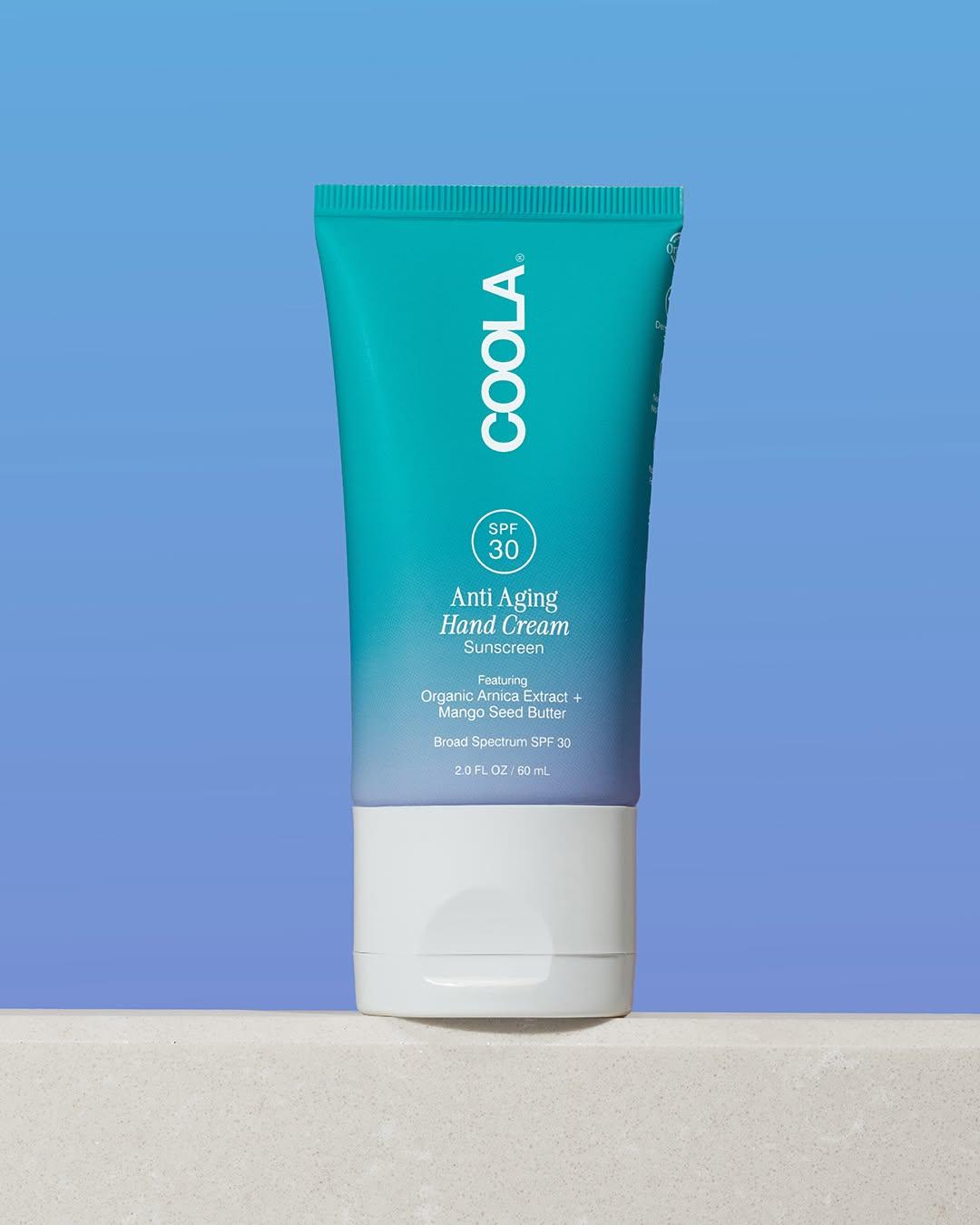
AU
Spf Protection Hand Cream
- SPF protection hand creams are multi-functional products that combine hydration with crucial sun protection. - These formulations are designed to moisturize the hands while shielding them from the damaging effects of UV radiation. - They often contain antioxidants like Vitamin E to further protect against environmental aggressors and support the skin's natural defense.
Explore →