
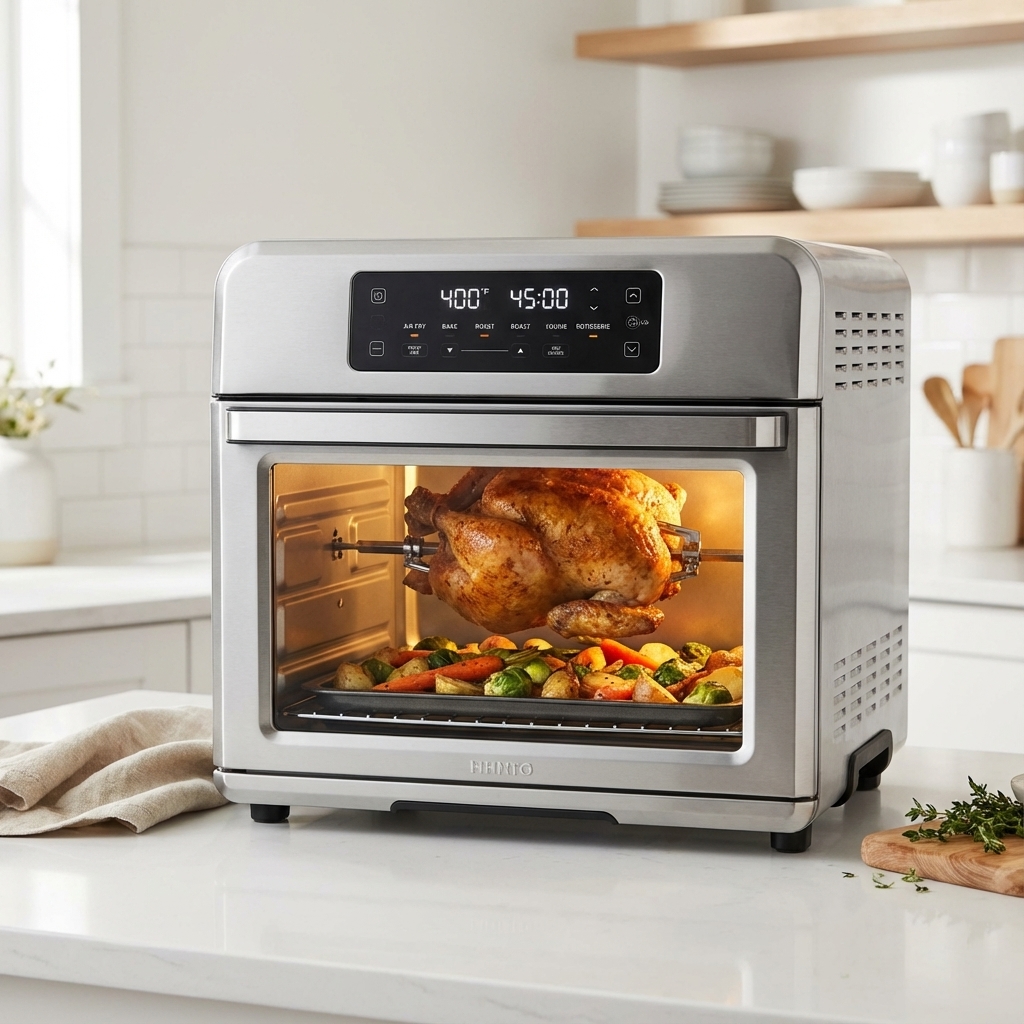
 IG Views
694.2K
 Trend InterestCloser to 50 = very trending
69
 Avg Price
R$597
 Suppliers
16
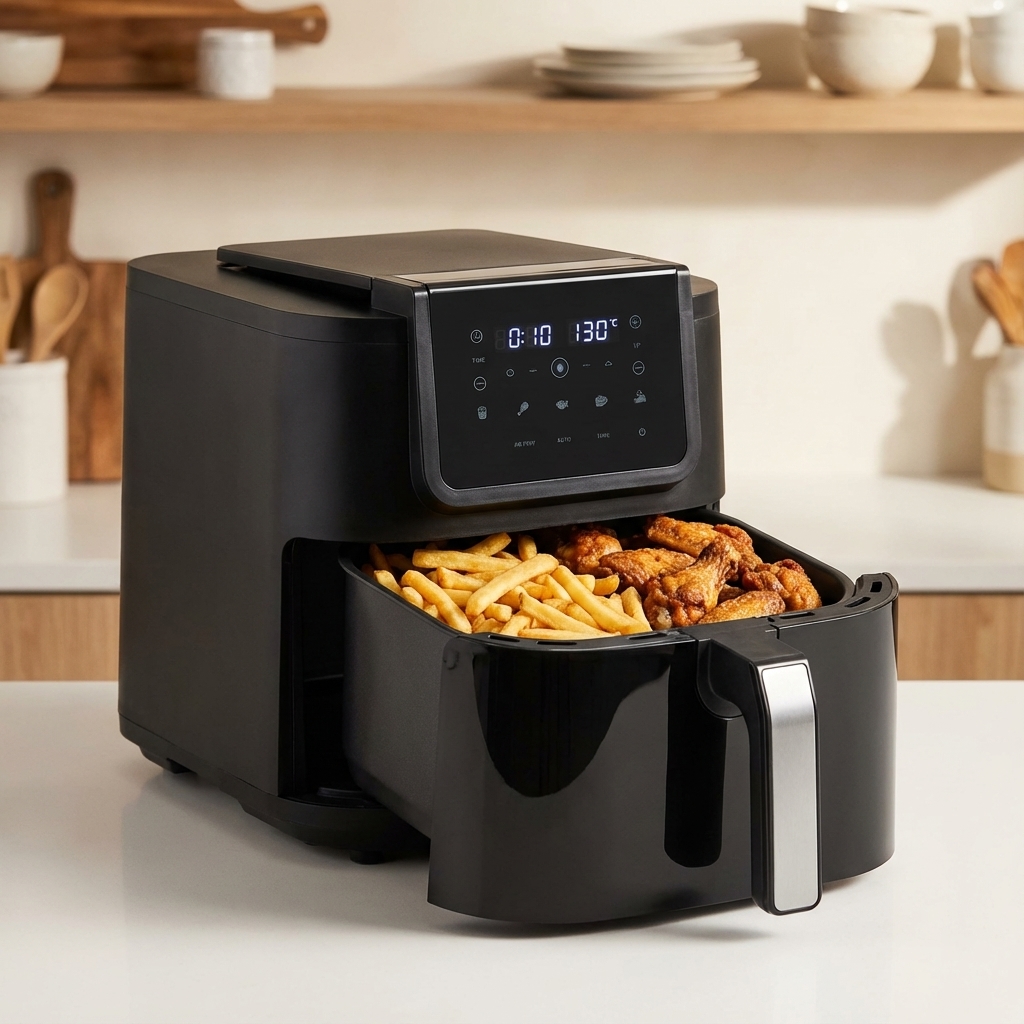
 TikTok Views
—
Trend InterestCloser to 50 = very trending5
Avg PriceR$447
Suppliers14
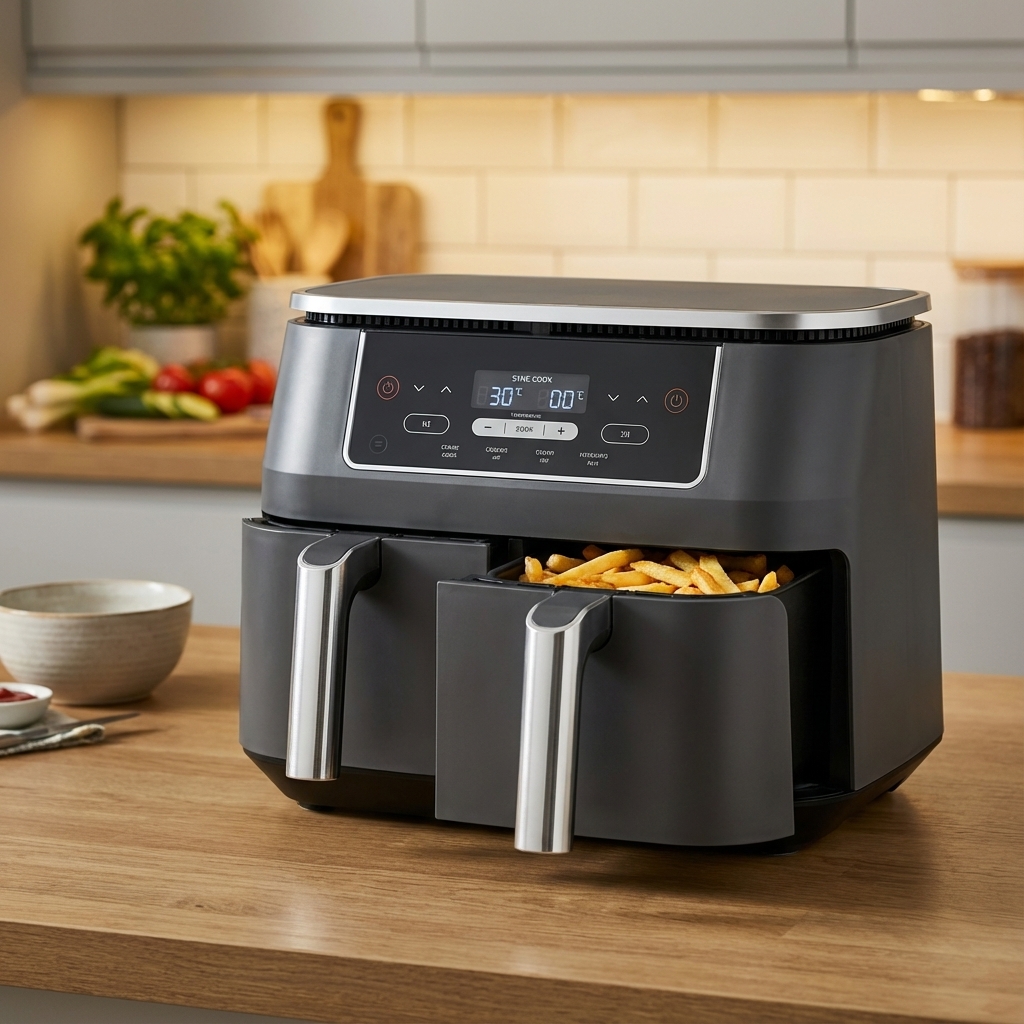 IG Views
5.0K
Trend InterestCloser to 50 = very trending28
Avg PriceR$792
Suppliers13
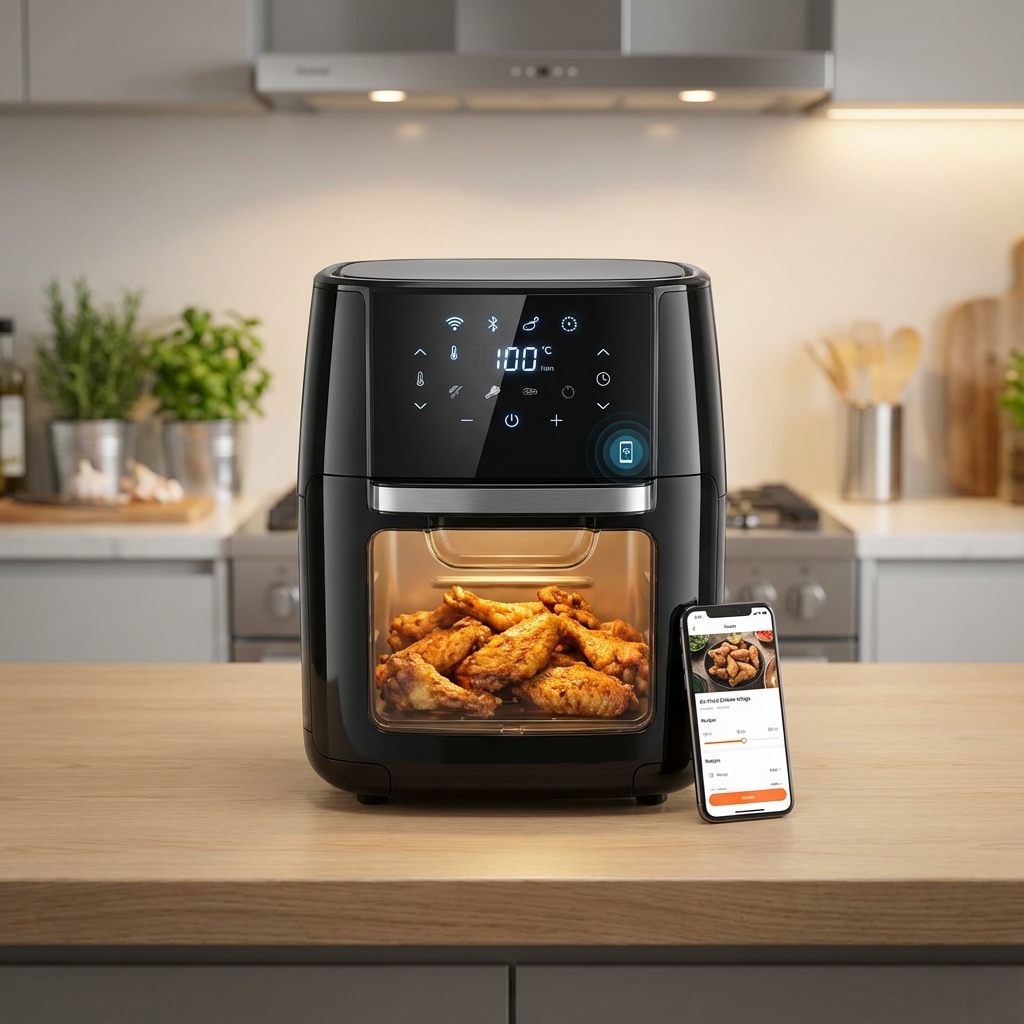 TikTok Views
96.0K
Trend InterestCloser to 50 = very trending13
Avg PriceR$563
Suppliers12
 TikTok Views
—
Trend InterestCloser to 50 = very trending6
Avg PriceR$573
Suppliers16
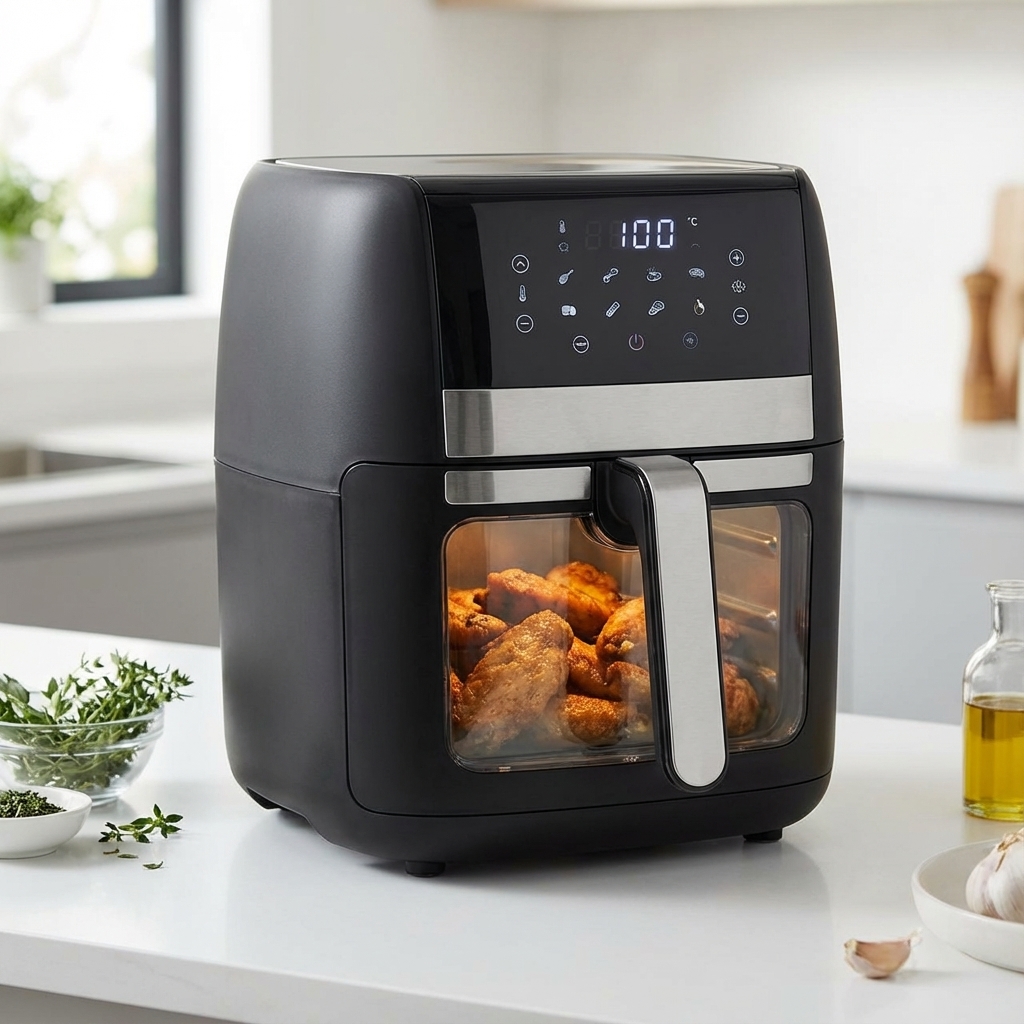
The Brazilian market for air fryers in 2026 showcases a significant evolution from basic, single-function devices to sophisticated, all-in-one kitchen solutions. The appliance's reign continues as it solidifies its position as a household staple, driven by consumer demand for greater convenience, versatility, and efficiency. This shift reflects a broader trend towards maximizing kitchen functionality and investing in appliances that can handle a wide array of cooking tasks, moving far beyond simple oil-free frying to become central to daily meal preparation for individuals and families alike. Key trends are centered on increased capacity and multi-functionality. Air Fryer Ovens are gaining prominence, merging the capabilities of a convection oven with the speed of an air fryer, enabling baking, roasting, and dehydrating. Simultaneously, the demand for larger units is pushing the standard capacity to over 5 liters, with family-sized 12-liter models becoming common. Another major innovation is the Dual Basket Airfryer, which allows for cooking two different dishes at once with independent time and temperature controls, revolutionizing meal prep efficiency and catering to diverse family needs. Technological integration and user-centric design are also shaping the market. The emergence of Smart Airfryers with Wi-Fi connectivity allows users to control and monitor their cooking remotely via smartphone apps and voice assistants, aligning with the growing connected home ecosystem in Brazil. Aesthetically, consumers are drawn to enhanced designs featuring transparent viewing windows, sleek digital touch panels, and premium finishes. These improvements in both functionality and form factor indicate that the air fryer is not just a utility item but also a modern lifestyle and design statement in the Brazilian kitchen.
The Airfryer category is experiencing significant growth in the Brazilian market, driven by consumer demand for convenience, versatility, and advanced cooking technology. The trend encompasses several key archetypes, from large-capacity oven-style units to innovative dual-basket and smart models. A clear market segmentation exists between value-focused models that offer modern aesthetics and essential features, and premium models engineered for superior performance, larger capacities, and a flawless user experience. For brands, this presents a prime opportunity to establish a successful air fryer wholesale program by addressing common consumer pain points like incompatible power plugs, durability concerns, and shipping damage. Acting quickly to source reliable, well-designed appliances tailored to local needs is crucial for capturing market share.
The market data and sourcing advantages that make this trend worth pursuing.
Typical range
$5.35–$25.99
Typical range
$27.46–$60.00
132K views • 9% engagement
Strong organic resonance
53 suppliers
MOQ flexibility & scale options
High-margin candidate for boutique retail.
Premium Suede Backpack
High-margin candidate for boutique retail.
Top-selling entry-level SKU on Amazon.
Supplier Examples
Supplier 1
MOQ 100 • 5+ yrs
Supplier 2
MOQ 100 • 5+ yrs
Supplier 3
MOQ 100 • 5+ yrs
Supplier 4
MOQ 100 • 5+ yrs
Supplier 5
MOQ 100 • 5+ yrs
Add or customize product features and we'll match you with verified suppliers.
Feature Matching
Find suppliers with matching capabilities
Quote Comparison
Compare pricing and lead times
Sampling & Production
Request samples and begin production
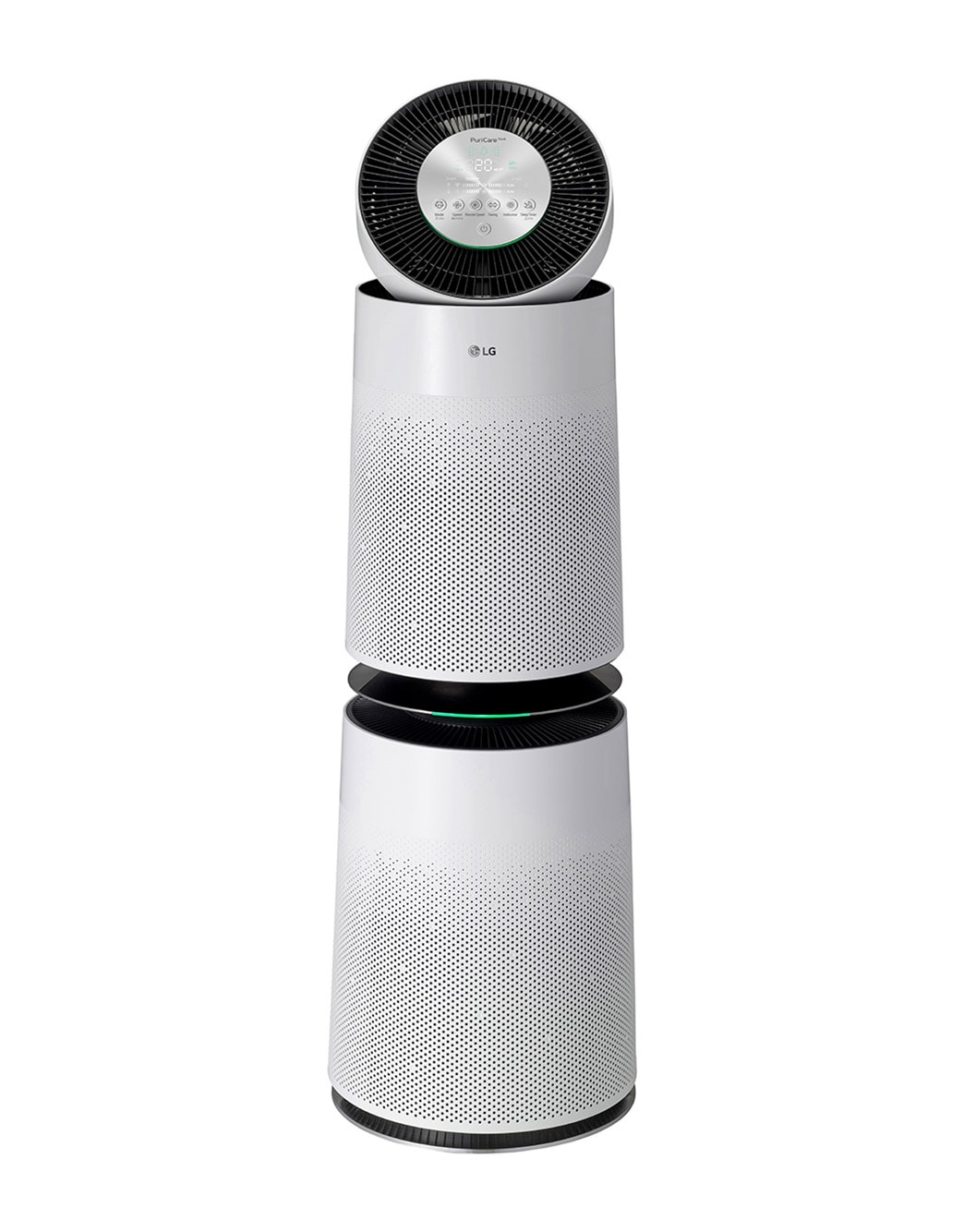
Explore Air Purifier trends and sourcing opportunities
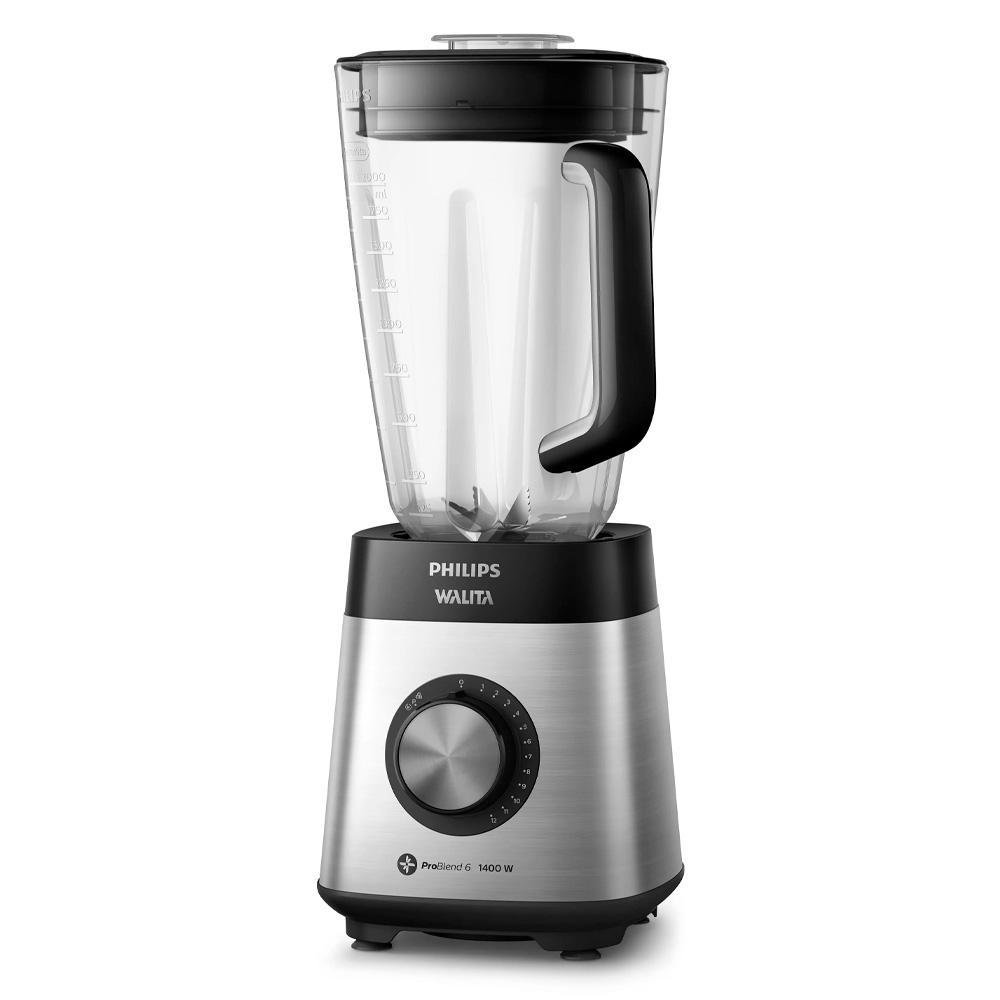
Explore Blender trends and sourcing opportunities
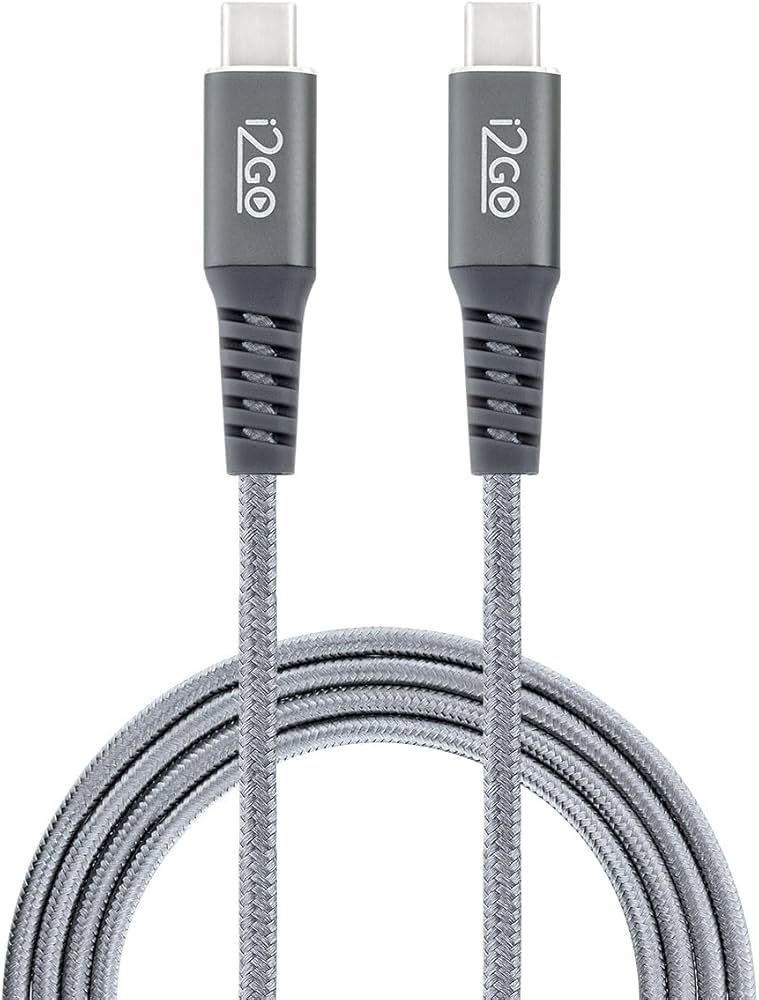
Explore Charging Cable trends and sourcing opportunities
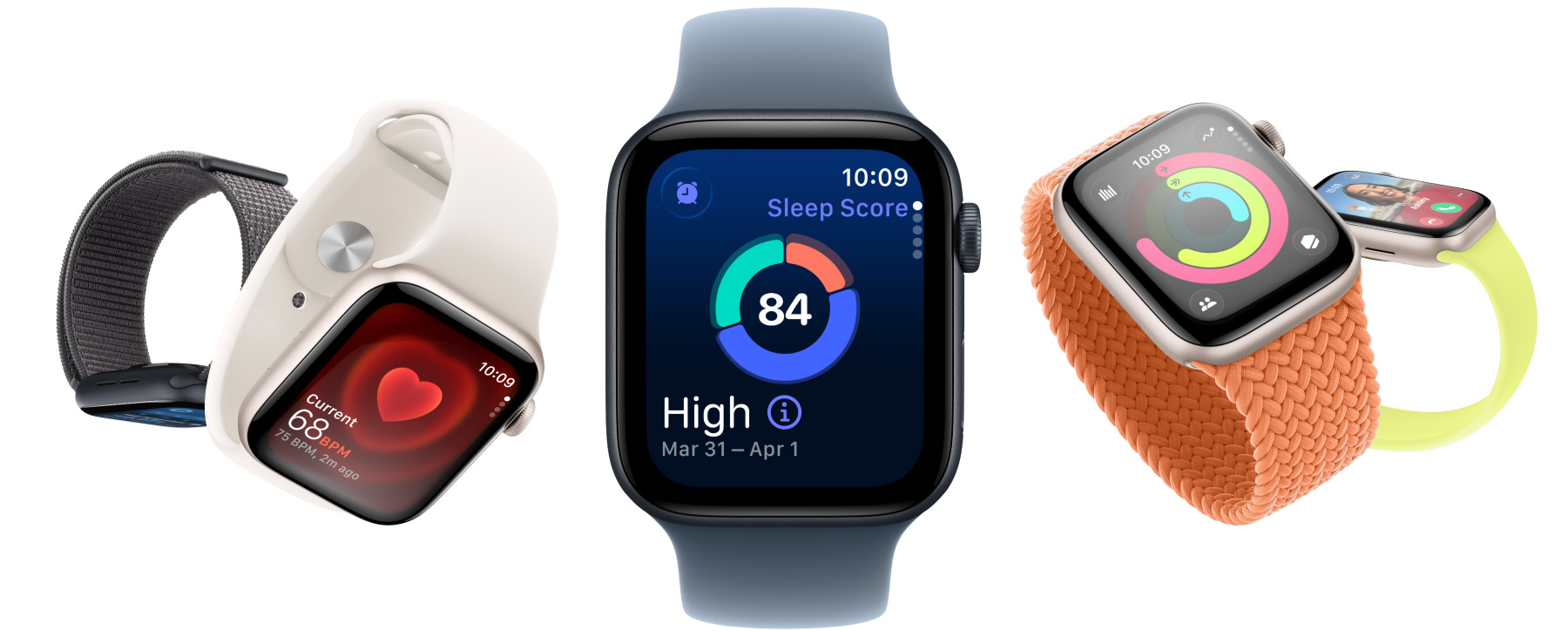
Explore Digital Clocks trends and sourcing opportunities
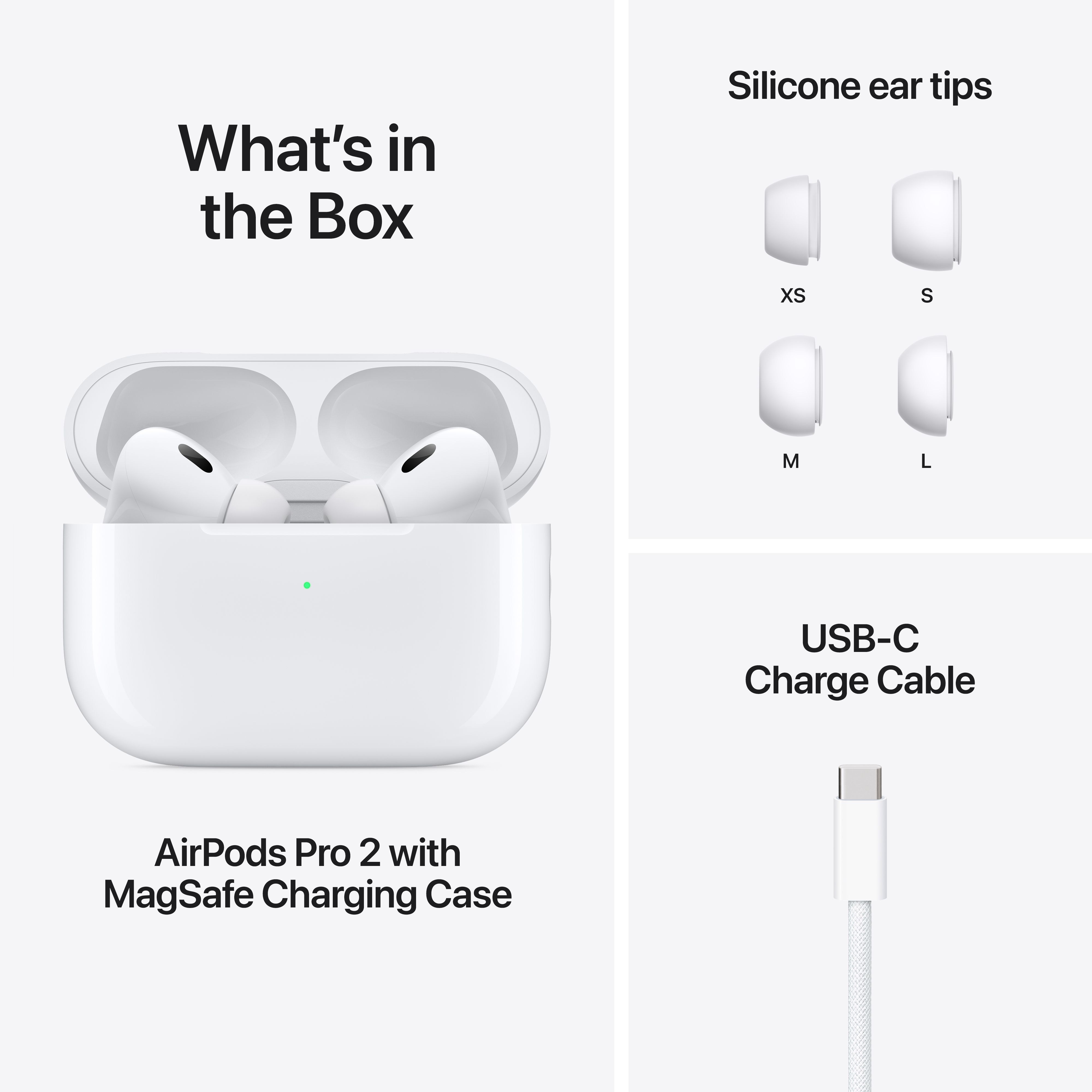
Explore Earbuds trends and sourcing opportunities
Minimum order quantities vary by supplier tier and product complexity. Value segment suppliers typically require 500-1,000 pieces per style/color, while premium manufacturers may accept 200-300 pieces for higher-value orders. Customization options like private labeling often increase MOQ requirements.
Common materials include cotton, polyester, modal, bamboo viscose, and various blends. Performance variants often incorporate spandex/elastane for stretch, while premium options may use pima cotton or Tencel. Material choice significantly impacts both FOB pricing and end-consumer appeal.
Request product samples before bulk orders, verify supplier certifications (ISO, BSCI, OEKO-TEX), check factory audit reports, and review trade history on B2B platforms. Our verified supplier ratings consider response rates, dispute history, and quality scores from verified transactions.
Standard production lead times range from 25-45 days depending on order complexity and supplier capacity. Rush orders may be possible at premium rates. Add 15-30 days for sea freight shipping to US ports, or 5-7 days for air freight on urgent orders.