
 TikTok Views
—
 Trend InterestCloser to 50 = very trending
8
 Avg Price
R$302
 Suppliers
17
 TikTok Views
—
Trend InterestCloser to 50 = very trending5
Avg PriceR$246
Suppliers15
 TikTok Views
—
Trend InterestCloser to 50 = very trending13
Avg PriceR$285
Suppliers19
 IG Views
1.5M
Trend InterestCloser to 50 = very trending79
Avg PriceR$86
Suppliers19
 TikTok Views
—
Trend InterestCloser to 50 = very trending13
Avg PriceR$250
Suppliers18
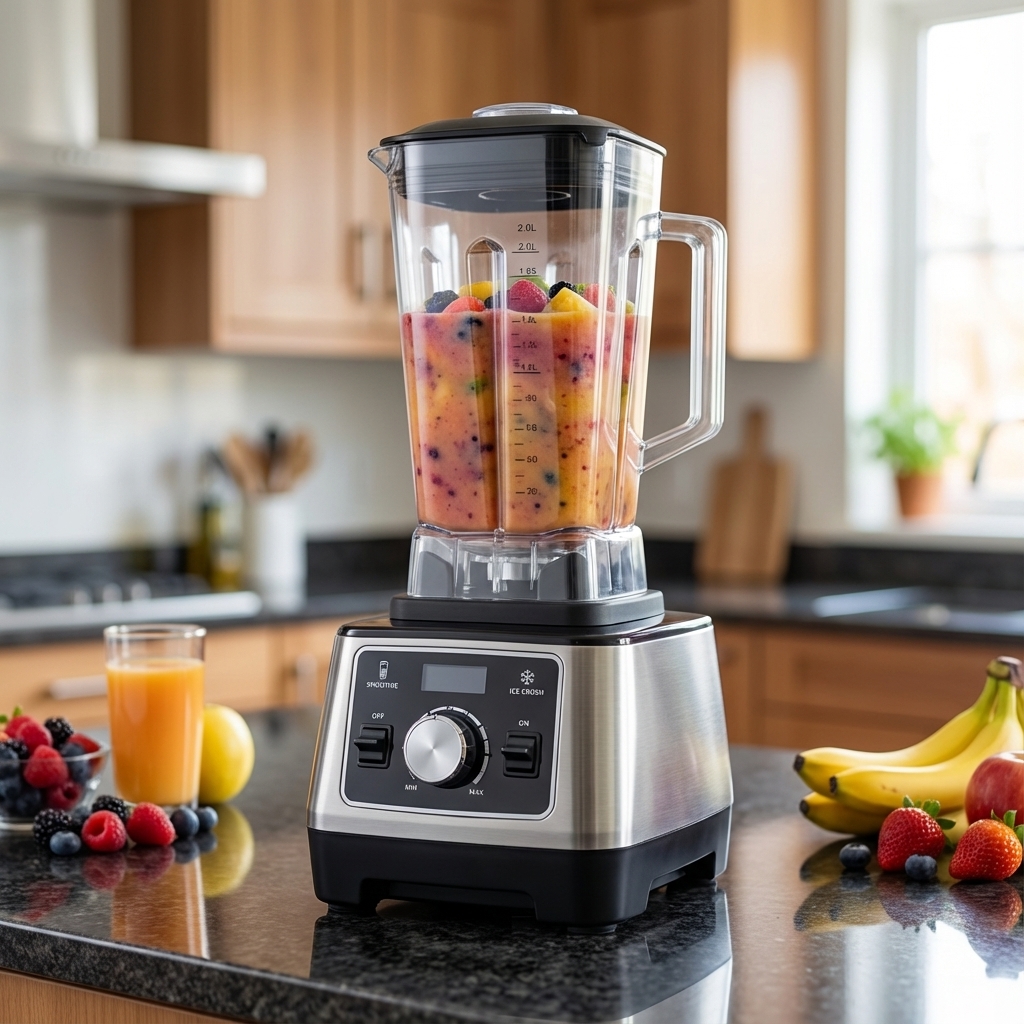
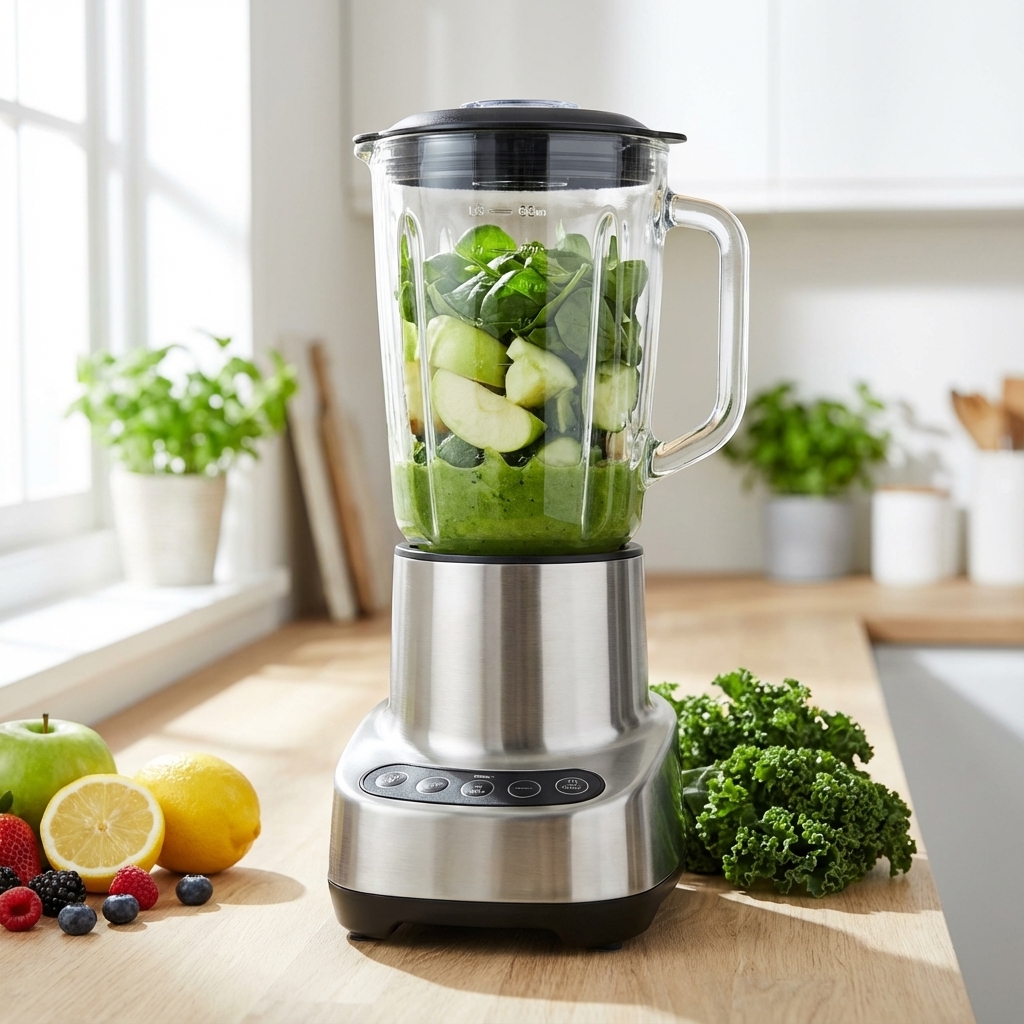
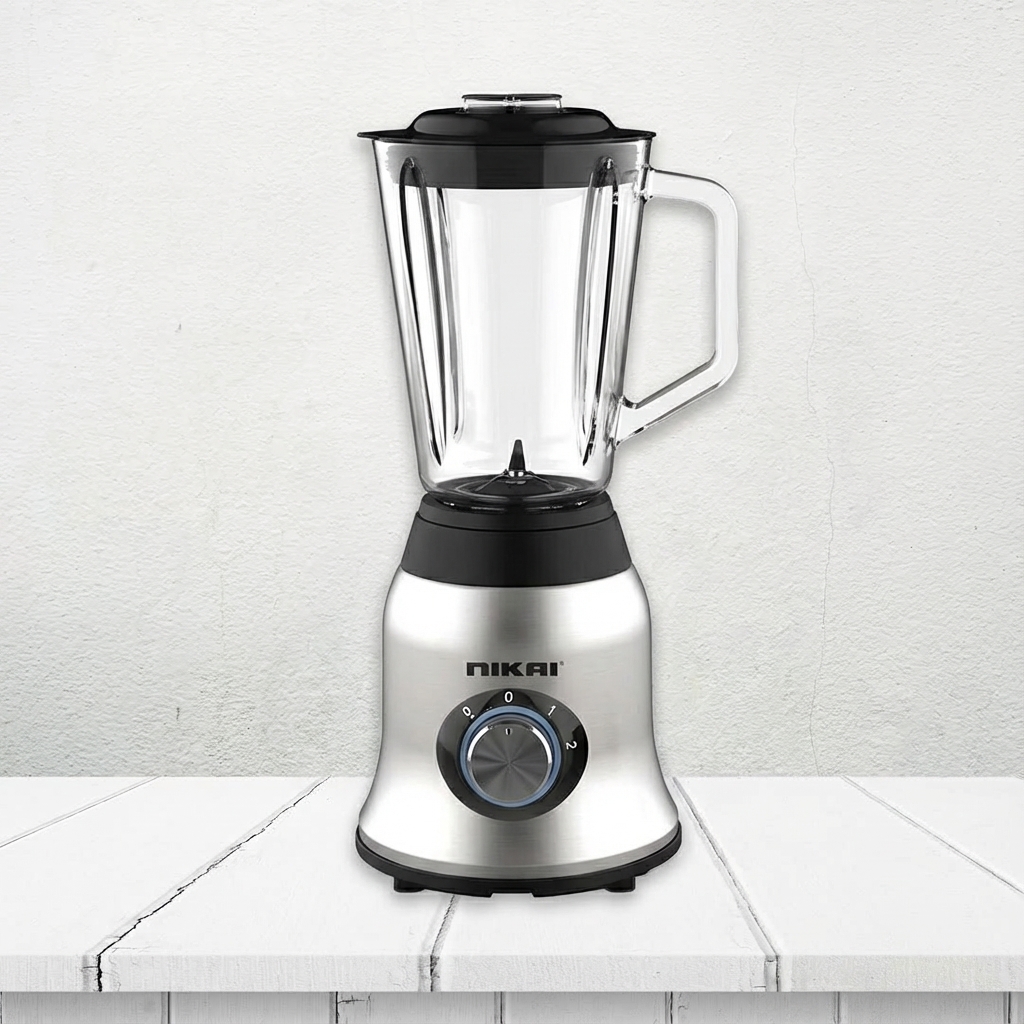
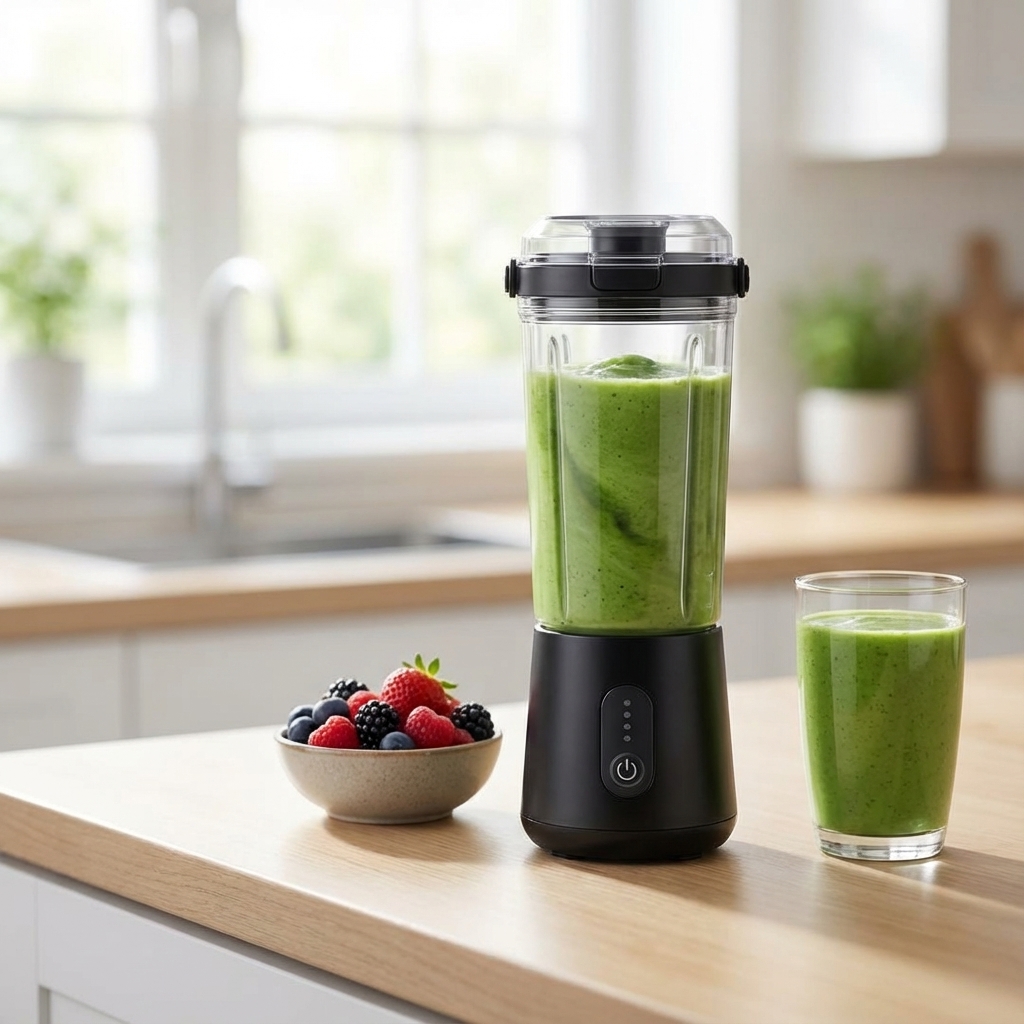
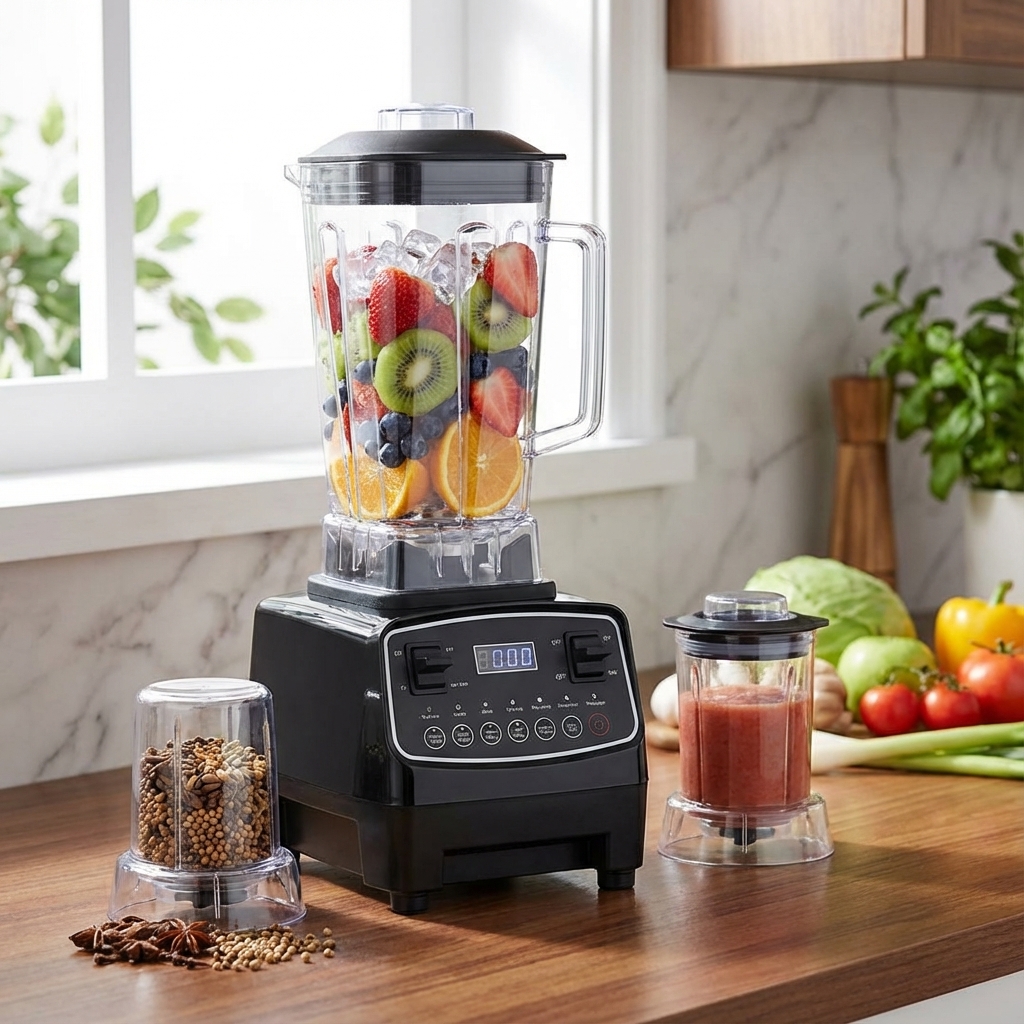
In the Brazilian market of 2026, a significant transformation is underway in the blender category, driven by a consumer base that is increasingly health-conscious, practical, and style-aware. The overarching trend is a move away from basic models towards appliances that offer a combination of high performance, versatility, and sophisticated design. Consumers are seeking more than just a tool for making juices; they want a reliable kitchen partner capable of handling diverse culinary tasks. This shift is evident in the growing demand for high-power blenders (over 1200W) that can crush ice and prepare thick sauces, reflecting a rise in ambitious home cooking. Material and design have become paramount in purchasing decisions. There is a strong preference for blenders with glass jars, which are valued for their hygienic properties—resisting stains and odors—and their premium, durable feel. This aligns with a broader consumer concern for health and safety in the kitchen. Aesthetically, stainless steel finishes are gaining immense popularity. This trend is fueled by the desire for a modern, professional-looking kitchen, where appliances are seen as integral design elements. The sleek, durable, and easy-to-clean nature of stainless steel makes it a top choice for consumers looking to invest in long-lasting, high-quality products that complement their home decor. Convenience remains a powerful driver, catering to modern, fast-paced lifestyles. Portable, personal blenders have emerged as a key trend, offering the freedom to prepare fresh smoothies and shakes on the go, appealing to students, fitness enthusiasts, and busy professionals. Furthermore, the demand for value and efficiency has given rise to multifunctional blenders. These all-in-one solutions, often equipped with smart features and various attachments, appeal to consumers who want to maximize kitchen space and functionality. Ultimately, the Brazilian consumer in 2026 is looking for a blender that seamlessly integrates power, style, and practicality into their daily routine.
The blender category in the Brazilian market offers significant sourcing opportunities, spanning high-power, glass jar, stainless steel, portable, and multifunctional models. Success hinges on addressing widespread consumer pain points, including overstated motor power, poor durability, safety hazards like sharp edges, and frequent shipping damage. Brands can capture market share by partnering with a reliable blender manufacturer to deliver products that build trust through honest specifications, superior materials like Tritan and Borosilicate glass, and enhanced safety features. Sourcing blenders that solve these common issues—from powerful countertop units to convenient portable models for shakes—allows brands to establish a reputation for quality and reliability in a market ripe for disruption.
The market data and sourcing advantages that make this trend worth pursuing.
Typical range
$5.35–$25.99
Typical range
$27.46–$60.00
132K views • 9% engagement
Strong organic resonance
53 suppliers
MOQ flexibility & scale options
High-margin candidate for boutique retail.
Premium Suede Backpack
High-margin candidate for boutique retail.
Top-selling entry-level SKU on Amazon.
Supplier Examples
Supplier 1
MOQ 100 • 5+ yrs
Supplier 2
MOQ 100 • 5+ yrs
Supplier 3
MOQ 100 • 5+ yrs
Supplier 4
MOQ 100 • 5+ yrs
Supplier 5
MOQ 100 • 5+ yrs
Add or customize product features and we'll match you with verified suppliers.
Feature Matching
Find suppliers with matching capabilities
Quote Comparison
Compare pricing and lead times
Sampling & Production
Request samples and begin production
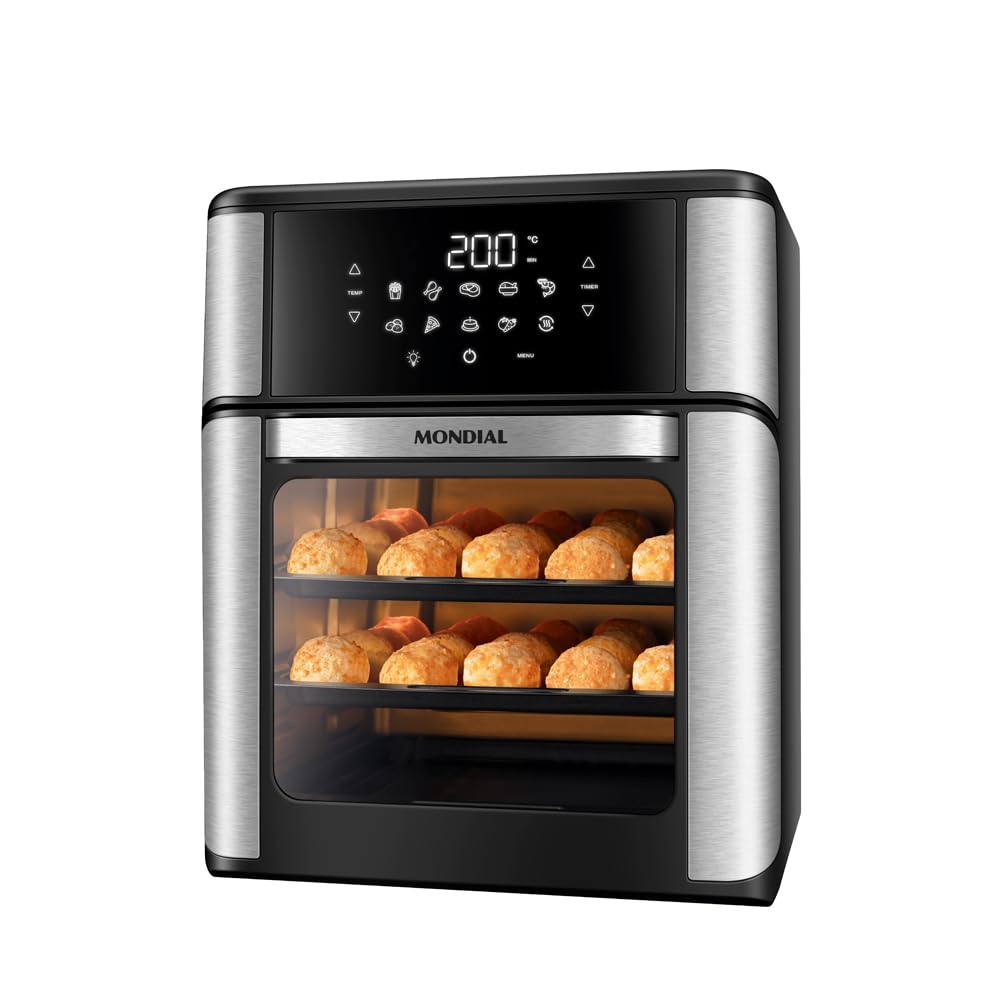
Explore Airfryer trends and sourcing opportunities
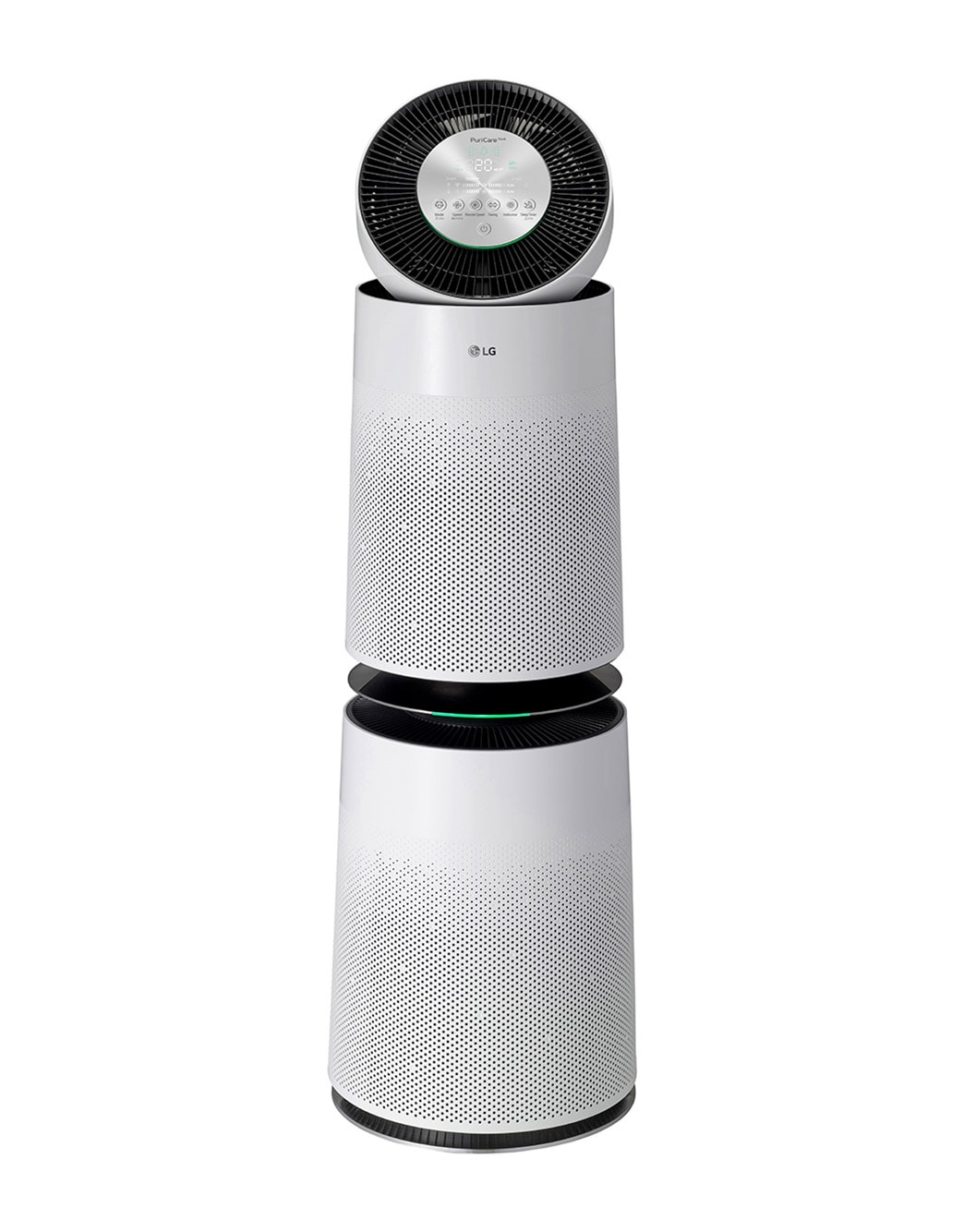
Explore Air Purifier trends and sourcing opportunities
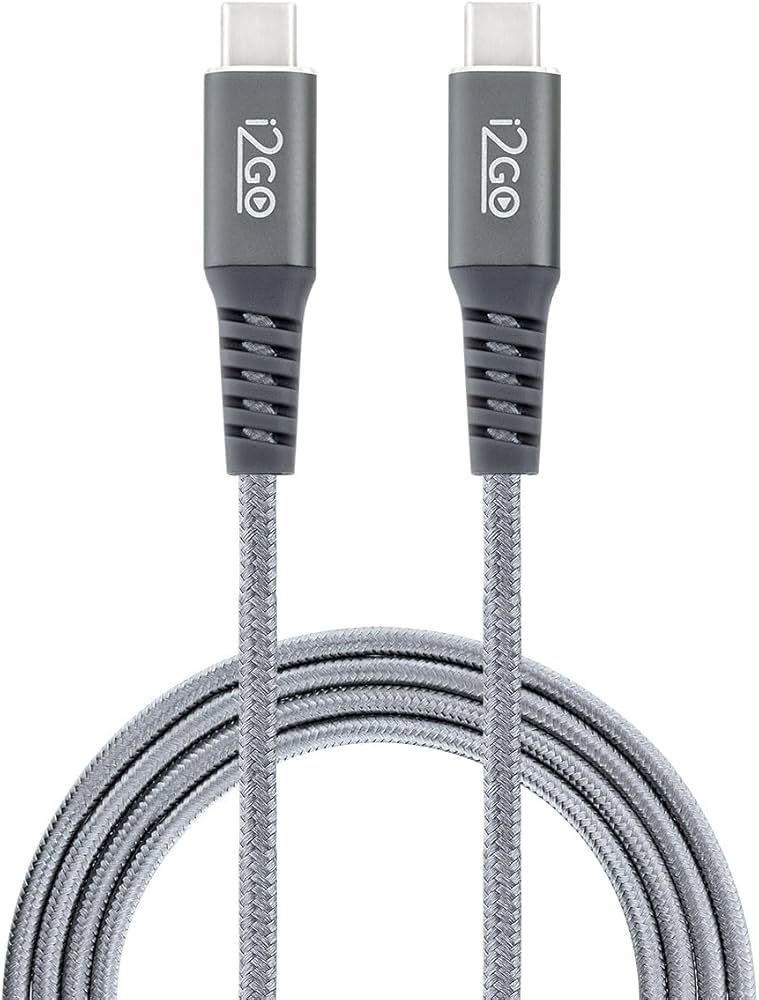
Explore Charging Cable trends and sourcing opportunities
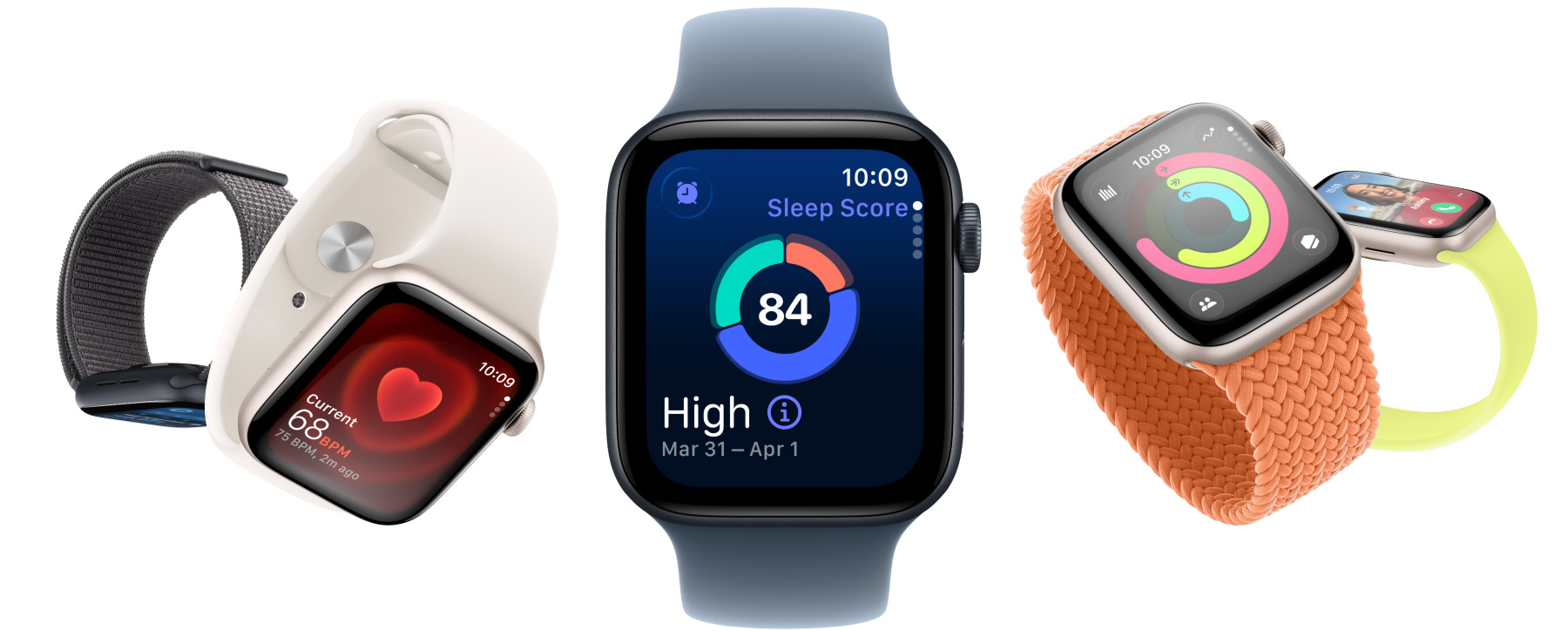
Explore Digital Clocks trends and sourcing opportunities
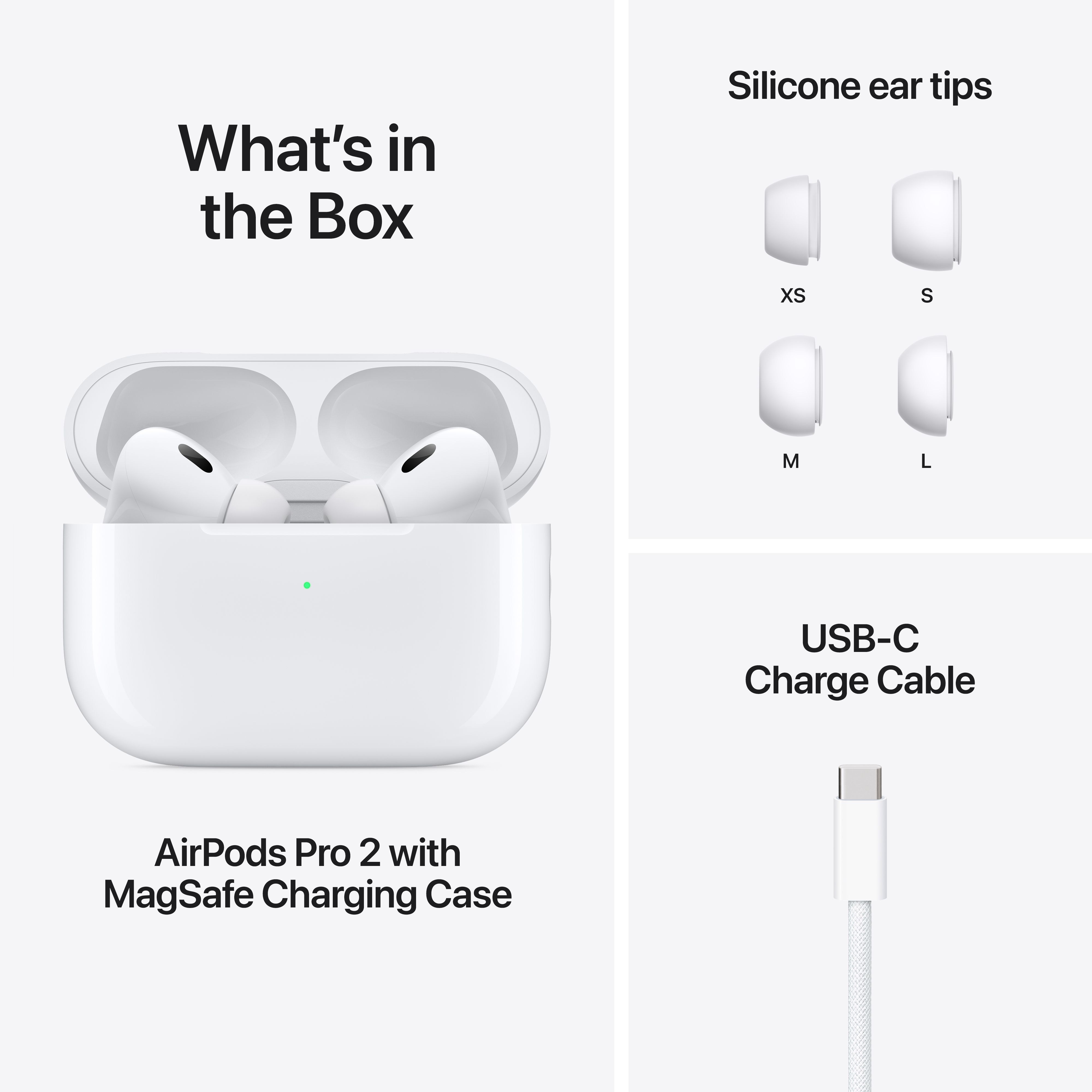
Explore Earbuds trends and sourcing opportunities
Minimum order quantities vary by supplier tier and product complexity. Value segment suppliers typically require 500-1,000 pieces per style/color, while premium manufacturers may accept 200-300 pieces for higher-value orders. Customization options like private labeling often increase MOQ requirements.
Common materials include cotton, polyester, modal, bamboo viscose, and various blends. Performance variants often incorporate spandex/elastane for stretch, while premium options may use pima cotton or Tencel. Material choice significantly impacts both FOB pricing and end-consumer appeal.
Request product samples before bulk orders, verify supplier certifications (ISO, BSCI, OEKO-TEX), check factory audit reports, and review trade history on B2B platforms. Our verified supplier ratings consider response rates, dispute history, and quality scores from verified transactions.
Standard production lead times range from 25-45 days depending on order complexity and supplier capacity. Rush orders may be possible at premium rates. Add 15-30 days for sea freight shipping to US ports, or 5-7 days for air freight on urgent orders.