
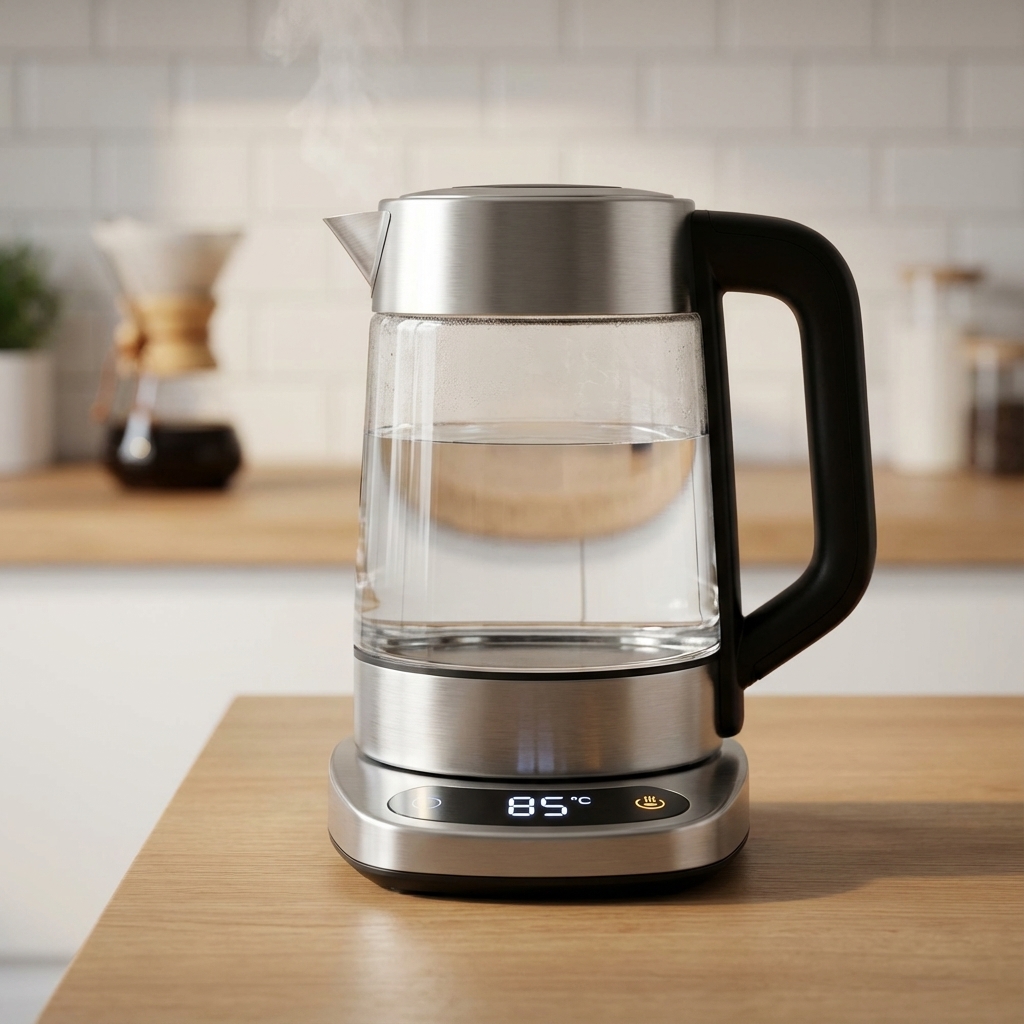
 TikTok Views
—
 Trend InterestCloser to 50 = very trending
9
 Avg Price
R$238
 Suppliers
15
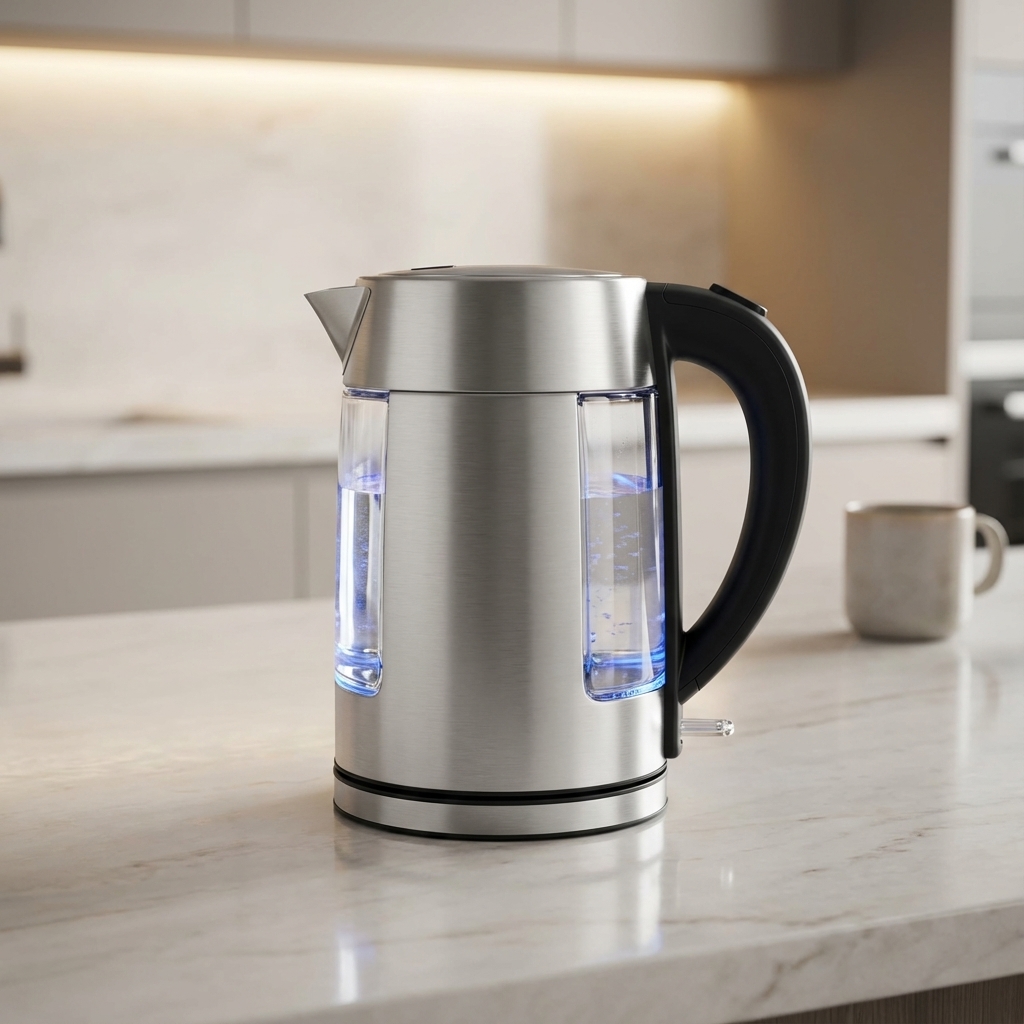 TikTok Views
—
Trend InterestCloser to 50 = very trending9
Avg PriceR$158
Suppliers19
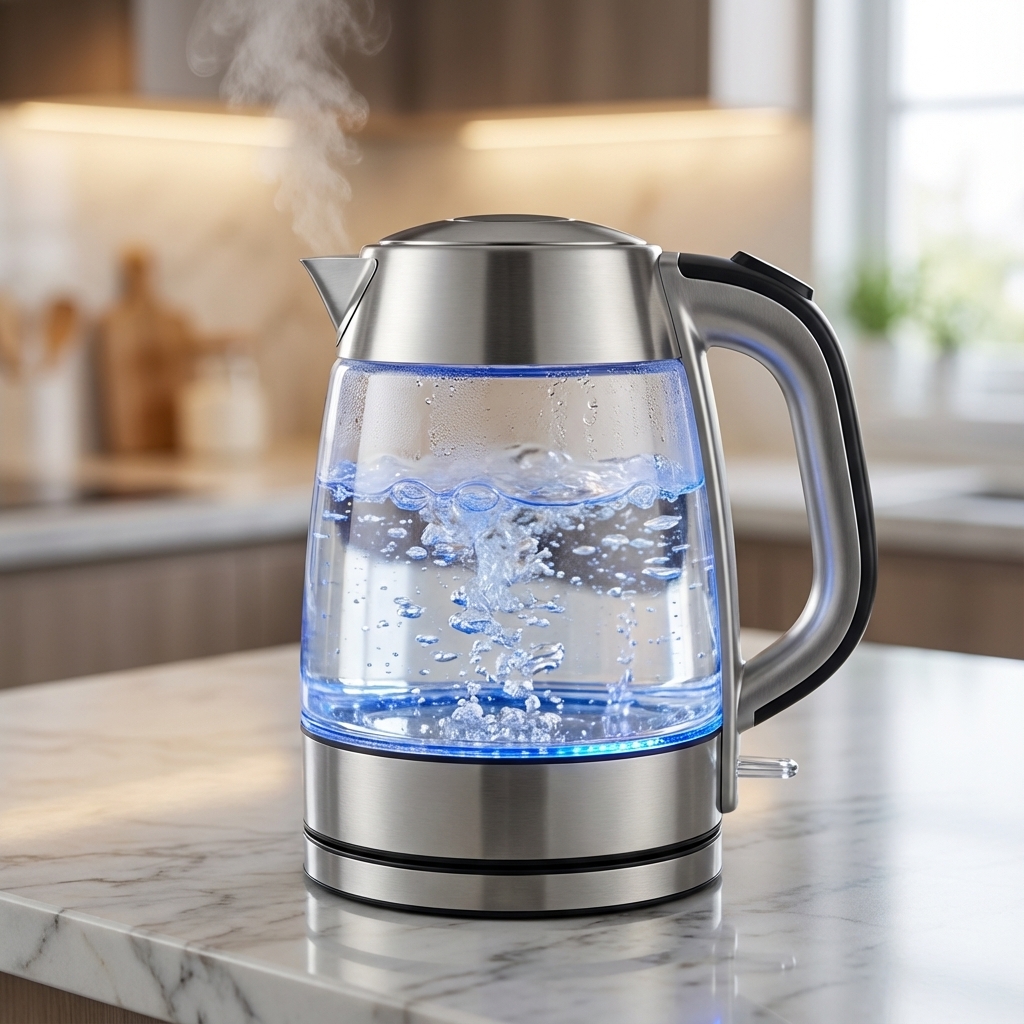 TikTok Views
—
Trend InterestCloser to 50 = very trending10
Avg PriceR$162
Suppliers14
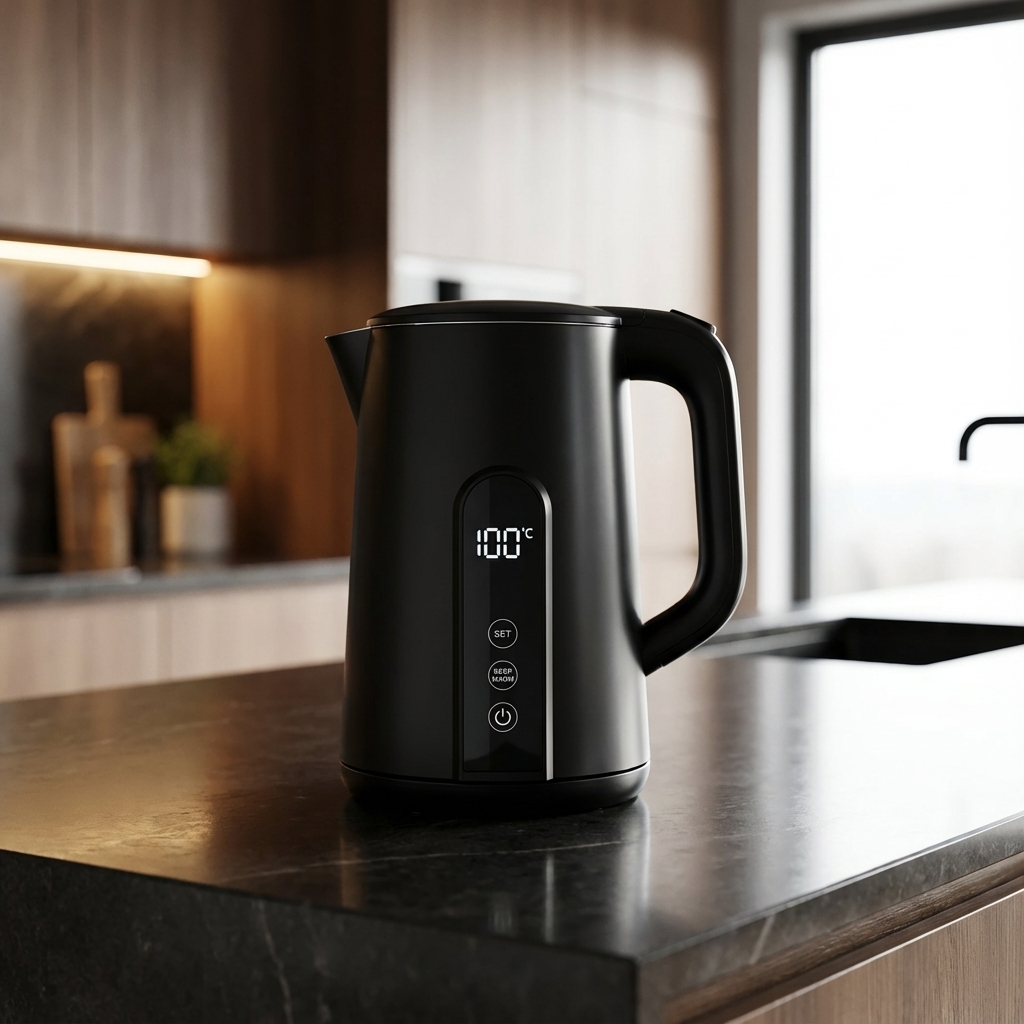 TikTok Views
—
Trend InterestCloser to 50 = very trending10
Avg PriceR$225
Suppliers13
 TikTok Views
—
Trend InterestCloser to 50 = very trending18
Avg PriceR$312
Suppliers13
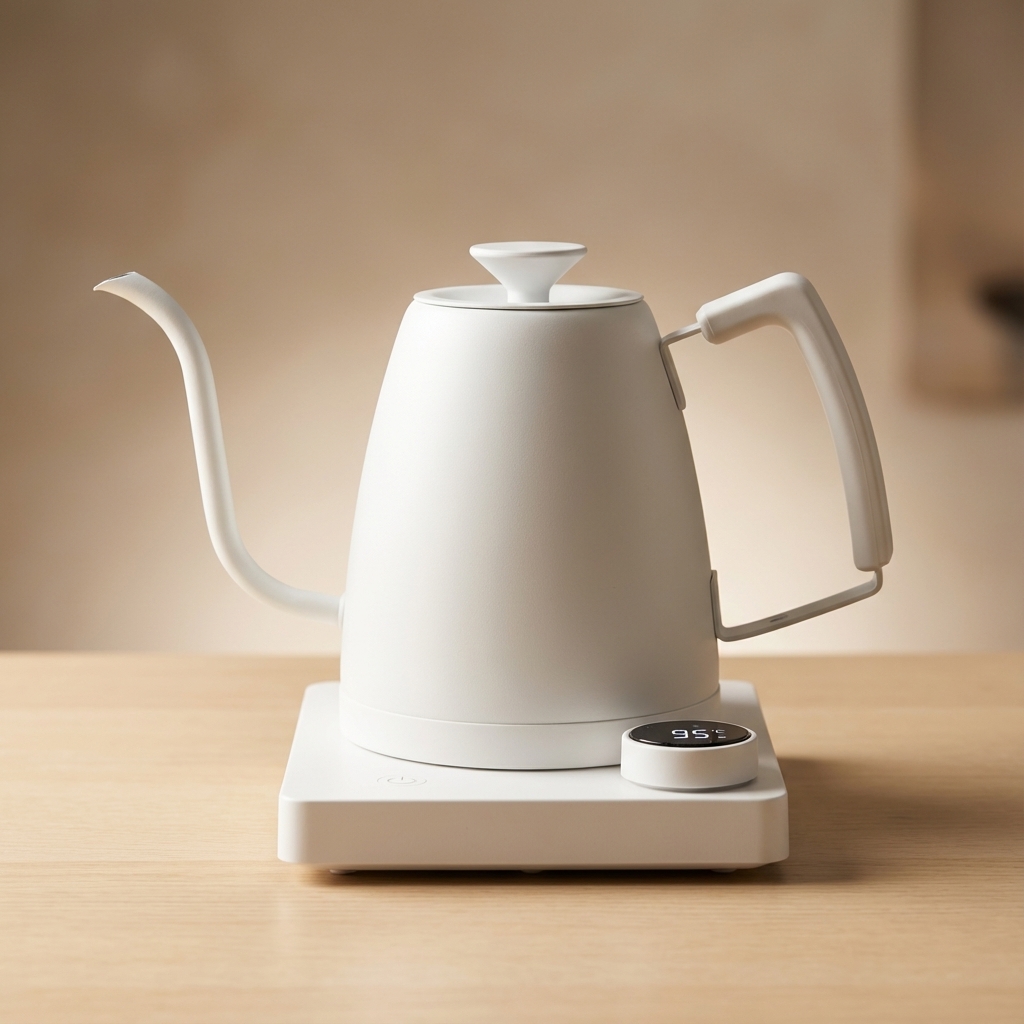
The Brazilian electric kettle market in 2026 is undergoing a significant transformation, moving beyond simple utility towards appliances that offer both advanced functionality and aesthetic appeal. Consumers are increasingly seeking products that complement modern kitchen designs and enhance their lifestyle. This shift reflects a broader trend where kitchen appliances are no longer just tools but are integral parts of the home's decor and the user's culinary experience. The demand is for kettles that are both beautiful to look at and sophisticated in their performance, catering to a more discerning consumer base. A key driver of this market evolution is the growing demand for precise temperature control. This feature is particularly popular due to the rising interest in specialty teas and the traditional Brazilian practice of drinking chimarrão. Both beverages require water heated to specific temperatures below boiling to achieve optimal flavor, making variable temperature kettles a highly sought-after item. This trend indicates a move towards more refined and controlled preparation of hot beverages, with consumers valuing precision and versatility in their kitchen appliances. Aesthetically, the market shows a clear preference for modern and minimalist designs. Materials such as stainless steel and glass are in high demand, aligning with contemporary interior design trends that favor clean, integrated, and stylish kitchens. Features like gooseneck spouts for pour-over coffee, transparent glass bodies, and smart digital interfaces are also gaining traction. These design and feature trends demonstrate that consumers view their electric kettles as a statement piece, reflecting their personal style and their passion for crafts like artisanal coffee and tea brewing.
The Electric Kettle market in Brazil presents a significant opportunity, characterized by a strong consumer appetite for products that blend modern aesthetics with advanced functionality. The category is clearly segmented into value-driven models and premium offerings, allowing brands to target specific consumer profiles. Across all segments, there is high demand for features like precise temperature control, with a dedicated 'Chimarrão' setting (around 75°C) being a key differentiator. Aesthetically, consumers favor minimalist designs, borosilicate glass bodies, matte finishes, and premium accents like wood. Functionally, gooseneck spouts for precision pouring are gaining traction. To succeed in an electric kettle wholesale program, brands must address common market complaints by ensuring robust packaging to prevent shipping damage, incorporating reliable safety features like Strix controllers and INMETRO certification, and offering user-centric designs such as longer power cords and dual-voltage (Bivolt) capability.
The market data and sourcing advantages that make this trend worth pursuing.
Typical range
$5.35–$25.99
Typical range
$27.46–$60.00
132K views • 9% engagement
Strong organic resonance
53 suppliers
MOQ flexibility & scale options
High-margin candidate for boutique retail.
Premium Suede Backpack
High-margin candidate for boutique retail.
Top-selling entry-level SKU on Amazon.
Supplier Examples
Supplier 1
MOQ 100 • 5+ yrs
Supplier 2
MOQ 100 • 5+ yrs
Supplier 3
MOQ 100 • 5+ yrs
Supplier 4
MOQ 100 • 5+ yrs
Supplier 5
MOQ 100 • 5+ yrs
Add or customize product features and we'll match you with verified suppliers.
Feature Matching
Find suppliers with matching capabilities
Quote Comparison
Compare pricing and lead times
Sampling & Production
Request samples and begin production
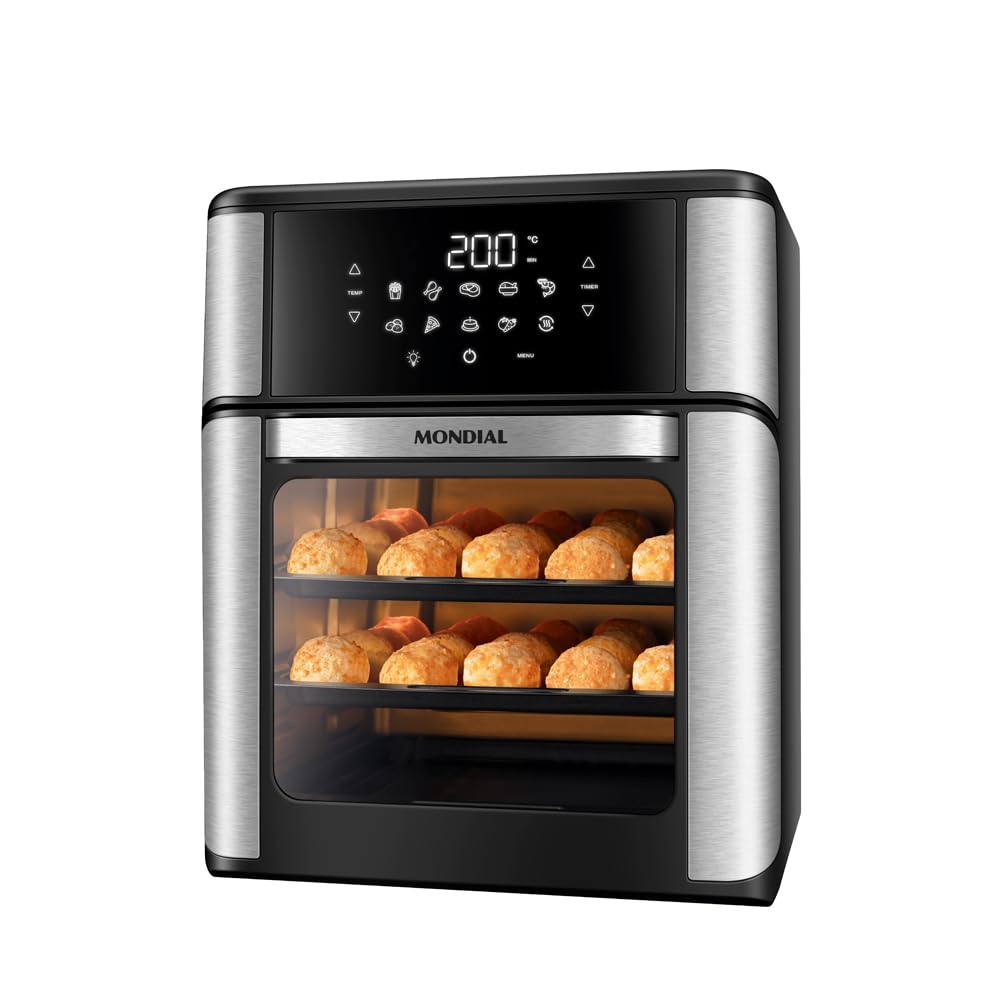
Explore Airfryer trends and sourcing opportunities
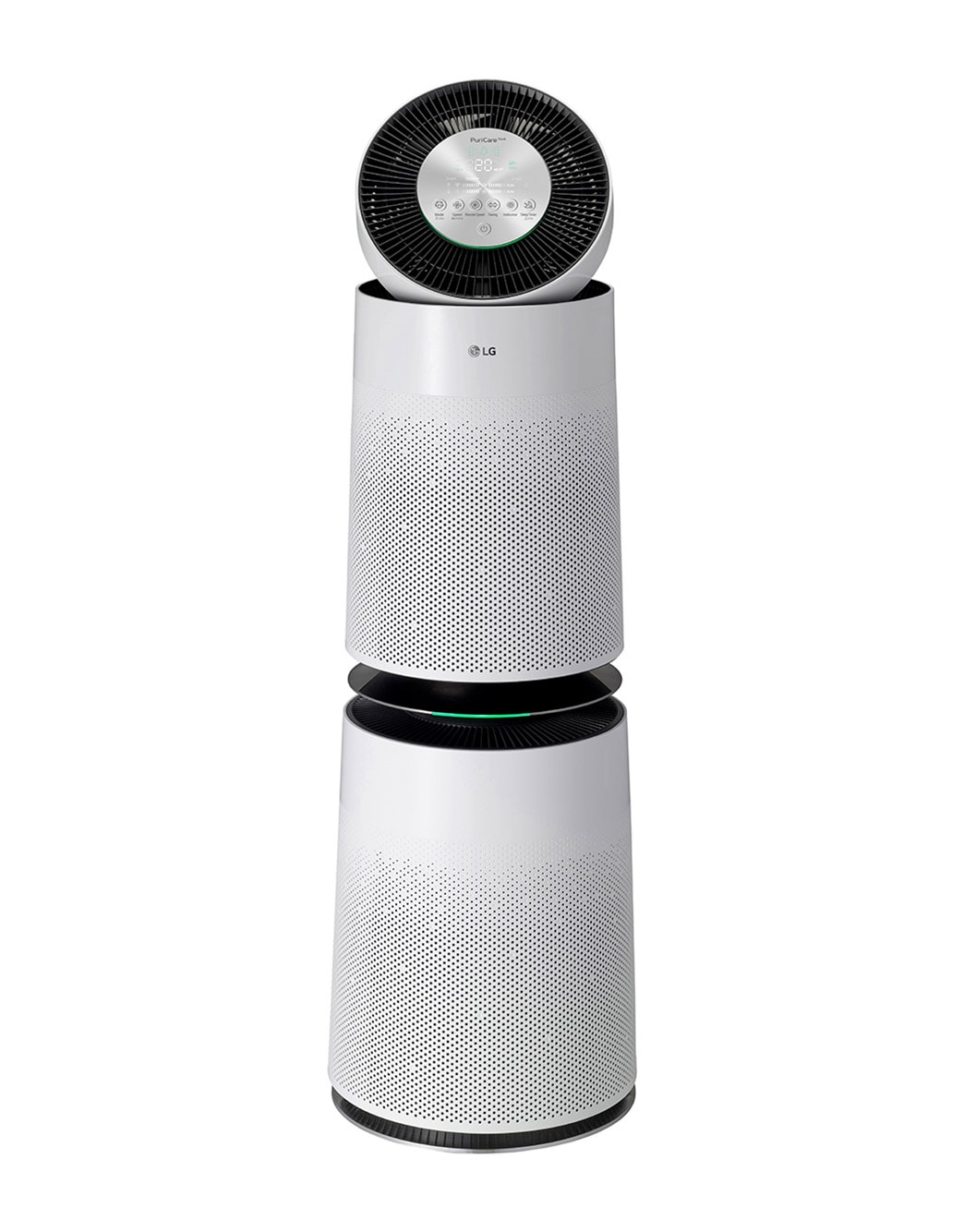
Explore Air Purifier trends and sourcing opportunities
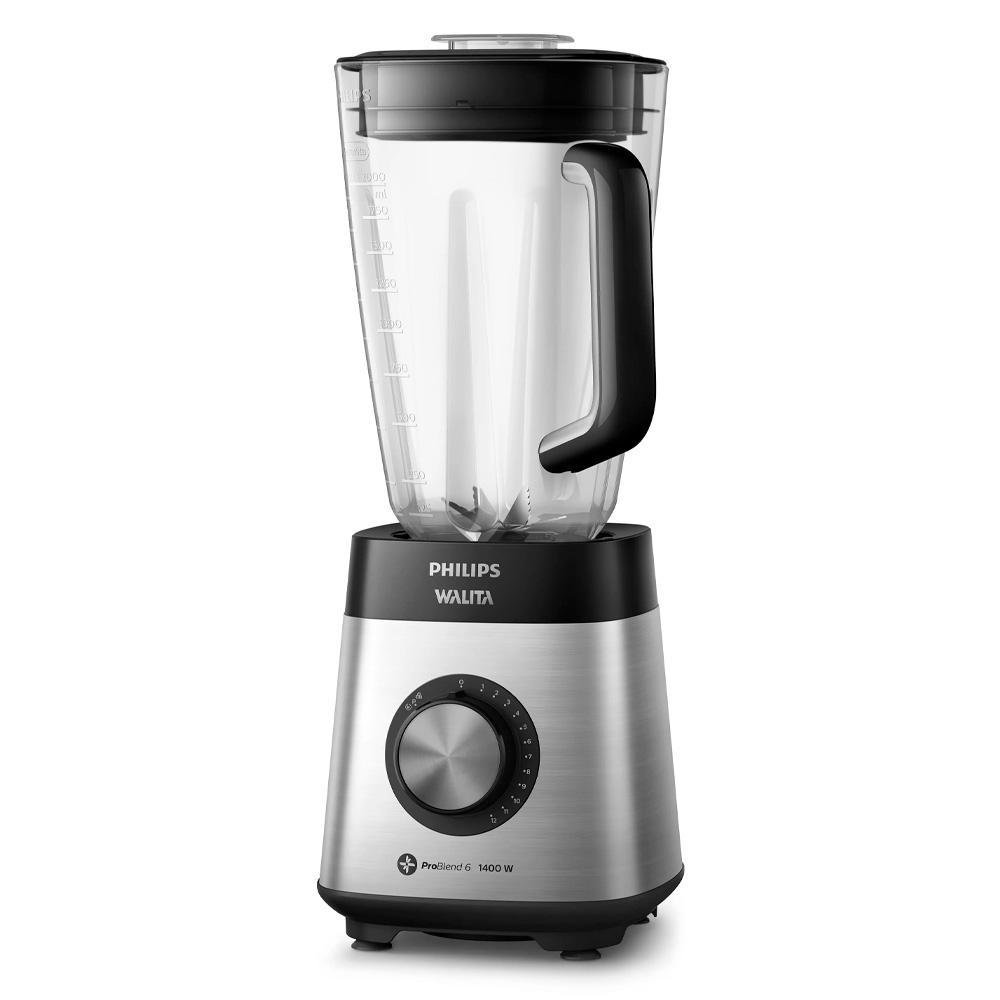
Explore Blender trends and sourcing opportunities
Explore Charging Cable trends and sourcing opportunities
Explore Digital Clocks trends and sourcing opportunities
Minimum order quantities vary by supplier tier and product complexity. Value segment suppliers typically require 500-1,000 pieces per style/color, while premium manufacturers may accept 200-300 pieces for higher-value orders. Customization options like private labeling often increase MOQ requirements.
Common materials include cotton, polyester, modal, bamboo viscose, and various blends. Performance variants often incorporate spandex/elastane for stretch, while premium options may use pima cotton or Tencel. Material choice significantly impacts both FOB pricing and end-consumer appeal.
Request product samples before bulk orders, verify supplier certifications (ISO, BSCI, OEKO-TEX), check factory audit reports, and review trade history on B2B platforms. Our verified supplier ratings consider response rates, dispute history, and quality scores from verified transactions.
Standard production lead times range from 25-45 days depending on order complexity and supplier capacity. Rush orders may be possible at premium rates. Add 15-30 days for sea freight shipping to US ports, or 5-7 days for air freight on urgent orders.