
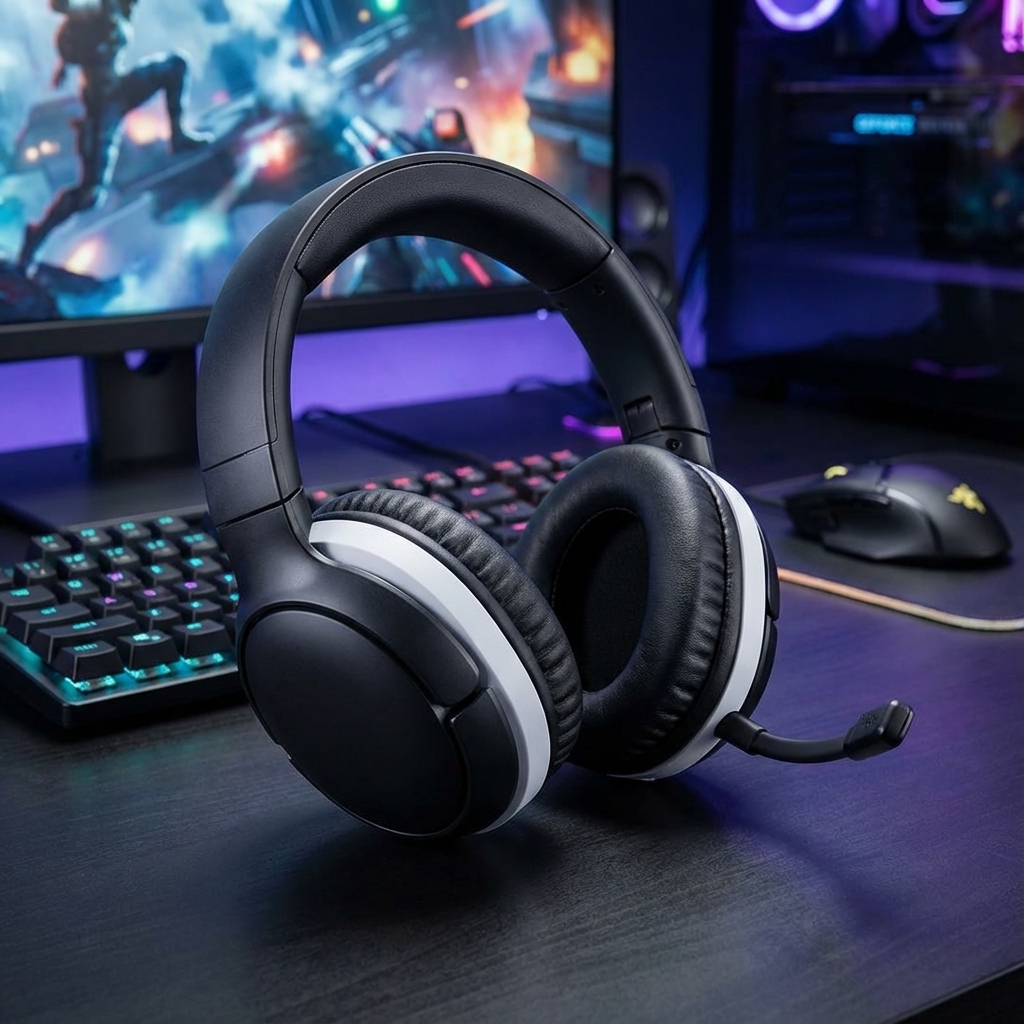
 TikTok Views
—
 Trend InterestCloser to 50 = very trending
47
 Avg Price
R$78
 Suppliers
19
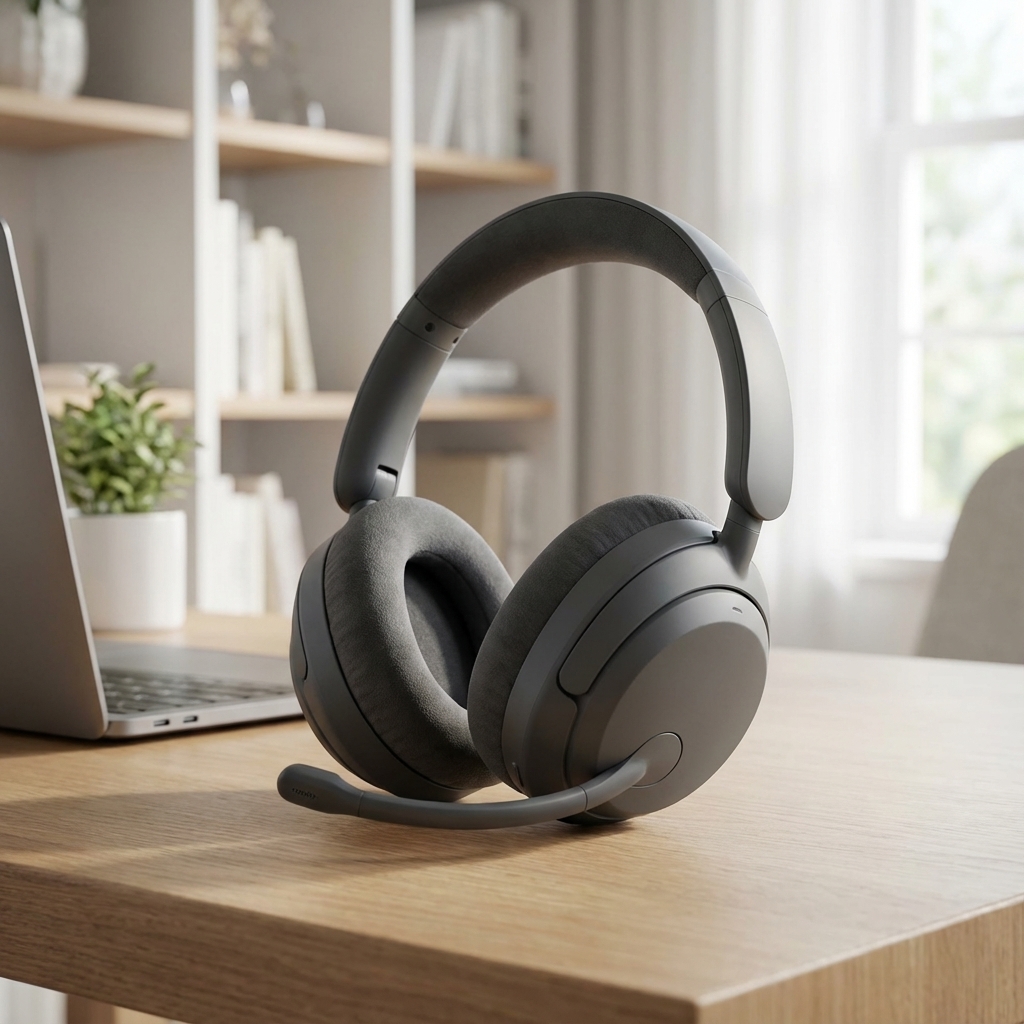 TikTok Views
—
Trend InterestCloser to 50 = very trending6
Avg PriceR$315
Suppliers18
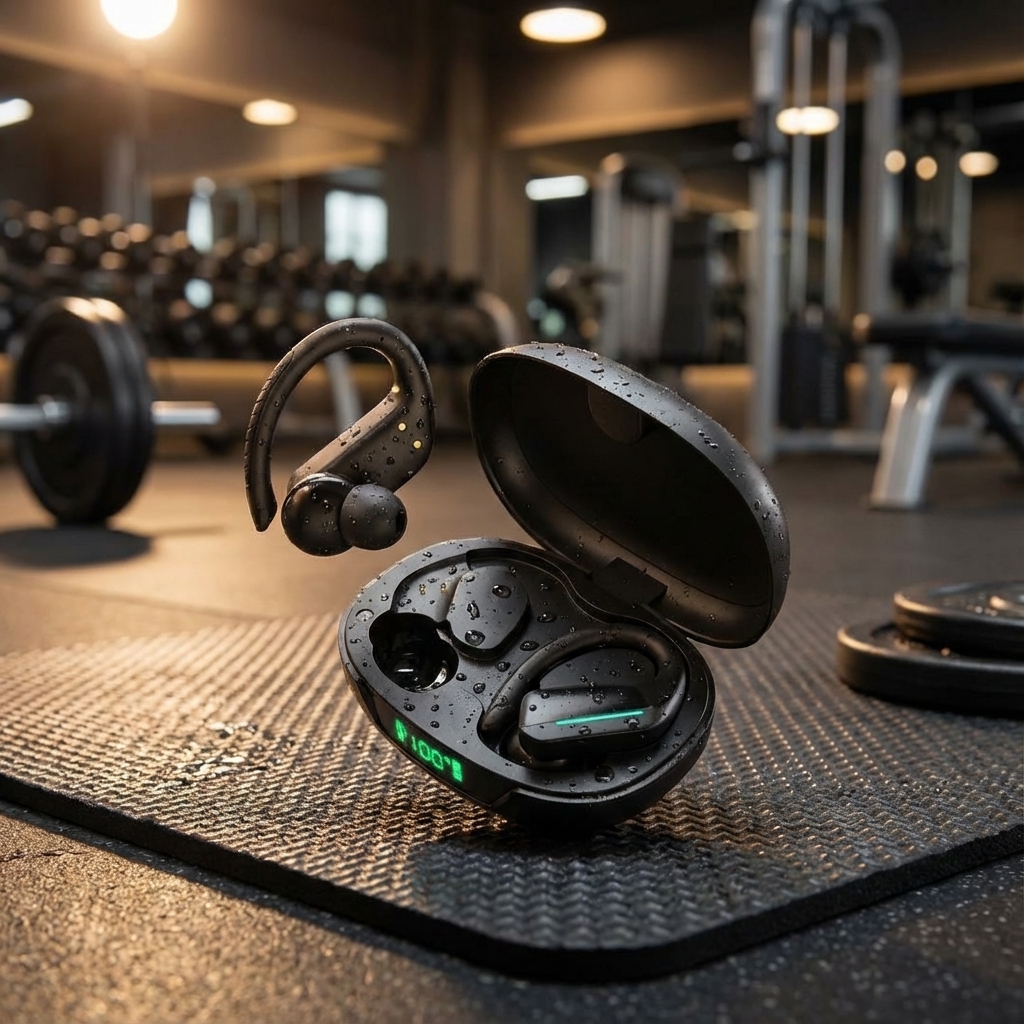 TikTok Views
—
Trend InterestCloser to 50 = very trending3
Avg PriceR$47
Suppliers15
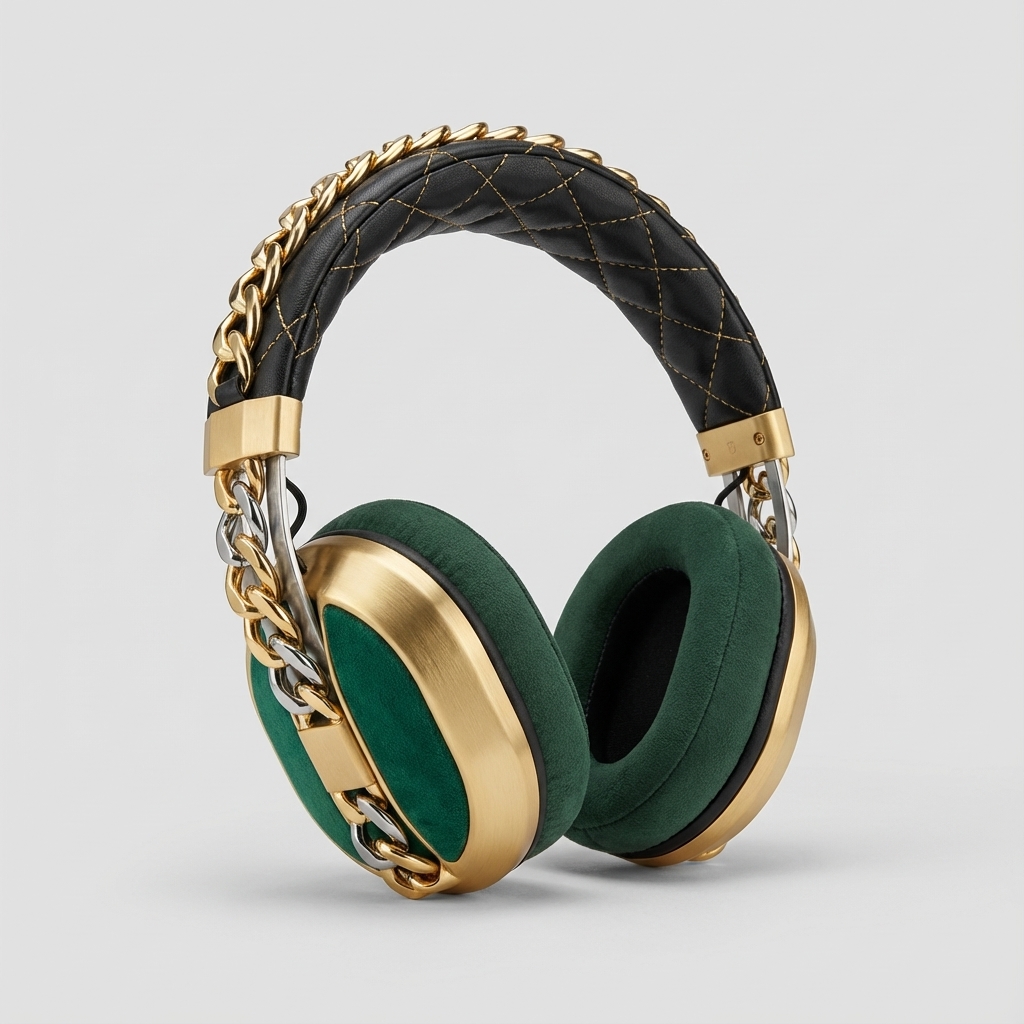 TikTok Views
—
Trend InterestCloser to 50 = very trending2
Avg PriceR$42
Suppliers16
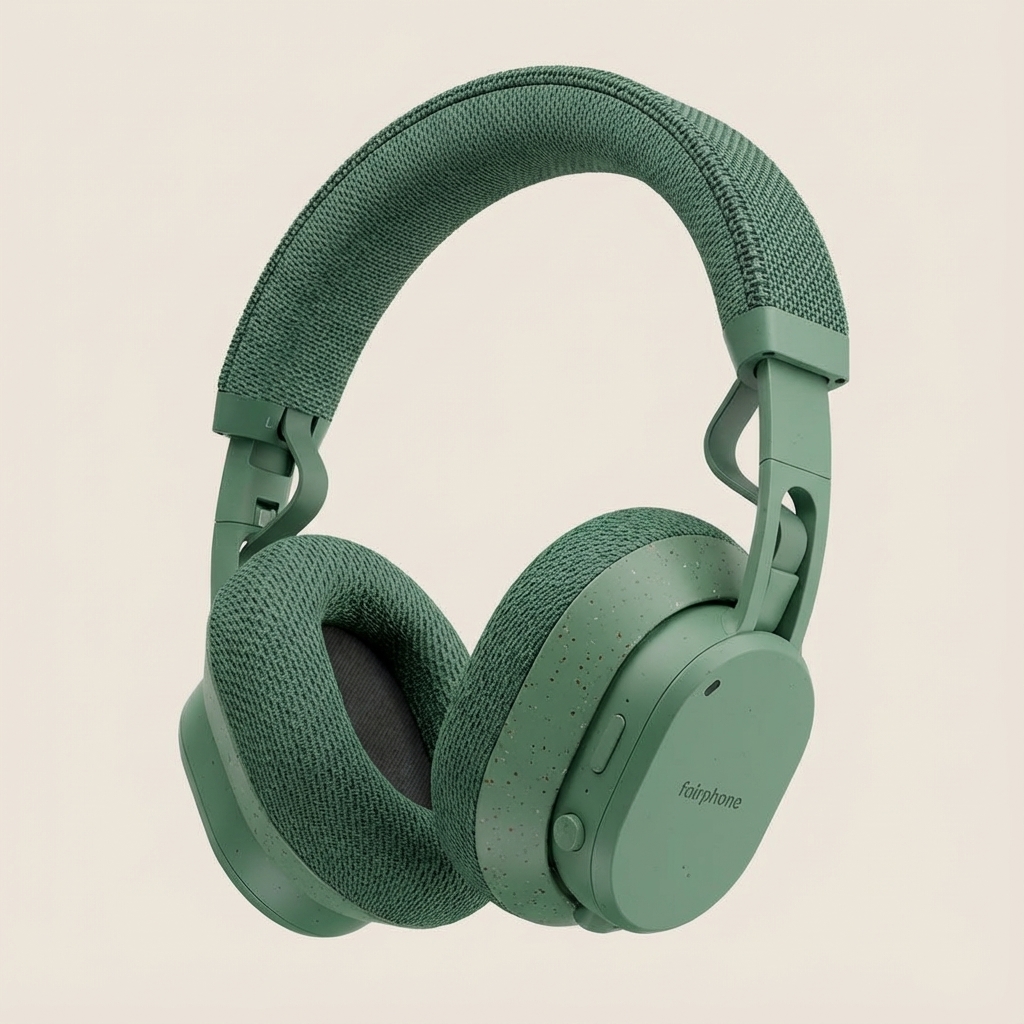 TikTok Views
—
Trend InterestCloser to 50 = very trending9
Avg PriceR$50
Suppliers7
The Brazilian headphone market in 2026 is undergoing a significant transformation, evolving from basic audio devices to essential lifestyle accessories. There is a pronounced shift towards wireless models that offer advanced functionalities such as Active Noise Cancellation (ANC) and superior battery life. This surge in demand reflects a consumer base that seeks technology seamlessly integrated into their daily routines, valuing both performance and convenience in their personal audio equipment. This evolution has led to a high degree of market specialization, with headphones being tailored to specific user needs and activities. For the rapidly expanding gaming community, features like low-latency wireless and surround sound are paramount for an immersive experience. Similarly, the rise of remote work has created a demand for professional-grade headphones that prioritize comfort for all-day wear and crystal-clear microphone quality for virtual meetings. Fitness enthusiasts also represent a key segment, seeking durable, sweat-resistant designs that provide a secure fit during intense physical activity. Beyond pure functionality, headphones are increasingly being embraced as a form of personal expression and a fashion statement. This trend sees consumers opting for designs that feature bold colors, premium materials, and unique aesthetics to reflect their individual style. Alongside this focus on design, an emerging consciousness around sustainability is beginning to shape purchasing habits. Consumers are showing a growing interest in products that are built to last, are repairable, and are made from eco-friendly materials, signaling a move towards more responsible consumption in the electronics sector.
The Headphones category in the Brazilian market presents a significant opportunity for brands, with strong demand across diverse segments including immersive gaming, professional home office, fitness, fashion, and sustainable modular designs. Consumers consistently seek solutions to common pain points like poor reliability, discomfort, and inadequate microphone quality. Success hinges on sourcing products that cater to two distinct tiers: a value segment focused on durable, reliable core features, and a premium segment offering advanced technology like Active Noise Cancellation (ANC), superior materials, and enhanced connectivity. By sourcing the right wholesale headphones that solve these specific problems, brands can quickly capture a loyal customer base. Whether you're looking to buy wholesale earbud headphones for active users or premium over-ear models for professionals, the key is to balance features, quality, and aesthetics to meet market demand.
The market data and sourcing advantages that make this trend worth pursuing.
Typical range
$5.35–$25.99
Typical range
$27.46–$60.00
132K views • 9% engagement
Strong organic resonance
53 suppliers
MOQ flexibility & scale options
High-margin candidate for boutique retail.
Premium Suede Backpack
High-margin candidate for boutique retail.
Top-selling entry-level SKU on Amazon.
Supplier Examples
Supplier 1
MOQ 100 • 5+ yrs
Supplier 2
MOQ 100 • 5+ yrs
Supplier 3
MOQ 100 • 5+ yrs
Supplier 4
MOQ 100 • 5+ yrs
Supplier 5
MOQ 100 • 5+ yrs
Add or customize product features and we'll match you with verified suppliers.
Feature Matching
Find suppliers with matching capabilities
Quote Comparison
Compare pricing and lead times
Sampling & Production
Request samples and begin production
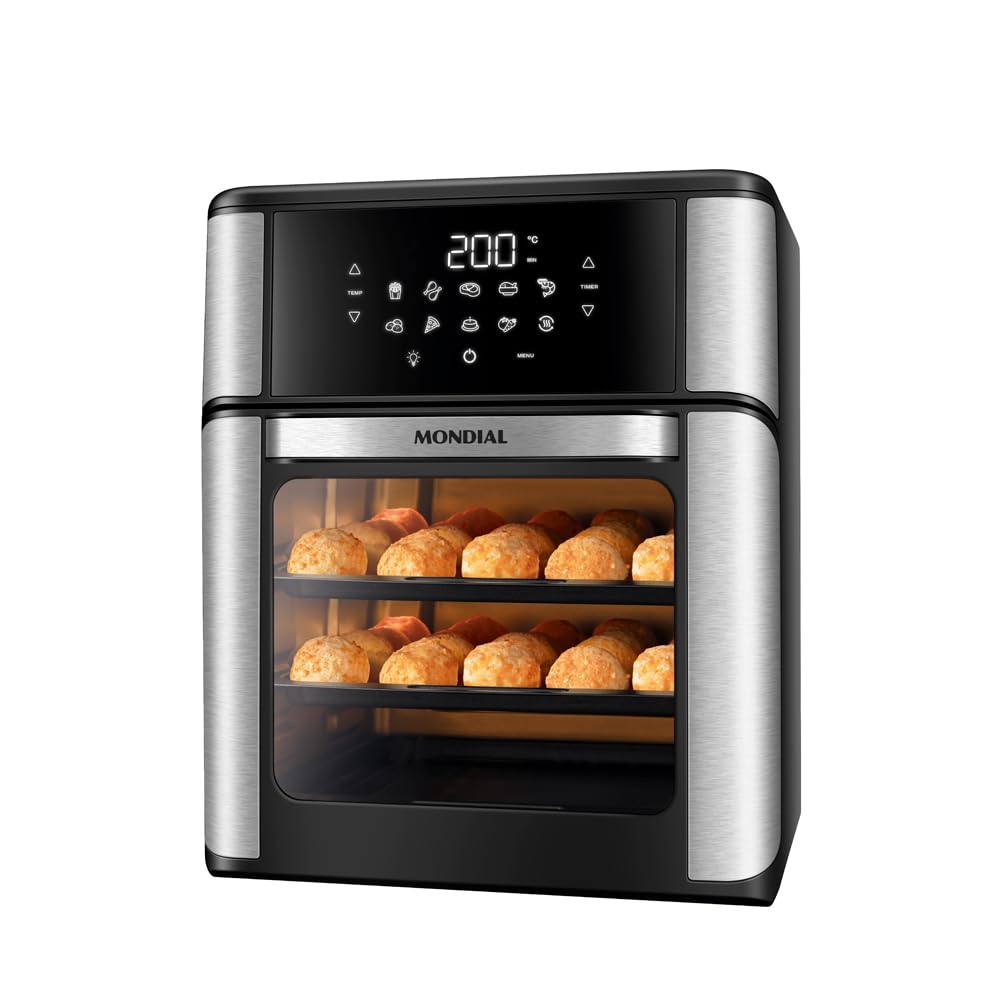
Explore Airfryer trends and sourcing opportunities
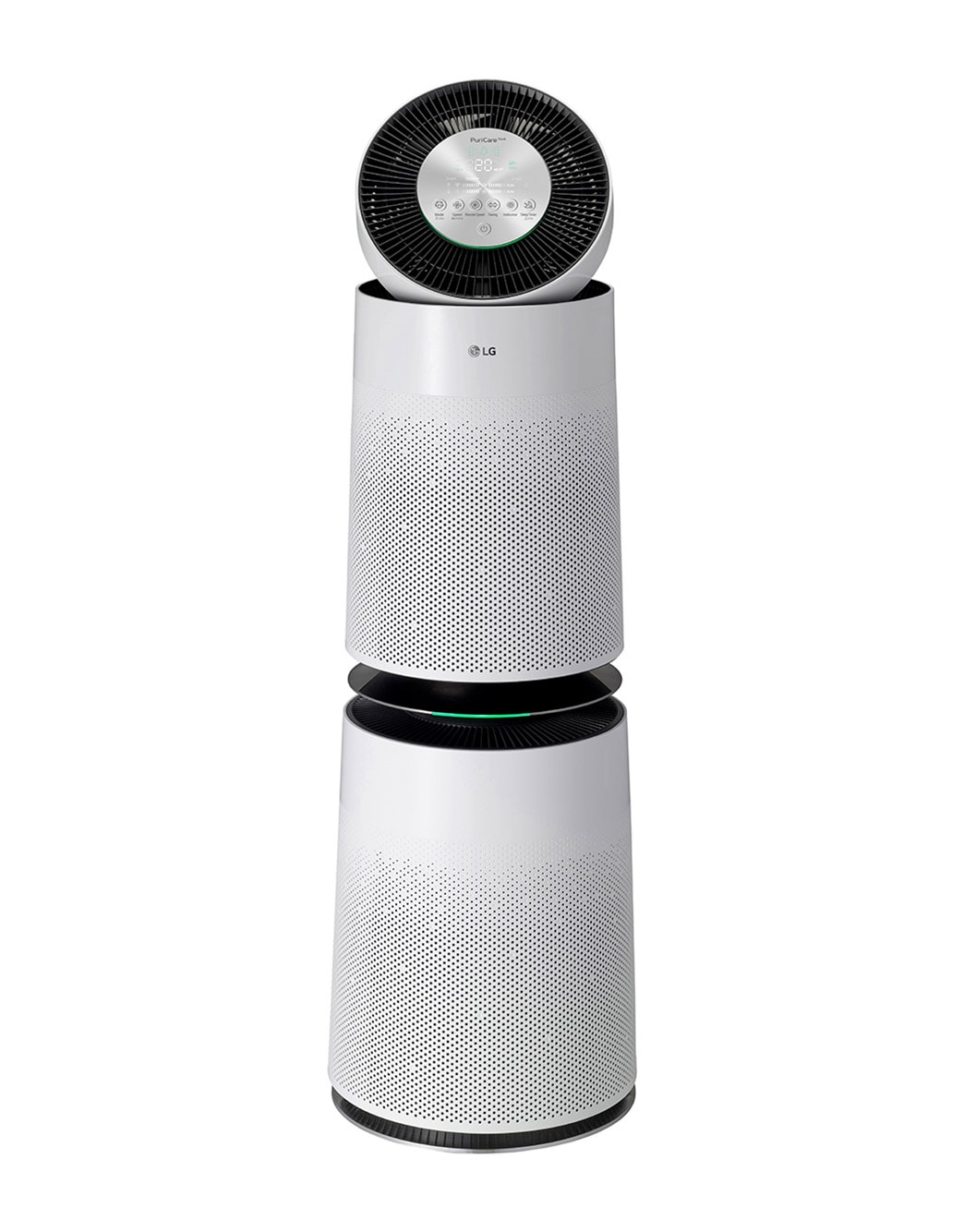
Explore Air Purifier trends and sourcing opportunities
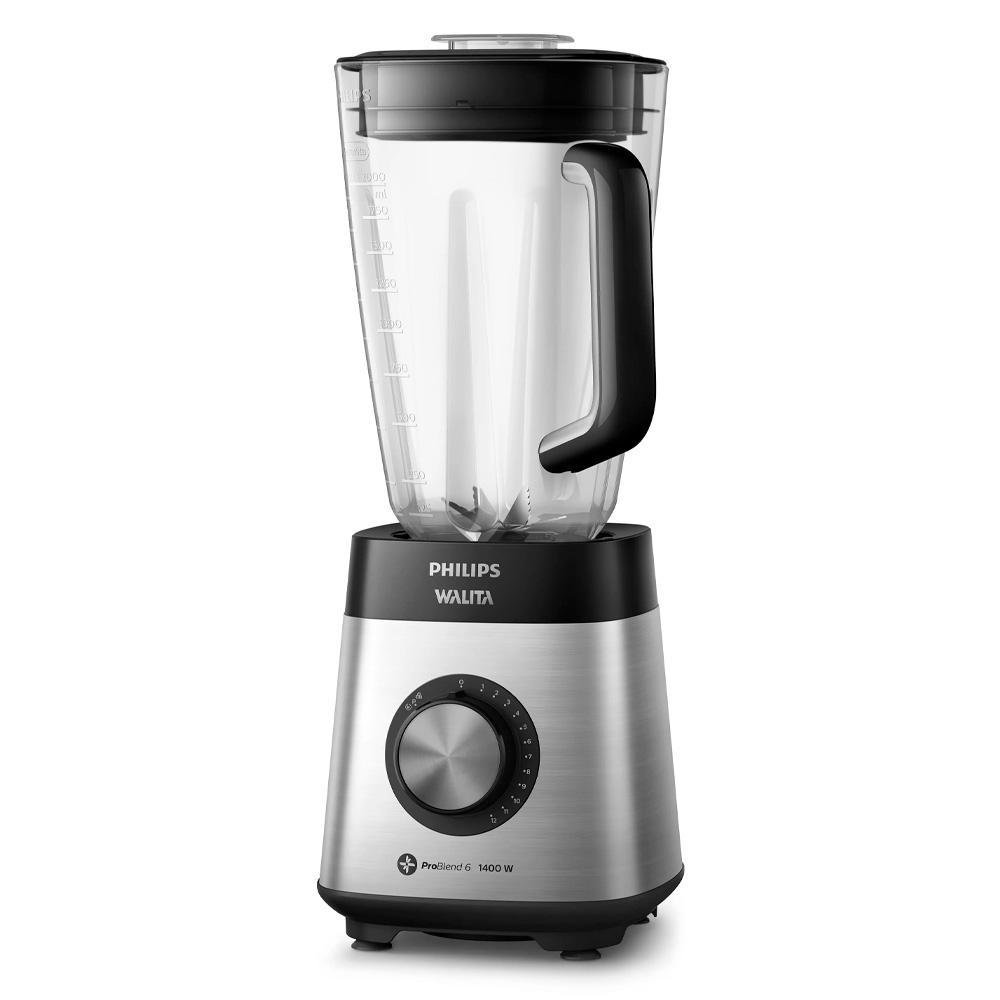
Explore Blender trends and sourcing opportunities
Explore Charging Cable trends and sourcing opportunities
Explore Digital Clocks trends and sourcing opportunities
Minimum order quantities vary by supplier tier and product complexity. Value segment suppliers typically require 500-1,000 pieces per style/color, while premium manufacturers may accept 200-300 pieces for higher-value orders. Customization options like private labeling often increase MOQ requirements.
Common materials include cotton, polyester, modal, bamboo viscose, and various blends. Performance variants often incorporate spandex/elastane for stretch, while premium options may use pima cotton or Tencel. Material choice significantly impacts both FOB pricing and end-consumer appeal.
Request product samples before bulk orders, verify supplier certifications (ISO, BSCI, OEKO-TEX), check factory audit reports, and review trade history on B2B platforms. Our verified supplier ratings consider response rates, dispute history, and quality scores from verified transactions.
Standard production lead times range from 25-45 days depending on order complexity and supplier capacity. Rush orders may be possible at premium rates. Add 15-30 days for sea freight shipping to US ports, or 5-7 days for air freight on urgent orders.