
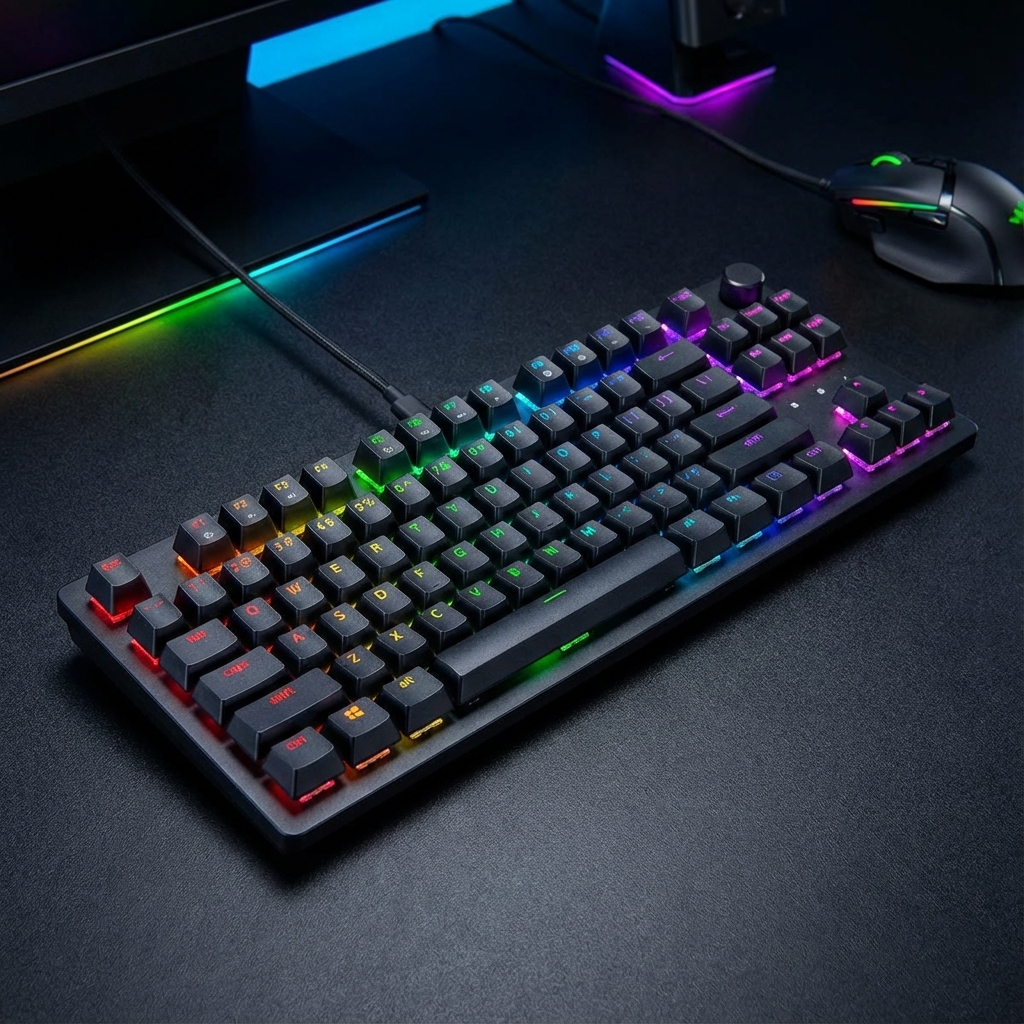
 TikTok Views
—
 Trend InterestCloser to 50 = very trending
7
 Avg Price
R$336
 Suppliers
18
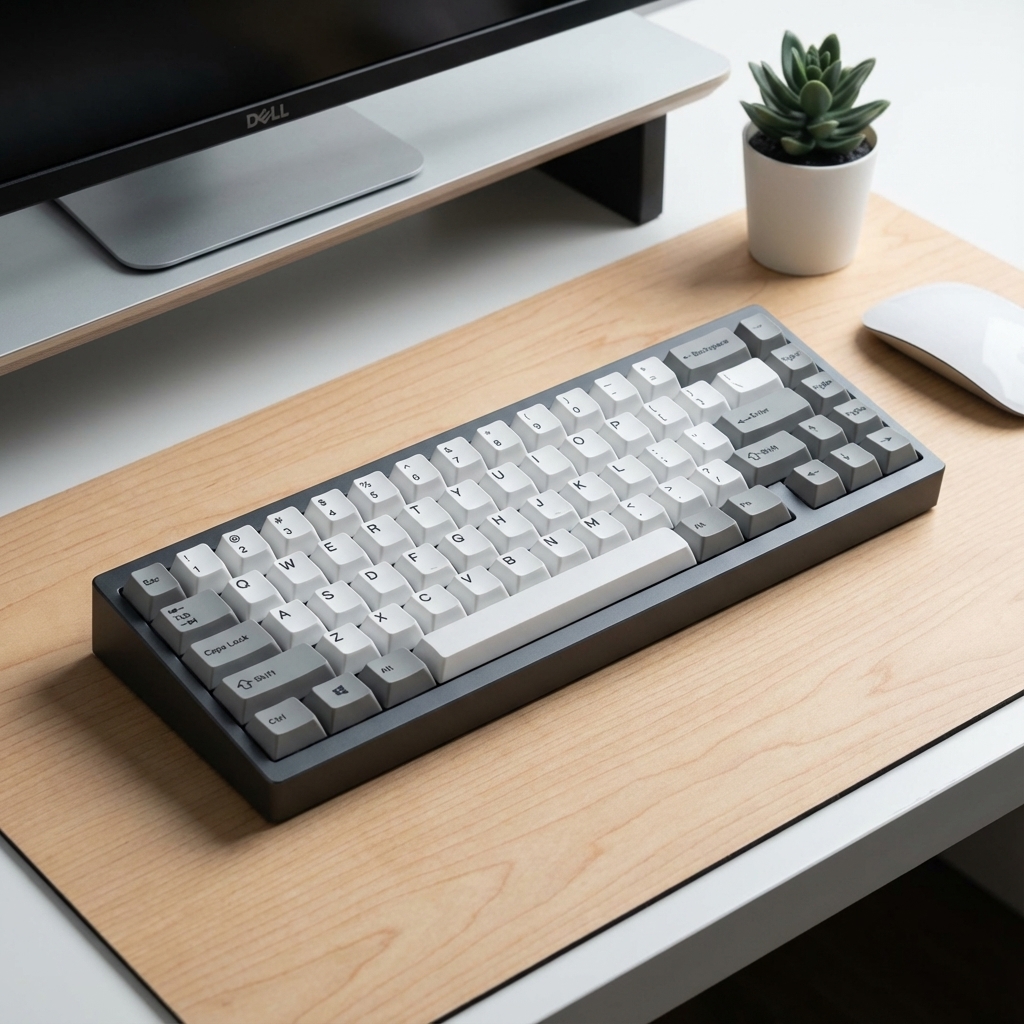 TikTok Views
—
Trend InterestCloser to 50 = very trending11
Avg PriceR$102
Suppliers20
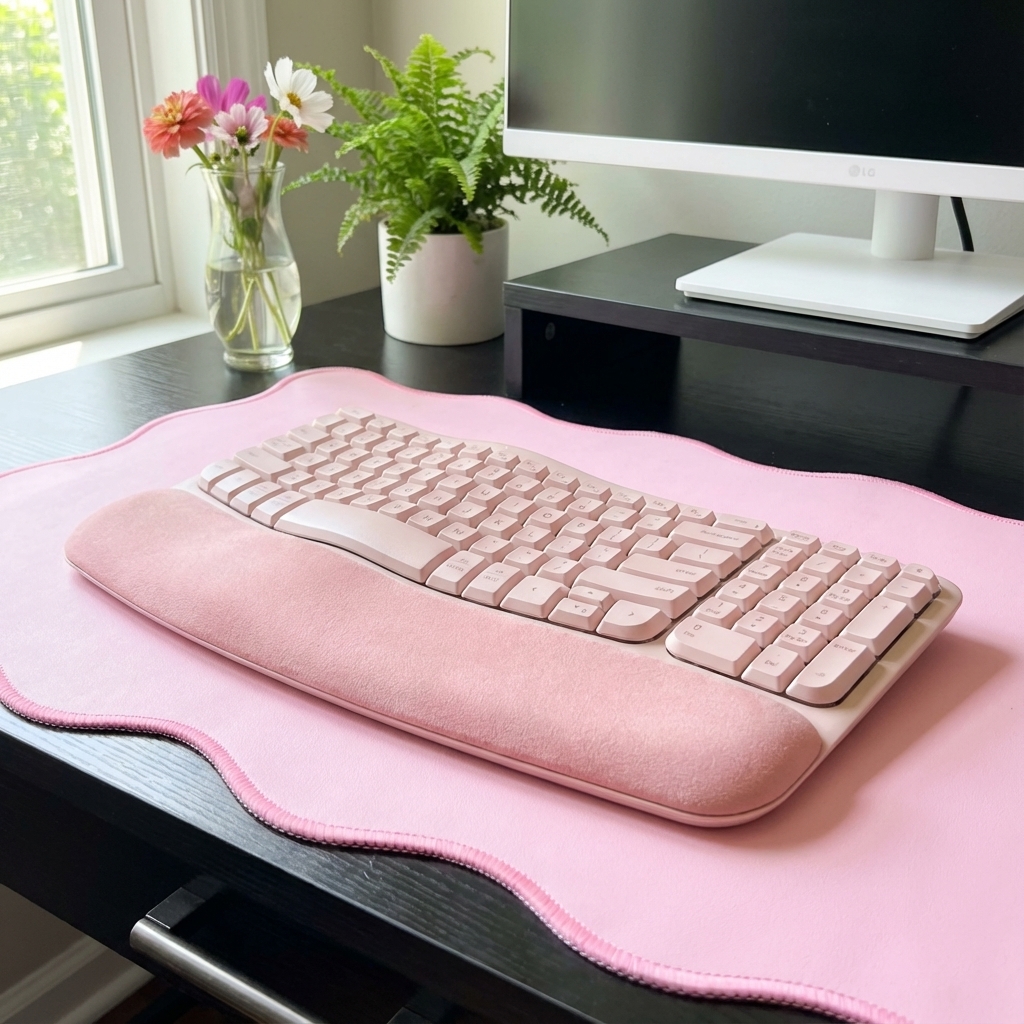
 IG Views
1.7M
Trend InterestCloser to 50 = very trending5
Avg PriceR$201
Suppliers16
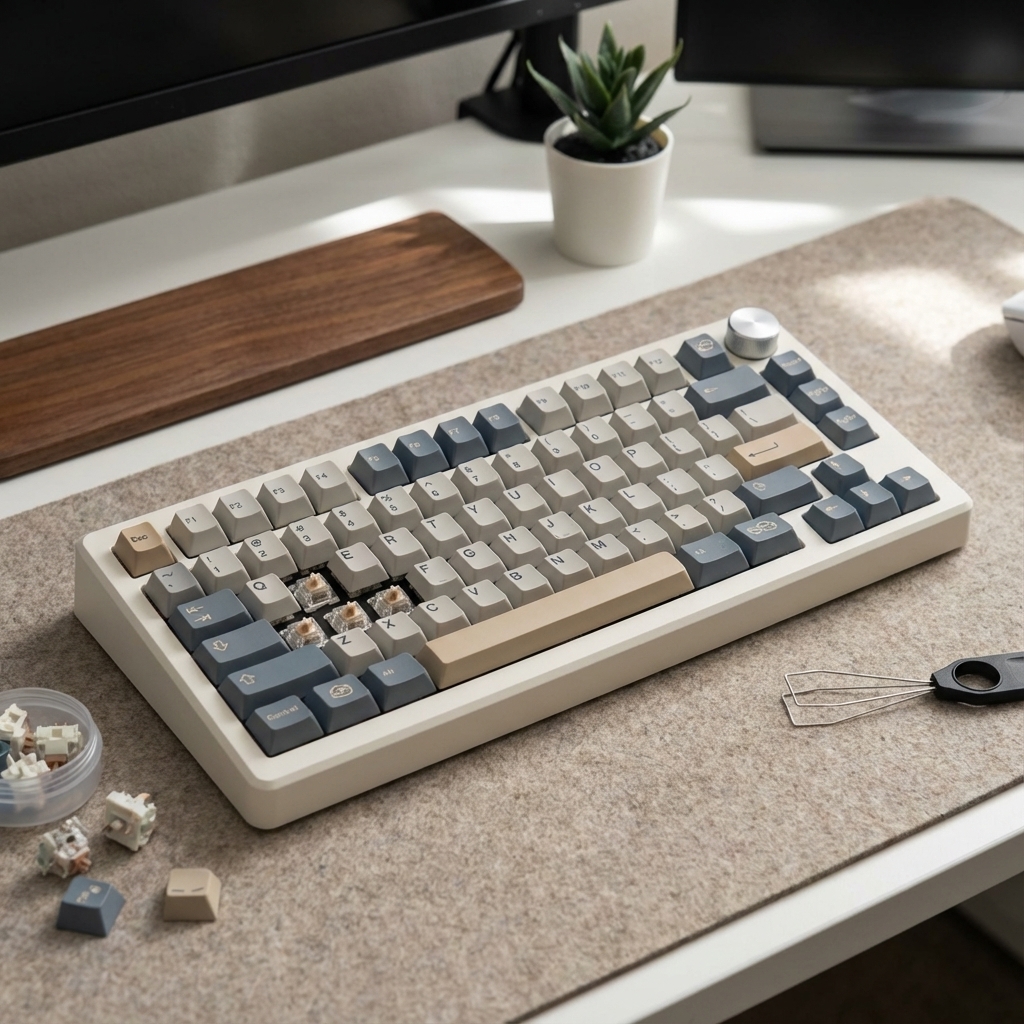 TikTok Views
—
Trend InterestCloser to 50 = very trending15
Avg PriceR$312
Suppliers13
 TikTok Views
—
Trend InterestCloser to 50 = very trending48
Avg PriceR$165
Suppliers18
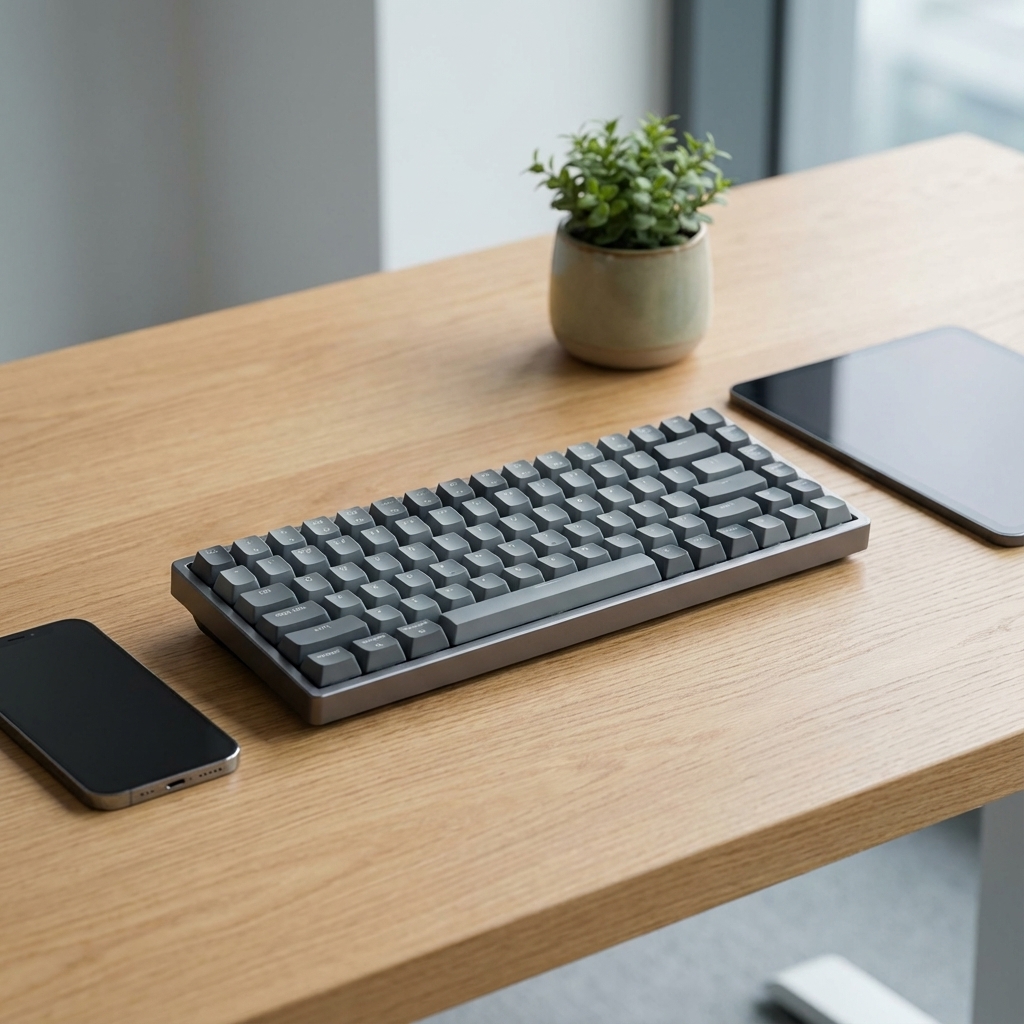
The Brazilian keyboard market in 2026 is dominated by the demand for enhanced performance, personalization, and comfort. Mechanical keyboards are no longer exclusive to gamers, becoming a mainstream choice for professionals seeking durability and a superior typing experience. A significant trend is the move towards compact and minimalist designs, with Tenkeyless (TKL), 65%, and 60% layouts gaining popularity for their space-saving and ergonomic benefits. Customization is a major driver of current trends, with a growing community of enthusiasts building their own keyboards from scratch or modifying existing ones with hot-swappable switches and unique keycaps. Ergonomics has also become a key consideration, with an increasing number of users opting for split or curved keyboards to improve posture and reduce the risk of repetitive strain injuries. Across all categories, features like vibrant RGB backlighting, wireless connectivity for a cleaner setup, and the availability of the local ABNT2 layout are highly sought after by Brazilian consumers. Overall, the market reflects a sophisticated consumer base that values both aesthetics and functionality. Whether for gaming, professional work, or hobbyist pursuits, Brazilian users are looking for keyboards that are not just tools, but extensions of their personal style and workflow. This has led to a diverse market where high-performance gaming gear, ergonomic solutions, and highly customizable options coexist and thrive, all tailored to meet the specific needs and preferences of the local audience.
The Brazilian keyboard market is experiencing a surge in demand across several key segments, creating significant opportunities for brands that act quickly. Trends range from Mechanical Gaming and Customizable Hot-Swappable models for enthusiasts, to Ergonomic, Compact, and Wireless Multi-Device keyboards for productivity and lifestyle users. The common thread for success is addressing prevalent quality gaps in the market, such as incorrect ABNT2 layouts, flimsy materials, and unstable wireless connections. By sourcing a wholesale keyboard that delivers superior build quality, a satisfying typing experience, and market-specific features, brands can establish a strong competitive advantage. Key features driving the market include compact 65% and 75% layouts, hot-swappable sockets for personalization, tri-mode wireless connectivity, and premium materials like CNC aluminum and PBT keycaps. Partnering with reliable computer keyboard manufacturers is essential to delivering a product that justifies its price and builds brand loyalty.
The market data and sourcing advantages that make this trend worth pursuing.
Typical range
$5.35–$25.99
Typical range
$27.46–$60.00
132K views • 9% engagement
Strong organic resonance
53 suppliers
MOQ flexibility & scale options
High-margin candidate for boutique retail.
Premium Suede Backpack
High-margin candidate for boutique retail.
Top-selling entry-level SKU on Amazon.
Supplier Examples
Supplier 1
MOQ 100 • 5+ yrs
Supplier 2
MOQ 100 • 5+ yrs
Supplier 3
MOQ 100 • 5+ yrs
Supplier 4
MOQ 100 • 5+ yrs
Supplier 5
MOQ 100 • 5+ yrs
Add or customize product features and we'll match you with verified suppliers.
Feature Matching
Find suppliers with matching capabilities
Quote Comparison
Compare pricing and lead times
Sampling & Production
Request samples and begin production
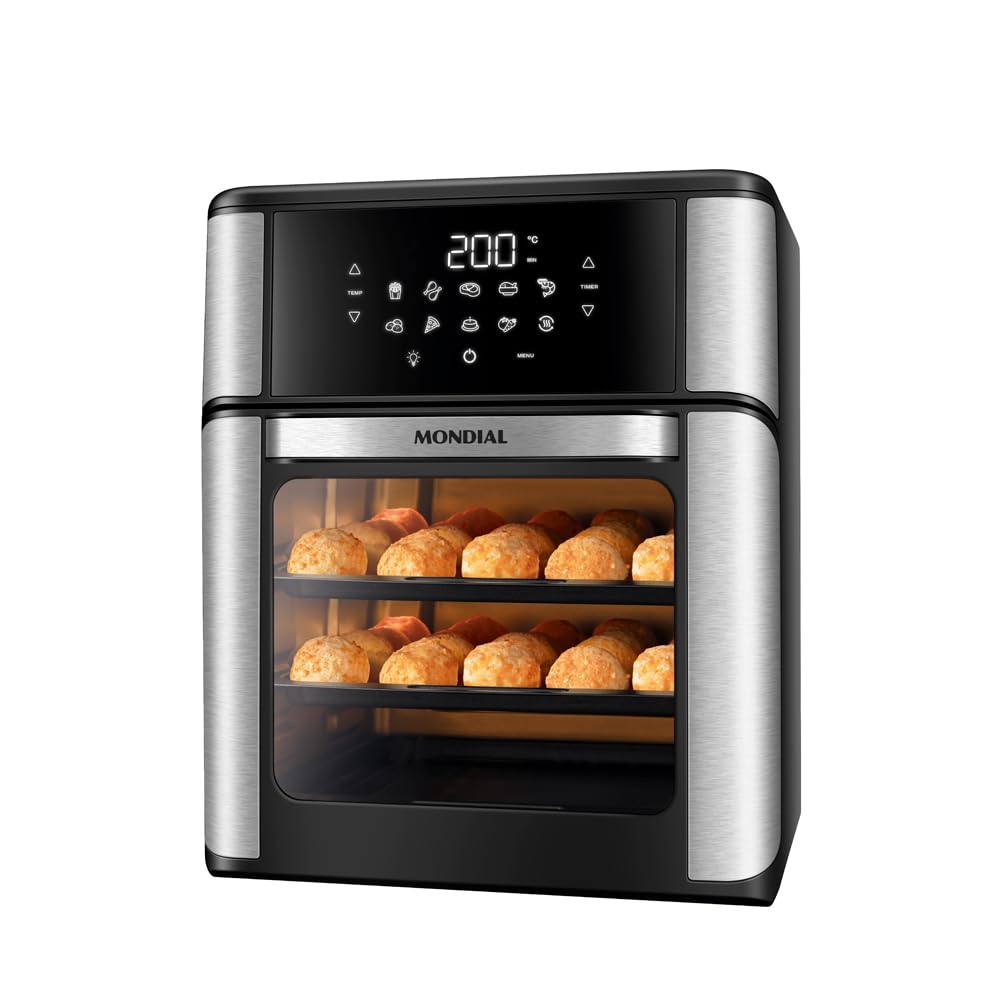
Explore Airfryer trends and sourcing opportunities
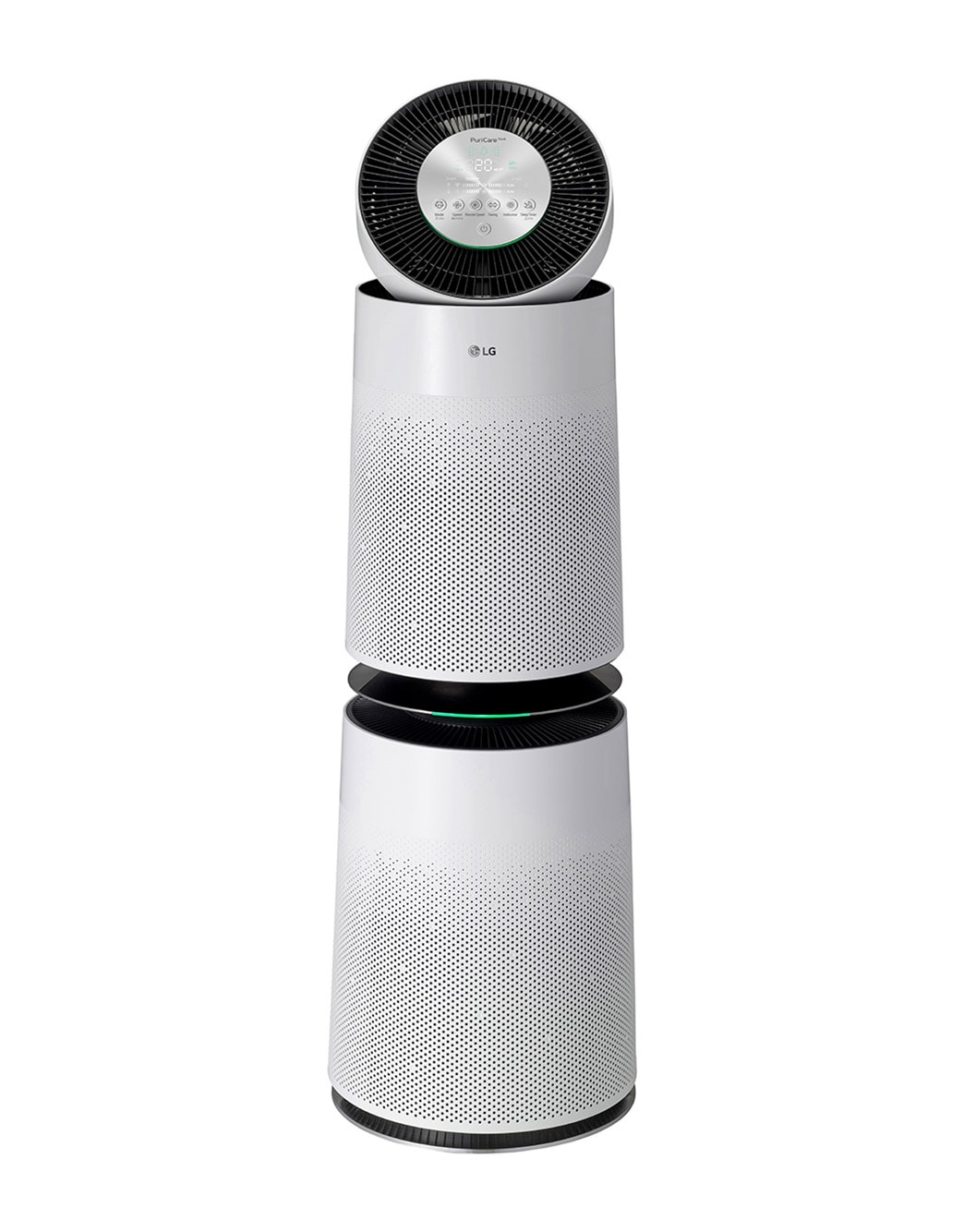
Explore Air Purifier trends and sourcing opportunities
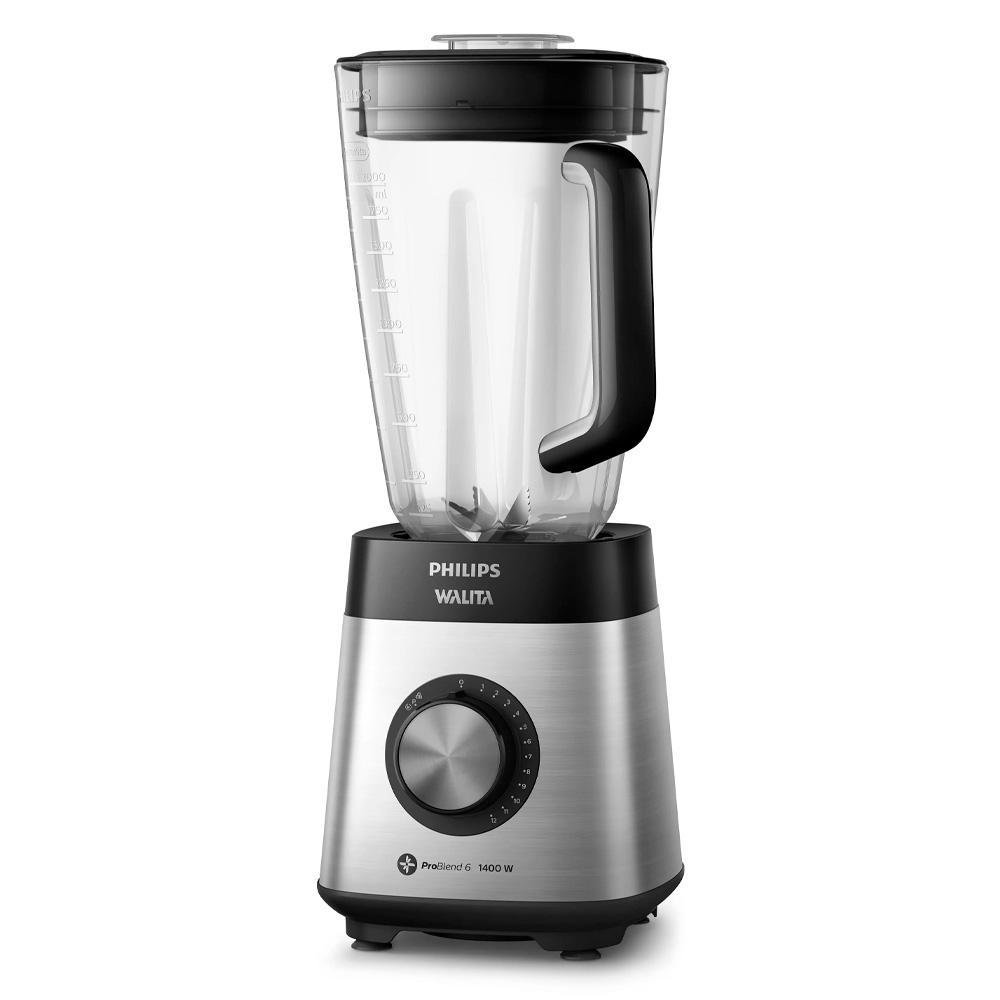
Explore Blender trends and sourcing opportunities
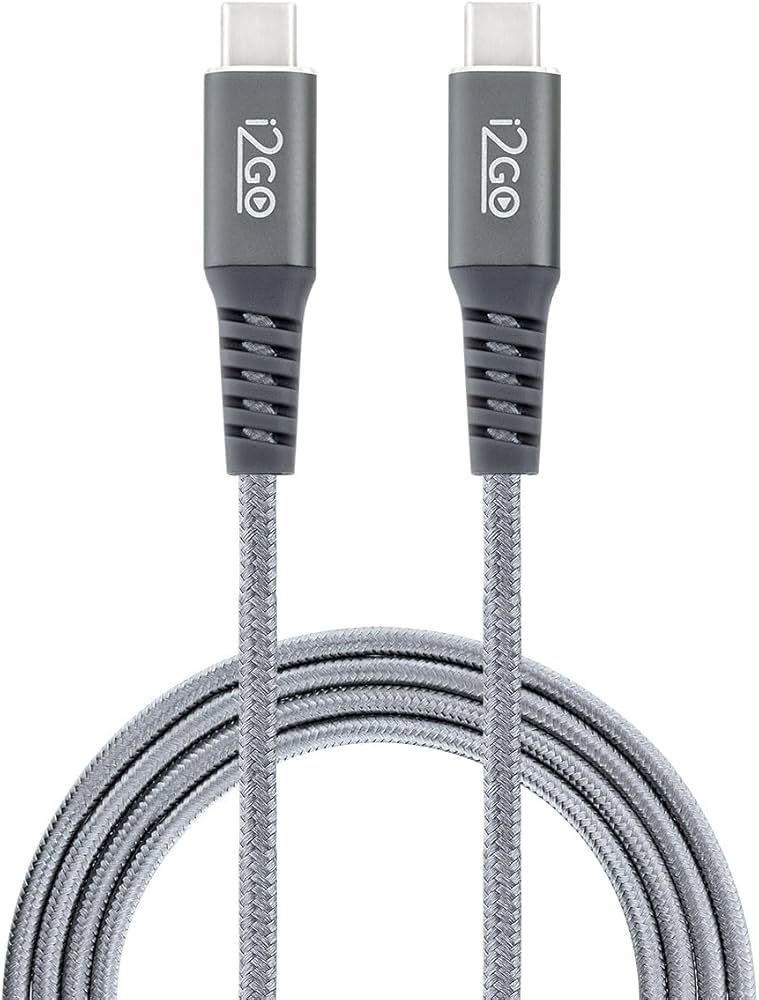
Explore Charging Cable trends and sourcing opportunities
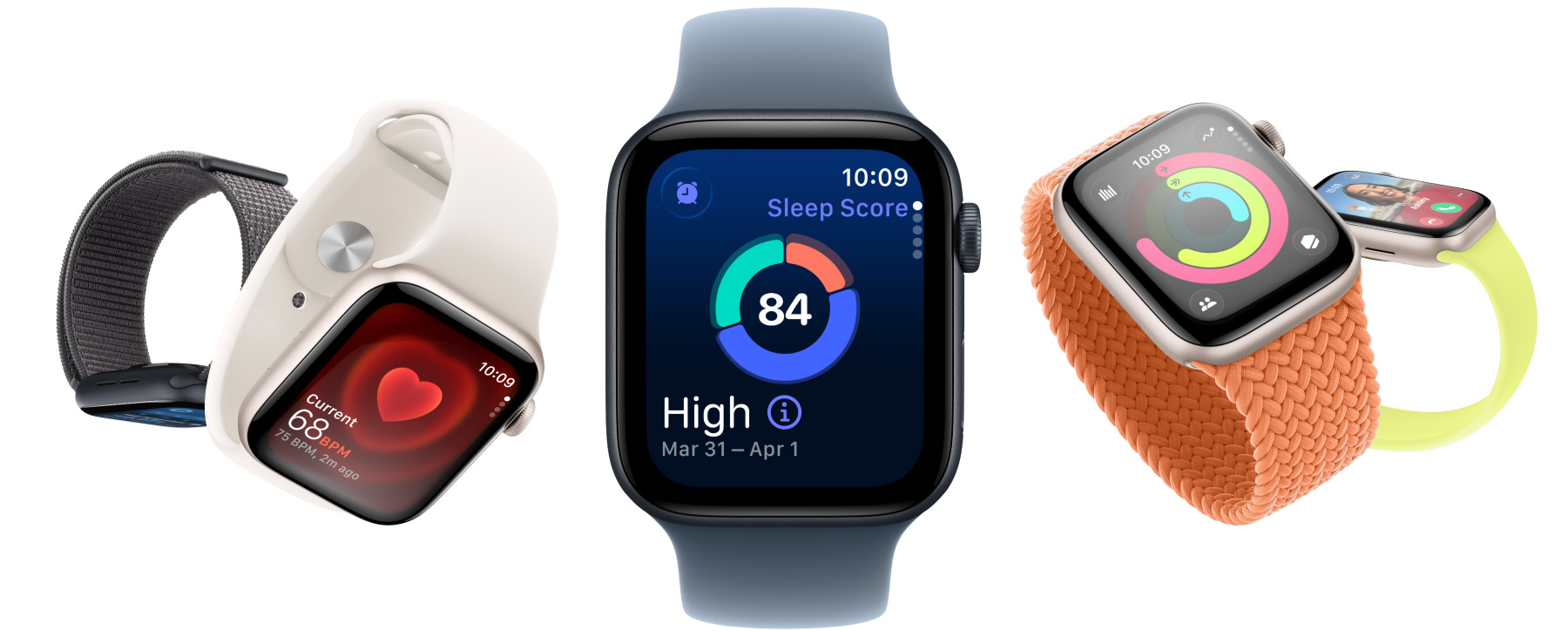
Explore Digital Clocks trends and sourcing opportunities
Minimum order quantities vary by supplier tier and product complexity. Value segment suppliers typically require 500-1,000 pieces per style/color, while premium manufacturers may accept 200-300 pieces for higher-value orders. Customization options like private labeling often increase MOQ requirements.
Common materials include cotton, polyester, modal, bamboo viscose, and various blends. Performance variants often incorporate spandex/elastane for stretch, while premium options may use pima cotton or Tencel. Material choice significantly impacts both FOB pricing and end-consumer appeal.
Request product samples before bulk orders, verify supplier certifications (ISO, BSCI, OEKO-TEX), check factory audit reports, and review trade history on B2B platforms. Our verified supplier ratings consider response rates, dispute history, and quality scores from verified transactions.
Standard production lead times range from 25-45 days depending on order complexity and supplier capacity. Rush orders may be possible at premium rates. Add 15-30 days for sea freight shipping to US ports, or 5-7 days for air freight on urgent orders.