
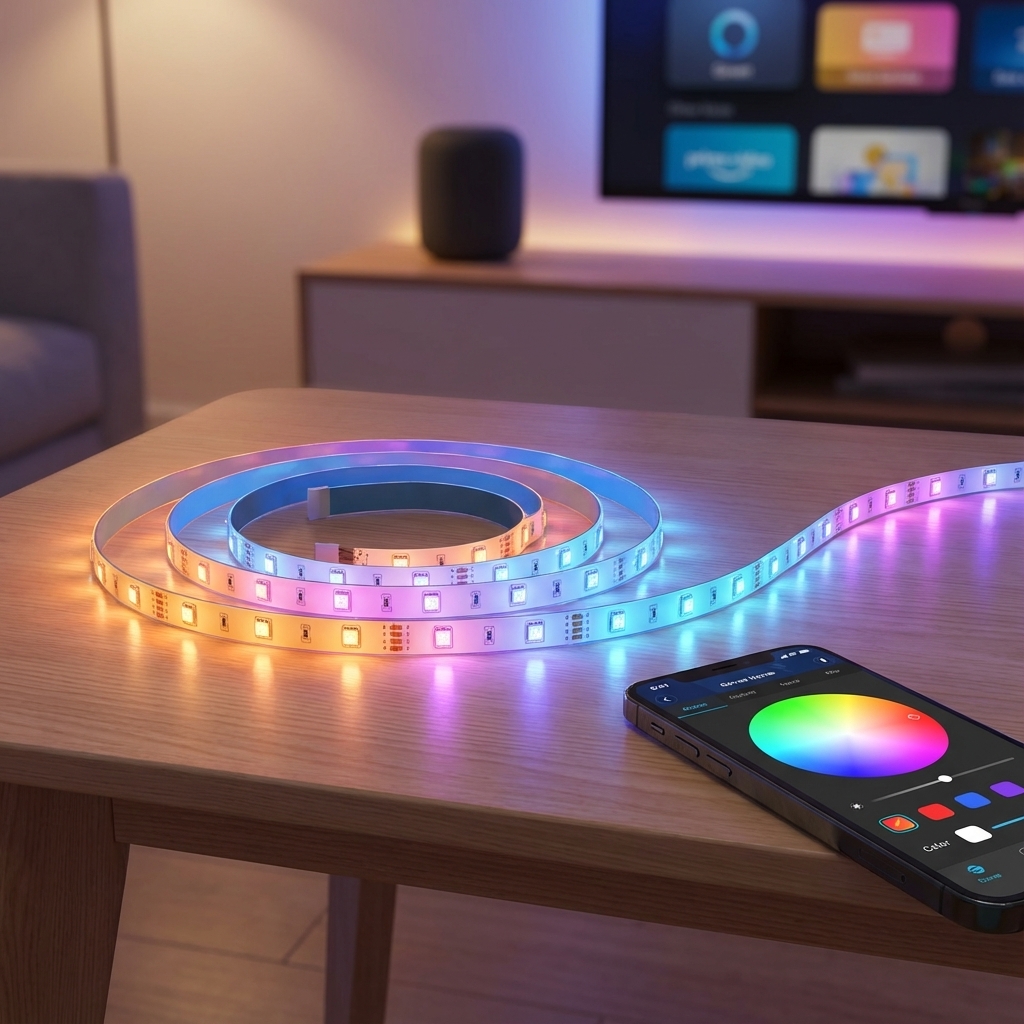
 TikTok Views
4.8M
 Trend InterestCloser to 50 = very trending
27
 Avg Price
R$119
 Suppliers
17
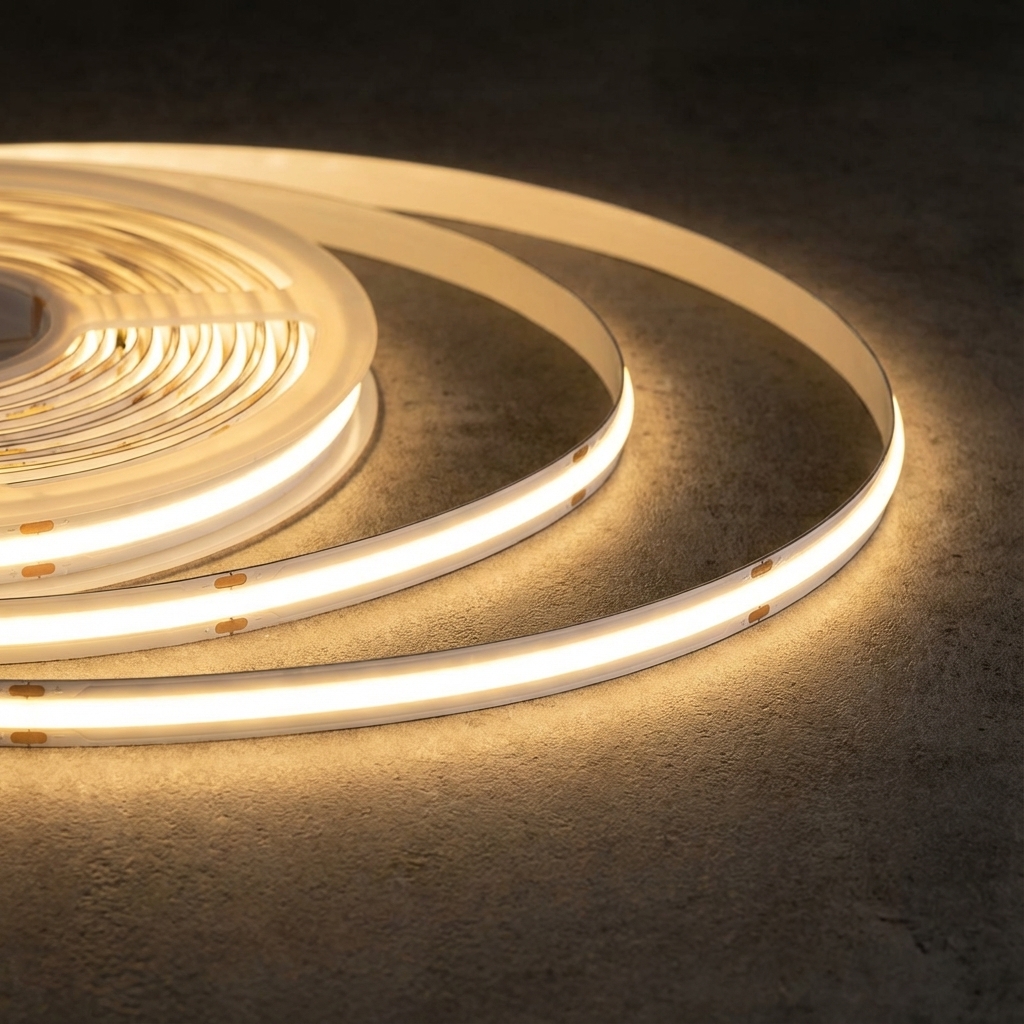 TikTok Views
—
Trend InterestCloser to 50 = very trending28
Avg PriceR$65
Suppliers18
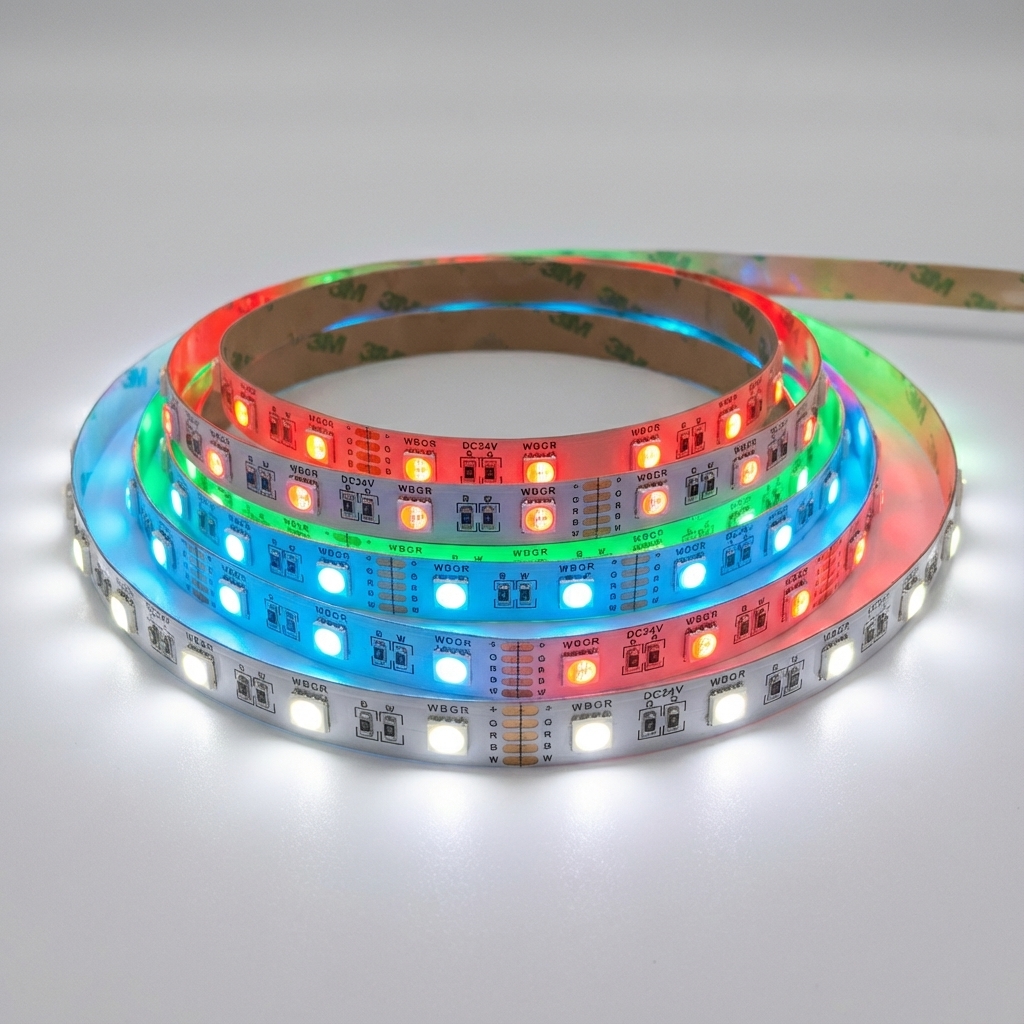 TikTok Views
—
Trend InterestCloser to 50 = very trending45
Avg PriceR$97
Suppliers19
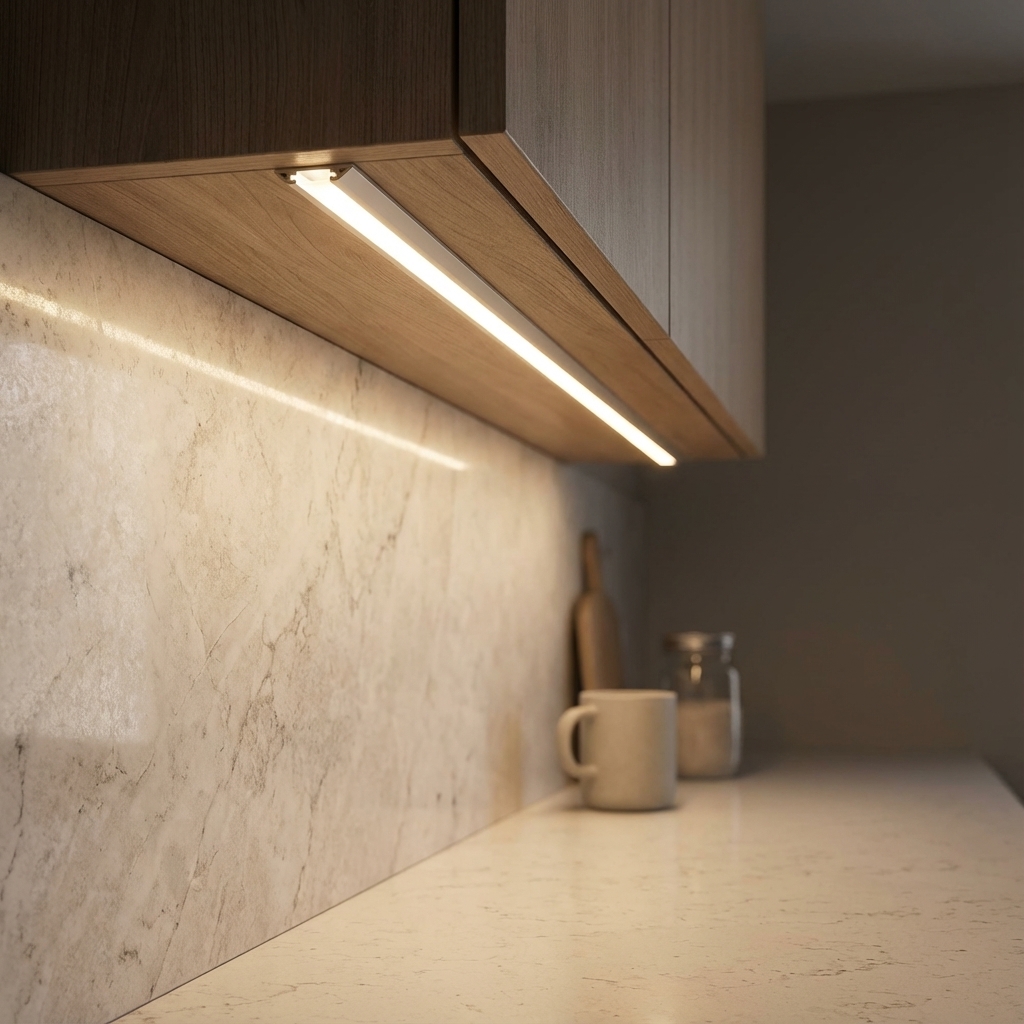 TikTok Views
1.3M
Trend InterestCloser to 50 = very trending27
Avg PriceR$112
Suppliers20
 TikTok Views
—
Trend InterestCloser to 50 = very trending10
Avg PriceR$60
Suppliers17
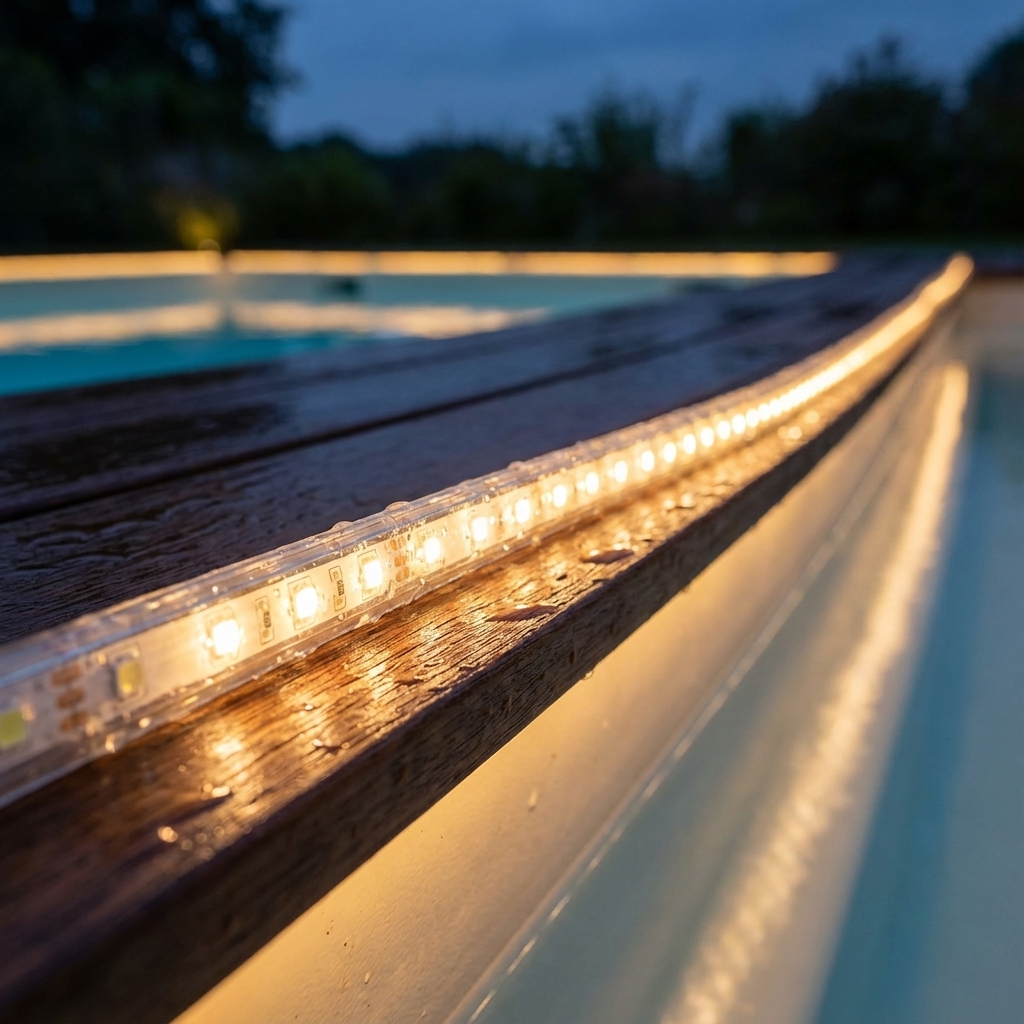
In the Brazilian market for 2026, the LED strip landscape is defined by a push towards more integrated and intelligent lighting solutions. A significant trend is the increasing adoption of COB LED strips, which are gaining popularity for their ability to produce a continuous and uniform line of light without visible dots, making them ideal for sophisticated architectural and decorative applications. Alongside this, the demand for smart home integration continues to drive the popularity of Smart LED strips, which offer control via smartphone apps and voice assistants like Alexa and Google Assistant, representing a major shift towards convenience and automation. These smart functionalities are often paired with RGB and RGBW LED strips, allowing users to customize colors and create dynamic ambiances for various settings, from living rooms to gaming setups. This focus on personalization extends to architectural applications, with a strong emphasis on using LED strips for indirect lighting. Features like crown molding (sancas), under-cabinet lighting, and backlighting for furniture are popular methods for creating a cozy, modern, and sophisticated atmosphere without harsh glare, effectively using light to enhance the perception of space. Beyond aesthetics and control, sustainability and energy efficiency are key considerations influencing purchasing decisions. Both consumers and professionals are opting for durable, low-consumption LED solutions that promise a longer lifespan and reduced environmental impact. The versatility of LED strips is another crucial factor, highlighted by their use in both indoor and outdoor applications. The availability of waterproof models (IP65 or higher) is essential for external and humid areas, enabling the extension of living and decorative spaces to gardens, facades, and patios.
The LED Strip market in Brazil is experiencing significant growth, presenting a prime opportunity for brands to introduce high-quality products. Across all segments—from smart control and waterproof outdoor strips to architectural and dotless COB variants—a common theme emerges: widespread customer dissatisfaction with existing products due to issues like weak adhesive, inaccurate colors, and incomplete kits. This creates a clear opening for brands that partner with a reliable led strip light supplier to deliver superior solutions. The market is broadly segmented into a 'value' tier, which focuses on mastering the basics with reliable, all-in-one kits, and a 'premium' tier, which offers advanced features like RGBW for true white light, RGBIC for dynamic effects, high-CRI COB technology for seamless illumination, and robust smart home integration. Success in led strip manufacturing hinges on addressing these core quality concerns, ensuring products are durable, user-friendly, and well-packaged to capture market share and build customer loyalty.
The market data and sourcing advantages that make this trend worth pursuing.
Typical range
$5.35–$25.99
Typical range
$27.46–$60.00
132K views • 9% engagement
Strong organic resonance
53 suppliers
MOQ flexibility & scale options
High-margin candidate for boutique retail.
Premium Suede Backpack
High-margin candidate for boutique retail.
Top-selling entry-level SKU on Amazon.
Supplier Examples
Supplier 1
MOQ 100 • 5+ yrs
Supplier 2
MOQ 100 • 5+ yrs
Supplier 3
MOQ 100 • 5+ yrs
Supplier 4
MOQ 100 • 5+ yrs
Supplier 5
MOQ 100 • 5+ yrs
Add or customize product features and we'll match you with verified suppliers.
Feature Matching
Find suppliers with matching capabilities
Quote Comparison
Compare pricing and lead times
Sampling & Production
Request samples and begin production
Explore Airfryer trends and sourcing opportunities
Explore Air Purifier trends and sourcing opportunities
Explore Blender trends and sourcing opportunities
Explore Charging Cable trends and sourcing opportunities
Explore Digital Clocks trends and sourcing opportunities
Minimum order quantities vary by supplier tier and product complexity. Value segment suppliers typically require 500-1,000 pieces per style/color, while premium manufacturers may accept 200-300 pieces for higher-value orders. Customization options like private labeling often increase MOQ requirements.
Common materials include cotton, polyester, modal, bamboo viscose, and various blends. Performance variants often incorporate spandex/elastane for stretch, while premium options may use pima cotton or Tencel. Material choice significantly impacts both FOB pricing and end-consumer appeal.
Request product samples before bulk orders, verify supplier certifications (ISO, BSCI, OEKO-TEX), check factory audit reports, and review trade history on B2B platforms. Our verified supplier ratings consider response rates, dispute history, and quality scores from verified transactions.
Standard production lead times range from 25-45 days depending on order complexity and supplier capacity. Rush orders may be possible at premium rates. Add 15-30 days for sea freight shipping to US ports, or 5-7 days for air freight on urgent orders.