
 TikTok Views
—
 Trend InterestCloser to 50 = very trending
42
 Avg Price
R$70
 Suppliers
19
 TikTok Views
—
Trend InterestCloser to 50 = very trending4
 Avg Price
—
Suppliers—
 TikTok Views
—
Trend InterestCloser to 50 = very trending4
Avg PriceR$160
Suppliers5
 TikTok Views
1.3M
Trend InterestCloser to 50 = very trending0
Avg PriceR$32
Suppliers19
 TikTok Views
—
Trend InterestCloser to 50 = very trending14
Avg PriceR$123
Suppliers16
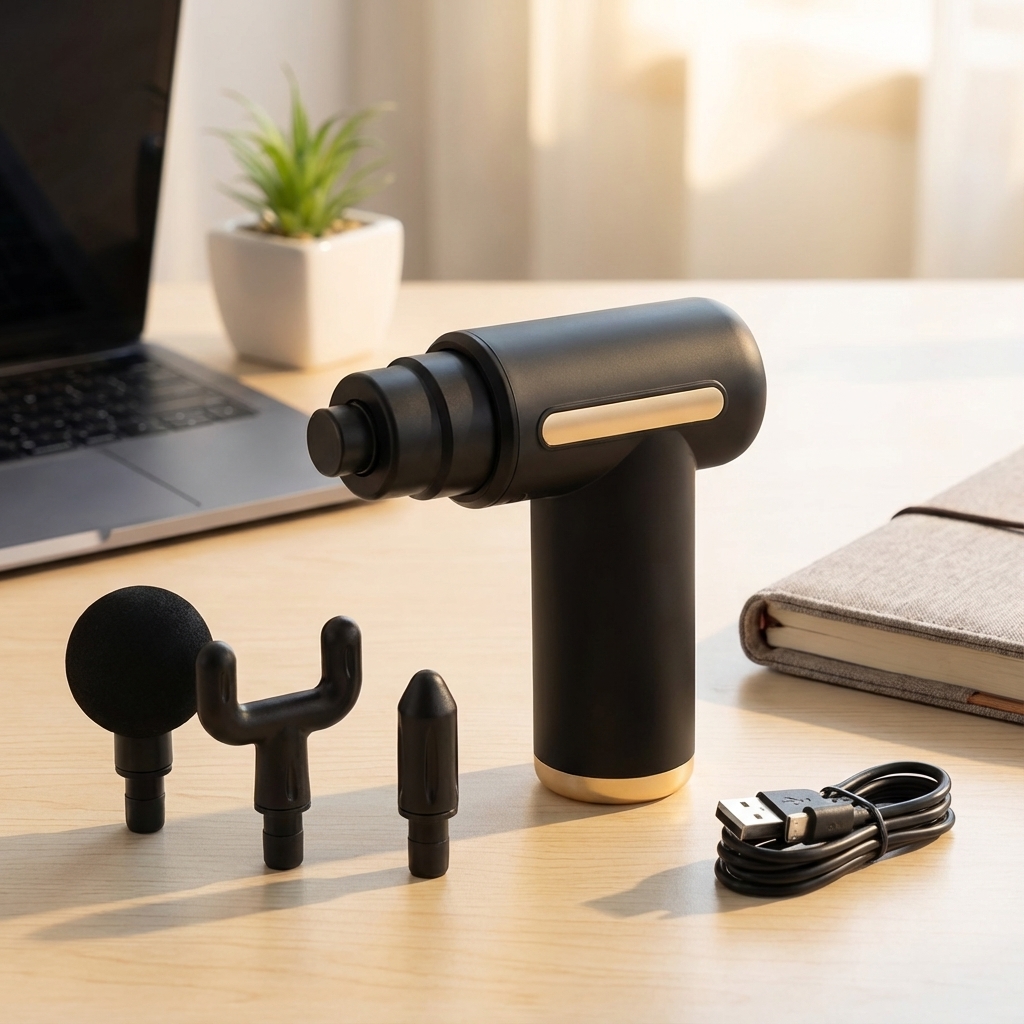
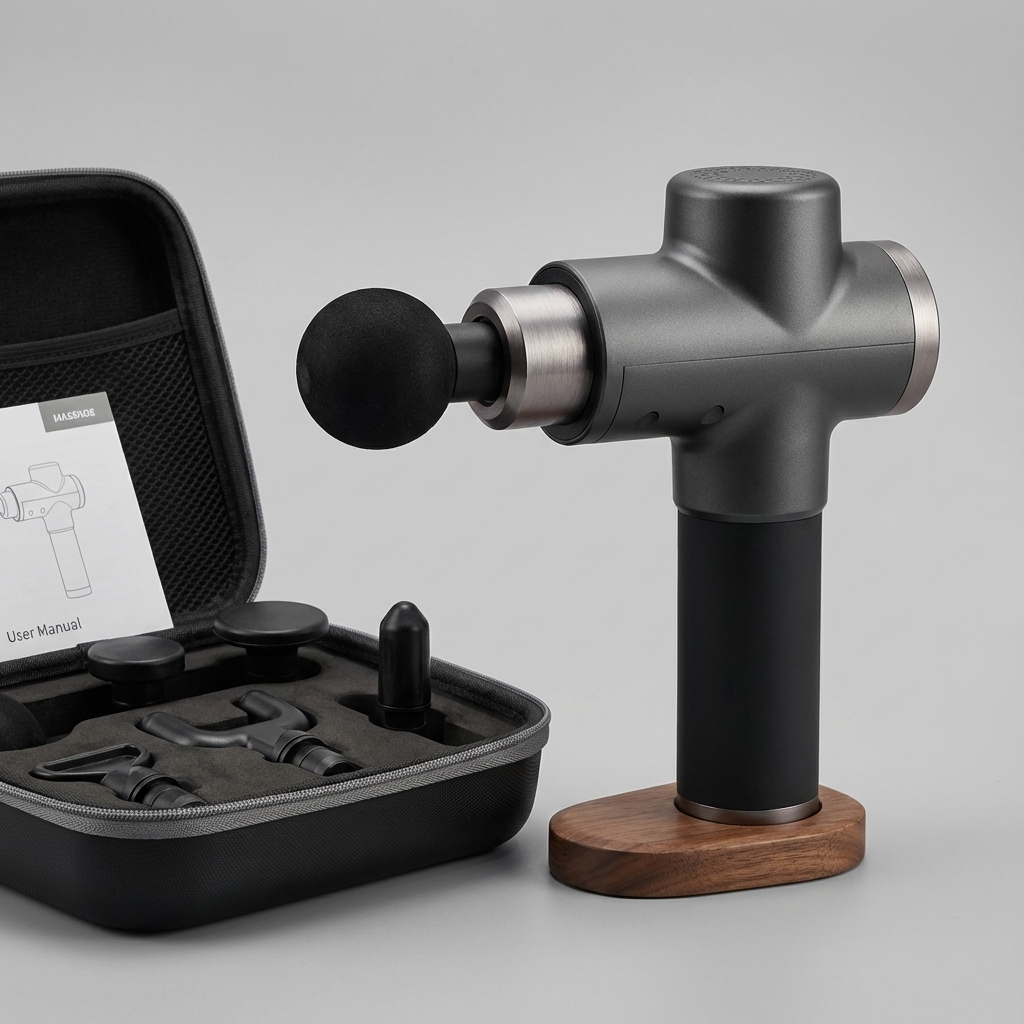
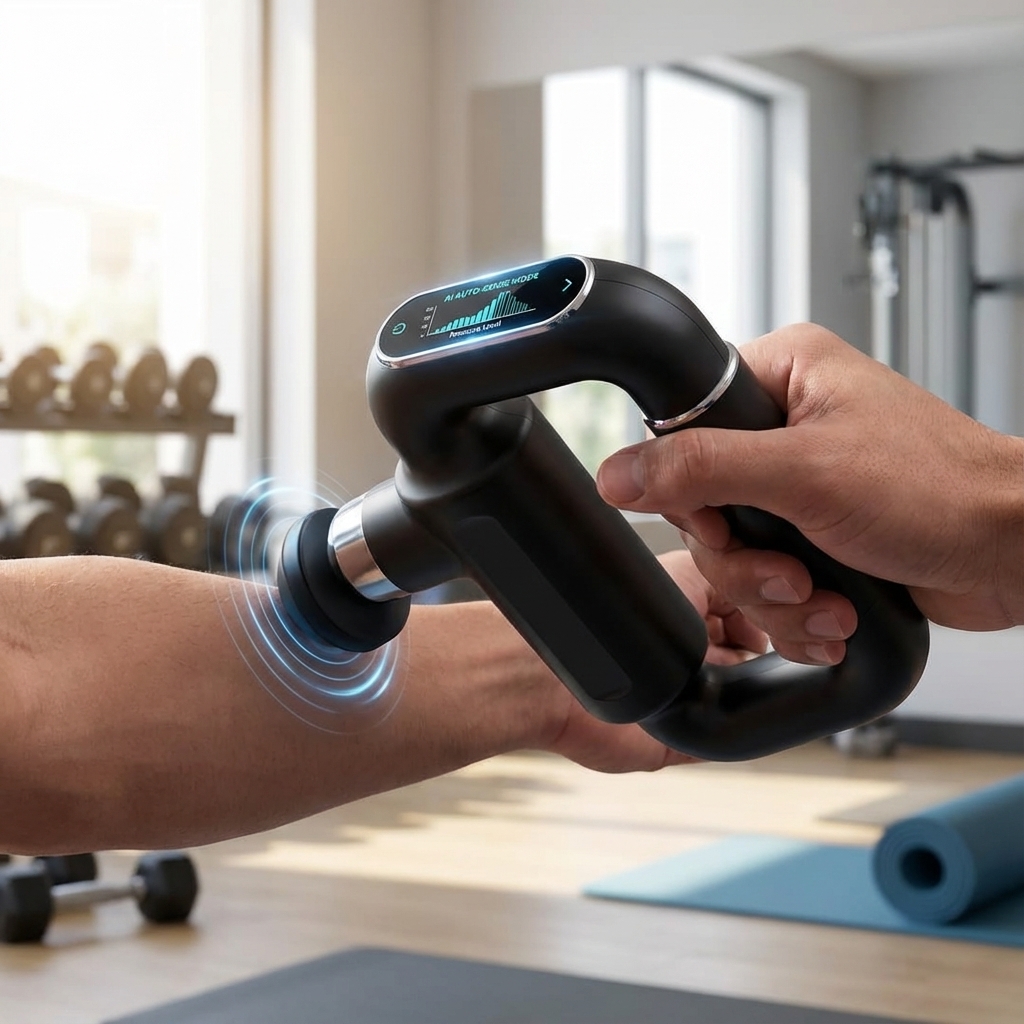
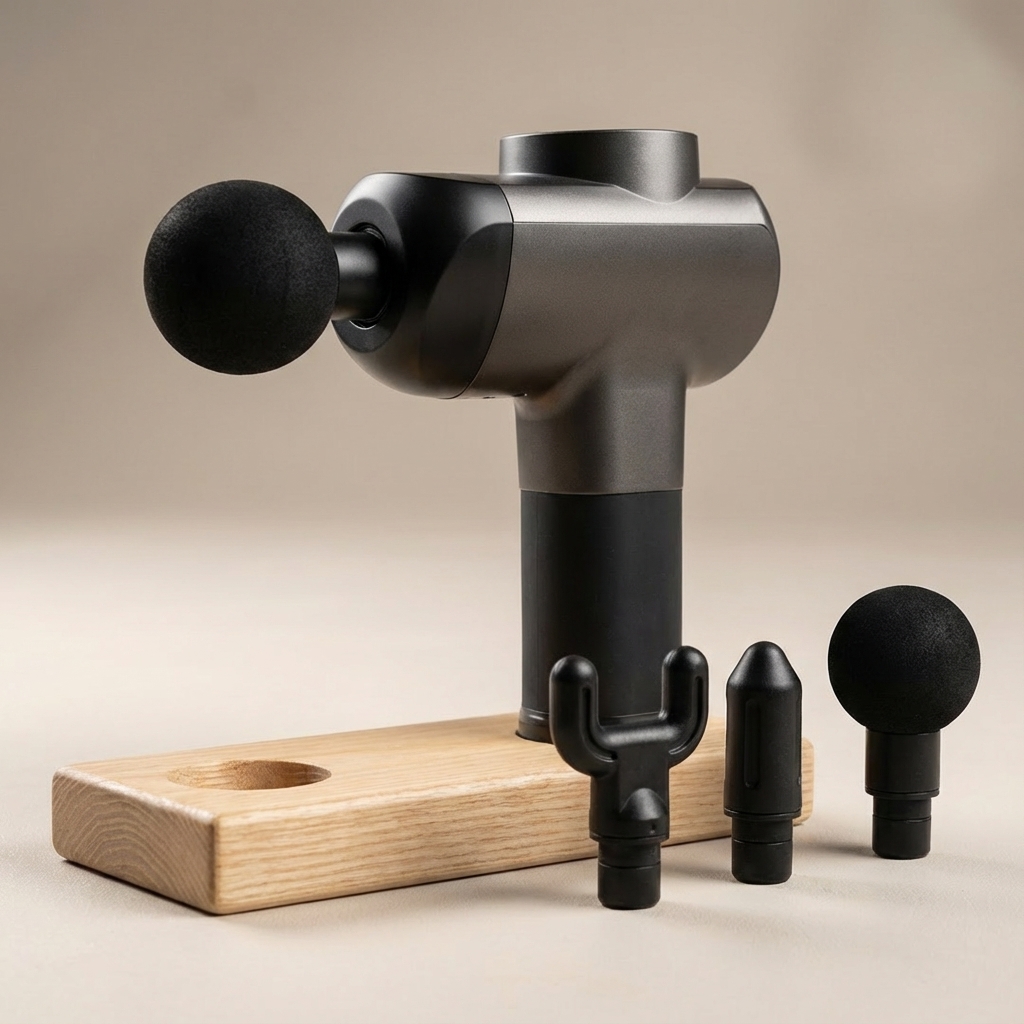
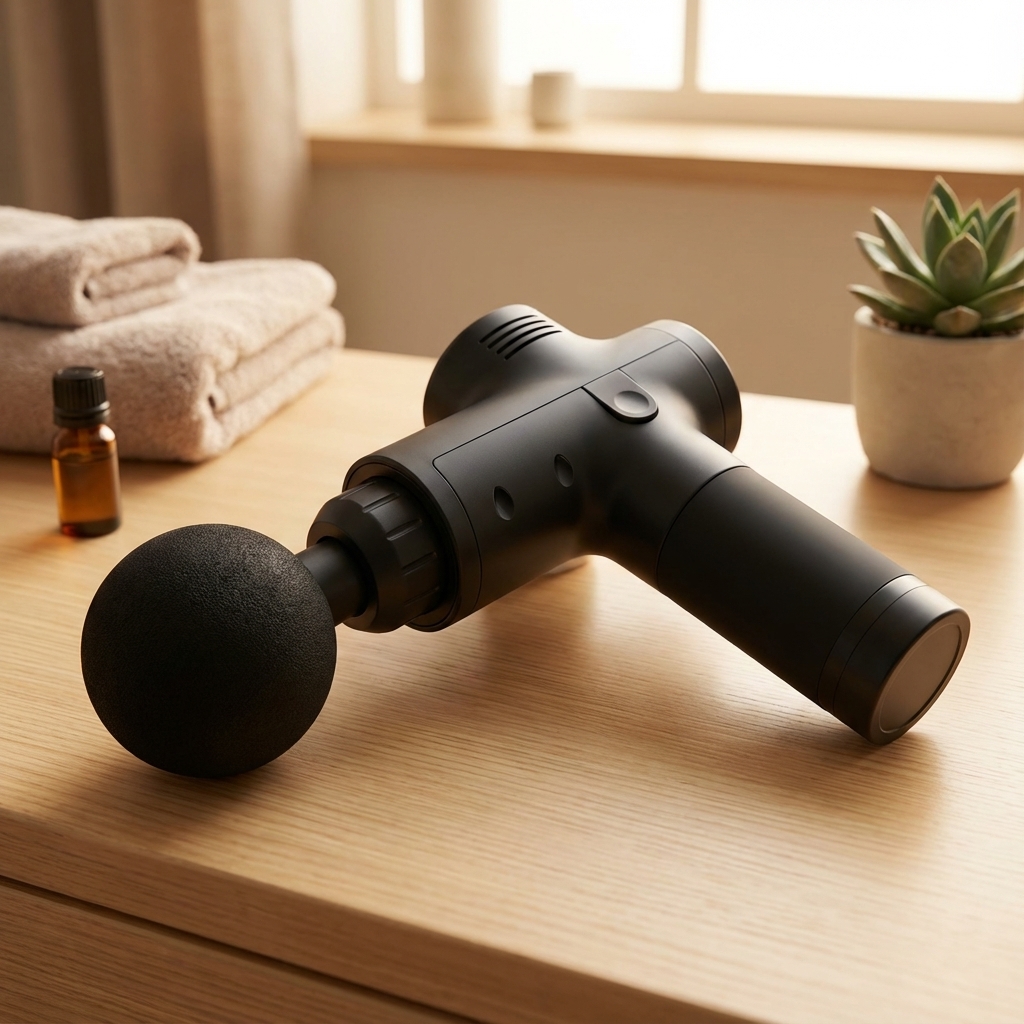
The Brazilian market for massage guns is experiencing a significant surge, driven by a cultural shift towards prioritizing self-care and wellness. As consumers increasingly seek effective, at-home solutions for muscle recovery, pain relief, and relaxation, the electric body massager is becoming a household essential. The market is moving away from a one-size-fits-all model, diversifying to meet a wide range of consumer needs and preferences. Key purchasing factors now include performance metrics like speed settings and battery life, the variety of attachments, and quiet operation, reflecting a more educated and discerning customer base. This diversification is creating distinct product segments. For serious athletes and fitness enthusiasts, professional-grade power massage guns offer clinical-level performance with high torque, numerous speeds, and specialized heads. Conversely, the demand for convenience has given rise to mini portable massage guns, perfect for on-the-go relief. Catering to a broader audience, budget-friendly models provide core functionality at an accessible price point, while multi-use massagers expand their appeal beyond sports recovery into general wellness and aesthetics, such as stress reduction and improved circulation. The future of the market is being shaped by technological innovation, particularly in the premium segment. Smart massage guns are emerging with features like AI-powered pressure sensors that automatically adjust intensity and Bluetooth connectivity for app-based guided routines. This integration of smart technology and personalization appeals to tech-savvy consumers seeking an optimized and safer user experience. These advanced features signal the next wave of development in personal wellness technology, pointing towards a future of more intelligent and customized recovery tools.
The massage gun category is experiencing a significant surge in the Brazilian market, driven by a strong consumer focus on fitness, wellness, and muscle recovery. This trend presents a lucrative opportunity for brands across multiple product archetypes, including mini portable, professional power, smart AI, and budget-friendly models. Success hinges on addressing key consumer demands for reliability and performance. Key differentiators across segments include materials, with value models using durable ABS plastic and premium versions featuring aluminum alloy, and motors, with quiet brushless options for high-end devices. To capitalize on this demand, brands should act quickly to source high-quality wholesale massage guns, focusing on certified batteries, robust motors, and superior build quality to stand out from the competition.
The market data and sourcing advantages that make this trend worth pursuing.
Typical range
$5.35–$25.99
Typical range
$27.46–$60.00
132K views • 9% engagement
Strong organic resonance
53 suppliers
MOQ flexibility & scale options
High-margin candidate for boutique retail.
Premium Suede Backpack
High-margin candidate for boutique retail.
Top-selling entry-level SKU on Amazon.
Supplier Examples
Supplier 1
MOQ 100 • 5+ yrs
Supplier 2
MOQ 100 • 5+ yrs
Supplier 3
MOQ 100 • 5+ yrs
Supplier 4
MOQ 100 • 5+ yrs
Supplier 5
MOQ 100 • 5+ yrs
Add or customize product features and we'll match you with verified suppliers.
Feature Matching
Find suppliers with matching capabilities
Quote Comparison
Compare pricing and lead times
Sampling & Production
Request samples and begin production
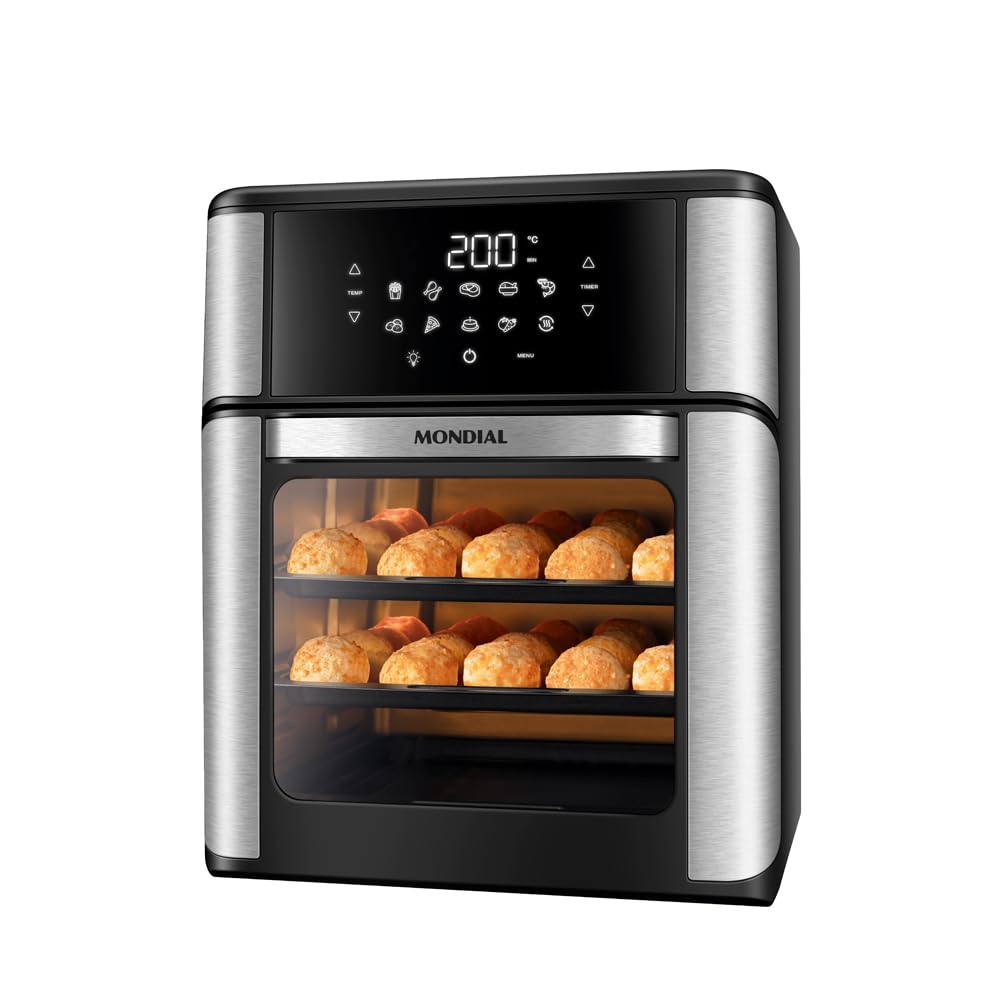
Explore Airfryer trends and sourcing opportunities
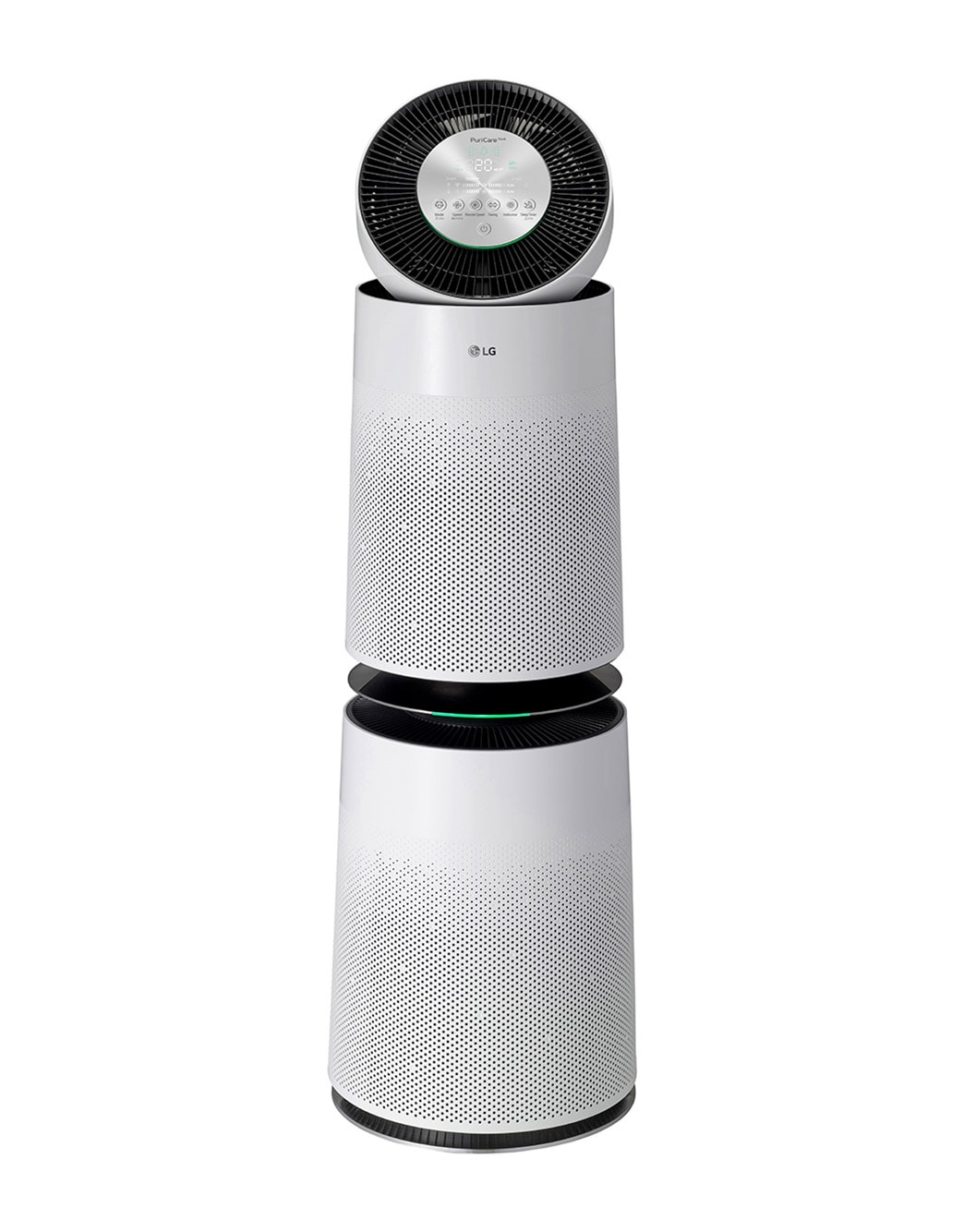
Explore Air Purifier trends and sourcing opportunities
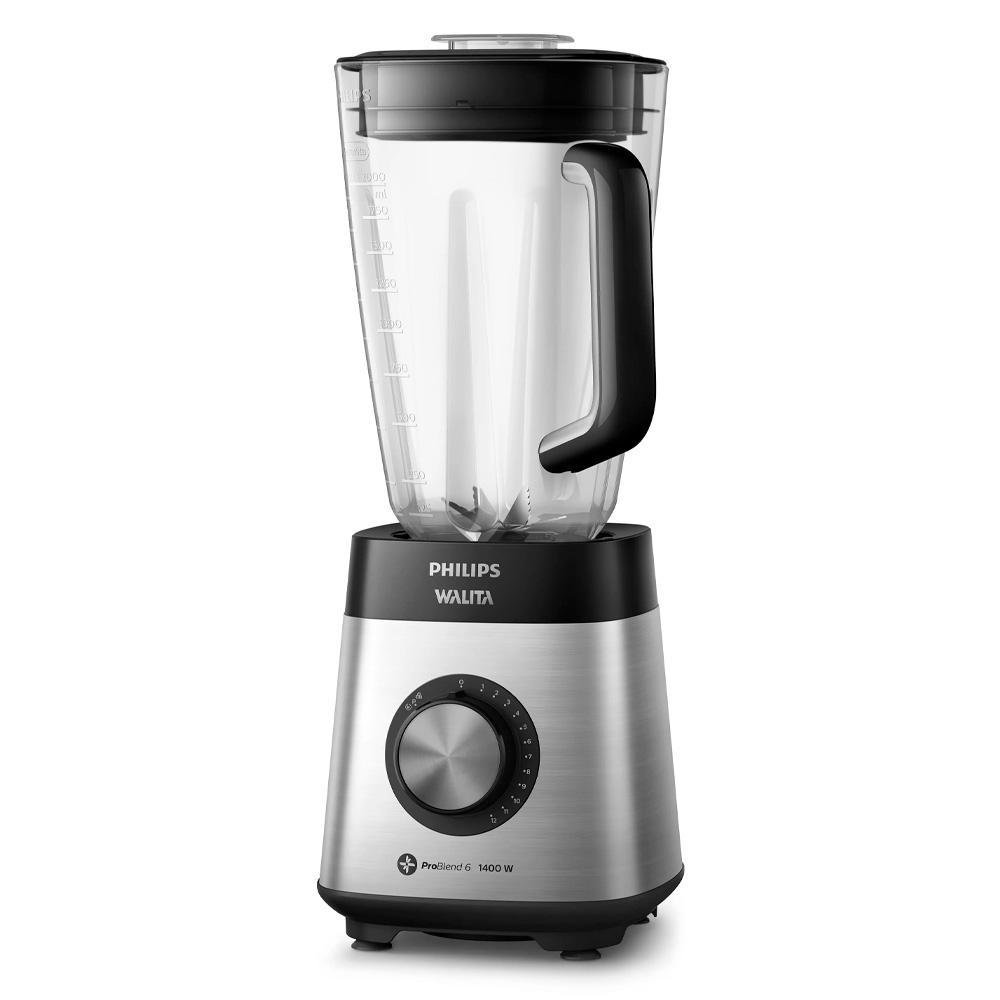
Explore Blender trends and sourcing opportunities
Explore Charging Cable trends and sourcing opportunities
Explore Digital Clocks trends and sourcing opportunities
Minimum order quantities vary by supplier tier and product complexity. Value segment suppliers typically require 500-1,000 pieces per style/color, while premium manufacturers may accept 200-300 pieces for higher-value orders. Customization options like private labeling often increase MOQ requirements.
Common materials include cotton, polyester, modal, bamboo viscose, and various blends. Performance variants often incorporate spandex/elastane for stretch, while premium options may use pima cotton or Tencel. Material choice significantly impacts both FOB pricing and end-consumer appeal.
Request product samples before bulk orders, verify supplier certifications (ISO, BSCI, OEKO-TEX), check factory audit reports, and review trade history on B2B platforms. Our verified supplier ratings consider response rates, dispute history, and quality scores from verified transactions.
Standard production lead times range from 25-45 days depending on order complexity and supplier capacity. Rush orders may be possible at premium rates. Add 15-30 days for sea freight shipping to US ports, or 5-7 days for air freight on urgent orders.