
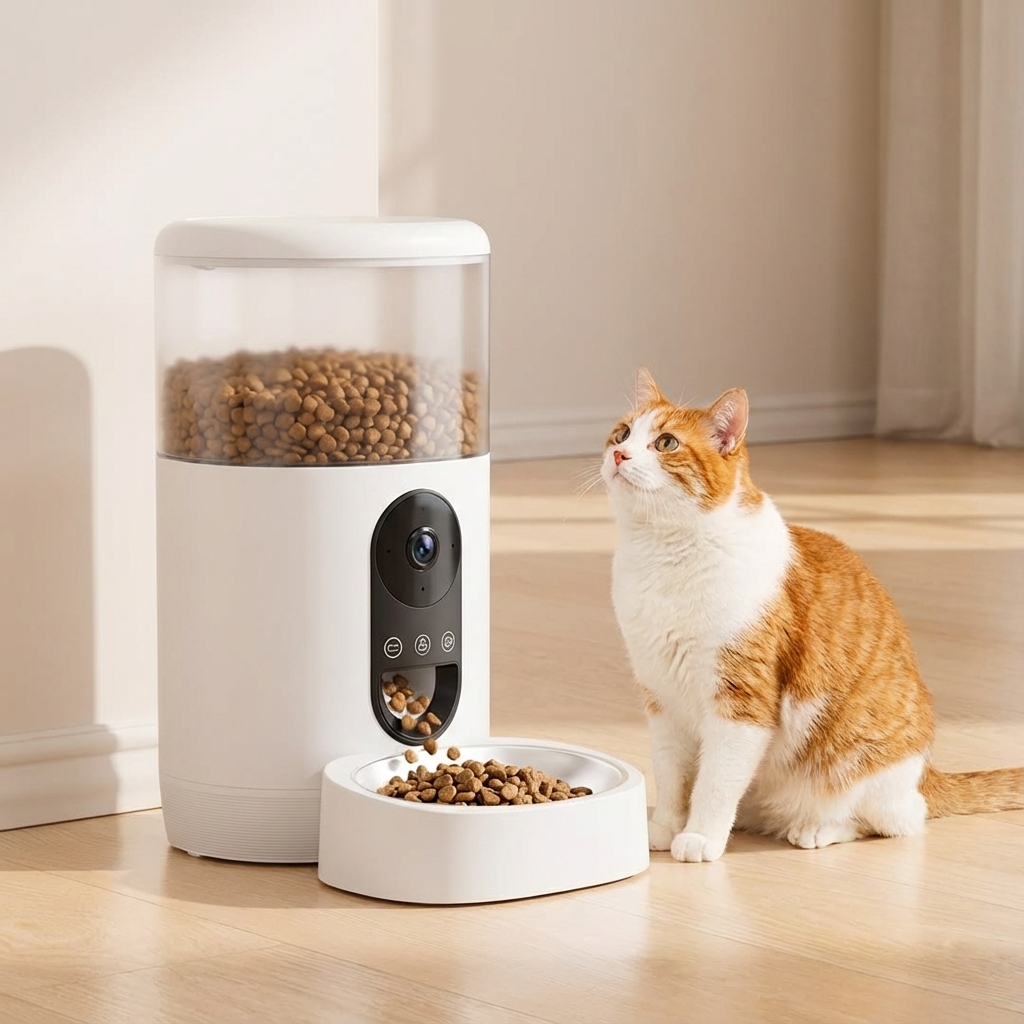
 TikTok Views
—
 Trend InterestCloser to 50 = very trending
44
 Avg Price
R$297
 Suppliers
19
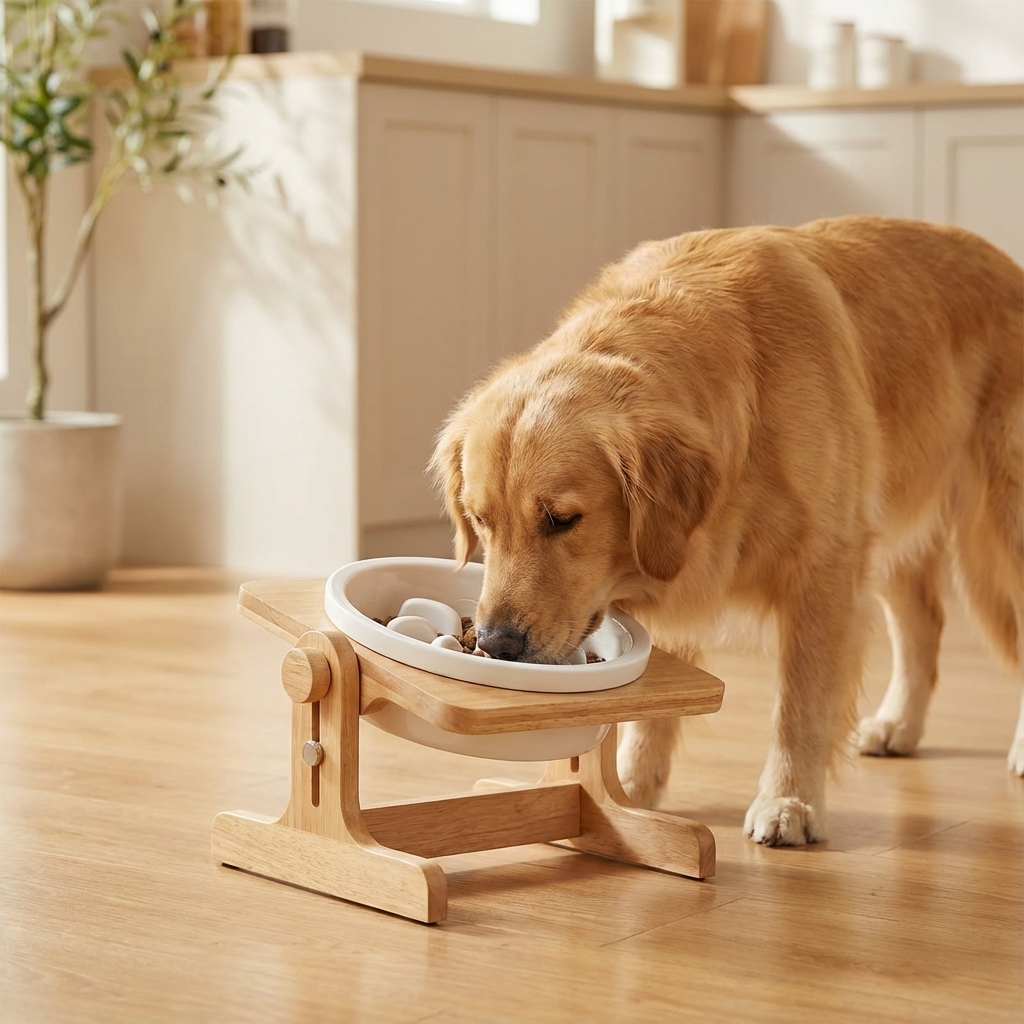 TikTok Views
—
Trend InterestCloser to 50 = very trending14
Avg PriceR$178
Suppliers18
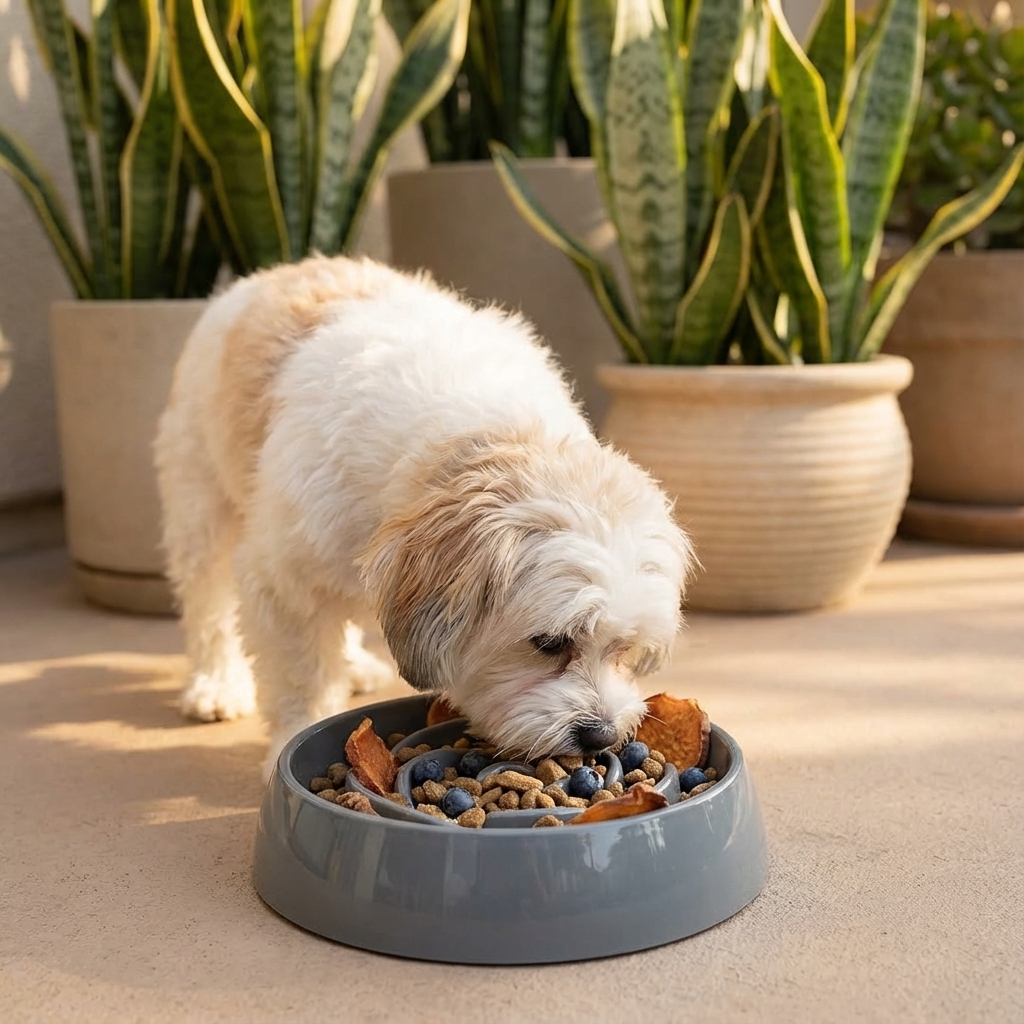 TikTok Views
—
Trend InterestCloser to 50 = very trending94
Avg PriceR$39
Suppliers17
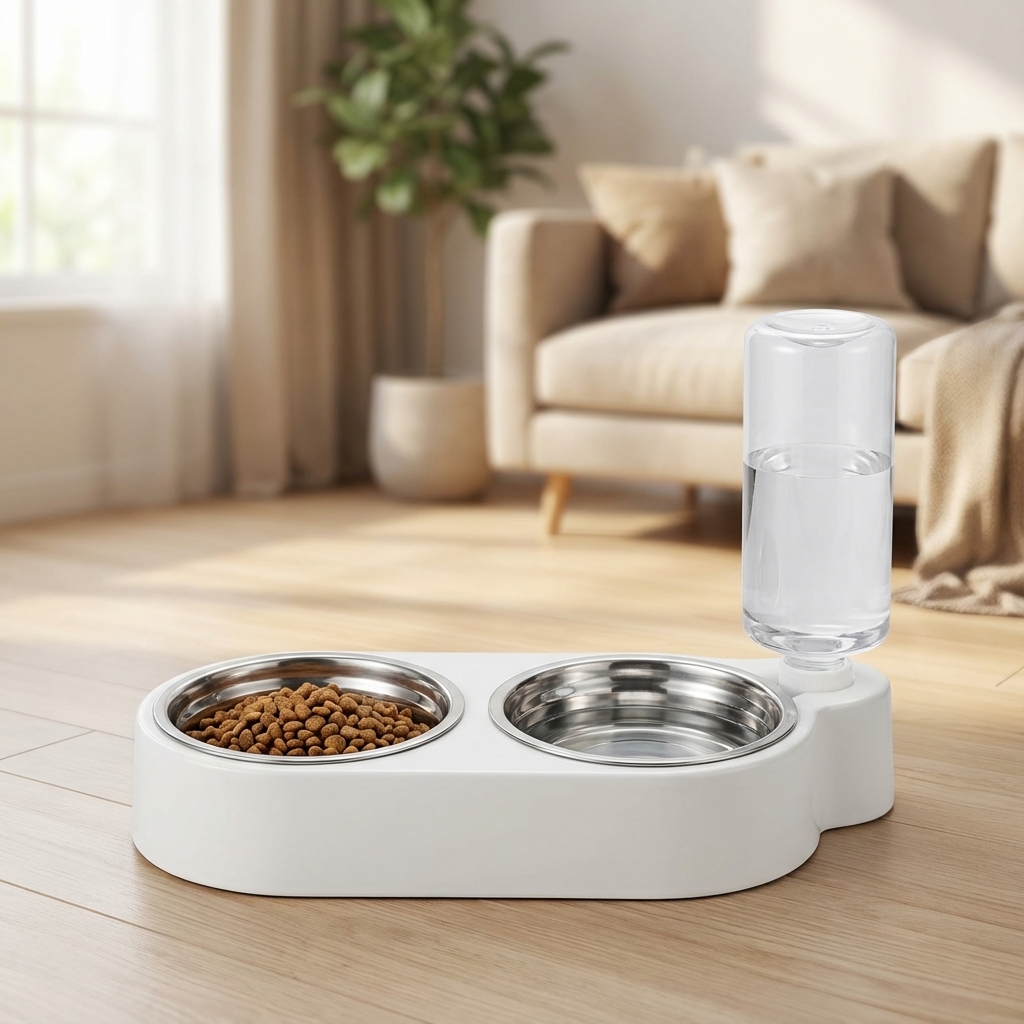 TikTok Views
—
Trend InterestCloser to 50 = very trending11
Avg PriceR$149
Suppliers18
 TikTok Views
—
Trend InterestCloser to 50 = very trending5
Avg PriceR$51
Suppliers16
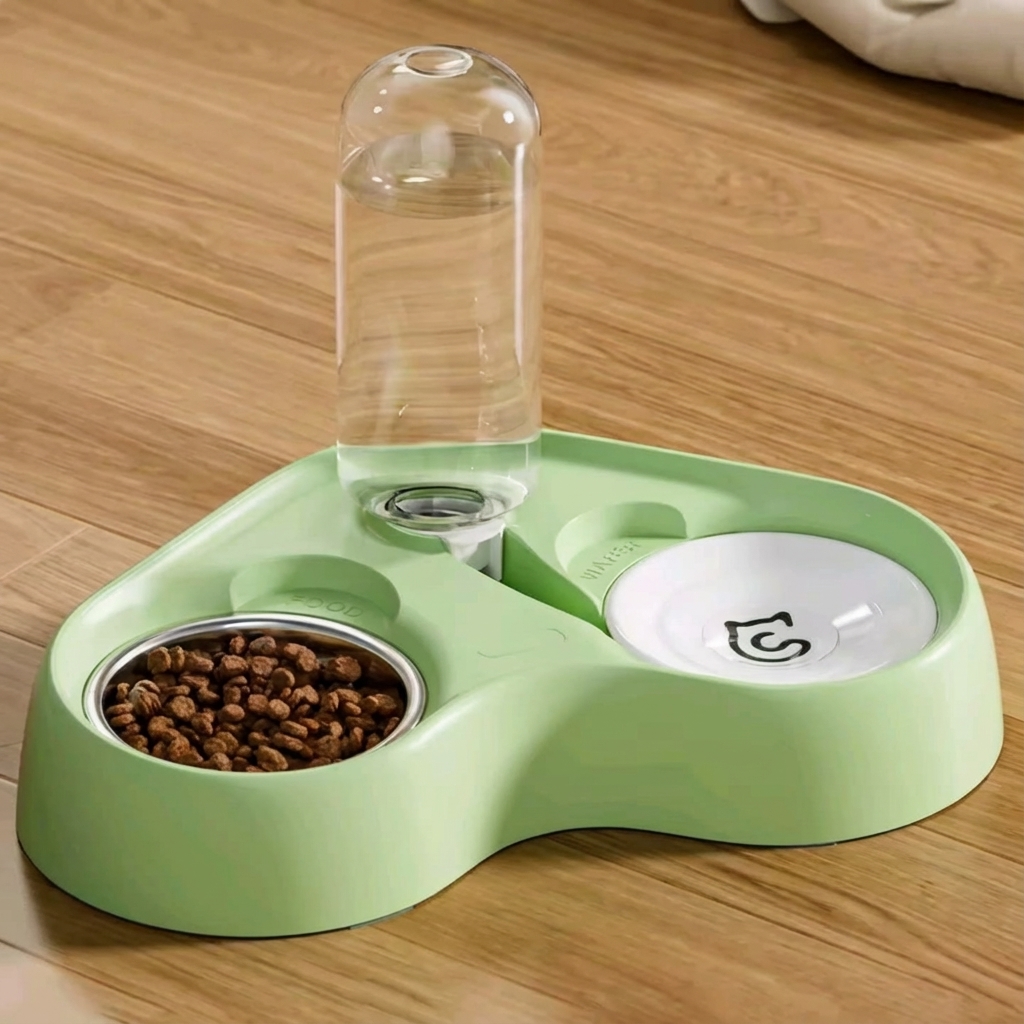
The Brazilian pet market in 2026 is set to embrace a new wave of pet feeders centered on health, convenience, and technology. As pet owners become more invested in their animals' well-being, there is a clear shift away from simple bowls towards more advanced feeding solutions. This includes the rise of automatic and smart feeders that offer programmable meal times and portion control, often managed through smartphone apps. Concurrently, ergonomic and elevated feeders are gaining popularity for their ability to improve posture and digestion, while slow feeders are being adopted to prevent rapid eating and its associated health risks. This trend is driven by a combination of lifestyle changes and increased awareness of pet health. The busy schedules of modern pet owners fuel the demand for convenient, automated solutions that ensure pets are fed consistently and correctly. The "humanization" of pets means owners are more willing to invest in technology and products that enhance their pets' quality of life, from managing weight with precise portions to reducing physical strain with ergonomic designs. Veterinarian recommendations also play a crucial role, endorsing products like elevated and slow feeders for their tangible health benefits. Material choice is another critical aspect of this evolving market, with a strong preference for hygienic and durable options. Stainless steel and ceramic are becoming the materials of choice, valued for their non-porous surfaces that are easy to clean and prevent bacterial growth, a common issue with plastic bowls. This focus on materials also ties into a desire for sustainability and aesthetics, as consumers seek long-lasting products that complement their home decor. Ultimately, the 2026 pet feeder market in Brazil reflects a holistic approach to pet care, where functionality, health, and design are all equally important.
The Pet Feeder category in Brazil presents a significant sourcing opportunity for brands ready to capitalize on growing consumer demand for pet health, convenience, and technology. The market is diversifying across several key themes, including smart, ergonomic, slow-feeding, and dual-purpose models. A consistent trend is the split between a value segment, focused on durable materials and reliable core functions, and a premium segment offering advanced features like app-controlled dispensing, HD cameras, and superior aesthetics. Common materials range from food-grade ABS plastic and 304 stainless steel to premium options like bamboo and heavyweight ceramic. A key strategy for differentiation is to offer a high-quality ceramic pet feeder bowl, and for larger quantities, sourcing from a specialized ceramic pet feeder bowls manufacturer in India for bulk orders can provide a distinct competitive advantage. Success in this market hinges on addressing common customer pain points such as instability, difficult cleaning, and inaccurate portioning, making it crucial for brands to source well-engineered products.
The market data and sourcing advantages that make this trend worth pursuing.
Typical range
$5.35–$25.99
Typical range
$27.46–$60.00
132K views • 9% engagement
Strong organic resonance
53 suppliers
MOQ flexibility & scale options
High-margin candidate for boutique retail.
Premium Suede Backpack
High-margin candidate for boutique retail.
Top-selling entry-level SKU on Amazon.
Supplier Examples
Supplier 1
MOQ 100 • 5+ yrs
Supplier 2
MOQ 100 • 5+ yrs
Supplier 3
MOQ 100 • 5+ yrs
Supplier 4
MOQ 100 • 5+ yrs
Supplier 5
MOQ 100 • 5+ yrs
Add or customize product features and we'll match you with verified suppliers.
Feature Matching
Find suppliers with matching capabilities
Quote Comparison
Compare pricing and lead times
Sampling & Production
Request samples and begin production
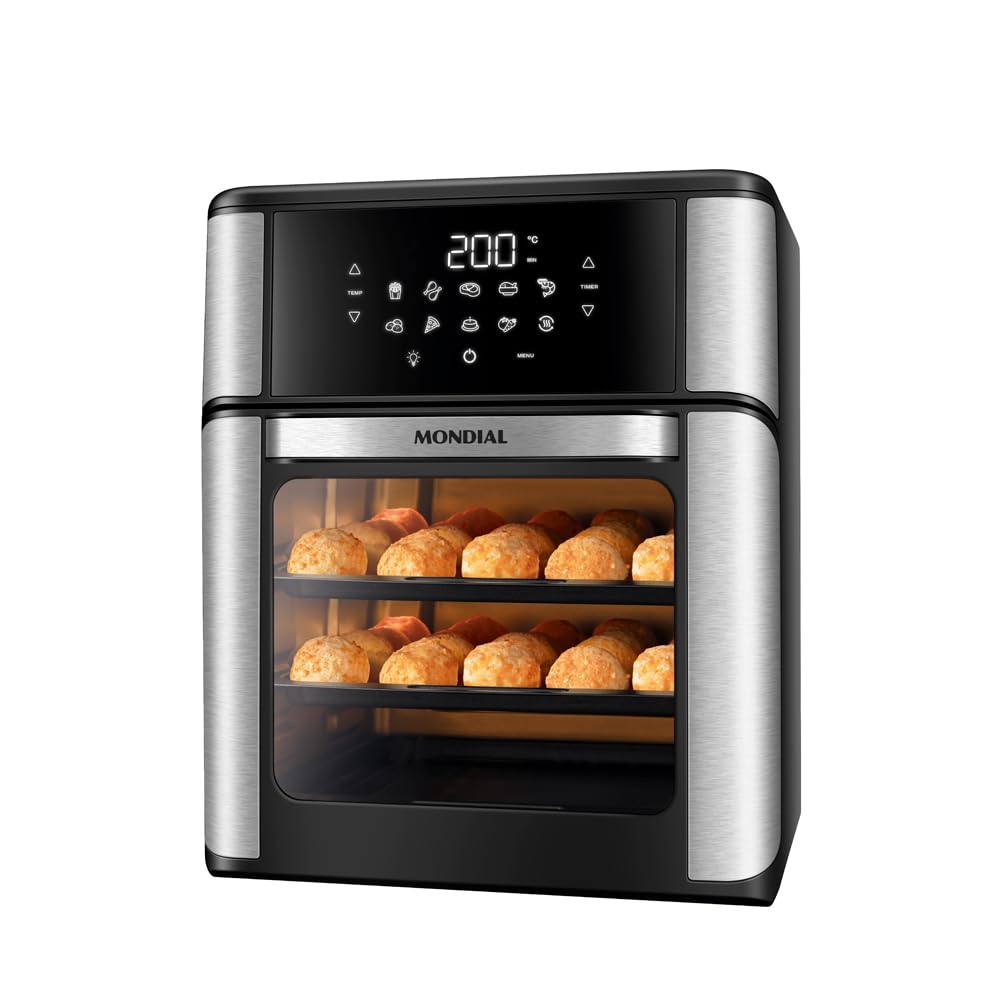
Explore Airfryer trends and sourcing opportunities
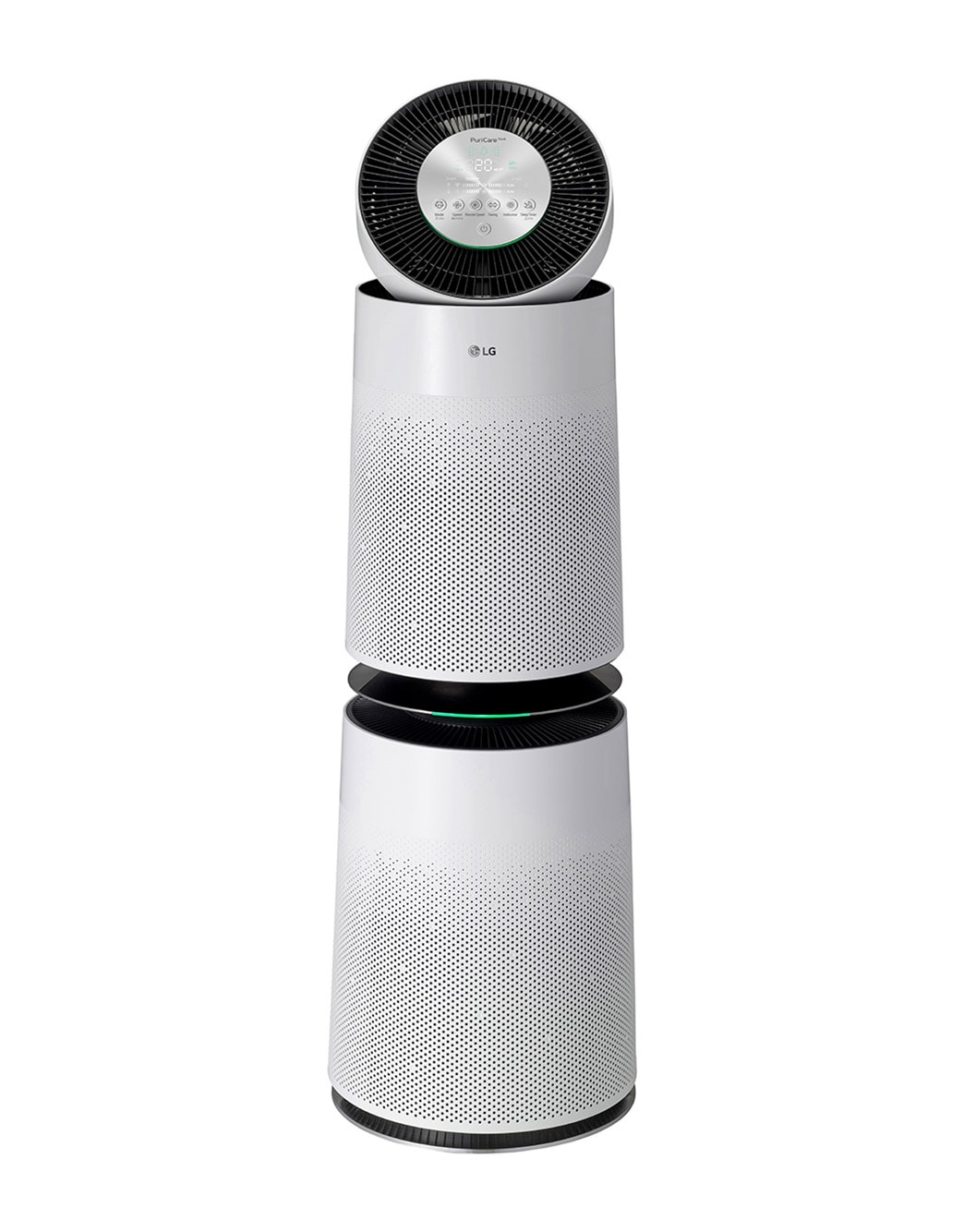
Explore Air Purifier trends and sourcing opportunities
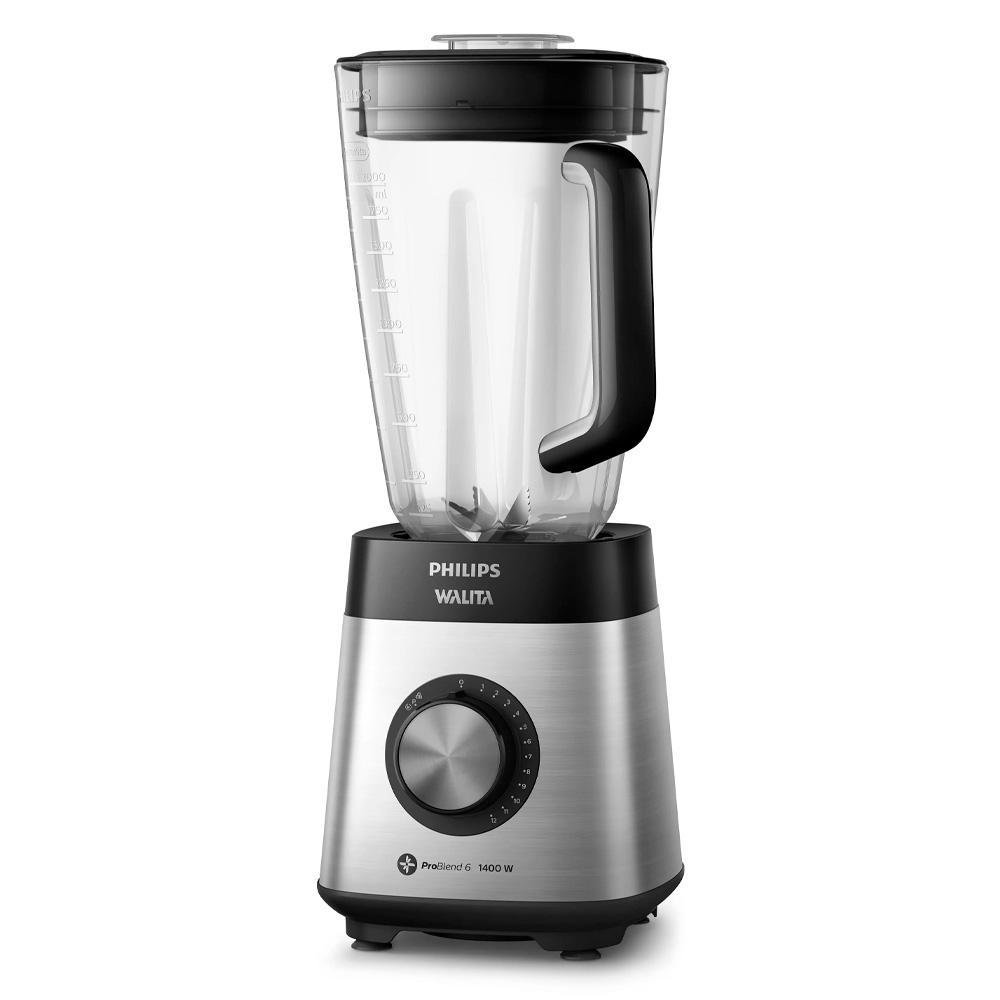
Explore Blender trends and sourcing opportunities
Explore Charging Cable trends and sourcing opportunities
Explore Digital Clocks trends and sourcing opportunities
Minimum order quantities vary by supplier tier and product complexity. Value segment suppliers typically require 500-1,000 pieces per style/color, while premium manufacturers may accept 200-300 pieces for higher-value orders. Customization options like private labeling often increase MOQ requirements.
Common materials include cotton, polyester, modal, bamboo viscose, and various blends. Performance variants often incorporate spandex/elastane for stretch, while premium options may use pima cotton or Tencel. Material choice significantly impacts both FOB pricing and end-consumer appeal.
Request product samples before bulk orders, verify supplier certifications (ISO, BSCI, OEKO-TEX), check factory audit reports, and review trade history on B2B platforms. Our verified supplier ratings consider response rates, dispute history, and quality scores from verified transactions.
Standard production lead times range from 25-45 days depending on order complexity and supplier capacity. Rush orders may be possible at premium rates. Add 15-30 days for sea freight shipping to US ports, or 5-7 days for air freight on urgent orders.