
 TikTok Views
151.3K
 Trend InterestCloser to 50 = very trending
6
 Avg Price
R$1222
 Suppliers
15
 TikTok Views
—
Trend InterestCloser to 50 = very trending11
Avg PriceR$1075
Suppliers16
 TikTok Views
—
Trend InterestCloser to 50 = very trending42
Avg PriceR$1436
Suppliers12
 IG Views
155.6K
Trend InterestCloser to 50 = very trending3
Avg PriceR$414
Suppliers17
 TikTok Views
—
Trend InterestCloser to 50 = very trending40
Avg PriceR$858
Suppliers7
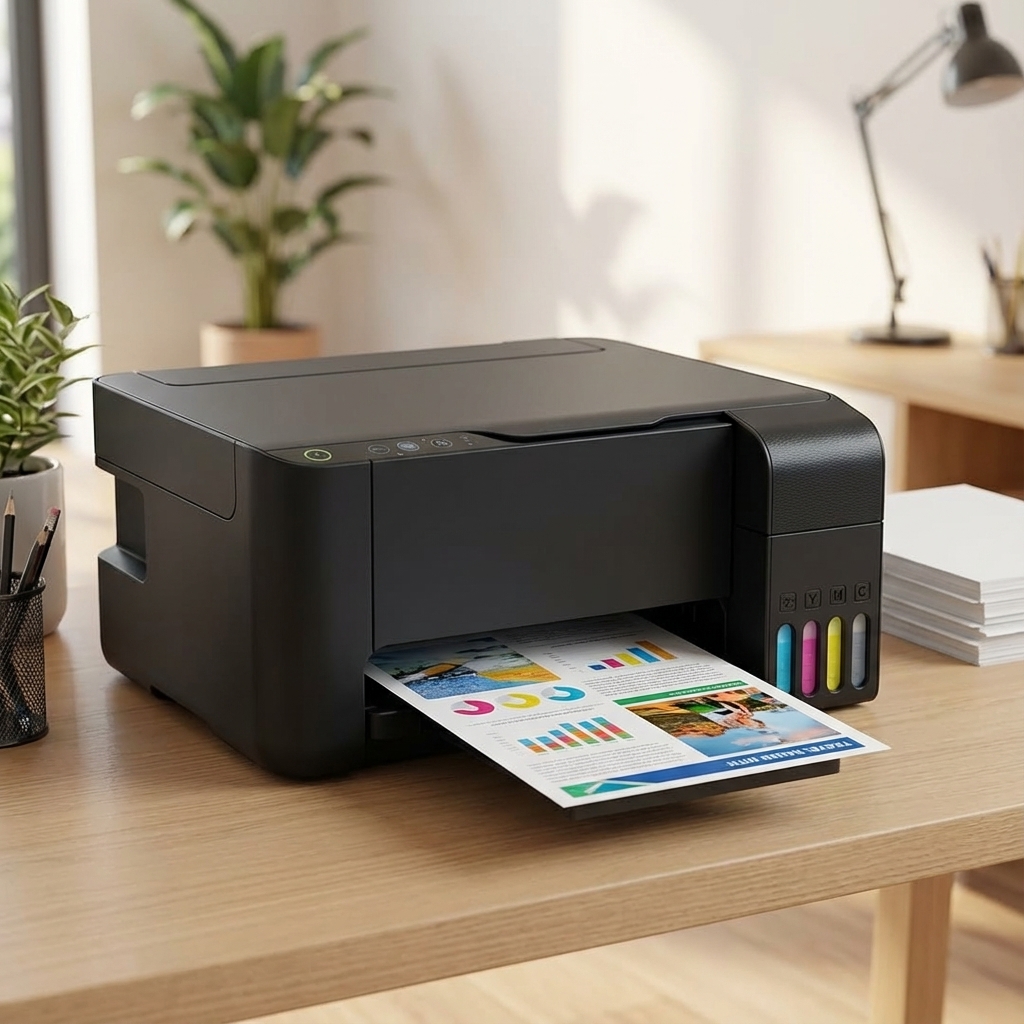
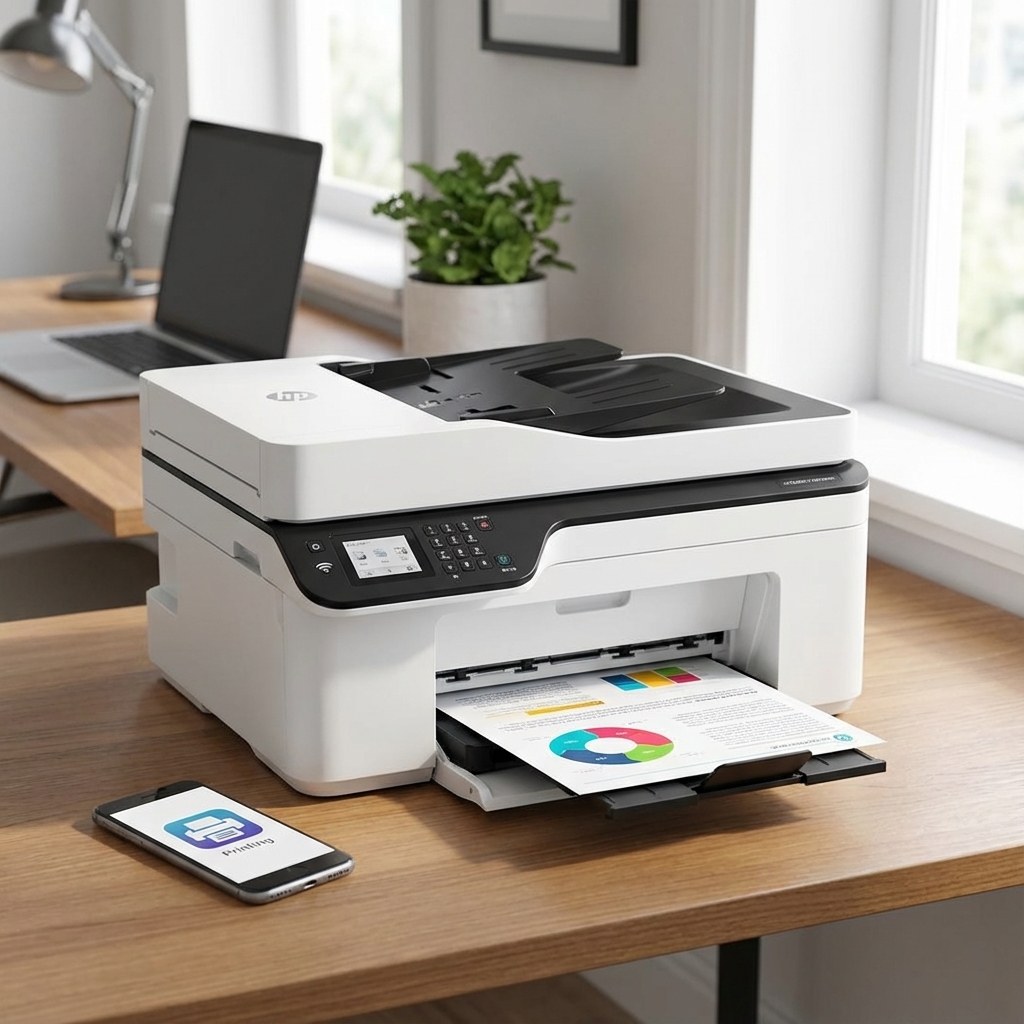
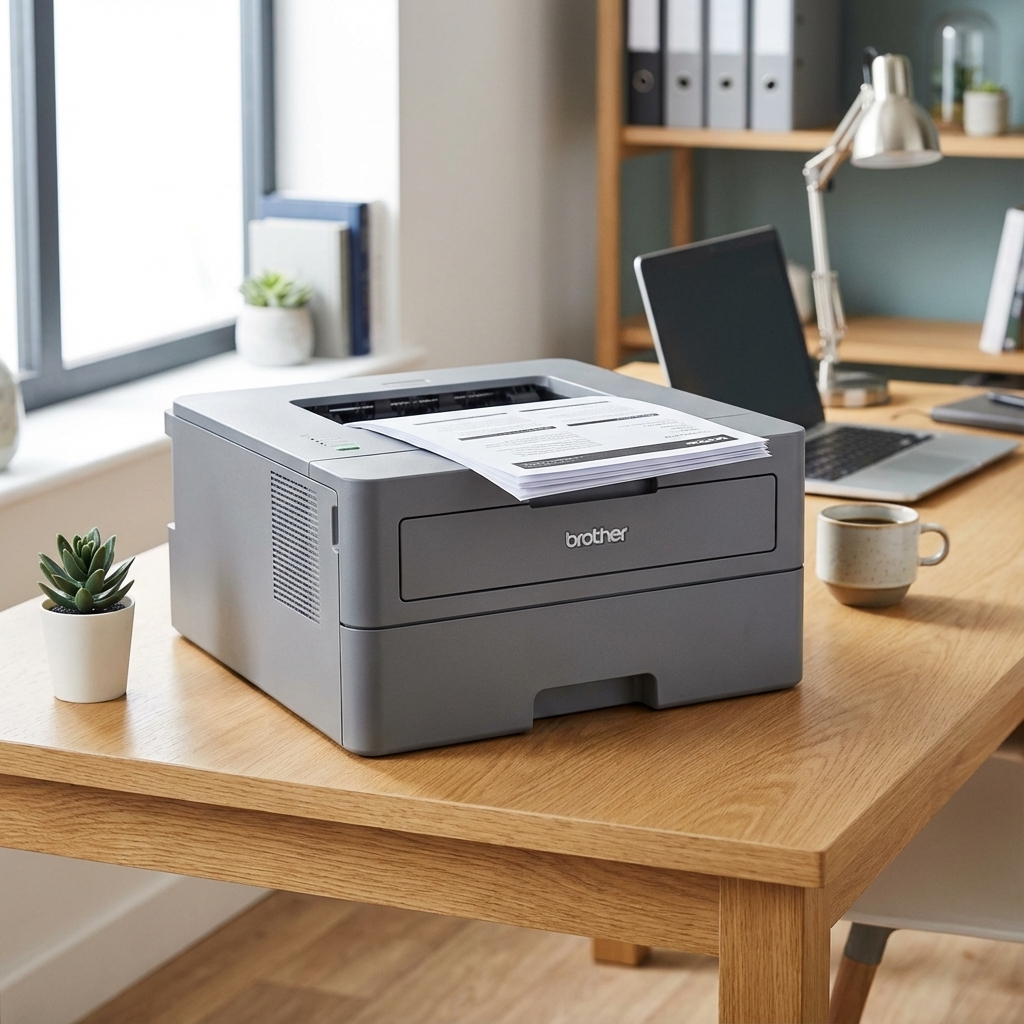
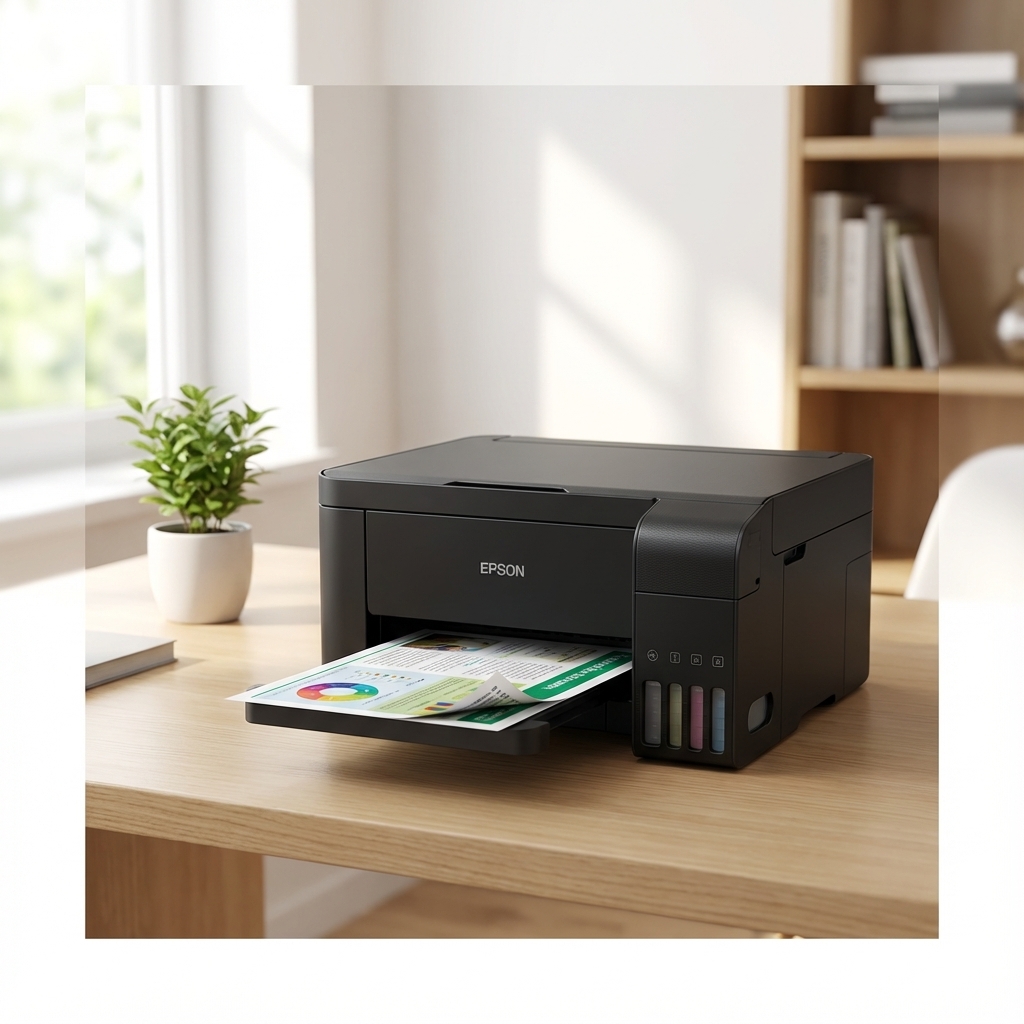
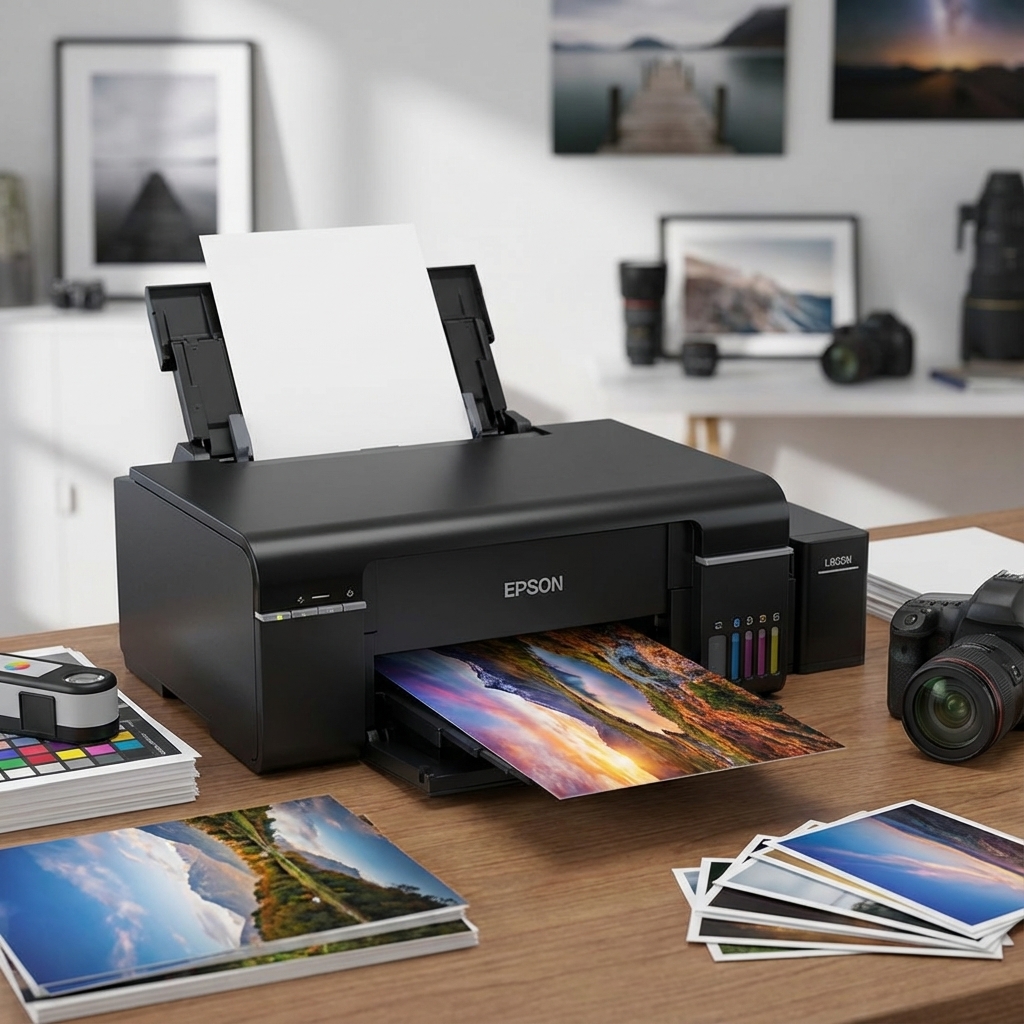
The Brazilian printer market in 2026 is dominated by a strong consumer preference for cost-effectiveness and versatility. The most significant trend is the widespread adoption of multifunction ink tank printers, with models from Epson's EcoTank and HP's Smart Tank series leading the sales charts. Consumers are prioritizing a low cost per page and high ink yield, making these printers the top choice for home, student, and small office use. Wireless connectivity is no longer a luxury but a standard feature, with users expecting seamless printing from smartphones and other devices via Wi-Fi and dedicated apps. While ink tank models are prevalent, laser printers maintain a solid footing in office environments that require high-speed, high-volume monochrome document printing. Additionally, a niche but growing interest in specialty photo printers and compact models for occasional home use indicates a diversifying market that caters to specific user needs.
The Brazilian printer market offers diverse opportunities for brands that can solve key consumer frustrations. Across all segments—from cost-effective ink tank and high-speed laser printers for home offices to compact thermal and specialty photo printers for creative users—the demand is for reliable, user-friendly devices. Success hinges on delivering a superior out-of-the-box experience by addressing common issues like complex Wi-Fi setup, non-localized apps, and the high cost of consumables. Brands should focus on sourcing printers with seamless connectivity, intuitive software, and complete starter bundles including all necessary cables and full-yield ink or toner. Differentiating between value models (focused on core functionality) and premium versions (with advanced features like A3+ printing, Automatic Document Feeders, or high-resolution photo output) is crucial. For businesses targeting B2B clients, positioning your product as a reliable wholesale printer solution with strong warranty support and guaranteed fiscal invoices (Nota Fiscal) is a winning strategy.
The market data and sourcing advantages that make this trend worth pursuing.
Typical range
$5.35–$25.99
Typical range
$27.46–$60.00
132K views • 9% engagement
Strong organic resonance
53 suppliers
MOQ flexibility & scale options
High-margin candidate for boutique retail.
Premium Suede Backpack
High-margin candidate for boutique retail.
Top-selling entry-level SKU on Amazon.
Supplier Examples
Supplier 1
MOQ 100 • 5+ yrs
Supplier 2
MOQ 100 • 5+ yrs
Supplier 3
MOQ 100 • 5+ yrs
Supplier 4
MOQ 100 • 5+ yrs
Supplier 5
MOQ 100 • 5+ yrs
Add or customize product features and we'll match you with verified suppliers.
Feature Matching
Find suppliers with matching capabilities
Quote Comparison
Compare pricing and lead times
Sampling & Production
Request samples and begin production
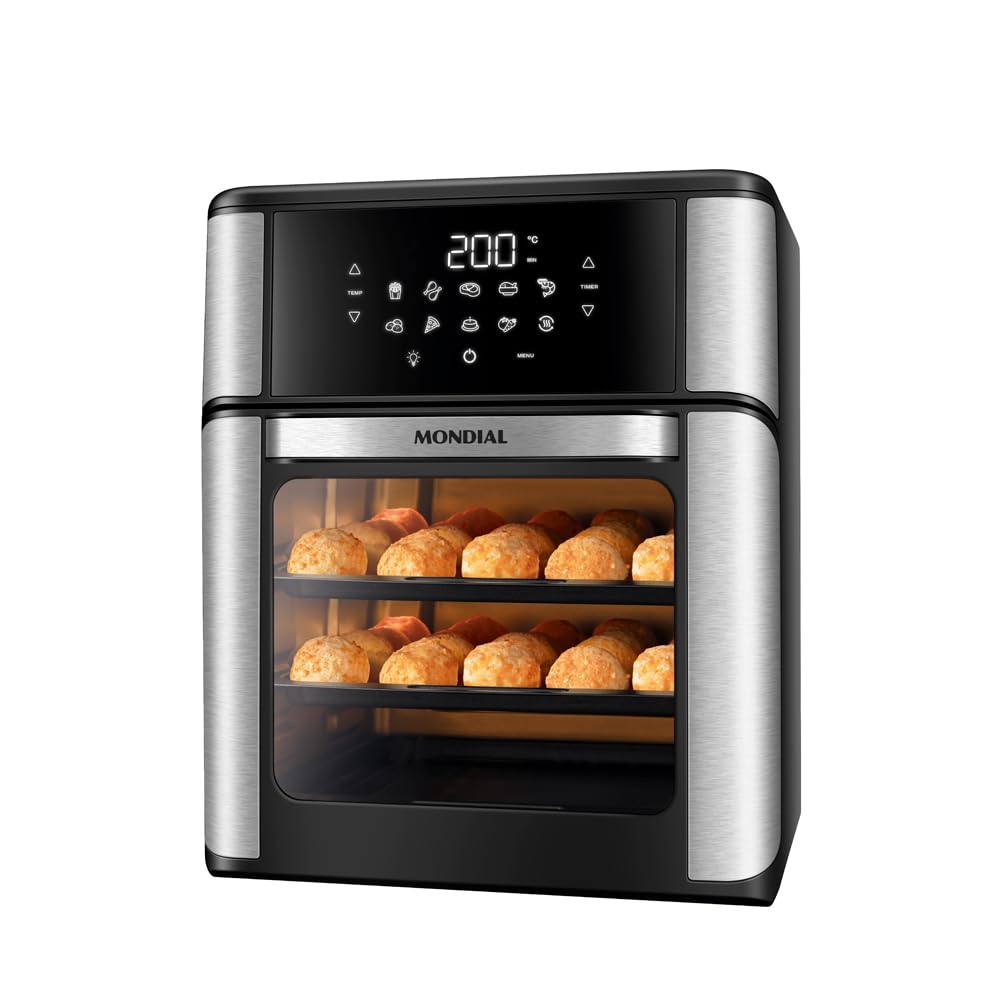
Explore Airfryer trends and sourcing opportunities
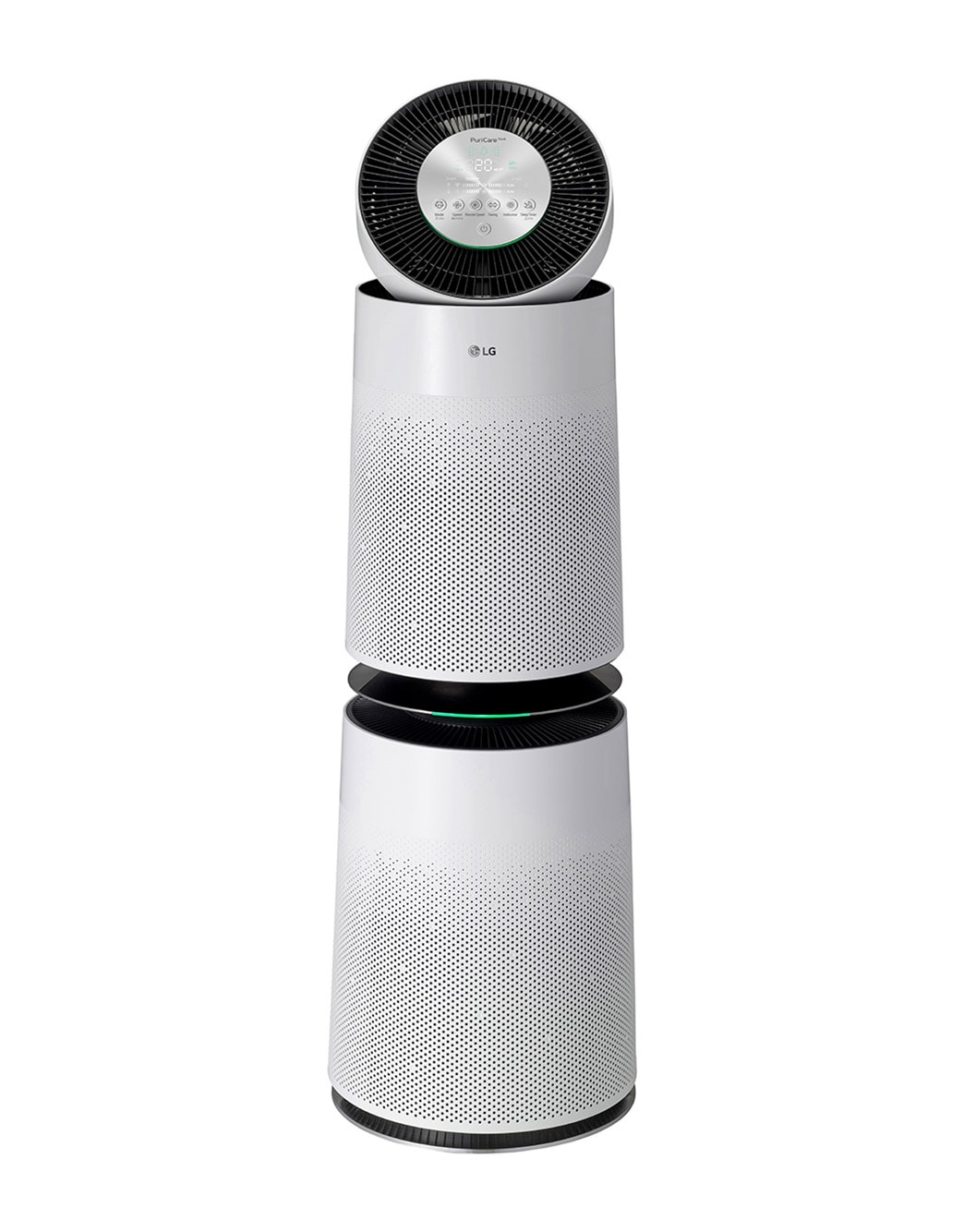
Explore Air Purifier trends and sourcing opportunities
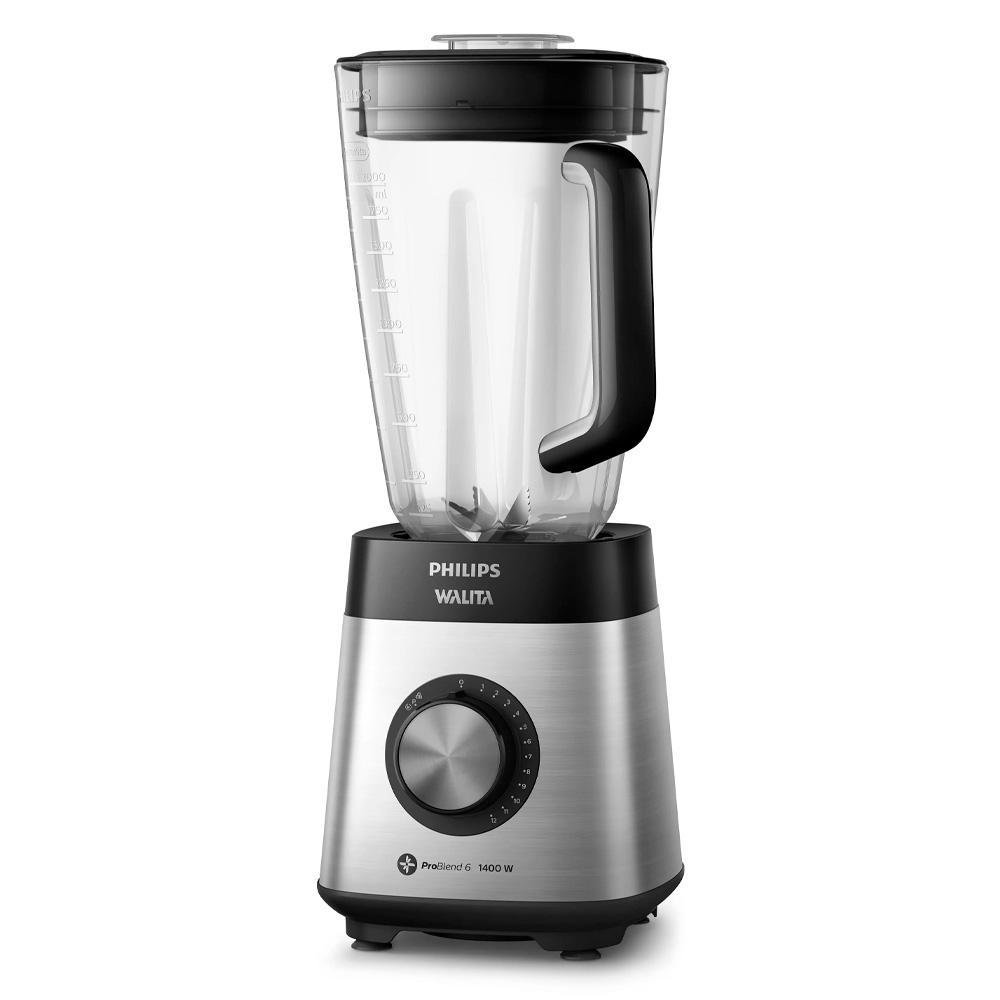
Explore Blender trends and sourcing opportunities
Explore Charging Cable trends and sourcing opportunities
Explore Digital Clocks trends and sourcing opportunities
Minimum order quantities vary by supplier tier and product complexity. Value segment suppliers typically require 500-1,000 pieces per style/color, while premium manufacturers may accept 200-300 pieces for higher-value orders. Customization options like private labeling often increase MOQ requirements.
Common materials include cotton, polyester, modal, bamboo viscose, and various blends. Performance variants often incorporate spandex/elastane for stretch, while premium options may use pima cotton or Tencel. Material choice significantly impacts both FOB pricing and end-consumer appeal.
Request product samples before bulk orders, verify supplier certifications (ISO, BSCI, OEKO-TEX), check factory audit reports, and review trade history on B2B platforms. Our verified supplier ratings consider response rates, dispute history, and quality scores from verified transactions.
Standard production lead times range from 25-45 days depending on order complexity and supplier capacity. Rush orders may be possible at premium rates. Add 15-30 days for sea freight shipping to US ports, or 5-7 days for air freight on urgent orders.