
 TikTok Views
14.2M
 Trend InterestCloser to 50 = very trending
8
 Avg Price
R$164
 Suppliers
16
 IG Views
1.1M
Trend InterestCloser to 50 = very trending75
Avg PriceR$210
Suppliers20
 TikTok Views
—
Trend InterestCloser to 50 = very trending34
Avg PriceR$426
Suppliers18
 Social Views
454.9K
Trend InterestCloser to 50 = very trending11
Avg PriceR$1043
Suppliers18
 Social Views
562
Trend InterestCloser to 50 = very trending12
Avg PriceR$33
Suppliers19
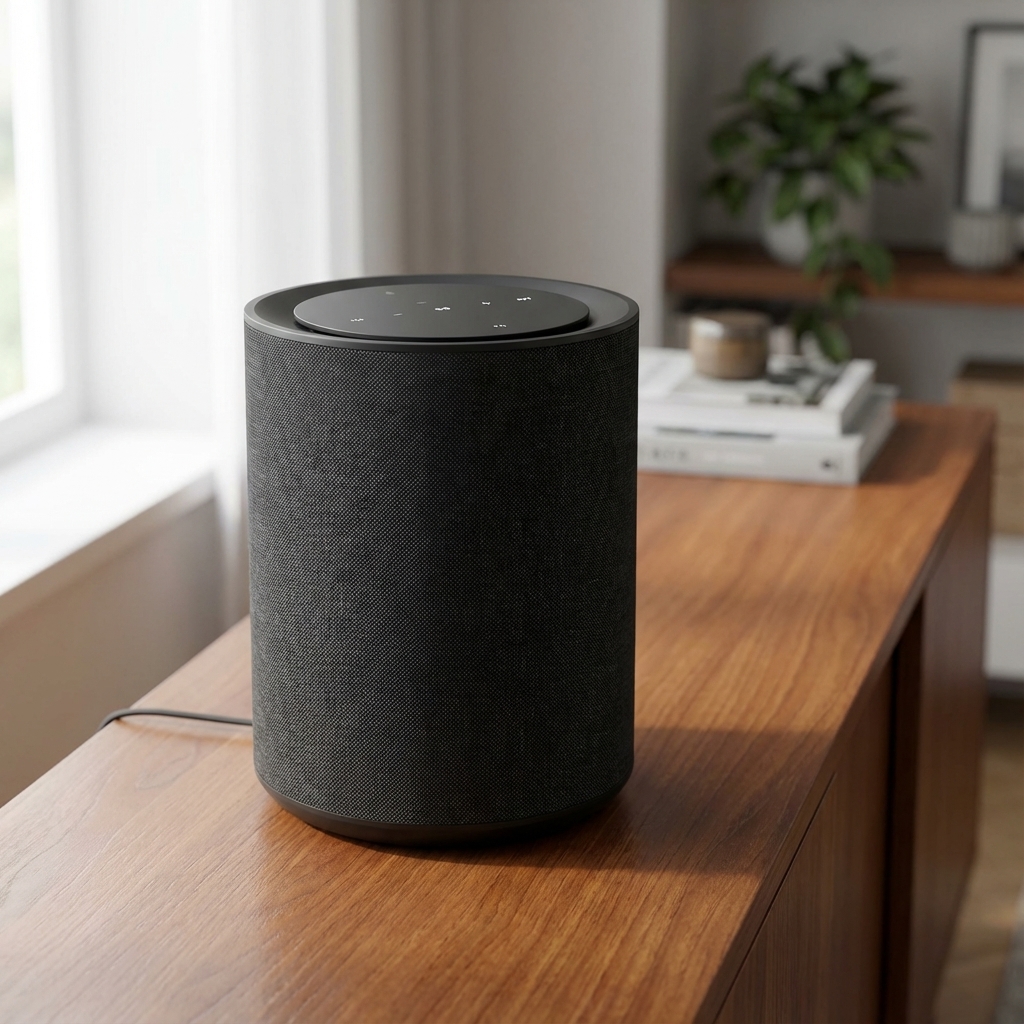
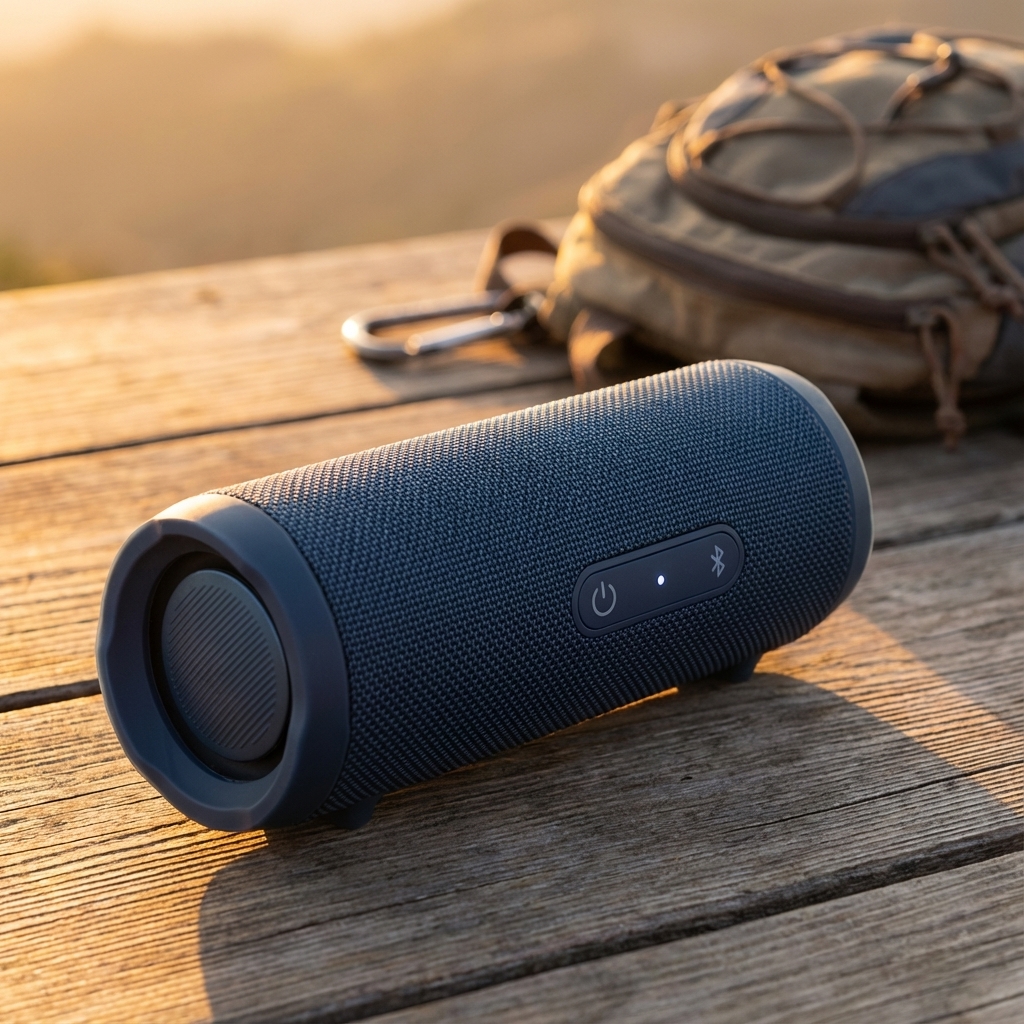
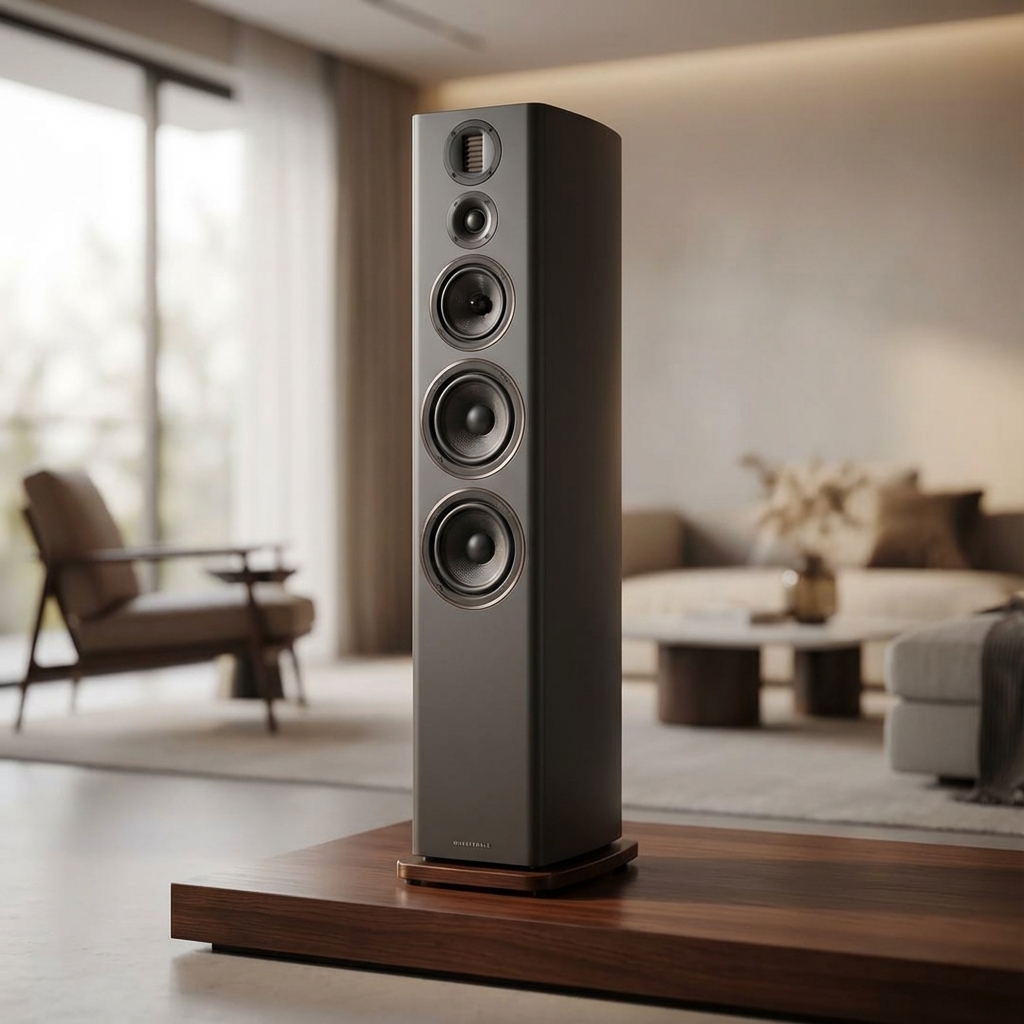
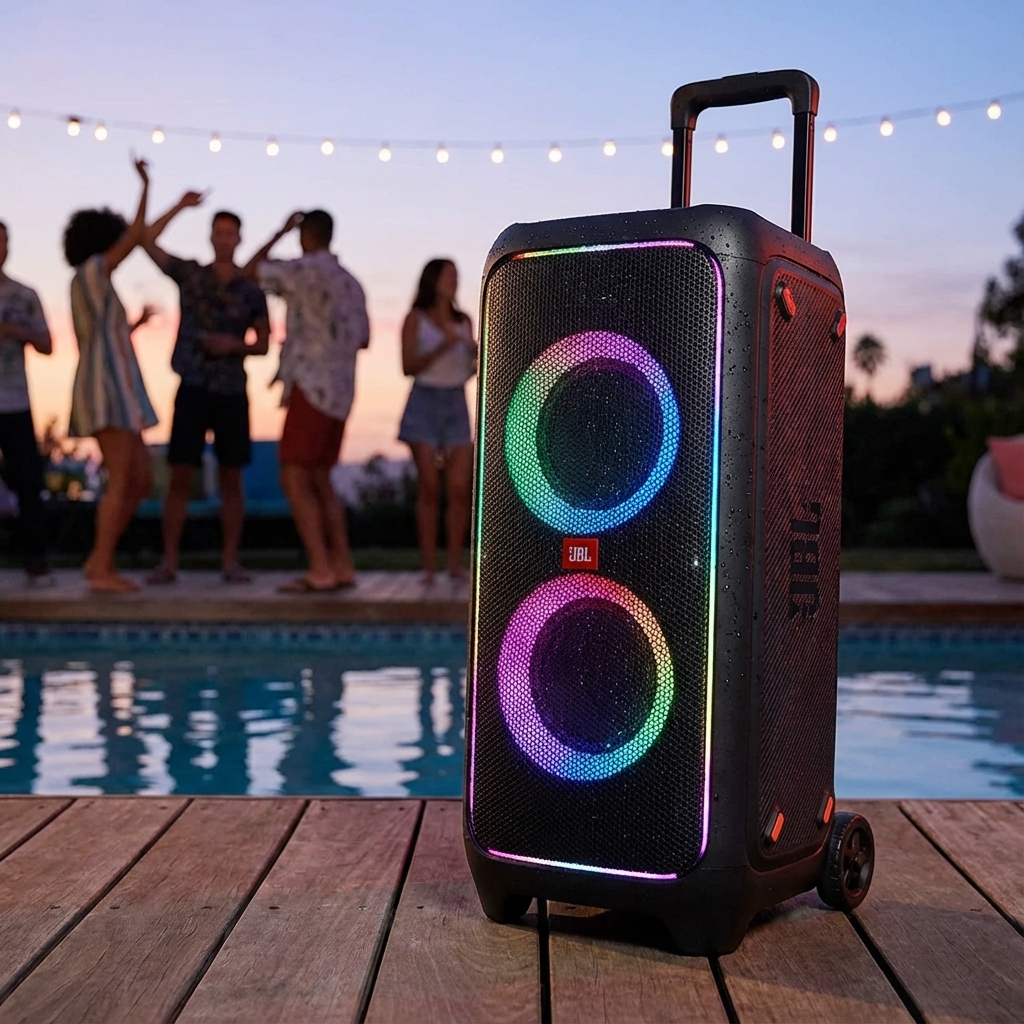
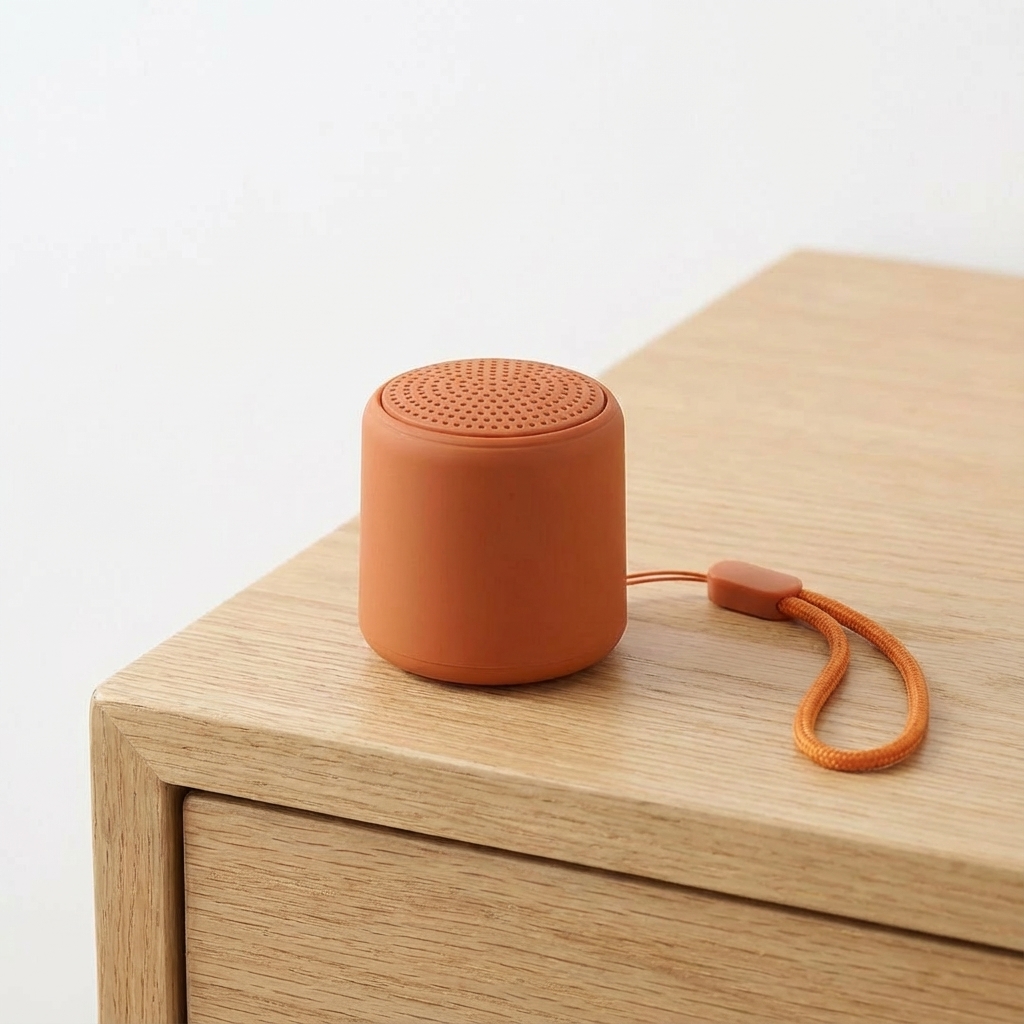
The Brazilian speaker market in 2026 is defined by a significant shift towards enhanced intelligence. The demand for smart speakers is surging as consumers embrace connected home ecosystems. Integration with virtual assistants like Amazon Alexa and Google Assistant is a key driver, allowing users to seamlessly control smart home devices, stream music, and access information through voice commands. This trend reflects a growing preference for convenience and the creation of a more interconnected living environment. Portability remains a dominant trend, catering to the active Brazilian lifestyle. The popularity of portable Bluetooth speakers is unwavering, with a strong consumer focus on features that enhance on-the-go use. Durability, particularly waterproof designs, and extended battery life are crucial selling points. This category is further diversified by the rise of ultra-compact mini speakers, which offer a compelling balance of portability and quality sound for everyday convenience, from personal listening to small group gatherings. Consumers are increasingly seeking more immersive and high-quality audio experiences, moving beyond basic sound. This has led to a burgeoning interest in high-fidelity audio, with speakers and soundbars that deliver cinematic sound, deep bass, and crystal-clear clarity becoming more popular. Complementing this is the rise of powerful party speakers, which combine high-volume output with features like integrated light shows, catering to Brazil's social and festive culture by providing an all-in-one entertainment solution for large gatherings.
The speaker category in Brazil is a dynamic and high-demand market, presenting significant opportunities across several key archetypes including portable, party box, high-fidelity, and smart home speakers. A clear trend across all segments is the division between a value-focused market, where reliability and cost-effectiveness are paramount, and a premium market that demands superior audio quality, advanced features, and a high-end user experience. Success hinges on addressing common consumer pain points like poor battery life, exaggerated power ratings, and inconsistent quality. By partnering with a reliable bluetooth speaker manufacturer, brands can source products with verified specifications, durable materials like reinforced ABS or MDF, and desirable features such as TWS pairing, RGB lighting, and karaoke inputs. For smart speakers, deep localization, including Brazilian Portuguese firmware and Type N power adapters, is critical for market acceptance. Brands that act quickly to source a quality bluetooth speaker wholesale catalog can effectively build trust and capture significant market share.
The market data and sourcing advantages that make this trend worth pursuing.
Typical range
$5.35–$25.99
Typical range
$27.46–$60.00
132K views • 9% engagement
Strong organic resonance
53 suppliers
MOQ flexibility & scale options
High-margin candidate for boutique retail.
Premium Suede Backpack
High-margin candidate for boutique retail.
Top-selling entry-level SKU on Amazon.
Supplier Examples
Supplier 1
MOQ 100 • 5+ yrs
Supplier 2
MOQ 100 • 5+ yrs
Supplier 3
MOQ 100 • 5+ yrs
Supplier 4
MOQ 100 • 5+ yrs
Supplier 5
MOQ 100 • 5+ yrs
Add or customize product features and we'll match you with verified suppliers.
Feature Matching
Find suppliers with matching capabilities
Quote Comparison
Compare pricing and lead times
Sampling & Production
Request samples and begin production
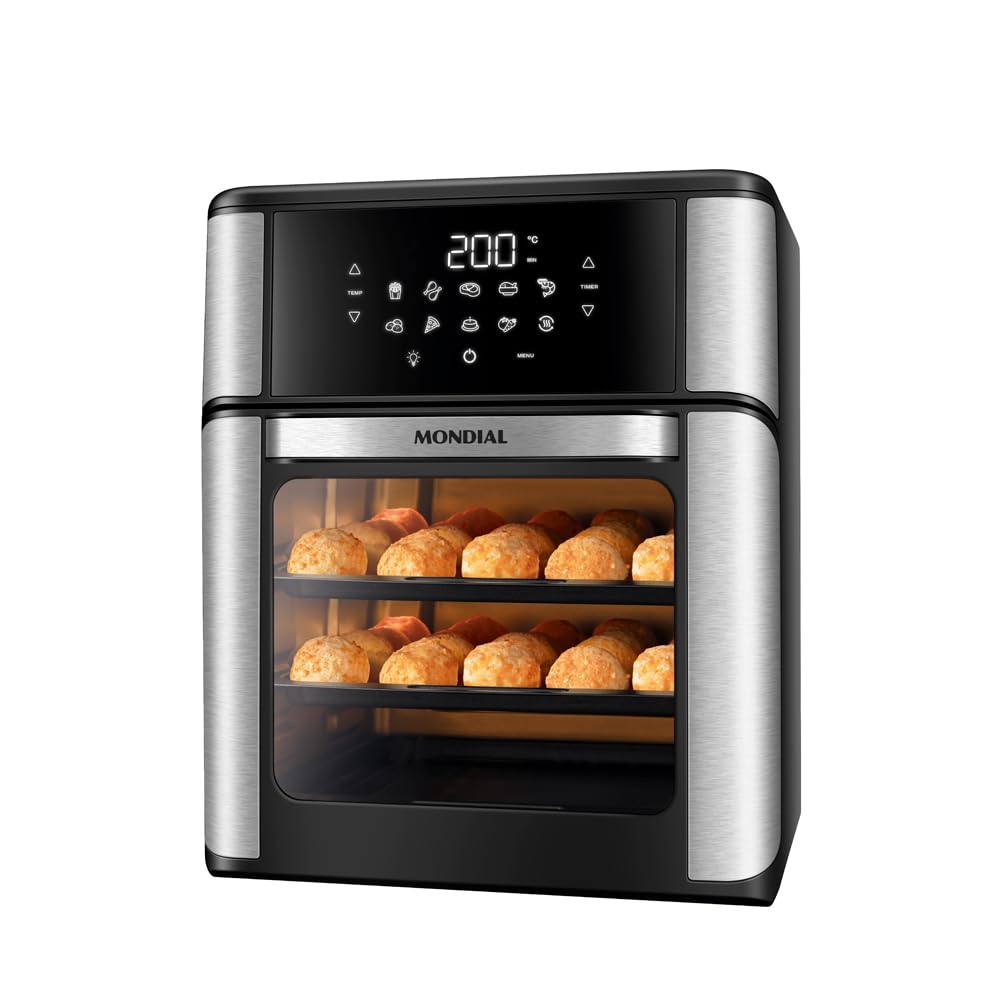
Explore Airfryer trends and sourcing opportunities
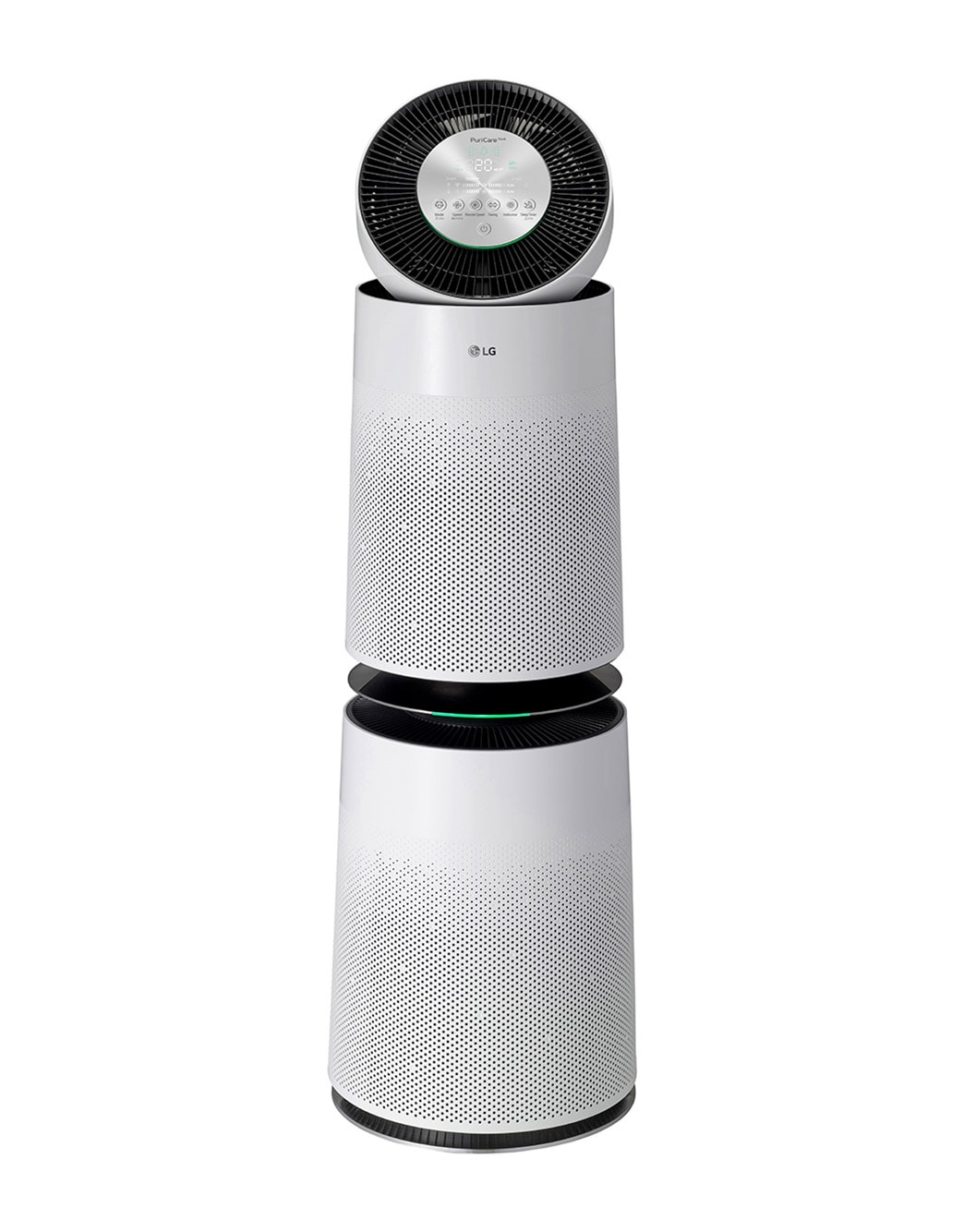
Explore Air Purifier trends and sourcing opportunities
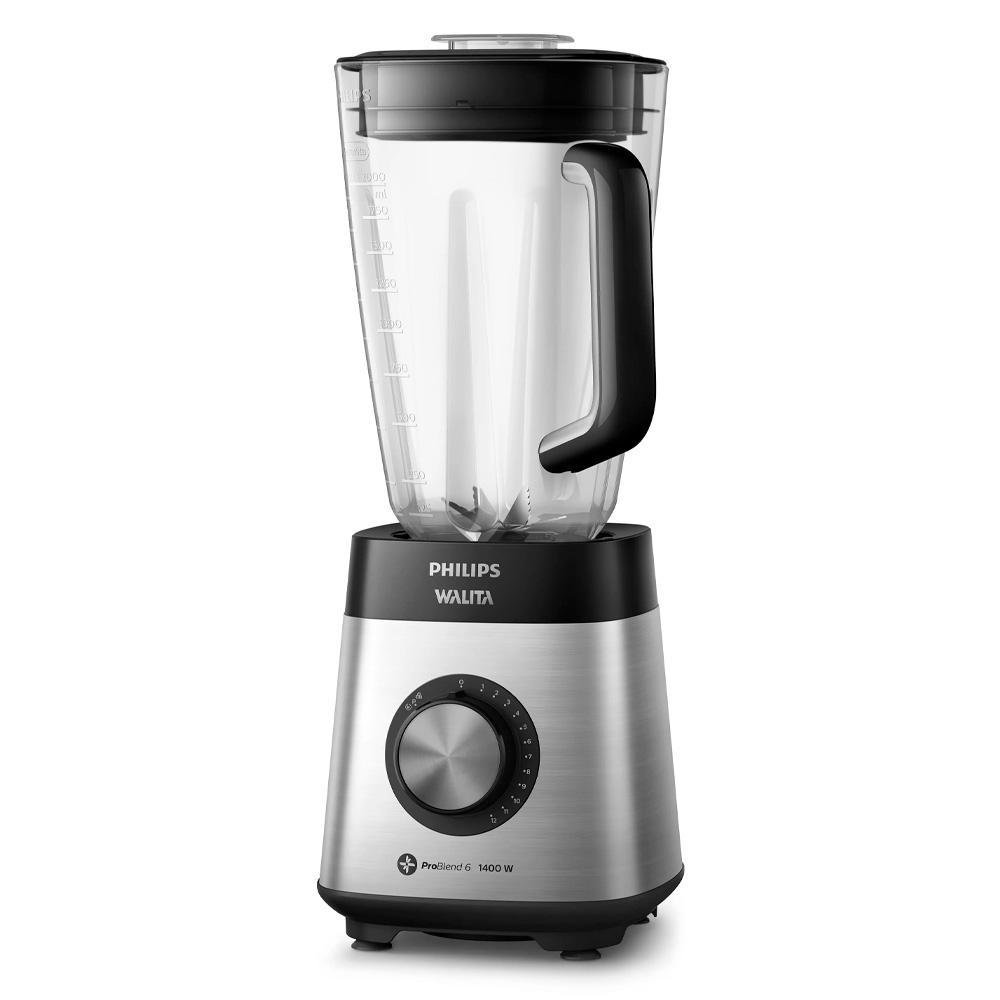
Explore Blender trends and sourcing opportunities
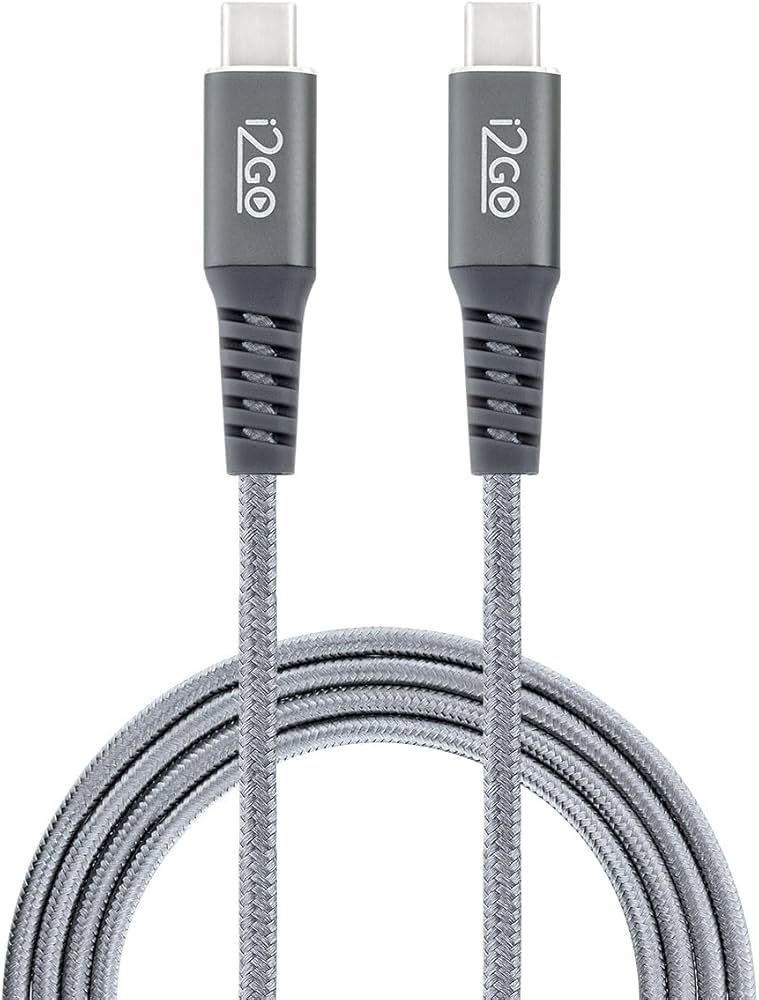
Explore Charging Cable trends and sourcing opportunities
Explore Digital Clocks trends and sourcing opportunities
Minimum order quantities vary by supplier tier and product complexity. Value segment suppliers typically require 500-1,000 pieces per style/color, while premium manufacturers may accept 200-300 pieces for higher-value orders. Customization options like private labeling often increase MOQ requirements.
Common materials include cotton, polyester, modal, bamboo viscose, and various blends. Performance variants often incorporate spandex/elastane for stretch, while premium options may use pima cotton or Tencel. Material choice significantly impacts both FOB pricing and end-consumer appeal.
Request product samples before bulk orders, verify supplier certifications (ISO, BSCI, OEKO-TEX), check factory audit reports, and review trade history on B2B platforms. Our verified supplier ratings consider response rates, dispute history, and quality scores from verified transactions.
Standard production lead times range from 25-45 days depending on order complexity and supplier capacity. Rush orders may be possible at premium rates. Add 15-30 days for sea freight shipping to US ports, or 5-7 days for air freight on urgent orders.