Cosmetics · US
Foundation trends
The foundation landscape in the US for the upcoming 2026 season is defined by a "skin-first, makeup-second" philosophy, where the line between skincare and cosmetics continues to blur. The overarching trend is a move away from heavy, masking coverage towards breathable, lightweight formulas that enhance the skin's natural appearance. Expect to see a surge in skincare-infused foundations, often described as serum-infused foundations, packed with beneficial ingredients like hyaluronic acid, peptides, and niacinamide that hydrate and improve skin health over time. Finishes are paramount, with a focus on creating a radiant, luminous, and dewy glow that looks like it comes from within. This "skinimalism" approach favors sheer to medium coverage that perfects and blurs rather than conceals. While glowing skin is dominant, a new, more refined soft matte foundation is also gaining traction, offering a velvety, non-cakey alternative for a polished look. In harmony with these natural skin trends, the foundation lipstick trend sees a move towards softer, blurred lip looks or balanced, confident lips that complement the understated complexion, creating a cohesive and modern aesthetic.
Themes
5
Market
US
Trend observations
53
US
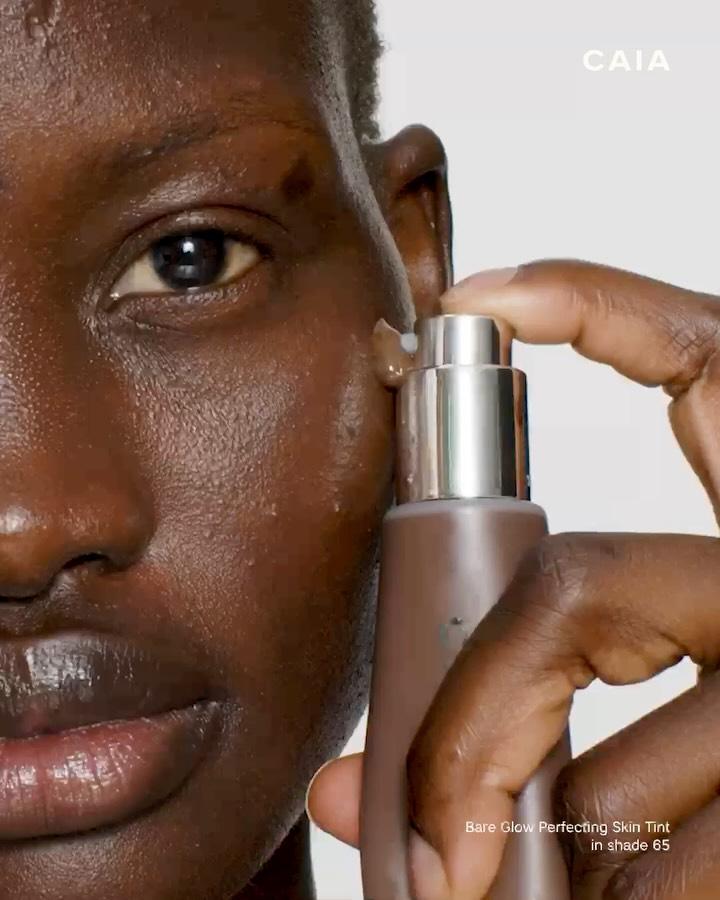
Barely-There Skin Tint
- Barely-there skin tints are the ultimate product for the minimalist "skinimalism" trend, offering the sheerest touch of coverage. - These products focus on evening out skin tone and providing a fresh, hydrated look rather than covering blemishes. - The finish is exceptionally natural and skin-like, giving the appearance of wearing no makeup at all. - They include tinted moisturizers and ultra-lightweight fluid foundations.
Explore →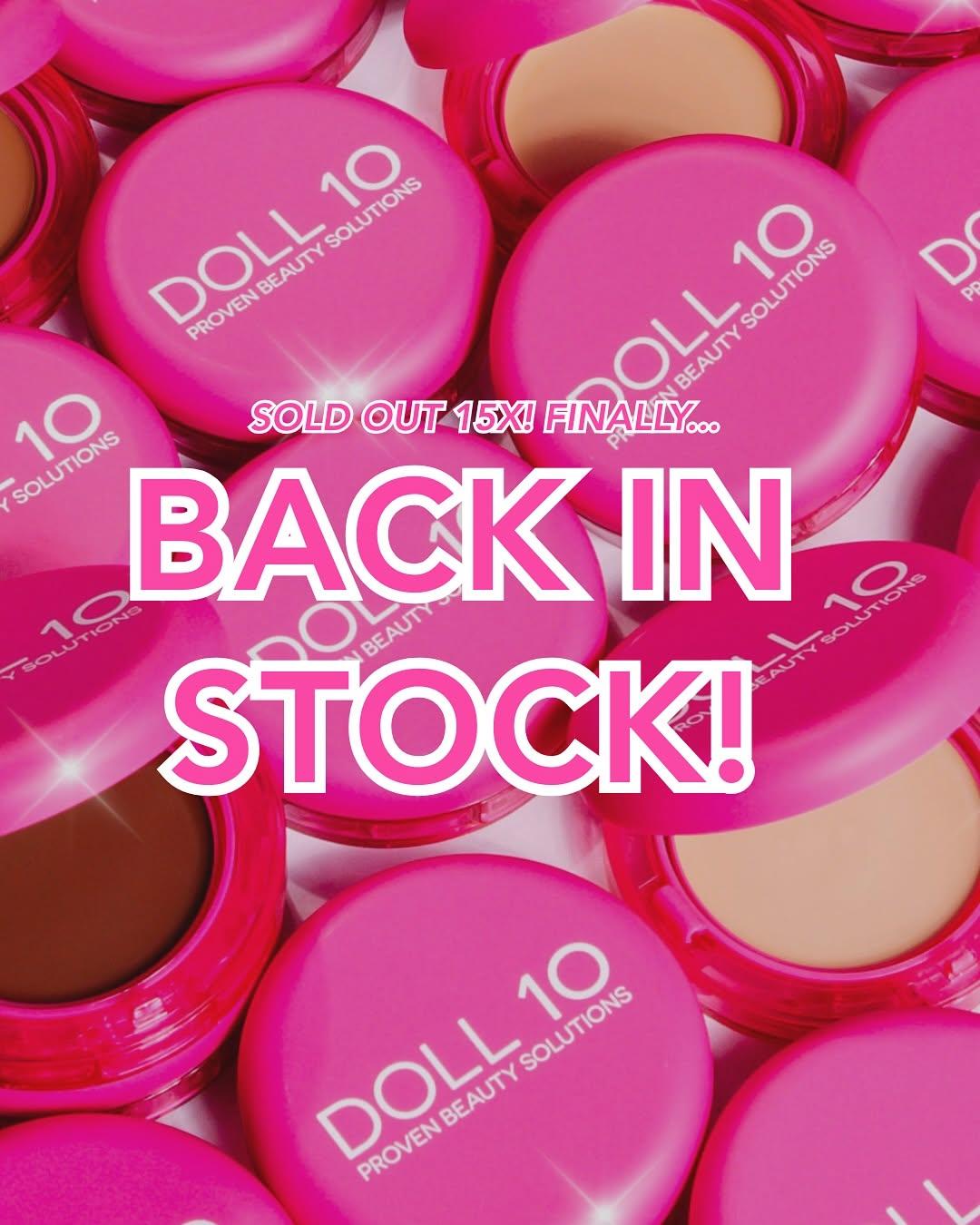
US
Blurring Balm Foundation
- Blurring balm foundations are innovative, solid or balm-like formulas designed to create a soft-focus effect on the skin. - These products work to minimize the appearance of pores, fine lines, and texture without settling into them. - They typically provide a natural-matte finish and can be used as a primer, to set makeup, or on their own for light, perfecting coverage. - Many are formulated with skin-friendly ingredients that offer a comfortable, non-drying feel.
Explore →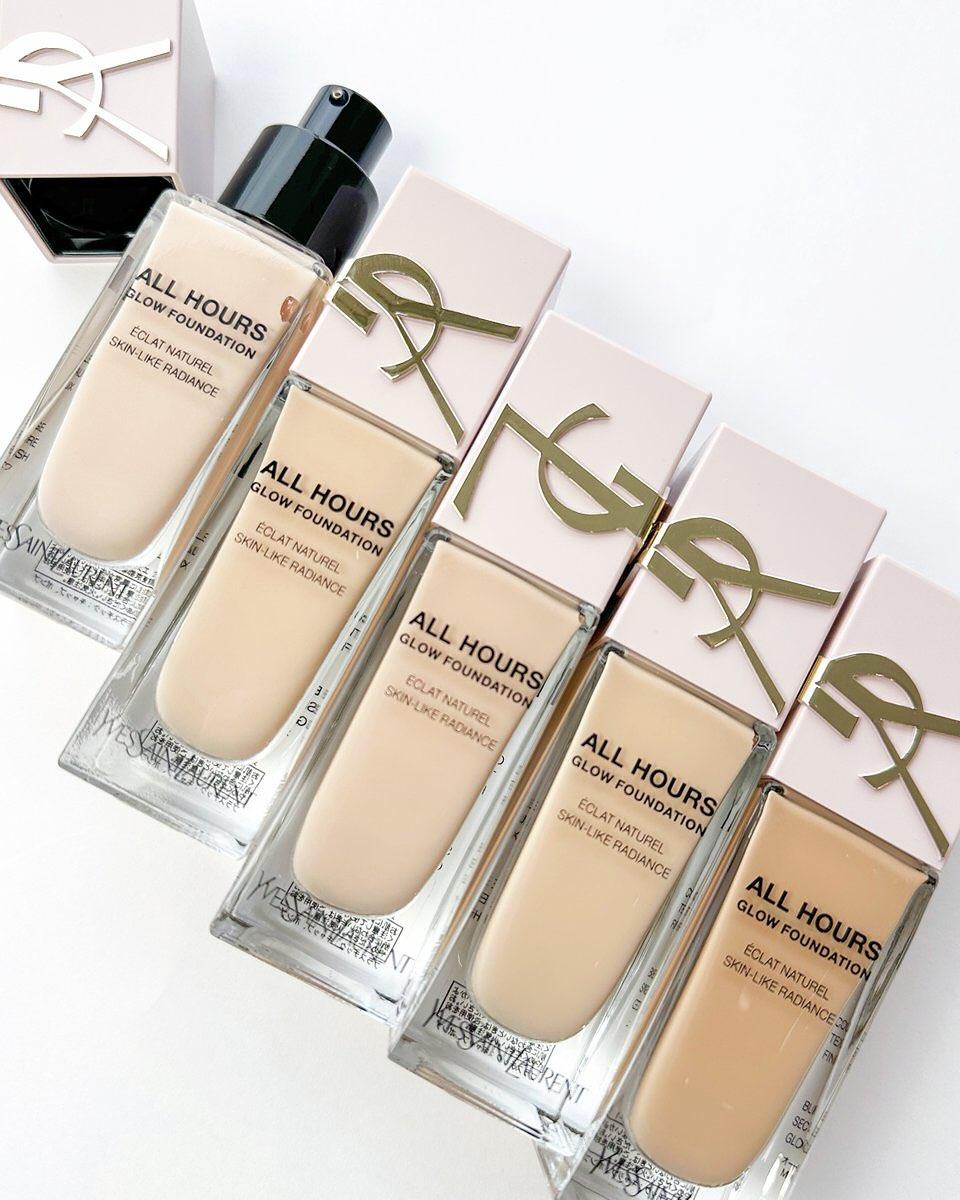
US
Radiant Finish Foundation
- This trend focuses on achieving a luminous, healthy-looking complexion that appears naturally glowing. - Foundations often have a lightweight, buildable formula that evens out skin tone while allowing the skin's natural texture to show through. - The goal is to create a fresh, dewy, and youthful "glass skin" effect with a subtle, all-over luminosity.
Explore →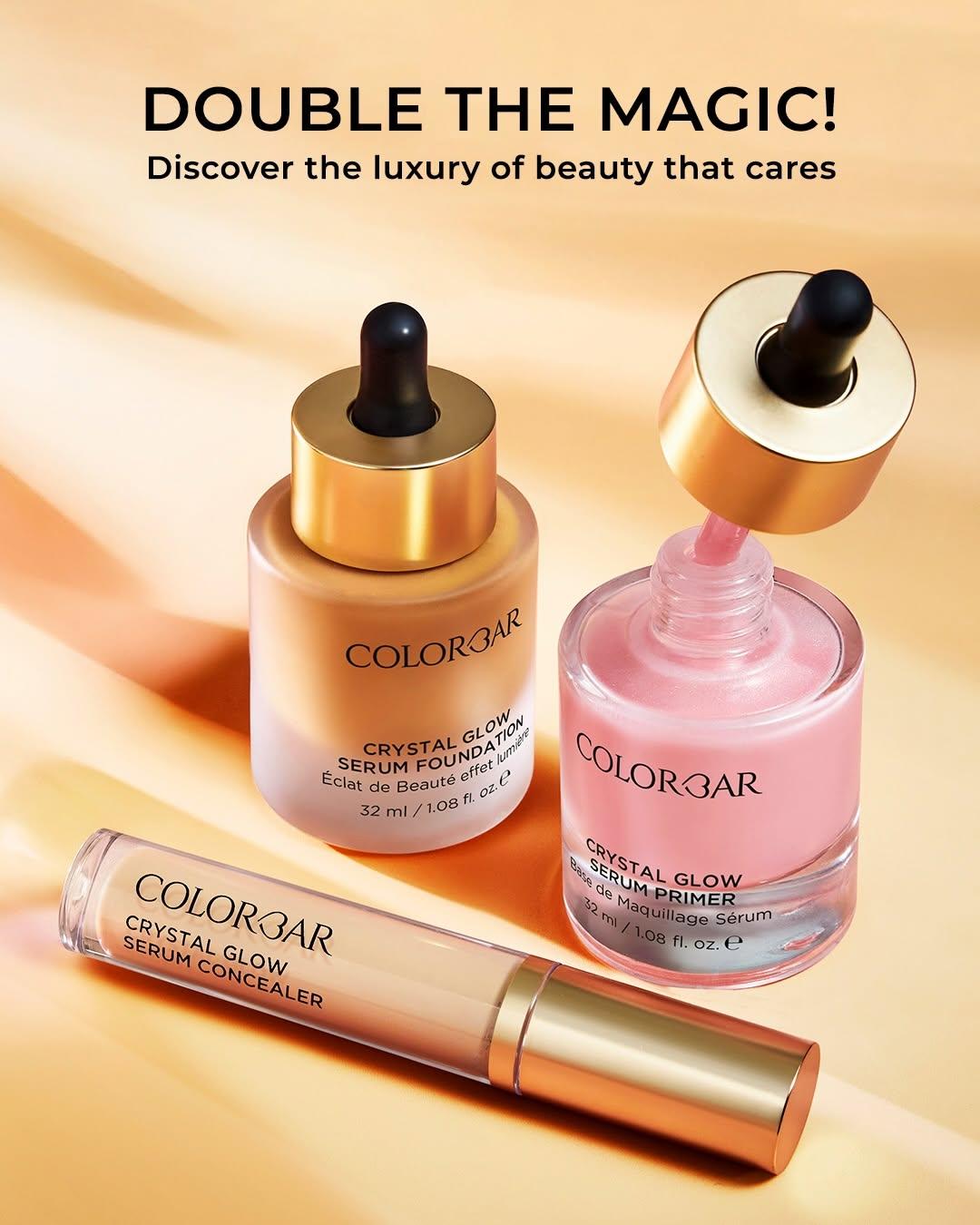
US
Serum-Infused Foundation
- Serum-infused foundations are hybrid products that merge the coverage of a foundation with the potent benefits of a skincare serum. - These innovative formulas are packed with active ingredients like hyaluronic acid, niacinamide, and peptides, offering long-term skin improvement. - The texture is typically lightweight and fluid, providing buildable, radiant coverage that enhances the skin's natural texture.
Explore →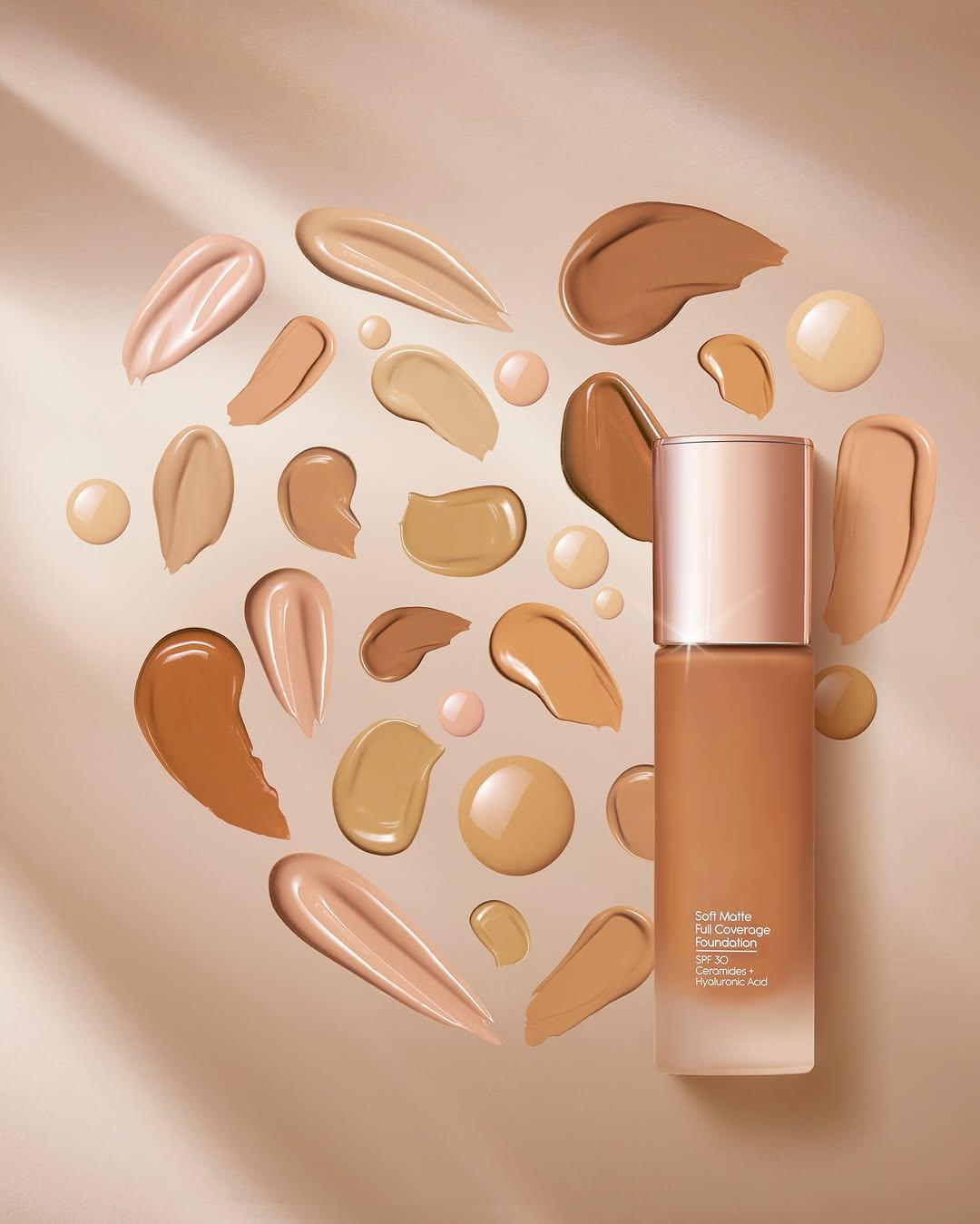
US
Soft Matte Foundation
- A modern take on traditional matte makeup, offering a refined, velvety finish without the heavy, "cakey" look of the past. - These new formulas are designed to blur imperfections and control shine while still allowing for some natural dimension and light reflection. - They feel more lightweight and comfortable on the skin and are often infused with hydrating ingredients to prevent dryness. - The result is a polished and sophisticated complexion.
Explore →