
Cosmetics · US
Lipgloss trends
For the upcoming Winter and Spring 2026 seasons in the US market, the lip gloss category is defined by a blend of nostalgic revivals and innovative formulations. A major trend is the continued dominance of high-shine, glassy finishes that create a plump, "wet-look" effect on the lips. Alongside this, there's a strong inclination towards products that offer more than just shine, with hydrating and nourishing formulas becoming a consumer expectation. These multi-benefit products often come in the form of "bloss" or lip gloss-balm hybrids, which provide the sheen of a gloss with the comfort and care of a balm, frequently infused with ingredients like hyaluronic acid and peptides. The '90s influence also remains significant, bringing back brown-toned and neutral shades. This look is often achieved through "lip combos," using a slightly darker liner to create a contoured effect that enhances the shape and fullness of the lips. Color trends will span a wide spectrum, moving from deep plum and wine tones for winter to vibrant reds and icy, bubblegum pinks for spring, reflecting a desire for more expressive and statement-making looks. Additionally, metallic and frosted finishes are making a comeback, offering a more dramatic and light-reflecting option that adds a futuristic or festive dimension to lip makeup, moving beyond simple shine to incorporate texture and shimmer.
Themes
5
Market
US
Trend observations
53
US
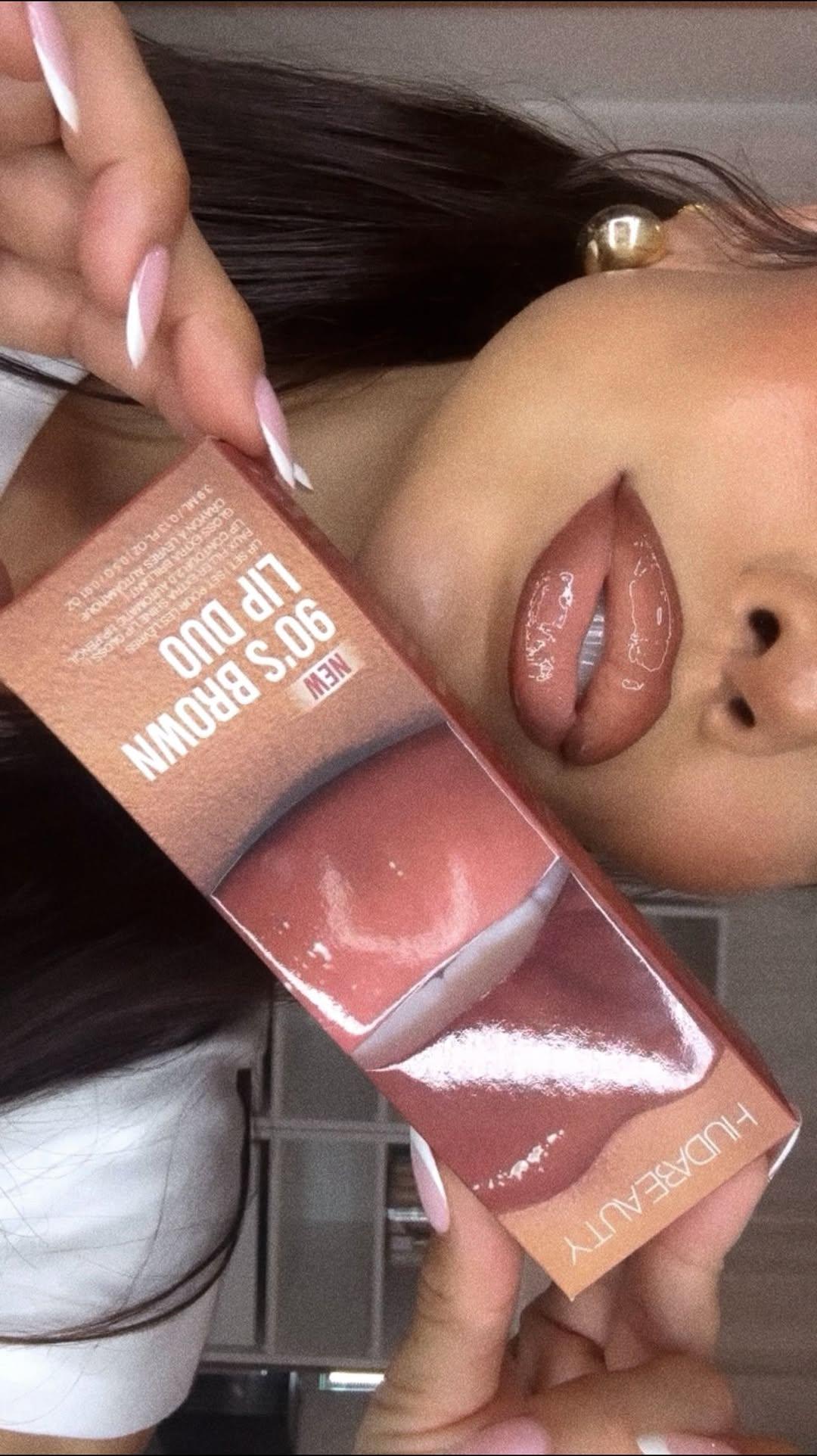
'90s Brown Lipgloss
- Inspired by '90s supermodel beauty, this trend sees a resurgence of earthy brown and warm neutral shades. - These glosses range from toasted terracotta to deeper mocha and gingerbread tones. - The look is often achieved through "lip combos," where a slightly darker brown lip liner is used to define and contour the lips. - The finish can vary from a sheer tint to a more opaque, creamy shine.
Explore →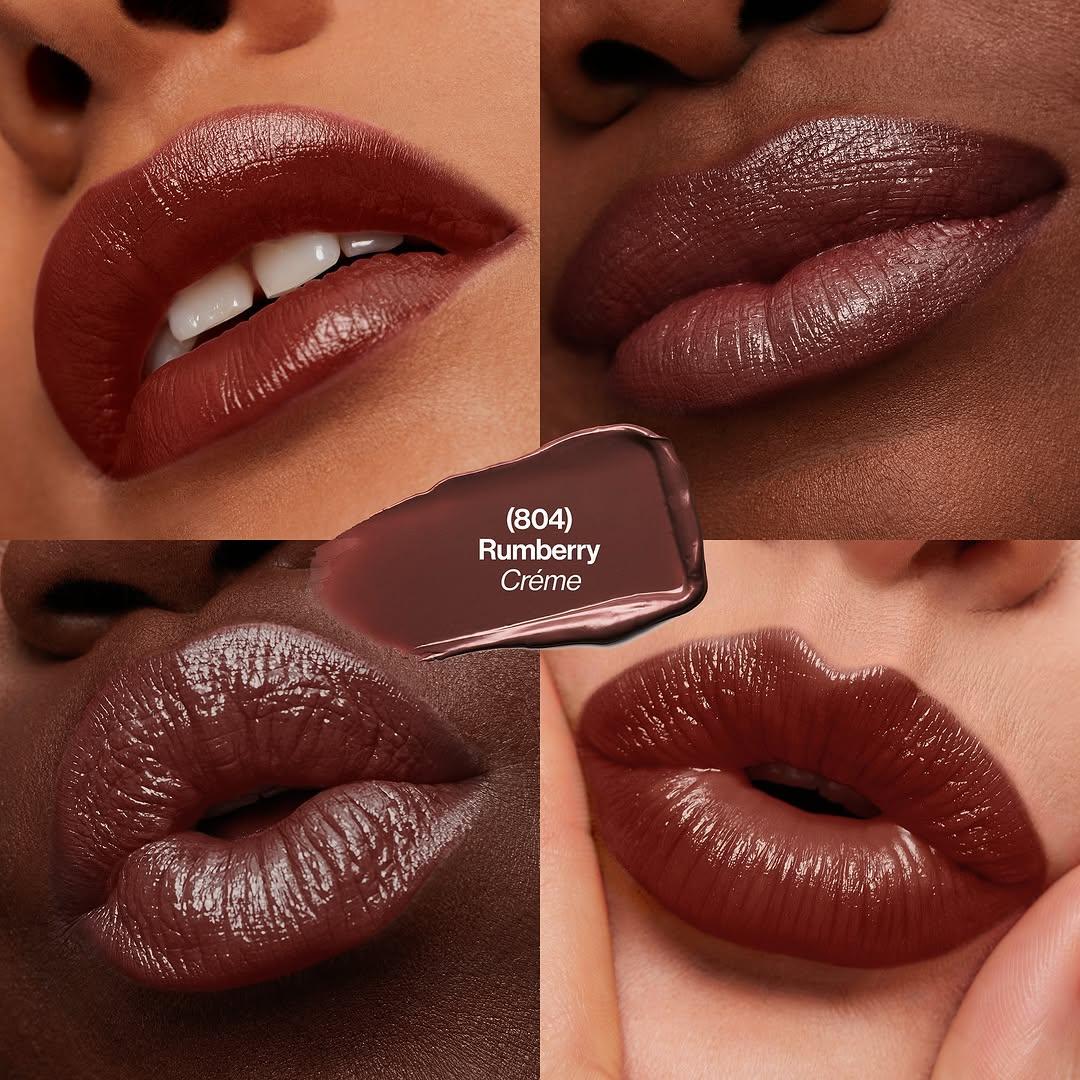
US
Bold Color Lipgloss
- This trend features bold and vibrant colors in a high-impact, shiny finish. - For winter, this manifests as deep plum, wine, and rich berry tones that create a romantic, slightly vampy look. - As spring approaches, the palette will shift to include true reds with a satin or glossy finish and playful, cool-toned "bubblegum pinks".
Explore →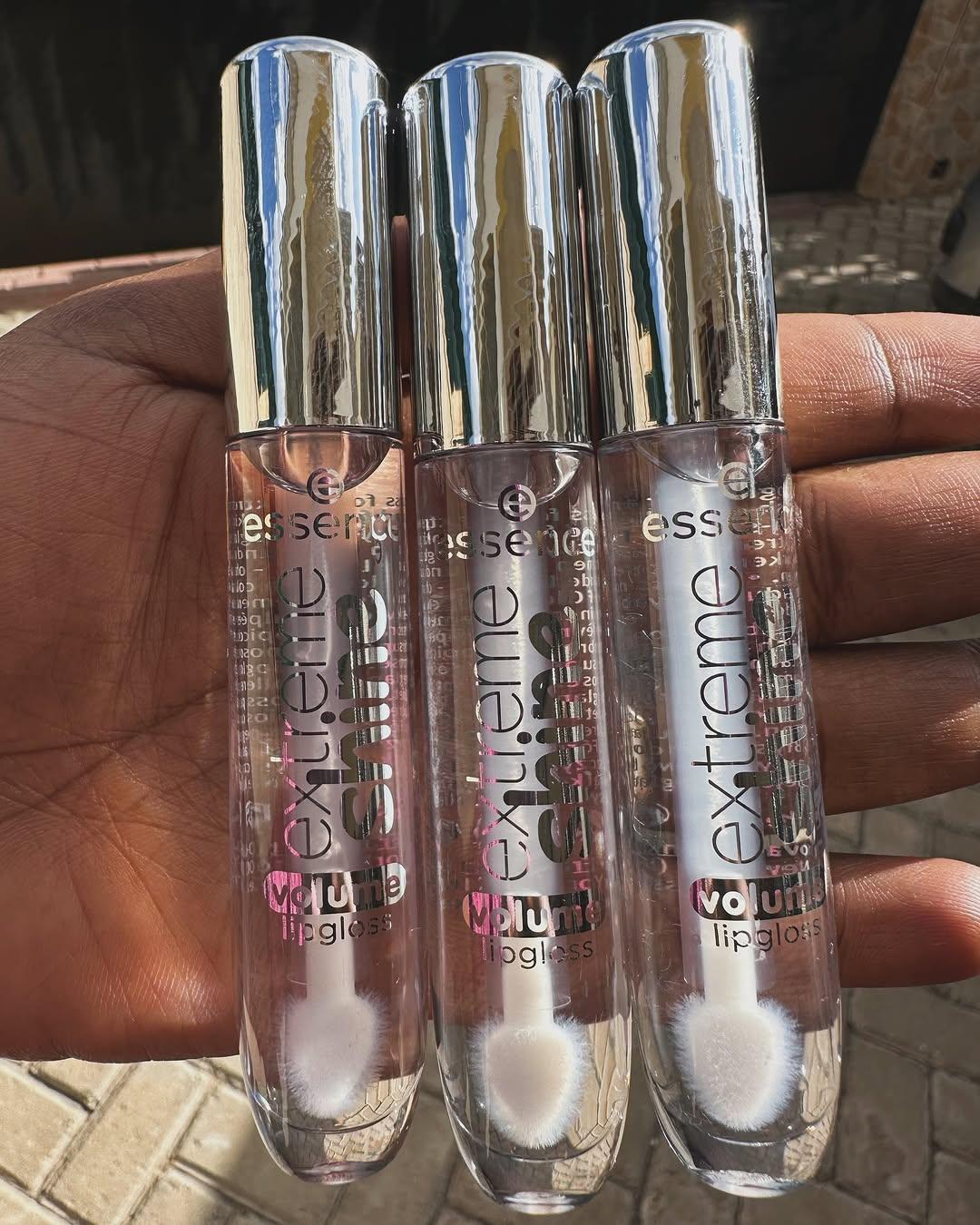
US
Extreme Shine Lipgloss
- This trend is for an ultra-glossy, "wet-look" lip with a lacquered, glassy finish. - These high-shine glosses have an intense, reflective quality that makes lips appear fuller. - Modern formulas deliver bold shine without a sticky feeling, often using nourishing ingredients for comfortable wear. - The effect can be worn alone for a statement or layered over lipstick to add dimension.
Explore →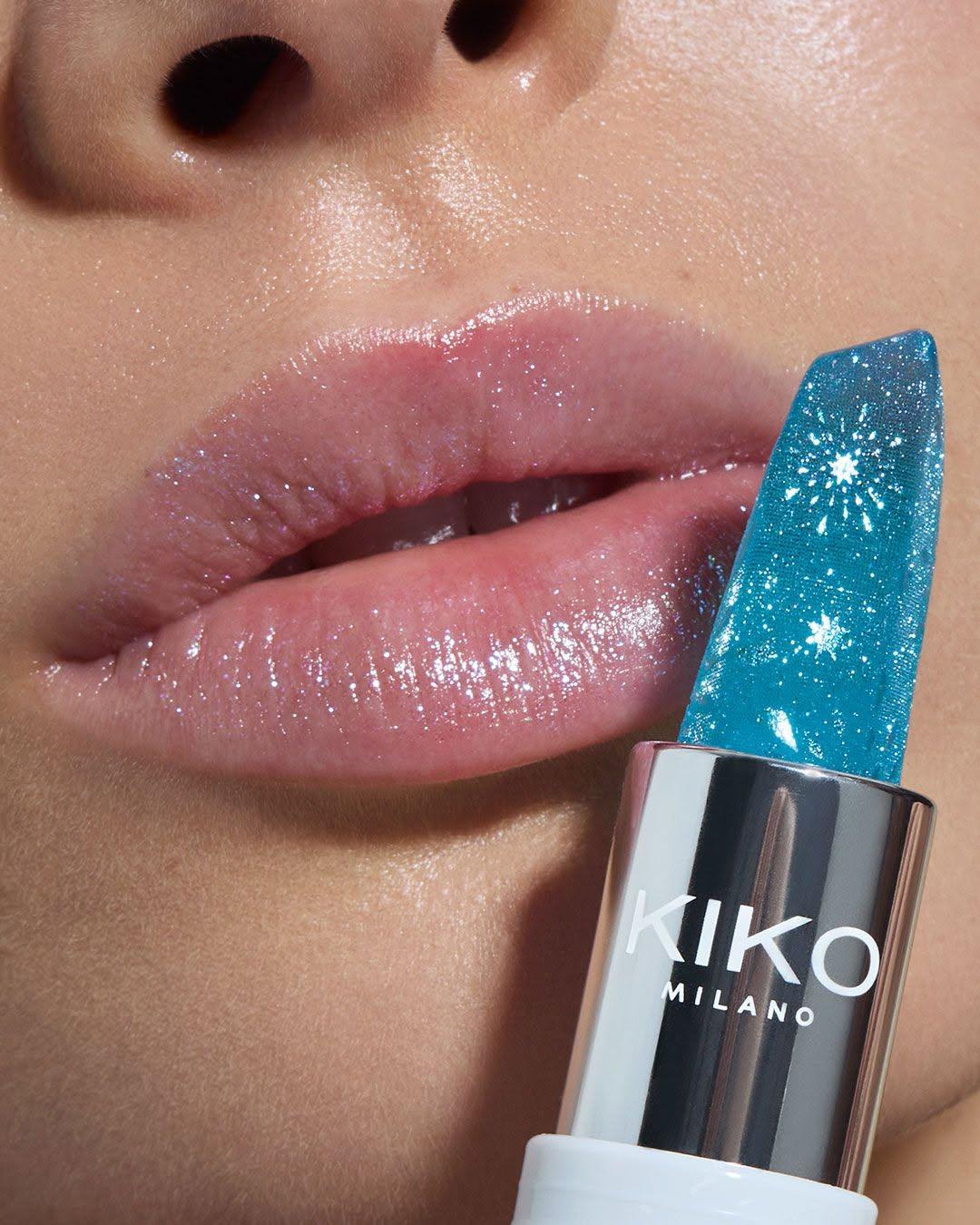
US
Frosted & Metallic Lipgloss
- This trend involves glosses with a cool, icy shimmer or a more dramatic, molten-metal finish in shades like gold, silver, and bronze. - These light-reflecting finishes add dimension and a futuristic or ethereal touch to the lips. - The modern take on frosted lips is more refined and comfortable to wear than past iterations. - It can be applied for a subtle hint of shimmer or built up for a bold, statement look.
Explore →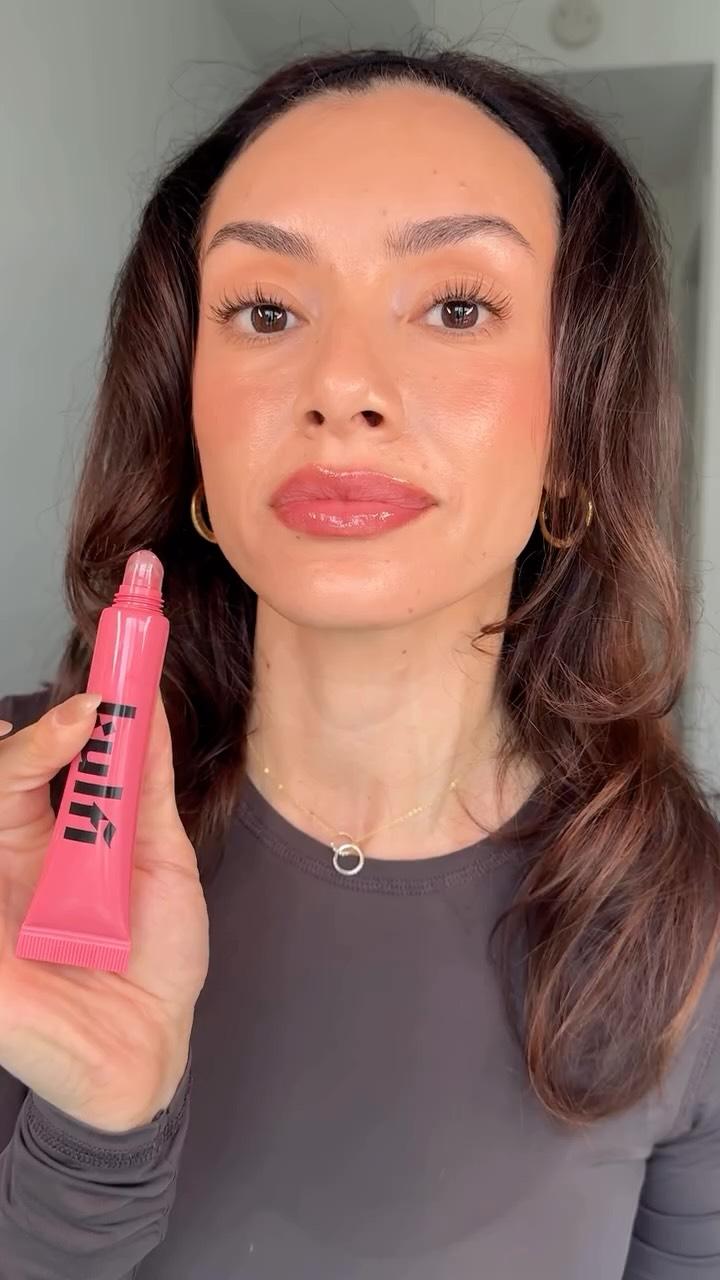
US
Hydrating Hybrid Lipgloss
- This trend focuses on lip glosses that double as lip care products. - These balm-gloss hybrids are formulated with nourishing ingredients like hyaluronic acid, peptides, and natural oils to provide intense hydration. - The finish is a subtle, non-sticky sheen that makes lips look healthy and conditioned. - Products soothe and moisturize dry lips while delivering a delicate wash of color.
Explore →