
Nutrition & Supplements · US
Protein Powder trends
In 2026, the US protein powder market is moving beyond its traditional athletic niche to embrace a broader, wellness-focused consumer base. A major trend is the significant growth of plant-based protein powders, with sources like pea, soy, and rice becoming increasingly popular due to health and sustainability concerns. Consumers are also seeking more than just protein; they are looking for "protein-plus" products, leading to a rise in functional fuel protein powders fortified with ingredients like collagen for skin and joint health, probiotics for gut support, and other vitamins and minerals for overall wellness. Flavor innovation is another key driver, with a surge in gourmet & novelty flavor protein powders, including nostalgic cereal-inspired and refreshing fruit flavors, moving beyond the standard chocolate and vanilla. Furthermore, the market is seeing a strong push towards customizable & personalized protein powders, allowing consumers to tailor formulas to their specific dietary needs and fitness goals. Finally, there is a growing demand for sustainable & clean label protein powders, with consumers prioritizing products with transparent sourcing, minimal ingredients, and environmentally friendly packaging.
Themes
5
Market
US
Trend observations
53

US
Customizable & Personalized Protein Powder
- This trend allows consumers to create their own protein blends tailored to their specific needs. - Several companies now offer online platforms where users can choose their protein source (whey, vegan, etc.), flavor, and sweetness level. - Customers can also add "boosts" of functional ingredients like creatine, collagen, or specific vitamins. - This approach caters to individuals with specific dietary restrictions, fitness goals, or flavor preferences.
Explore →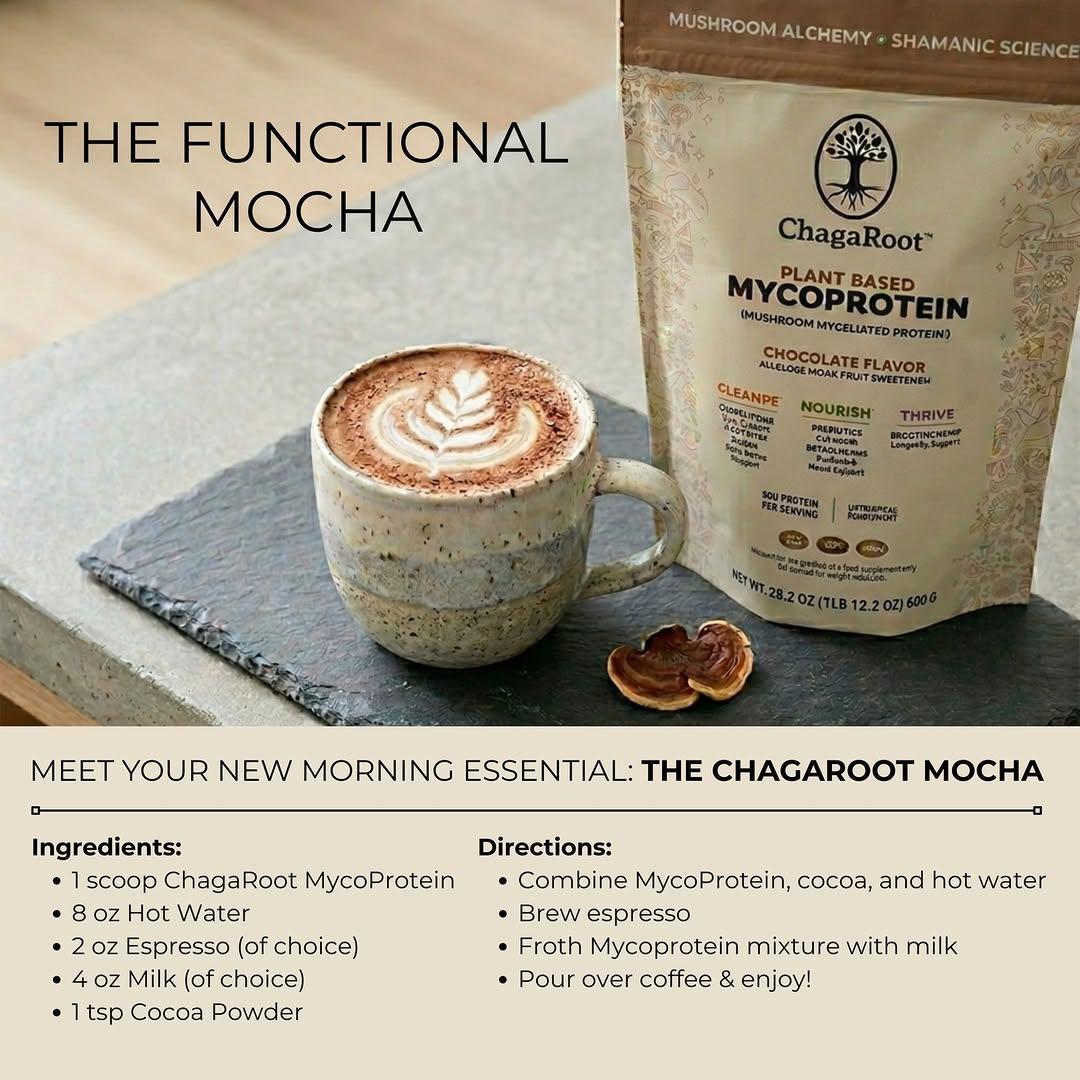
US
Functional Fuel Protein Powder
- This trend involves protein powders enhanced with additional functional ingredients to offer benefits beyond muscle repair. - Common additions include collagen for skin, hair, and joint support, and probiotics and digestive enzymes for improved gut health. - Some formulas are fortified with a full spectrum of vitamins and minerals, positioning them as meal replacements or all-in-one nutritional shakes. - Other popular functional additions include creatine for performance, and electrolytes for hydration.
Explore →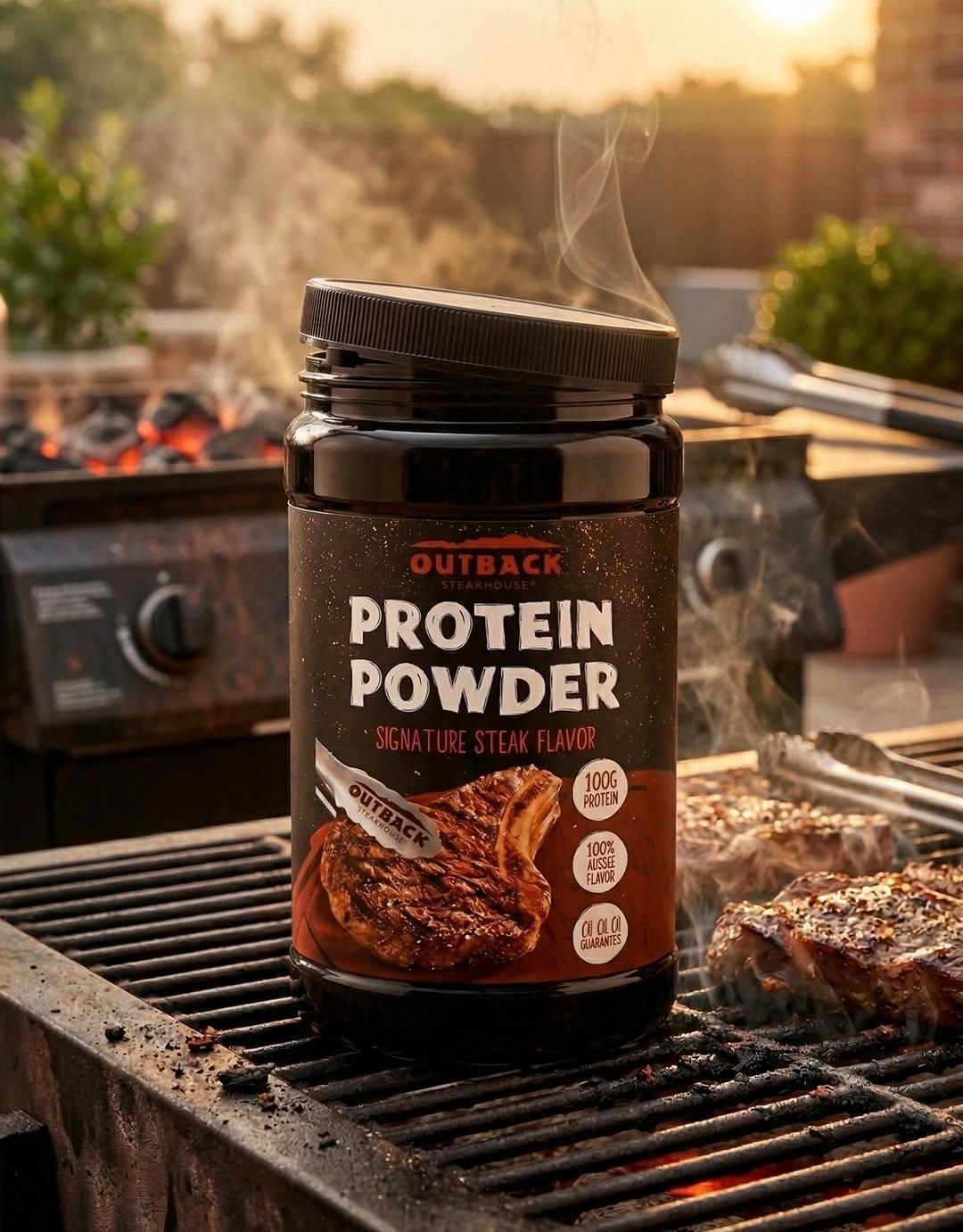
US
Gourmet & Novelty Flavor Protein Powder
- This theme highlights the move away from basic flavors towards more complex and interesting taste profiles. - Brands are launching nostalgic flavors inspired by cereals, cookies, and desserts like Fruity Pebbles, Chips Ahoy, and Cinnabon. - There is also a rise in light and refreshing fruit flavors, such as strawberry lime and tropical punch, often in the form of clear whey isolates. - Classic flavors like chocolate and vanilla are being elevated with gourmet twists like "Chocolate Fudge" and "Vanilla Ice Cream".
Explore →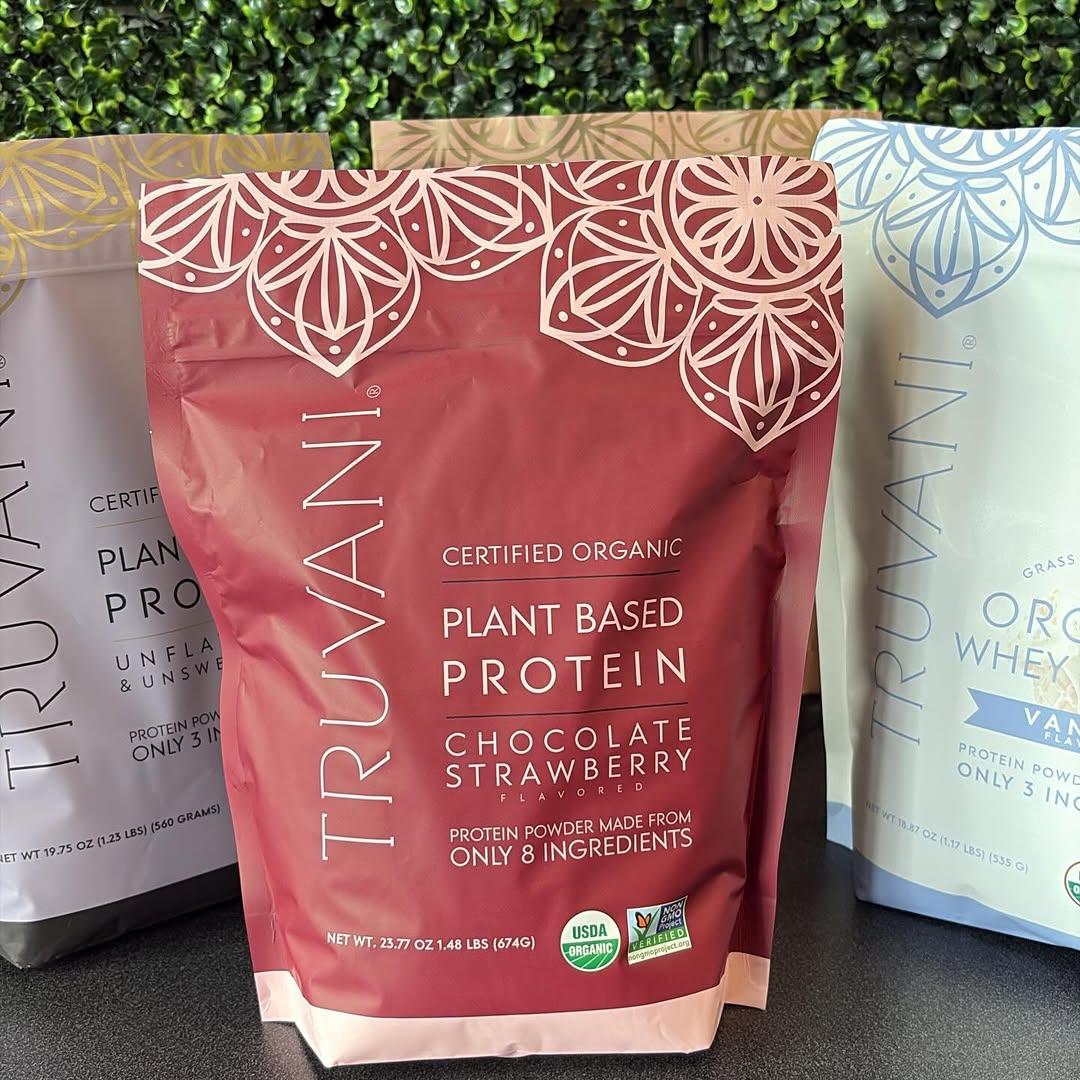
US
Plant-Powered Protein Powder
- This theme centers on protein powders derived from plant sources such as pea, soy, brown rice, and hemp. - These products cater to vegans, vegetarians, and flexitarians, as well as consumers with dairy allergies or lactose intolerance. - Innovations in food technology have led to improved taste, texture, and mixability of plant-based powders, making them more comparable to their whey counterparts. - Many of these powders are also certified organic and non-GMO.
Explore →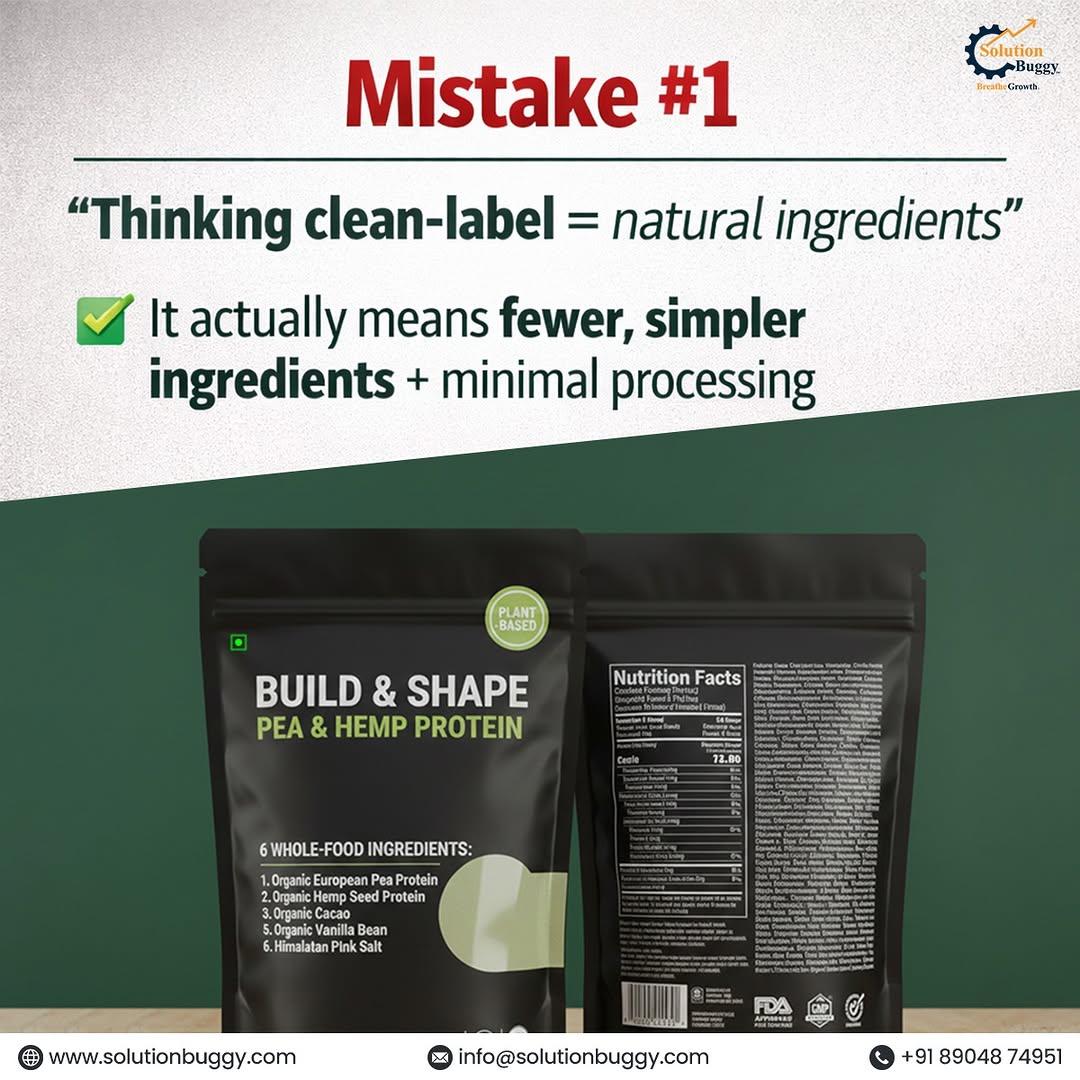
US
Sustainable & Clean Label Protein Powder
- This theme focuses on protein powders with simple, transparent, and ethically sourced ingredients. - "Clean label" products feature a short list of recognizable ingredients, with no artificial sweeteners, colors, or fillers. - Sustainability is a key aspect, with an emphasis on grass-fed whey, organically grown plants, and environmentally friendly packaging. - Brands are highlighting their sourcing practices and using third-party certifications (e.g., USDA Organic, Non-GMO Project Verified) to build trust.
Explore →