
Nutrition & Supplements · US
Protein Snacks trends
The protein snacks market in the United States is undergoing a significant transformation, expanding from a niche category for athletes to a mainstream staple for everyday consumers. This shift is fueled by a growing consumer emphasis on health, wellness, and convenience. Consumers are increasingly seeking snacks that not only provide sustained energy and satiety but also offer functional benefits, driving demand for innovative and nutrient-dense options. Upcoming trends for 2026 signal a major diversification in product formats, moving well beyond traditional protein bars. There is strong anticipated growth in savory options like protein-fortified chips and pretzels, which cater to cravings for crunch and bold flavors. Simultaneously, the market is seeing a surge in plant-based products derived from sources like peas, chickpeas, and nuts, appealing to flexitarian, vegan, and health-conscious consumers alike. Across the category, innovation is key. Meat snacks are being reinvented with a focus on clean labels and high-quality protein sources, while dairy-based options such as Greek yogurt and cottage cheese continue to be popular for their convenience and complete amino acid profiles. Furthermore, the line between a healthy snack and an indulgent treat is blurring, giving rise to protein-fortified desserts like cookies and cheesecakes that allow consumers to satisfy sweet cravings without compromising their nutritional goals.
Themes
5
Market
US
Trend observations
53
US
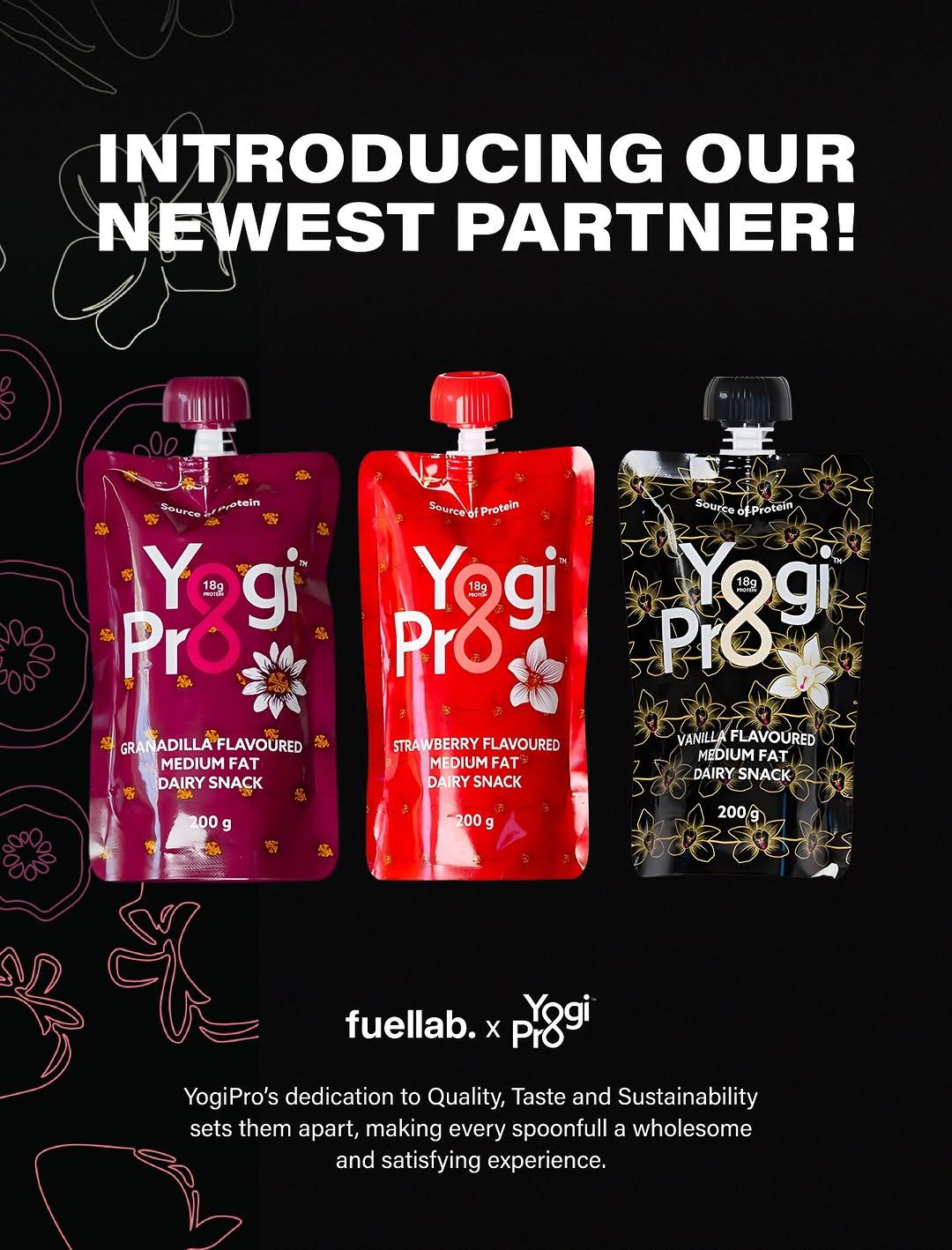
Functional Dairy Snacks
- This trend highlights the popularity of dairy products as convenient, high-protein snacks. - Leading products include Greek yogurt, cottage cheese, and portion-controlled cheese snacks like string cheese and snack rounds. - These snacks are often fortified with additional functional ingredients like probiotics and fiber to support gut health and satiety. - Formats are evolving to include drinkable yogurts, savory yogurt dips, and protein-rich desserts.
Explore →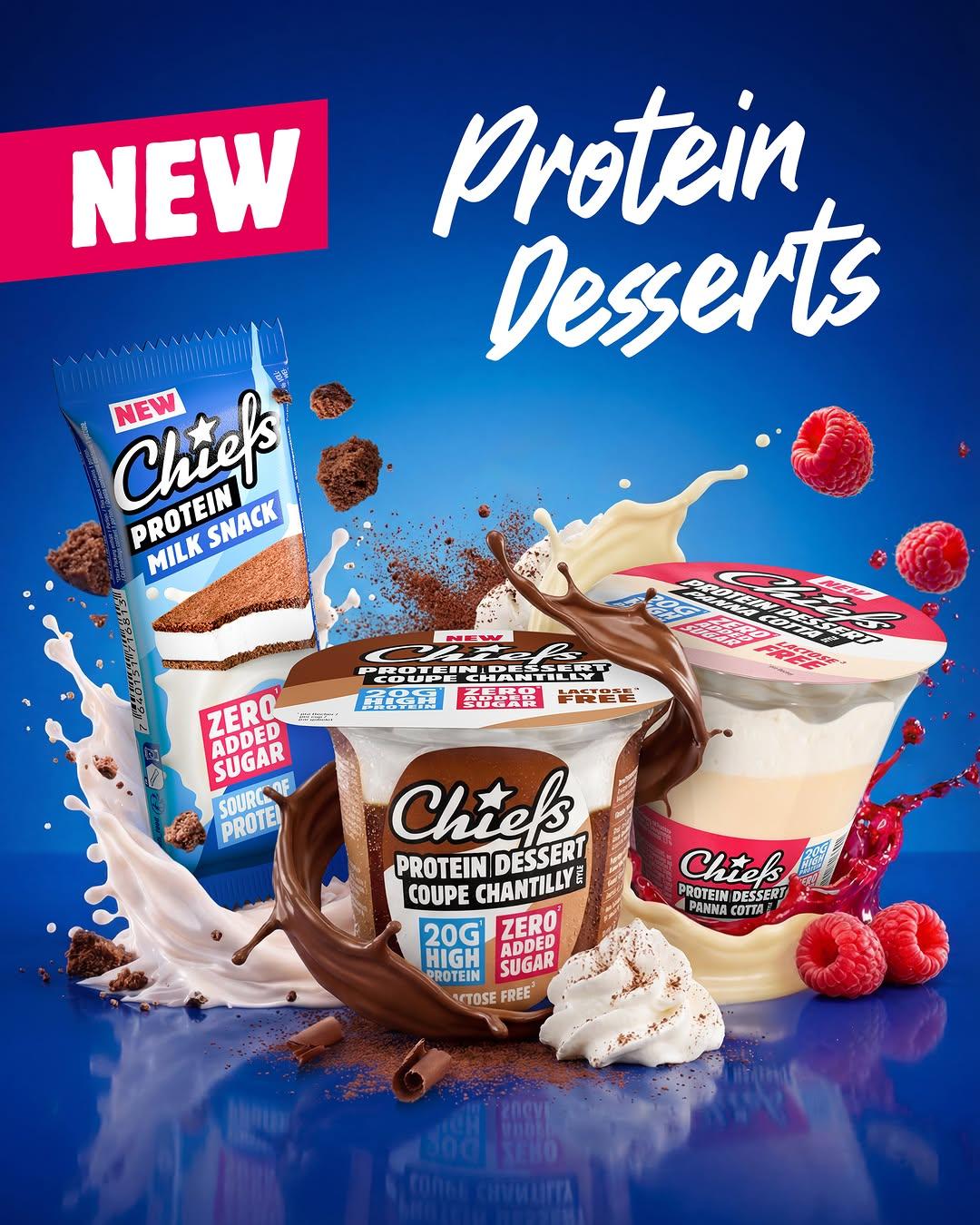
US
Indulgent Protein Desserts
- This theme covers the emerging category of sweet treats reformulated with high protein content. - Products include protein-fortified cookies, brownies, cheesecakes, and even ice cream. - These snacks aim to satisfy sweet cravings while aligning with wellness goals like satiety and balanced macronutrients. - They often feature low sugar content and may incorporate fiber to enhance their nutritional profile.
Explore →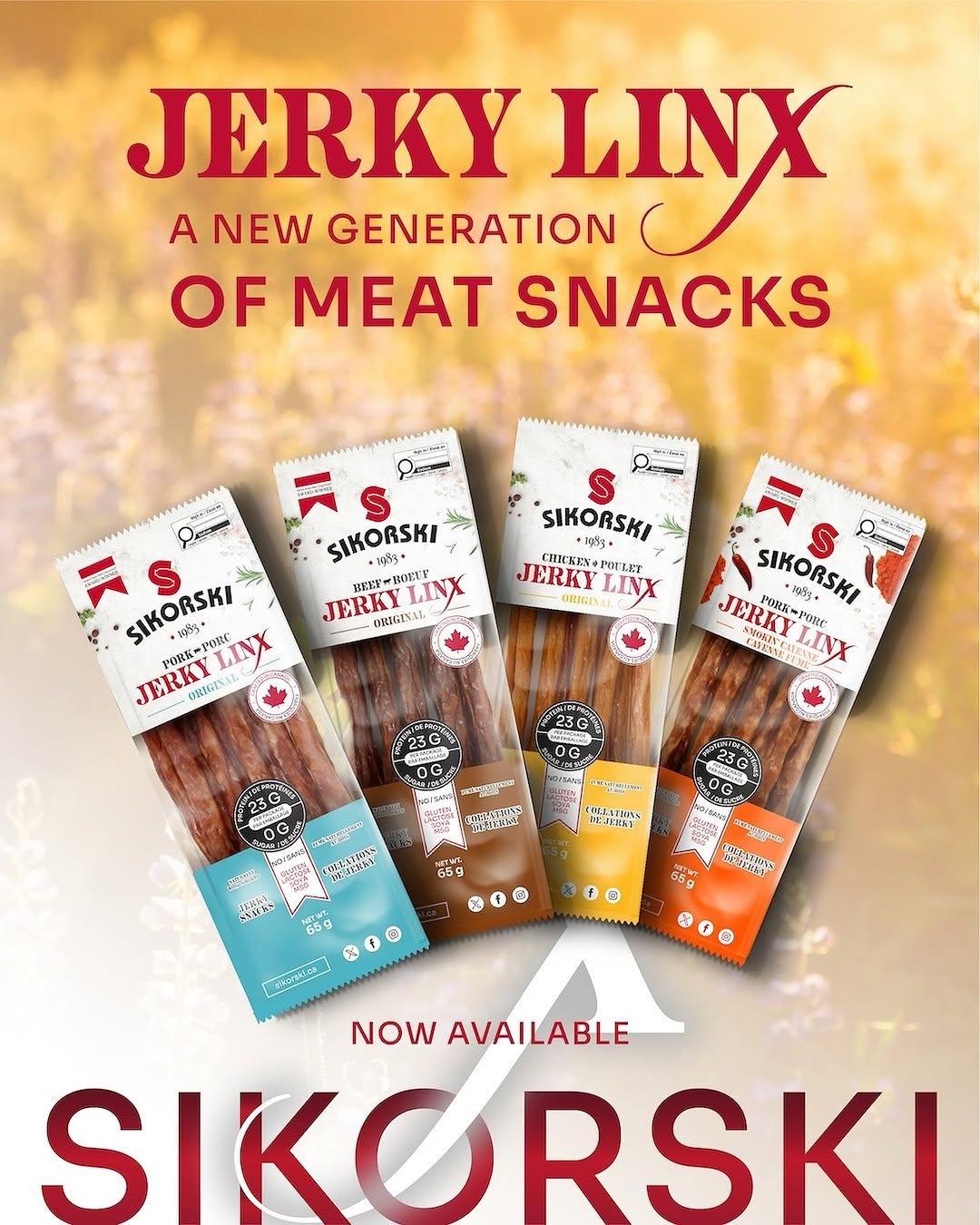
US
Next-Gen Meat Snacks
- This theme focuses on the evolution of traditional meat snacks like jerky and meat sticks. - Key attributes include clean labels, such as "grass-fed," "no added nitrates," and "no added sugar." - The category is expanding beyond beef to include turkey, chicken, and even alternative proteins like venison and bison. - Formats are diversifying to include meat-and-cheese kits and other convenient, on-the-go options.
Explore →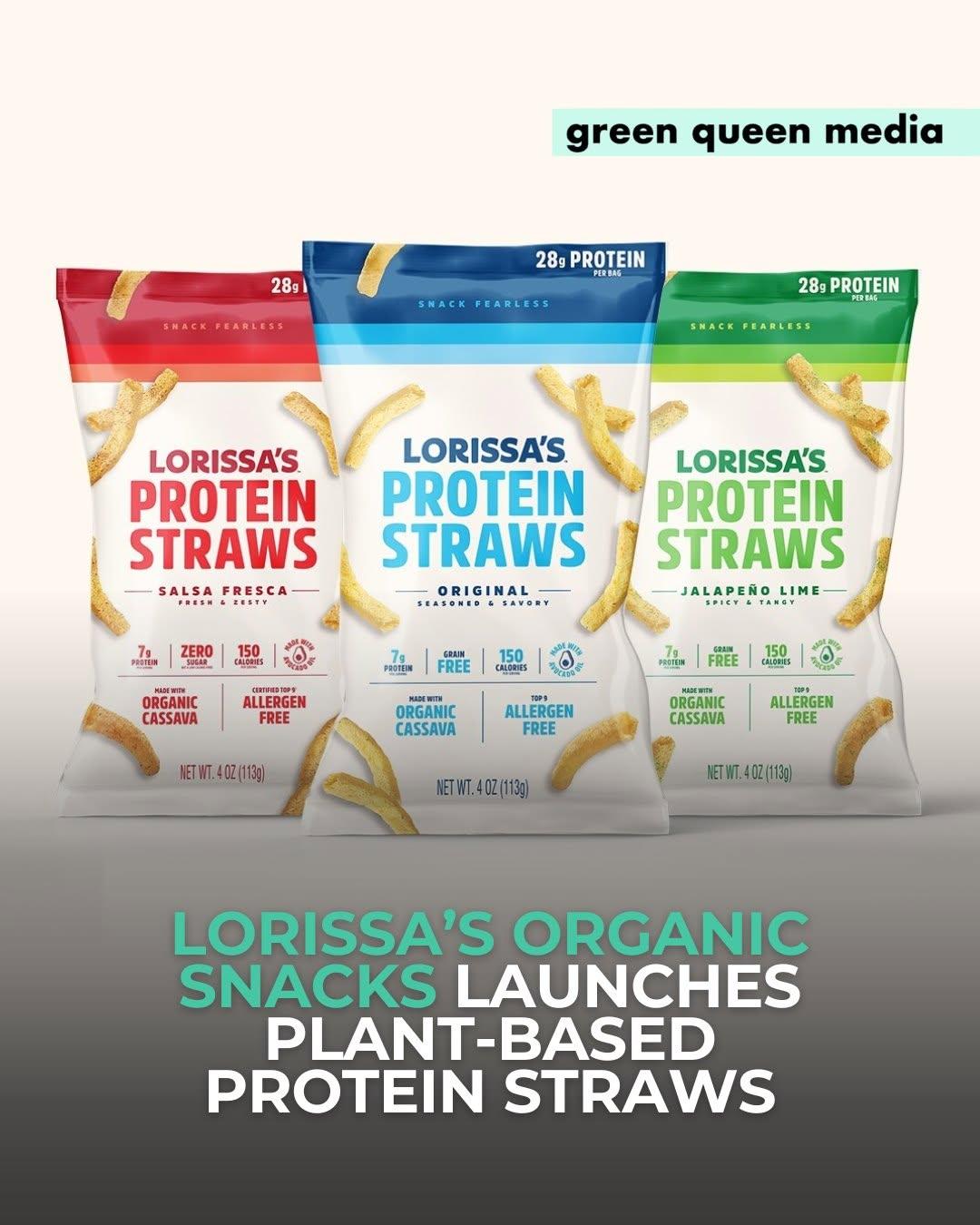
US
Plant-Powered Protein Snacks
- This theme centers on the expanding variety of protein snacks derived from plant sources. - Key ingredients include pea protein, chickpeas, lentils, nuts, and seeds, appearing in formats like chips, puffs, and bars. - These snacks cater to the demand for clean-label products that are often non-GMO, allergen-friendly, and perceived as more sustainable. - Innovations include the use of complete plant proteins like pistachios and the combination of multiple plant sources to achieve a full amino acid profile.
Explore →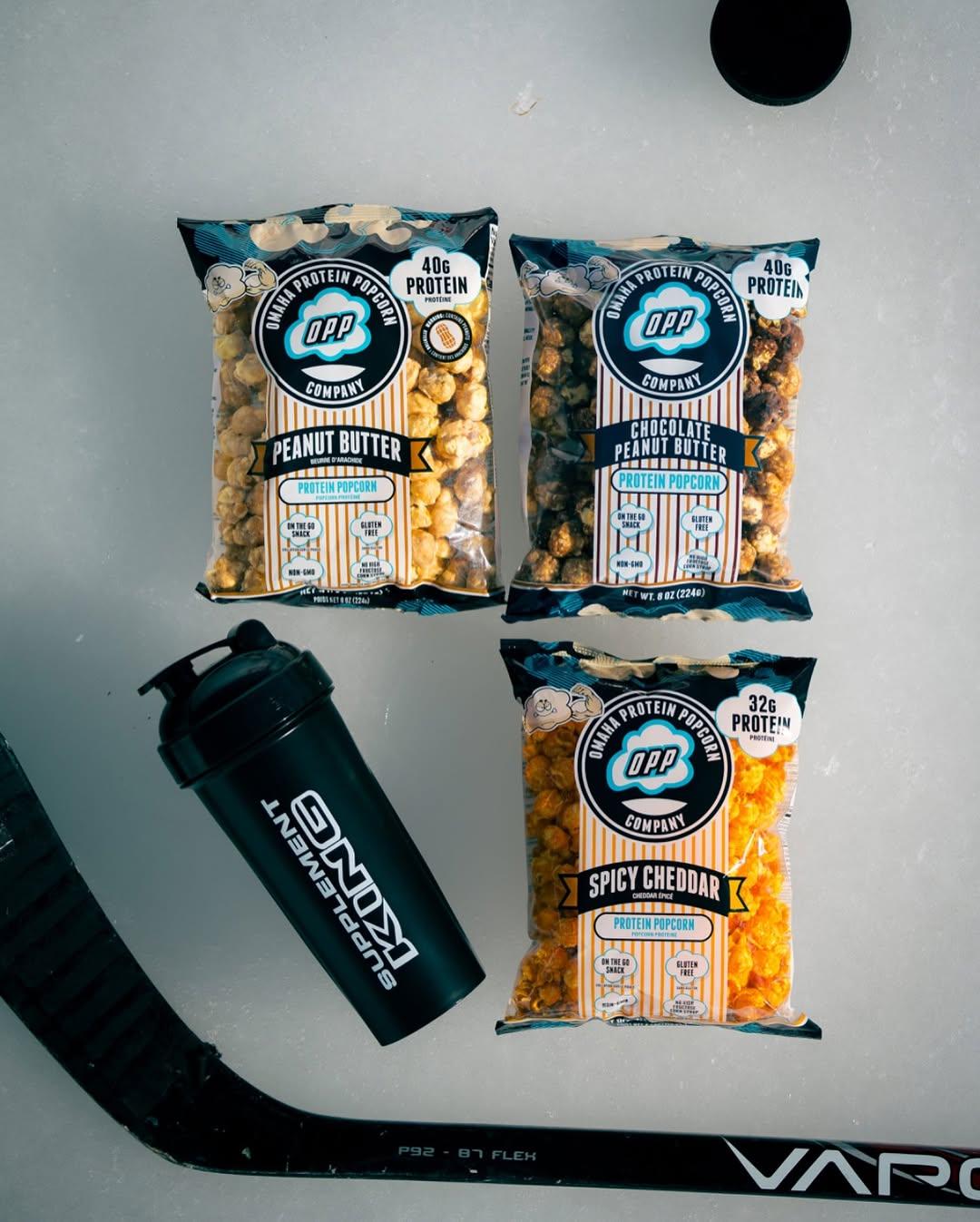
US
Savory & Crunchy Protein Snacks
- This trend highlights the strong growth of savory snacks reformulated to be high in protein. - Formats include protein-fortified chips, crisps, pretzels, and crackers, offering a satisfying crunch and texture. - These products often utilize plant-based proteins from sources like chickpeas and lentils or dairy proteins. - Flavor profiles are becoming more adventurous, with "swicy" (sweet and spicy) and bold global seasonings gaining popularity.
Explore →