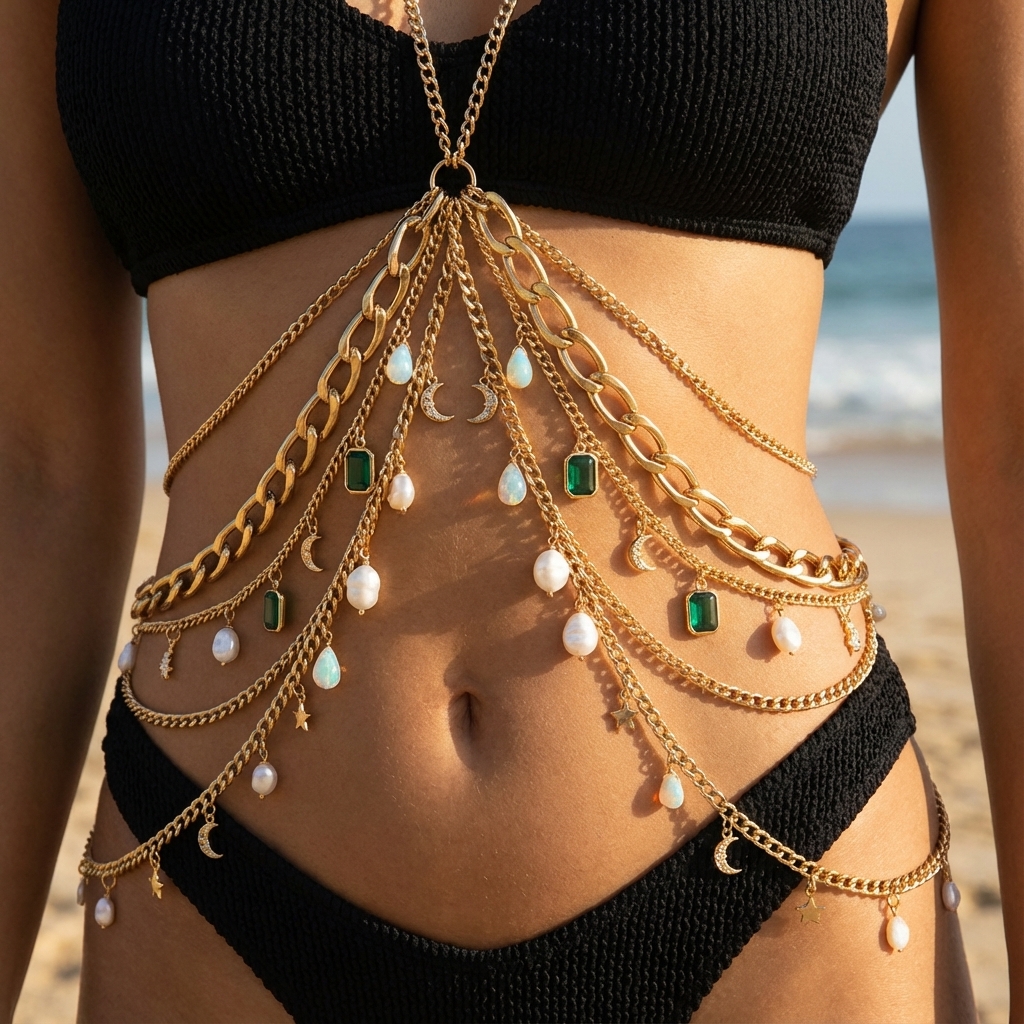
 TikTok Views
223.4K
 Trend InterestCloser to 50 = very trending
7
 Avg Price
R$118
 Suppliers
16
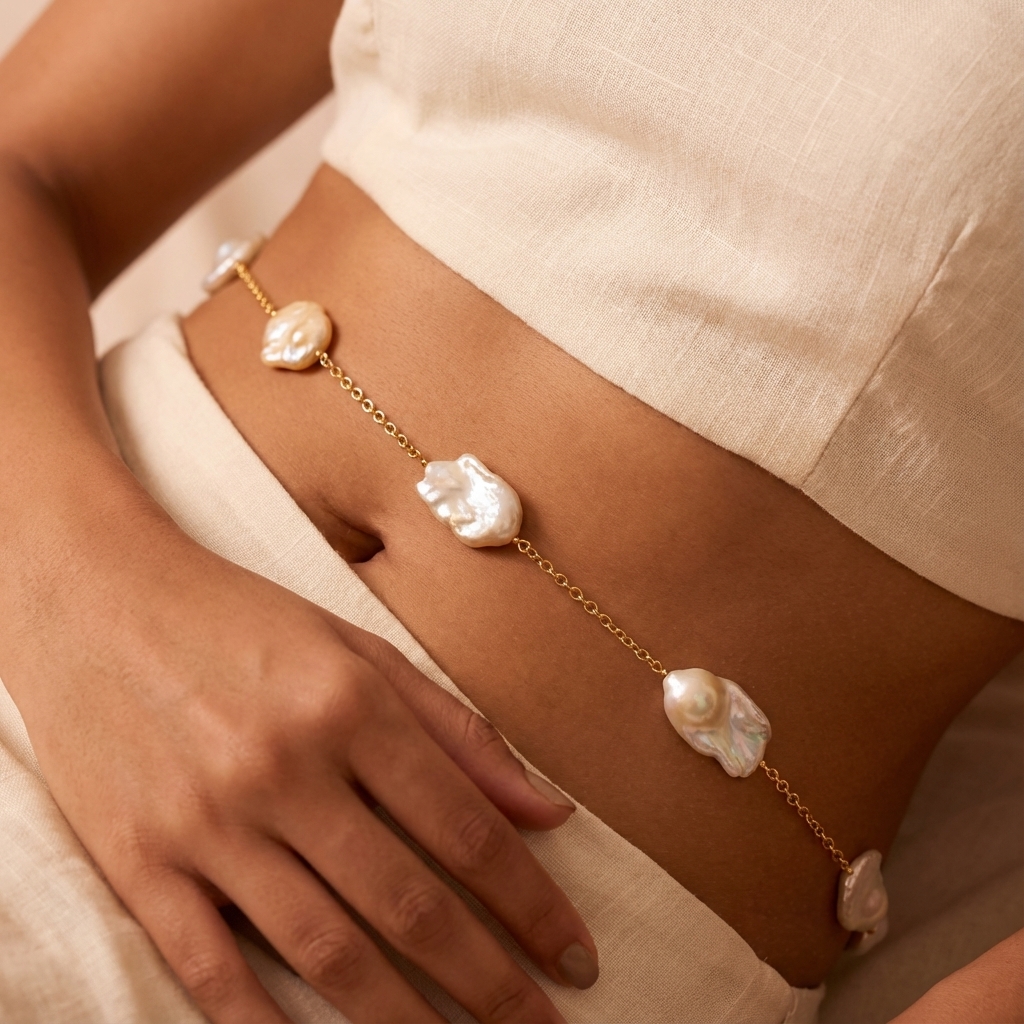 TikTok Views
40.8K
Trend InterestCloser to 50 = very trending18
Avg PriceR$226
Suppliers16
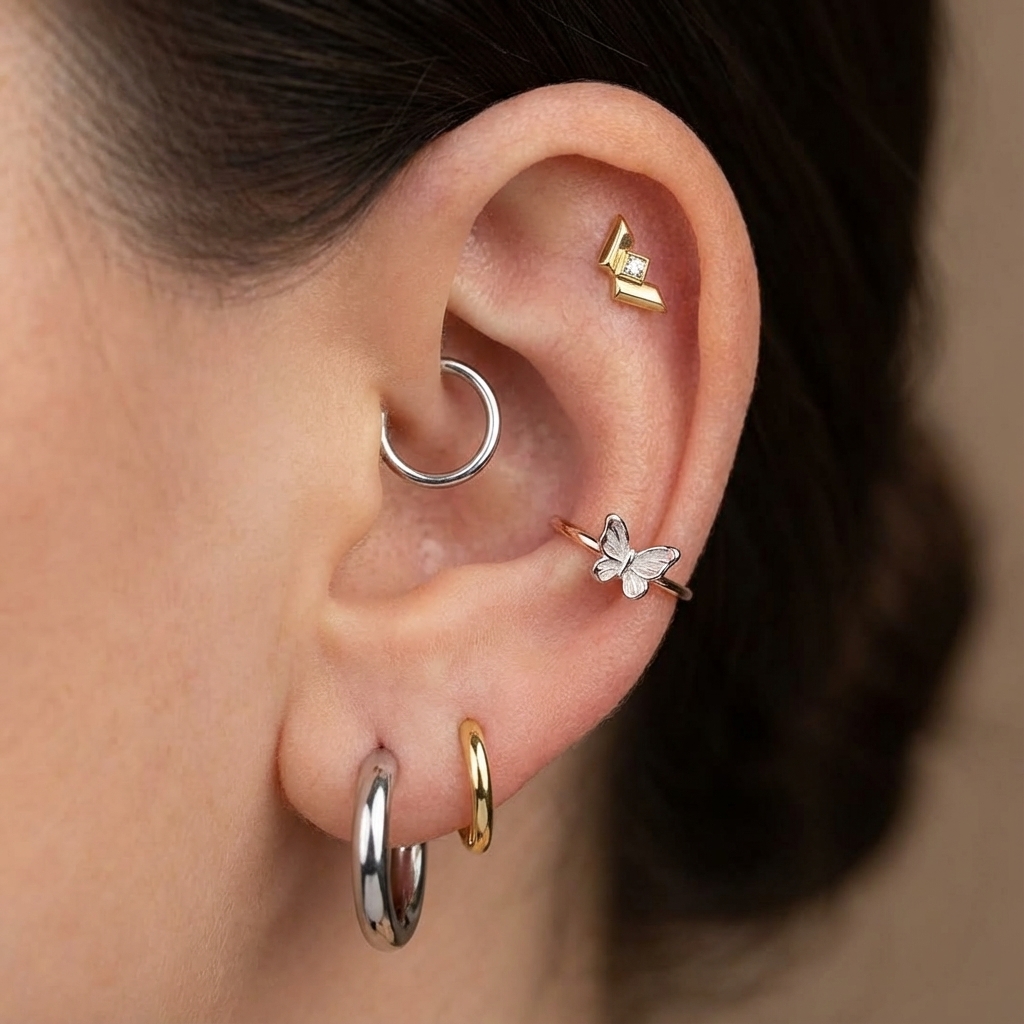 TikTok Views
—
Trend InterestCloser to 50 = very trending6
Avg PriceR$24
Suppliers13
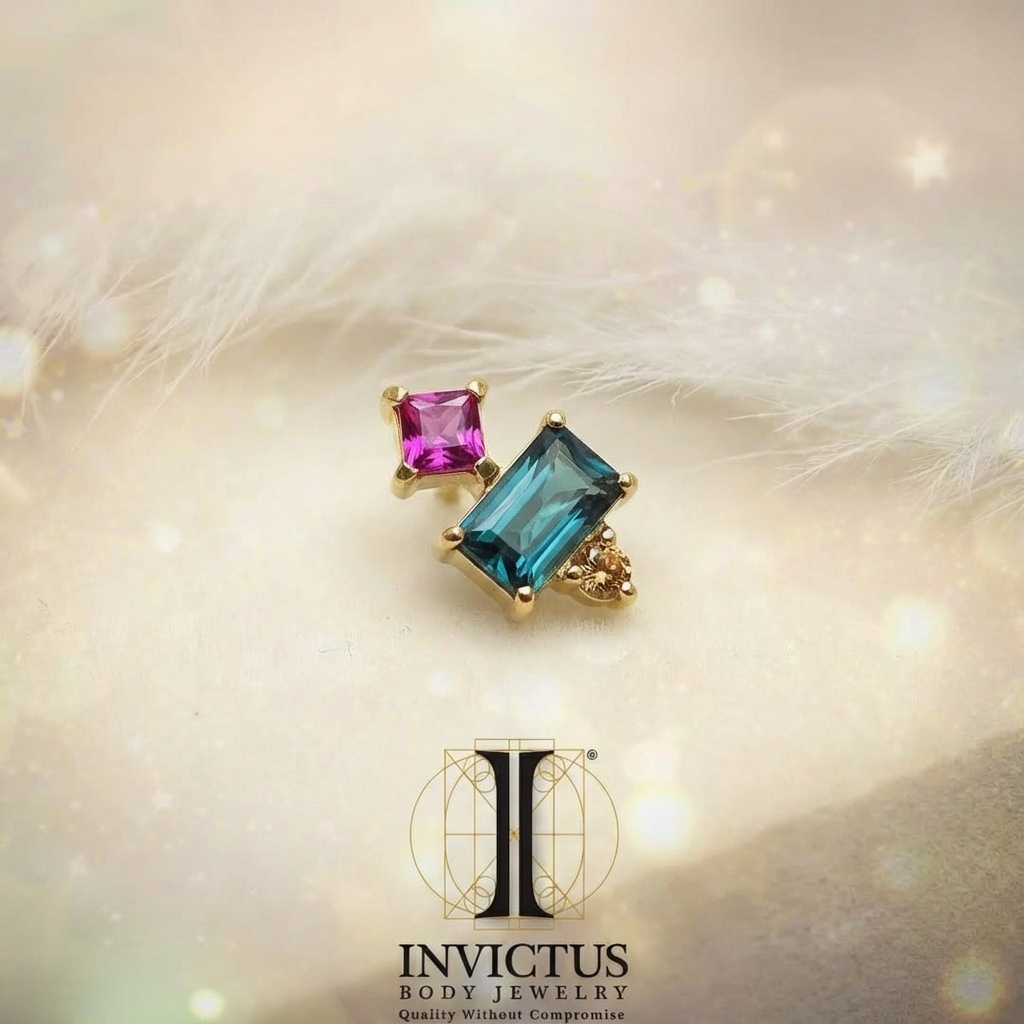 TikTok Views
—
Trend InterestCloser to 50 = very trending28
Avg PriceR$121
Suppliers16
 TikTok Views
—
Trend InterestCloser to 50 = very trending7
Avg PriceR$99
Suppliers15
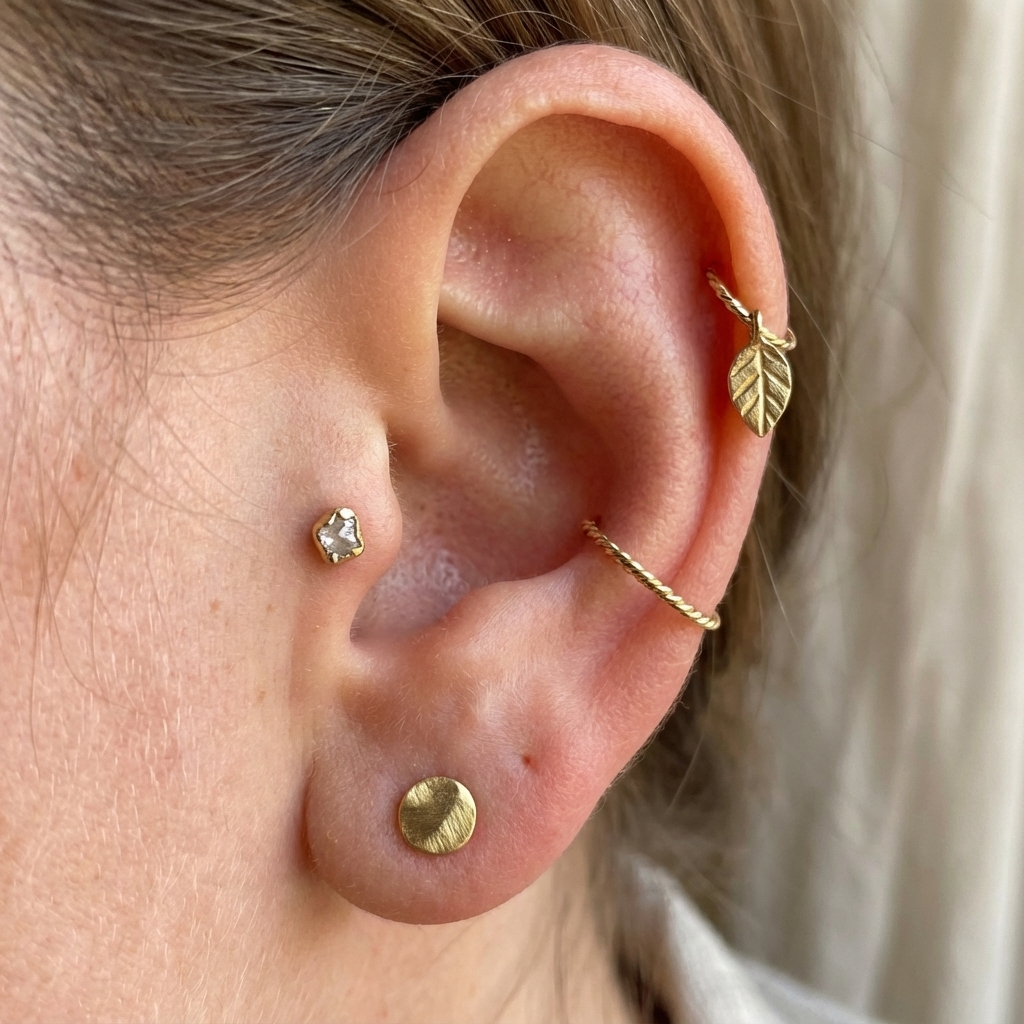
The Brazilian body jewelry market in 2026 is poised for a season of vibrant self-expression, moving away from minimalism towards a "more is more" philosophy. Key trends indicate a shift towards maximalism, deep personalization, and a fusion of natural and futuristic aesthetics. This departure from subtle adornments will see consumers embracing bold, statement-making pieces that reflect their individuality. The overall landscape will be defined by a rich mix of textures, colors, and materials, creating unique and eye-catching looks that resonate with Brazil's dynamic culture. Specific styles leading this charge include the resurgence of body and belly chains, which are evolving from simple strands into elaborate, multi-layered creations adorned with pearls and stones, perfect for Brazil's beach-centric lifestyle. The "Era Keshi" trend brings organic, irregularly shaped pearls to the forefront, offering a sophisticated yet earthy take on a classic material. Simultaneously, the strict rules of accessorizing are being broken with the rise of mixed-metal jewelry, where gold and silver tones are worn together to create a modern, versatile edge. Colorful natural stones in shades like teal, fuchsia, and amber will also be prominent, allowing for a high degree of personalization and adding a joyful pop of color to every kind of body jewelry. These trends are driven by a confluence of cultural shifts and fashion movements. The maximalism seen in body chains is fueled by a Y2K fashion revival and celebrity influence, while the preference for organic pearls and handcrafted pieces points to a broader desire for authenticity, natural beauty, and sustainability. Consumers are increasingly seeking unique, artisanal items that tell a story and support smaller creators, moving away from mass-produced goods. This collective inclination towards individuality, joy, and conscious consumption is shaping a market where personal expression trumps traditional fashion rules, allowing people to curate their own distinct style.
Body Jewelry is a rapidly expanding category in the Brazilian market, presenting a significant opportunity for brands to capitalize on current trends. The market is clearly segmented, offering a dual path to success: a high-volume value segment driven by fast-fashion aesthetics like maximalist chains and multi-piece piercing sets, and a growing premium segment demanding high quality body jewelry with superior materials and craftsmanship. Key styles include layered body chains, pearl-adorned pieces, artisanal macrame designs, and piercing jewelry for the navel, nose, and ears. By understanding the material distinctions—from cost-effective surgical steel and imitation pearls to premium implant-grade titanium, 925 sterling silver, and genuine gemstones—brands can strategically source products. Acting quickly to partner with the right body jewelry manufacturers is crucial to capturing market share in this dynamic category.
The market data and sourcing advantages that make this trend worth pursuing.
Typical range
$5.35–$25.99
Typical range
$27.46–$60.00
132K views • 9% engagement
Strong organic resonance
53 suppliers
MOQ flexibility & scale options
High-margin candidate for boutique retail.
Premium Suede Backpack
High-margin candidate for boutique retail.
Top-selling entry-level SKU on Amazon.
Supplier Examples
Supplier 1
MOQ 100 • 5+ yrs
Supplier 2
MOQ 100 • 5+ yrs
Supplier 3
MOQ 100 • 5+ yrs
Supplier 4
MOQ 100 • 5+ yrs
Supplier 5
MOQ 100 • 5+ yrs
Add or customize product features and we'll match you with verified suppliers.
Feature Matching
Find suppliers with matching capabilities
Quote Comparison
Compare pricing and lead times
Sampling & Production
Request samples and begin production
Minimum order quantities vary by supplier tier and product complexity. Value segment suppliers typically require 500-1,000 pieces per style/color, while premium manufacturers may accept 200-300 pieces for higher-value orders. Customization options like private labeling often increase MOQ requirements.
Common materials include cotton, polyester, modal, bamboo viscose, and various blends. Performance variants often incorporate spandex/elastane for stretch, while premium options may use pima cotton or Tencel. Material choice significantly impacts both FOB pricing and end-consumer appeal.
Request product samples before bulk orders, verify supplier certifications (ISO, BSCI, OEKO-TEX), check factory audit reports, and review trade history on B2B platforms. Our verified supplier ratings consider response rates, dispute history, and quality scores from verified transactions.
Standard production lead times range from 25-45 days depending on order complexity and supplier capacity. Rush orders may be possible at premium rates. Add 15-30 days for sea freight shipping to US ports, or 5-7 days for air freight on urgent orders.