 IG Views
1.1K
 Trend InterestCloser to 50 = very trending
27
 Avg Price
R$24
 Suppliers
18
 TikTok Views
3.7M
Trend InterestCloser to 50 = very trending6
Avg PriceR$28
Suppliers18
 TikTok Views
—
Trend InterestCloser to 50 = very trending3
Avg PriceR$16
Suppliers16
 IG Views
2.5M
Trend InterestCloser to 50 = very trending58
Avg PriceR$54
Suppliers16
 TikTok Views
106.2K
Trend InterestCloser to 50 = very trending22
Avg PriceR$17
Suppliers20
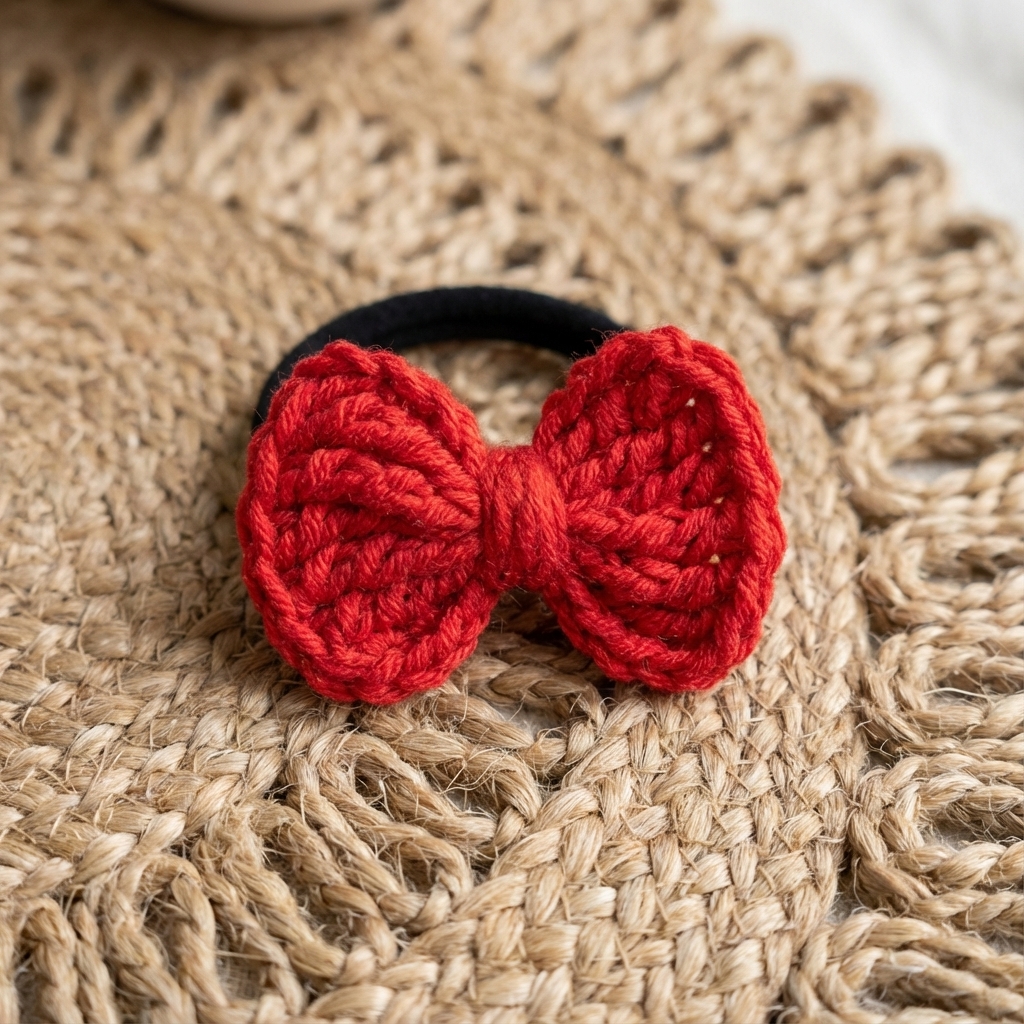
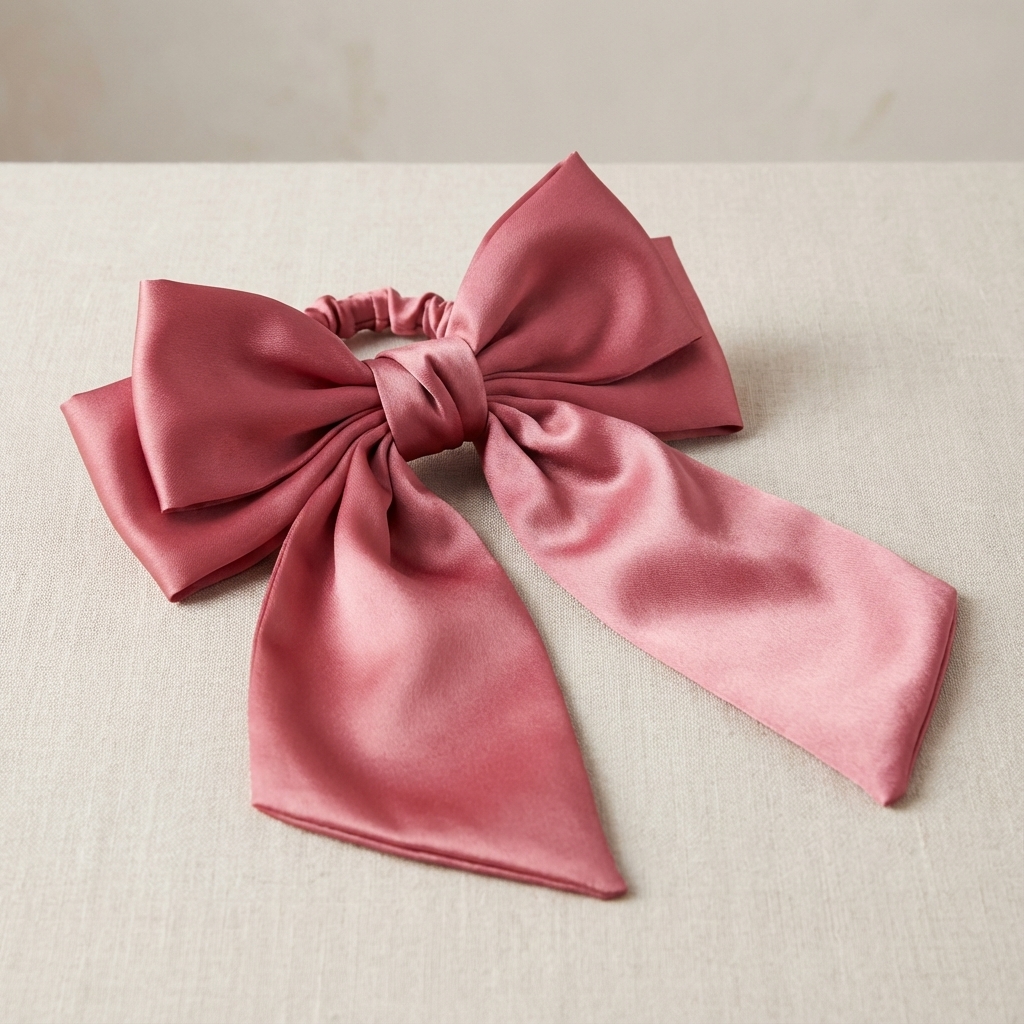
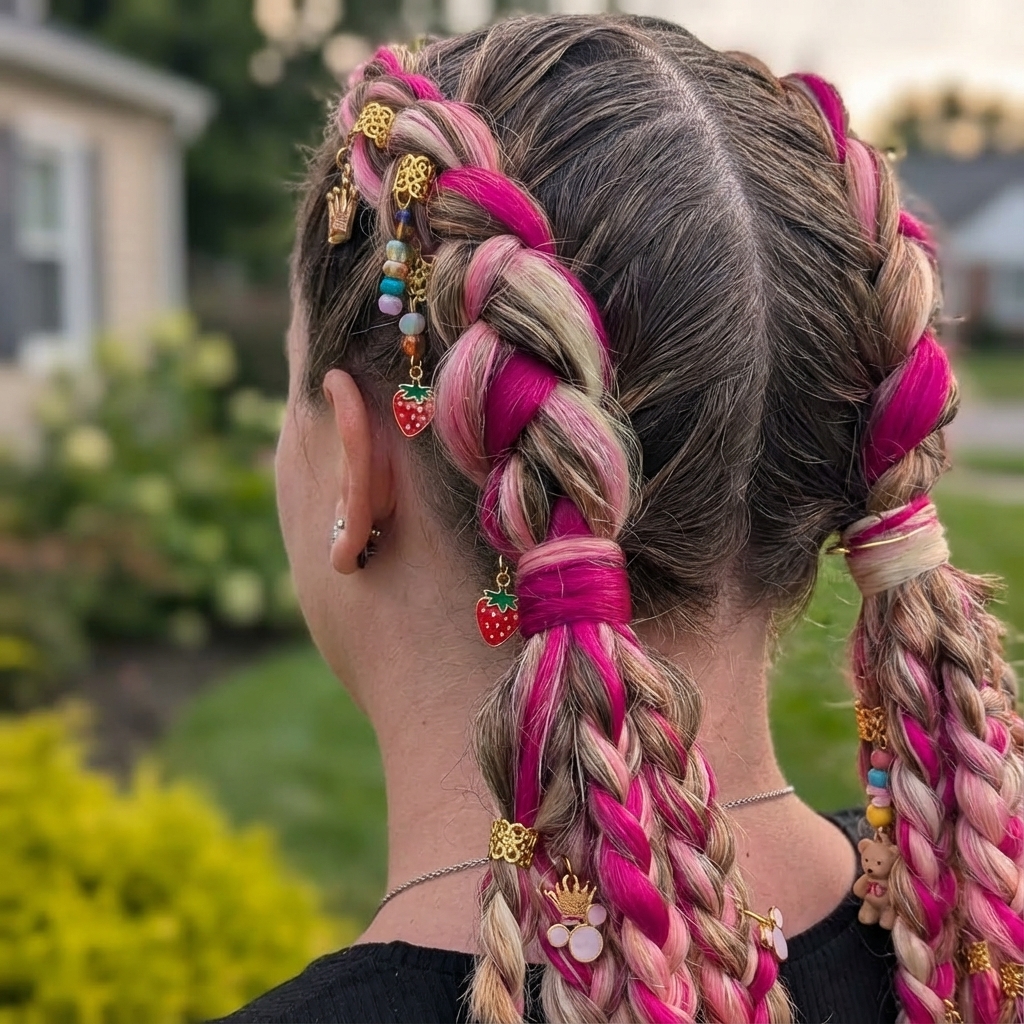
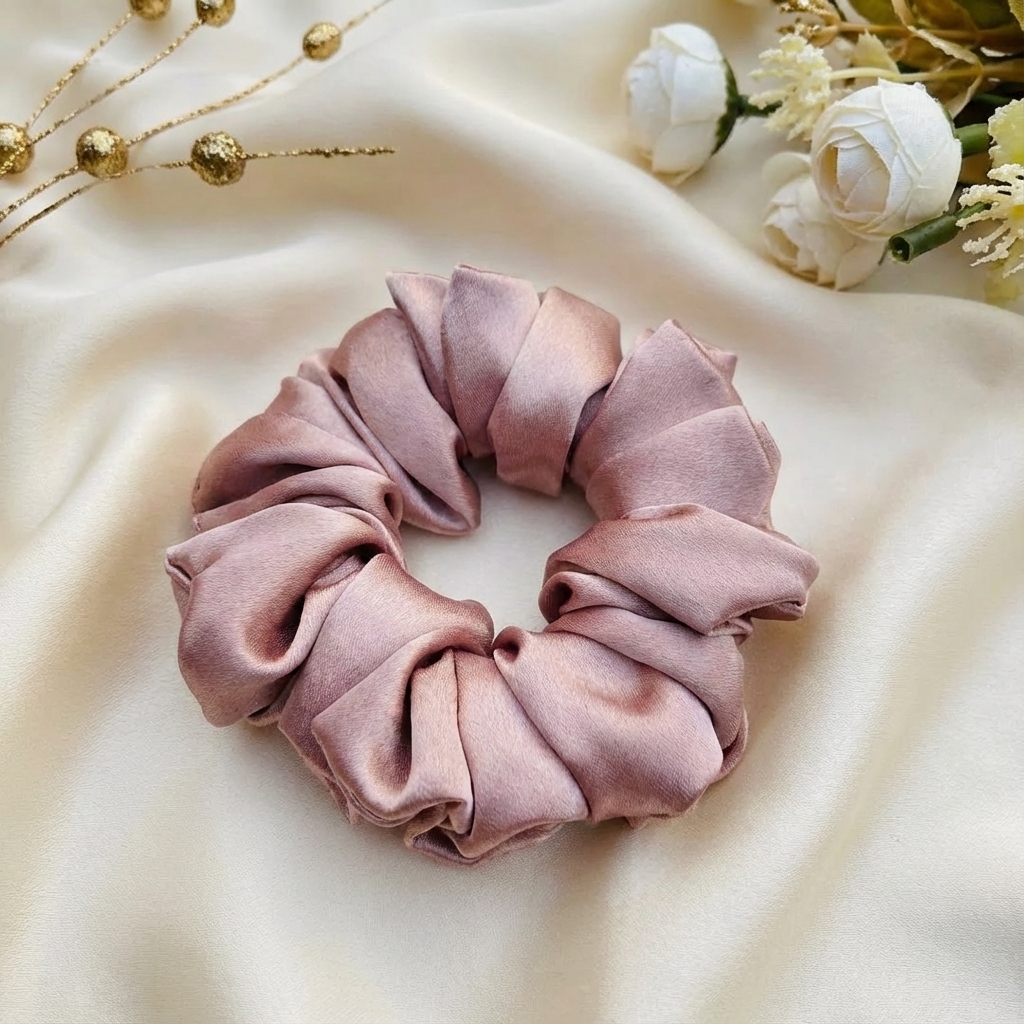
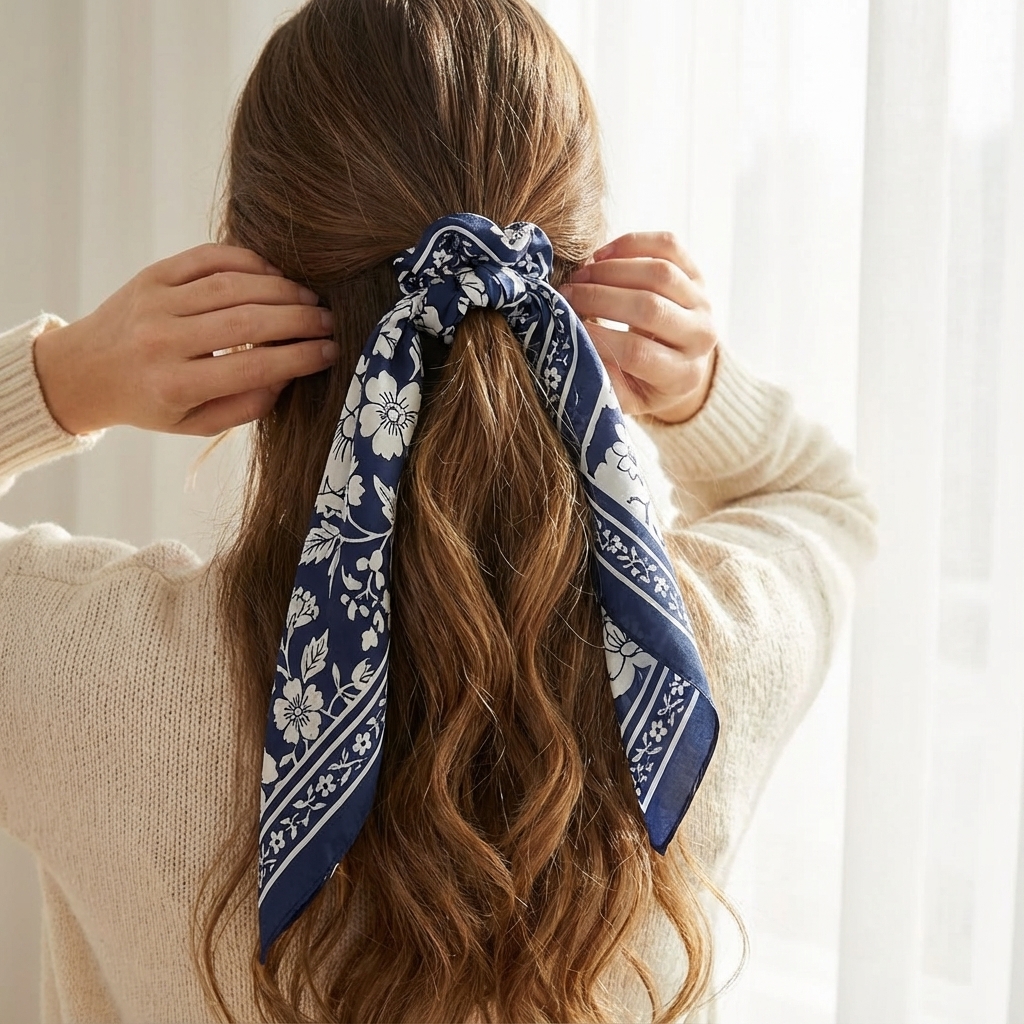
For the upcoming Summer 2026 season in Brazil, the hair tie market is moving beyond simple functionality, transforming these everyday items into key fashion statements. The overarching trend points towards a celebration of individuality and artisanal craftsmanship. Consumers are seeking accessories that not only hold their hair but also express personal style, with a strong preference for handmade and unique pieces. This shift reflects a broader fashion movement towards authenticity and adding a personalized, sophisticated, or fun touch to even the most basic outfits. Key trends highlight a focus on texture, silhouette, and embellishment. Expect a surge in hair ties featuring romantic, playful, and artisanal elements. Materials like crochet, satin, and linen will be prominent, often taking the form of oversized maxi bows, elegant scarf-scrunchies with flowing tails, or fully crocheted pieces. For a more whimsical approach, elastic ties will be adorned with playful charms and pendants, turning a simple hair accessory into a maximalist piece of jewelry. Even the classic scrunchie is elevated through the use of luxurious satin, emphasizing material quality and sheen. This evolution in hair accessories is driven by several key consumer desires. The "craftcore" movement fuels the popularity of crochet, as shoppers seek personal, unique items that stand apart from mass production. Simultaneously, global romantic aesthetics inspire the dramatic maxi bow trend, offering a bold expression of femininity. For younger consumers, the appeal of playful charms lies in the opportunity for personalization and dopamine-boosting fun. Finally, practical considerations are not forgotten, with materials like satin being chosen for their gentle, anti-frizz properties, a significant advantage in Brazil's humid summer climate.
Hair Ties represent a dynamic and high-demand category in the Brazilian market, driven by fast-fashion trends and strong aesthetic influences from Korean, artisanal, and 'blogger' styles. The market is clearly segmented, offering diverse sourcing opportunities for brands. The value segment focuses on affordability and volume, catering to consumers seeking everyday options and hair ties bulk kids packs. These products utilize cost-effective materials like polyester satin and standard elastics, often sold in multi-packs to maximize value. Conversely, the premium segment emphasizes superior quality, positioning hair ties as fashion accessories or hair health solutions. This niche uses high-end materials such as 100% Mulberry Silk and velvet, features detailed craftsmanship, and is often presented in gift-worthy packaging. For brands, understanding this dual-market structure is key to capturing consumer interest and capitalizing on the demand for everything from simple scrunchies to elaborate, embellished accessories.
The market data and sourcing advantages that make this trend worth pursuing.
Typical range
$5.35–$25.99
Typical range
$27.46–$60.00
132K views • 9% engagement
Strong organic resonance
53 suppliers
MOQ flexibility & scale options
High-margin candidate for boutique retail.
Premium Suede Backpack
High-margin candidate for boutique retail.
Top-selling entry-level SKU on Amazon.
Supplier Examples
Supplier 1
MOQ 100 • 5+ yrs
Supplier 2
MOQ 100 • 5+ yrs
Supplier 3
MOQ 100 • 5+ yrs
Supplier 4
MOQ 100 • 5+ yrs
Supplier 5
MOQ 100 • 5+ yrs
Add or customize product features and we'll match you with verified suppliers.
Feature Matching
Find suppliers with matching capabilities
Quote Comparison
Compare pricing and lead times
Sampling & Production
Request samples and begin production
Minimum order quantities vary by supplier tier and product complexity. Value segment suppliers typically require 500-1,000 pieces per style/color, while premium manufacturers may accept 200-300 pieces for higher-value orders. Customization options like private labeling often increase MOQ requirements.
Common materials include cotton, polyester, modal, bamboo viscose, and various blends. Performance variants often incorporate spandex/elastane for stretch, while premium options may use pima cotton or Tencel. Material choice significantly impacts both FOB pricing and end-consumer appeal.
Request product samples before bulk orders, verify supplier certifications (ISO, BSCI, OEKO-TEX), check factory audit reports, and review trade history on B2B platforms. Our verified supplier ratings consider response rates, dispute history, and quality scores from verified transactions.
Standard production lead times range from 25-45 days depending on order complexity and supplier capacity. Rush orders may be possible at premium rates. Add 15-30 days for sea freight shipping to US ports, or 5-7 days for air freight on urgent orders.