
Complete sourcing guide for Magnesium-Infused Gels including supplier directory, FOB pricing, product specifications, and market validation.
Verified Suppliers
0
Sourcing Strategies
0
AI-generated product visualizations for Magnesium-Infused Gels
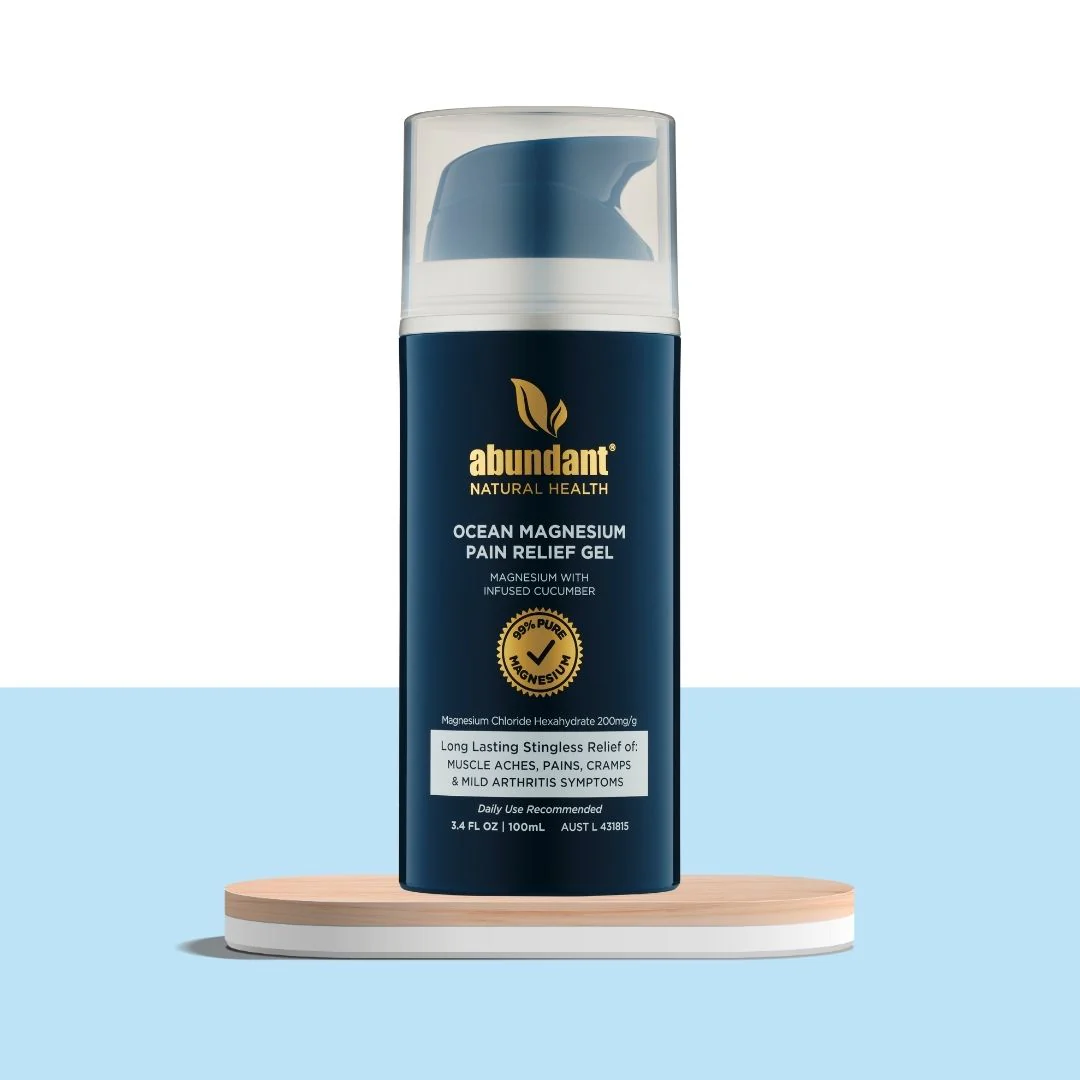
A quick preview of supplier standards, production requirements, and sourcing intelligence from our verified network.
The most significant cost drivers for magnesium gel are the source and concentration of magnesium, the complexity of the active ingredient list, and the choice of primary packaging. Optimizing these three areas will yield the largest impact on unit cost.
Confidence: High| Pricing Lever | Cost Impact | Quality Risk | MOQ Impact | Lead Time | Notes |
|---|---|---|---|---|---|
| Switch from Zechstein to standard Magnesium Chloride | ↓ High | Medium | - None | - None | Impacts premium brand positioning. Zechstein is a key marketing claim. |
| Reduce concentration of Magnesium Chloride | ↓ Medium | High | - None | - None | Directly affects product efficacy and core value proposition. Must test for effectiveness. |
| Simplify formula (remove secondary actives like Arnica/MSM) | ↓ Medium | Medium | - None | ↓ Low | Reduces unique selling points but simplifies production and lowers cost. |
| Switch from airless pump/roll-on to standard tube | ↓ High | Low | ↓ Medium | ↓ Medium | Affects user experience and perceived value. Tubes are cost-effective and readily available. |
| Use stock formula instead of custom development | ↓ Medium | Low | ↓ High | ↓ High | Fastest way to market. Less differentiation but avoids R&D and stability testing costs. |
| Use stock fragrance (e.g., Peppermint) vs. custom blend | ↓ Low | Low | - None | - None | A simple way to reduce complexity and minor cost. |
| Increase MOQ (e.g., from 1k to 5k units) | ↓ Medium | Low | ↑ High | - None | Enables better price breaks on packaging and reduces per-unit labor cost. |
Ready to formulate your perfect magnesium gel? Submit your project brief and let us help you balance features and budget to create a winning product.
The most critical quality risks are skin irritation, formula instability (separation), and microbial contamination. These can lead to product recalls and significant brand damage. A robust QC plan must focus on safety, stability, and consistency.
Confidence: HighRoot Cause
High MgCl2 concentration, pH imbalance, impurities, or irritating fragrances/preservatives.
What to Specify / Ask Supplier
Specify target pH range (e.g., 5.5-6.5). Request hypoallergenic preservatives. Require safety data sheets (SDS) for all ingredients and a final product Certificate of Analysis (COA).
QC Check (What "Good" Looks Like)
Patch test pre-production sample on skin. Check final product pH with test strips. Ensure it matches the approved sample's feel and scent.
Root Cause
Poor formulation, incorrect mixing process, or temperature fluctuations during shipping/storage.
What to Specify / Ask Supplier
Require stability testing data (e.g., 3 months at 40°C). Ask for the supplier's GMP certification and batch mixing SOPs.
QC Check (What "Good" Looks Like)
Visually inspect for separation. Squeeze gel out to check for consistent texture. Compare viscosity against the approved control sample.
Root Cause
Ineffective preservative system, non-GMP production environment, contaminated water source.
What to Specify / Ask Supplier
Require a Preservative Efficacy Test (PET / challenge test) report. Confirm production occurs in a GMP-certified facility.
QC Check (What "Good" Looks Like)
Visually check for discoloration or mold. Smell for any 'off' odors. Send a sample from each batch for third-party microbial testing.
Root Cause
Poor formulation; incorrect type or ratio of gelling agent and humectants.
What to Specify / Ask Supplier
Clearly define the desired skin-feel in your brief: 'must absorb within 60 seconds, non-sticky, no white residue.'
QC Check (What "Good" Looks Like)
Apply a standardized amount to the skin and time absorption. Rub the area after drying to check for pilling or residue.
Root Cause
Poor seal integrity, faulty pump mechanism, incorrect torque during capping.
What to Specify / Ask Supplier
Specify packaging quality standards. Ask for the supplier's in-line QC checks for packaging (e.g., vacuum leak test).
QC Check (What "Good" Looks Like)
Invert and squeeze a sample of units. For pumps, cycle 10-15 times to check for failure. Store a few units on their side for 24h to check for slow leaks.
Root Cause
Poor batching process control, no final assay testing.
What to Specify / Ask Supplier
Require a Certificate of Analysis (COA) with every batch that includes an assay for key actives (e.g., Magnesium Chloride %).
QC Check (What "Good" Looks Like)
This requires lab testing. For high-value orders, send a sample to a third-party lab to verify the supplier's COA.
Don't leave quality to chance. Partner with us to build a comprehensive QC checklist and connect with pre-vetted, GMP-certified suppliers for your muscle recovery gel.
Use this data to create your product specifications, reach out to suppliers, and validate your pricing strategy. Start with small sample orders to test quality.
This sourcing playbook provides actionable guidance for importing Magnesium-Infused Gelsproducts. Our data-driven approach combines supplier intelligence with market validation to help you make informed purchasing decisions and minimize sourcing risks.
First orders typically require 30-50% deposit with balance before shipment (T/T). As relationships develop, suppliers may offer 30/70 splits or even open terms for established buyers. Letter of Credit (L/C) is available for larger orders but involves additional fees.
Document issues with photos immediately upon receipt. Most suppliers offer replacement or credit for legitimate defects within agreed AQL limits. Having clear quality specifications in your purchase order strengthens your position in disputes.
Third-party inspection is recommended for first orders and orders over $10,000. Services like SGS or Bureau Veritas cost $200-400 per inspection and can prevent costly quality issues. Pre-shipment inspection is most common; in-line inspection adds additional assurance.
Navigation: All Categories → Muscle Recovery Gel → Magnesium-Infused Gels → Sourcing

