Product Sample Cost: How Much Does Manufacturing Sampling Cost?
Sourcing Guide · 4–5 min read
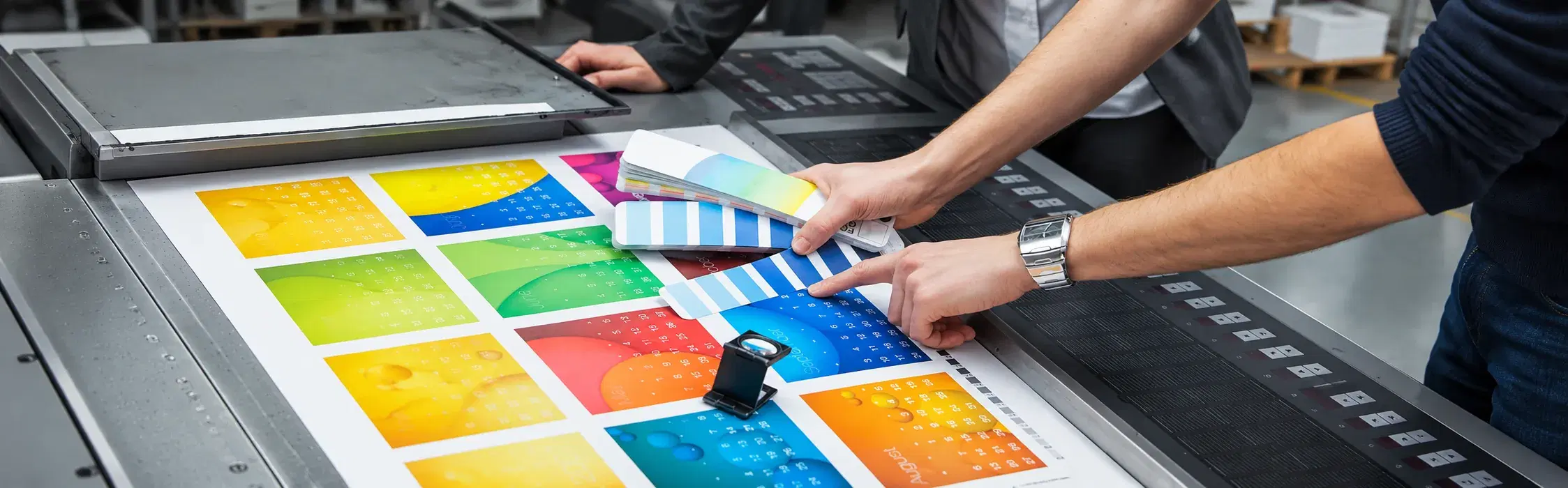
Product sample costs vary depending on materials, customization, manufacturing complexity, and shipping. A standard product sample may be relatively inexpensive, while a fully customized prototype can require additional design, tooling, and development fees.
Before placing a bulk order, understanding sampling fees helps brands plan their budgets and avoid unexpected manufacturing expenses.
Here’s what affects sample prices, what suppliers may charge, and how to reduce costs.
How Much Does a Product Sample Cost?
There is no fixed manufacturing sample price. Costs depend on whether you’re requesting an existing product, a customized sample, or a completely new prototype.
$250
One published example
Different sample types also involve different costs:
| Sample Type | What You’re Paying For |
|---|---|
| Stock sample | An existing product, with limited or no customization |
| Customized sample | Changes to branding, materials, colors, or packaging |
| New prototype | Original development, design work, and potentially new tooling |
| Pre-production sample | Confirmation of specifications before bulk manufacturing |
Key takeaway: Always request an itemized sampling quotation rather than assuming every factory charges the same fee.
Why Do Manufacturers Charge Sampling Fees?
Manufacturers may charge for samples because producing one or a few units can require work similar to setting up a larger production order.
The main cost factors include:
Materials and components
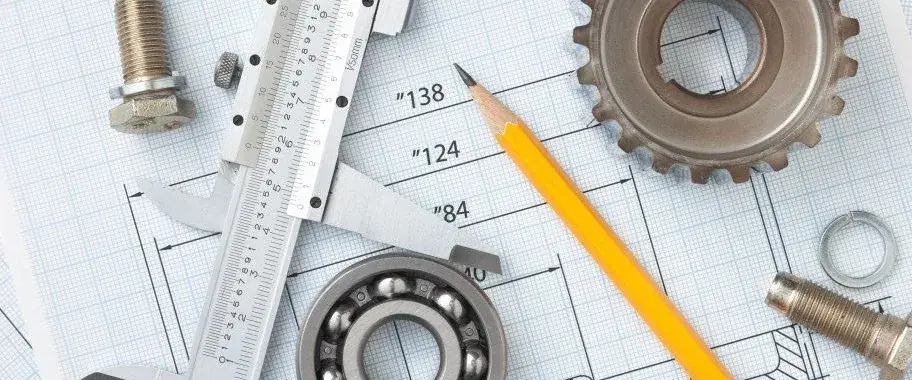
Custom fabrics, packaging, hardware, or ingredients may need to be purchased specifically for your sample.
Design and customization
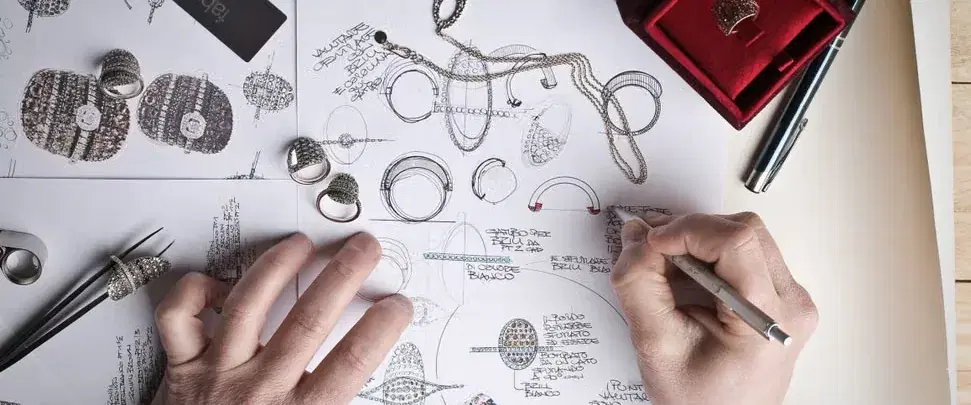
Logo printing, embroidery, unique shapes, custom formulations, and new patterns can increase development costs.
Labor and production setup

Factories may need to configure equipment, prepare materials, and allocate workers to produce a small quantity.
Tooling and molds
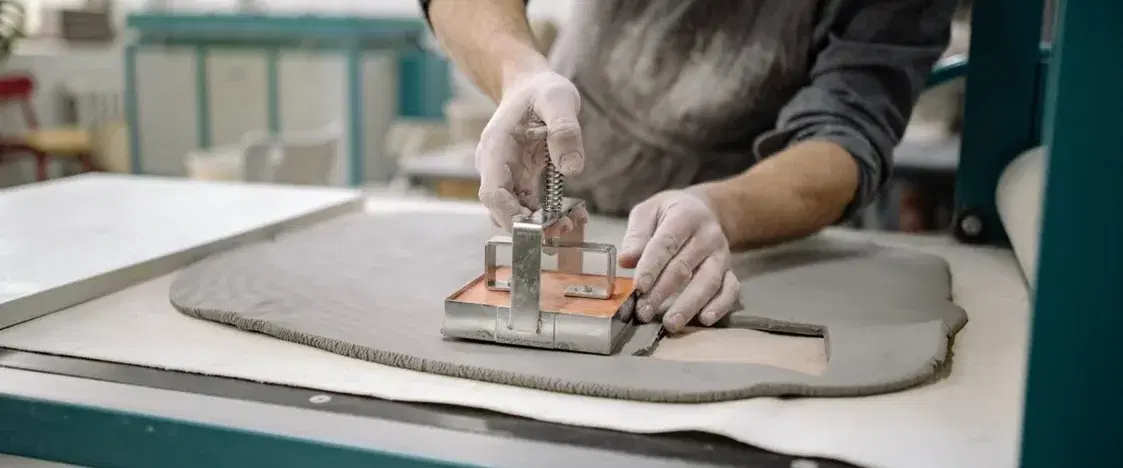
Some products require new molds, printing plates, or other tooling. Confirm whether these charges are separate from the sample fee.
Shipping and revisions

International courier fees, additional sample rounds, and design adjustments can increase the final amount.
These costs explain why a sample may cost substantially more per unit than the finished product in bulk production.
Sample Cost Calculation Example
Imagine a brand developing a customized tote bag.
| Cost Component | Example Cost |
|---|---|
| Sample production | $80 |
| Custom logo setup | $30 |
| International shipping | $25 |
| Total sample cost | $135 |
Illustrative example only. Not actual Sourcy or manufacturer pricing.
If the brand requests another sample revision costing $50, its total sampling expenditure rises to $185.
The important point is to budget for the complete sampling process, not only the initial quoted sample price.
Developing a custom product?
Sourcy helps brands clarify product requirements, explore suitable manufacturers, and coordinate sampling before bulk production.
How to Reduce Product Sampling Costs
Lower sample expenses should not come at the expense of product quality.
Consider these practical approaches:
Prepare Clear Product Specifications
Provide dimensions, materials, colors, reference images, and customization requirements before requesting a sample. Clear instructions help reduce misunderstandings and unnecessary revisions.
Start With Existing Materials
Using readily available materials or packaging can reduce additional sourcing and tooling requirements.
Compare Sample Quotations
Ask manufacturers to separate production, customization, tooling, revisions, and shipping charges.
Make sure you understand what is included before comparing prices.
Ask Whether Sample Fees Are Refundable
Some suppliers may credit part of a sample fee toward a later bulk order, depending on their policies.
Confirm the conditions in writing rather than assuming a refund is guaranteed.
Plan Sample Approvals Carefully
Review dimensions, appearance, materials, and functionality before approving production.
Are Free Product Samples Worth Requesting?
Some suppliers may offer free or low-cost stock samples, particularly for standard products.
However, shipping, customization, and special development work may still be charged.
A free sample is not automatically a better deal if it does not represent your intended final product.
Compare the total cost and usefulness of each sample, not just its upfront price.
How Sourcy Helps Brands Manage Sampling
Managing samples involves more than paying a supplier fee.
Brands must communicate requirements, compare manufacturing options, review sample results, and coordinate revisions before moving into production.
Sourcy helps connect these stages through a structured sourcing process, supporting brands from product requirements and supplier matching to sampling and manufacturing coordination.
Want to understand your product’s sampling requirements?
Frequently Asked Questions
What is a sampling fee?
A sampling fee is the amount a supplier charges to prepare or produce a product sample before a larger manufacturing order.
Why is sample cost higher than bulk unit price?
Samples may require individual setup, manual labor, materials, and development work that would otherwise be spread across a larger production quantity.
Can sample fees be negotiated?
Sometimes. Suppliers may offer alternative pricing, simpler sample specifications, or credits toward future orders. Terms depend on the manufacturer.
How many samples should I order before bulk production?
There is no universal number. Request enough samples or revisions to confirm the product meets agreed requirements before approving manufacturing.
Does sample cost include shipping?
Not always. Ask whether freight, customs charges, revisions, and tooling are included in the quotation.
Plan Your Product Sampling With Confidence
Understanding product sample costs helps businesses make informed sourcing decisions, compare manufacturer quotations, and prepare for production.
Before committing to a supplier, focus on the total sampling budget, clear product specifications, and realistic development expectations.