
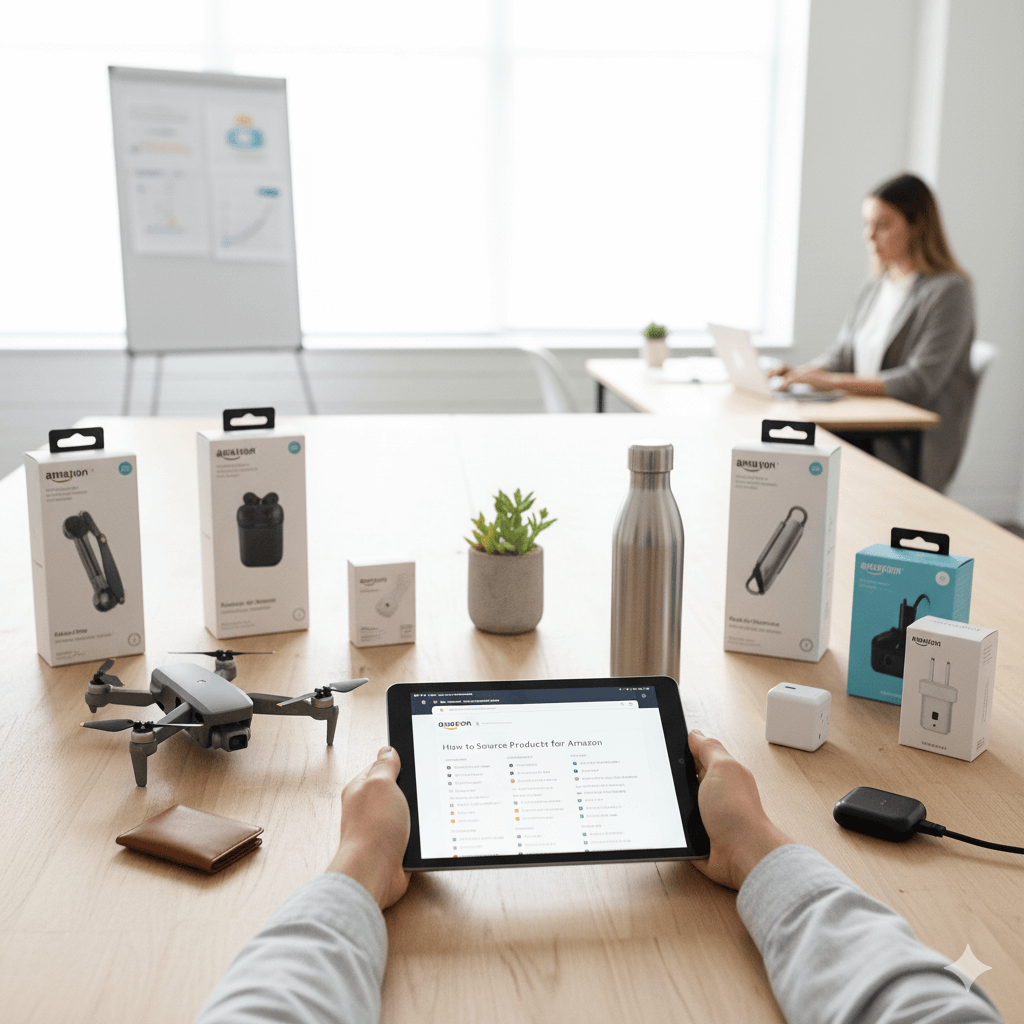

Selling on Amazon continues to be one of the most accessible and profitable ways to grow a product-based business. But behind every successful listing lies a well-researched sourcing strategy. For new and established sellers alike, knowing how to find potential suppliers, control costs, and move quickly from product idea to market launch is key to staying competitive.
Whether you’re planning to launch a private label, test a seasonal trend, or expand your existing catalog of product lines, this guide will walk you through everything you need to know about how to source products to sell on Amazon—and how an ai powered platform like Sourcy can help simplify the process of end-to-end product sourcing.
Why Sourcing Matters on Amazon
In today’s Amazon ecosystem, you’re not just competing on price. You're competing on product quality, delivery speed, and customer satisfaction. All of these are directly impacted by your sourcing methods. A strong sourcing strategy leads to better cost savings, faster turnaround, and fewer customer complaints—all of which feed into Amazon’s ranking algorithm and create long-term competitive advantages.
On the flip side, weak sourcing—like using unreliable factories or skipping quality standards checks—can result in poor reviews and account warnings. That’s why product sourcing is more than just finding the cheapest option; it’s a vital business process about building a repeatable, margin-friendly supply chain.
Exploring Different Sourcing Models
There are several ways to source products for Amazon. The most popular approach for long-term brand-building is private label sourcing, where you customize a product with your own branding. This method allows for better profit margins and stronger supplier relationships.
Other sellers opt for white label or OEM models, working with factories that produce generic goods from existing raw materials. Regardless of your model, the ability to connect with potential suppliers who understand your category and can meet Amazon's strict packaging and quality standards is essential to avoid friction in your restock cycles.
Where to Product Sourcing: Not Just Alibaba Anymore
While directories remain a starting point, many sellers are turning to a dedicated sourcing platform that offers curated, verified manufacturers and more transparency. Sourcing is the process of finding the best global fit; while China remains a leader in large quantities, rising markets like Vietnam and India offer competitive options for textiles and home goods.
A platform like Sourcy connects you to trusted manufacturers beyond traditional directories. With the help of ai sourcing tools, you can even discover trending products or cost savings opportunities by analyzing what’s moving across e-commerce platforms in real time.
How to Choose the Right Supplier
The best partners for Amazon sellers aren’t always the biggest—they’re the ones who can work with your minimum order quantities, communicate clearly, and offer room to scale. When evaluating potential suppliers, look for those with experience handling FBA-compliant orders and specialized product lines.
A smart sourcing strategy is to request 2–3 samples to evaluate material consistency. Before placing a bulk order for large quantities, ensure your supplier understands Amazon’s labeling standards to avoid inbound rejections. Working with a platform like Sourcy helps you manage these supplier relationships in one centralized dashboard.
Validating Your Product: Market Research First
Before you invest in inventory, it’s critical to conduct market research to make sure there’s a demand for your product. Use tools like Helium 10 or Brand Analytics to review keyword volumes and competitor pricing. Sourcing is the process of matching market demand with manufacturing reality.
If you’re unsure what to launch, Sourcy’s built-in ai sourcing insights allow you to explore trending products by category—giving you early signals in real time. This helps sellers avoid saturated categories and spot micro-trends, which is a key part of modern supply chain management.
Getting Products into Amazon FBA
The next challenge is navigating shipping and FBA intake. Most sellers ship directly from the factory to Amazon, but that requires compliance with strict packaging rules. Suppliers must use correct raw materials for packaging and follow weight restrictions.
You’ll also need to decide between air freight for speed or sea freight for better cost savings. Sourcy can coordinate this entire business process—combining production with packaging, QC, and shipping—so your product arrives FBA-ready.
How Sourcy Supports Amazon Sellers
As a sourcing platform designed for modern brands, Sourcy offers a full-stack ai powered solution for Amazon sellers:
- Discover product trends through AI-powered sourcing insights
- Connect with verified potential suppliers across Asia and emerging markets
- Order product samples and test low minimum order quantity runs
- Customize packaging to meet FBA standards
- Manage supply chain management - production timelines, logistics, and customs clearance
- Optimize for speed, transparency, and cost savings
From product ideation to delivery, we help you stay focused on growing your listings—while we handle the supply chain behind the scenes.
Final Thoughts
The marketplace is evolving fast—and so is how products are sourced. Today’s successful sellers are building smarter business processes that allow them to launch quickly while protecting their margins. With the right sourcing strategy, thorough market research, and access to trustworthy manufacturers, any brand can gain competitive advantages on Amazon.
Ready to explore how our ai powered tools can support your sourcing journey? Try us out now