Sourcing Guide5–6 min read
Beauty Product Manufacturing: 5 Sourcing Challenges for Brands
Beauty product manufacturing involves more than finding a factory that can produce skincare or cosmetics.
Brands must also consider formulation quality, product safety, packaging compatibility, minimum order quantities, and production timelines.
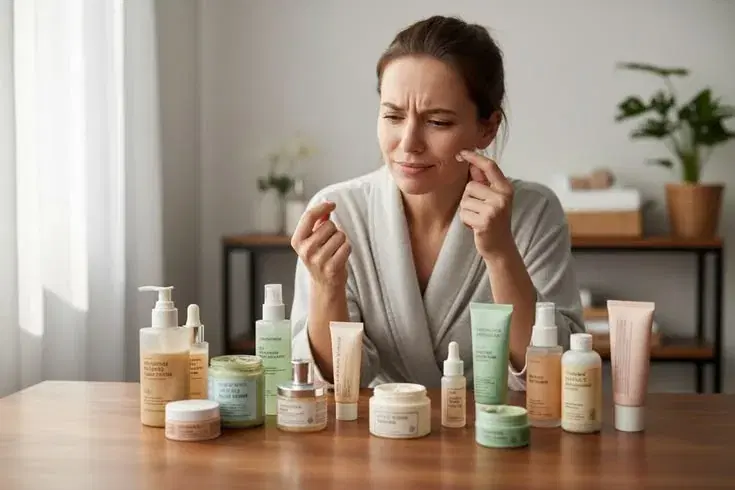
Whether you're launching a skincare brand or expanding an existing beauty product range, these factors can affect your costs, product performance, and speed to market.
Here are five common beauty manufacturing challenges and practical ways to manage them.
Why Is Beauty Product Manufacturing Different?
Unlike many everyday consumer products, beauty products often require careful coordination between formulation development, testing, packaging, and regulatory requirements.
A skincare cream, for example, must deliver the intended texture and performance while remaining suitable for its packaging and intended market.
Manufacturers and brands also need to consider ingredient restrictions, product claims, stability, and consistent production quality.
Successful beauty manufacturing depends on coordinating the complete product, not just its formula.
5 Common Beauty Manufacturing Challenges
Product Safety and Regulatory Compliance
Cosmetics regulations vary by country and product type.
Brands may need to consider ingredient restrictions, product labeling, safety documentation, and applicable registration or notification requirements.
In the United States, the Modernization of Cosmetics Regulation Act of 2022 (MoCRA) introduced facility registration and product listing obligations for covered businesses, subject to applicable exemptions.
1,298,361
Active listings · June 30, 2026
This figure reflects product listings, not the number of manufacturers or an estimate of total market size.
What brands should do
Confirm the applicable rules in each target market and clarify responsibility for safety documentation, labeling, and regulatory submissions before production.
Formulation Quality and Batch Consistency
Developing an attractive formula is only the beginning.
Skincare and cosmetic products must maintain suitable characteristics across production batches, such as texture, appearance, fragrance, and other agreed specifications.
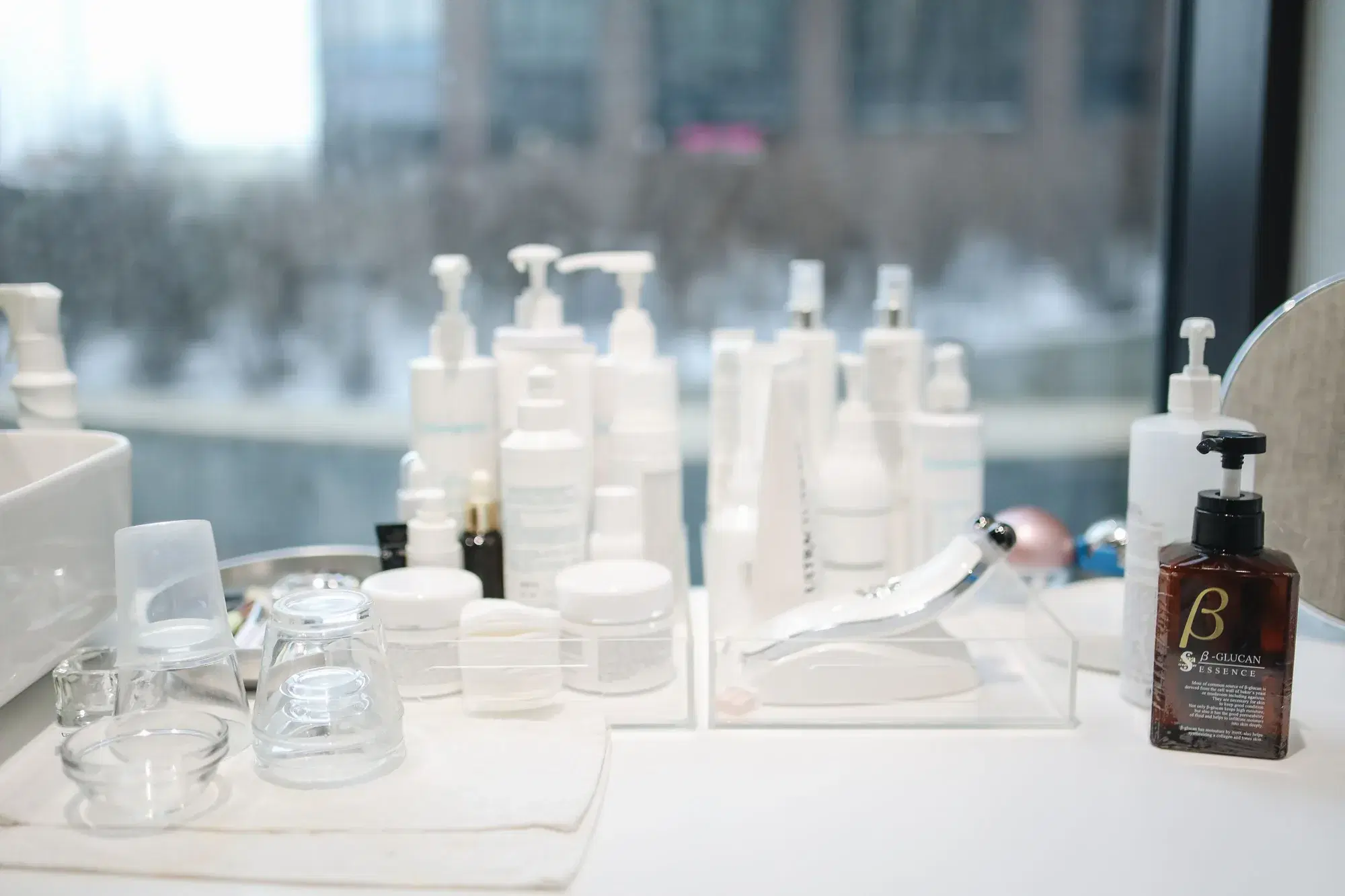
Potential challenges include
- 01Changes in ingredient availability.
- 02Differences between laboratory samples and bulk production.
- 03Inconsistent textures or colors.
- 04Stability and packaging compatibility issues.
What brands should do
Approve clear product specifications and appropriate reference samples. Confirm the testing and quality requirements applicable to the product before bulk production.
Cosmetic Packaging and Component Sourcing
Packaging plays an important role in product presentation, functionality, and protection.
Beauty brands often need to coordinate several components, including bottles, jars, pumps, caps, labels, and cartons.
Common challenges include:
- 01Packaging components with different supplier MOQs.
- 02Bottles or pumps that are incompatible with a formula.
- 03Leaks or breakage during shipping.
- 04Custom printing and packaging tooling costs.
A beautiful package is not useful if it leaks, damages the formula, or cannot be produced within the brand's budget.
What brands should do
Confirm packaging compatibility, component availability, and customization costs early in product development.
Developing a new beauty product range?
Sourcy helps brands coordinate manufacturing and packaging requirements, compare sourcing options, and manage product development needs.
MOQ and Production Costs
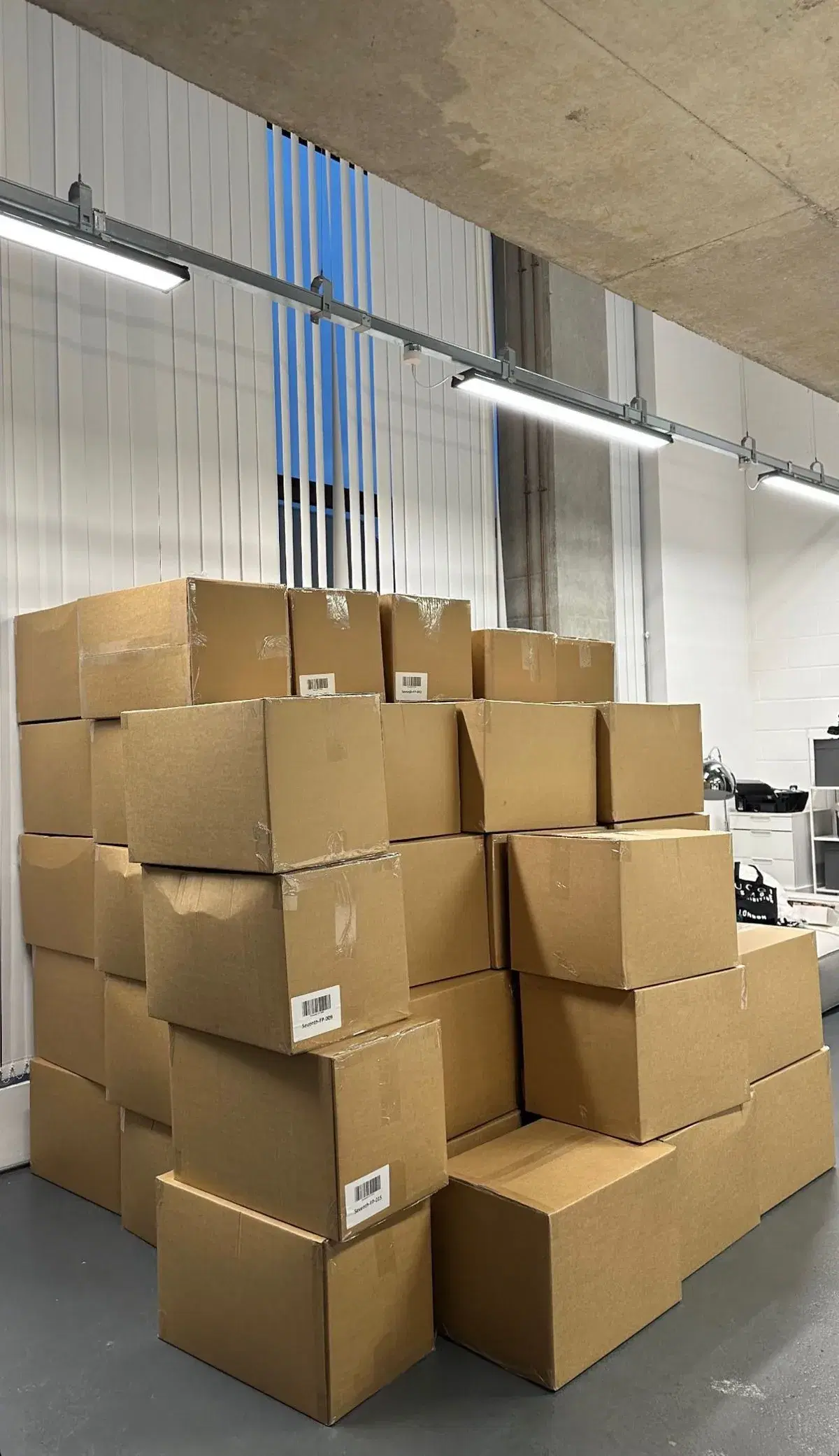
Beauty manufacturing often involves multiple minimum order quantities.
A formula manufacturer, packaging supplier, and printing provider may each have different minimums.
For example, a manufacturer may accept a smaller formulation order while custom packaging requires a higher quantity.
This can create excess packaging inventory and increase upfront costs.
What brands should do
Compare total order requirements across formulas, packaging, and printing before confirming a manufacturing plan.
Where suitable, explore standard packaging or simpler customization to reduce initial commitments.
Manufacturing Lead Times and Production Coordination
Beauty product development requires coordination across formulation, testing, packaging, production, and logistics.
Delays in one activity can affect the entire launch.
For example, a formula may be production-ready while its custom packaging is still undergoing testing or waiting for delivery.
What brands should do
Build a realistic production schedule that accounts for approvals, sampling, testing, packaging, and shipping.
How Sourcy Helps Beauty Brands Manage Manufacturing Challenges
Managing beauty product manufacturing means coordinating multiple decisions across product development and production.
Sourcy supports brands by helping them:
01Find suitable manufacturers:
Explore suppliers with relevant experience in beauty and personal care products.
02Compare production requirements:
Evaluate customization options, MOQ, quotations, and manufacturing capabilities.
03Coordinate product development:
Support communication around formulations, packaging, and samples.
04Manage production requirements:
Help align product specifications, quality expectations, and manufacturing timelines.
05Simplify end-to-end sourcing:
Connect supplier selection, production coordination, and logistics.
Real Customer Example: Moonshot Labs
50%
Packaging cost reduction
20+
SKUs developed
Sourcy's Moonshot Labs customer story highlights a 50% reduction in packaging costs and the development of 20+ SKUs.
By optimizing packaging specifications and sourcing requirements, the project demonstrates how thoughtful manufacturing decisions can help brands manage costs while maintaining their intended product positioning.
These results are specific to the customer project and are not guaranteed outcomes for every beauty brand.
Looking to develop or expand your beauty product range?
Beauty Manufacturing: Quick Planning Checklist
Before committing to a manufacturing partner, confirm the following:
| Area | What to Confirm |
|---|---|
| Formulation | Product specifications, samples, and relevant tests |
| Compliance | Applicable market regulations and responsibilities |
| Packaging | Compatibility, materials, customization, and MOQ |
| Costs | Formula, packaging, tooling, and logistics |
| Timeline | Development, approvals, production, and delivery |
Clear requirements at the beginning can help reduce unnecessary revisions and unexpected manufacturing costs.
Frequently Asked Questions
What is beauty product manufacturing?
Beauty product manufacturing involves developing and producing products such as skincare, cosmetics, and personal care items, including relevant formulation, packaging, and quality requirements.
Can I manufacture beauty products with a low MOQ?
Sometimes. MOQ requirements vary according to the formula, packaging, customization, and supplier capabilities. Standard packaging and existing formulations may offer more flexible options.
How long does beauty product manufacturing take?
It depends on product complexity, formulation development, testing, packaging requirements, production capacity, and logistics. Custom products generally require additional planning.
What should I look for in a beauty product manufacturer?
Look for relevant manufacturing experience, appropriate quality systems, suitable production capabilities, regulatory awareness, transparent costs, and realistic timelines.
Bring Your Beauty Product Ideas to Life With Sourcy
Beauty product manufacturing can be complex, but clear sourcing requirements and coordinated production planning make the process more manageable.
From manufacturer selection and packaging considerations to sampling, production, and logistics, Sourcy supports brands throughout the product sourcing journey.
Ready to launch your next beauty or skincare product?