Fashion Sourcing: 5 Manufacturing Challenges for Brands
Sourcing Guide · 5–6 min read
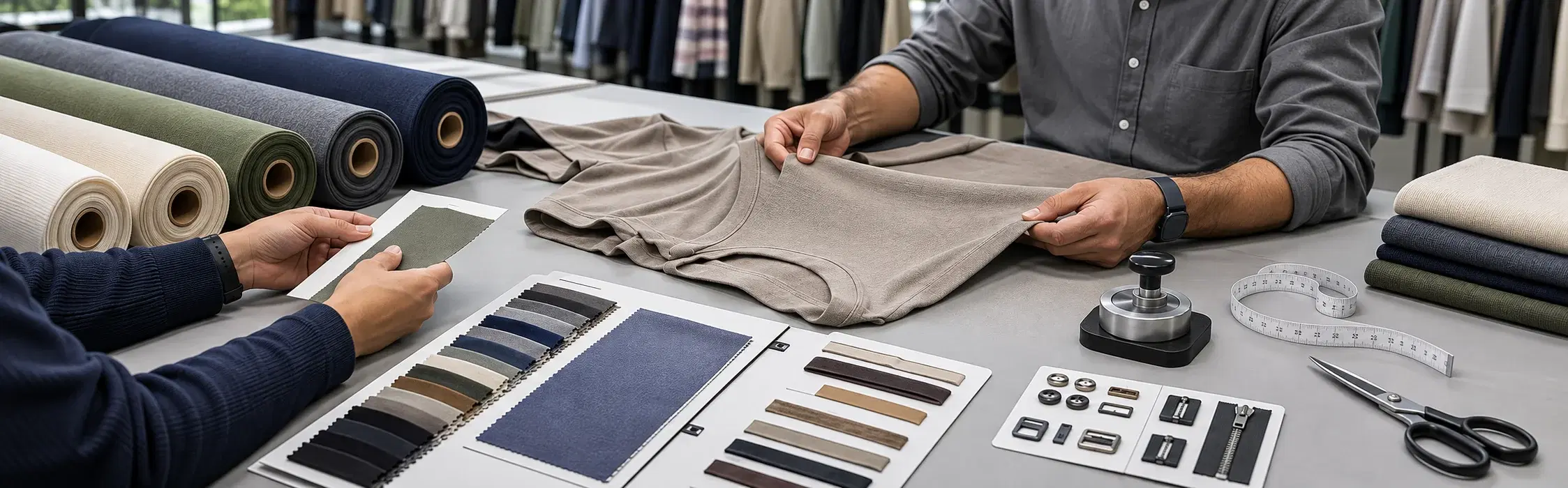
Fashion sourcing involves finding and coordinating manufacturers that can meet a brand’s requirements for fit, fabric quality, production quantities, and delivery timelines.
For clothing brands, choosing a factory is only the beginning.
A single apparel collection may involve multiple sizes, colors, materials, and production requirements. Without clear specifications and planning, small sourcing mistakes can lead to inconsistent products, excess inventory, and delayed launches.
Here are five common fashion sourcing challenges and practical ways to manage them.
Why Is Fashion Sourcing More Complex Than It Looks?
Unlike products with a single standard specification, apparel often requires careful coordination across different sizes, fabrics, trims, and color variations.
A manufacturer that produces excellent basic T-shirts may not have the same capabilities for technical activewear or structured fashion accessories.
For brands, successful sourcing means finding manufacturers whose capabilities match their product requirements, target customers, and production plans.
The goal is not simply to find the cheapest factory, but to build a manufacturing process that consistently delivers the right products.
5 Common Fashion Sourcing Challenges
Fit, Sizing, and Measurement Consistency
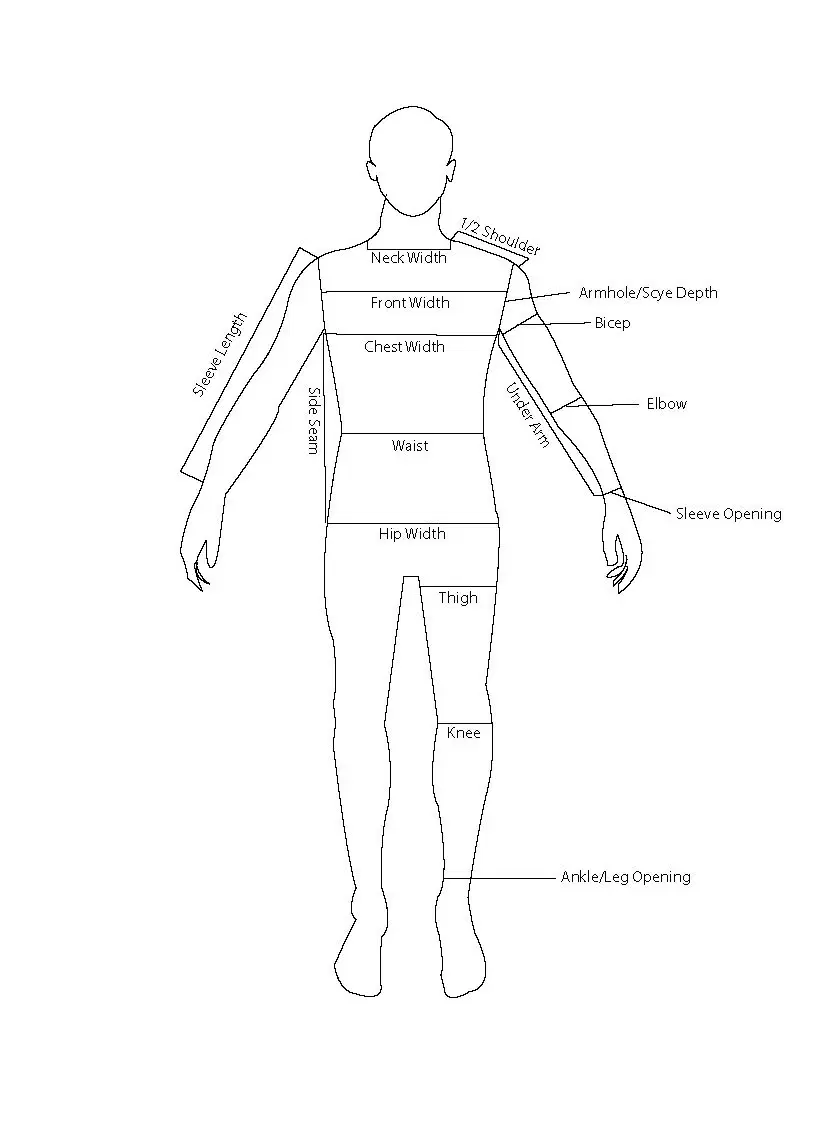
Sizing is one of the most important considerations in clothing manufacturing.
Different manufacturers may interpret size specifications differently, leading to inconsistent fits between samples and finished production.
Common challenges include:
Inconsistent garment measurements across sizes.
Differences in fit between production batches.
Incorrect size grading.
Products that do not match customer expectations.
How to manage it
Provide detailed size charts, measurement tolerances, and approved fit samples. Review sizing across relevant sizes before approving bulk production.
Fabric Quality and Material Consistency
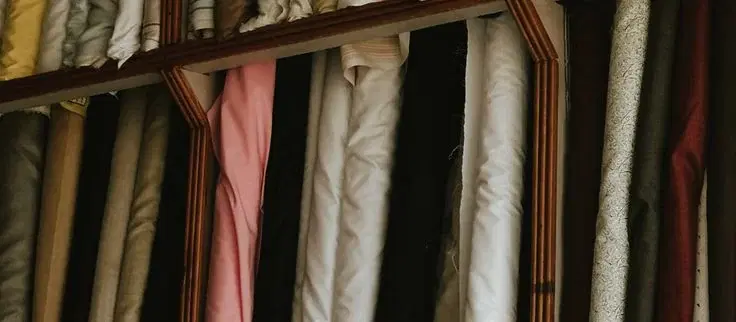
Fabric selection affects a garment’s appearance, durability, comfort, and perceived value.
Even small differences in fabric weight, color, texture, or stitching can change the finished product.
Material selection also has broader implications.
92M
Tonnes of textile waste · per year
While this is an industry-wide figure rather than a measurement of manufacturing defects, it highlights the importance of thoughtful material selection and avoiding unnecessary production.
How to manage it
Confirm fabric specifications, request material swatches, and agree on relevant quality requirements before manufacturing.
Looking for manufacturers that match your fashion product requirements?
Sourcy helps brands compare supplier capabilities, materials, quotations, and production options through a structured sourcing process.
Seasonal Trends and Production Timelines
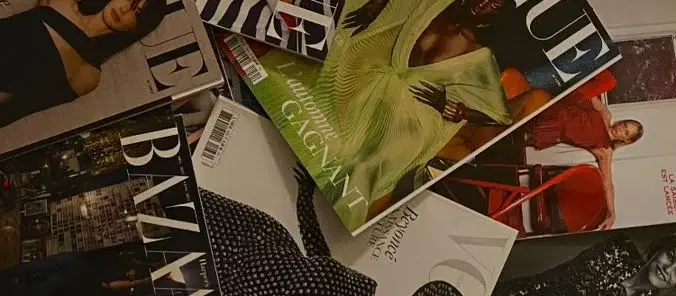
Fashion brands often work around seasonal collections, marketing campaigns, and product launch dates.
However, manufacturing requires time for sampling, approvals, material procurement, production, inspections, and shipping.
Delays in one stage can affect the entire launch schedule.
How to manage it
Plan backward from your target launch date and allow time for sample revisions, production adjustments, and logistics.
MOQ Across Sizes, Colors, and Styles
Minimum Order Quantity (MOQ) can be particularly challenging in fashion manufacturing.
Suppliers may require minimum quantities for individual styles, colors, fabrics, or product variations.
For example, consider a brand ordering customized T-shirts:
| Production Requirement | Example |
|---|---|
| MOQ per color | 200 units |
| Number of colors | 3 |
| Total minimum order | 600 units |
| Sizes | XS–XL, allocated across the order |
Illustrative example only. Actual requirements depend on the manufacturer and product.
A brand planning several colors and sizes may need to commit to more inventory than originally expected.
How to manage it
Start with a focused product range, compare MOQ structures, and explore existing fabrics or simplified customization where appropriate.
Unclear Tech Packs and Product Specifications
A tech pack communicates how a garment should be manufactured.
Without clear instructions, factories may make assumptions about measurements, fabrics, finishes, or construction details.
For example:
| Unclear Brief | Clearer Manufacturing Requirement |
|---|---|
| Oversized hoodie | Defined chest width and garment length |
| Soft fabric | Specified fabric composition and weight |
| Premium zipper | Confirmed zipper type and finish |
| High-quality stitching | Defined stitching and workmanship requirements |
How to manage it
Prepare clear technical specifications, product references, measurement charts, and approved samples before bulk production.
Detailed documentation reduces misunderstandings and makes manufacturer quotations easier to compare.
How Sourcy Helps Brands Overcome Fashion Sourcing Challenges
Fashion sourcing requires coordination across supplier selection, sampling, MOQ negotiations, production, and logistics.
Sourcy helps brands simplify these connected stages through an end-to-end sourcing process.
Instead of managing multiple manufacturers independently, Sourcy supports brands by helping them:
Find suitable manufacturers:
Connect with vetted suppliers experienced in relevant fashion categories, including apparel and accessories.
Compare MOQ and pricing:
Evaluate production quantities, customization requirements, and total sourcing costs.
Coordinate sampling:
Communicate specifications and support sample reviews before bulk production.
Manage production requirements:
Align quality expectations, manufacturing timelines, and supplier communication.
Simplify logistics:
Coordinate shipping and delivery requirements alongside manufacturing.
Real Customer Example: Fashion Handbag Launch in 6 Weeks
Sourcy supported a Philippine D2C fashion brand launching a trend-driven handbag collection under a tight deadline.
Sourcy has helped the customer achieved:
6 weeks
Total product cycle
2 days
Sourcing and quotation time
15–20%
Reported freight cost reduction
These customer-specific results demonstrate how coordinated sourcing and logistics can support time-sensitive fashion launches.
Results vary depending on product complexity, supplier availability, production requirements, and delivery conditions.
Planning a new clothing or fashion accessories collection?
Fashion Sourcing Checklist Before Production
Before confirming your manufacturer, review these key requirements:
| Area | What to Confirm |
|---|---|
| Product specifications | Sizes, fit, materials, and construction |
| Fabric and trims | Composition, quality, colors, and availability |
| MOQ | Minimums per style, color, and size |
| Sampling | Approved samples and required revisions |
| Production timeline | Manufacturing, inspections, and shipping |
| Quality requirements | Measurements, workmanship, and acceptance criteria |
Clear requirements help brands compare manufacturers and reduce unexpected production changes.
Frequently Asked Questions
What is fashion sourcing?
Fashion sourcing is the process of identifying and coordinating suppliers and manufacturers for clothing, accessories, and related products, including materials, pricing, sampling, production, and delivery.
What is the biggest challenge in apparel manufacturing?
Common challenges include inconsistent sizing, fabric quality variations, minimum order quantities, and production delays. The most significant challenge depends on the product and manufacturing requirements.
Can small fashion brands work with low MOQ manufacturers?
Yes, depending on the product, customization needs, and supplier capabilities. Standard fabrics, simpler designs, and focused product ranges may provide more flexible options.
How can Sourcy help fashion brands?
Sourcy supports brands with manufacturer matching, quotation comparisons, MOQ planning, sampling coordination, production requirements, and logistics.
Bring Your Fashion Products to Market With Sourcy
Successful fashion sourcing involves more than finding a supplier. Brands also need to manage fit, quality, production costs, and launch timelines.
Sourcy helps businesses navigate these requirements through supplier matching, sampling, manufacturing coordination, and logistics support.
Ready to source your next apparel or fashion accessories collection?