
Consumer Goods · PH
Air Purifier trends
The Philippine air purifier market is set for substantial growth in 2026, primarily fueled by a growing public consciousness regarding health and air quality. Persistent urban pollution, highlighted by hazardous air quality events in major cities like Metro Manila, has spurred consumers to proactively seek solutions for improving their indoor environments. This trend is strongly linked to the desire to mitigate respiratory problems and allergies, making air purifiers a key appliance in health-conscious households. Technologically, the market is dominated by several key trends. Advanced filtration systems are at the forefront, with consumers prioritizing devices equipped with medical-grade HEPA filters and activated carbon layers to effectively capture fine particles, allergens, and odors. Alongside this, the demand for convenience and connectivity is driving the popularity of smart air purifiers. These Wi-Fi-enabled devices offer remote control via smartphone apps, real-time air quality monitoring, and automated operation, appealing to the tech-savvy user and integrating seamlessly into modern smart homes. Lifestyle adaptations are also shaping consumer preferences. The need for clean air beyond the home has given rise to a strong market for portable and personal air purifiers, catering to commuters, office workers, and travelers. Furthermore, the market is diversifying to meet specific household needs. Multi-functional devices that combine air purification with features like humidifiers or fans are gaining traction among urban dwellers with limited space. A notable niche is the emergence of pet-focused purifiers, designed with enhanced filters to specifically address the dander and odors associated with the rising trend of pet ownership in the country.
Themes
5
Market
PH
Trend observations
53
PH
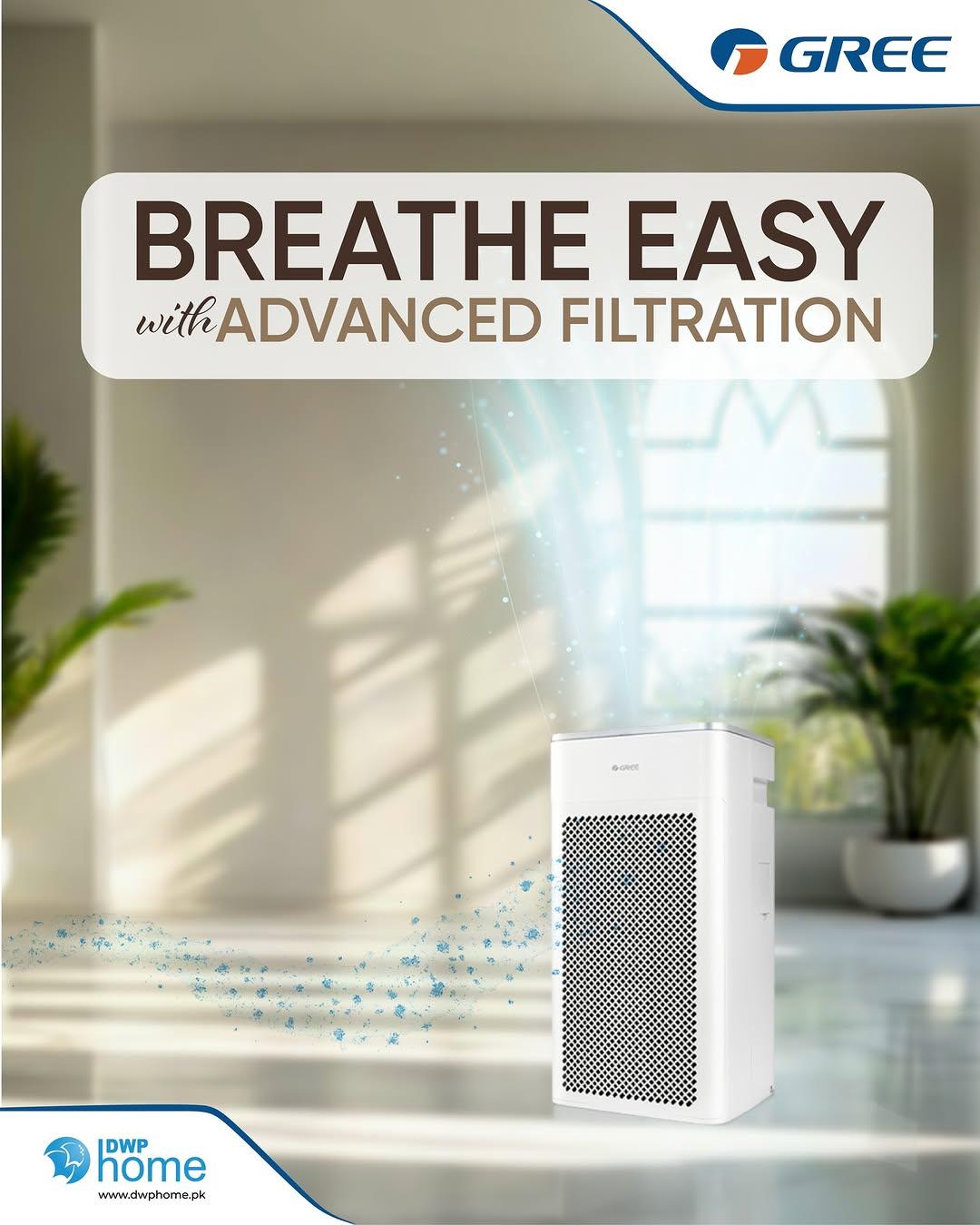
Advanced Filtration Air Purifier
- These air purifiers utilize multi-stage filtration systems to capture a wide range of airborne pollutants. - The core of these systems is a High-Efficiency Particulate Air (HEPA) filter, often medical-grade H13 or H14, which can trap 99.97% or more of fine particles like PM2.5, dust, pollen, and pet dander. - They frequently include additional layers such as activated carbon filters to eliminate odors and harmful gases, and sometimes UV-C light for sterilization to kill bacteria and viruses. - Some models also feature pre-filters to capture larger particles, extending the life of the main filters.
Explore →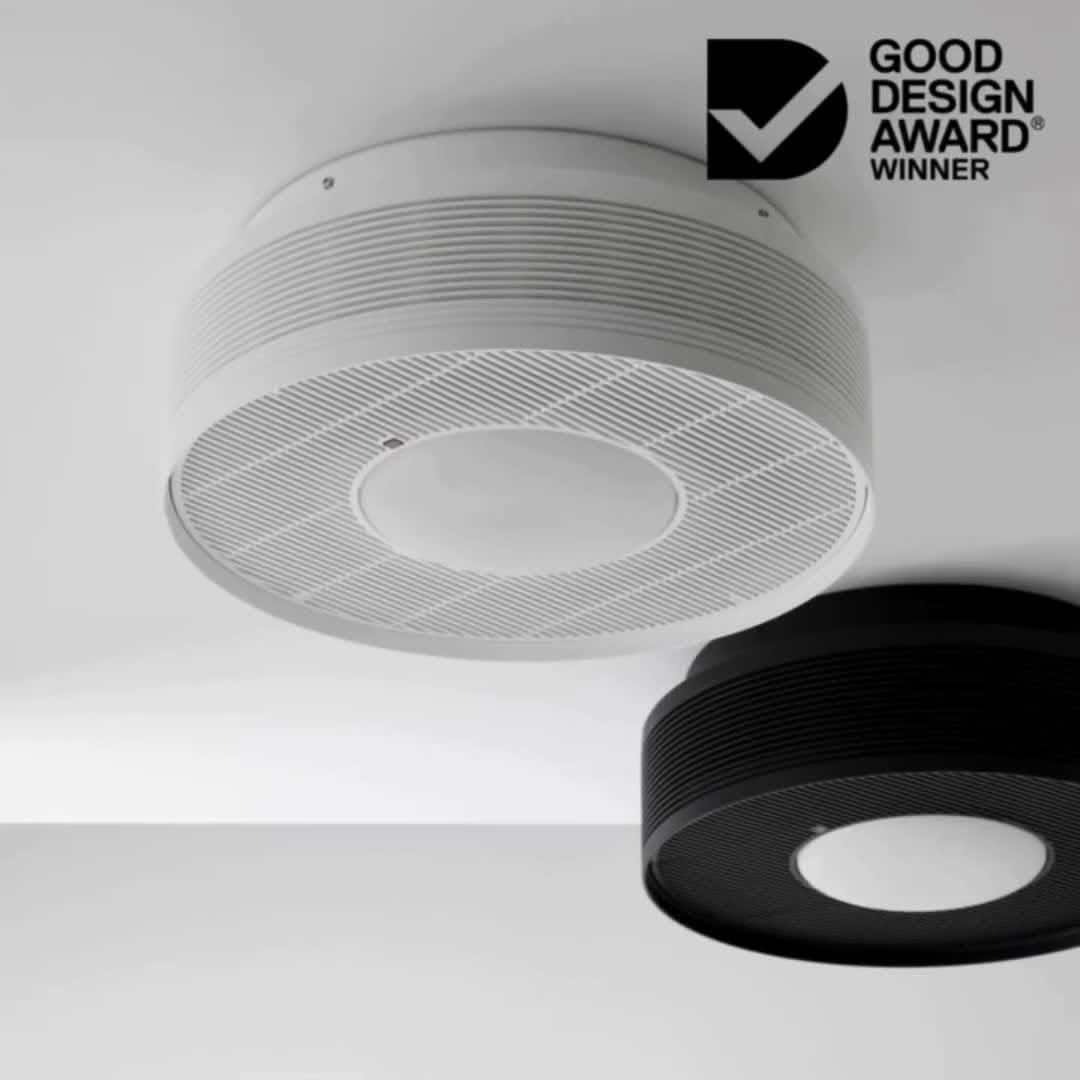
PH
Multi-Functional Air Purifier
- These devices combine air purification with other functions to save space and add value. - Common combinations include air purifiers with humidifiers, which are beneficial in air-conditioned rooms. - Some models integrate a fan for cooling or even a mosquito catcher, a relevant feature in the Philippines. - Advanced designs may incorporate features like aromatherapy diffusion.
Explore →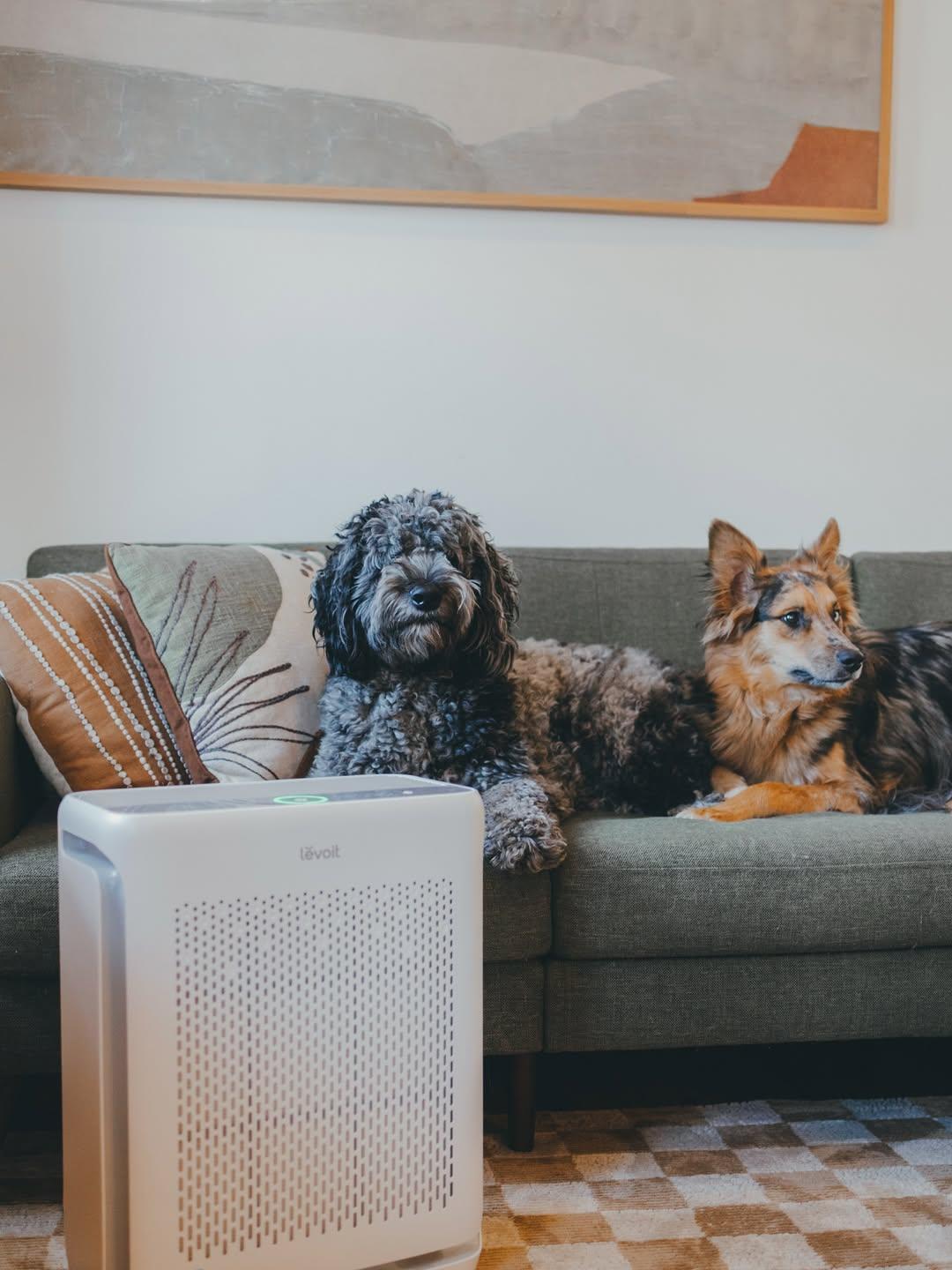
PH
Pet-Focused Air Purifier
- These air purifiers are specifically marketed towards pet owners and feature enhanced filtration to tackle pet-related allergens. - They typically have a robust filtration system with a pre-filter for pet hair and a high-grade HEPA filter for dander. - An enhanced activated carbon filter is also a key component, designed to be more effective at neutralizing pet odors. - They are built for durability and continuous operation to manage the constant presence of pet dander and hair.
Explore →
PH
Portable And Personal Air Purifier
- This category includes compact, lightweight air purifiers designed for small spaces like desks, cars, or for travel. - A growing sub-segment is the wearable air purifier, often in the form of a necklace, which creates a personal clean air zone. - They are typically USB-powered or rechargeable, emphasizing convenience and mobility. - While smaller, many still incorporate HEPA filters and negative ion generators to offer effective localized purification.
Explore →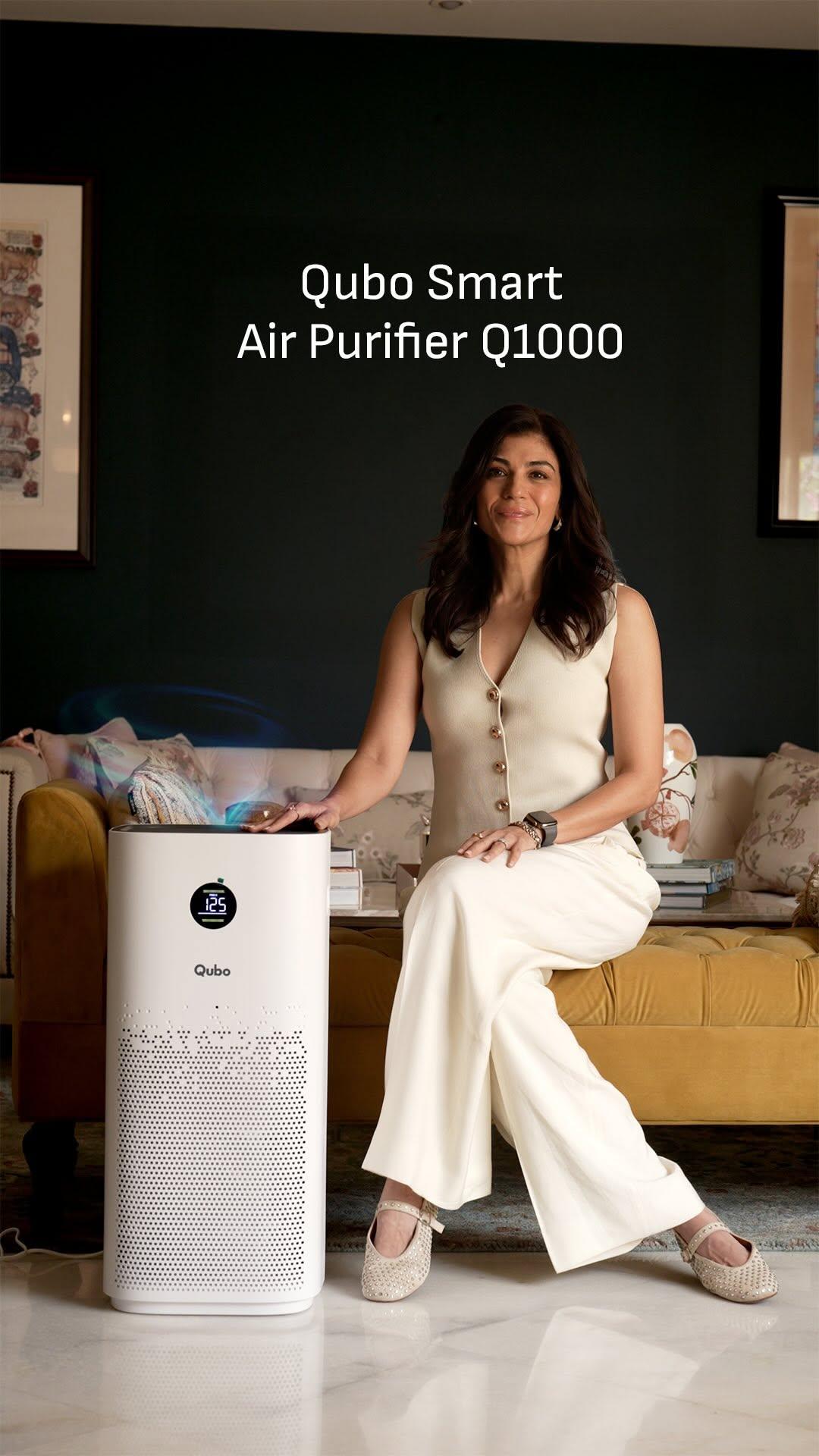
PH
Smart Control Air Purifier
- These air purifiers are equipped with Wi-Fi connectivity, allowing users to control and monitor them remotely via a smartphone app. - They often feature real-time air quality sensors that automatically adjust the purification speed based on the detected pollution levels. - The companion apps provide detailed data on indoor air quality, filter life status, and allow for scheduling and mode changes. - Integration with smart home ecosystems is a common feature, enabling voice control and automation.
Explore →