
Trend category
Consumer Goods
Select a product query to review its market data and emerging themes.

BR
Air Purifier
As Brazilians place a growing emphasis on health and well-being, the demand for a cleaner home environment is driving significant trends in the air purifier market for 2026. The upcoming season will see a surge in smart air purifiers, which offer seamless integration into the connected home through app and voice controls. These intelligent devices often feature automatic sensors that monitor and react to changes in air quality in real-time. Advanced filtration systems are becoming standard, with a strong preference for models equipped with HEPA filters to effectively capture allergens, dust, and other microscopic particles. Many purifiers also incorporate activated carbon filters to eliminate odors and volatile organic compounds. A key trend is the rise of multi-functional devices, particularly the purificador de ar com umidificador (air purifier with humidifier), which addresses both air purity and comfortable humidity levels. Furthermore, consumers are seeking out sleek, modern designs that are both portable and operate as a purificador de ar silencioso (silent air purifier), making them suitable for bedrooms and offices. The focus remains squarely on health benefits, with many products marketed towards allergy sufferers and families with children.
Explore →
MX
Air Purifier
In early 2026, the Mexican market for air purifiers is experiencing a significant boom driven by pressing environmental and health concerns. Worsening air quality in major urban centers, coupled with the implementation of stricter government air quality standards and seasonal pollution spikes during the dry-cold winter months, has elevated consumer awareness. This has catalyzed a strong market shift towards health and wellness, with individuals actively seeking effective solutions to mitigate the risks of airborne contaminants and protect their families' well-being within their homes. The primary trend is the widespread adoption of High-Efficiency Particulate Air (HEPA) filters, which are now considered the standard for effectively removing dust, pollen, and pet dander. Alongside this demand for high-performance filtration, there is a notable surge in interest for smart air purifiers. These devices offer Wi-Fi connectivity and app-based controls, providing users with unprecedented convenience, real-time air quality monitoring, and integration into smart home ecosystems. Specialized purifiers designed for allergy relief are also in high demand, catering to a large segment of the population with respiratory sensitivities. Furthermore, the market is diversifying to meet various lifestyle needs. Compact and portable air purifiers are gaining popularity among urban dwellers in smaller living spaces and for use in personal areas like offices or vehicles. Simultaneously, multi-functional devices that combine air purification with features like humidification, heating, or cooling are becoming more prevalent. This trend reflects a consumer desire for value, space-saving designs, and holistic wellness solutions that not only perform a function but also complement modern home aesthetics.
Explore →
PH
Air Purifier
The Philippine air purifier market is set for substantial growth in 2026, primarily fueled by a growing public consciousness regarding health and air quality. Persistent urban pollution, highlighted by hazardous air quality events in major cities like Metro Manila, has spurred consumers to proactively seek solutions for improving their indoor environments. This trend is strongly linked to the desire to mitigate respiratory problems and allergies, making air purifiers a key appliance in health-conscious households. Technologically, the market is dominated by several key trends. Advanced filtration systems are at the forefront, with consumers prioritizing devices equipped with medical-grade HEPA filters and activated carbon layers to effectively capture fine particles, allergens, and odors. Alongside this, the demand for convenience and connectivity is driving the popularity of smart air purifiers. These Wi-Fi-enabled devices offer remote control via smartphone apps, real-time air quality monitoring, and automated operation, appealing to the tech-savvy user and integrating seamlessly into modern smart homes. Lifestyle adaptations are also shaping consumer preferences. The need for clean air beyond the home has given rise to a strong market for portable and personal air purifiers, catering to commuters, office workers, and travelers. Furthermore, the market is diversifying to meet specific household needs. Multi-functional devices that combine air purification with features like humidifiers or fans are gaining traction among urban dwellers with limited space. A notable niche is the emergence of pet-focused purifiers, designed with enhanced filters to specifically address the dander and odors associated with the rising trend of pet ownership in the country.
Explore →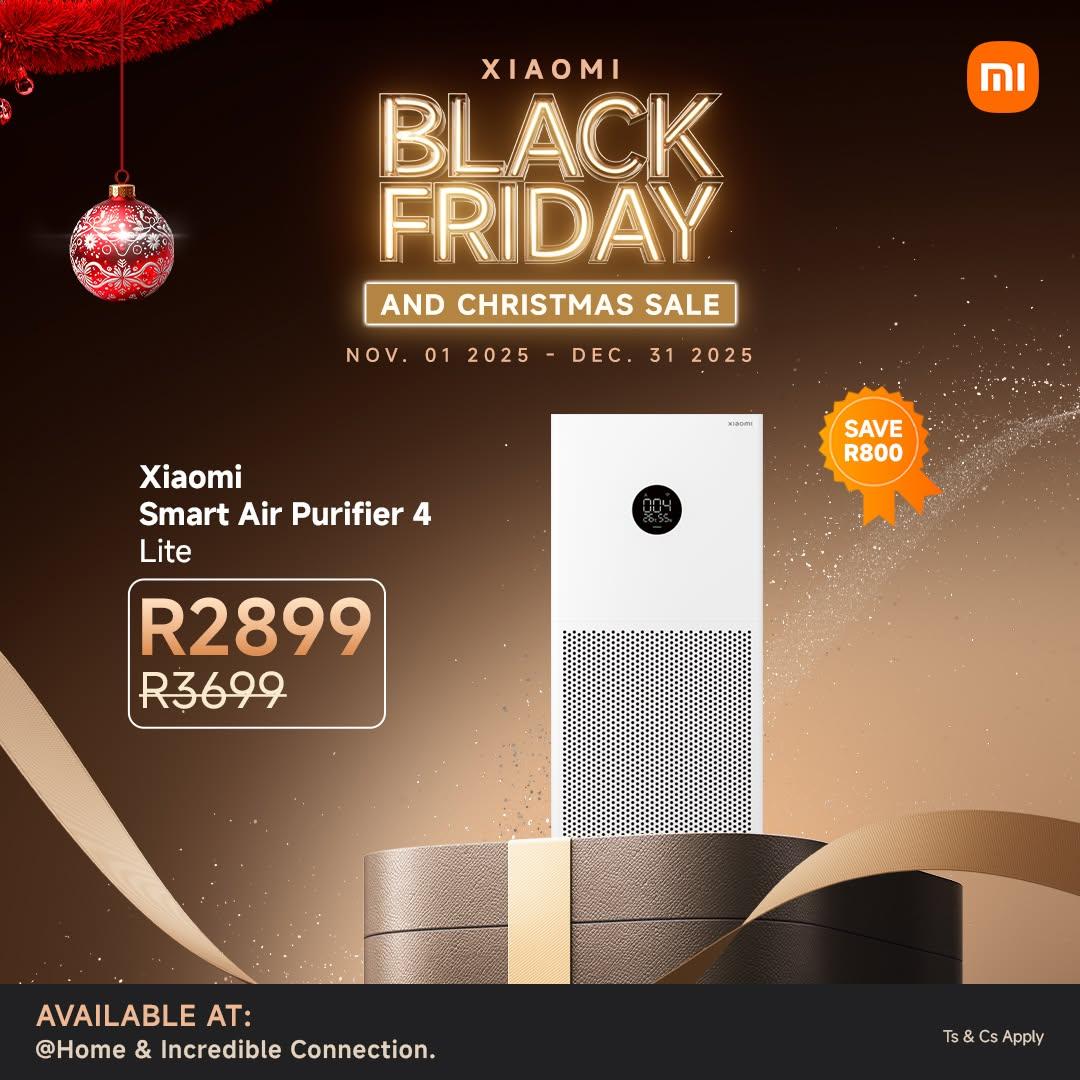
US
Air Purifier
The US air purifier market in 2026 is experiencing significant growth, driven by a heightened awareness of indoor air quality and its impact on health. Consumers are increasingly seeking solutions for specific concerns like allergy relief, pet dander, and protection from wildfire smoke. Consequently, the demand for high-efficiency performance, particularly from devices equipped with True HEPA filters, remains strong, as they can capture up to 99.97% of microscopic airborne particles. A major trend is the integration of smart technology, with features like Wi-Fi connectivity, app-based controls, real-time air quality monitoring, and voice assistant compatibility becoming standard expectations. Energy efficiency and quiet operation are also key purchasing factors, with consumers looking for powerful purifiers that don't lead to high running costs or disruptive noise levels, especially for bedroom use. Furthermore, there is a growing interest in sustainable and cost-effective options, leading to the rise of purifiers with washable or long-lasting filters. Design aesthetics are also evolving, with a preference for modern, minimalist devices that blend seamlessly into home decor.
Explore →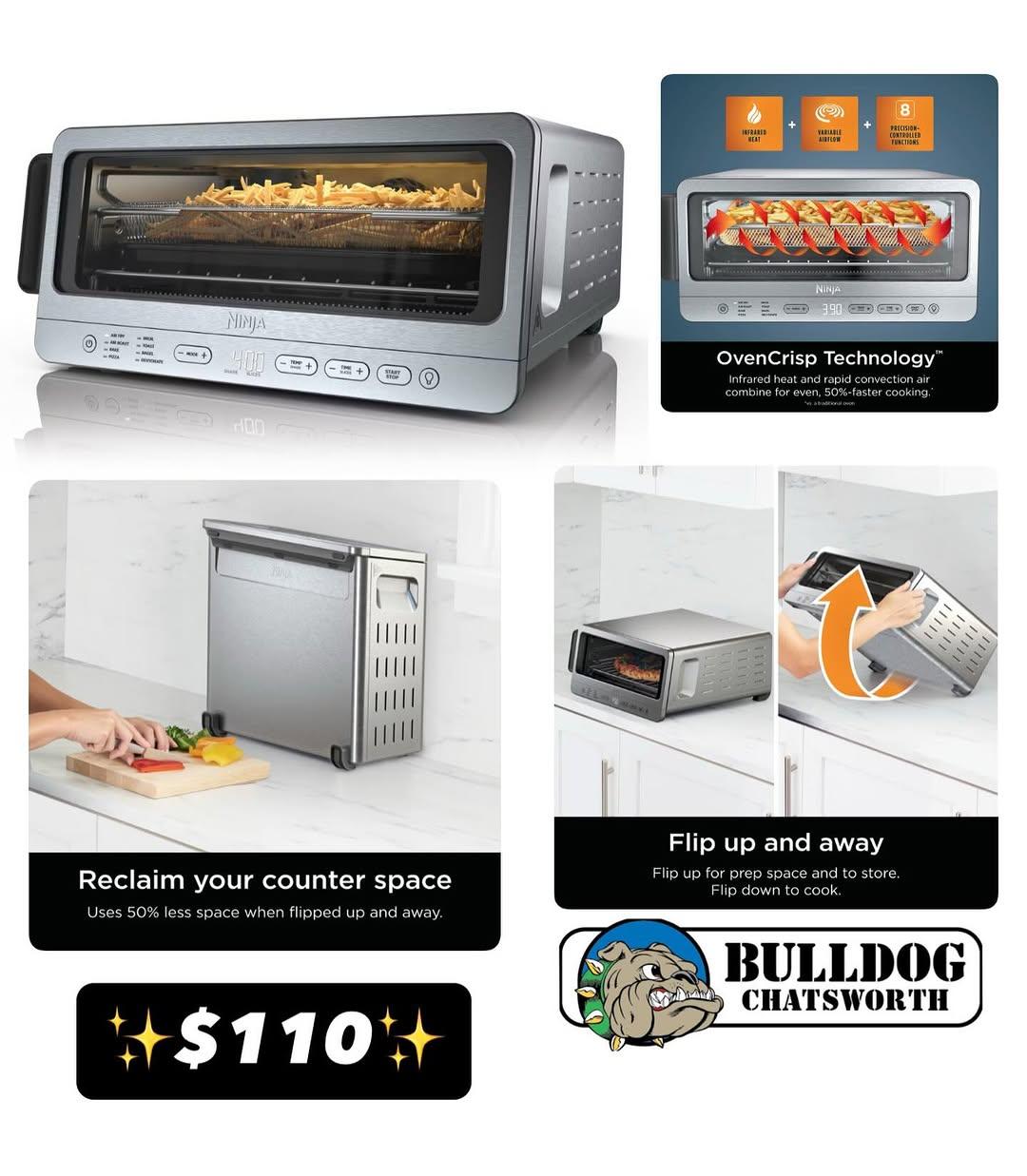
BR
Airfryer
The Brazilian market for air fryers in 2026 showcases a significant evolution from basic, single-function devices to sophisticated, all-in-one kitchen solutions. The appliance's reign continues as it solidifies its position as a household staple, driven by consumer demand for greater convenience, versatility, and efficiency. This shift reflects a broader trend towards maximizing kitchen functionality and investing in appliances that can handle a wide array of cooking tasks, moving far beyond simple oil-free frying to become central to daily meal preparation for individuals and families alike. Key trends are centered on increased capacity and multi-functionality. Air Fryer Ovens are gaining prominence, merging the capabilities of a convection oven with the speed of an air fryer, enabling baking, roasting, and dehydrating. Simultaneously, the demand for larger units is pushing the standard capacity to over 5 liters, with family-sized 12-liter models becoming common. Another major innovation is the Dual Basket Airfryer, which allows for cooking two different dishes at once with independent time and temperature controls, revolutionizing meal prep efficiency and catering to diverse family needs. Technological integration and user-centric design are also shaping the market. The emergence of Smart Airfryers with Wi-Fi connectivity allows users to control and monitor their cooking remotely via smartphone apps and voice assistants, aligning with the growing connected home ecosystem in Brazil. Aesthetically, consumers are drawn to enhanced designs featuring transparent viewing windows, sleek digital touch panels, and premium finishes. These improvements in both functionality and form factor indicate that the air fryer is not just a utility item but also a modern lifestyle and design statement in the Brazilian kitchen.
Explore →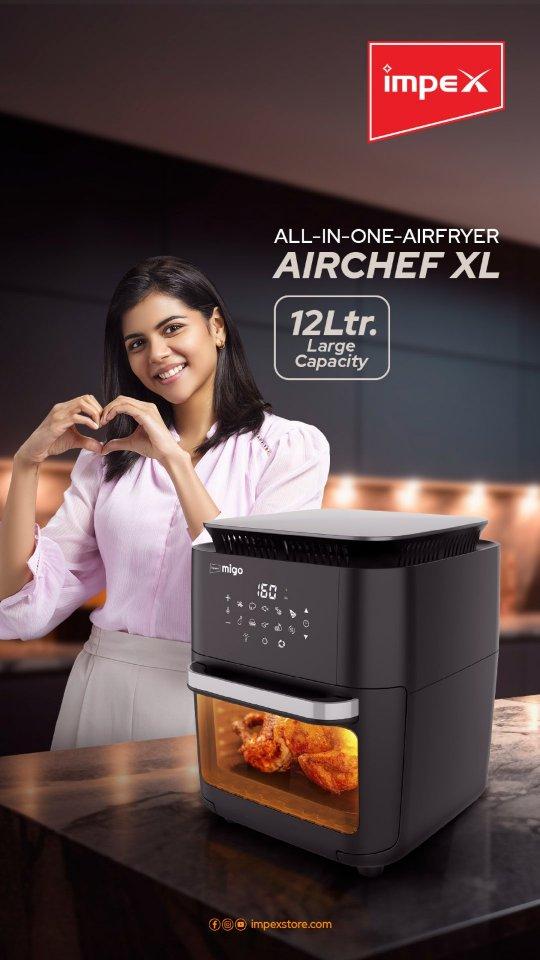
MX
Airfryer
The air fryer market in Mexico is projected to continue its strong growth into 2026, with an expected value of $142 million. This sustained popularity is driven by a consumer desire for healthier cooking options that don't sacrifice flavor, and the convenience these appliances offer. The core appeal lies in achieving crispy, delicious results with significantly less oil, aligning with a global shift towards more health-conscious eating habits. Leading brands such as Oster, T-fal, Ninja, and Chefman are at the forefront of this market, continually innovating with more powerful and versatile models. Upcoming trends point towards larger capacity models to accommodate families, enhanced digital features for precision, and specific design elements that improve user experience. Features like viewing windows, dual cooking baskets for simultaneous cooking, and smart connectivity for remote operation are becoming increasingly common and highly sought after by consumers. The most significant evolution in the air fryer space is the move towards multi-functional, all-in-one devices. These appliances are revolutionizing the modern kitchen by combining the capabilities of an air fryer with those of a traditional oven, grill, dehydrator, and more. This consolidation not only saves valuable counter space but also offers home cooks incredible versatility, encouraging culinary experimentation and providing greater value for money in a single, compact unit.
Explore →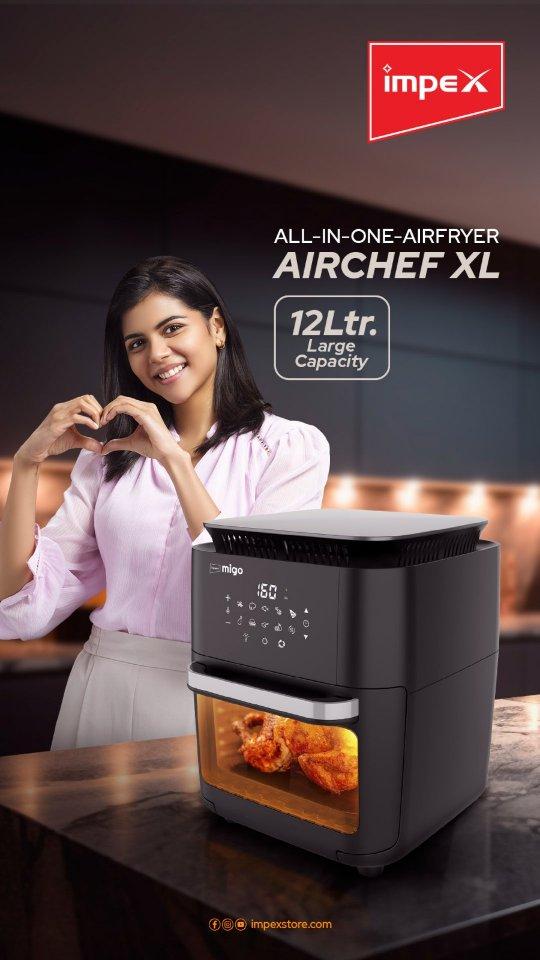
PH
Airfryer
Explore →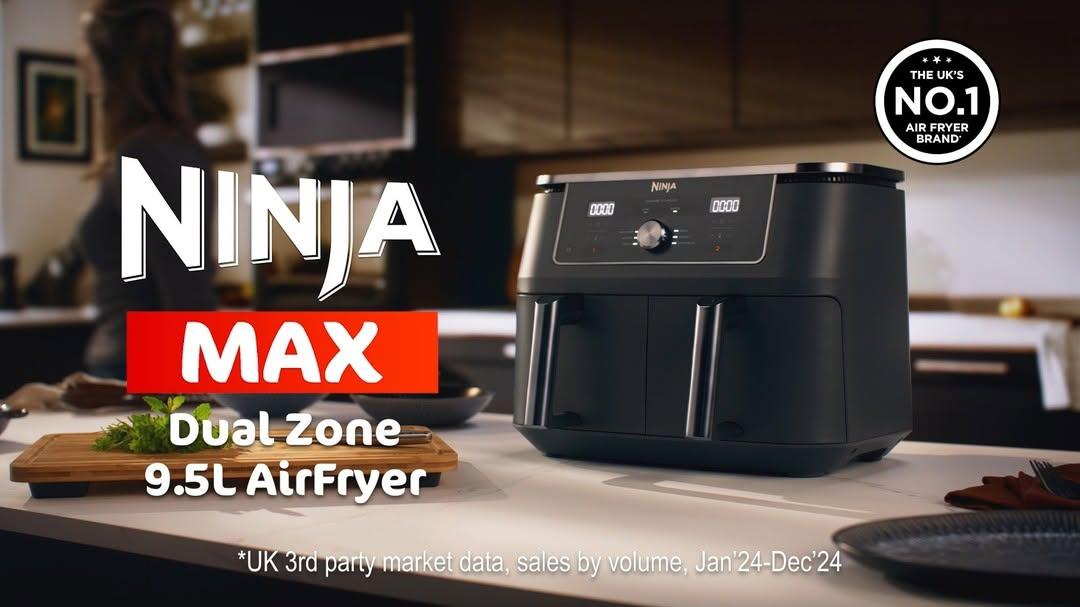
US
Airfryer
The US air fryer market is set for significant growth, primarily fueled by consumer demand for healthier cooking options and convenient, time-saving kitchen solutions. The overarching trend is a move away from single-function devices towards appliances that are smarter, more versatile, and designed with modern living spaces in mind. This evolution is driven by a desire for all-in-one functionality that aligns with fast-paced lifestyles, pushing brands to innovate beyond basic air frying. Key innovations are reshaping the physical design of air fryers to maximize efficiency and capacity. Dual-zone models, which allow for cooking two different foods simultaneously, are becoming increasingly popular for their ability to prepare a complete meal in one go. Addressing the common issue of limited counter space, vertical and space-saving designs offer large capacity in a smaller footprint. Furthermore, the market is seeing a surge in multi-cookers that integrate air frying with other methods like steaming, grilling, and baking, appealing to consumers seeking a single appliance to replace several others. Technology integration is a major force, with smart features becoming a standard expectation rather than a luxury. Wi-Fi connectivity, mobile app controls, and voice assistant compatibility are key selling points, particularly for tech-savvy millennials and Gen Z. These features simplify the cooking process, offering remote monitoring and access to extensive recipe libraries. Alongside this high-tech trend, there is also a focus on portability and minimalism, with compact models designed for smaller kitchens and single-person households, demonstrating the market's response to diverse consumer needs.
Explore →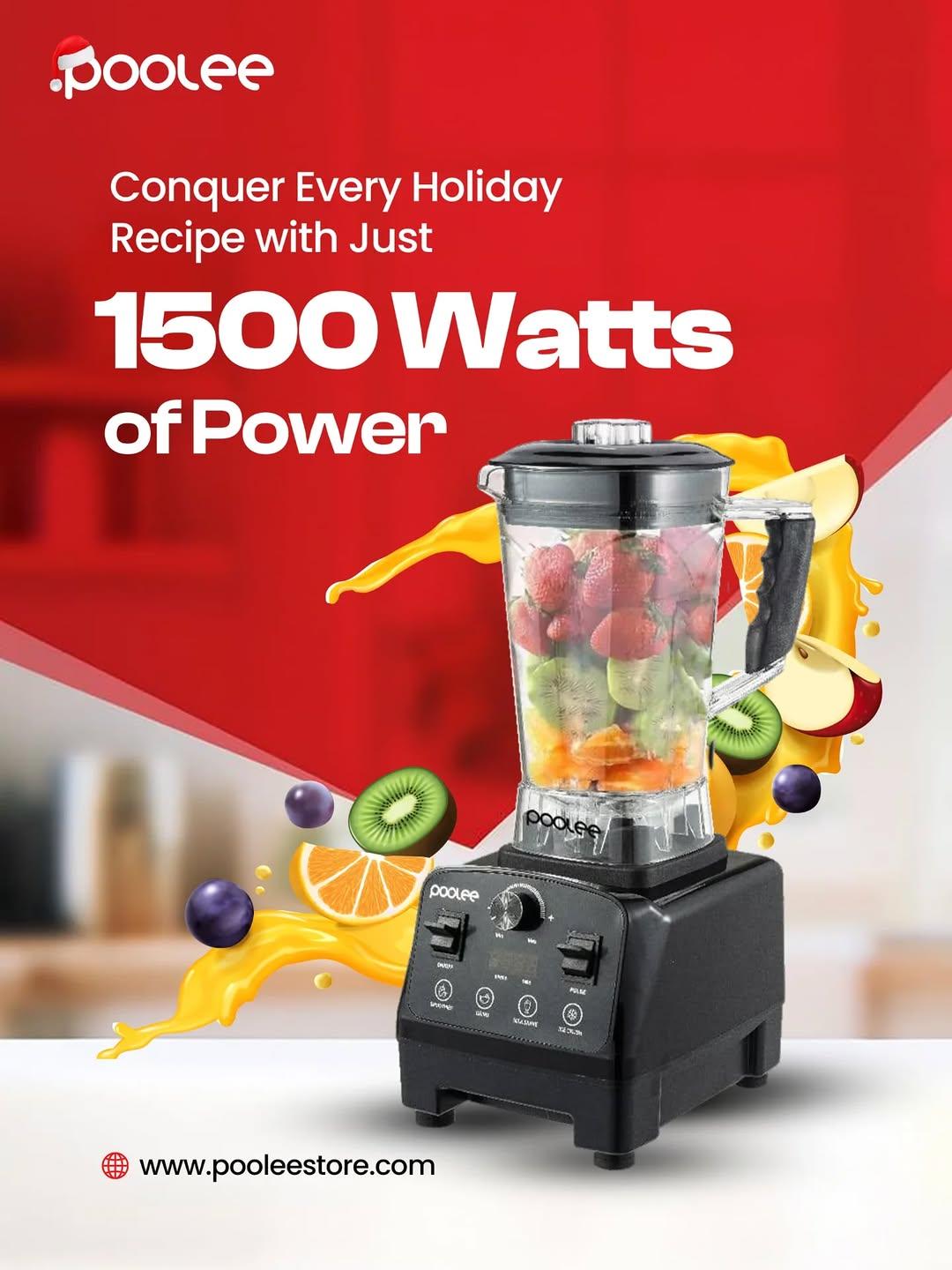
BR
Blender
In the Brazilian market of 2026, a significant transformation is underway in the blender category, driven by a consumer base that is increasingly health-conscious, practical, and style-aware. The overarching trend is a move away from basic models towards appliances that offer a combination of high performance, versatility, and sophisticated design. Consumers are seeking more than just a tool for making juices; they want a reliable kitchen partner capable of handling diverse culinary tasks. This shift is evident in the growing demand for high-power blenders (over 1200W) that can crush ice and prepare thick sauces, reflecting a rise in ambitious home cooking. Material and design have become paramount in purchasing decisions. There is a strong preference for blenders with glass jars, which are valued for their hygienic properties—resisting stains and odors—and their premium, durable feel. This aligns with a broader consumer concern for health and safety in the kitchen. Aesthetically, stainless steel finishes are gaining immense popularity. This trend is fueled by the desire for a modern, professional-looking kitchen, where appliances are seen as integral design elements. The sleek, durable, and easy-to-clean nature of stainless steel makes it a top choice for consumers looking to invest in long-lasting, high-quality products that complement their home decor. Convenience remains a powerful driver, catering to modern, fast-paced lifestyles. Portable, personal blenders have emerged as a key trend, offering the freedom to prepare fresh smoothies and shakes on the go, appealing to students, fitness enthusiasts, and busy professionals. Furthermore, the demand for value and efficiency has given rise to multifunctional blenders. These all-in-one solutions, often equipped with smart features and various attachments, appeal to consumers who want to maximize kitchen space and functionality. Ultimately, the Brazilian consumer in 2026 is looking for a blender that seamlessly integrates power, style, and practicality into their daily routine.
Explore →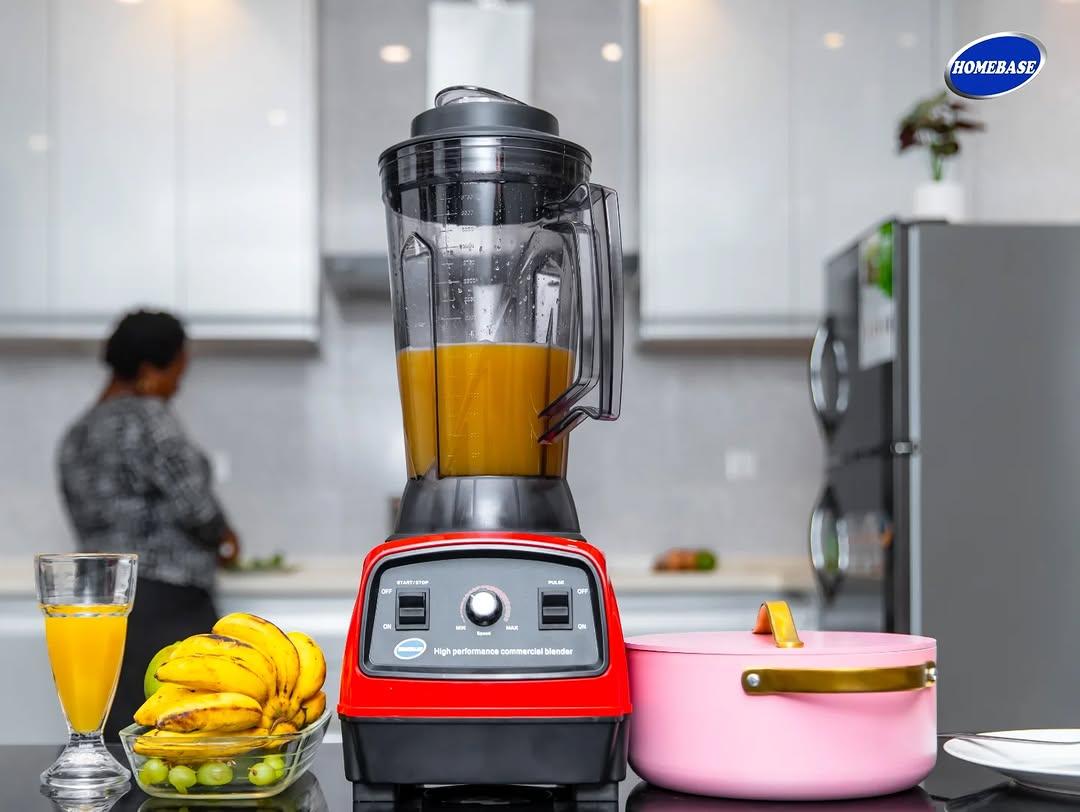
MX
Blender
The Mexican blender market in 2026 is experiencing a significant transformation, driven by consumer desires for convenience, health, and kitchen efficiency. Traditional blenders are being reimagined as versatile, powerful tools that go far beyond simple blending tasks. This evolution reflects a broader trend of consumers seeking more value and functionality from their home appliances, pushing manufacturers to innovate. Key trends shaping the market include the rise of high-performance, multi-functional systems that can chop, mix, and process food, effectively replacing multiple gadgets. Simultaneously, personal blenders are gaining immense popularity, perfectly suiting fast-paced, health-conscious lifestyles with their on-the-go convenience. Smart technology is also making a notable entrance, with blenders featuring automated programs that deliver consistent, perfect results with minimal user intervention. Leading brands such as Oster, Ninja, and Nutribullet are spearheading these trends, offering a diverse array of products to meet varied consumer needs. Their offerings span from robust, all-in-one kitchen systems designed for complex food preparation to compact, portable blenders for quick, single-serving smoothies. This dynamic landscape ensures that consumers have access to a wide range of options, whether they prioritize power, portability, or intelligent features.
Explore →
PH
Blender
The Philippine blender market is experiencing a significant shift, driven by a consumer base that is increasingly health-conscious and values convenience. For the upcoming season, the focus is moving away from basic appliances towards more versatile and powerful models that support a healthier lifestyle. This trend reflects a broader change in consumer priorities, where kitchen appliances are seen as integral tools for wellness and efficient daily routines. Several key trends are emerging from this shift. Multi-functional blenders, capable of tasks from grinding to juicing, are gaining traction as consumers seek value and space-saving solutions. Portability is another major driver, with compact, USB-rechargeable personal blenders becoming indispensable for individuals with fast-paced, on-the-go lifestyles. Concurrently, the integration of smart technology is beginning to appeal to tech-savvy Filipinos, offering features like remote operation and pre-programmed settings for enhanced convenience. Ultimately, the blenders poised for success in the coming months will be those that successfully combine these trending attributes. The most popular models will offer a blend of high power for demanding tasks like ice-crushing, versatility to handle a wide range of food preparation needs, and convenience through compact design and user-friendly operation. This combination directly addresses the modern Filipino consumer's desire for appliances that are both powerful and practical, fitting seamlessly into their health-focused and busy lives.
Explore →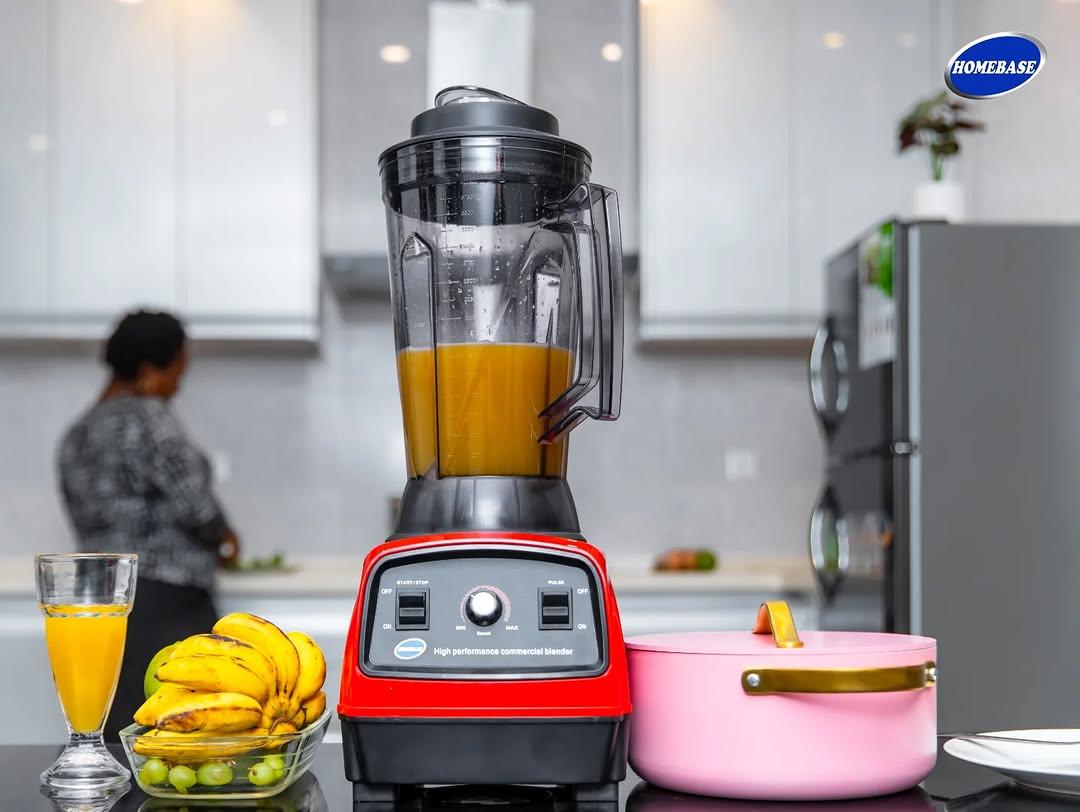
US
Blender
In 2026, the US blender market is defined by a consumer demand for both power and convenience. High-performance blenders with commercial-grade motors (3HP or more) are becoming standard, capable of effortlessly pulverizing tough ingredients like ice, nuts, and fibrous greens for smoothies and nut butters. Alongside this power, there is a significant trend towards quiet operation, with leading brands offering models with noise-reduction technology and sound enclosures to minimize kitchen disruption. Portability remains a key driver, with compact, cordless, and personal blenders from brands like Ninja and Nutribullet catering to on-the-go lifestyles and smaller living spaces. Smart technology is increasingly integrated, featuring app-controlled blending, preset programs for various recipes, and self-cleaning functions that add a layer of convenience. Finally, aesthetics play a crucial role; consumers are drawn to blenders with sleek designs, premium materials like stainless steel, and colors that align with 2026 interior design trends, such as deep teals, earthy tones, and rich jewel tones.
Explore →
BR
Charging Cable
The Brazilian charging cable market in 2026 is dominated by the transition to the USB-C standard, a move solidified by Anatel's decision to follow the European mandate for a universal connector. This shift is driving a surge in demand for high-performance USB-C to USB-C cables capable of supporting fast charging technologies, with consumers seeking to power their devices in minutes rather than hours. Durability is a paramount concern, leading to the widespread popularity of braided charging cables, typically made from nylon, which offer enhanced resistance to daily wear and tear. Convenience-driven innovations are also gaining significant traction, particularly magnetic charging cables that provide ease of use and protect device ports from damage. While USB-C is the future, there remains a substantial market for cables catering to a variety of devices, including multi-connector cables and high-quality Lightning cables for the large base of iPhone users. As consumers become more discerning, there is a growing preference for reputable brands known for safety and reliability.
Explore →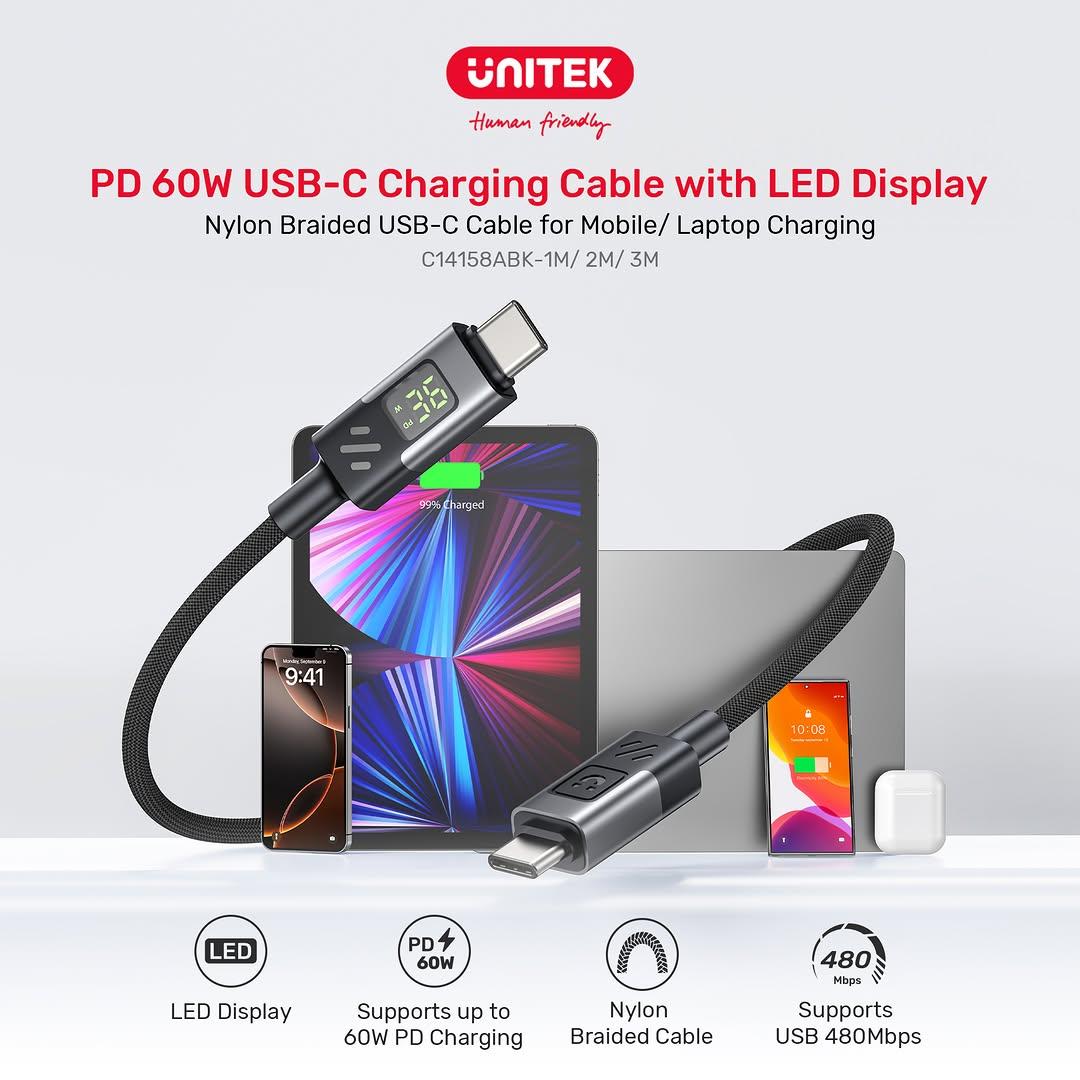
MX
Charging Cable
Explore →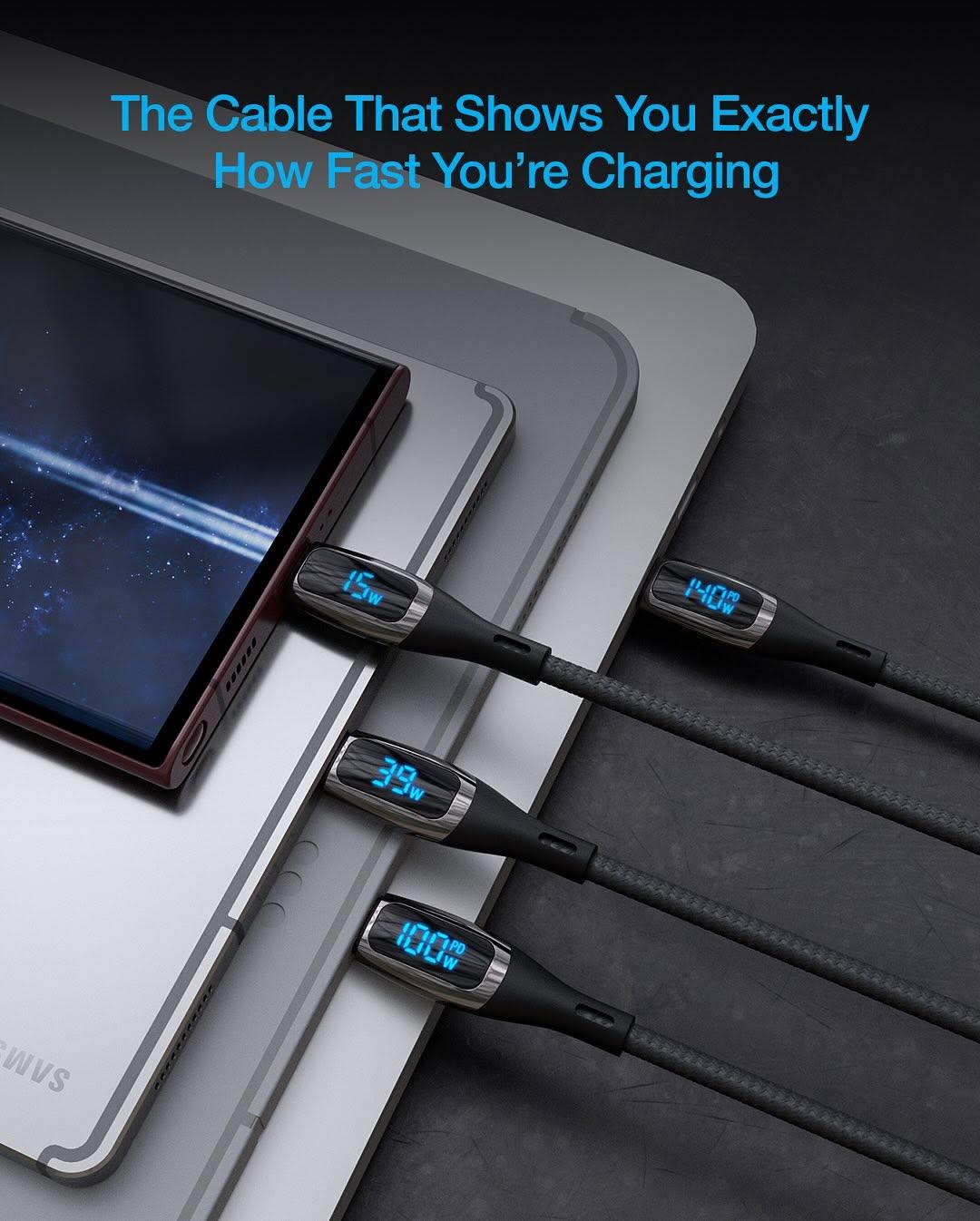
PH
Charging Cable
The Philippine charging cable market in 2026 is defined by a major shift towards high-performance and versatile solutions, driven by the universal adoption of USB-C. Consumers are increasingly demanding fast charging cables capable of delivering high wattages, from 100W to 240W, to power a wide array of devices from smartphones to gaming laptops. This push for speed is complemented by a strong preference for durability, making robust construction a key purchasing factor. Several key themes dominate the landscape. High-wattage Power Delivery (PD) cables are essential for power users with modern laptops and tablets, offering ultra-fast charging speeds. Simultaneously, durable braided charging cables are gaining immense popularity among practical consumers who seek longevity and value for money, moving away from standard, flimsy cables. Convenience is another major driver, fueling the demand for multi-connector cables that consolidate Lightning, USB-C, and Micro-USB into a single, clutter-free solution for users with diverse ecosystems. Niche categories are also carving out significant market share by catering to specific lifestyles. Specialized gaming charging cables, with their ergonomic 90-degree connectors and gamer-centric aesthetics like LED lights, are a hit among the country's massive mobile gaming community. Furthermore, innovative designs like magnetic and retractable cables are trending due to the enhanced convenience they offer, reducing port wear and eliminating tangled wires, which appeals to drivers, travelers, and tech-savvy individuals seeking practical lifestyle upgrades.
Explore →
US
Charging Cable
Explore →
BR
Digital Clocks
Explore →
MX
Digital Clocks
The digital clock market in Mexico is set for significant evolution in 2026, with a clear shift towards devices that offer more than just timekeeping. Consumers are increasingly seeking multifunctional products that integrate seamlessly into their modern lifestyles and smart homes. This trend is driving a surge in digital clocks equipped with advanced features such as built-in wireless charging pads for smartphones, Bluetooth speakers for audio streaming, and sophisticated app-based controls for enhanced personalization. These "smart" clocks are becoming central hubs for the contemporary home, consolidating multiple gadgets into a single, sleek device. Aesthetically, the market will be dominated by large, luminous LED displays that serve as both functional timekeepers and decorative statement pieces. Designs featuring 3D and mirror effects are particularly popular for wall and desk models, aligning with minimalist and modern interior design trends. Alongside visual appeal, there is a growing emphasis on personal wellness. This is fueling the popularity of alarm clocks with features like sunrise simulation and white noise generators, designed to promote healthier sleep cycles and a more natural waking experience. Additionally, projection clocks are carving out a significant niche, offering a novel and practical method for viewing the time from anywhere in a room. The driving force behind these trends is a consumer desire for convenience, efficiency, and personalization. The adoption of smart home ecosystems across Mexico makes integrated devices like smart alarm clocks highly appealing. Similarly, the need to reduce cable clutter on nightstands and desks fuels the demand for clocks with wireless charging. The popularity of projection clocks speaks to an appreciation for innovative gadgets, while the rise of sunrise simulation clocks reflects a broader societal shift towards health and wellness. Ultimately, the 2026 digital clock is a blend of technology, design, and well-being, tailored to the needs of the modern Mexican consumer.
Explore →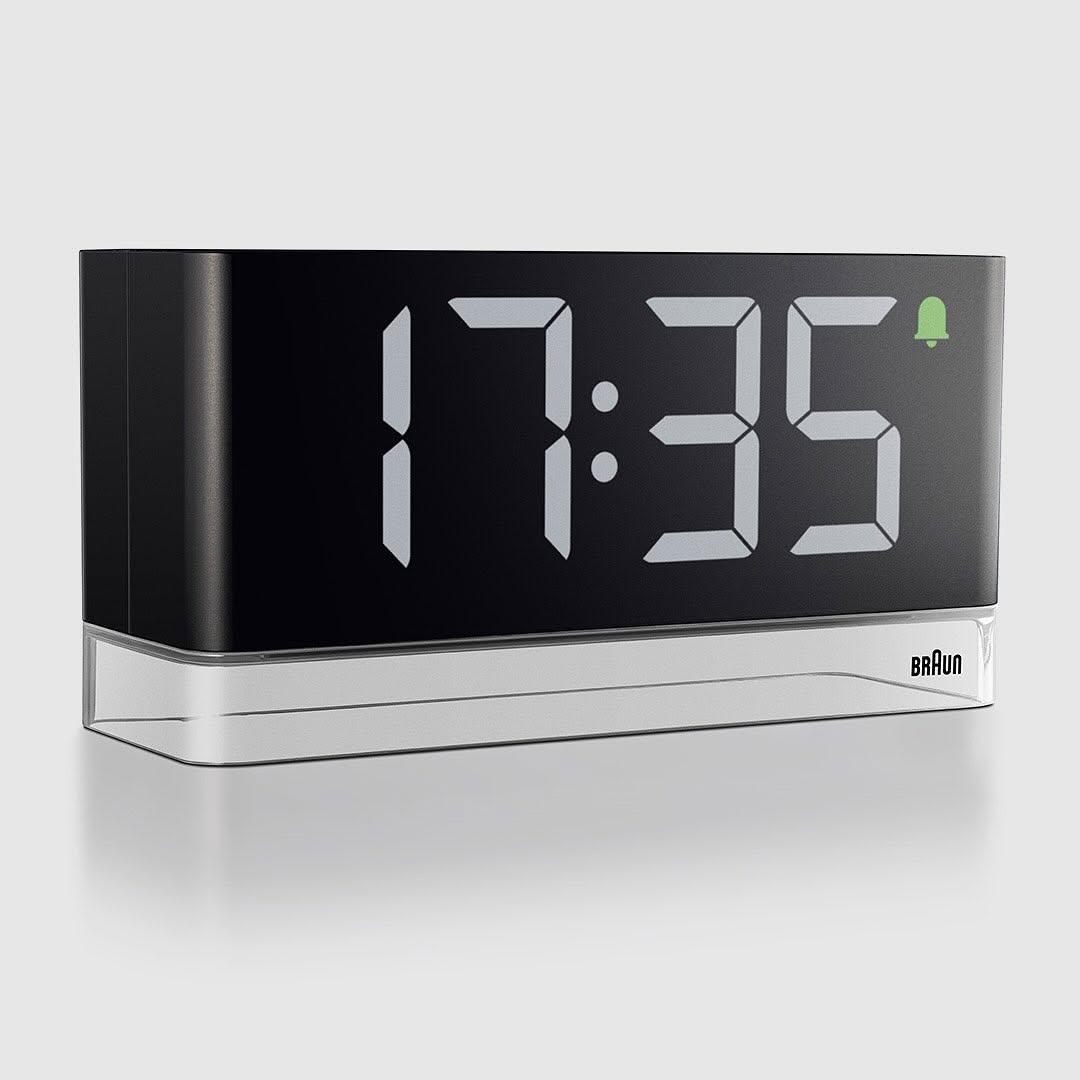
PH
Digital Clocks
In the dynamic Philippine market, the demand for digital clocks is evolving significantly as we look towards 2026. The trend is moving away from simple time-telling devices towards multi-functional and aesthetically pleasing pieces that integrate seamlessly into modern lifestyles and home decor. Consumers are increasingly prioritizing smart features and minimalist designs, seeking clocks that offer enhanced functionality while also serving as stylish accents within their living spaces. This shift reflects a broader desire for products that are both practical and visually appealing, aligning with contemporary interior design philosophies. The emphasis on multi-functionality means that features once considered premium are now becoming standard expectations. Digital clocks are expected to include temperature displays, multiple alarm settings, and convenient USB charging ports. Concurrently, there is a strong movement towards clocks as decorative objects. Materials like natural wood are highly sought after for the warmth and organic feel they bring to a room, perfectly complementing popular interior themes such as Scandinavian, Japandi, and modern minimalist. The design itself, whether it's a clean LED display or a wood-encased unit, is chosen to enhance the overall aesthetic of a home or office. Technological innovation is a key driver of this market trend. The growing adoption of smart home ecosystems in the Philippines fuels interest in digital clocks with Wi-Fi connectivity, voice control, and integration with home assistants. Unique features are also gaining traction, with large, easy-to-read LED displays being a primary consideration for usability. Furthermore, novel functionalities like time projection onto walls or ceilings and reflective mirror surfaces are becoming popular for their blend of futuristic appeal, practicality, and space-saving benefits, catering to a tech-savvy and design-conscious consumer base.
Explore →
US
Digital Clocks
The US digital clock market for 2026 is defined by a fascinating duality, balancing minimalist design with feature-rich smart technology. Consumers are gravitating towards two distinct aesthetic paths. On one hand, modern digital clocks with clean lines, large LED displays, and neutral palettes are highly sought after to complement contemporary home decor. On the other hand, a powerful wave of nostalgia is fueling the popularity of retro digital clocks, which evoke vintage charm through wood grain finishes and classic 80s-inspired designs. This blend of past and present aesthetics caters to a wide range of consumer tastes, from young professionals to millennials seeking a touch of nostalgia. Beyond aesthetics, the most significant driver of innovation is the integration of smart features, transforming the humble clock into a multifunctional home hub. The demand is high for devices that do more than just tell time. Smart alarm clocks are a prime example, incorporating capabilities like sunrise simulation for a more natural waking experience, ambient temperature and date displays for at-a-glance information, and built-in USB ports for the practical need of charging other devices. This shift reflects a consumer desire for convenience, reduced clutter, and electronics that seamlessly integrate into their daily routines. Looking ahead, the market is set to evolve further by deepening its connection with health and wellness technologies. Features like sleep tracking and guided meditations are becoming more common, aligning with a growing consumer focus on well-being. Additionally, innovative display technologies are gaining traction, with projection clocks that cast the time onto a wall or ceiling offering new levels of convenience. The trend of personalization is also accelerating, with customizable RGB lighting allowing users to tailor their device's appearance to their mood or room decor, solidifying the digital clock's role as both a functional gadget and a decorative statement piece.
Explore →
US
Dumbbells
Explore →-earbuds%2Fqualified_0_1767500284.jpg&w=3840&q=75)
BR
Earbuds
The Brazilian earbud market is set for a major transformation by 2026, heavily influenced by consumer demand for wireless freedom and superior audio quality. True Wireless Stereo (TWS) earbuds are solidifying their position as the market leader, benefiting from technological advancements like Bluetooth 5.3 which provides more stable connections and better power management. This shift reflects a broader trend away from wired devices, as consumers embrace the convenience and portability that TWS technology offers for their daily activities. Beyond just being wireless, consumers are seeking more immersive and intelligent listening experiences. Active Noise Cancellation (ANC) is rapidly becoming a standard feature rather than a luxury, catering to the need for focus in bustling urban environments. The integration of artificial intelligence is also paving the way for smarter earbuds. Features such as adaptive sound, which automatically adjusts audio based on the listener's surroundings, and personalized audio profiles are becoming key differentiators, offering a more tailored and intuitive user experience. A significant and growing driver in the market is the heightened consumer consciousness towards sustainability. A notable portion of Brazilian consumers are expressing a clear preference for eco-friendly products and are willing to invest more in earbuds constructed from sustainable and recycled materials. This trend is pushing manufacturers to rethink their production processes, from using reclaimed materials to designing recyclable packaging, signaling a market-wide move towards greater environmental responsibility and ethical production practices.
Explore →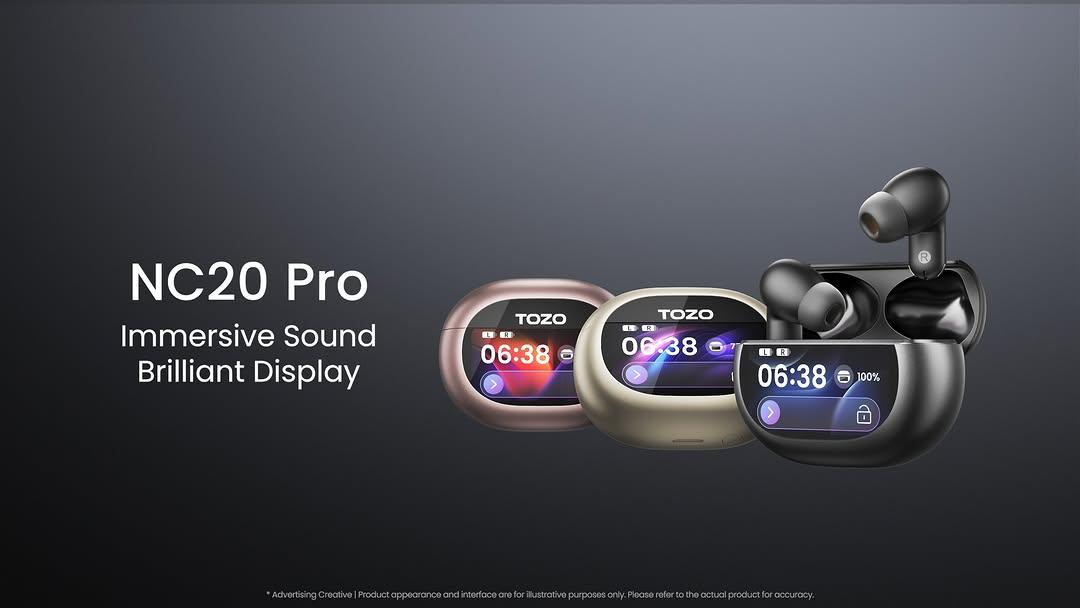
MX
Earbuds
The Mexican earbud market in 2026 is pulsating with a clear demand for True Wireless (TWS) freedom, where cutting-edge technology meets personal style. Consumers are increasingly seeking out earbuds that not only deliver exceptional high-resolution audio and powerful active noise cancellation (ANC) but also integrate seamlessly into a multifaceted lifestyle. The trend is moving beyond purely technical specifications towards a more holistic user experience, where extended battery life, robust connectivity, and comfort are baseline expectations. Brands like Sony, Apple, and Samsung continue to lead the premium space, while players like Xiaomi, Huawei, and JBL are gaining significant traction by offering feature-rich models at more accessible price points, catering to a value-conscious market. This year, earbuds are solidifying their status as essential daily companions, evolving into fashion-forward accessories that offer both immersive soundscapes for focus and entertainment, and intelligent features for enhanced productivity and communication.
Explore →
PH
Earbuds
The earbud market in the Philippines is projected for significant expansion leading into 2026, with a compound annual growth rate exceeding 5%. This growth is primarily propelled by a large, youthful, and tech-savvy Gen Z consumer base that favors e-commerce platforms like Shopee and Lazada for their purchases. This demographic's demand for products that offer both high performance and strong aesthetic appeal is a key market driver, pushing brands to innovate beyond basic audio quality and incorporate more vibrant colors, unique designs, and personalization options. The market's evolution is heavily centered on integrating advanced technology to suit various modern lifestyles. Features once considered premium, such as Active Noise Cancellation (ANC), extended battery life, and water resistance, are now becoming standard expectations even in budget-friendly models. These functionalities directly address specific consumer needs: ANC is crucial for commuters in noisy urban environments, secure fits and sweat-proofing are essential for the growing fitness community, and ultra-low latency is a must-have for the country's massive mobile gaming population seeking a competitive advantage. While functionality is key, consumer values play an equally important role in shaping purchasing decisions. The market remains highly price-sensitive, ensuring that budget-friendly earbuds offering great value for money dominate sales. Simultaneously, an emerging consciousness around environmental issues is fueling a trend towards sustainable design. Younger consumers are increasingly drawn to brands that use recycled and eco-friendly materials like bamboo and upcycled fabrics, signaling a future where corporate responsibility and green initiatives will become significant differentiators in the competitive electronics landscape.
Explore →
US
Earbuds
The US earbud market in 2026 is undergoing a significant transformation, moving towards highly intelligent and personalized audio solutions. A primary trend is the integration of artificial intelligence, creating smart earbuds that offer adaptive noise cancellation, intuitive voice assistants, and even health monitoring capabilities. This shift caters to a consumer demand for devices that provide more than just basic audio playback, offering enhanced convenience and seamless integration into a smart device ecosystem. Alongside this, there's a growing preference for open-ear designs that allow users to remain aware of their surroundings, driven by safety concerns and a desire for comfort during extended wear, particularly for outdoor activities and urban commuting. Another powerful force shaping the market is the increasing consumer focus on sustainability. This has led to a rise in eco-friendly earbuds made from recycled, biodegradable, and responsibly sourced materials like bamboo and FSC-certified wood. Brands are responding to this by not only changing their materials but also designing products for repairability to combat electronic waste. In parallel, the relentless pursuit of superior sound quality continues to be a major trend. Consumers are seeking more immersive and realistic listening experiences, fueling the adoption of technologies like spatial audio, lossless transmission, and next-generation active noise cancellation, especially as high-resolution streaming services become more mainstream. Finally, the market is also catering to the specific needs of the active consumer with the proliferation of fitness-focused earbuds. These specialized devices are engineered for durability, featuring high water and sweat resistance, and a secure fit that stays in place during vigorous physical activity. The integration of biometric sensors for tracking metrics like heart rate adds significant value for fitness enthusiasts who want to monitor their performance. This trend reflects the broader cultural shift towards health and wellness, creating a dedicated and growing segment for rugged, high-performance audio accessories designed for an active lifestyle.
Explore →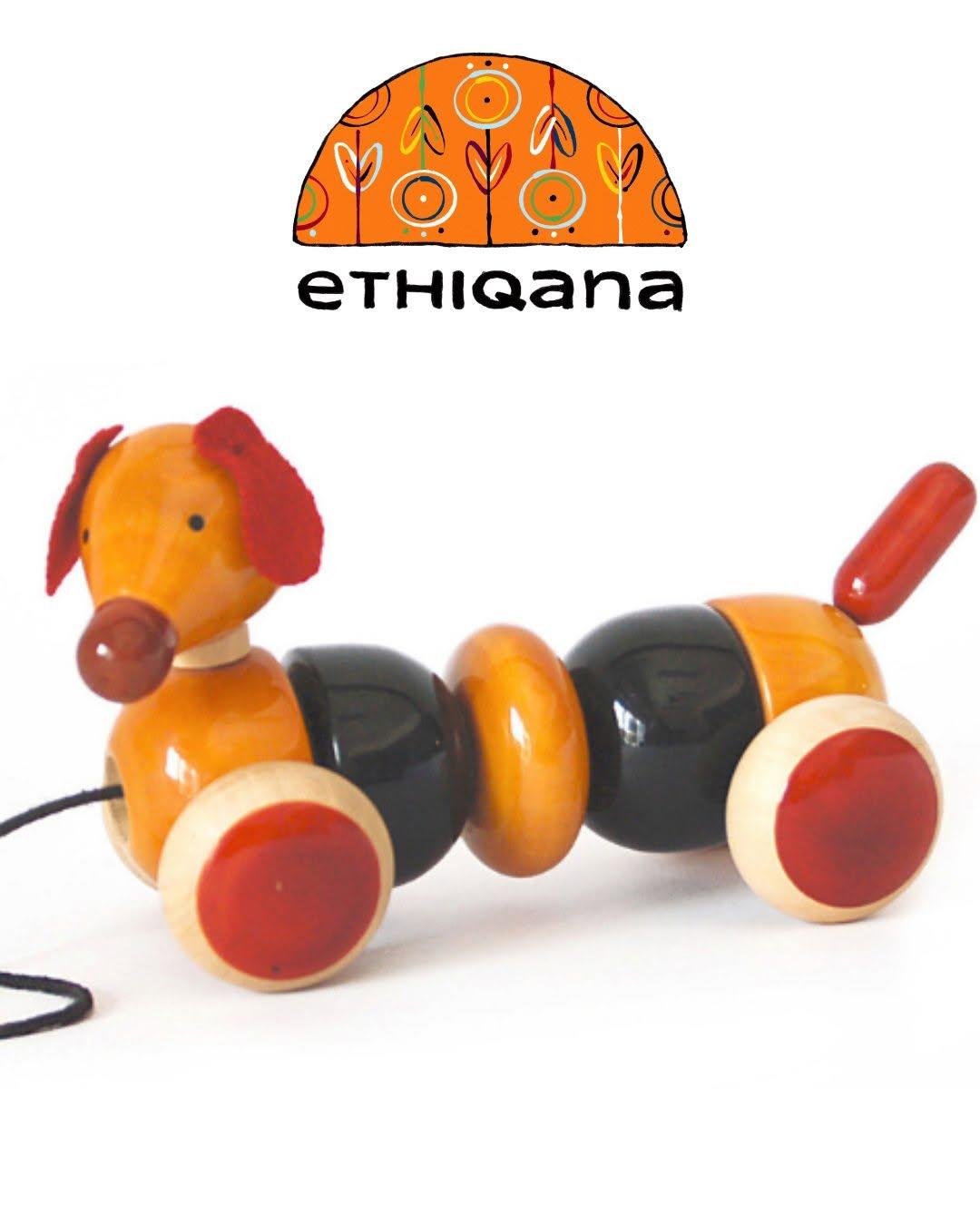
US
Educational Toy
Explore →
BR
Electric Kettle
The Brazilian electric kettle market in 2026 is undergoing a significant transformation, moving beyond simple utility towards appliances that offer both advanced functionality and aesthetic appeal. Consumers are increasingly seeking products that complement modern kitchen designs and enhance their lifestyle. This shift reflects a broader trend where kitchen appliances are no longer just tools but are integral parts of the home's decor and the user's culinary experience. The demand is for kettles that are both beautiful to look at and sophisticated in their performance, catering to a more discerning consumer base. A key driver of this market evolution is the growing demand for precise temperature control. This feature is particularly popular due to the rising interest in specialty teas and the traditional Brazilian practice of drinking chimarrão. Both beverages require water heated to specific temperatures below boiling to achieve optimal flavor, making variable temperature kettles a highly sought-after item. This trend indicates a move towards more refined and controlled preparation of hot beverages, with consumers valuing precision and versatility in their kitchen appliances. Aesthetically, the market shows a clear preference for modern and minimalist designs. Materials such as stainless steel and glass are in high demand, aligning with contemporary interior design trends that favor clean, integrated, and stylish kitchens. Features like gooseneck spouts for pour-over coffee, transparent glass bodies, and smart digital interfaces are also gaining traction. These design and feature trends demonstrate that consumers view their electric kettles as a statement piece, reflecting their personal style and their passion for crafts like artisanal coffee and tea brewing.
Explore →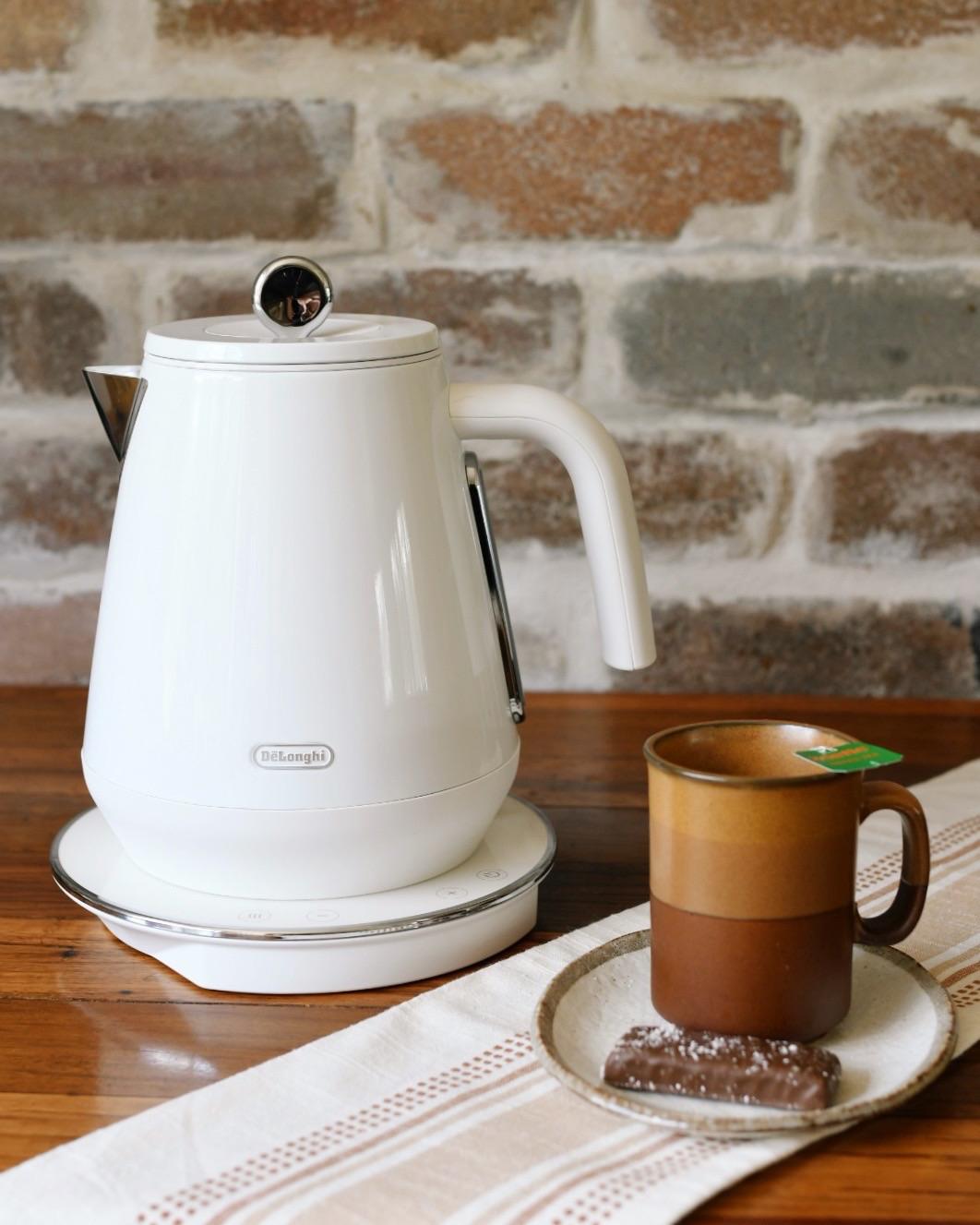
MX
Electric Kettle
The Mexican electric kettle market for 2026 is evolving towards a sophisticated blend of high performance, contemporary design, and specialized functionality. Consumers are moving beyond basic water boiling, now demanding appliances that enhance their daily routines and serve as stylish countertop pieces. Durability is a key consideration, with materials like stainless steel and borosilicate glass becoming market mainstays. Standard expectations now include essential efficiency and safety features such as rapid boiling capabilities, automatic shut-off mechanisms, and cool-touch surfaces, reflecting a more discerning and safety-conscious consumer base. This shift is largely driven by the growing interest in artisanal beverage preparation at home. A rising appreciation for the art of tea making has fueled demand for "connoisseur" kettles, which feature integrated infusers and precise temperature presets for different tea varieties. Similarly, the boom in at-home coffee culture, especially pour-over methods, has created a niche for precision pour kettles with gooseneck spouts. These trends indicate that consumers are seeking to replicate café-quality experiences, investing in appliances that offer greater control and customization over their brewing process. Alongside this focus on specialization, aesthetics and technology play a crucial role. Minimalist glass kettles, often enhanced with LED lighting, appeal to a modern design sensibility and a desire for purity and transparency. In parallel, the demand for convenience and speed is met by smart and speedy kettles, which boast high-wattage elements, digital controls, and even smart home connectivity. Meanwhile, the durable stainless steel kettle remains a popular choice for families, prized for its longevity, large capacity, and safety features, proving that practicality and classic design continue to hold significant value in the market.
Explore →
PH
Electric Kettle
The electric kettle market in the Philippines is poised for significant growth in 2026, fueled by a consumer shift towards convenience, style, and sustainability. As households increasingly abandon traditional stovetop methods, the demand for the speed and ease of electric kettles is rising. This year, the focus is on appliances that are not just functional but also serve as aesthetic centerpieces in the modern Filipino kitchen, blending advanced features with appealing designs. Key trends include a move towards smart technology, with features like precise temperature control and app connectivity becoming more common. Aesthetically, designs range from nostalgic retro to sleek minimalism, with materials like durable stainless steel and visually striking borosilicate glass gaining popularity. These trends align with contemporary home interior designs that favor neutral tones and natural textures, making kettles in finishes like matte black and cream highly sought-after kitchen accessories. The burgeoning "café at home" culture is also a major driver, boosting interest in specialized models like gooseneck kettles for pour-over coffee. Amidst these evolving trends, consumer priorities for health and safety remain steadfast. Features such as automatic shut-off, boil-dry protection, and the use of food-grade, BPA-free materials are now standard expectations, ensuring that the modern kettle is as safe and reliable as it is stylish and smart.
Explore →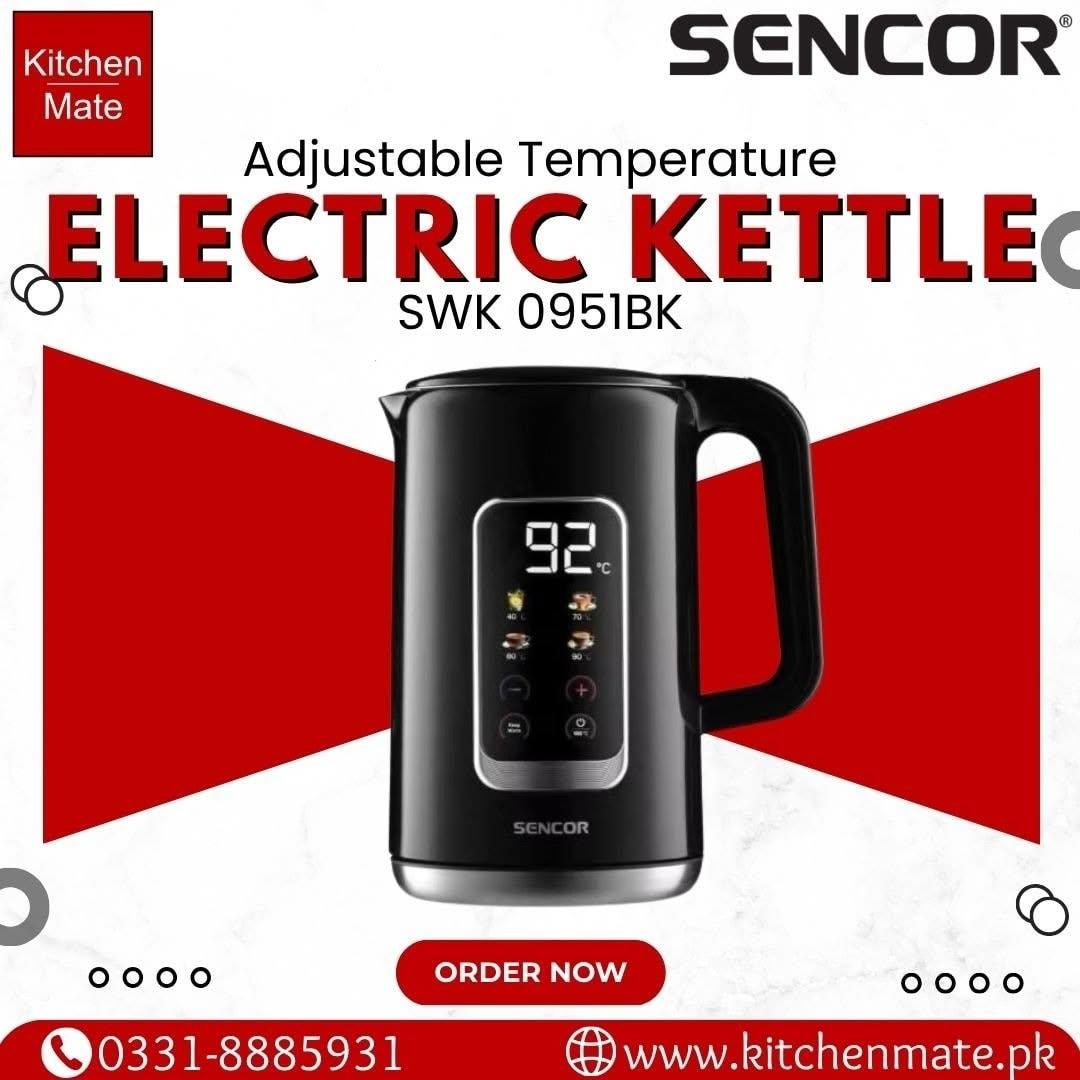
US
Electric Kettle
The US electric kettle market in 2026 is experiencing a significant transformation, evolving from a basic utility appliance into a sophisticated and stylish kitchen gadget. This evolution is driven by a convergence of high-tech functionality and elevated design sensibilities. Consumers are increasingly seeking advanced features that enhance their beverage-making experience, with variable temperature control emerging as a key demand for tea and coffee aficionados who require precision. Simultaneously, the integration of smart technology, including Wi-Fi connectivity and app-based controls, is gaining momentum, catering to a desire for convenience and a connected home ecosystem. Aesthetics and specialized design now play a crucial role in purchasing decisions. The rise of artisanal coffee culture at home has propelled the popularity of gooseneck kettles, which offer the controlled pour essential for methods like pour-over. Beyond functionality, the electric kettle has become a countertop statement piece. A wide array of finishes, from matte black and brushed stainless steel to vibrant colors, allows consumers to express their personal style. Design trends range from retro-modern to minimalist, enabling the appliance to seamlessly blend with or accent kitchen decor. Underpinning these trends is a strong consumer focus on health, safety, and material quality. There is a pronounced preference for kettles constructed with health-conscious materials, such as borosilicate glass and BPA-free, all-stainless steel interiors, to ensure the purest taste and avoid chemical contaminants. Standard safety features like automatic shut-off and boil-dry protection are no longer optional luxuries but expected standards. This emphasis on safety and purity reflects a market that values not only performance and style but also the well-being and peace of mind of the user.
Explore →
BR
Headphones
The Brazilian headphone market in 2026 is undergoing a significant transformation, evolving from basic audio devices to essential lifestyle accessories. There is a pronounced shift towards wireless models that offer advanced functionalities such as Active Noise Cancellation (ANC) and superior battery life. This surge in demand reflects a consumer base that seeks technology seamlessly integrated into their daily routines, valuing both performance and convenience in their personal audio equipment. This evolution has led to a high degree of market specialization, with headphones being tailored to specific user needs and activities. For the rapidly expanding gaming community, features like low-latency wireless and surround sound are paramount for an immersive experience. Similarly, the rise of remote work has created a demand for professional-grade headphones that prioritize comfort for all-day wear and crystal-clear microphone quality for virtual meetings. Fitness enthusiasts also represent a key segment, seeking durable, sweat-resistant designs that provide a secure fit during intense physical activity. Beyond pure functionality, headphones are increasingly being embraced as a form of personal expression and a fashion statement. This trend sees consumers opting for designs that feature bold colors, premium materials, and unique aesthetics to reflect their individual style. Alongside this focus on design, an emerging consciousness around sustainability is beginning to shape purchasing habits. Consumers are showing a growing interest in products that are built to last, are repairable, and are made from eco-friendly materials, signaling a move towards more responsible consumption in the electronics sector.
Explore →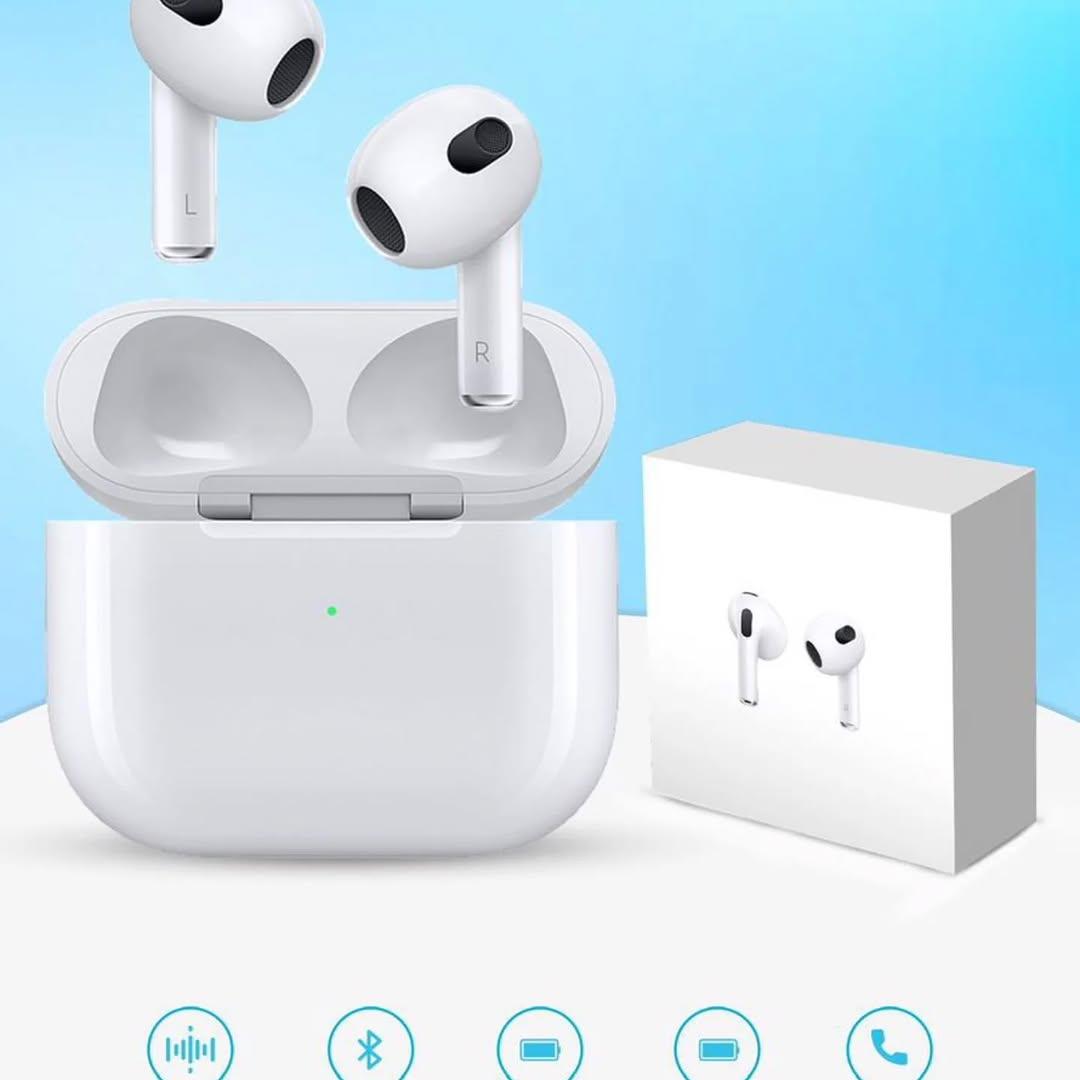
MX
Headphones
The Mexican headphone market in early 2026 is defined by a significant shift towards wireless technology and feature-rich audio experiences. Consumers are increasingly prioritizing the convenience of Bluetooth connectivity, making long battery life a crucial purchasing factor. This move away from wired connections reflects a broader desire for portability and freedom in personal audio, catering to active and on-the-go lifestyles across the country. The demand for superior sound quality is another key driver shaping the market. Features like active noise cancellation (ANC) and high-resolution audio are becoming mainstream, as users seek to create immersive listening environments free from distractions. Whether for music, podcasts, or calls, crystal-clear audio is no longer a luxury but an expectation. The gaming sector also remains a powerful influence, with players demanding comfortable, durable headsets that provide clear communication and precise, immersive sound for a competitive edge. Looking forward, the integration of artificial intelligence is set to revolutionize the headphone landscape. Smart features that adapt sound profiles to a user's environment and activity are gaining traction, promising a more personalized and seamless audio experience. As technology continues to converge, the distinctions between different headphone categories are blurring, with features once exclusive to high-end models becoming available in more affordable options, making advanced audio technology accessible to a wider audience.
Explore →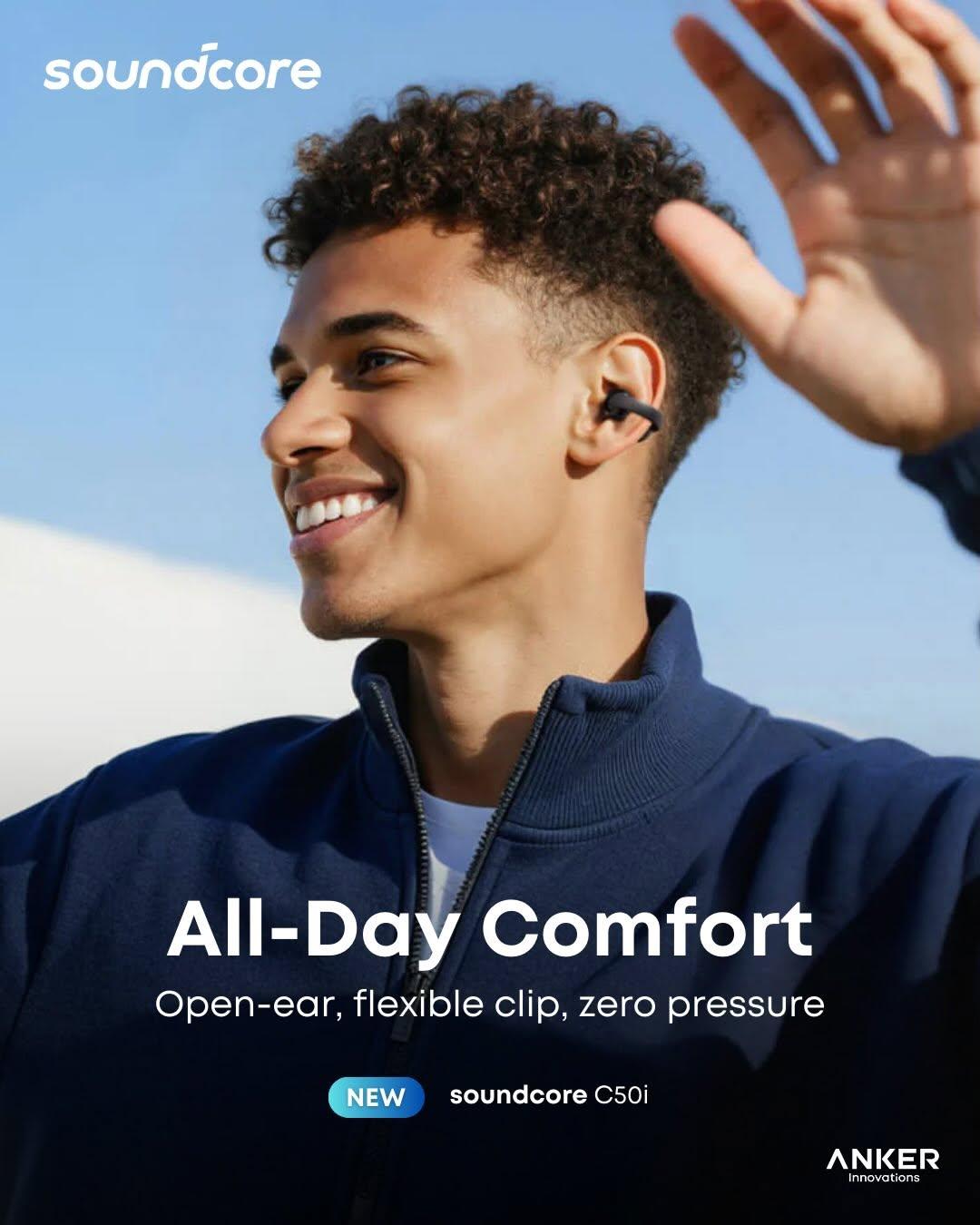
PH
Headphones
The Philippine headphone market in 2026 is defined by a strong preference for wireless audio solutions. This trend is fueled by the country's pervasive mobile-first culture, where smartphones are the central hub for entertainment, communication, and work. The increasing consumption of online streaming content and the explosive growth of mobile and PC gaming are creating a robust demand for headphones that deliver a compelling combination of advanced technology, long-wearing comfort, and accessible pricing. Consumers are becoming more discerning, seeking products that offer tangible value and enhance their daily digital experiences. Several key trends are shaping the market. Active Noise-Cancelling (ANC) technology is becoming a mainstream feature, moving beyond premium models to become a standard expectation even in budget-friendly options, catering to commuters navigating noisy urban environments. Simultaneously, budget wireless earbuds continue their market dominance, offering impressive features like extended battery life and the latest Bluetooth connectivity at highly competitive prices. For the burgeoning gaming community, high-performance gaming headsets are in high demand, with features like low-latency wireless and spatial audio being critical for a competitive edge and immersive gameplay. Alongside these dominant trends, new categories are gaining significant traction. Open-ear headphones are rising in popularity, addressing consumer concerns for safety and situational awareness, particularly for athletes and commuters who need to hear their surroundings. This design offers a comfortable alternative for all-day wear. Furthermore, an important emerging trend is the growing consumer interest in sustainability. Shoppers are increasingly showing a preference for headphones made from recycled materials and packaged in eco-friendly solutions, signaling a shift towards more environmentally conscious purchasing decisions in the consumer electronics space.
Explore →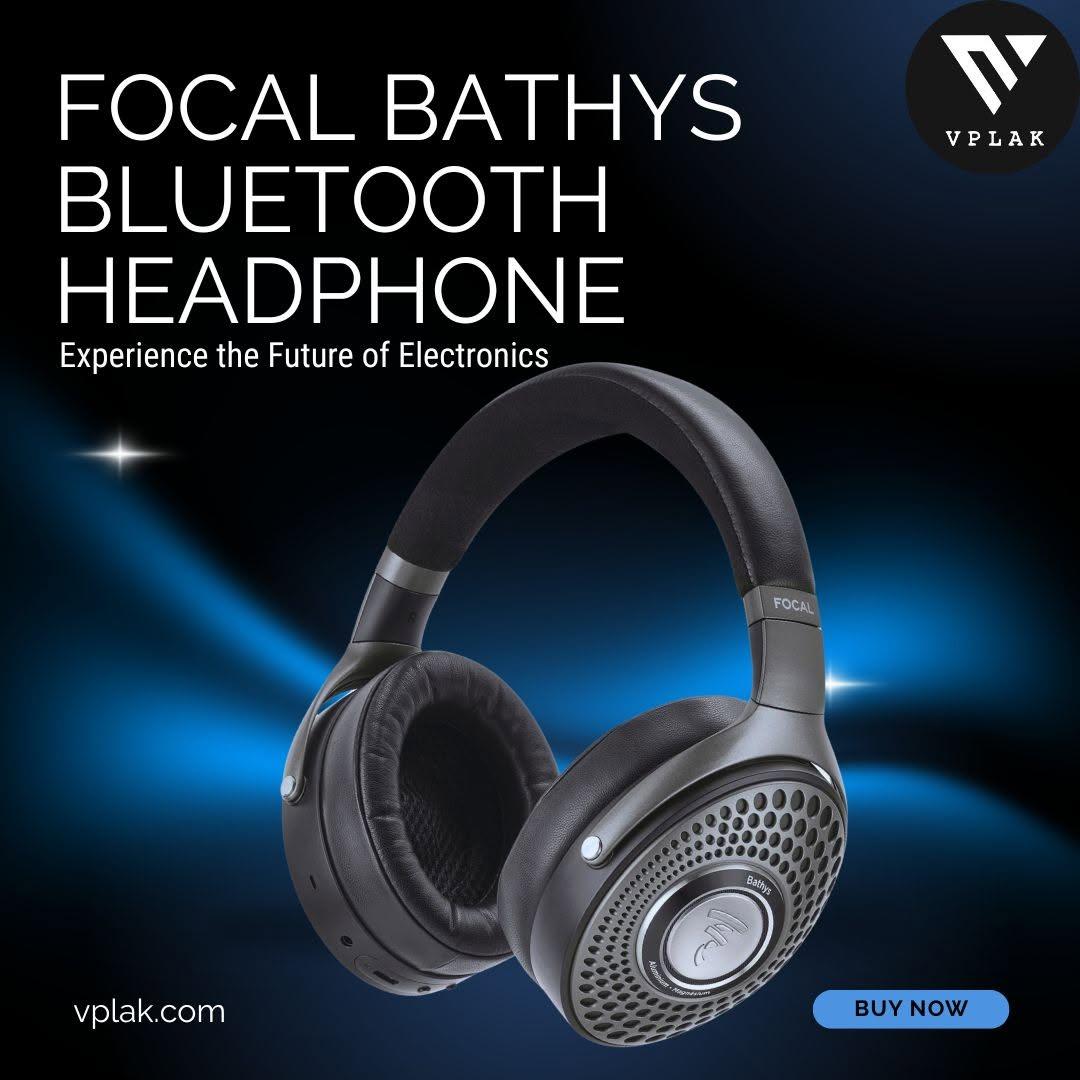
US
Headphones
The US headphone market in 2026 is set for a significant evolution, driven by consumer demand for immersive, high-quality audio experiences and smarter, more convenient technology. Upcoming models from industry leaders like Sony, Apple, and Sennheiser are pushing the boundaries of innovation with a strong focus on superior active noise cancellation (ANC), high-resolution and lossless audio codecs, and extended battery life. Wireless and true wireless headphones continue to dominate, with advancements in Bluetooth technology enabling more stable connections and multi-device pairing. Technological innovation is at the forefront of this evolution. Advanced Active Noise Cancellation is becoming more sophisticated, with adaptive systems that automatically adjust to a user's surroundings and customizable levels for a tailored quiet experience. For audiophiles, the market is responding with high-fidelity wireless headphones that support near-lossless codecs like LDAC and aptX HD, catering to the rise of high-resolution streaming services. Beyond sound quality, headphones are becoming smarter, integrating AI for personalized sound profiles, adaptive audio control, and even gesture-based commands, transforming them from passive listening devices into intelligent, context-aware companions. In terms of form factor, true wireless earbuds maintain their market dominance, prized for their ultimate convenience, portability, and ever-improving battery life, making them ideal for active and on-the-go lifestyles. This trend is further solidified by the near-universal removal of the headphone jack from modern smartphones. Concurrently, a significant shift in consumer values is carving out a growing niche for eco-friendly headphones. This trend sees brands utilizing sustainable and recycled materials, promoting repairability to reduce e-waste, and appealing to a conscious consumer base that prioritizes ethical manufacturing alongside performance.
Explore →
BR
Keyboards
The Brazilian keyboard market in 2026 is dominated by the demand for enhanced performance, personalization, and comfort. Mechanical keyboards are no longer exclusive to gamers, becoming a mainstream choice for professionals seeking durability and a superior typing experience. A significant trend is the move towards compact and minimalist designs, with Tenkeyless (TKL), 65%, and 60% layouts gaining popularity for their space-saving and ergonomic benefits. Customization is a major driver of current trends, with a growing community of enthusiasts building their own keyboards from scratch or modifying existing ones with hot-swappable switches and unique keycaps. Ergonomics has also become a key consideration, with an increasing number of users opting for split or curved keyboards to improve posture and reduce the risk of repetitive strain injuries. Across all categories, features like vibrant RGB backlighting, wireless connectivity for a cleaner setup, and the availability of the local ABNT2 layout are highly sought after by Brazilian consumers. Overall, the market reflects a sophisticated consumer base that values both aesthetics and functionality. Whether for gaming, professional work, or hobbyist pursuits, Brazilian users are looking for keyboards that are not just tools, but extensions of their personal style and workflow. This has led to a diverse market where high-performance gaming gear, ergonomic solutions, and highly customizable options coexist and thrive, all tailored to meet the specific needs and preferences of the local audience.
Explore →
MX
Keyboards
The Mexican keyboard market in 2026 is experiencing a significant transformation, driven by the dual forces of a burgeoning gaming culture and the widespread adoption of hybrid work models. This has led to a surge in demand for high-performance and customizable peripherals, with mechanical keyboards taking center stage. Both gamers and professionals are increasingly opting for these keyboards due to their superior tactile feedback, durability, and speed, moving away from traditional membrane models and embracing a more premium typing and gaming experience. A powerful trend towards personalization is reshaping consumer preferences. Custom keyboards, featuring hot-swappable switches that allow for solder-free modification, unique artisanal keycaps, and vibrant RGB lighting, are gaining immense popularity. This allows users to create a device that is not only high-performing but also a reflection of their personal style. Alongside this, compact layouts such as Tenkeyless (TKL) and 60% are becoming mainstream. Consumers are drawn to their minimalist aesthetic, ergonomic benefits, and the extra desk space they provide for mouse movement, making them ideal for both gaming and productivity-focused setups. Concurrently, there is a growing emphasis on well-being and versatility in both home and office environments. The rise of remote work has fueled the adoption of ergonomic keyboards, specifically designed to reduce strain and enhance comfort during long hours of typing. Furthermore, wireless connectivity has become a key feature, with users seeking the clean, cable-free setups and multi-device flexibility that Bluetooth and 2.4GHz keyboards offer. These trends indicate a market that values performance, personalization, comfort, and aesthetic appeal in its computer peripherals.
Explore →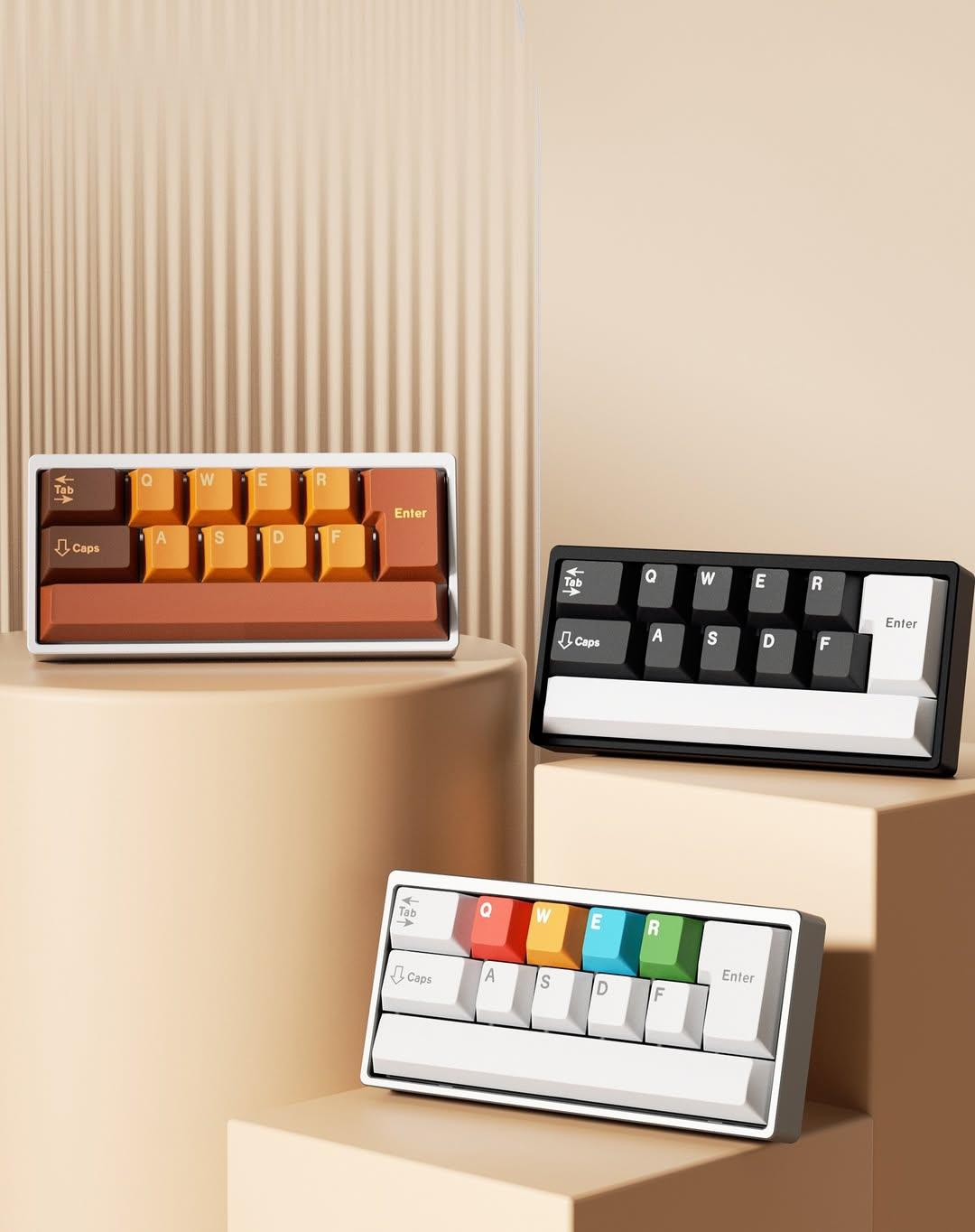
PH
Keyboards
The Philippine keyboard market in 2026 is a dynamic landscape shaped by the twin forces of a booming digital economy and a vibrant enthusiast culture. The sustained growth of remote and hybrid work models has shifted consumer focus towards peripherals that enhance productivity and comfort for long hours of typing. This trend runs parallel to a rapidly expanding esports and PC gaming scene, which has fueled demand for high-performance and customizable mechanical keyboards, creating a diverse market catering to both professionals and gamers. This dual demand manifests in several key trends. The desire for personalization has given rise to a thriving custom mechanical keyboard scene, where users build their own devices from individual components. Simultaneously, the explosive growth of esports drives the popularity of high-performance gaming keyboards engineered for speed and responsiveness. For the growing remote workforce, ergonomic keyboards are becoming essential for health and comfort, while compact and tenkeyless (TKL) layouts appeal to gamers and minimalists seeking more desk space. Furthermore, wireless and multi-device keyboards are gaining traction for their clean aesthetic and productivity-boosting flexibility. The underlying motivations for these trends are a desire for self-expression, competitive advantage, and improved well-being. Consumers are no longer satisfied with generic peripherals, seeking tools that reflect their personality and optimize their specific workflows. This movement is heavily supported by a vibrant local community of enthusiasts in the Philippines who engage in group buys, share modding tips, and create a supportive ecosystem. This community, combined with a growing number of local vendors, makes advanced and personalized keyboard setups more accessible than ever, solidifying the market's shift towards customization, performance, and ergonomics.
Explore →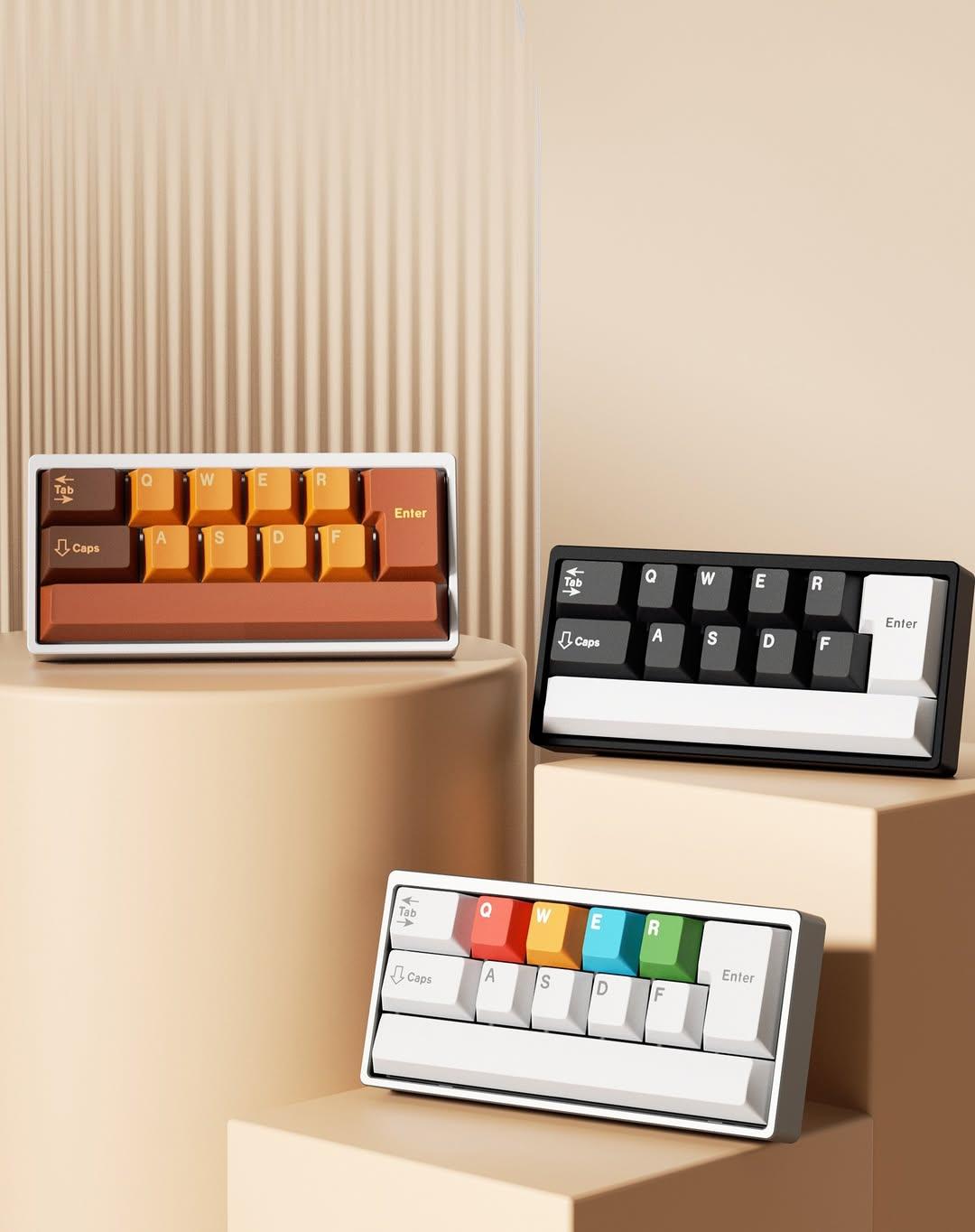
US
Keyboards
The US keyboard market in 2026 is defined by a deep push towards personalization, enhanced performance, and user comfort, moving far beyond the basic input device. A major trend is the rise of the custom mechanical keyboard, with enthusiasts and mainstream users alike demanding hot-swappable switches to easily tailor their typing feel without soldering. This is complemented by a booming market for custom keycaps made from durable PBT plastic, available in various profiles and aesthetics from minimalist to retro. For gamers, high-performance gaming keyboards are now standard, featuring ultra-fast magnetic (Hall Effect) or optical switches with adjustable actuation points and rapid trigger technology for a competitive edge. Concurrently, there is a significant shift towards ergonomic keyboards, with split and curved designs becoming more mainstream to reduce strain during long hours of use. Compact layouts like 75% and 65% are also gaining popularity for their desk space-saving advantages and minimalist appeal. The acoustic experience is another key focus, with a high demand for quieter keyboards that utilize gasket mounts and sound-dampening foam to achieve a satisfying, deep "thocky" sound instead of loud clicks. Finally, tri-mode wireless keyboards (offering Bluetooth, 2.4GHz, and wired USB-C connections) are becoming the new standard, providing seamless switching between multiple devices for ultimate convenience in hybrid work and gaming setups.
Explore →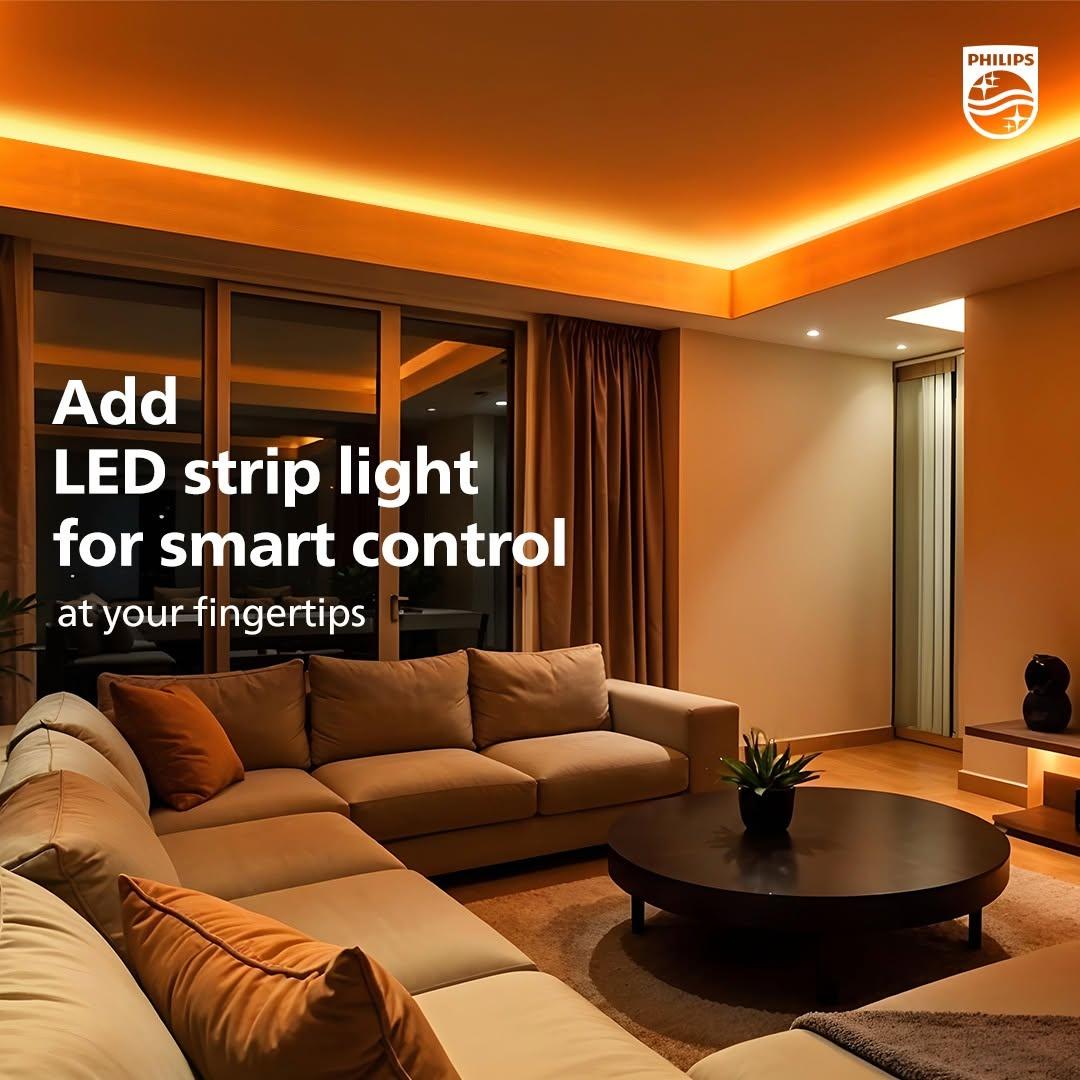
BR
Led Strip
In the Brazilian market for 2026, the LED strip landscape is defined by a push towards more integrated and intelligent lighting solutions. A significant trend is the increasing adoption of COB LED strips, which are gaining popularity for their ability to produce a continuous and uniform line of light without visible dots, making them ideal for sophisticated architectural and decorative applications. Alongside this, the demand for smart home integration continues to drive the popularity of Smart LED strips, which offer control via smartphone apps and voice assistants like Alexa and Google Assistant, representing a major shift towards convenience and automation. These smart functionalities are often paired with RGB and RGBW LED strips, allowing users to customize colors and create dynamic ambiances for various settings, from living rooms to gaming setups. This focus on personalization extends to architectural applications, with a strong emphasis on using LED strips for indirect lighting. Features like crown molding (sancas), under-cabinet lighting, and backlighting for furniture are popular methods for creating a cozy, modern, and sophisticated atmosphere without harsh glare, effectively using light to enhance the perception of space. Beyond aesthetics and control, sustainability and energy efficiency are key considerations influencing purchasing decisions. Both consumers and professionals are opting for durable, low-consumption LED solutions that promise a longer lifespan and reduced environmental impact. The versatility of LED strips is another crucial factor, highlighted by their use in both indoor and outdoor applications. The availability of waterproof models (IP65 or higher) is essential for external and humid areas, enabling the extension of living and decorative spaces to gardens, facades, and patios.
Explore →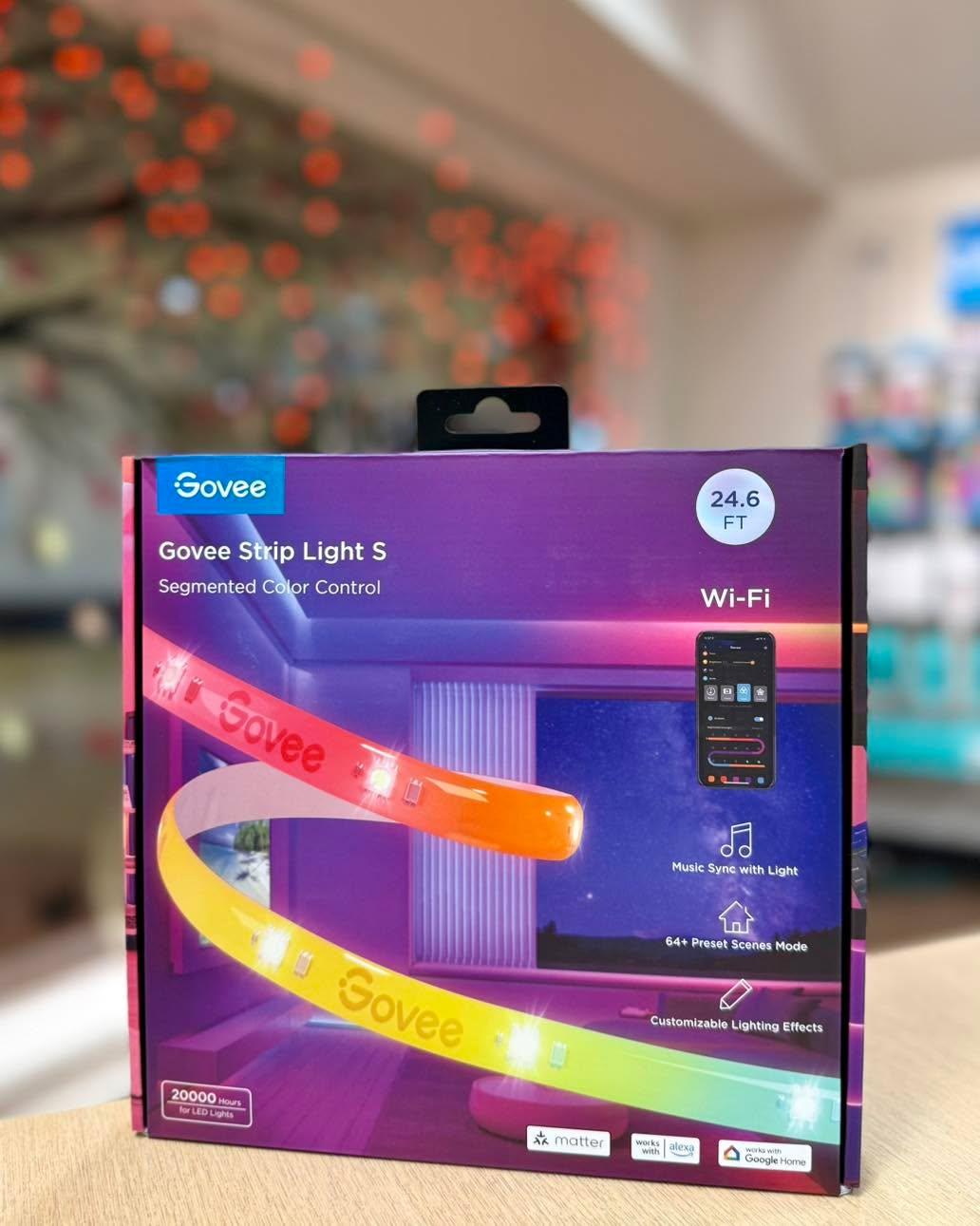
MX
Led Strip
The LED strip market in Mexico is set for substantial growth by 2026, as consumer preferences shift from basic illumination to creating personalized and intelligent lighting environments. This evolution is spearheaded by the integration of smart technology, making features like smartphone app control, voice commands through assistants like Alexa and Google Home, and music synchronization the new standard. Consumers are no longer just lighting a room; they are curating an experience, demanding convenience and customization at their fingertips to adapt their surroundings to any mood or activity. Aesthetically, the trend is moving towards more sophisticated applications, such as using LED strips for indirect and layered lighting to add depth, warmth, and architectural interest to spaces. This marks a departure from traditional, harsh overhead lighting in favor of a more integrated and seamless look. The versatility of LED strips is also driving their popularity in both indoor and outdoor settings. The availability of durable and waterproof options is enabling creative and functional installations in gardens, on building facades, and even within swimming pools, effectively extending living spaces to the outdoors. An important emerging trend is the focus on wellness through human-centric lighting systems. This involves LED strips that can mimic natural daylight cycles, adjusting their color temperature and brightness throughout the day to support the body's circadian rhythm. By providing cooler, energizing light during the day and warmer, relaxing light in the evening, these systems aim to improve mood, boost productivity, and promote better sleep. This trend reflects a broader societal shift towards health and well-being, with consumers seeking technologies that actively contribute to a healthier home environment.
Explore →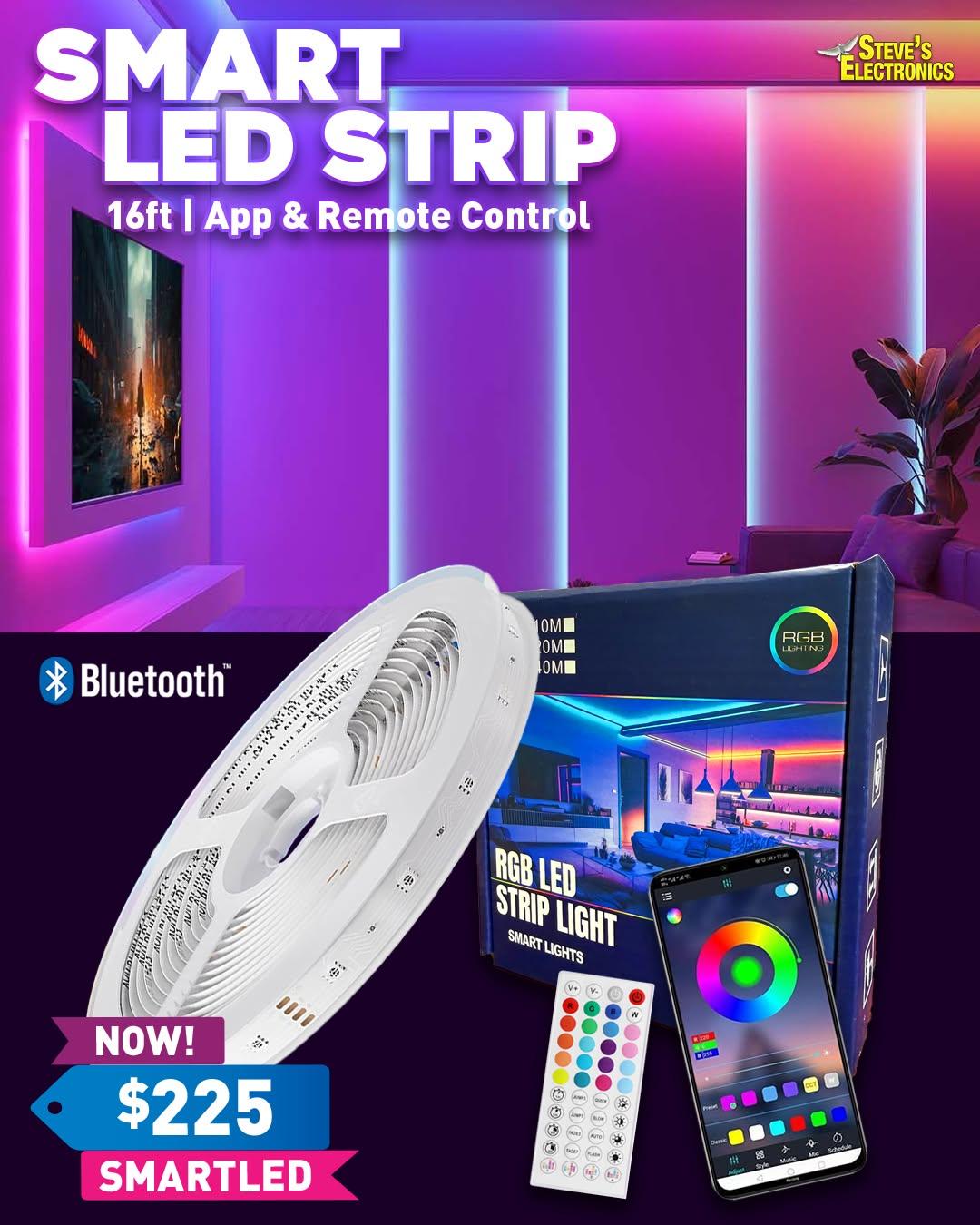
PH
Led Strip
The Philippine market for LED strip lighting is poised for significant evolution by 2026, moving beyond simple illumination towards highly integrated and aesthetically sophisticated solutions. The primary trend is a surge in demand for smart LED strips that can be controlled via smartphone apps and voice commands, offering unprecedented convenience and personalization. This shift reflects a broader adoption of smart home technology across the country, as consumers seek to effortlessly customize their living and working environments for any mood or occasion. Driving this evolution is a dual focus on immersive experiences and refined aesthetics. The popularity of RGBIC LED strips is skyrocketing, fueled by the gaming and content creation communities who desire dynamic, multi-color flowing effects to enhance their setups. These vibrant, customizable displays are perfect for entertainment areas and have gained significant traction on social media. In parallel, there is a growing appreciation for minimalist and high-end design, which has elevated COB LED strips. Their ability to produce a seamless, dot-free line of light makes them the preferred choice for architectural accents and upscale residential and commercial projects where a clean, uniform glow is paramount. Practicality and niche applications also remain key market drivers. The demand for durable, waterproof LED strips is strong, catering to both indoor and outdoor applications in the Philippines' tropical climate, from garden landscapes to building facades. Furthermore, the robust DIY culture in the country continues to influence the market, with a particular emphasis on vehicle customization. The trend of using flexible, easy-to-install LED strips to personalize motorcycles is a significant and enduring niche, allowing riders to enhance both the style and visibility of their bikes.
Explore →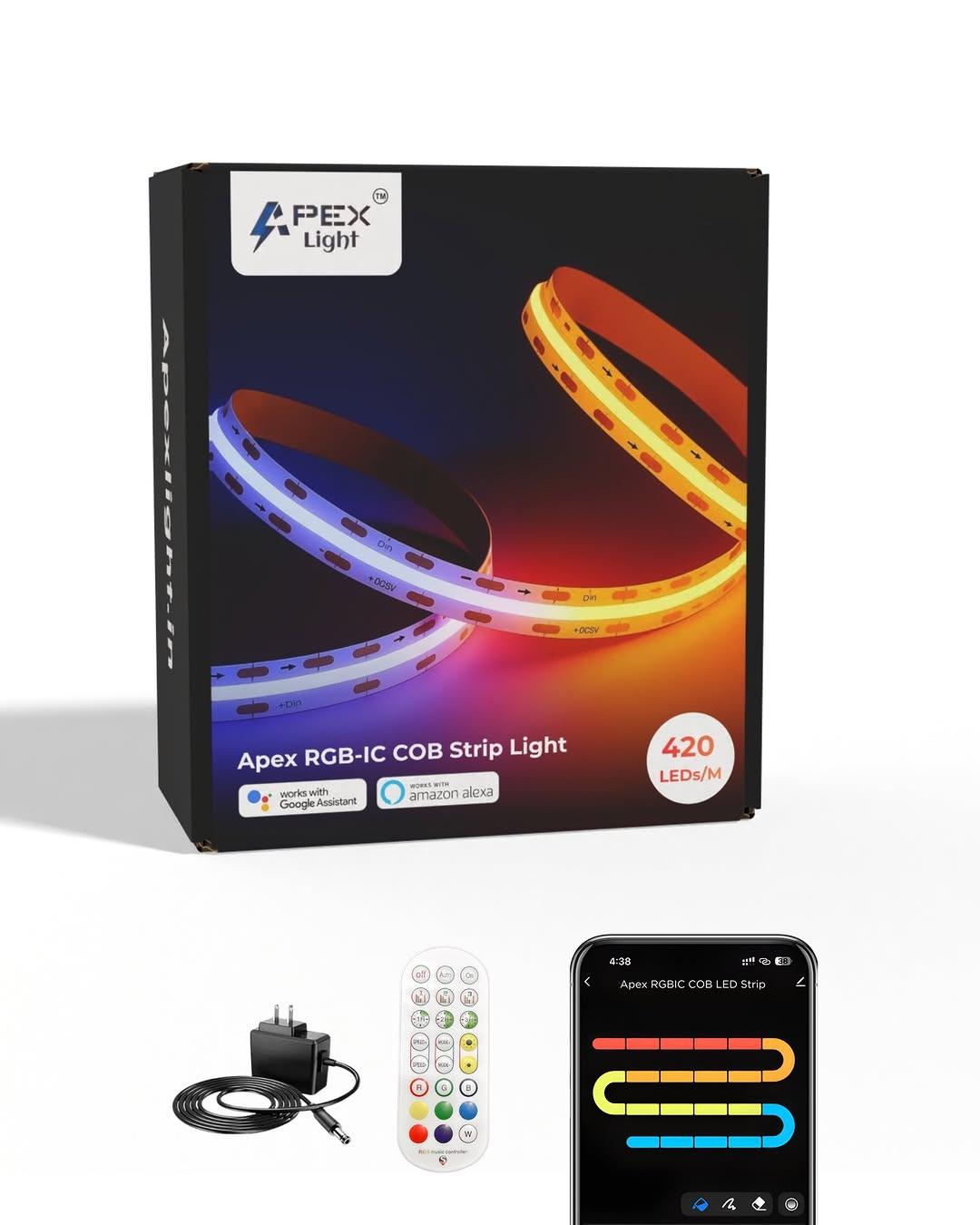
US
Led Strip
In 2026, the US market for LED strips is undergoing a significant transformation, moving away from simple decorative lighting towards sophisticated, integrated solutions. The dominant trend is the seamless incorporation of lighting into a space's architecture, creating ambient and layered effects where the light source itself is hidden. This is coupled with a universal expectation for smart functionality; IoT-enabled strips controllable via smartphone apps and voice assistants like Alexa and Google Assistant are now the standard. This shift reflects a consumer desire for lighting that is not just functional but also intelligent, customizable, and integral to the overall design and atmosphere of a home. Technological advancements are key drivers of this evolution, particularly the rise of Chip-on-Board (COB) LED strips. COB technology is rapidly gaining favor for its ability to produce a continuous, dot-free line of light, delivering a premium, uniform aesthetic that is highly sought after for architectural applications like cove and under-cabinet lighting. Alongside this aesthetic refinement is a growing emphasis on wellness through human-centric lighting. Tunable white LED strips, which allow users to adjust color temperature to support their natural circadian rhythms, are becoming a mainstream feature, enabling environments that can be energizing during the day and relaxing at night. These trends are underpinned by a focus on sustainability and accessibility. Consumers and designers are prioritizing energy efficiency, seeking products with higher lumens per watt and eco-friendly, modular designs. The market is catering to a wide range of users, from architects and interior designers leveraging LED strips for high-end, "quiet luxury" projects to DIY enthusiasts using accessible, all-in-one kits for creative home upgrades. Ultimately, the LED strip has evolved into a versatile artistic and architectural tool, empowering users to create intentional, luxurious, and personalized lighting experiences.
Explore →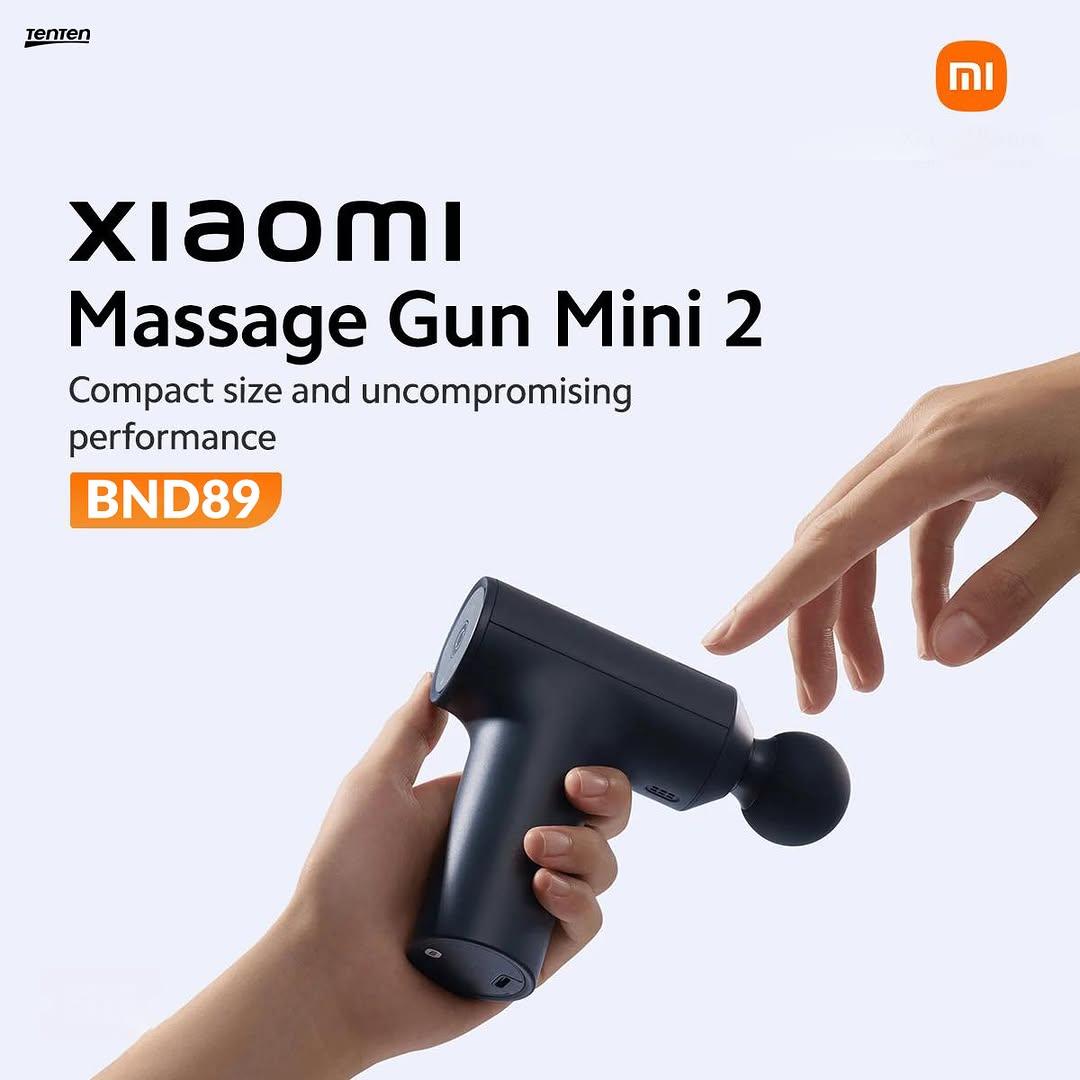
BR
Massage Guns
The Brazilian market for massage guns is experiencing a significant surge, driven by a cultural shift towards prioritizing self-care and wellness. As consumers increasingly seek effective, at-home solutions for muscle recovery, pain relief, and relaxation, the electric body massager is becoming a household essential. The market is moving away from a one-size-fits-all model, diversifying to meet a wide range of consumer needs and preferences. Key purchasing factors now include performance metrics like speed settings and battery life, the variety of attachments, and quiet operation, reflecting a more educated and discerning customer base. This diversification is creating distinct product segments. For serious athletes and fitness enthusiasts, professional-grade power massage guns offer clinical-level performance with high torque, numerous speeds, and specialized heads. Conversely, the demand for convenience has given rise to mini portable massage guns, perfect for on-the-go relief. Catering to a broader audience, budget-friendly models provide core functionality at an accessible price point, while multi-use massagers expand their appeal beyond sports recovery into general wellness and aesthetics, such as stress reduction and improved circulation. The future of the market is being shaped by technological innovation, particularly in the premium segment. Smart massage guns are emerging with features like AI-powered pressure sensors that automatically adjust intensity and Bluetooth connectivity for app-based guided routines. This integration of smart technology and personalization appeals to tech-savvy consumers seeking an optimized and safer user experience. These advanced features signal the next wave of development in personal wellness technology, pointing towards a future of more intelligent and customized recovery tools.
Explore →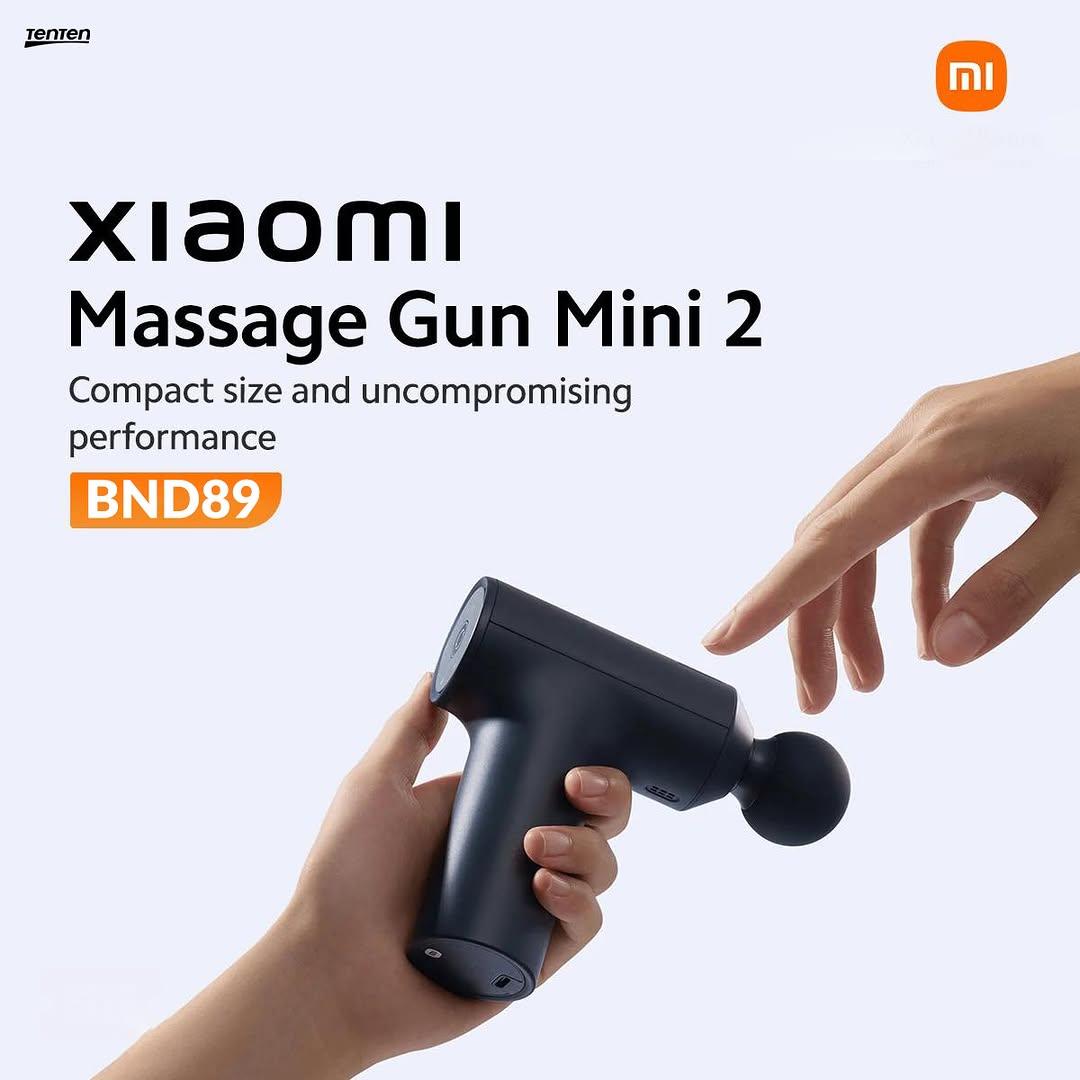
MX
Massage Guns
The massage gun market in Mexico is on a significant upward trajectory, fueled by a consumer shift towards professional-grade wellness and recovery tools for at-home use. This surge in popularity highlights a clear demand for devices that masterfully blend portability with power and versatility. As fitness culture becomes more ingrained, users are no longer satisfied with basic models; they seek effective, convenient solutions for muscle recovery, driving innovation and competition within the market. The upcoming year is set to be defined by this pursuit of enhanced personal therapeutic experiences. Key trends shaping the market revolve around advanced features and user-centric design. There is a strong movement towards compact, lightweight models that do not compromise on motor power, making them ideal for travel and on-the-go use. Simultaneously, innovation is seen in specialized attachments, such as heated and cooled heads, which offer targeted thermal therapy to either warm up muscles or reduce post-exercise inflammation. Customization is paramount, with consumers expecting multiple speed settings and a variety of interchangeable heads to address different muscle groups. Furthermore, features like quieter motors and extended battery life are evolving from premium add-ons to standard expectations, fundamentally improving the overall user experience. The driving forces behind these trends are multifaceted. The desire for convenience is a major factor, with portability and quiet operation allowing users to integrate recovery seamlessly into their daily lives, whether at home, the gym, or the office. Consumers are also becoming more discerning, seeking all-in-one, multi-functional devices that provide a comprehensive wellness solution, from deep tissue massage to thermal therapy. This demand for professional-level results at home, backed by positive endorsements from fitness experts, has made consumers more willing to invest in high-performance, durable devices, solidifying the market's growth towards more sophisticated and effective massage gun technology.
Explore →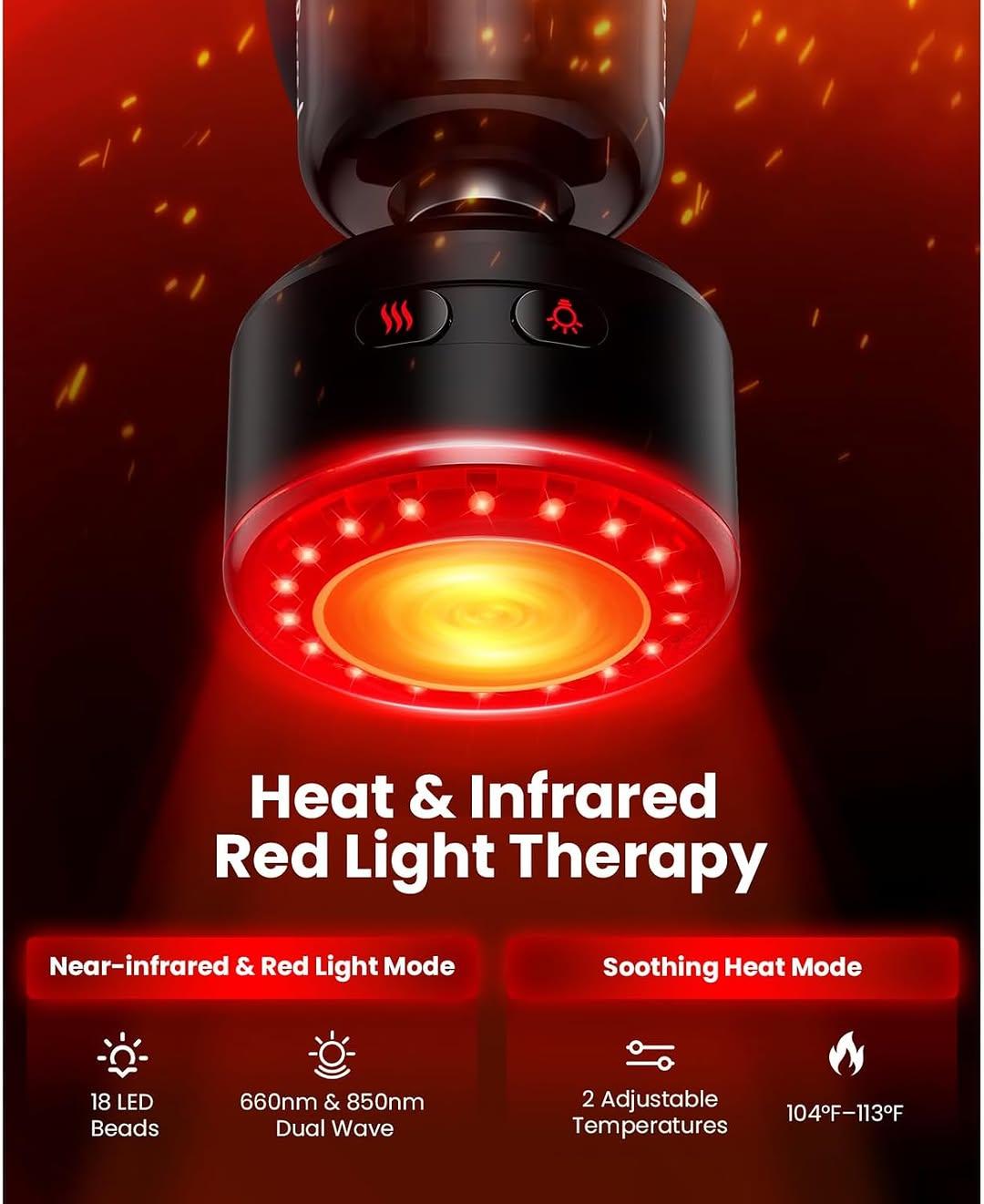
PH
Massage Guns
Explore →
US
Massage Guns
The US massage gun market in 2026 is advancing toward a more personalized and versatile user experience, with significant trends shaping the landscape. A dominant theme is the integration of thermal therapy, with many new models featuring heated and cold attachments to enhance muscle recovery. These thermal percussion devices use heat to relax muscles pre-massage and cold to reduce inflammation post-activity. Concurrently, the demand for portability remains high, driving the popularity of mini massage guns that are compact, lightweight, and increasingly powerful, making them ideal for travel and on-the-go use. Smart technology is another key driver; premium massage guns now frequently connect to apps for guided routines, feature on-device tutorials, and incorporate sensors for pressure and heart rate. For serious athletes and those seeking maximum intensity, professional-grade deep tissue massage guns continue to push the boundaries of power, with high amplitude and stall force being key differentiators. Finally, innovation in motion technology is emerging, with orbital and rolling massagers offering a less percussive, hands-free alternative for muscle relief. This diversification caters to a broader range of user preferences, from intense athletic recovery to gentle, general wellness, signaling a mature and dynamic market.
Explore →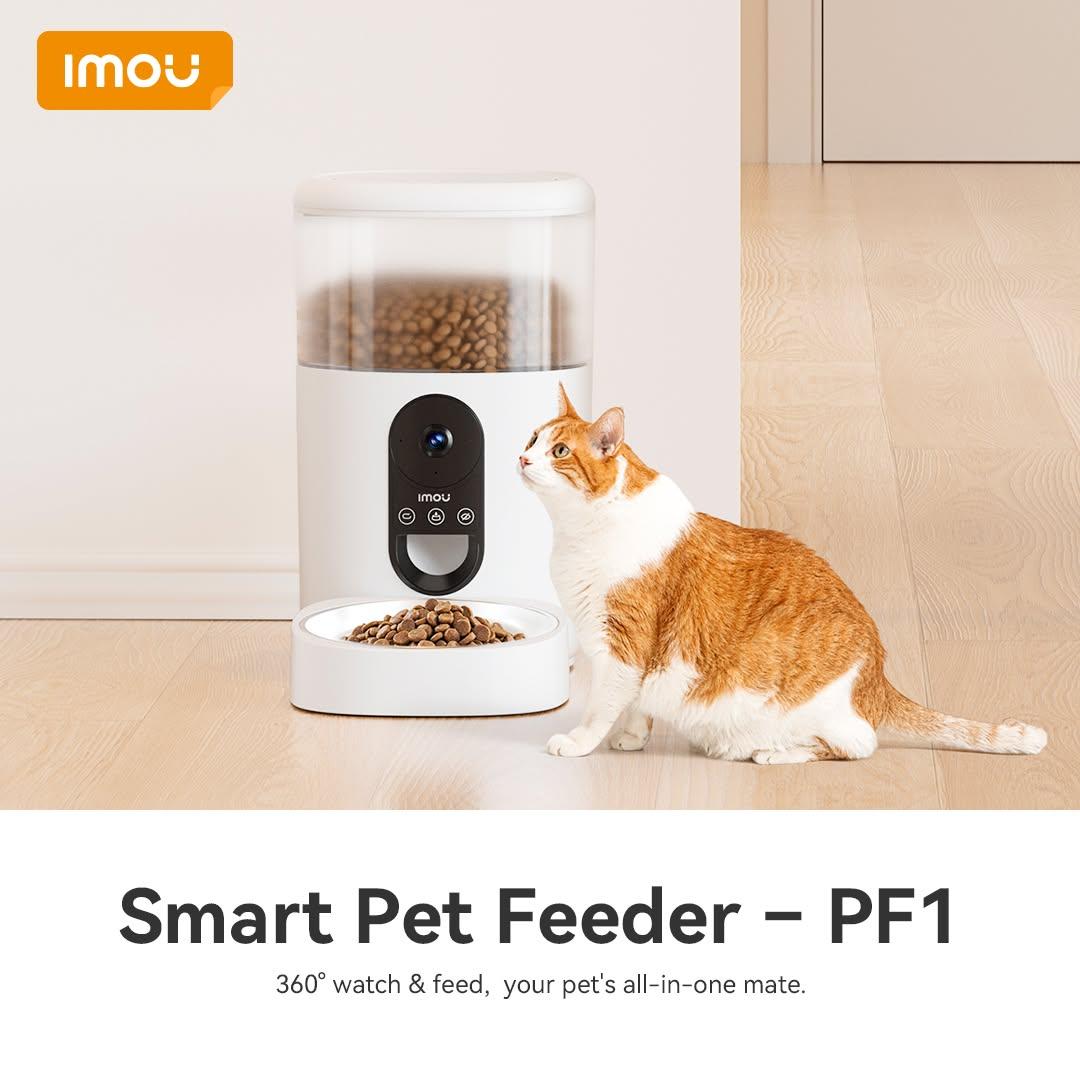
BR
Pet Feeder
The Brazilian pet market in 2026 is set to embrace a new wave of pet feeders centered on health, convenience, and technology. As pet owners become more invested in their animals' well-being, there is a clear shift away from simple bowls towards more advanced feeding solutions. This includes the rise of automatic and smart feeders that offer programmable meal times and portion control, often managed through smartphone apps. Concurrently, ergonomic and elevated feeders are gaining popularity for their ability to improve posture and digestion, while slow feeders are being adopted to prevent rapid eating and its associated health risks. This trend is driven by a combination of lifestyle changes and increased awareness of pet health. The busy schedules of modern pet owners fuel the demand for convenient, automated solutions that ensure pets are fed consistently and correctly. The "humanization" of pets means owners are more willing to invest in technology and products that enhance their pets' quality of life, from managing weight with precise portions to reducing physical strain with ergonomic designs. Veterinarian recommendations also play a crucial role, endorsing products like elevated and slow feeders for their tangible health benefits. Material choice is another critical aspect of this evolving market, with a strong preference for hygienic and durable options. Stainless steel and ceramic are becoming the materials of choice, valued for their non-porous surfaces that are easy to clean and prevent bacterial growth, a common issue with plastic bowls. This focus on materials also ties into a desire for sustainability and aesthetics, as consumers seek long-lasting products that complement their home decor. Ultimately, the 2026 pet feeder market in Brazil reflects a holistic approach to pet care, where functionality, health, and design are all equally important.
Explore →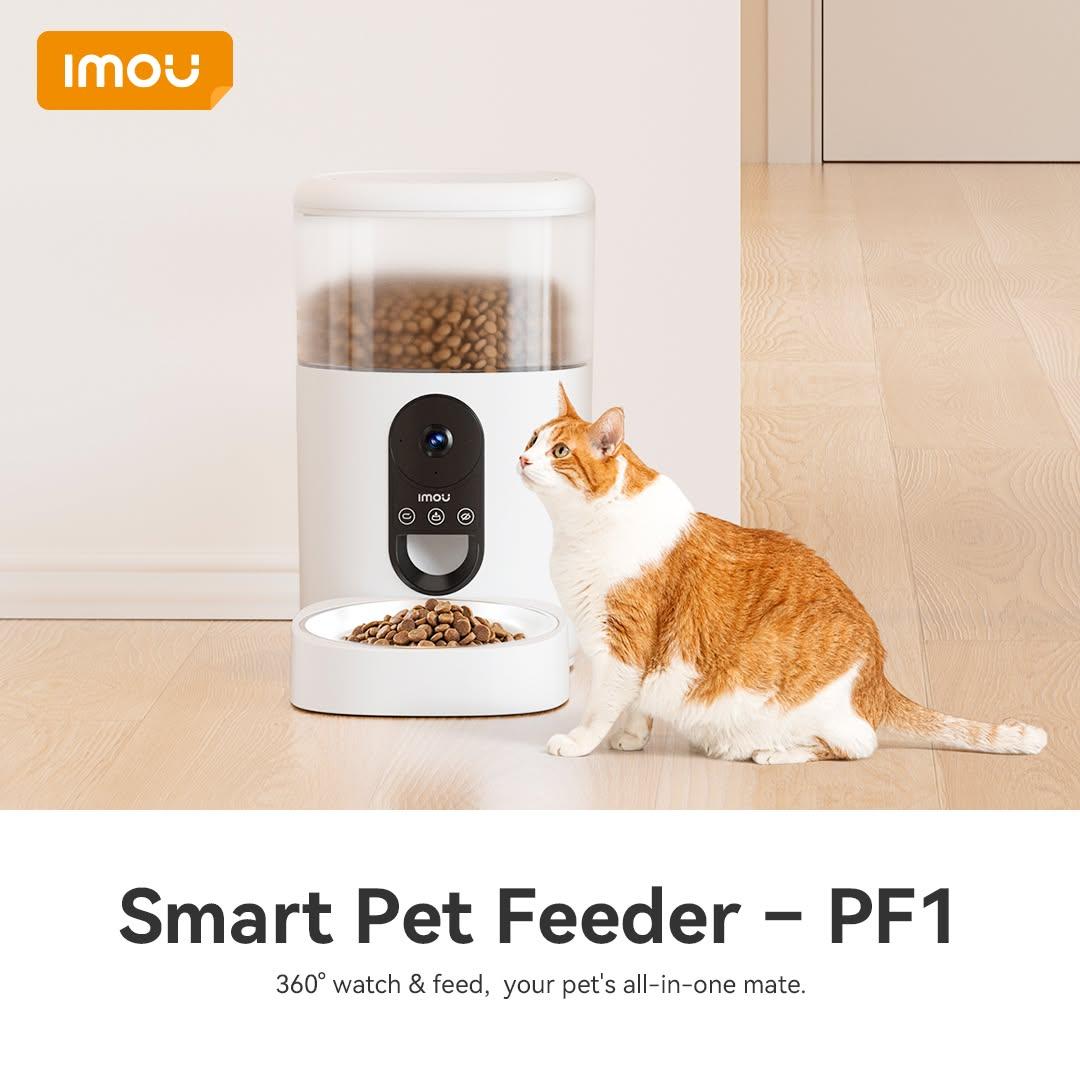
MX
Pet Feeder
The Mexican pet feeder market in early 2026 is characterized by a growing emphasis on pet wellness and the integration of technology to enhance pet care. A significant trend is the increasing popularity of smart pet feeders, which allow owners to automate feeding schedules, control portions, and even monitor their pets remotely via cameras and apps. This caters to the busy lifestyles of modern pet owners and their desire to stay connected with their animal companions. Alongside high-tech solutions, there is a strong demand for feeders that address specific health concerns. Elevated pet feeders are gaining traction for their ergonomic benefits, promoting better posture and digestion, particularly for large or senior pets. Similarly, slow-feed pet feeders with interactive, maze-like designs are becoming a staple for preventing rapid eating and associated health issues like bloating, turning mealtime into a mentally stimulating activity. The aesthetic appeal of pet products is also a notable factor, with a trend towards stylish designs and materials like wood and ceramic that complement home interiors. This reflects the broader "humanization" of pets, where they are considered integral family members. This shift in perception is leading to increased consumer spending on premium, health-oriented, and design-conscious products that improve the quality of life for their pets while also fitting seamlessly into the owner's home environment.
Explore →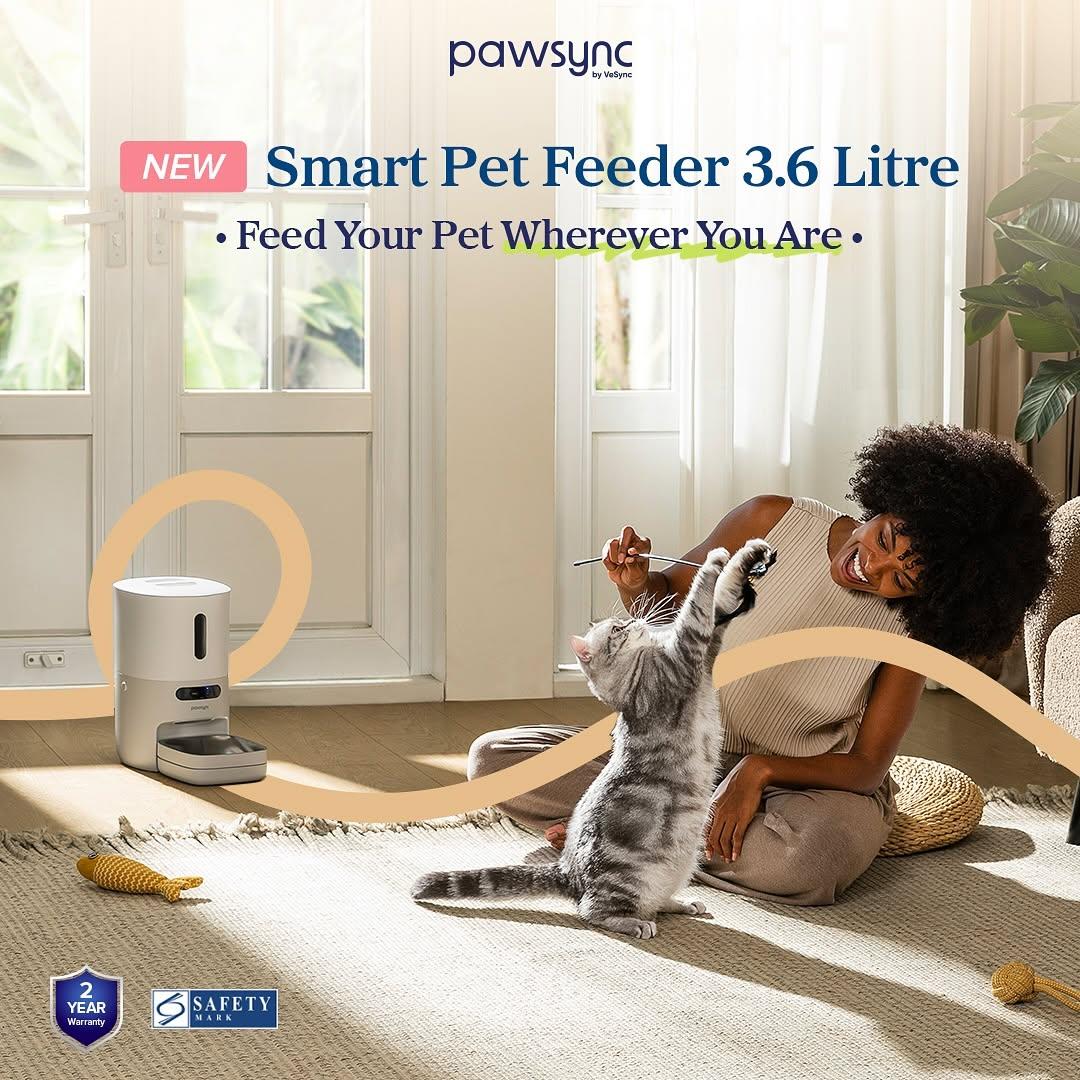
PH
Pet Feeder
Explore →
US
Pet Feeder
The pet feeder market in the United States is undergoing a significant shift, largely influenced by the "pet humanization" trend. As owners increasingly treat their pets as integral family members, there's a heightened focus on their health and well-being, which in turn fuels demand for advanced and thoughtful feeding solutions. This trend has created a fertile ground for innovation, pushing the market beyond simple bowls to encompass products that offer convenience for the owner and tangible health benefits for the pet, setting the stage for substantial growth in 2026. Leading this transformation are smart and automatic pet feeders, which are poised to become a multi-billion dollar segment. These high-tech devices leverage Wi-Fi connectivity, app integration, and built-in cameras to provide remote monitoring, scheduled feedings, and precise portion control—a key feature in combating the growing issue of pet obesity. The integration of AI is elevating these products further, introducing capabilities like pet facial recognition for multi-pet households, health tracking, and the recent breakthrough of automated dispensers for wet food, addressing a long-standing gap in the market. Beyond technology, there is a parallel and robust trend towards feeders that enhance a pet's physical well-being and environmental sustainability. Slow feeders, with their puzzle-like designs, are gaining popularity for improving digestion and providing crucial mental stimulation. Similarly, elevated feeders are in high demand to provide better ergonomics and comfort for large, elderly, or arthritic pets. Capping these trends is a strong consumer preference for eco-friendly options, driving a market shift towards feeders made from sustainable and durable materials like stainless steel, bamboo, and recycled plastics, reflecting a holistic approach to pet care.
Explore →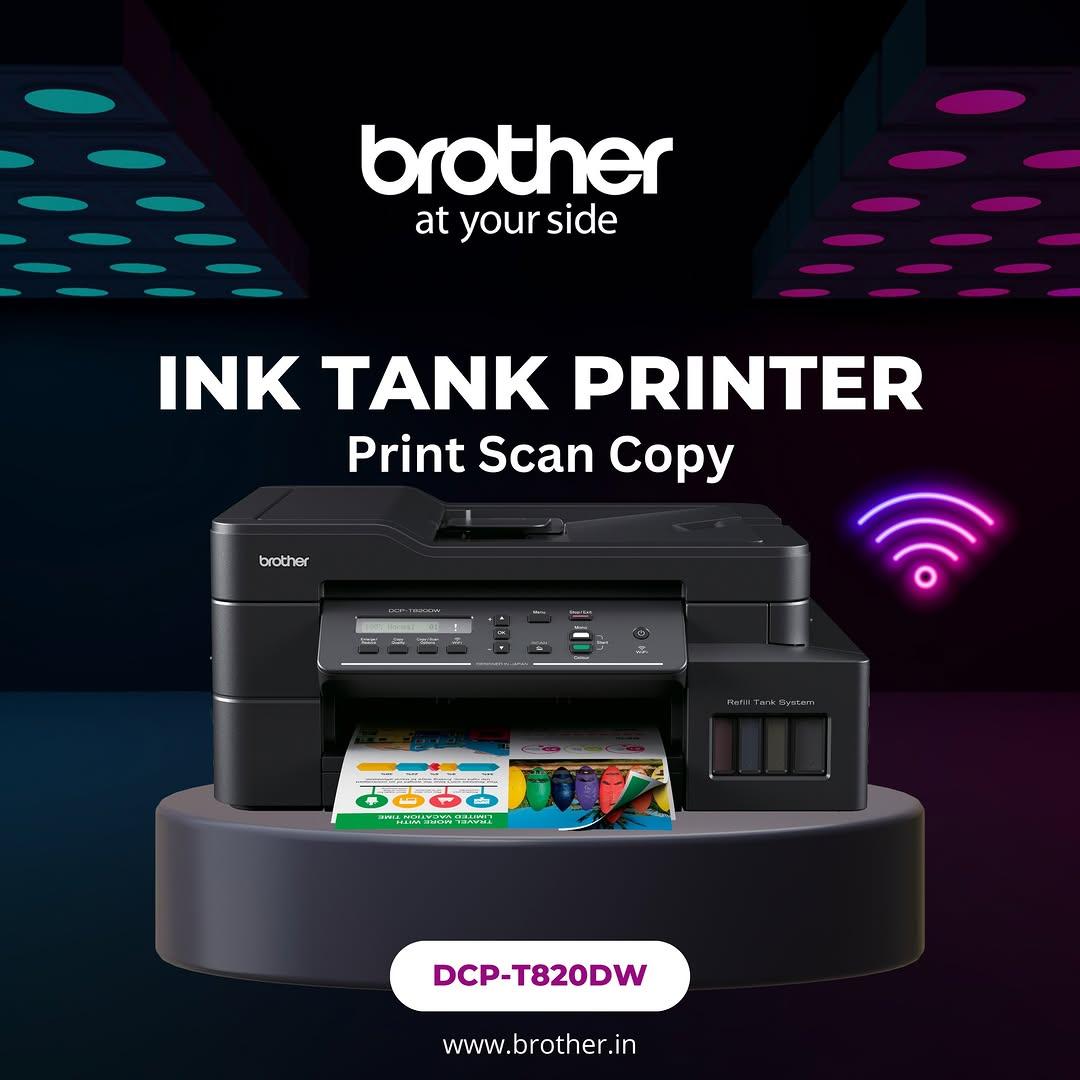
BR
Printer
The Brazilian printer market in 2026 is dominated by a strong consumer preference for cost-effectiveness and versatility. The most significant trend is the widespread adoption of multifunction ink tank printers, with models from Epson's EcoTank and HP's Smart Tank series leading the sales charts. Consumers are prioritizing a low cost per page and high ink yield, making these printers the top choice for home, student, and small office use. Wireless connectivity is no longer a luxury but a standard feature, with users expecting seamless printing from smartphones and other devices via Wi-Fi and dedicated apps. While ink tank models are prevalent, laser printers maintain a solid footing in office environments that require high-speed, high-volume monochrome document printing. Additionally, a niche but growing interest in specialty photo printers and compact models for occasional home use indicates a diversifying market that caters to specific user needs.
Explore →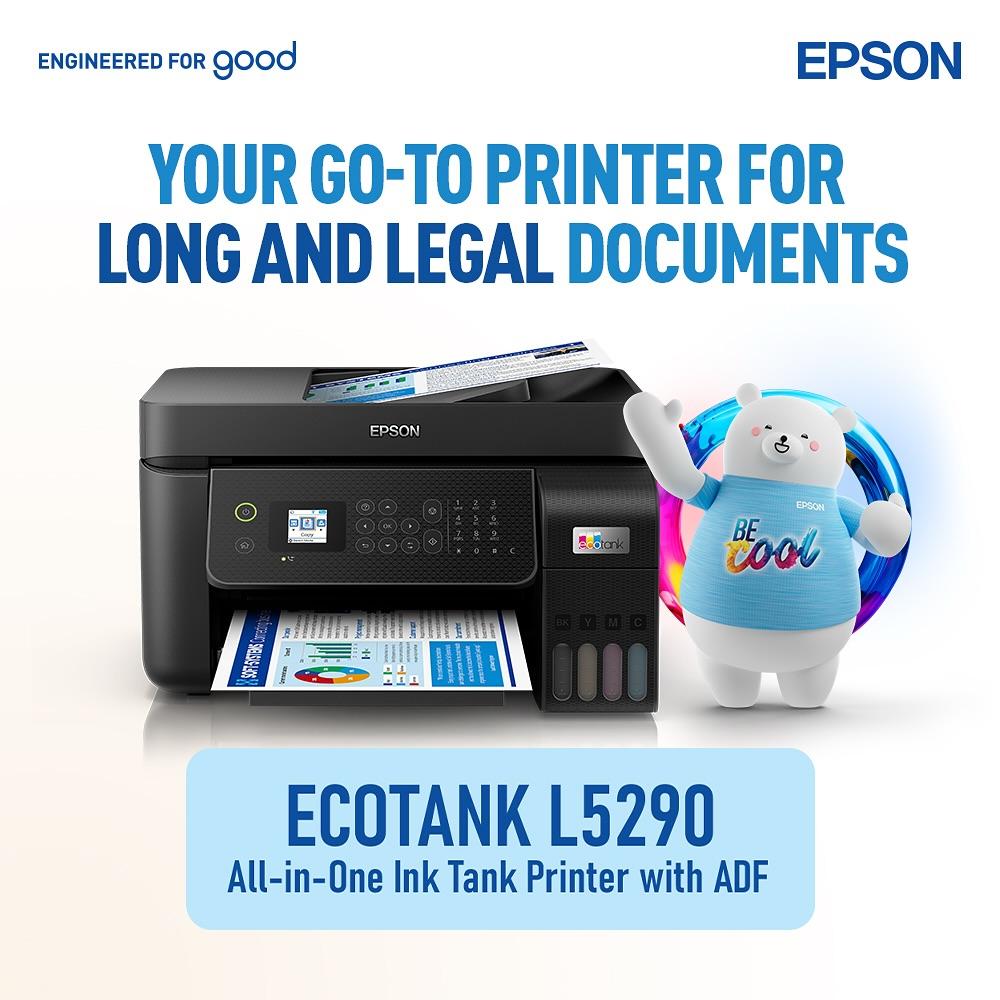
MX
Printer
The Mexican printer market in 2026 is dominated by a demand for cost-effective and versatile printing solutions, driven by the continued prevalence of home offices and the needs of students and small businesses. The trend is moving decisively towards multifunction printers that can print, scan, and copy, with wireless connectivity becoming a standard feature. Ink tank printers, such as Epson's EcoTank and HP's Smart Tank series, are particularly popular due to their significantly lower cost per page compared to traditional cartridge models, making them an economical choice for users with high-volume printing needs. While laser printers remain the go-to for speed and handling large volumes of text-based documents in office environments, ink tank systems are closing the gap, offering a compelling blend of quality, versatility, and long-term savings. This shift highlights a market that prioritizes not just initial purchase price but the total cost of ownership, a key consideration for both households and small enterprises managing tight budgets. The ability of a single device to handle diverse tasks efficiently is paramount in the modern hybrid work and study environment. Additionally, a niche but growing trend is the adoption of portable photo printers, allowing users to instantly create tangible copies of their digital memories. Sustainability is also an emerging consideration, with brands highlighting eco-friendly features like refillable tanks and improved energy efficiency. This indicates a maturing market where consumers are not only looking for functionality and economy but are also beginning to factor environmental impact into their purchasing decisions.
Explore →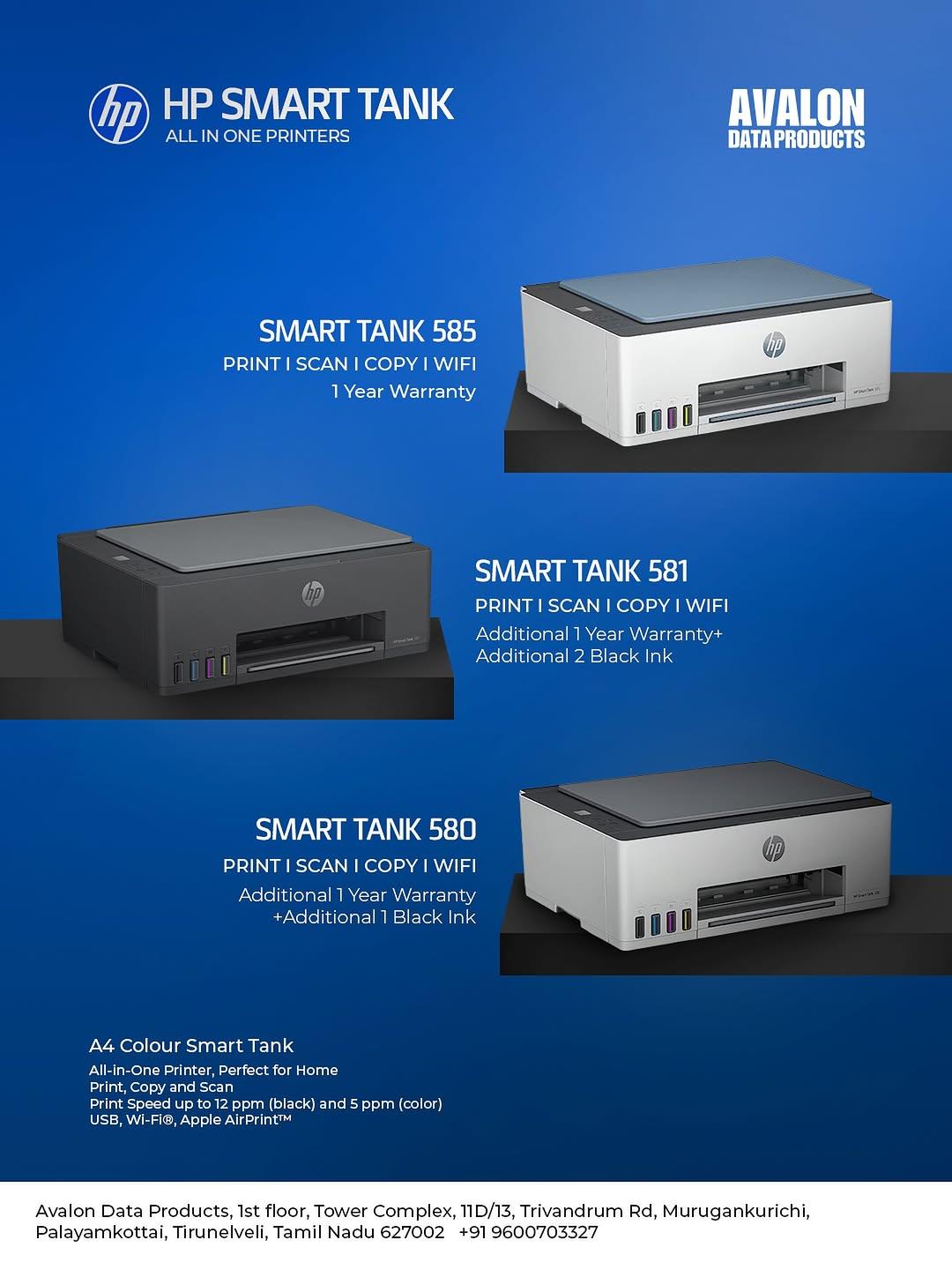
PH
Printer
The Philippine printer market is poised for significant growth in 2026, with projections indicating it will reach approximately USD 89.32 million by 2032, growing at a CAGR of around 4.04% from 2026. This expansion is primarily fueled by the increasing demands of small and medium-sized enterprises (SMEs), the burgeoning e-commerce sector, and the evolving needs of the educational and remote working segments. These key sectors require reliable and efficient printing solutions, driving the overall market forward. A major trend shaping the market is the pronounced shift from traditional laser printers to more cost-effective ink tank models. Businesses, in particular, are adopting these printers for their high-volume needs, attracted by the significantly lower cost per page. Alongside this, multifunction devices that integrate printing, scanning, copying, and sometimes faxing capabilities continue to be highly sought after. Their popularity stems from the convenience and space-saving benefits they offer to both home and office environments. Looking ahead, sustainability and connectivity are becoming central to consumer and business purchasing decisions. There is a growing consciousness for eco-friendly solutions, with brands promoting technologies that consume less power and reduce waste, such as refillable ink systems. Simultaneously, wireless and mobile printing functionalities are transitioning from a premium feature to a standard expectation. This caters to the modern user's demand for flexibility, convenience, and the ability to print seamlessly from a variety of devices in any location.
Explore →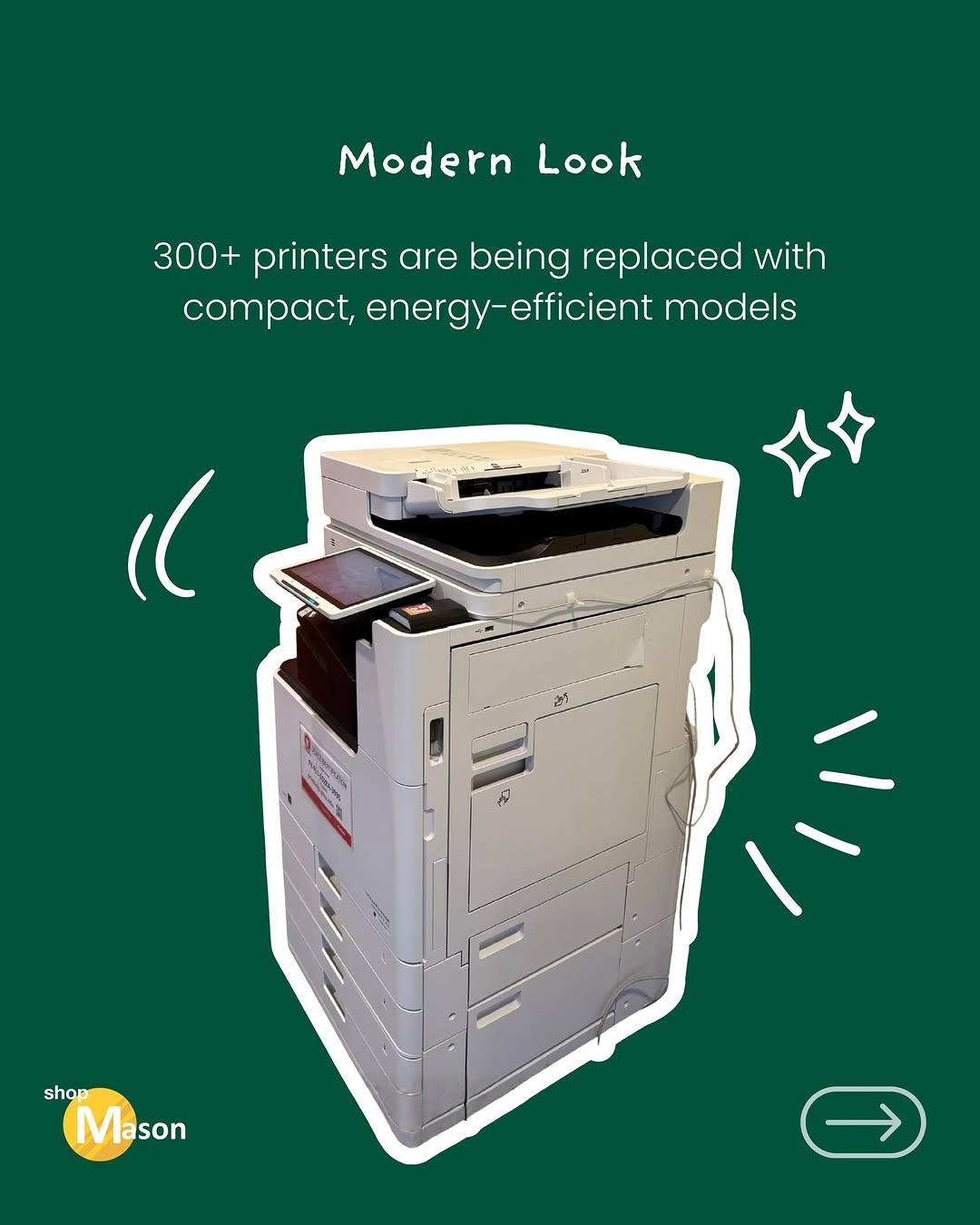
US
Printer
In 2026, the US printer market is defined by a strong push towards sustainability, intelligent automation, and cost-efficiency. Eco-friendly printing solutions are becoming a standard expectation, with a focus on energy-efficient hardware, the use of recycled materials, and sustainable inks. A significant trend is the move away from traditional cartridges to high-efficiency tank printers, like Epson's EcoTank and Canon's MegaTank models, which drastically reduce the long-term cost per page and minimize plastic waste. Concurrently, the integration of smart technology and Artificial Intelligence is revolutionizing printer functionality. AI-powered features are enabling predictive maintenance, enhanced security protocols, and automated workflows that learn user patterns to optimize productivity. Versatile all-in-one printers remain a cornerstone for both home and office environments, evolving into more compact, powerful, and connected hubs that handle printing, scanning, and copying with seamless mobile and cloud integration. Furthermore, the expansion of additive manufacturing continues, with 3D printers moving from a niche technology to a mainstream tool for mass customization and rapid prototyping.
Explore →
BR
Recording Pen
The Brazilian market for recording pens in 2026 is heavily influenced by a demand for discretion and multifunctionality. The central trend is the "caneta espiã," or spy pen, which is prized for its ability to covertly capture audio and sometimes video. These devices are readily available on major e-commerce platforms like Mercado Livre and Shopee, making them accessible to a wide consumer base seeking inconspicuous recording solutions for personal security, professional documentation, and academic purposes. Beyond simple covert recording, the market is seeing a surge in pens with advanced digital capabilities. Key features driving consumer choice include voice-activated recording for efficiency, long-endurance batteries for all-day use in lectures or conferences, and large internal storage capacities. Another popular trend is the integration of MP3 playback, transforming the pen into an all-in-one device for recording, file storage, and entertainment. High-definition video recording, with some models offering 4K resolution, is also becoming a significant feature for users requiring comprehensive visual and audio evidence. This diverse feature set caters to a broad audience, from students recording lectures and professionals like journalists and lawyers documenting interviews, to individuals using them for personal security and evidence gathering. The ease of use and inconspicuous design are major factors in their popularity. Looking ahead, while still a niche segment, there is a growing interest in smart pens with capabilities like real-time transcription and translation, indicating a future trajectory towards more deeply integrated and intelligent recording technologies in the Brazilian market.
Explore →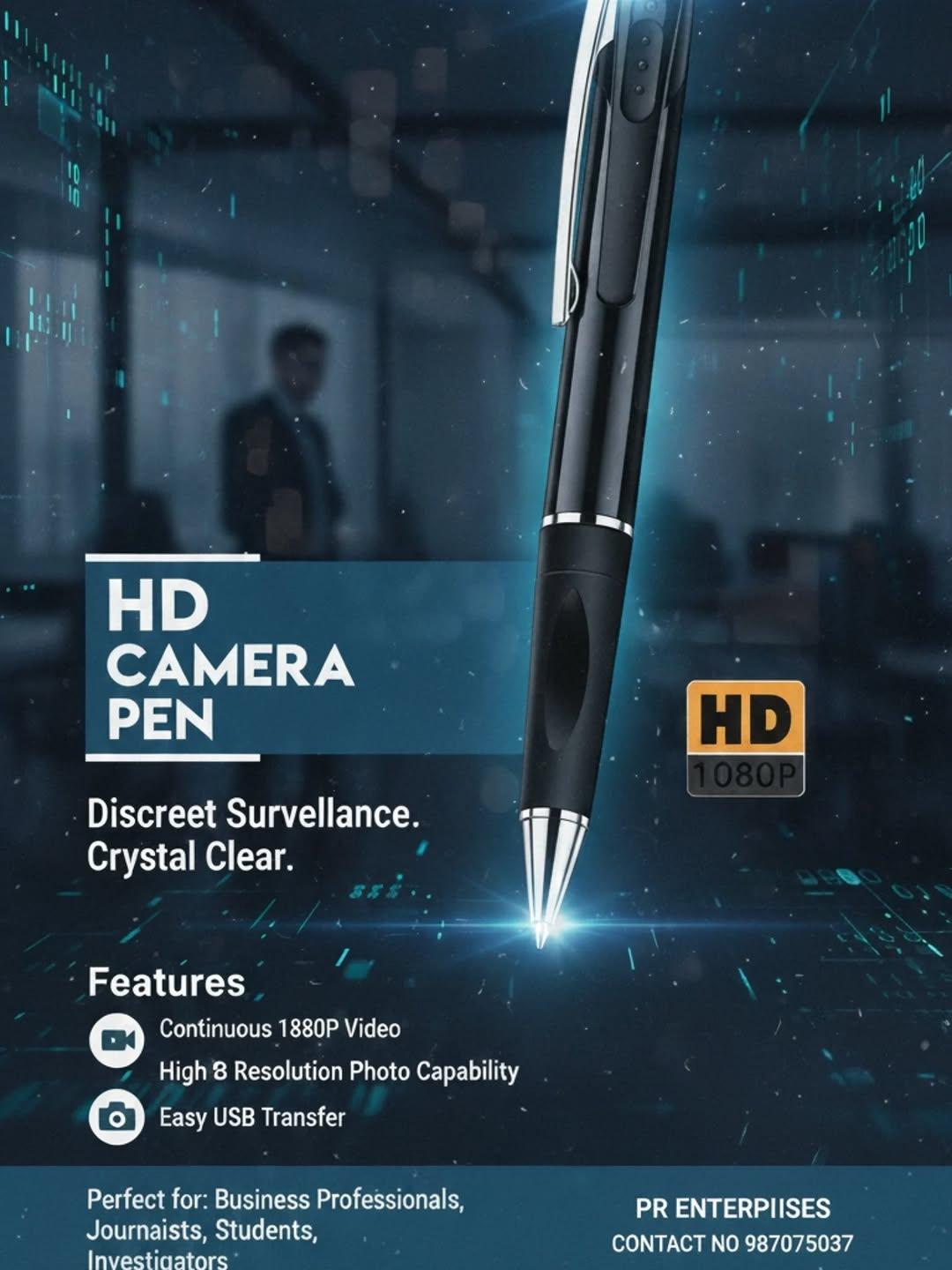
MX
Recording Pen
Explore →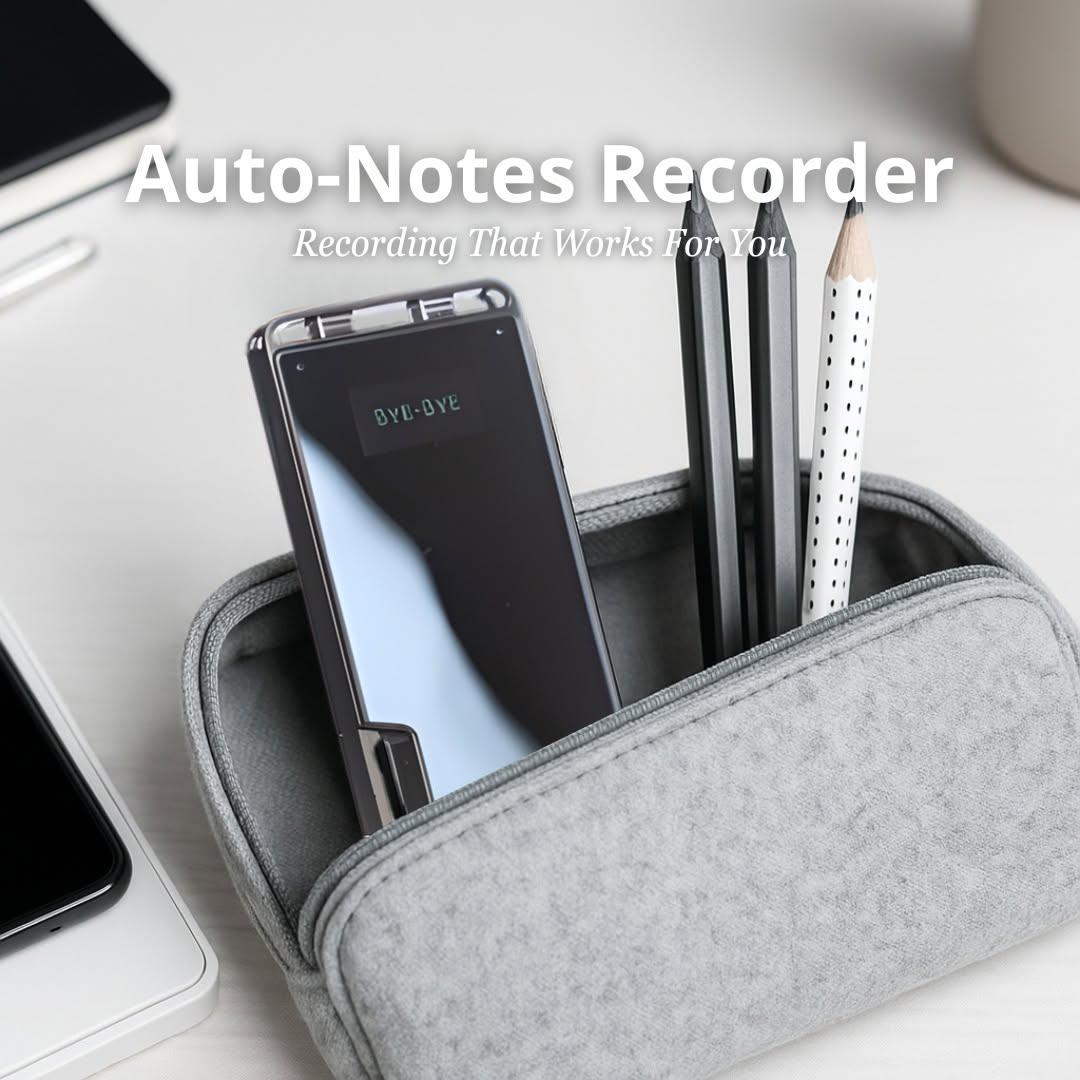
PH
Recording Pen
Explore →
US
Recording Pen
The recording pen market in the US is undergoing a significant transformation, driven by the integration of artificial intelligence. Upcoming trends for 2026 indicate a move towards smarter, more discreet, and highly functional devices that go beyond simple audio capture. These next-generation pens will offer features like real-time transcription, automated summaries, and seamless integration with productivity tools, turning the humble recording pen into a powerful assistant for capturing and organizing information efficiently. This evolution is manifesting in several key themes. AI-powered transcription pens are becoming essential for professionals and students, eliminating manual note-taking. For fields requiring discretion like journalism, spy pens offer covert recording in a conventional form factor. Meanwhile, the demand for pristine sound quality from podcasters and musicians is driving the development of high-fidelity audio pens. Additionally, smart note-taking pens are bridging the gap between analog handwriting and digital convenience, while wearable recorder clips offer a hands-free "second brain" for all-day information capture. The momentum behind these trends is fueled by a convergence of user needs and technological advancements. The relentless pursuit of productivity, the necessity for covert documentation, the rise of the creator economy, and a preference for natural user interfaces are all key drivers. As AI models become more accurate and hardware becomes smaller and more powerful, these specialized recording devices are becoming increasingly accessible and indispensable. They are no longer just for recording audio but are evolving into comprehensive tools for knowledge management, creativity, and personal security.
Explore →
US
Remote Control Car
Explore →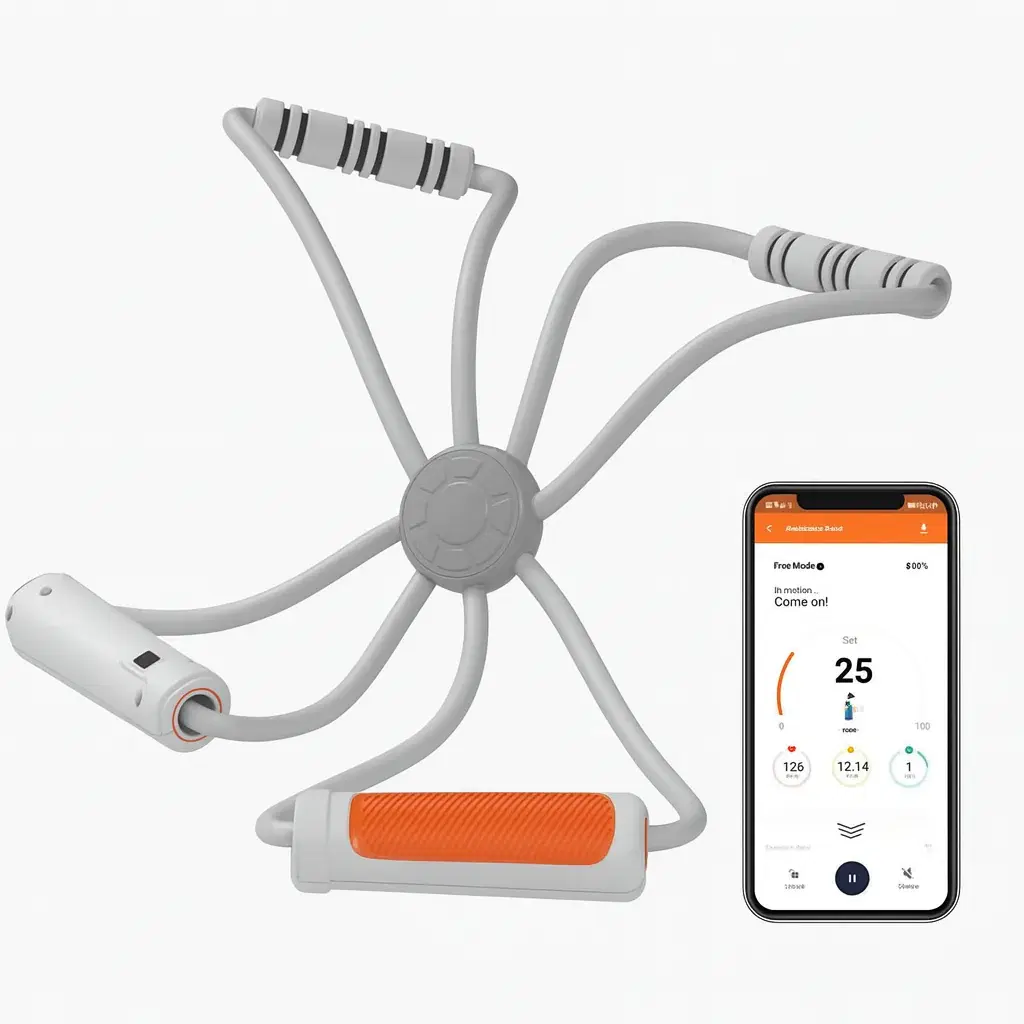
US
Resistance Bands
Explore →
BR
Smart Door Lock
The Brazilian market for smart door locks is poised for significant growth by 2026, driven by a strong consumer appetite for enhanced security, convenience, and deeper technological integration. The trend is moving away from simple keyless entry towards multifaceted devices that serve as a central hub for home access management. Consumers are increasingly prioritizing locks that offer a variety of access methods, robust connectivity, and seamless integration into their existing smart home setups, reflecting a broader shift towards more connected and automated living. A key driver of this evolution is the demand for multiple authentication options within a single device. Advanced biometrics, particularly fingerprint and facial recognition, are becoming highly sought-after for their blend of high security and convenience. Alongside biometrics, standard features now include Wi-Fi connectivity for remote control via smartphone apps, allowing users to lock or unlock doors, grant temporary access to visitors, and receive real-time activity notifications from anywhere. Furthermore, compatibility with voice assistants like Alexa and Google Assistant is becoming a crucial selling point, enabling hands-free control and integration into comprehensive smart home routines. Beyond functionality, aesthetics and durability are playing a vital role in consumer choice. The market shows a clear preference for modern, minimalist designs that complement contemporary home decor, with sleek finishes and hidden touch-screen keypads gaining popularity. There is also a strong emphasis on build quality, with demand for robust, weather-resistant materials that can withstand Brazil's diverse climate and deter physical tampering. Ultimately, the 2026 trend points towards a holistic smart lock that masterfully combines advanced security features, versatile connectivity, and sophisticated design.
Explore →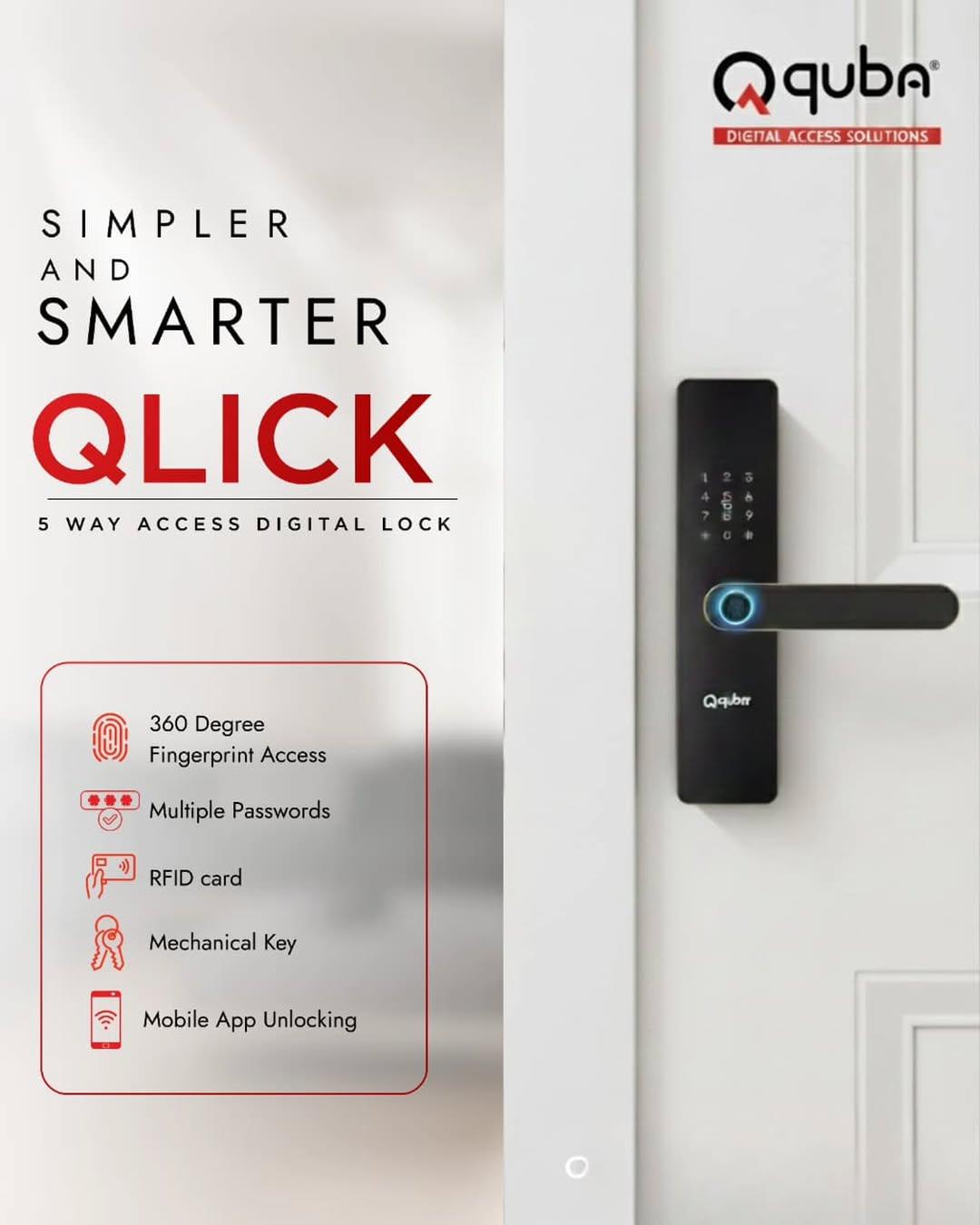
MX
Smart Door Lock
The smart door lock market in Mexico is set for significant expansion into early 2026, propelled by a dual focus on enhanced home security and the widespread adoption of smart home technologies. Consumers are actively seeking more sophisticated solutions that go beyond traditional locks, favoring devices that offer a blend of convenience, control, and connectivity. This shift reflects a broader trend towards home automation and a desire for greater peace of mind in an increasingly digital world. A key trend shaping the market is the demand for multifaceted access. Consumers are moving away from single-method entry systems and embracing smart locks that provide a variety of options, including biometric fingerprint scanners, mobile app control via Wi-Fi or Bluetooth, and numeric keypads. The inclusion of a traditional mechanical key as a fail-safe remains important. Remote capabilities are particularly valued, allowing users to grant temporary access to guests, service providers, or delivery personnel, a feature that is indispensable for the country's growing vacation rental sector. Seamless integration with existing smart home ecosystems is becoming a standard expectation rather than a luxury feature. Compatibility with voice assistants like Alexa and Google Assistant is crucial for users who want to create a fully connected and automated living environment. Looking forward, the market is seeing the emergence of all-in-one solutions that combine smart lock functionalities with video surveillance, integrating cameras and doorbells directly into the lock unit. This convergence of access control and monitoring represents the next frontier in residential security, offering a comprehensive and streamlined approach to protecting the home.
Explore →
PH
Smart Door Lock
The smart door lock market in the Philippines is set for substantial expansion by 2026, fueled by a growing consumer appetite for enhanced home security and the widespread adoption of smart home technologies. A significant trend is the shift away from traditional mechanical keys towards keyless convenience, with a strong consumer preference for locks that offer multiple, flexible access methods. This evolution reflects a broader desire for modern, integrated living solutions where security and convenience are paramount, setting a new standard for residential access control in the country. Central to this trend is the demand for remote management capabilities. Homeowners now expect to control and monitor their front doors from anywhere using smartphone applications, which provide real-time activity notifications and detailed access logs for ultimate peace of mind. The seamless integration of smart locks into larger smart home ecosystems, including voice control via platforms like Google Assistant and Amazon Alexa, is also becoming a key purchasing driver. As security remains the primary motivation, features such as advanced biometric recognition, robust data encryption, and durable, weatherproof construction are becoming non-negotiable for Filipino consumers. Several key themes are shaping the market's direction. Biometric access, particularly fingerprint scanning, is highly popular for its blend of high security and effortless use. Multi-functional locks that offer a variety of entry methods—such as PIN codes, RFID cards, and backup mechanical keys—are gaining traction for their versatility and appeal to families. Given the Philippines' tropical climate, weatherproof locks with high IP ratings are essential for durability. Finally, aesthetics are playing an increasingly important role, with consumers seeking sleek, minimalist designs that complement modern home interiors and serve as a stylish statement piece.
Explore →
US
Smart Door Lock
The US smart door lock market is on the brink of substantial growth, fueled by consumer demand for greater security, convenience, and integration within the broader smart home ecosystem. As we look towards 2026, the industry is evolving beyond basic keyless entry to embrace more intelligent, interconnected solutions. Homeowners are increasingly prioritizing advanced features that offer personalized and highly secure access, signaling a shift towards a more sophisticated and user-centric approach to home security. Key technological advancements are shaping this evolution. Biometric access, including fingerprint and facial recognition, is becoming a mainstream expectation for its unique blend of security and ease of use. Simultaneously, the push for universal compatibility is gaining momentum with the adoption of the Matter protocol, which promises seamless interoperability between smart locks and major platforms like Apple Home, Google Home, and Amazon Alexa. Another significant trend is the convergence of functionalities, with new devices integrating video doorbells and cameras to provide an all-in-one security solution at the front door. Underpinning these trends is a focus on reliability and accessibility. As smart locks become more connected, manufacturers are reinforcing cybersecurity with advanced encryption and two-factor authentication to safeguard against digital vulnerabilities. Innovations in power solutions, such as solar and wireless charging, are addressing consumer desires for low-maintenance, "set it and forget it" devices. Furthermore, the market is expanding to include renter-friendly and retrofit options, making smart lock technology more accessible to a wider audience, including those in apartments or temporary living situations.
Explore →
BR
Smart Glasses
The Brazilian smart glasses market is set for a major expansion in 2026, evolving from a niche category to a mainstream wearable technology. Consumers are showing a strong preference for devices that blend fashion with function, seamlessly integrating into their daily routines. Models like the Ray-Ban Meta are leading this trend, offering a classic aesthetic combined with advanced features such as high-quality cameras, open-ear audio, and AI-powered voice controls, setting the stage for a more competitive landscape with upcoming releases from Google and Lenovo. Key technological advancements are driving this growth, particularly the integration of artificial intelligence. AI assistants enable hands-free operation for tasks like taking photos, making calls, and accessing real-time language translation, creating a more personalized and convenient user experience. Alongside AI, high-resolution cameras are becoming a standard feature, catering to the demand for first-person content creation for social media. Furthermore, audio-focused smart glasses are emerging as a stylish alternative to headphones, allowing users to listen to music or take calls while remaining aware of their surroundings. Looking ahead, the market is embracing more futuristic concepts like Augmented Reality (AR) and adaptive vision correction. AR smart glasses are poised to overlay digital information, such as navigation and notifications, directly onto the user's view, enhancing both productivity and entertainment. Simultaneously, innovative auto-focusing smart glasses are being developed to provide a seamless alternative to traditional bifocals by automatically adjusting focus based on the user's gaze. These trends collectively signal a significant shift towards a more hands-free, interactive, and contextually aware digital future.
Explore →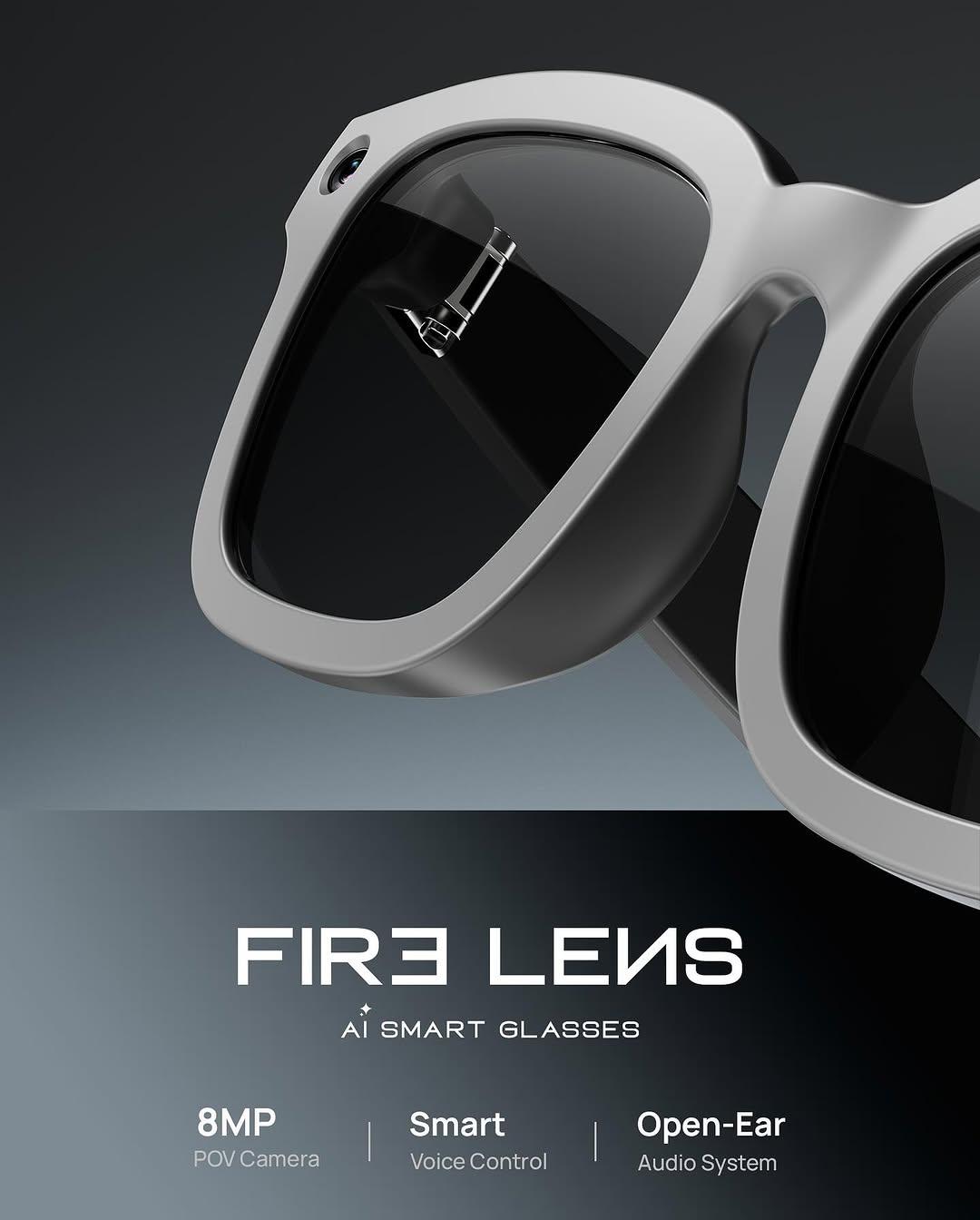
MX
Smart Glasses
Explore →
PH
Smart Glasses
The smart glasses market in the Philippines is set to evolve significantly by 2026, moving beyond its current niche of affordable, audio-focused models. The immediate trend will center on stylish, everyday glasses with integrated smart features designed for the nation's tech-savvy and health-conscious population. This shift is driven by a broader adoption of wearable technology, as consumers seek greater convenience and real-time health monitoring capabilities in their daily lives. The market is transitioning towards a more diverse landscape that will soon incorporate advanced augmented reality (AR) and AI-powered functionalities. Currently, local e-commerce platforms show a strong preference for smart glasses that provide open-ear audio for music and calls, a feature that aligns perfectly with the mobile-first lifestyle prevalent among many Filipinos. These audio-centric devices serve as an accessible entry point into wearable tech. However, the growing demand for convenience and hands-free solutions is paving the way for more sophisticated devices. The desire for integrated health tracking is also a major catalyst, pushing the development of frames that can monitor fitness and wellness metrics seamlessly. Looking ahead, the Philippine market is expected to gradually embrace more advanced technologies as they become more accessible and practical. Influenced by global trends towards immersive AR experiences and AI-driven assistance, consumers will begin to adopt "AR lite" glasses for tasks like navigation and notifications. Furthermore, the rise of a vibrant content creator economy is fueling demand for eyewear with integrated cameras, while the large gaming community shows a growing appetite for immersive entertainment glasses that offer a private, cinematic viewing experience.
Explore →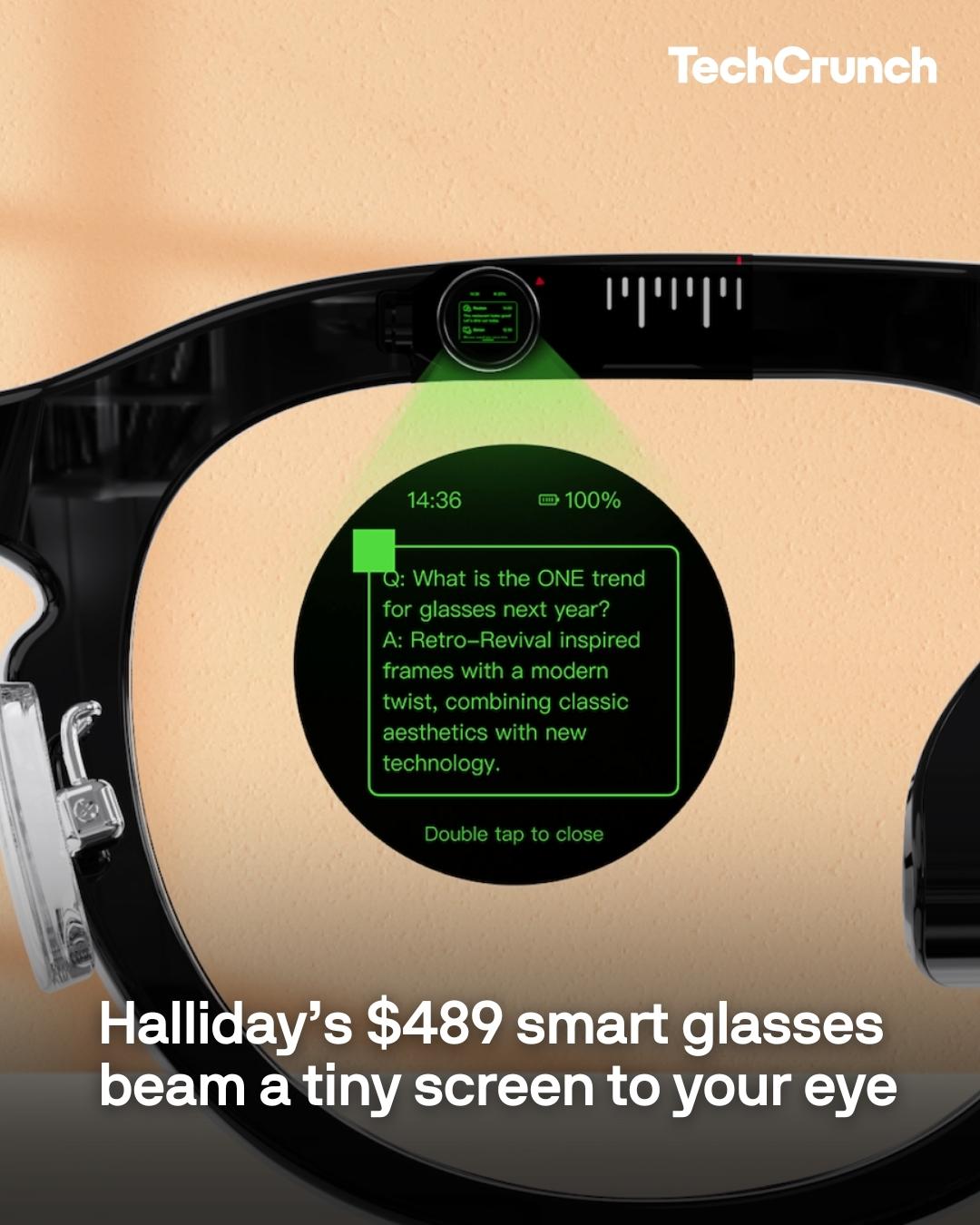
US
Smart Glasses
The US smart glasses market in 2026 is rapidly evolving from a niche tech category into a mainstream accessory, driven by the convergence of artificial intelligence, augmented reality, and fashionable design. A major trend is the integration of powerful AI assistants, like Google's Gemini and Meta AI, directly into the eyewear, allowing for hands-free control, real-time translation, and contextual information overlays. This move towards "smarter" augmented reality is making the glasses more functional for everyday tasks. Concurrently, there's a significant push towards making these devices look and feel like traditional eyeglasses, with major tech companies partnering with fashion brands such as Ray-Ban, Oakley, and Warby Parker to create stylish, lightweight, and comfortable frames. The market is also segmenting to serve specific user needs. We see the rise of wearable display glasses that function as portable, private high-resolution monitors for productivity and entertainment, appealing to "desk nomads" and travelers. For active users, rugged and weather-resistant active lifestyle glasses are emerging, offering fitness tracking and hands-free recording. As hardware like micro-OLED displays becomes more advanced and affordable, and with major players like Apple and Samsung expected to launch new products, 2026 is shaping up to be a pivotal year for smart glasses, moving them closer to becoming a ubiquitous computing platform.
Explore →
BR
Smart Notebook
Explore →
MX
Smart Notebook
Explore →
PH
Smart Notebook
The smart notebook market in the Philippines is witnessing substantial growth as consumers increasingly seek more efficient and sustainable productivity solutions. This trend reflects a broader shift away from traditional paper towards innovative tools that merge the tactile experience of analog note-taking with the convenience of digital technology. The demand is fueled by a desire for better organization and a more streamlined workflow in an ever-more digital world. Looking ahead to 2026, the market is poised to favor devices that provide a seamless transition from handwritten notes to digital formats. Features such as automatic cloud synchronization and accurate handwriting-to-text conversion are becoming standard expectations, not just premium add-ons. This indicates a maturing market where users demand sophisticated functionality that integrates effortlessly into their digital lives, enhancing both productivity and learning processes. The market is primarily divided into two key segments: affordable, eco-friendly reusable notebooks and high-end E-ink tablets. The former appeals to budget-conscious and environmentally aware consumers, while the latter targets users seeking a premium, paper-like digital writing experience with advanced capabilities. This dual-market structure caters to a wide range of users, particularly students and professionals who are the primary adopters of these technologies to boost their organizational skills and overall efficiency.
Explore →
US
Smart Notebook
Explore →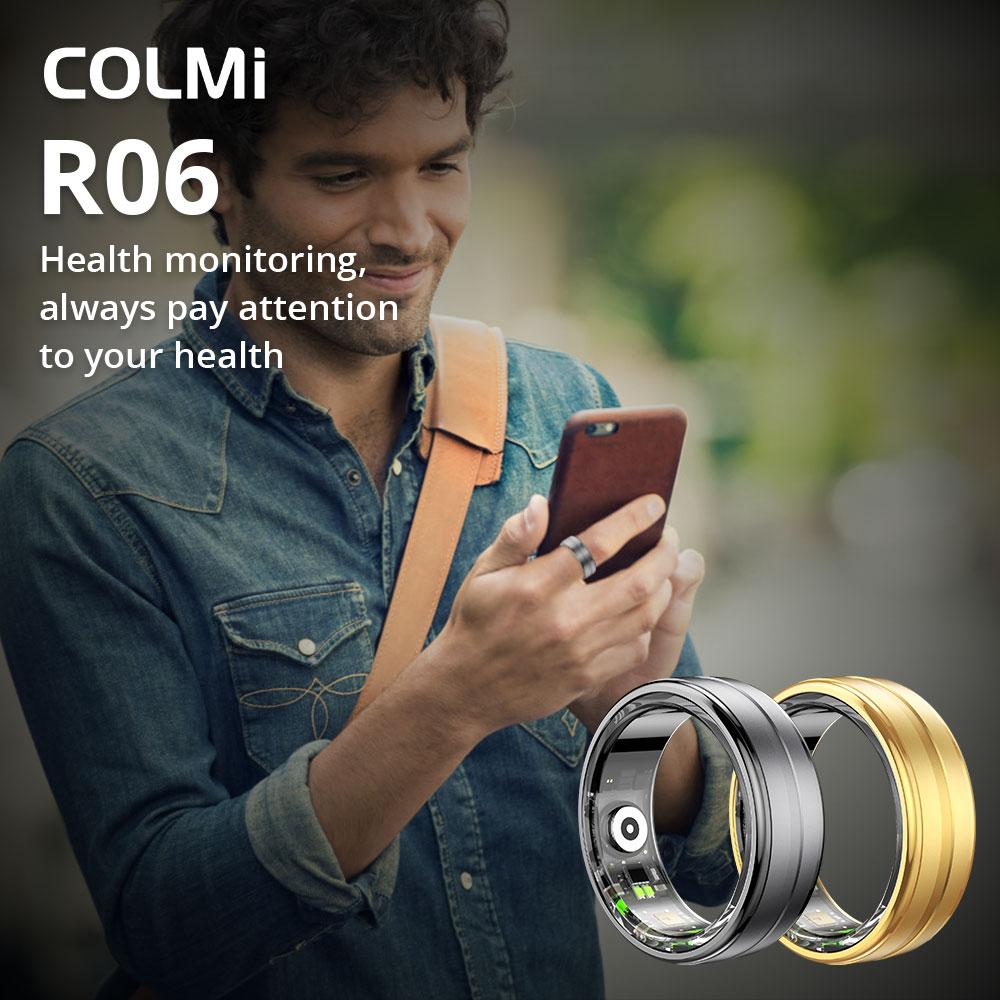
BR
Smart Rings
In the Brazilian market, smart rings are poised to become the next major trend in wearable technology by 2026. These devices are gaining significant traction due to their discreet, stylish design and their ability to seamlessly integrate advanced health tracking and smart features into daily life. The primary driver of this trend is a growing consumer focus on preventative health, with users seeking comprehensive monitoring of metrics like sleep patterns, heart rate variability, and blood oxygen levels. As major tech companies like Samsung enter the market with products like the Galaxy Ring, and established players like Oura continue to innovate, the category is expanding rapidly, offering a less intrusive and more fashionable alternative to traditional smartwatches. The market is diversifying to meet a wide range of consumer needs and price points. On one end, there are comprehensive health monitoring rings that provide a holistic view of wellness with advanced sensors and in-depth data analysis. On the other, affordable smart rings from emerging brands are making the technology accessible to a broader audience, offering core functionalities for budget-conscious consumers. Alongside health tracking, a significant trend is the rise of utility-focused rings equipped with NFC for contactless payments and smart home control, appealing to tech enthusiasts seeking convenience and a streamlined digital life. Looking ahead, the smart ring landscape is set for further innovation with the introduction of next-generation features. Upcoming models are expected to include non-invasive blood pressure monitoring, haptic feedback for discreet notifications, and AI-powered functionalities, pushing the boundaries of what these small devices can do. Simultaneously, aesthetics are playing a crucial role, with a strong emphasis on fashion and style. Brands are offering a variety of designs, materials, and finishes, positioning smart rings not just as tech gadgets but as elegant accessories that complement personal style, attracting a new wave of fashion-forward consumers.
Explore →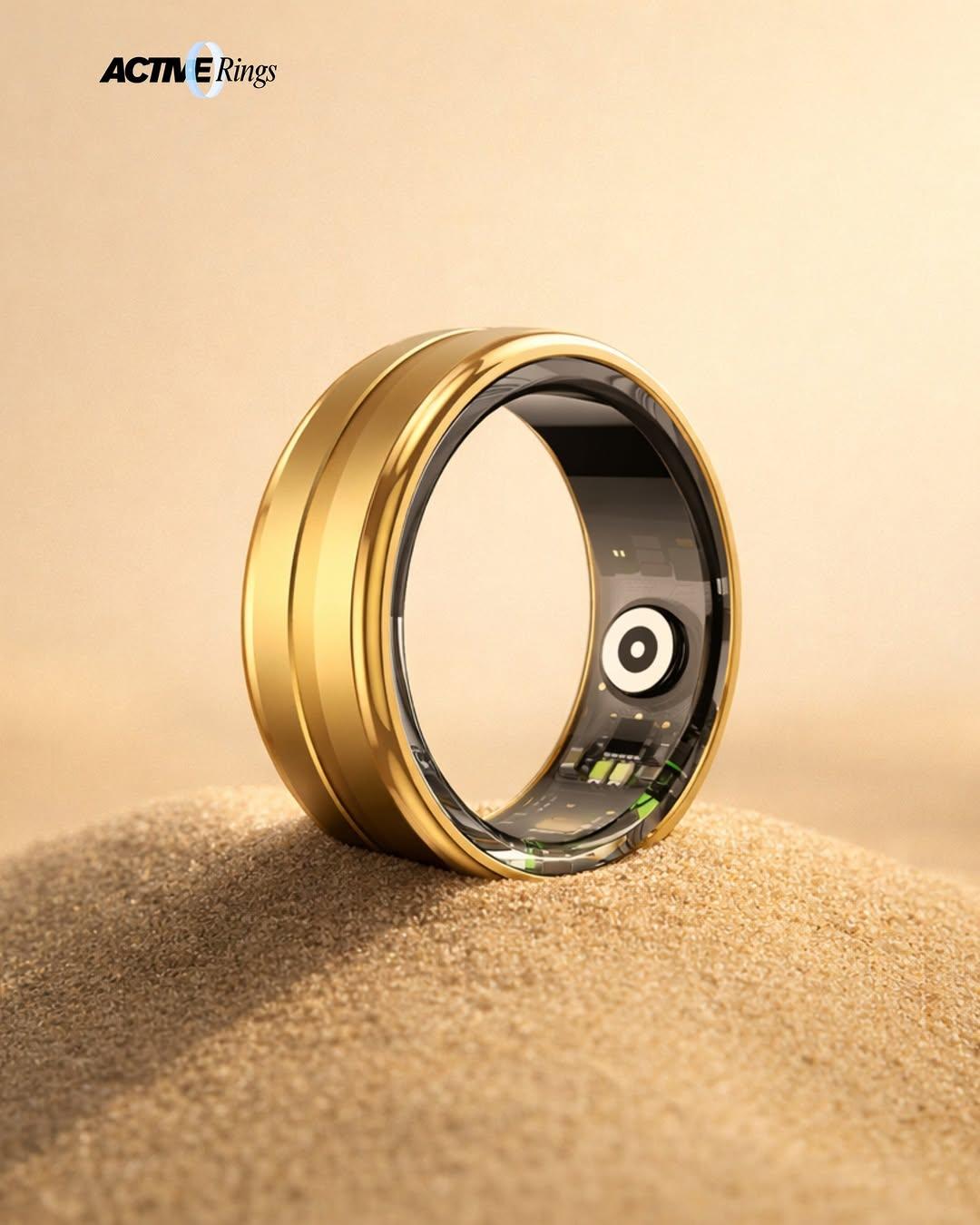
MX
Smart Rings
Explore →
PH
Smart Rings
The Philippine market for smart rings is set for substantial growth in 2026, evolving from a niche gadget into a mainstream wellness device. This surge is fueled by heightened health consciousness, widespread smartphone use, and a tech-savvy younger generation. Consumers are actively seeking less obtrusive alternatives to smartwatches for continuous health monitoring, with a particular focus on comfortable, 24/7 sleep tracking. This trend aligns with the broader expansion of the Philippine wearable technology market, which is expected to see a compound annual growth rate (CAGR) of 15.8% from 2025 to 2031. Future trends point towards the integration of more advanced health monitoring capabilities, including the introduction of medical-grade features. Artificial intelligence will play a crucial role in analyzing collected data to provide users with personalized and actionable wellness insights. This shift indicates a move from basic activity tracking to a more sophisticated, data-driven approach to personal health management, making the devices more valuable to consumers focused on preventive care. A key development is the emergence of local players creating products specifically for the Filipino market, emphasizing the importance of localized digital ecosystems. As the technology matures and prices for advanced wearables become more accessible, wider adoption is anticipated. This will establish smart rings as a vital tool in the growing movement towards personalized, preventive wellness, integrating seamlessly into the daily lives and health routines of Filipino consumers.
Explore →
US
Smart Rings
The smart ring market in the US is poised for significant growth in 2026, moving from a niche gadget to a mainstream wellness product. This expansion is driven by a growing consumer preference for discreet, comfortable, and long-lasting wearable technology that provides in-depth health insights without the intrusiveness of a smartwatch. As the technology matures, it's becoming a key player in the broader wearable landscape, appealing to users who prioritize both function and form. Key trends for 2026 center on the diversification of functionality, pushing smart rings beyond basic activity tracking. The integration of artificial intelligence is a major driver, offering personalized health coaching and predictive insights based on biometric data. Concurrently, advanced health monitoring capabilities are becoming standard, with new models featuring medical-grade sensors for ECG, blood oxygen levels, and detailed stress analysis. Beyond wellness, a new category of productivity-focused rings is emerging, equipped with features like real-time transcription and gesture-based controls to interact with other smart devices. The market is also segmenting to meet diverse consumer needs and preferences. A clear division is forming between premium, subscription-based services that offer deep data analysis and subscription-free models that appeal to budget-conscious users seeking core functionalities. Alongside these business model variations, fashion and personalization are becoming crucial. The rise of "ring jackets" and a wider array of materials and finishes indicate that aesthetics are no longer an afterthought, allowing users to integrate these powerful devices seamlessly into their personal style as a piece of jewelry.
Explore →
BR
Smart Watch
The Brazilian smartwatch market in 2026 is defined by a strong consumer appetite for devices that blend advanced health monitoring, comprehensive fitness tracking, and seamless connectivity. Shoppers are prioritizing features like extended battery life, vibrant AMOLED displays, and precise GPS. While top-tier models from established brands continue to hold their appeal, a significant market shift is occurring towards more affordable, cost-effective options that deliver a rich feature set without the premium price tag. This dynamic is pushing manufacturers to innovate in both functionality and design, leading to a wider variety of styles, from rugged builds to minimalist aesthetics. This evolution is driven by several key factors. A heightened societal focus on personal health and preventative care, amplified by the recent global pandemic, has made advanced health sensors like ECG and SpO2 monitoring highly desirable. Simultaneously, a growing segment of first-time buyers is seeking value-driven devices that offer a practical entry into wearable technology, fueling the popularity of cost-benefit models. Furthermore, an increasing interest in outdoor and adventure sports across Brazil is creating a dedicated market for rugged, durable smartwatches with long battery life and reliable navigation features. In response to these diverse consumer needs, the market is segmenting into distinct categories. On one end, premium lifestyle smartwatches cater to tech-savvy users and fashion-forward individuals who desire cutting-edge technology, luxury materials, and deep ecosystem integration. On the other end, a trend towards minimalist and discreet designs is emerging, appealing to those who prefer a classic timepiece aesthetic and less intrusive technology. This diversification, from rugged outdoor gear to elegant fashion accessories, demonstrates the smartwatch's transformation from a niche gadget into a mainstream lifestyle product tailored to a wide array of personal preferences and use cases.
Explore →
MX
Smart Watch
In 2026, the smartwatch market in Mexico is experiencing a significant shift towards becoming an essential tool for personal well-being and connectivity. The latest trends show a strong consumer preference for devices that offer a combination of advanced health monitoring, extended battery life, and seamless smartphone independence. Upcoming models are increasingly featuring large, vibrant AMOLED displays that remain visible even in bright sunlight, signaling a move towards higher quality user experiences. There is a clear move towards more sophisticated health features, with capabilities like real-time heart rate tracking, blood oxygen (SpO2) monitoring, and even electrocardiograms (ECG) becoming more common across different price points. Furthermore, consumers are demanding smartwatches that can keep up with their active lifestyles. This has led to a focus on durability, water resistance, and long-lasting batteries that can go for days, or even weeks, on a single charge, making the devices more reliable for continuous tracking and outdoor use. The market is also diversifying, with a wide array of options available, from affordable, entry-level devices to premium, specialized smartwatches designed for serious athletes and outdoor enthusiasts. This indicates a maturation of the market where the smartwatch is no longer just a gadget but a personalized health and lifestyle companion. The evolution reflects a deeper integration of technology into daily wellness routines, catering to a broader and more discerning consumer base.
Explore →
PH
Smart Watch
The Philippine smartwatch market is poised for significant expansion in 2026, fueled by a growing consumer appetite for personal health management, fitness tracking, and seamlessly connected lifestyles. This growth is characterized by a diversification of consumer demands, indicating a maturing market where one size no longer fits all. Consumers are actively seeking a wide range of products, from technologically advanced health monitors to durable, sport-specific devices, reflecting a broader integration of wearable technology into daily life. Key trends shaping the market include a strong demand for smartwatches with advanced health monitoring capabilities, such as blood pressure and SpO2 tracking, catering to a more health-conscious population. Simultaneously, there is a parallel surge in interest for rugged, fitness-focused watches equipped with precise GPS and numerous sport modes for athletes and outdoor enthusiasts. The market is also becoming more accessible, with budget-friendly options from brands like Xiaomi and Amazfit gaining popularity for offering rich feature sets at an affordable price. Furthermore, aesthetics play a crucial role, with a rising trend for stylish, customizable fashion smartwatches that function as both tech gadgets and personal accessories. Underpinning all these trends is a universal and critical purchasing factor for Filipino consumers: long battery life. The convenience of less frequent charging is highly valued, making it a key differentiator and selling point across all smartwatch categories. Whether for continuous sleep tracking, multi-day outdoor adventures, or simply reducing the daily hassle for busy professionals, extended battery performance is a non-negotiable feature. This practical demand highlights a consumer preference for reliability and uninterrupted use, pushing brands to innovate in power efficiency without compromising on essential features.
Explore →
US
Smart Watch
In the dynamic US smart watch market, 2026 is characterized by a convergence of sophisticated health monitoring and high-fashion aesthetics. The latest smart watches are evolving into indispensable companions, offering hyper-personalized wellness insights through advanced sensors and AI-driven analytics. Consumers are increasingly drawn to devices that seamlessly integrate into their lifestyle, whether for intensive fitness training, daily convenience, or as a fashion statement. Upcoming models boast brighter, more durable displays, significantly improved battery life with rapid charging capabilities, and enhanced connectivity features. The market is also seeing a diversification in design, with brands offering everything from rugged, performance-focused models to sleek, minimalist designs with extensive customization options, reflecting a trend towards personal expression. As wearable technology becomes more ingrained in daily life, the emphasis is on a holistic user experience that balances cutting-edge functionality with sophisticated style. The evolution of these devices highlights a shift towards creating not just gadgets, but essential lifestyle accessories that cater to a wide array of consumer needs and preferences.
Explore →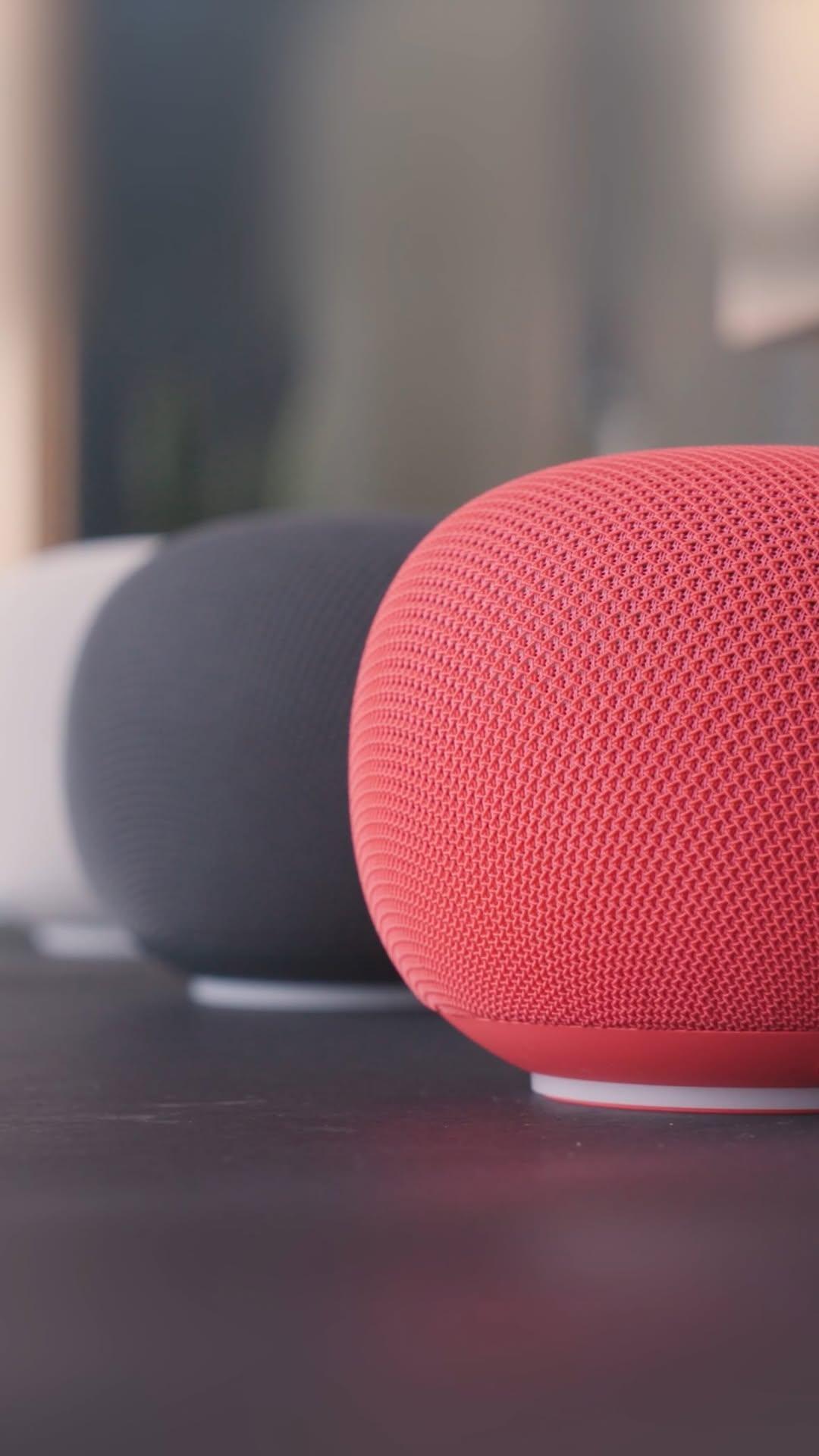
BR
Speaker
The Brazilian speaker market in 2026 is defined by a significant shift towards enhanced intelligence. The demand for smart speakers is surging as consumers embrace connected home ecosystems. Integration with virtual assistants like Amazon Alexa and Google Assistant is a key driver, allowing users to seamlessly control smart home devices, stream music, and access information through voice commands. This trend reflects a growing preference for convenience and the creation of a more interconnected living environment. Portability remains a dominant trend, catering to the active Brazilian lifestyle. The popularity of portable Bluetooth speakers is unwavering, with a strong consumer focus on features that enhance on-the-go use. Durability, particularly waterproof designs, and extended battery life are crucial selling points. This category is further diversified by the rise of ultra-compact mini speakers, which offer a compelling balance of portability and quality sound for everyday convenience, from personal listening to small group gatherings. Consumers are increasingly seeking more immersive and high-quality audio experiences, moving beyond basic sound. This has led to a burgeoning interest in high-fidelity audio, with speakers and soundbars that deliver cinematic sound, deep bass, and crystal-clear clarity becoming more popular. Complementing this is the rise of powerful party speakers, which combine high-volume output with features like integrated light shows, catering to Brazil's social and festive culture by providing an all-in-one entertainment solution for large gatherings.
Explore →
MX
Speaker
The Mexican speaker market in 2026 is undergoing a significant transformation, shaped by consumer desires for audio experiences that are not only high-quality but also intelligent, versatile, and deeply immersive. This evolution is evident across various product categories, from compact portable devices to expansive home theater systems. Consumers are no longer satisfied with basic sound reproduction; they seek products that integrate seamlessly into their dynamic lifestyles, whether they are embarking on an outdoor adventure or creating a cinematic atmosphere within their own homes. This demand for multifaceted functionality is pushing manufacturers to innovate at a rapid pace. Key trends driving this market shift include the rise of AI-powered smart speakers that personalize audio in real-time by adapting to the user's environment and preferences. Concurrently, there is a strong demand for rugged, portable speakers featuring water and dust resistance, catering to an active, on-the-go consumer base. For home use, the focus is on creating immersive soundscapes with advanced soundbars and systems supporting Dolby Atmos and 360-degree audio. Furthermore, reflecting cultural traditions, large and powerful party speakers with enhanced bass and customizable lighting are becoming essential for social gatherings, offering an all-in-one entertainment solution. Beyond performance and features, aesthetics and sustainability have emerged as crucial purchasing factors. There is a growing emphasis on sleek, modern designs that allow speakers to function as stylish pieces of home decor, aligning with the "tech-as-decor" trend. This focus on design is complemented by an increasing commitment to environmental responsibility, with both consumers and brands prioritizing the use of sustainable and recycled materials in manufacturing. This holistic approach, combining cutting-edge technology with conscious design, defines the future of the audio market in Mexico.
Explore →
PH
Speaker
The 2026 speaker market in the Philippines is heavily influenced by a demand for wireless and portable audio solutions that complement an active, social lifestyle. Consumers are prioritizing enhanced audio performance, particularly powerful bass, alongside practical features like extended battery life and the latest Bluetooth 5.4 connectivity for stable, reliable connections. This shift reflects a desire for high-quality sound that can be enjoyed anywhere, from personal listening to group settings. Specific product categories are gaining significant traction. Rugged and waterproof speakers are especially popular, a direct response to the country's tropical climate and the population's love for outdoor activities like beach trips and poolside gatherings. Simultaneously, the market is witnessing a surge in demand for high-power party speakers. These devices are becoming all-in-one entertainment hubs, offering not just loud sound but also integrated features like karaoke functions and dynamic light shows, which resonate deeply with the Filipino culture of celebration. Alongside the trend for portability, there is a growing interest in smart home integration. The expansion of the smart home ecosystem in the Philippines is fueling the adoption of smart speakers and integrated home audio systems. Consumers are increasingly drawn to the convenience of voice control and multi-room audio capabilities. Leading brands such as JBL, Sony, Anker, and Marshall dominate the market, catering to a wide spectrum of consumers by offering a diverse range of products from budget-friendly models to premium, high-fidelity systems.
Explore →
US
Speaker
Explore →
US