
Consumer Goods · BR
Pet Feeder trends
The Brazilian pet market in 2026 is set to embrace a new wave of pet feeders centered on health, convenience, and technology. As pet owners become more invested in their animals' well-being, there is a clear shift away from simple bowls towards more advanced feeding solutions. This includes the rise of automatic and smart feeders that offer programmable meal times and portion control, often managed through smartphone apps. Concurrently, ergonomic and elevated feeders are gaining popularity for their ability to improve posture and digestion, while slow feeders are being adopted to prevent rapid eating and its associated health risks. This trend is driven by a combination of lifestyle changes and increased awareness of pet health. The busy schedules of modern pet owners fuel the demand for convenient, automated solutions that ensure pets are fed consistently and correctly. The "humanization" of pets means owners are more willing to invest in technology and products that enhance their pets' quality of life, from managing weight with precise portions to reducing physical strain with ergonomic designs. Veterinarian recommendations also play a crucial role, endorsing products like elevated and slow feeders for their tangible health benefits. Material choice is another critical aspect of this evolving market, with a strong preference for hygienic and durable options. Stainless steel and ceramic are becoming the materials of choice, valued for their non-porous surfaces that are easy to clean and prevent bacterial growth, a common issue with plastic bowls. This focus on materials also ties into a desire for sustainability and aesthetics, as consumers seek long-lasting products that complement their home decor. Ultimately, the 2026 pet feeder market in Brazil reflects a holistic approach to pet care, where functionality, health, and design are all equally important.
Themes
5
Market
BR
Trend observations
54
BR
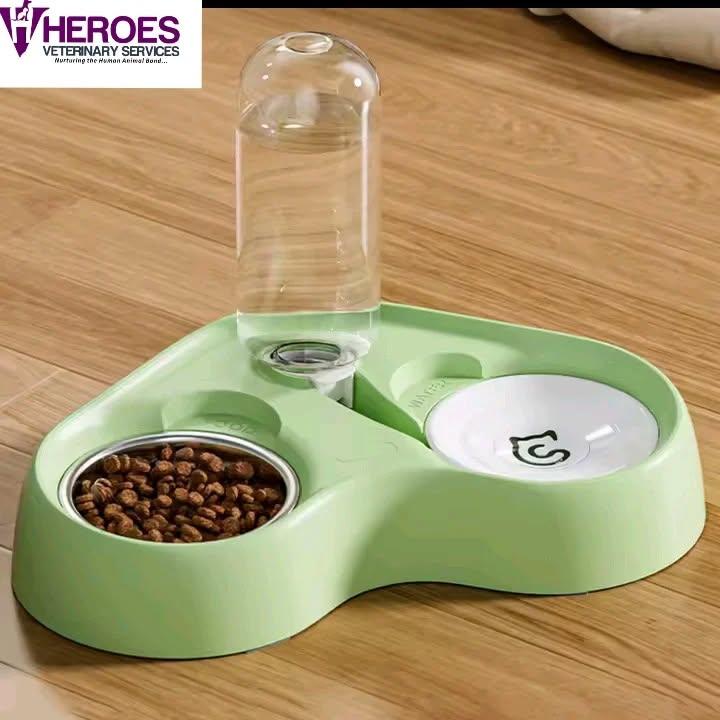
Dual-Purpose Pet Feeder
- Dual-purpose feeders combine a food bowl and a water dispenser in a single unit. - These are often elevated and designed ergonomically to provide comfort for the pet during both eating and drinking. - Some models are automatic, dispensing both food and water, while others are simpler, non-electric designs. - They are available in a variety of materials, including wood with stainless steel or ceramic bowls.
Explore →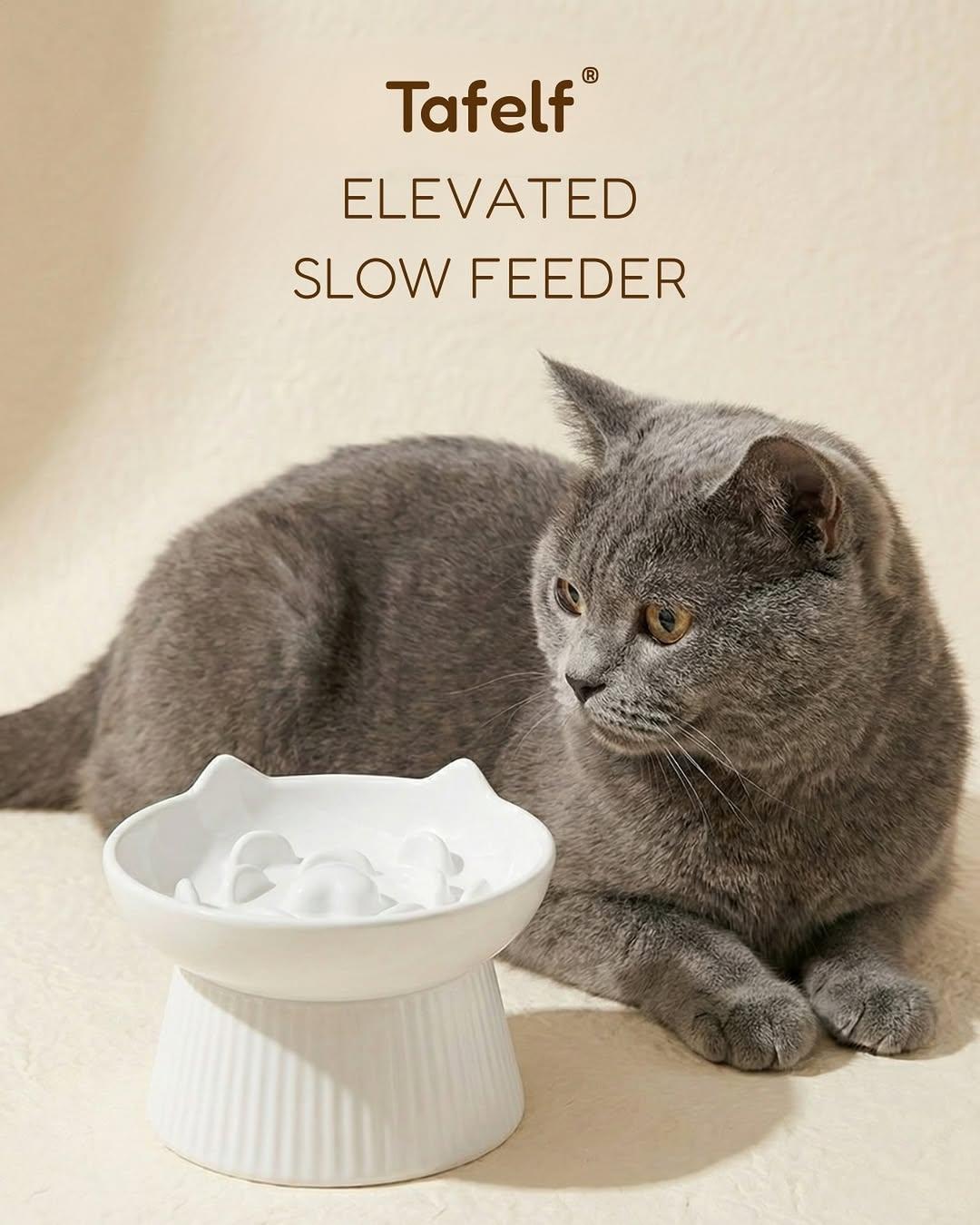
BR
Ergonomic Pet Feeder
- Ergonomic pet feeders are elevated to a height that is comfortable for the pet, preventing them from having to bend down excessively to eat. - These feeders are designed to improve posture and reduce strain on the neck and joints, which is particularly beneficial for older pets or those with arthritis. - Many ergonomic feeders come with adjustable heights to suit different pet sizes, from small cats to large dogs. - They often feature a stable, non-slip base to prevent the feeder from moving around during meal times.
Explore →
BR
Hygienic Material Pet Feeder
- This trend emphasizes the use of materials that are easy to clean and less prone to bacterial growth, such as stainless steel and ceramic. - Stainless steel bowls are durable, non-porous, and often dishwasher safe, making them a very hygienic option. - Ceramic feeders are also popular for their non-porous surface and are often favored for their aesthetic appeal and stability. - Water fountains for cats, often made from stainless steel or ceramic, are part of this trend, encouraging hydration with fresh, filtered water.
Explore →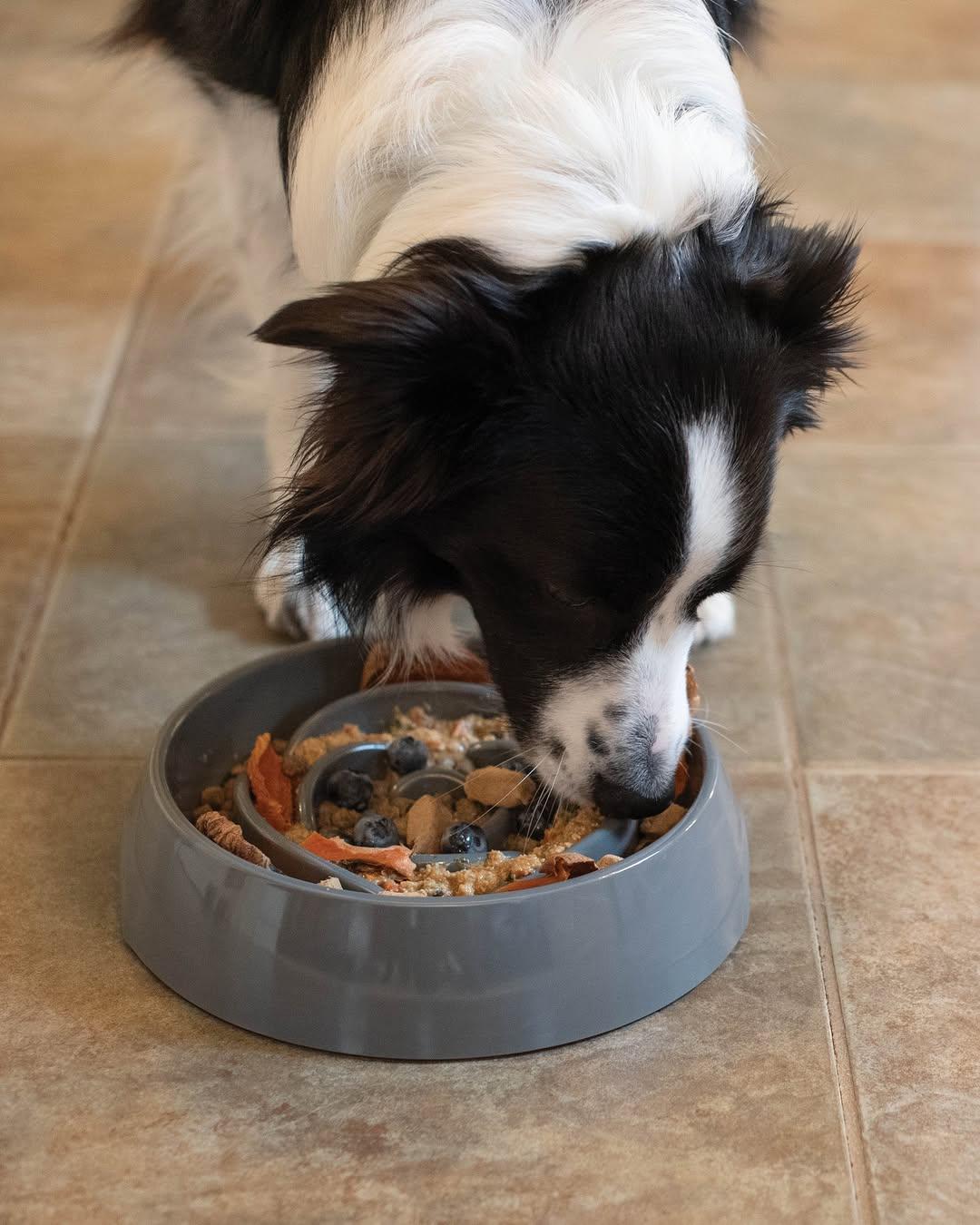
BR
Slow Feeder Pet Feeder
- Slow feeders are designed with obstacles and maze-like structures that force pets to eat more slowly. - These feeders turn mealtime into a mentally stimulating challenge, providing enrichment for the pet. - They are available in various forms, including bowls with ridges or patterns, and lick mats for wet food. - The goal is to prevent common issues associated with fast eating, such as bloating, choking, and vomiting.
Explore →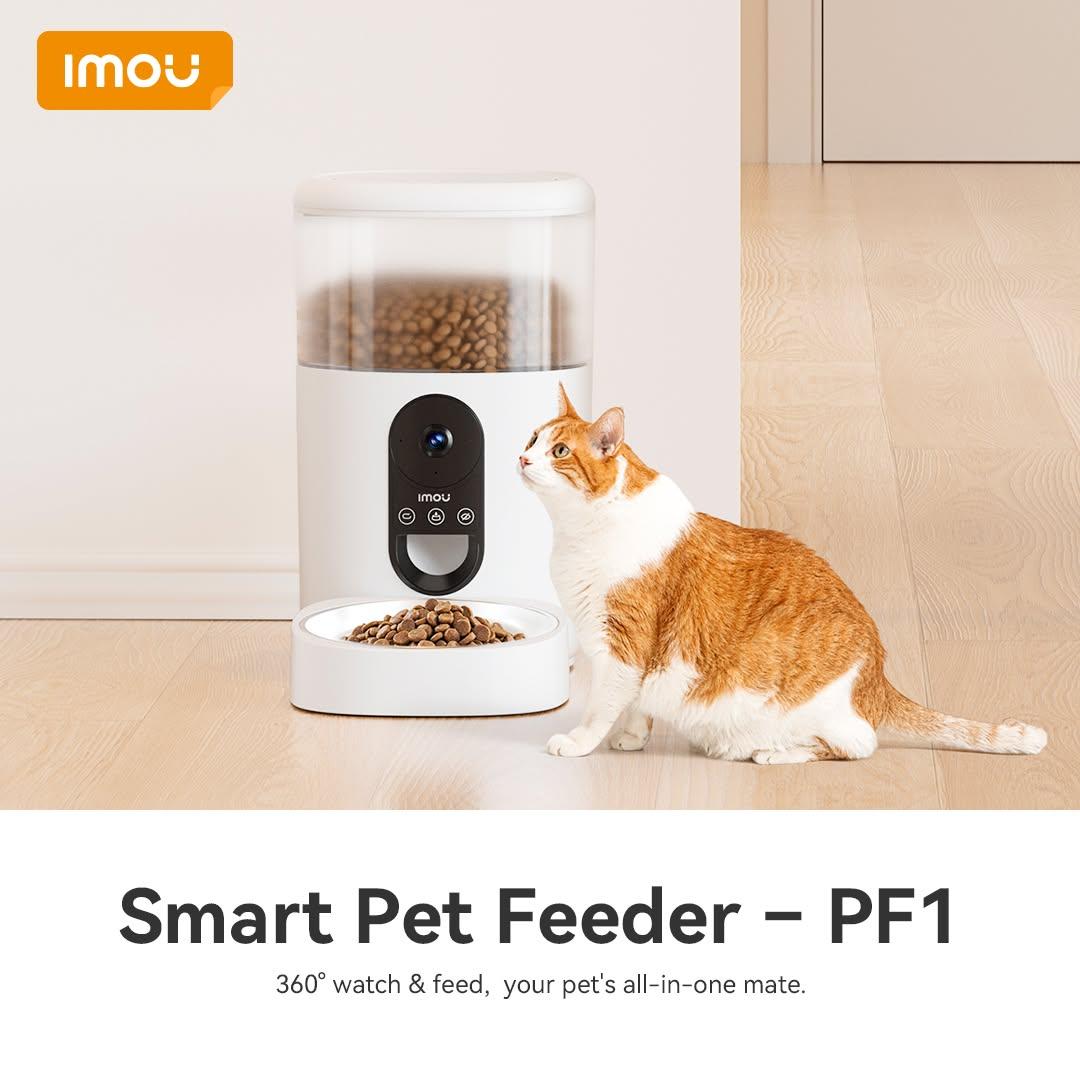
BR
Smart Pet Feeder
- Smart pet feeders are automated devices that dispense food at pre-programmed times. - Many models offer Wi-Fi connectivity, allowing pet owners to schedule and monitor their pet's meals remotely through a smartphone app. - Advanced features can include voice recording to call the pet for meals, portion control, and compatibility with voice assistants like Alexa and Google Assistant. - Some smart feeders also have a backup power system, using batteries to ensure functionality during power outages.
Explore →