
Trend category
Home Decor
Select a product query to review its market data and emerging themes.
PH
Area Rug
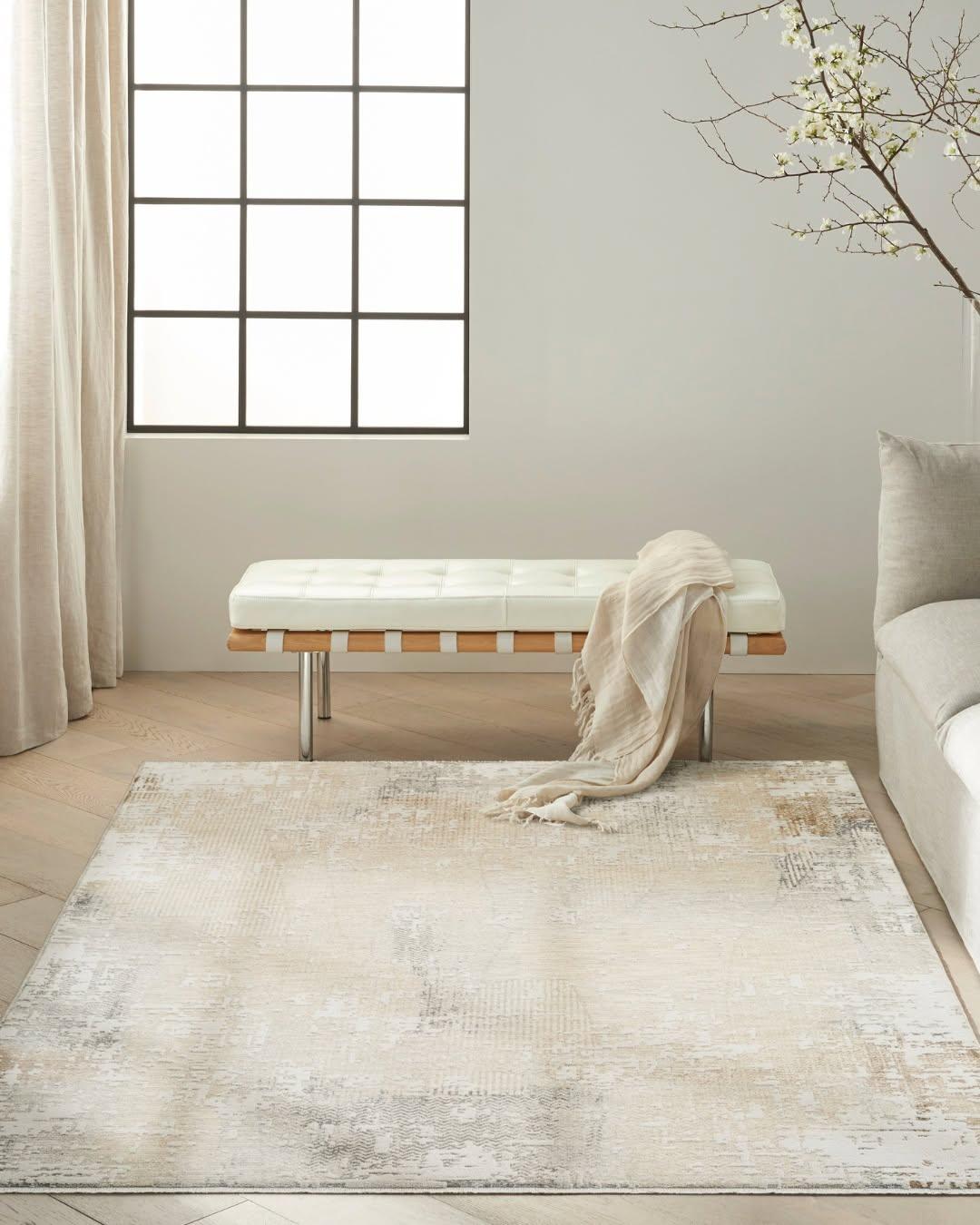
The forecast for area rugs in the Philippine market for the 2026 season points towards a sophisticated blend of modern design and enduring comfort. Homeowners are increasingly seeking pieces that do more than just occupy a space; they want rugs that infuse their homes with personality and warmth. The prevailing trend favors a refined palette of earthy and neutral colors, complemented by a strong emphasis on varied textures and patterns that span from understated and subtle to strikingly bold. A significant shift is observed towards modern area rugs that embrace minimalist principles, characterized by clean lines and simple, uncluttered visuals. Large modern rugs remain a popular choice for anchoring main living areas, providing a cohesive foundation for furniture arrangements. Concurrently, modern geometric and abstract area rugs are gaining prominence, being treated as "floor art" that introduces a dynamic and artistic element to interiors, transforming them into expressive statements. The preference for natural materials is also a key driver of the 2026 trends. Modern wool area rugs, for instance, are highly sought after for their combination of durability, luxurious texture, and inherent comfort. Alongside these contemporary movements, there is a noticeable revival of historical styles, with mid-century modern and other vintage-inspired area rugs making a significant comeback. This demonstrates a collective desire to blend the elegance of the past with the clean sensibilities of present-day living.
Explore →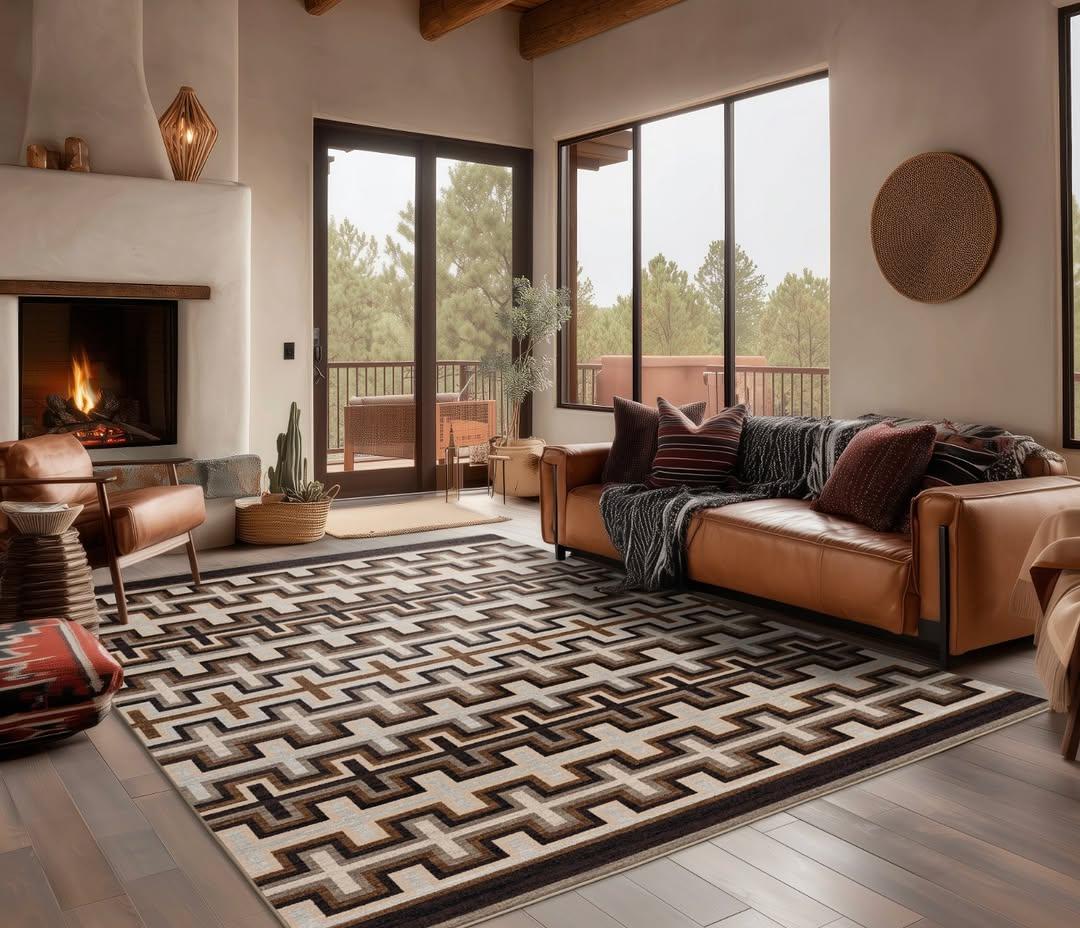
US
Area Rug
Explore →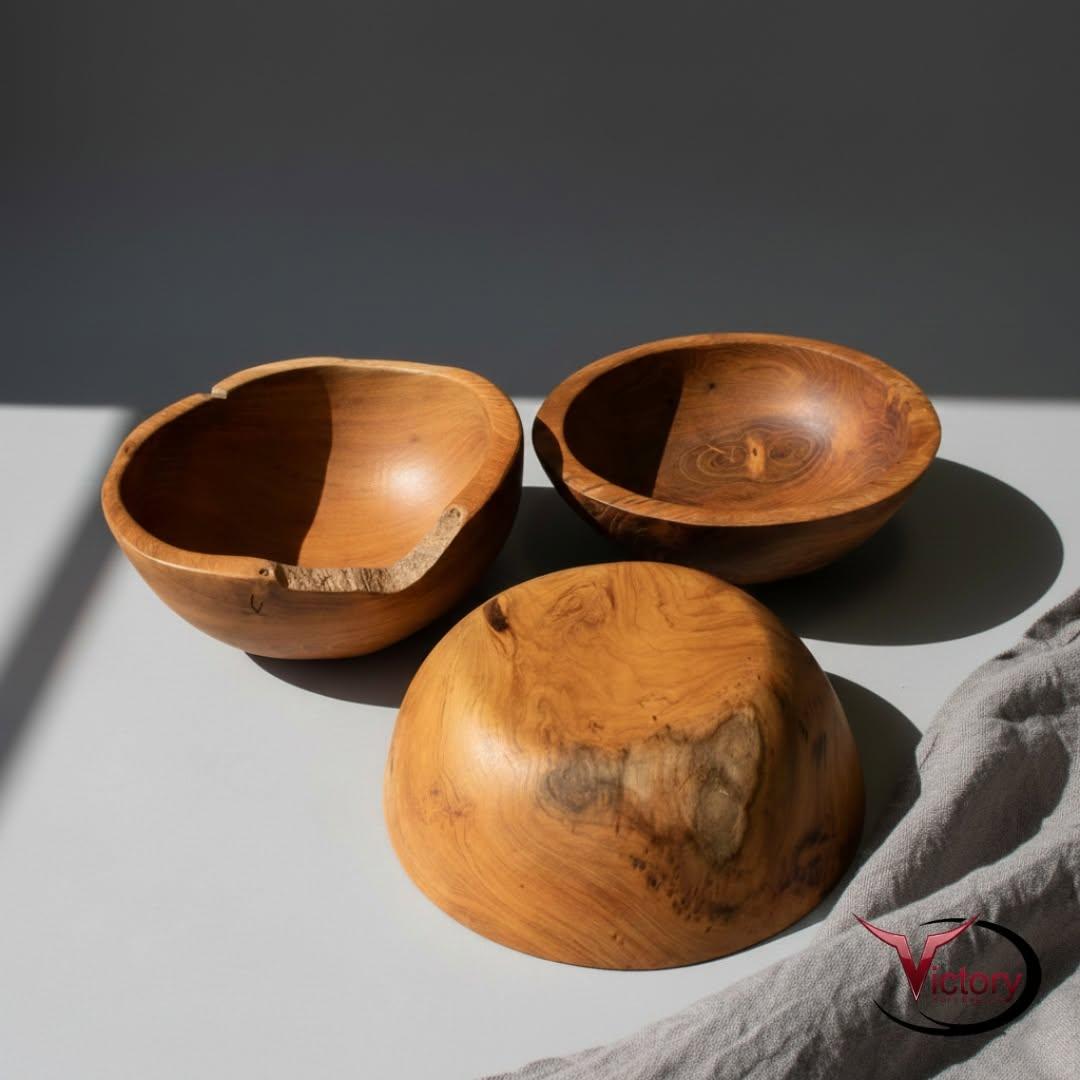
PH
Bowl
Explore →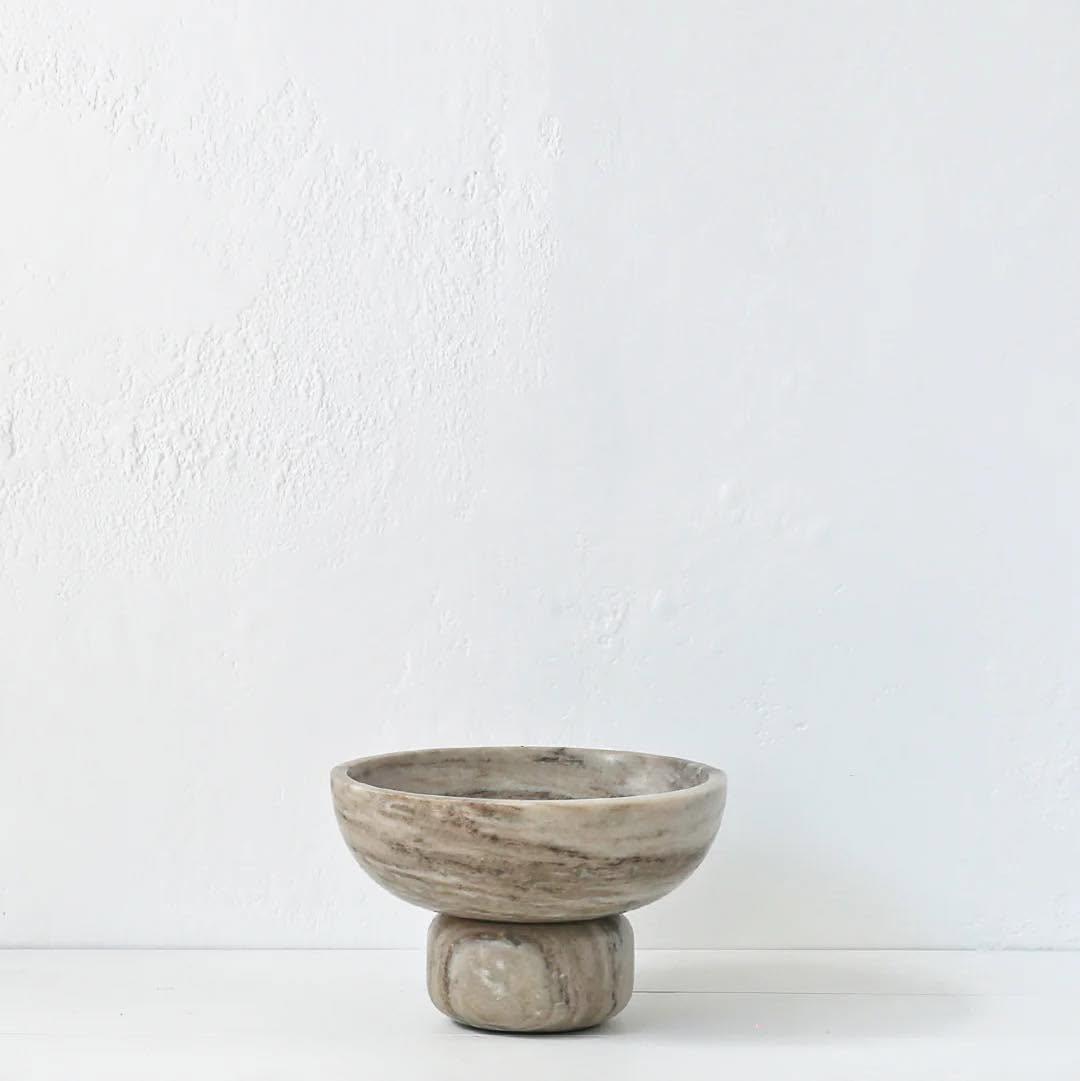
US
Bowl
The US market for decorative bowls in 2026 is experiencing a significant shift away from stark minimalism towards a warmer, more personalized aesthetic. This "collected, not coordinated" approach encourages homeowners to create inviting spaces with pieces that tell a story. The modern decorative bowl is being elevated to a sculptural statement piece, celebrated for its unique form and material rather than just its utility. This trend reflects a broader desire for interiors that feel expressive, individual, and filled with meaningful objects. Materiality and color are central to this trend. Natural and textural materials like wood, stone, terracotta, and ceramic are highly sought after, with a strong emphasis on handcrafted and artisanal qualities that convey a sense of quiet luxury. The color palette is warming up, dominated by earthy and neutral tones such as rich browns, sand, and clay. Despite this shift, the modern black decorative bowl remains a sophisticated and versatile choice, particularly in a trendy matte finish that adds depth and contrast. Functionality is also being re-emphasized, blending beauty with practicality. Decorative bowls are increasingly used for functional displays, moving beyond purely ornamental roles. A prime example is the enduring popularity of modern dough bowl decor, which is styled with everything from seasonal items to everyday fruits and vegetables. This approach blurs the line between styling and daily use, creating a lived-in atmosphere where beautiful objects are also useful, reflecting a more sustainable and authentic way of living.
Explore →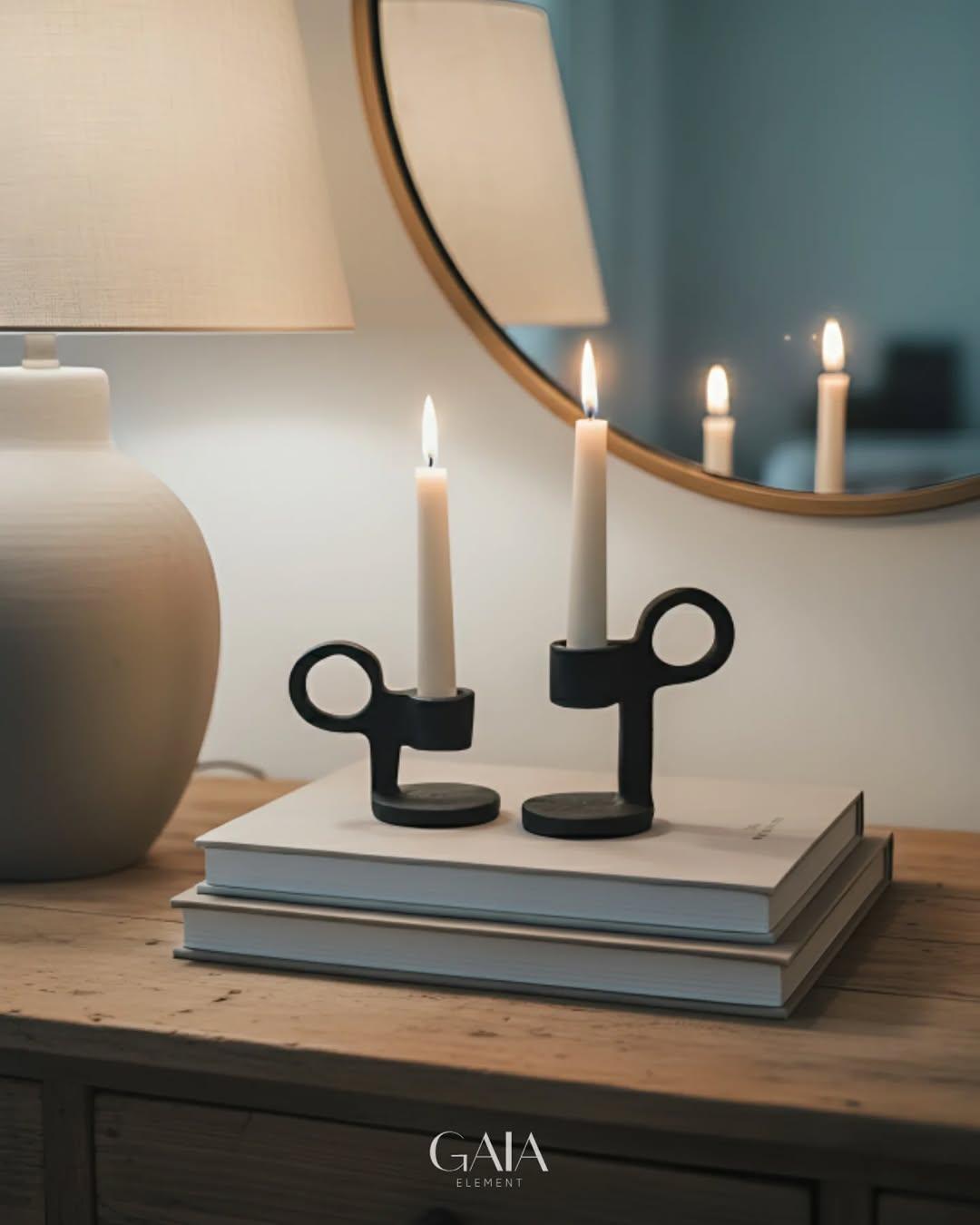
PH
Candle Holders
In the upcoming seasons in the Philippines, the demand for candle holders is centered on creating a cozy and sophisticated ambiance in homes. The prevailing trend leans heavily towards modern and minimalist designs, with a strong emphasis on clean lines and sculptural forms. There is a noticeable shift in consumer preference towards pieces that are not just functional but also serve as decorative art, elevating interior spaces with an accessible touch of elegance. Specific styles gaining significant traction include modern metal candle holders, particularly those in black finishes, and mid-century modern brass pieces that add vintage glamour. The Scandinavian aesthetic, celebrated for its simplicity and use of natural materials like glass, also continues to be highly popular. These trends indicate a desire for candle holders that are both stylish and serve as statement pieces within a home's overall design scheme. The popularity of these items is fueled by a broader trend of Filipinos investing more in home décor to reflect their personal style. Candle holders are seen as an effective way to incorporate the design principle of layered lighting, which is crucial for creating mood and character in a room. This reflects a collective move towards embracing warmth, character, and curated design in personal living spaces.
Explore →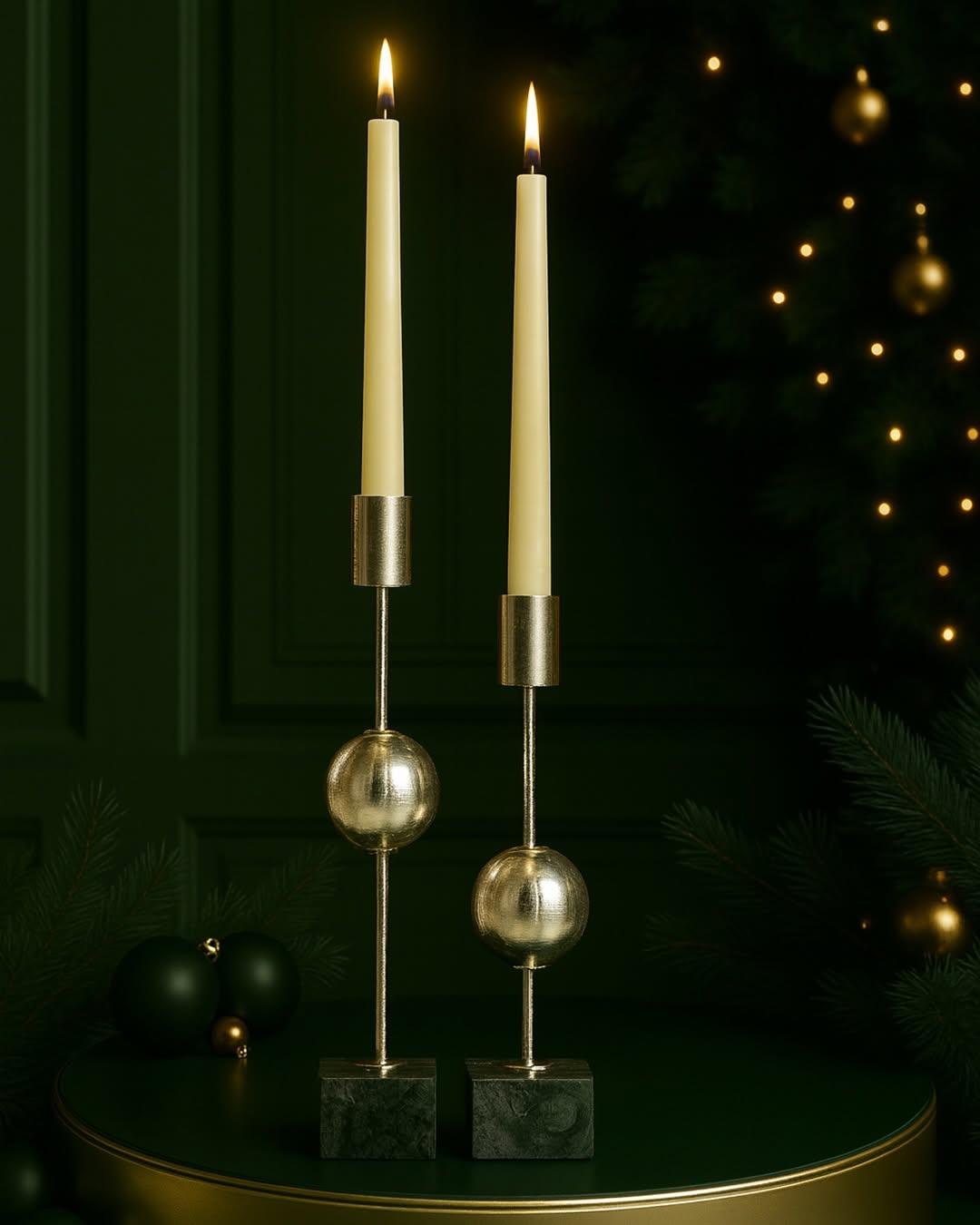
US
Candle Holders
In 2026, the candle holder market in the US is moving away from stark, all-beige interiors and embracing more personality and color. This trend manifests in modern candle holders that feature confident use of color, pattern, and materiality. While the clean lines of Scandinavian candle holders and the functional elegance of mid-century modern candle holders remain influential, they are being reinterpreted with warmer, more personal touches to avoid a mass-produced feel. There is a significant emphasis on natural and sustainable materials, with wood, ceramic, and recycled glass gaining prominence. Sculptural and geometric forms are key, turning candle holders into artistic statements. Metals are also evolving, with a shift towards warmer, aged finishes like mid-century modern brass candle holders and the continued popularity of versatile modern black candle holders. Functionality is also expanding, with a notable interest in modern wall candle holders that save space and add a contemporary, layered lighting element to rooms. Overall, the trend is towards candle holders that are not just functional items but unique, expressive pieces that contribute to a curated and personal home environment.
Explore →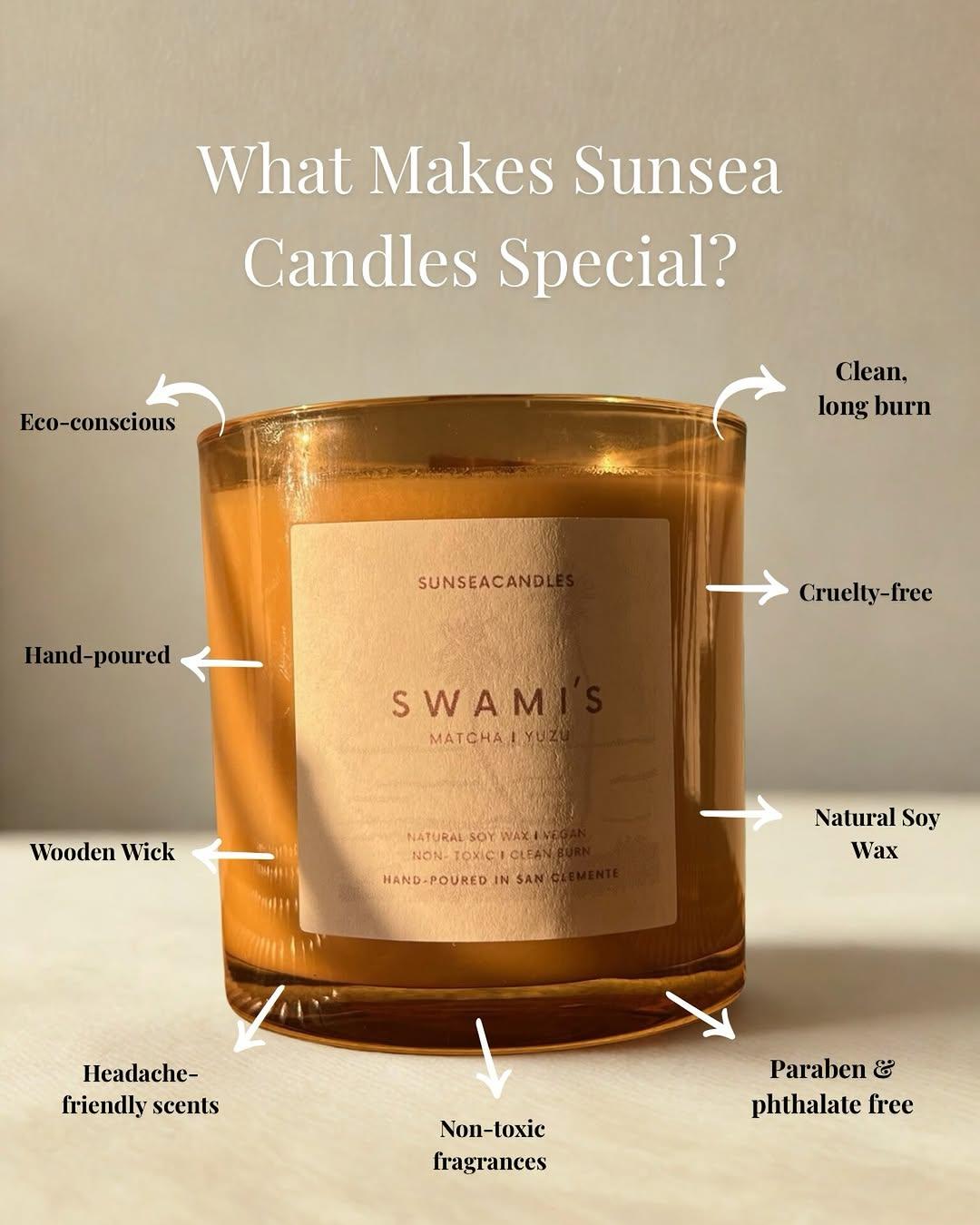
PH
Candles
The Philippine candle market in 2026 is embracing a minimalist and mindful approach, with a growing consumer preference for clean aesthetics and sustainable practices. The trend is moving towards handcrafted candles made from eco-friendly materials like soy and beeswax, reflecting a broader interest in wellness and creating a calming home ambiance. Scent is paramount, with a shift towards sophisticated, grounding fragrances such as creamy coconut, refined woods, and herbal spa-like blends. The visual appeal of candles is also crucial, with a focus on minimalist candle designs, including clean lines, neutral color palettes, and understated yet elegant vessels. This extends to accessories, with the minimalist candle warmer and minimalist candle holder gaining popularity as safe and stylish alternatives to traditional burning. Local artisans and brands are at the forefront of this movement, offering unique, high-quality products with minimalist candle labels that appeal to a design-conscious market. Overall, the trend is for candles that are not just decorative items but integral components of a curated, personal, and sustainable lifestyle. This shift highlights a deeper consumer desire for products that are not only beautiful and functional but also align with values of wellness, environmental responsibility, and personal expression, making the candle a small but significant element in modern Filipino homes.
Explore →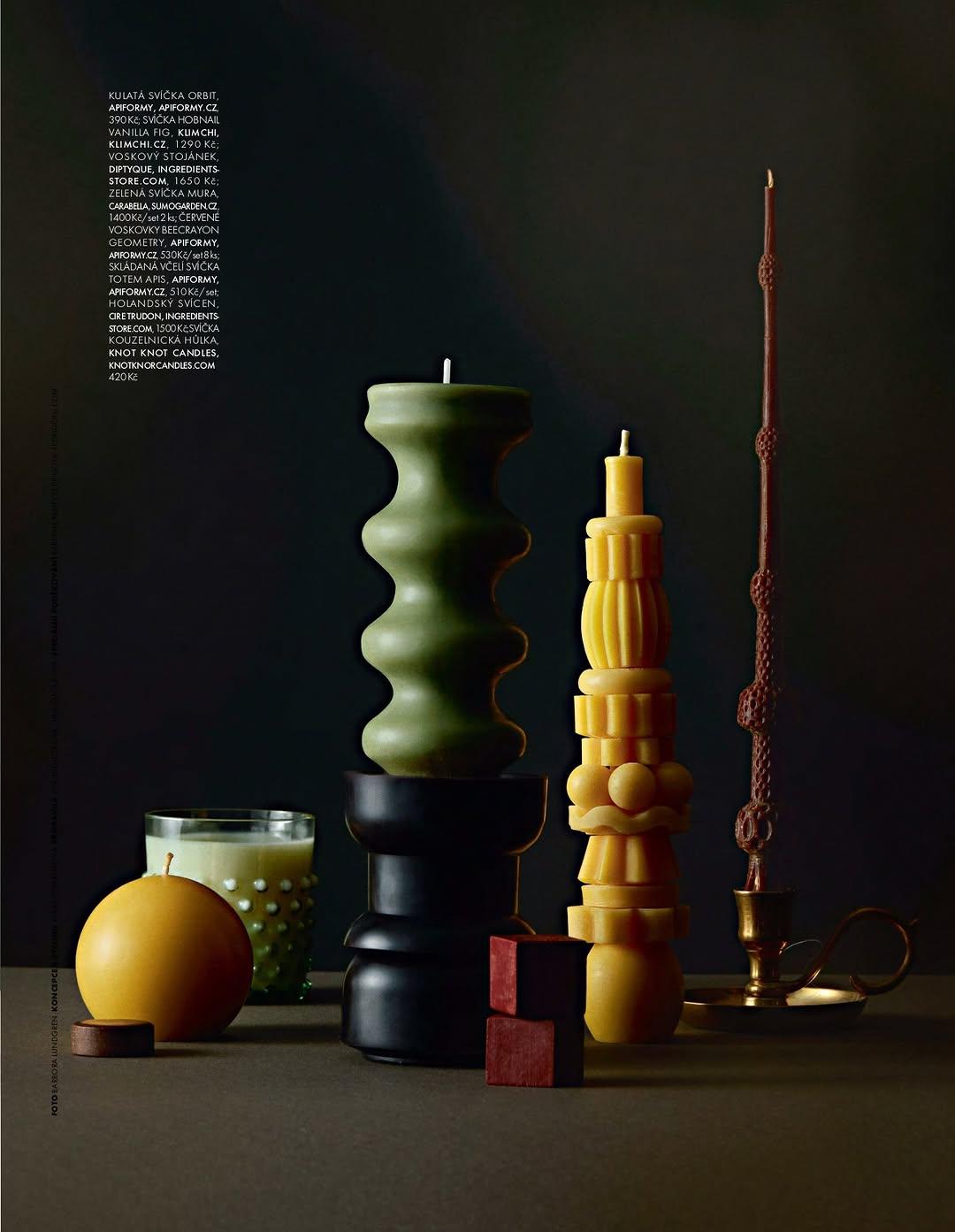
US
Candles
In 2026, the US candle market is embracing a "quiet luxury" ethos, where minimalist candles are not just sources of light and scent but integral components of home decor and personal wellness rituals. This trend is defined by a move towards understated elegance, with a strong focus on clean lines, natural materials, and a serene aesthetic. The core idea is to integrate candles seamlessly into living spaces as objects of intentional beauty, reflecting a broader consumer shift towards mindful consumption and curated home environments. Key product manifestations of this trend include minimalist candle holders and innovative candle warmers. Consumers are increasingly drawn to holders made from materials like concrete, ceramic, and brass, which add a sculptural element to any room. A significant shift is the rising popularity of the minimalist candle warmer, a flameless alternative that offers a clean, even scent throw and doubles as a chic table lamp. Furthermore, sustainability is a major driving force, with a growing demand for refillable candle systems and eco-friendly waxes like soy and coconut blends, catering to the environmentally conscious shopper. The sensory and visual details are also being refined to align with the minimalist philosophy. Scent profiles are becoming more sophisticated and wellness-driven, featuring notes of eucalyptus, white tea, and clean woods to create a calming atmosphere. This is complemented by minimalist candle labels with refined typography and uncluttered design, which have become the new standard. While the all-beige interior is fading, the aesthetic still relies on a nuanced neutral color palette of earthy tones, sage greens, and warm whites, solidifying the overall trend of intentional and hushed elegance in home fragrance.
Explore →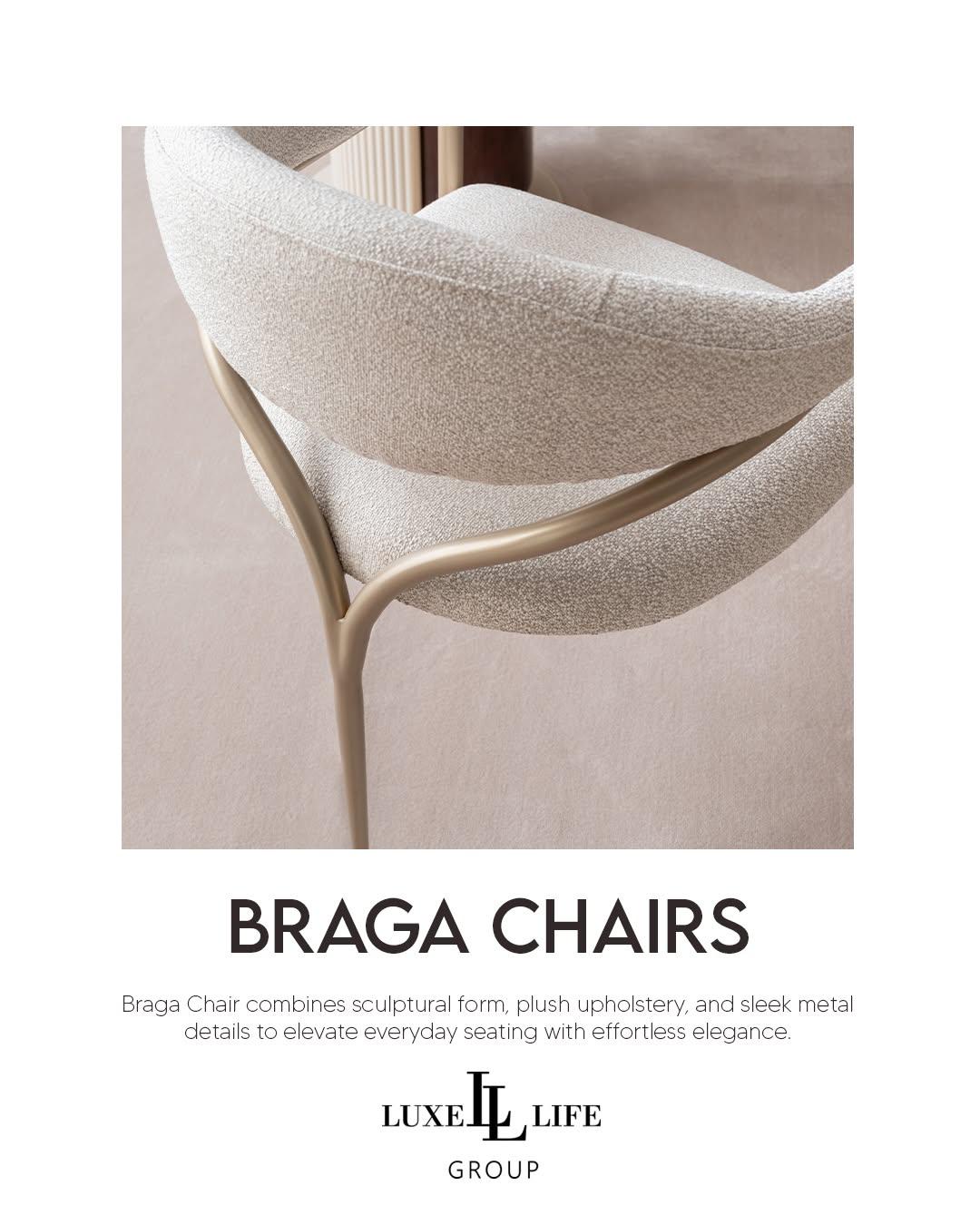
PH
Chair
In the Philippine market for 2026, the chair category is moving towards a blend of comfort-driven design and personalized, statement aesthetics, even as minimalist principles remain a strong undercurrent. While ultra-minimalist Scandinavian and Muji-inspired styles with light woods are becoming common, the trend is evolving to incorporate more texture, warmer tones, and bolder features. Expect to see a rise in chairs with soft, curved silhouettes and plush upholstery, particularly in bouclé and velvet fabrics, which add a layer of warmth and coziness to interiors. This focus on comfort is evident across various types, from cozy lounge chairs to ergonomic office chairs. Materials are also diversifying. While warm wood tones with visible grains are making a strong comeback, there's a concurrent surge in the use of durable metals like chrome and stainless steel, which offer a clean, modern look suited to the local climate. Color palettes are shifting from stark whites to "new neutrals" like beige, mushroom, and earthy tones. These are often accented with deep, bold colors like rust or deep blue, with the minimalist accent chair becoming a key piece for introducing these pops of color and sculptural forms into a room. This evolution reflects a broader shift away from rigid, impersonal minimalism towards interiors that feel more welcoming and comfortable. The emphasis on well-being is a driving force, making plush, oversized chairs a desirable sanctuary for relaxation and ergonomic designs a priority for home workspaces. Ultimately, the overarching trend for 2026 is about creating spaces that are both stylishly minimalist and deeply personal, balancing functionality with expressive, comfortable design.
Explore →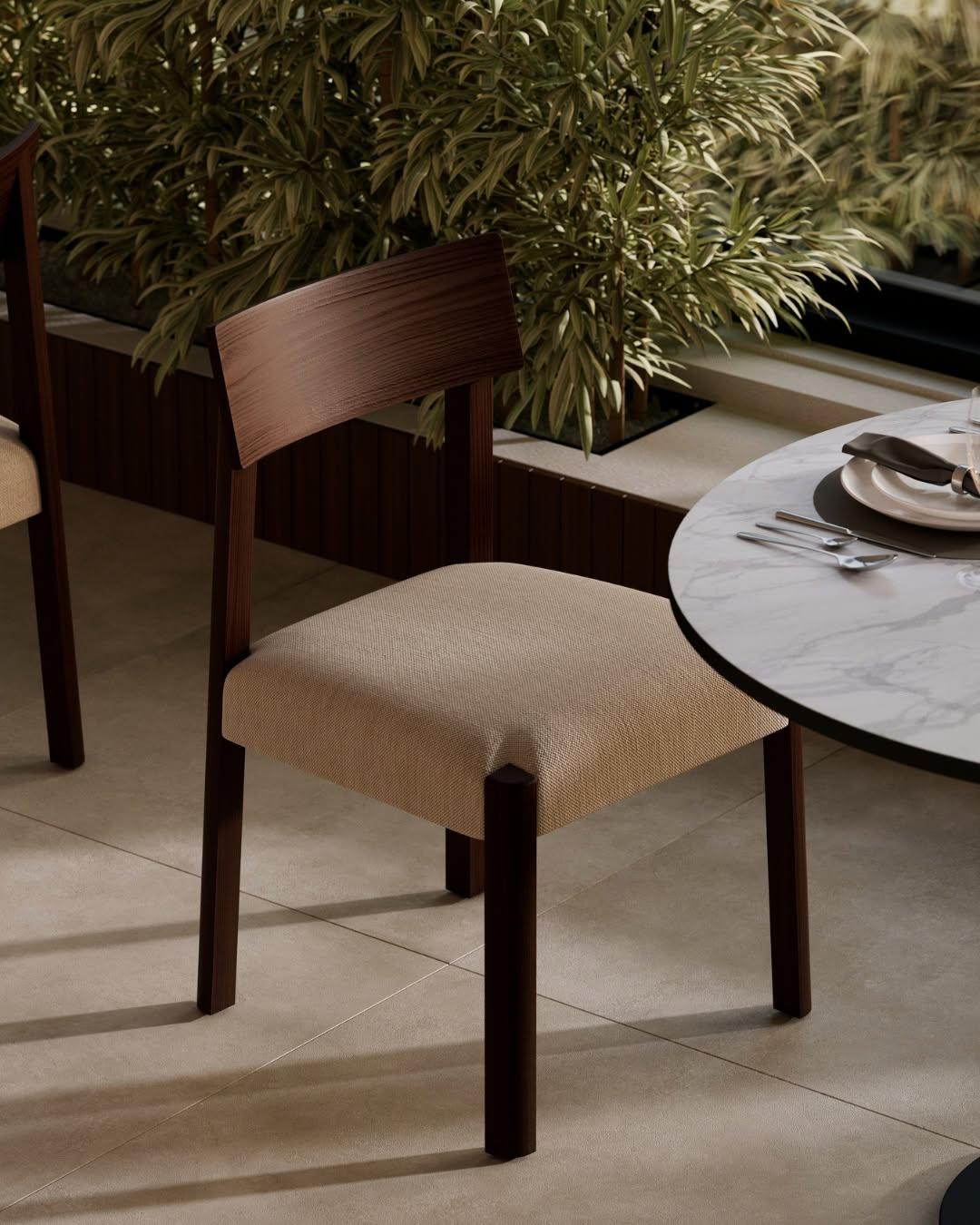
US
Chair
In 2026, the US chair market is embracing a "soft minimalism," moving beyond stark aesthetics to prioritize comfort, personality, and sustainability. This trend is defined by sculptural and organic forms, with gentle curves replacing sharp, rigid lines to create a more welcoming and relaxed feel. There is a significant return to warmer and richer wood tones like walnut and honey oak, celebrating natural grain and character, signaling a departure from the cooler, more austere palettes of previous years. Across all categories, this new direction is evident. The classic scandinavian design dining chairs are being reimagined with these warmer woods and cozier textures like bouclé, making them more inviting. For workspaces, the minimalist office chair is no longer just about a clean look; it's about integrating advanced, human-centered ergonomics as a standard feature, reflecting the new demands of hybrid work. From the minimalist lounge chair to the minimalist accent chair, there's a consistent focus on tactile, sustainable materials such as reclaimed wood, rattan, and recycled fabrics. This emphasis on eco-friendly and high-quality craftsmanship signals a broader shift towards "quiet luxury"—durable, timeless pieces that feel collected and personal. Consumers are increasingly investing in furniture that tells a story and is built to last, moving away from mass-produced, transient trends. The 2026 chair market is ultimately about creating spaces that are not only stylish but also deeply comfortable, personal, and conscious of their environmental impact.
Explore →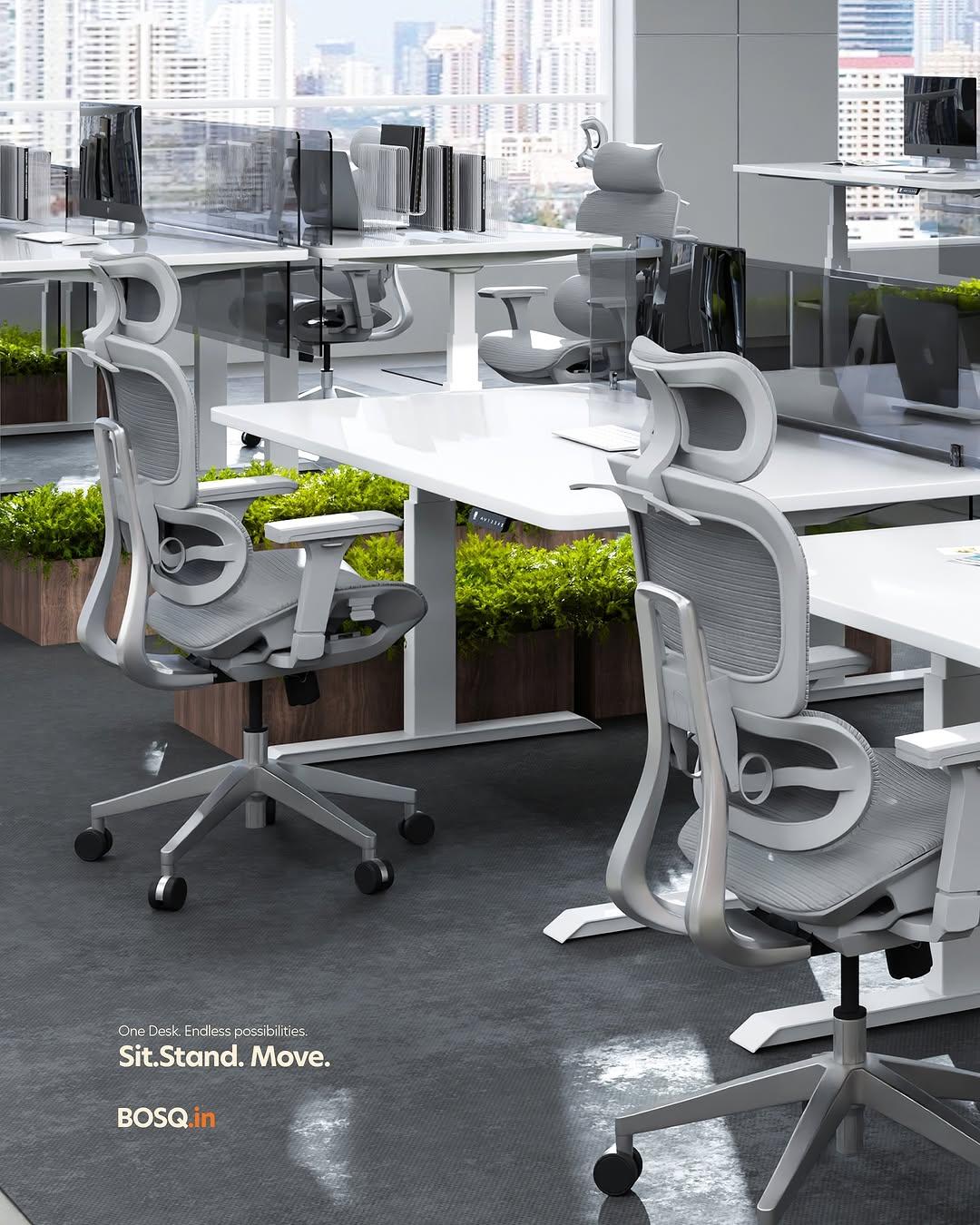
PH
Desk
The Philippine desk market in 2026 is characterized by a fusion of global design influences and specific local lifestyle demands. The enduring popularity of minimalist Scandinavian design continues, but with a notable evolution towards warmer, earthier tones and natural materials, departing from the previously dominant all-white and beige aesthetics. This shift reflects a broader desire for a cozier and more organic feel in home interiors. The market is also heavily influenced by the widespread adoption of hybrid work models, which has reshaped consumer priorities. A primary driver of current trends is the increased focus on health and productivity within the home office. This has led to a surge in demand for ergonomic desks, particularly those with adjustable height features and integrated technology, to ensure comfort during long work hours. Simultaneously, the prevalence of compact living in urban centers has created a strong need for space-saving and multifunctional furniture. Consumers are actively seeking clever desk designs that offer ample storage and versatility without compromising on style, catering to the realities of condo and studio apartment living. These evolving needs have given rise to several distinct but interconnected desk trends. Alongside ergonomic and space-saving solutions, minimalist desks remain a staple for their clean and calming aesthetic. The burgeoning gaming community has also carved out a significant niche, demanding specialized gaming desks built for performance and extensive tech setups. Finally, a renewed appreciation for natural materials is evident in the popularity of natural wood desks, which bring warmth and a touch of biophilic design into the home, appealing to those seeking timeless and authentic pieces.
Explore →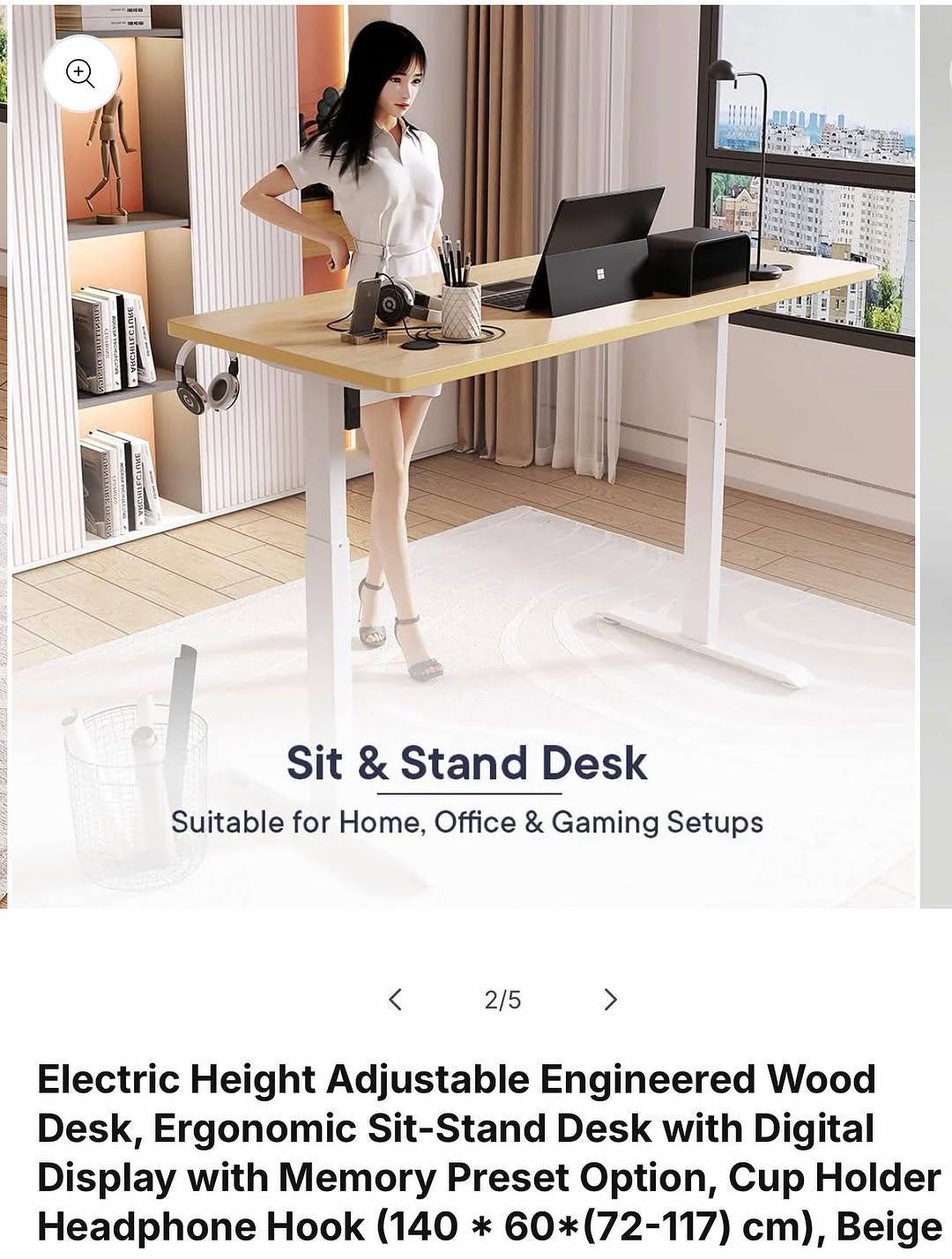
US
Desk
In 2026, the scandinavian design desk trend in the US market is evolving to meet the demands of modern work life, blending its core minimalist principles with enhanced functionality and a warmer aesthetic. The rise of permanent hybrid and remote work models has solidified the home office as a long-term investment, pushing trends beyond simple aesthetics to focus on productivity and well-being. Key developments include the integration of ergonomics as a standard feature, with height-adjustable or sit-stand desks becoming essential for user health and comfort. There is a strong movement towards "soft minimalism," which favors gentle curves, natural wood grains like oak, and warm, earthy color palettes over stark, sharp lines. Functionality is paramount, with a focus on smart, integrated features such as hidden storage, built-in USB ports, and seamless cable management to maintain a clutter-free workspace. Sustainability is also a significant driver, with a growing preference for durable, eco-friendly, and recycled materials. Ultimately, the 2026 Scandinavian design desk is a versatile and human-centric piece of furniture that balances timeless style with the practical needs of a tech-forward and flexible work environment.
Explore →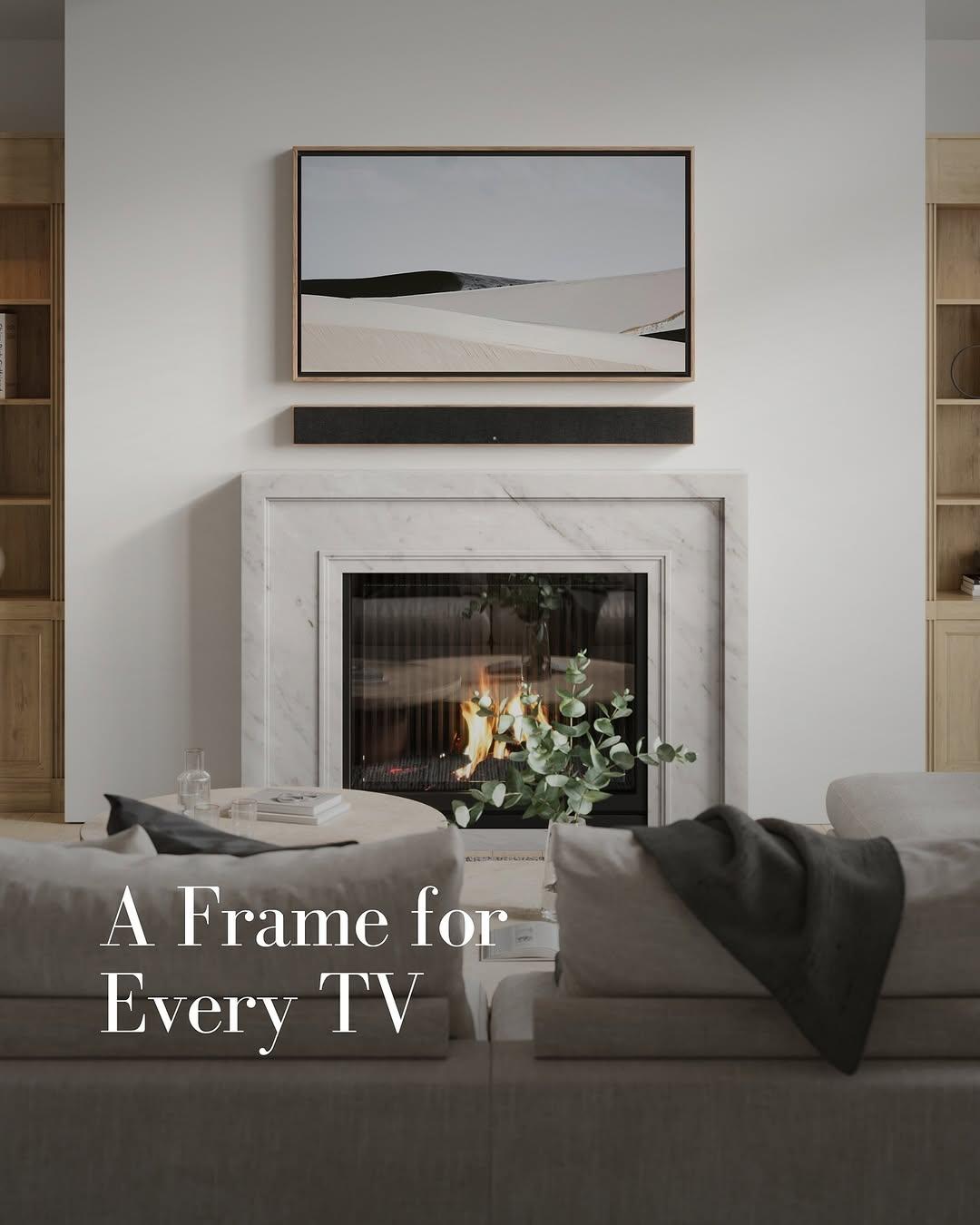
PH
Frame
In the upcoming months of 2026, the Philippine frame market will see a convergence of timeless design and personalized expression. The overarching trend leans towards a clean and curated aesthetic, where both classic frame styles and minimalist approaches are favored. There is a significant emphasis on creating personal narratives through wall decor, with gallery walls composed of various classic picture frame sizes becoming a central feature in Filipino homes. Classic wooden picture frames remain a popular choice, valued for their warmth and timeless appeal, fitting seamlessly into the prevailing desire for natural and textured interiors. Alongside this, a strong current of modern minimalism persists, with sleek, unobtrusive frames that place the focus squarely on the artwork or photograph. This trend is complemented by an interest in abstract art and monochrome prints. The demand for customization is also on the rise, with consumers looking for unique ways to display their memories, from custom-sized frames to curated sets for gallery walls. The color palette for frames is largely neutral, dominated by black, white, and natural wood tones, which aligns with the broader interior design trend of creating bright, airy, and grounded living spaces.
Explore →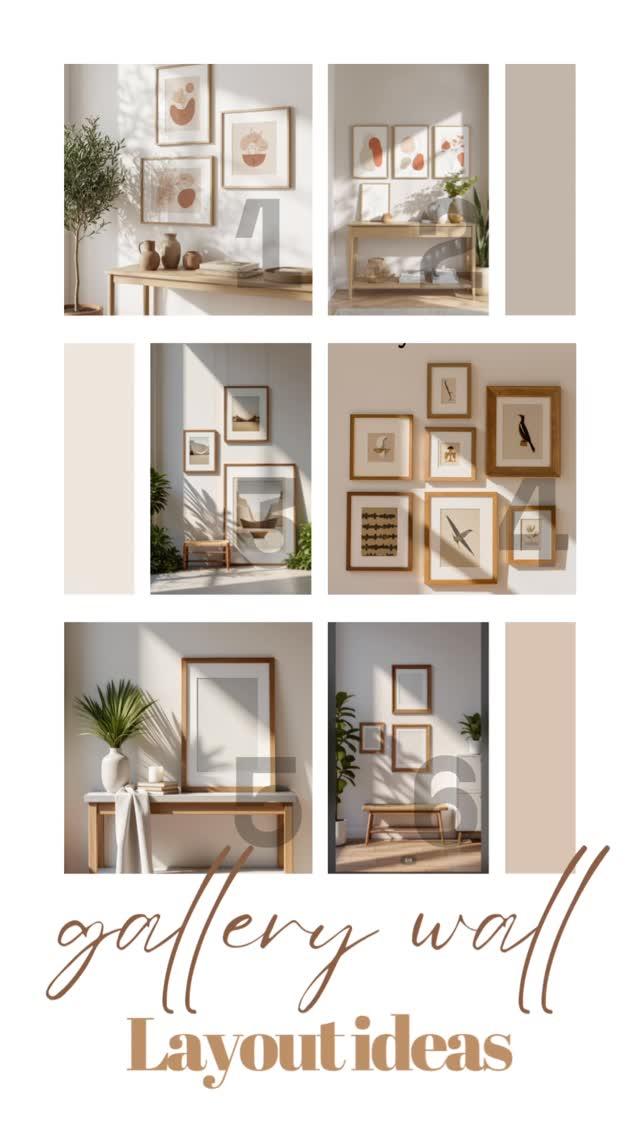
US
Frame
In 2026, the US frame market is moving towards styles that are both personal and intentional, departing from the stark minimalism of previous years. There is a significant trend towards frames as statement pieces, with classic frame styles being reimagined with modern twists. Expect to see a rise in classic wooden picture frames featuring warmer tones, and wider, more architectural profiles that command attention. While minimalist design remains influential, it's evolving to incorporate a warmer, more inviting aesthetic with natural textures and materials. This is evident in the popularity of frames made from walnut, oak, and maple, which highlight the natural grain of the wood. Metallic frames are also prominent, with a shift towards muted and brushed finishes like gold, brass, and champagne, adding a touch of understated luxury. The concept of the gallery wall is also being updated, with a focus on curated, eclectic collections that mix various frame styles, sizes, and textures to tell a personal story. Sustainability is another key driver, with a growing preference for frames made from eco-conscious and reclaimed materials. Ultimately, the overarching trend is a move towards creating spaces that feel layered, authentic, and deeply personal.
Explore →
US
Home Decor
Explore →
US
Home Textiles
Explore →
PH
Lamp
In the Philippine market for 2026, a significant trend is emerging in lighting design, moving away from simple, uniform illumination towards more expressive and personalized solutions. Homeowners are now seeking fixtures that do more than just light up a room; they want lamps that contribute warmth, character, and a distinct personality to their living spaces. This shift prioritizes layered and atmospheric lighting, creating curated and inviting interiors that reflect individual tastes. The goal is to transform lighting from a mere utility into an integral part of the home's decor and ambiance. This evolution is driven by several key design movements. The minimalist lamp, with its clean lines and uncluttered aesthetic, remains a popular choice, especially for compact modern Filipino homes. However, this is being reinterpreted as "warm minimalism," which favors softer light and natural materials. Alongside this, Scandinavian design continues to be celebrated for its blend of function and simple elegance. New influences are also gaining traction, including "Modern Folk," which merges traditional craftsmanship with contemporary forms, and "Industrial and Brutalist" styles that introduce raw, textured elements. As a result, lamps are increasingly viewed as sculptural works of art and statement pieces that define a room's character. The trend also incorporates a strong focus on technology and sustainability. There is a growing demand for smart lighting features that offer convenience and customization, such as adjustable brightness and color temperature. Energy efficiency is a key consideration, with LED technology becoming the standard. Furthermore, nature-inspired designs and the use of sustainable materials are becoming more prevalent, reflecting a broader consumer consciousness towards eco-friendly and wellness-oriented home environments. This fusion of aesthetics, technology, and sustainability is shaping the future of lighting in the Philippines.
Explore →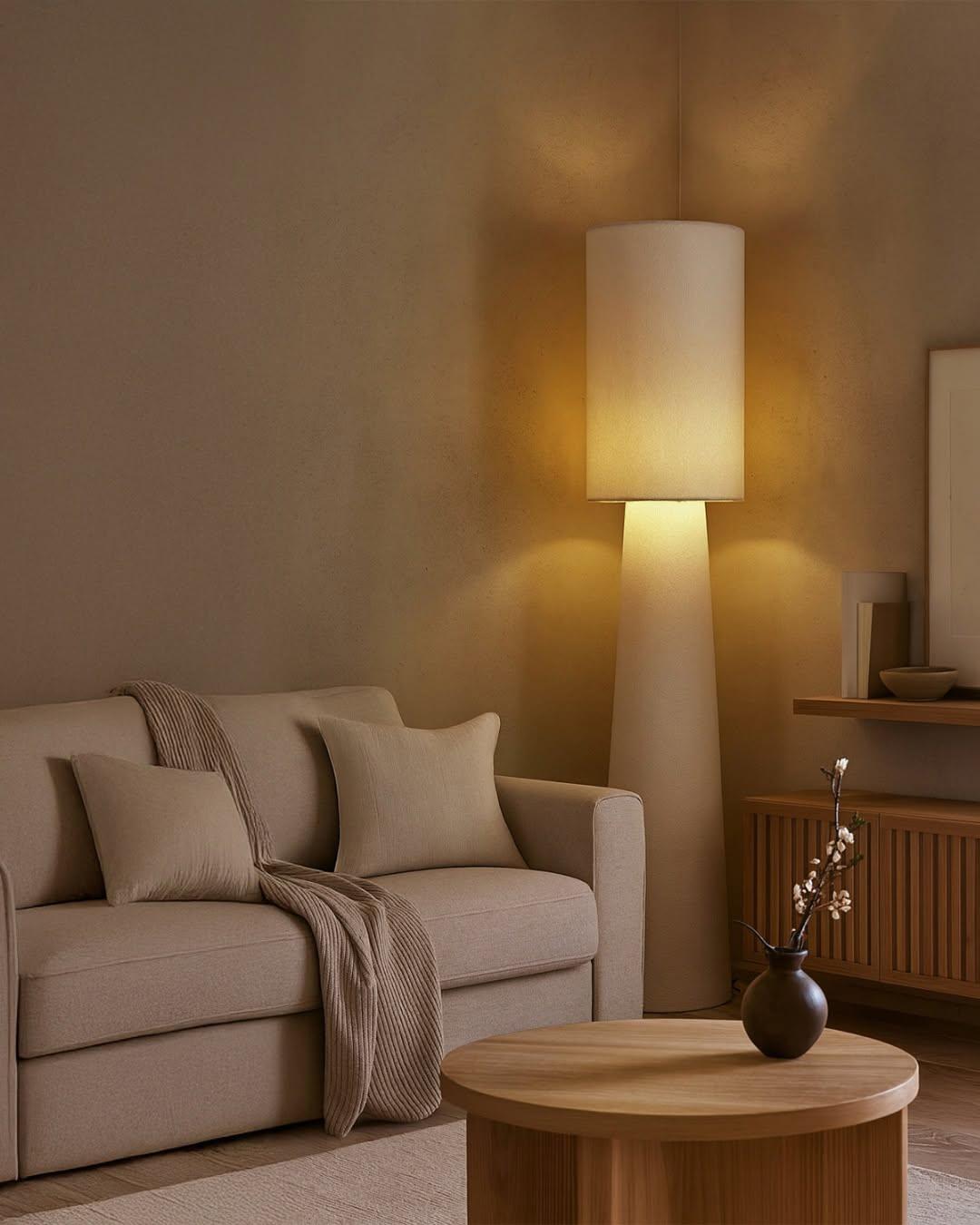
US
Lamp
For the upcoming seasons in the US market, lamp trends are moving towards expressive, intentional, and deeply personal designs that blend function with artistry. A dominant theme is warm minimalism, where the clean lines of a minimalist lamp are softened with warmer tones, brushed metals, and diffused, comfortable light to create a refined yet inviting atmosphere. Alongside this, there is a significant emphasis on lighting as a form of sculpture. A minimalist designer table lamp or a bold modern minimalist floor lamp now often serves as a room's artistic centerpiece, featuring organic forms and fluid silhouettes that make a statement even when unlit. Sustainability is also a key driver, with a surge in popularity for Scandinavian design lamps that frequently incorporate natural and eco-friendly materials like wood, rattan, and recycled elements, reflecting a collective desire for a connection to nature. This focus on natural textures and responsible production adds a tactile, honest quality to interiors. Simultaneously, the charm of the past is being embraced through a vintage revival. This trend reintroduces the timeless appeal of classic table and floor lamps, adding character, a sense of history, and a curated feel to modern spaces by mixing old with new. Finally, the fundamental approach to illumination has shifted from single-source lighting to creating a layered and ambient glow. This technique involves using a thoughtful combination of fixtures, such as a classic floor lamp, a minimalist bedside lamp, and other accent lights, to build mood, dimension, and flexibility within a room. The goal is to move away from harsh overhead lighting and instead wash spaces in a soft, warm, and diffused light that enhances well-being and creates a cozy, lived-in atmosphere.
Explore →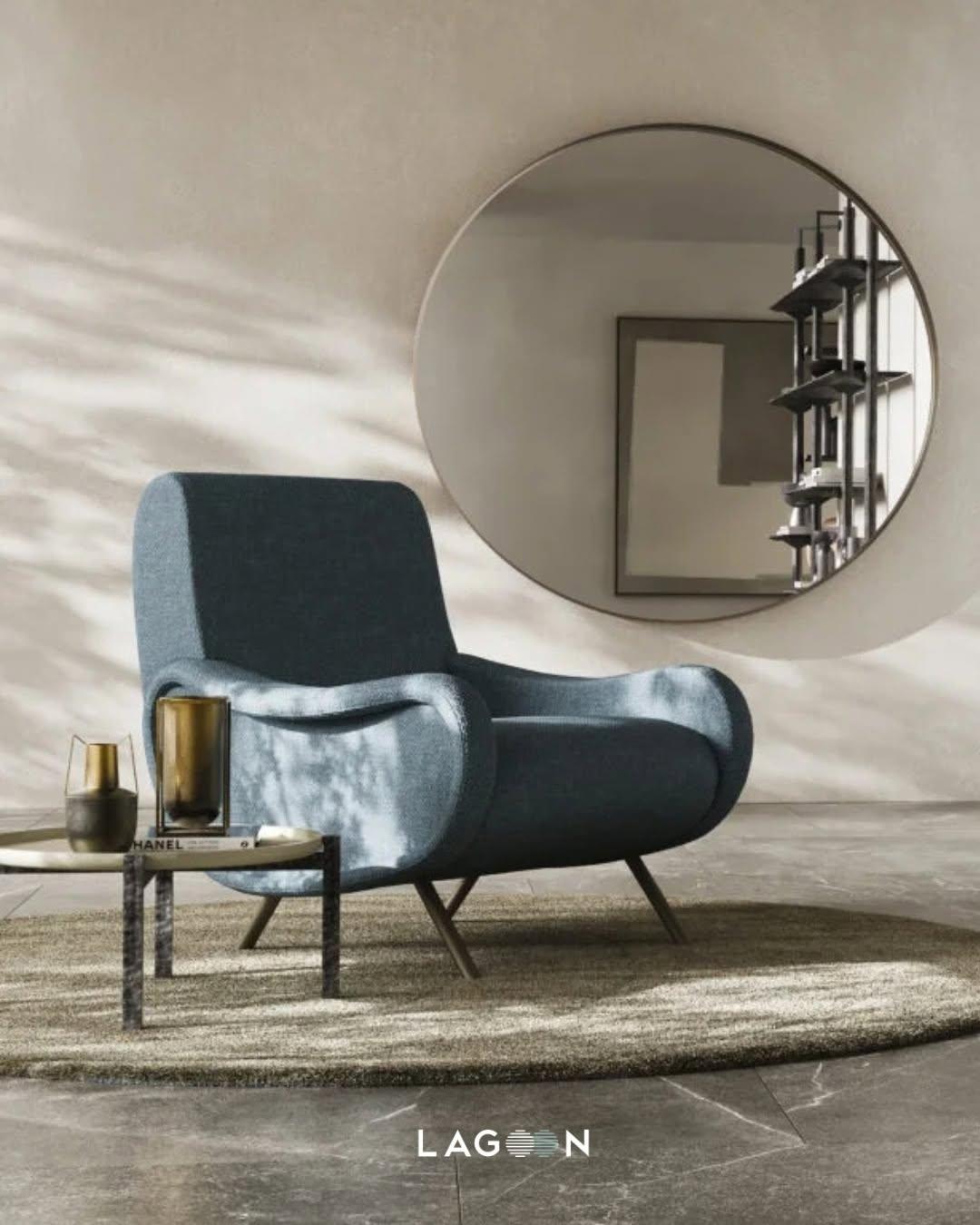
PH
Mirrors
In the Philippine market for 2026, mirror trends are defined by a blend of global design influences and practical local considerations. The prevailing aesthetic is a clean, modern look, with minimalist wall mirror and Scandinavian mirror styles leading the way. These designs favor simple lines and neutral palettes, which help create bright and airy interiors suited to the tropical climate. There is a significant movement towards softer, organic shapes, with the modern round mirror and arched designs becoming increasingly popular for adding a gentle, contemporary touch to spaces like living rooms and bathrooms. While the classic modern black mirror remains a staple for its versatility, there's a noticeable shift in metallic finishes; durable chrome and stainless steel are gaining favor over brass and gold tones due to their resilience in the humid climate, though modern gold mirror frames are still sought after for a touch of luxury. Functionality is key, especially in urban homes, making the modern floor mirror and full length mirror modern styles essential for both their utility and their ability to create an illusion of spaciousness. The modern bathroom mirror is evolving with integrated features like LED lighting becoming a standard expectation. Alongside these modern aesthetics, there is a growing appreciation for natural and traditional materials, with wood and rattan frames reflecting a "Modern Folk" trend that brings warmth and local craftsmanship into contemporary Filipino homes.
Explore →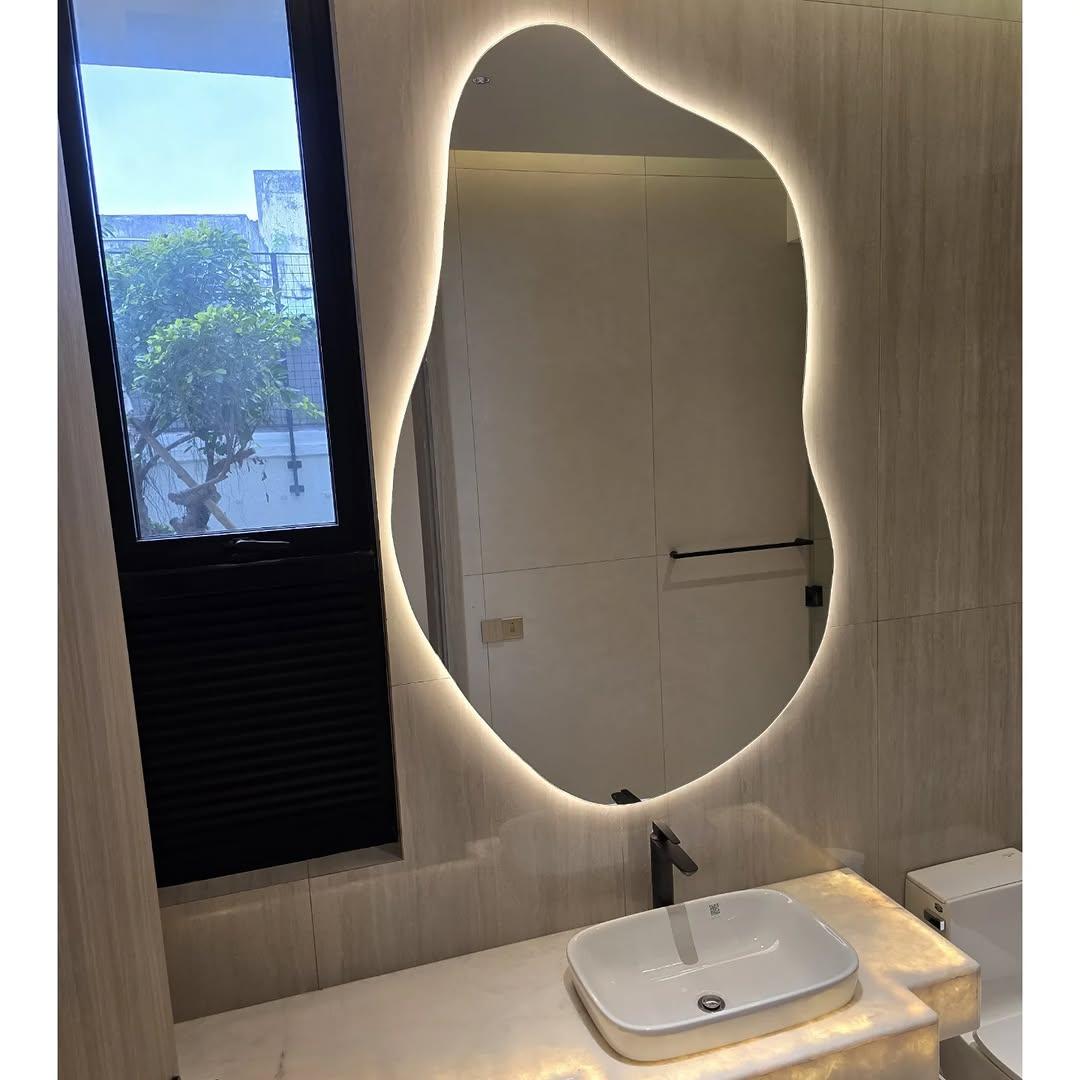
US
Mirrors
In 2026, the US mirror market is moving beyond simple functionality, with designs that serve as artistic statements and enhance a room's atmosphere. The trend is shifting from traditional rectangular and square shapes to softer, more organic forms. Expect to see an abundance of asymmetrical, arched, and fluid-shaped modern mirrors that act as focal points in any space. For the bathroom, modern bathroom mirrors are becoming larger and more integrated, with some designs covering entire walls to create a seamless, contemporary look that maximizes light and space. There's a strong emphasis on minimalist wall mirrors and frameless designs, which contribute to a clean and uncluttered aesthetic. Integrated technology is a key trend, with modern lighted mirrors for bathrooms featuring backlit and front-lit LED options, often with adjustable color temperatures and dimming capabilities to create a spa-like ambiance. Smart features like demisters, touch controls, and even Bluetooth speakers are becoming increasingly common. In terms of materials and finishes, natural wood frames are popular for adding warmth, while modern black mirror and metallic frames in brass and gold add a touch of sophistication. The influence of mid-century modern mirrors and Scandinavian mirrors continues, emphasizing clean lines, functionality, and natural materials. Whether it's a modern full-length mirror leaning casually against a wall or a striking modern wall mirror design for the living room, mirrors in 2026 are all about personality, warmth, and thoughtful integration into the home's overall design.
Explore →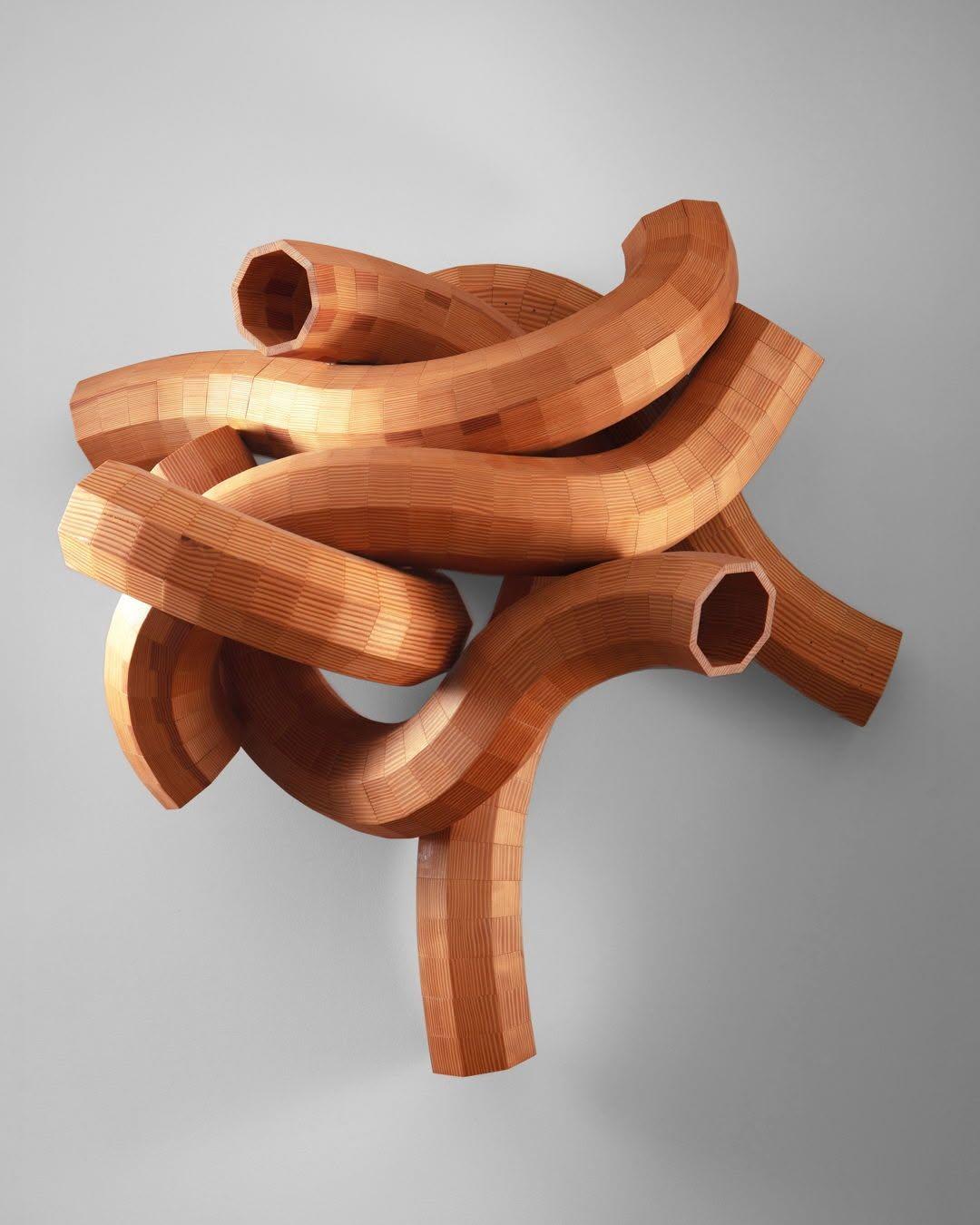
PH
Sculptures
The Philippine sculpture market in 2026 is characterized by a dynamic interplay between modern and contemporary styles, with a growing appreciation for both established masters and emerging local talent. A key trend is the move towards expressive and personal works, sometimes described as "Imperfect by Design," which marks a departure from strict minimalism. This is evident in the rise of modern contemporary sculptures that blend abstract forms with organic and architectural elements, alongside a significant interest in minimalist sculptures that feature a warmer, more tactile feel through the incorporation of natural materials like wood and stone. The influence of Scandinavian sculpture is visible in the clean lines and functionality of many pieces, a trend that has been growing in the broader Philippine design scene. This aesthetic, along with others, will be on full display at upcoming events like Art Fair Philippines 2026. The fair is set to showcase a diverse range of sculptures, including innovative mixed-media works, architectural abstractions, and poignant pieces that explore Filipino identity and heritage, reflecting the depth and breadth of the current artistic landscape. Another notable trend is the rise of functional art, where the line between sculpture and utilitarian object is blurred. This is particularly evident in pieces like minimalist sculptural chandeliers and other lighting fixtures that double as art installations, catering to a demand for multi-functional and aesthetically pleasing items in modern living spaces. Overall, the market is expanding, supported by a growing collector base and increased visibility on both local and international stages, signaling a vibrant and evolving future for Philippine sculpture.
Explore →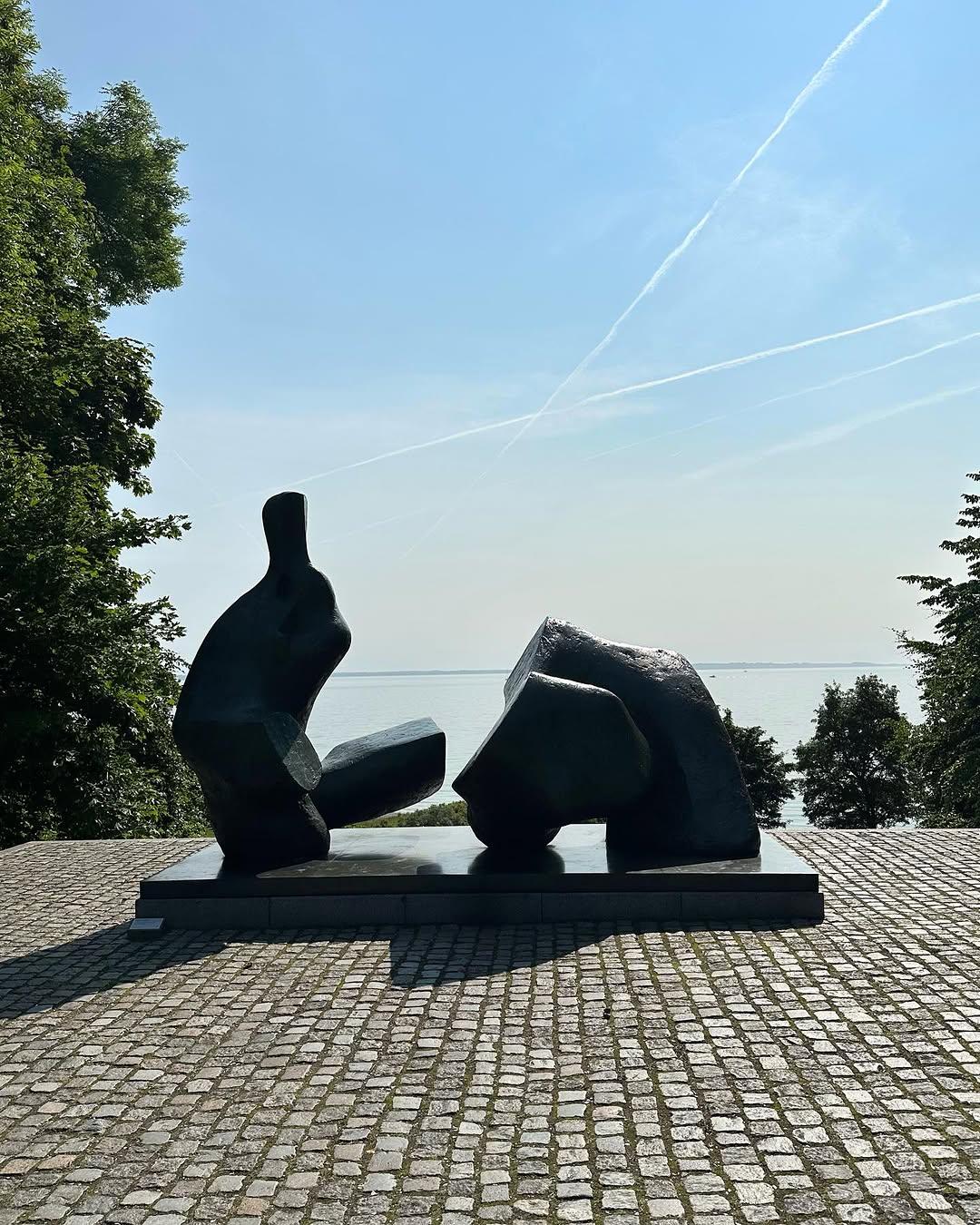
US
Sculptures
Explore →
PH
Table
In the Philippine market for 2026, the trend for minimalist tables is evolving towards a warmer and more personal aesthetic, moving away from stark, cold minimalism. There is a strong emphasis on natural and tactile materials, with the comeback of warm wood tones, often showcasing visible grains and imperfections that add character. This is complemented by the use of organic shapes and soft, curved forms, which create a calming and playful atmosphere in living spaces. The Scandinavian design influence remains prominent, evident in the clean lines and functionality of pieces like the scandinavian design dining table. However, it's being reinterpreted with a "Modern Folk" sensibility, which blends traditional craftsmanship with modern simplicity, and "Japandi" style, a hybrid of Japanese and Scandinavian aesthetics. As a result, a minimalist wood coffee table or a modern minimalist dining table is not just about simple forms but also about texture and quality craftsmanship. Tabletops are also seeing a rise in expressive stones like travertine and marble, adding a touch of "quiet luxury". In terms of functionality, especially in urban settings, there's a growing demand for adaptable and space-saving designs, such as a flexible minimalist dining table that can be extended for guests. The overall trend points towards creating authentic, lived-in spaces, where a minimalist console table in an entryway or a minimalist bedside table contributes to a serene and personalized home environment.
Explore →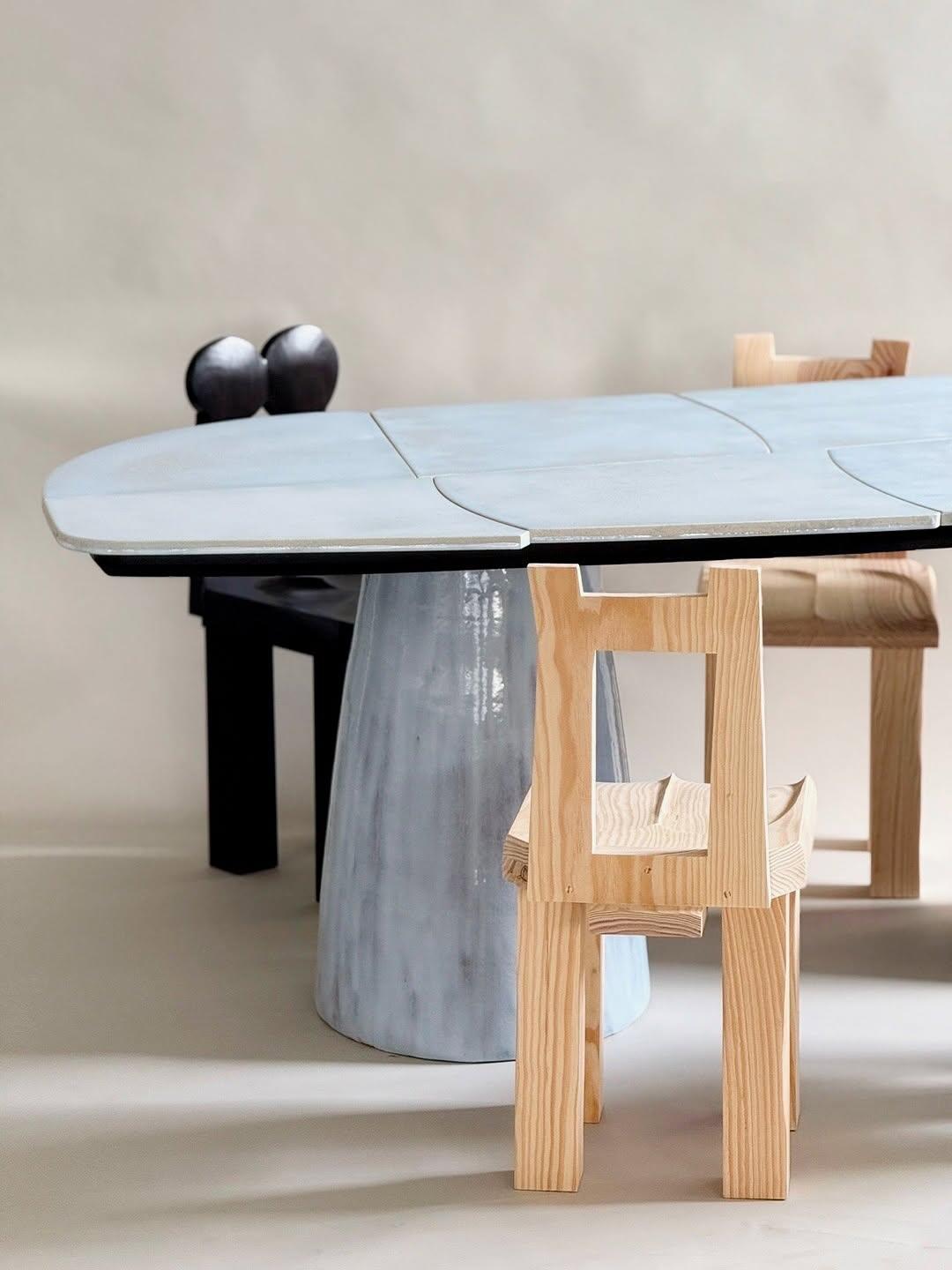
US
Table
The minimalist table landscape for 2026 is undergoing a significant transformation, moving away from the cold, stark aesthetics of previous years towards a warmer and more intentional design philosophy. This evolution is defined by the concept of "quiet luxury," where longevity and craftsmanship are prioritized. A key trend is the shift to softer, more organic silhouettes. Rigid, sharp-cornered tables are being replaced by designs with rounded edges, oval shapes, and curved forms, creating a more welcoming and relaxed atmosphere in dining and living spaces. These sculptural pieces serve as serene focal points, embodying a human-centered approach to interior design. Materiality and functionality are central to this new wave of minimalism. There is a strong resurgence of natural and tactile materials, with grainy woods like oak, walnut, and ash taking center stage, often finished in light, matte tones that celebrate the material's inherent beauty. The trend also embraces mixed-material compositions, pairing wood tops with sleek metal legs or durable sintered stone surfaces with sculptural bases for added depth and texture. Functionality remains a critical driver, particularly in urban environments, making versatile designs like extendable dining tables and compact, space-saving solutions a top choice for modern living. While the foundational principles of Scandinavian design—simplicity, clean lines, and utility—continue to be influential, the 2026 trend encourages a more layered and personalized approach rather than a strict, uniform look. This is further enriched by a growing emphasis on sustainability. Consumers are increasingly drawn to tables made from reclaimed wood, FSC-certified timber, and recycled metals, reflecting a conscious desire for eco-friendly products. This focus on sustainable finishes and authentic materials adds a layer of storytelling and character, aligning personal values with home aesthetics.
Explore →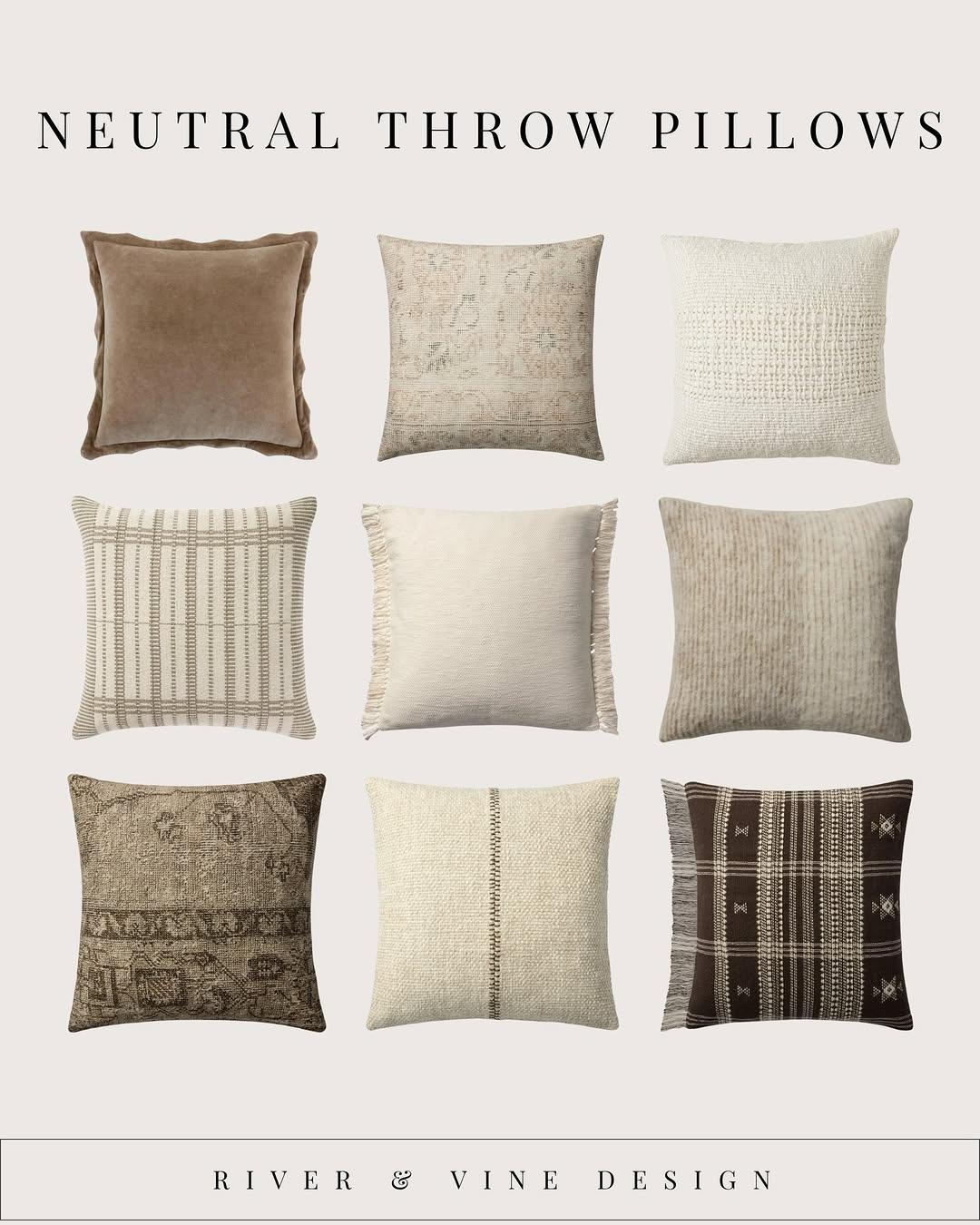
PH
Throw Pillows
In the dynamic Philippine home decor market, throw pillow trends for 2026 are moving towards a sophisticated blend of comfort, personality, and style. The primary driver is the desire to transform homes into personal sanctuaries, emphasizing tactile sensations and visual serenity. This movement prioritizes creating spaces that feel both relaxing and deeply personal, reflecting a shift towards more mindful and intentional interior design choices that cater to well-being. The dominant aesthetic is shaped by minimalist and Scandinavian design principles, which favor clean lines, simplicity, and functionality. This is expressed through a color palette of warm, earthy neutrals like soft clay, taupe, and sand, which create a calming foundation. For contrast and character, these are accented with deep mineral tones and rich blues. Texture plays a paramount role in adding depth and coziness, with materials such as bouclé, washed linen, cotton slub, and faux fur becoming increasingly popular for their inviting and luxurious feel. Alongside these global trends, there is a significant and growing interest in "Modern Folk," a style that celebrates local Filipino craftsmanship. This trend involves incorporating traditional textiles, patterns, and artisanal techniques into contemporary home decor. It represents a move away from mass-produced items towards unique, story-rich pieces that add a personal and culturally significant dimension to interiors. This allows homeowners to balance popular international styles with a distinct local flavor, creating spaces that are both modern and meaningful.
Explore →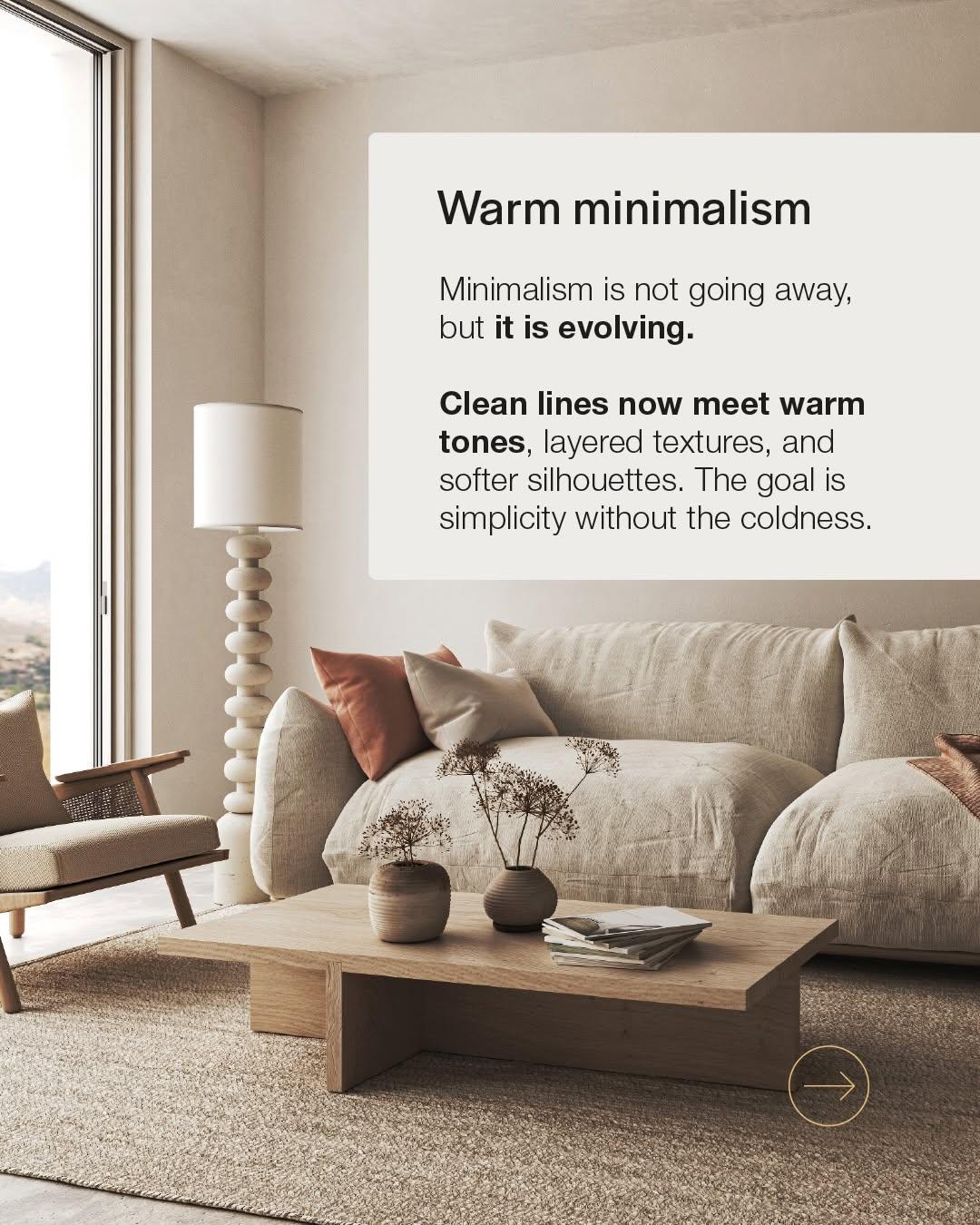
US
Throw Pillows
As we move into 2026, the throw pillow landscape in the U.S. is defined by a move towards warmth, texture, and mindful minimalism. The overarching theme is creating a sanctuary at home, with a focus on comfort and personal expression. This season, expect to see an abundance of minimalist throw pillows that are anything but stark, embracing warm, earthy neutrals like clay, taupe, and sand. Texture is paramount, with materials such as boucle, wool blends, and washed linen adding depth and coziness. Scandinavian throw pillows are evolving into a "soft minimalism," characterized by clean lines, muted tones, and natural materials that evoke a sense of calm and functionality. There is a growing desire for unique, handcrafted pieces over mass-produced items, reflecting a broader trend towards artisanal and sustainable home decor. The shape of pillows is also seeing a playful evolution, with sculptural forms like spherical "ball pillows" and oversized lumbar pillows making a statement. Ultimately, the trend for both scandinavian pillows and throws is about creating a curated, comfortable, and personalized living space.
Explore →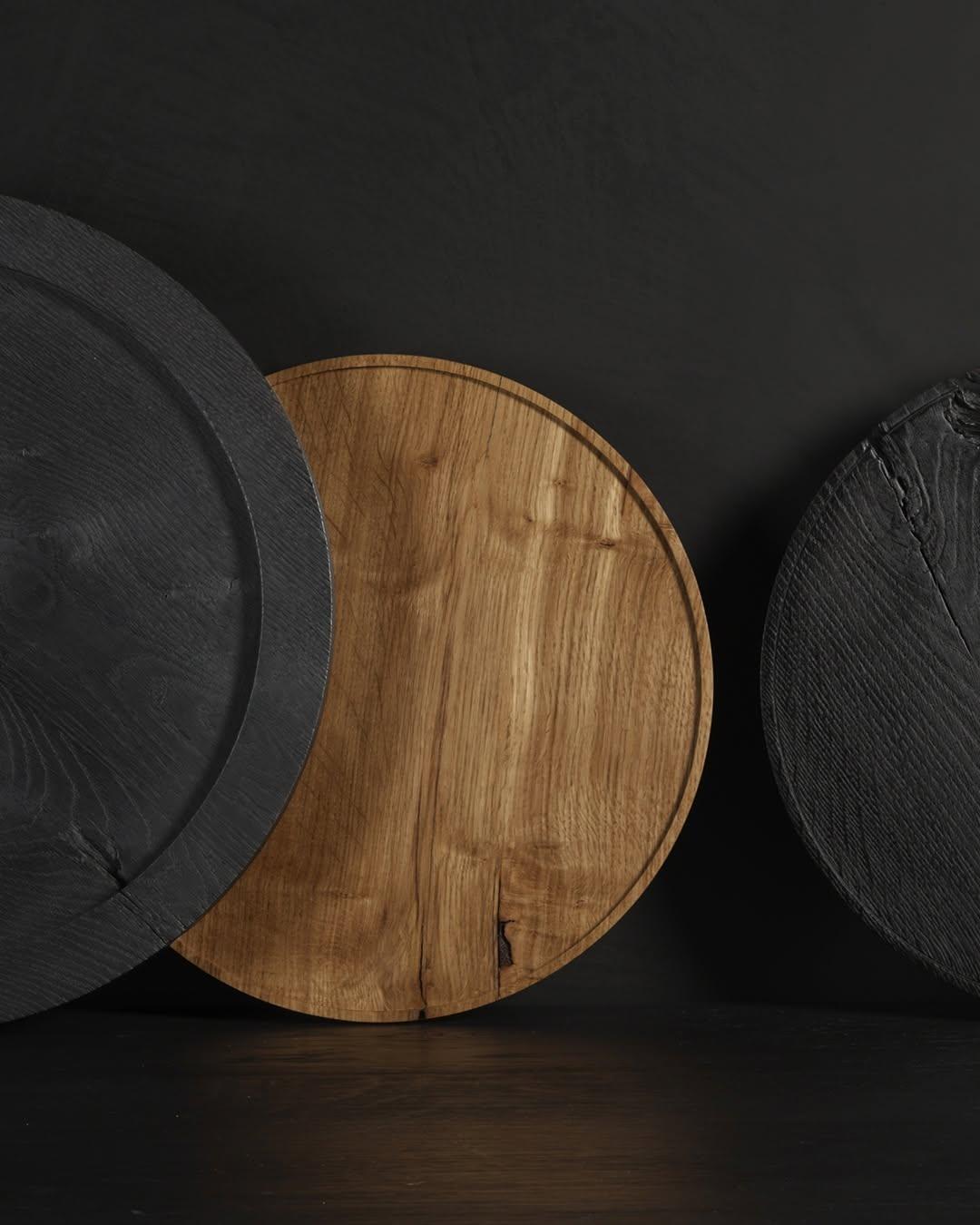
PH
Trays
In the Philippine market for 2026, trays are evolving from purely utilitarian items into essential decorative elements that blend functionality with high aesthetic appeal. The dominant trend is a shift away from stark minimalism towards warmer, more personalized interior styles. This is characterized by the increased use of natural materials, the adoption of organic shapes, and a focus on tactile textures. The modern decorative tray has become a cornerstone for creating curated vignettes on coffee tables, consoles, and other surfaces, reflecting a desire for homes that feel both stylish and lived-in. This trend highlights a growing appreciation for objects that tell a story, drawing inspiration from both mid-century modern designs and contemporary Filipino craftsmanship. While aesthetics are paramount, functionality remains a key consideration, especially in compact urban living spaces. Versatile pieces like the modern tray table are popular for their adaptability. This focus on organized beauty extends to personal spaces, with modern bathroom and bathtub trays being used to create spa-like, uncluttered environments. Even traditionally practical items, such as boot trays, are now being designed with style in mind. Ultimately, the styling of trays, particularly the modern coffee table tray, is being elevated to an art form. These surfaces are thoughtfully arranged with a mix of books, candles, and natural elements to cultivate a cozy and inviting atmosphere. The overarching movement is about discovering and celebrating the beauty in everyday objects, using them as a medium for personal expression and to enhance the overall ambiance of the home.
Explore →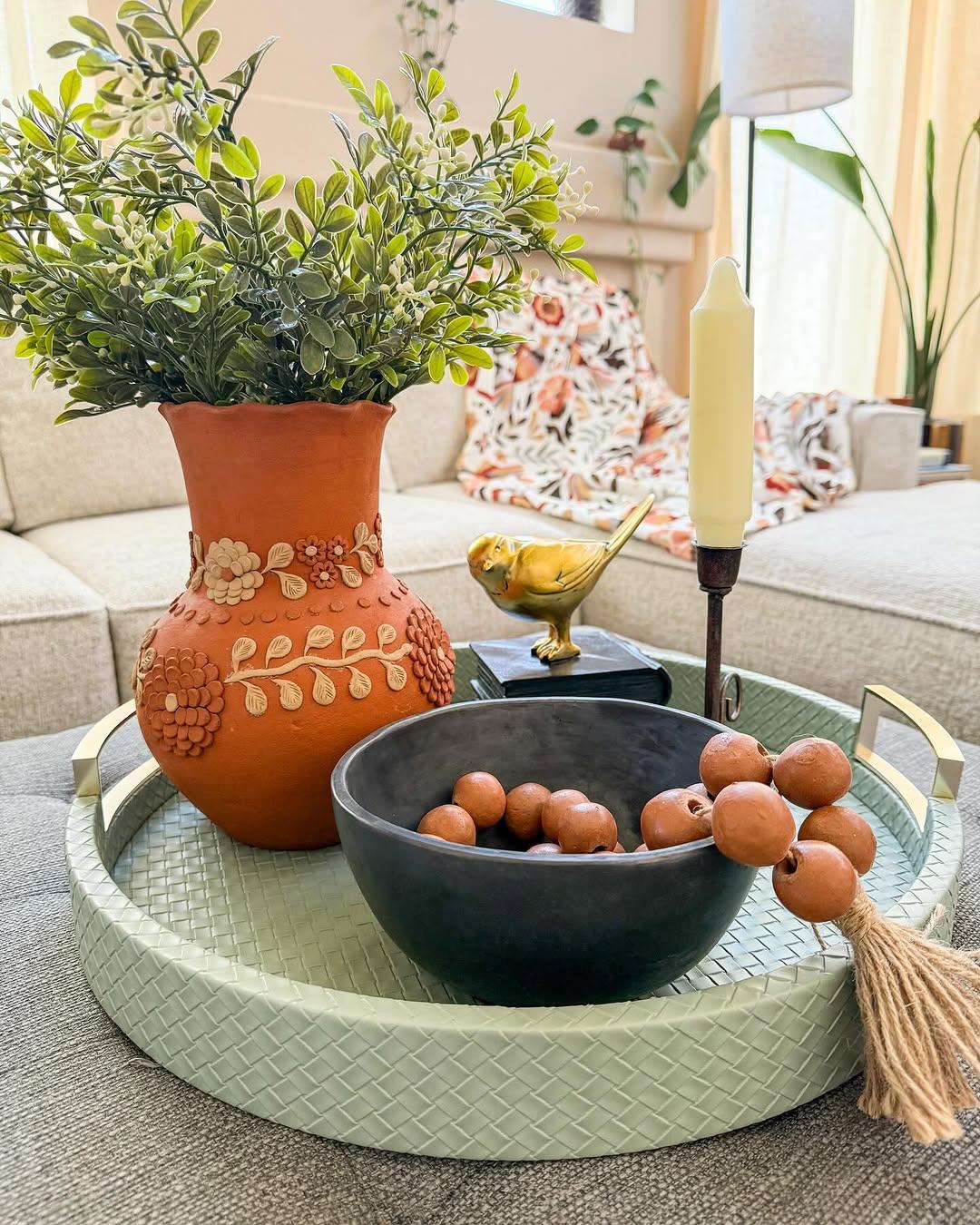
US
Trays
In 2026, the US market for trays is defined by a blend of natural aesthetics and versatile functionality. The overarching trend is a move towards "Rustic Modern," where organic textures and earthy, neutral color palettes are paramount. Materials that age gracefully, such as real wood, rattan, and stone, are in high demand, bringing authenticity and a handcrafted feel into homes. This is evident in the popularity of the modern decorative tray, often used as a centerpiece on a coffee table to hold candles, books, and greenery. The mid-century modern serving tray continues to be a sought-after style, characterized by clean geometric lines, warm wood tones like walnut, and sometimes playful patterns. Functionality is also a key driver, with the modern bed tray table gaining popularity for its use as a lap desk for working from home or for enjoying a meal in bed. In the bathroom, the modern bathtub tray or caddy is essential for creating a spa-like experience, holding everything from a book to a glass of wine. Even utilitarian items like the modern boot tray are being designed with aesthetics in mind, often featuring simple, neutral colors and subtle patterns to complement entryways. Sustainability is another significant factor, with consumers showing a preference for eco-friendly materials like bamboo and recycled metals.
Explore →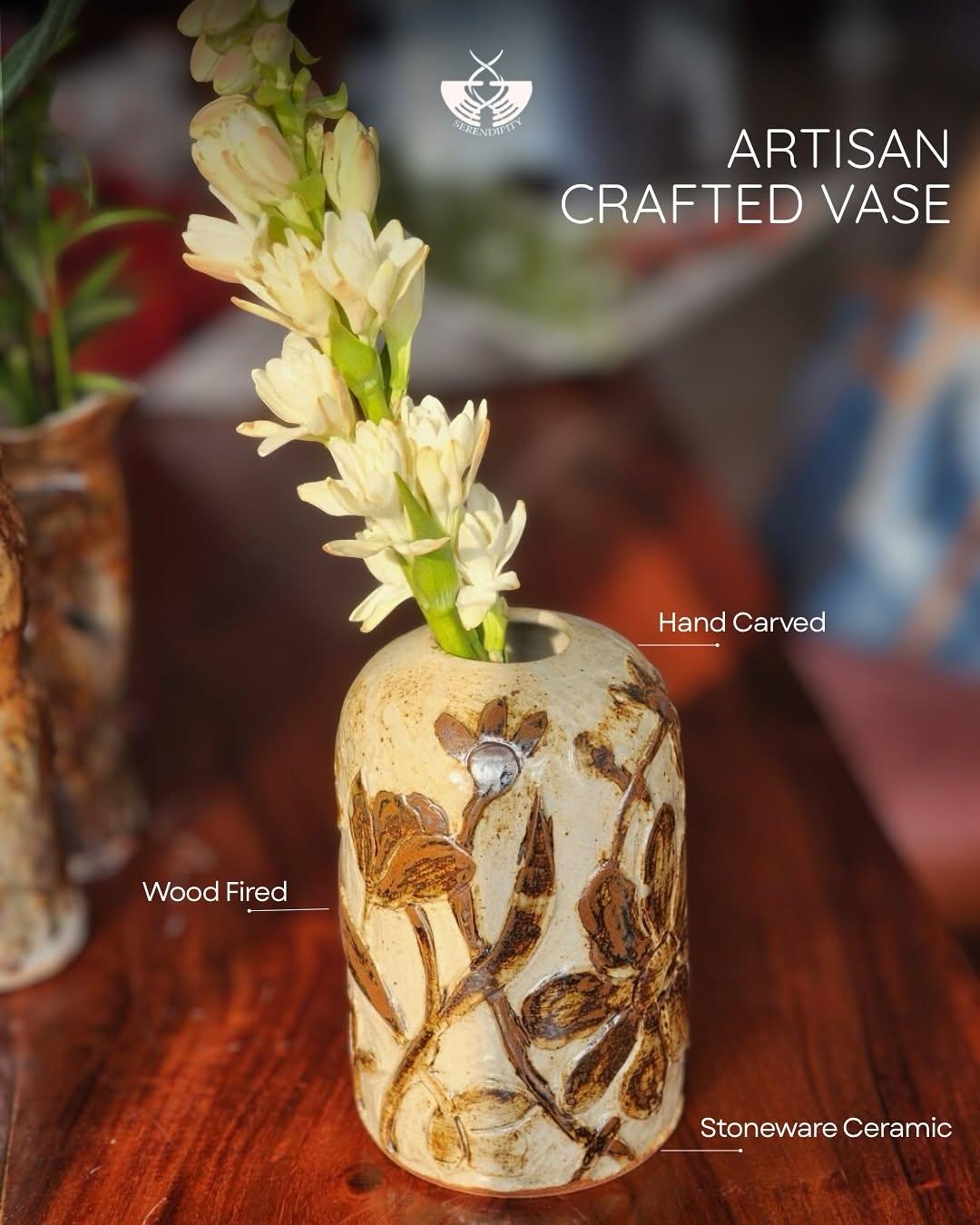
PH
Vase
In the Philippine market for 2026, vase trends are moving decisively towards authenticity, texture, and personal expression. There is a significant shift away from uniform, mass-produced decor in favor of pieces that tell a story, with a strong emphasis on natural materials and artisanal craftsmanship. This desire for a tangible connection to the maker is redefining modern luxury, as consumers increasingly aim to create unique and curated living spaces that reflect their individual tastes. The focus on materiality is evident in the rising popularity of handmade ceramic vases, where organic forms and tactile surfaces are valued more than flawless finishes. The prevailing color palette embraces earthy and calming tones, including shades of terracotta, beige, and warm off-whites, which are perfectly suited to the tropical light of the Philippines. Complementing these natural hues, a strong, deep blue is emerging as a key accent color, offering a bold contrast. Prevailing design philosophies are also evolving. While the clean lines and functionality of Scandinavian minimalism remain influential, they are being reinterpreted with bolder textures and more sculptural shapes to feel fresh and avoid oversaturation. This is accompanied by a growing appreciation for both antique ceramic vases and modern interpretations of vintage styles, signaling a nostalgia for heritage and timeless design. The overarching trend for 2026 is to treat the vase as a decorative art object in its own right, valued for its form and material as much as its function.
Explore →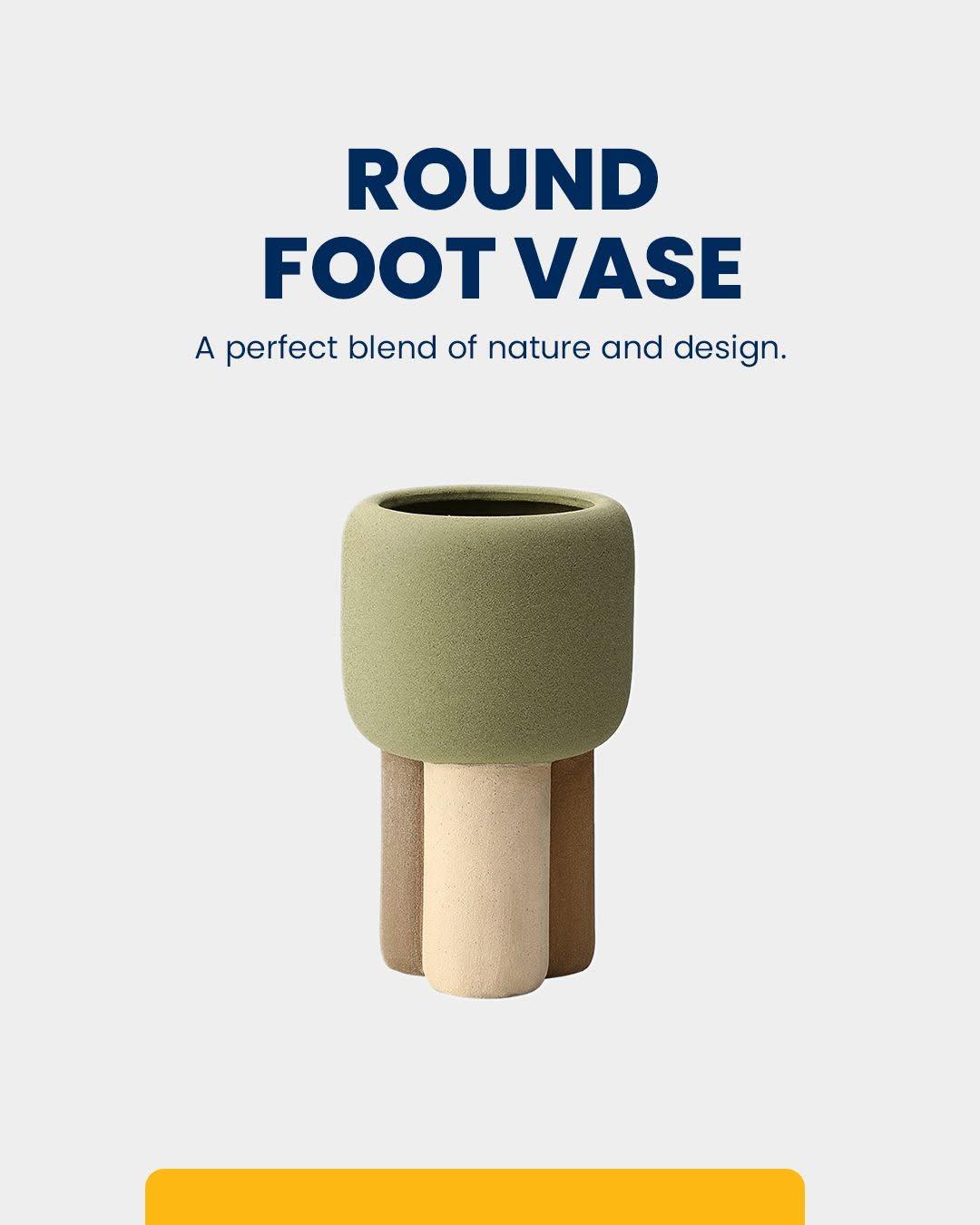
US
Vase
In 2026, the US vase market is moving towards expressive and intentional designs, where the vase itself is often the main event. A significant trend is the rise of the large ceramic vase, with oversized and ceramic floor vase styles acting as architectural anchors in a room. Sculptural and artistic forms are paramount, with many designs blurring the line between a functional ceramic flower vase and a piece of art, emphasizing form and silhouette as a primary decorative element. There is a strong emphasis on natural and tactile materials. Handmade ceramic vase options with raw, matte, or visibly textured finishes are highly sought after, reflecting a desire for authenticity and connection to nature. The color palette is dominated by warm, earthy tones like terracotta and sand, biophilic greens and blues, and rich neutrals. While monochrome looks remain popular, with the white ceramic vase and black ceramic vase as timeless staples, there's also a resurgence of colorful and patterned designs that add vibrancy and personality to interior spaces. Contrasting the maximalist, large-scale pieces, two other key trends are emerging. The vintage ceramic vases trend is strong, with a renewed appreciation for mid-century modern geometrics, neoclassical forms, and hand-blown glass. Simultaneously, there is a place for the delicate ceramic bud vase, often grouped in clusters to create minimalist 'micro-scenes.' Whether it's a statement decorative ceramic vase or a simple Scandinavian design, the overarching focus for 2026 is on pieces that feel personal, authentic, and thoughtfully curated.
Explore →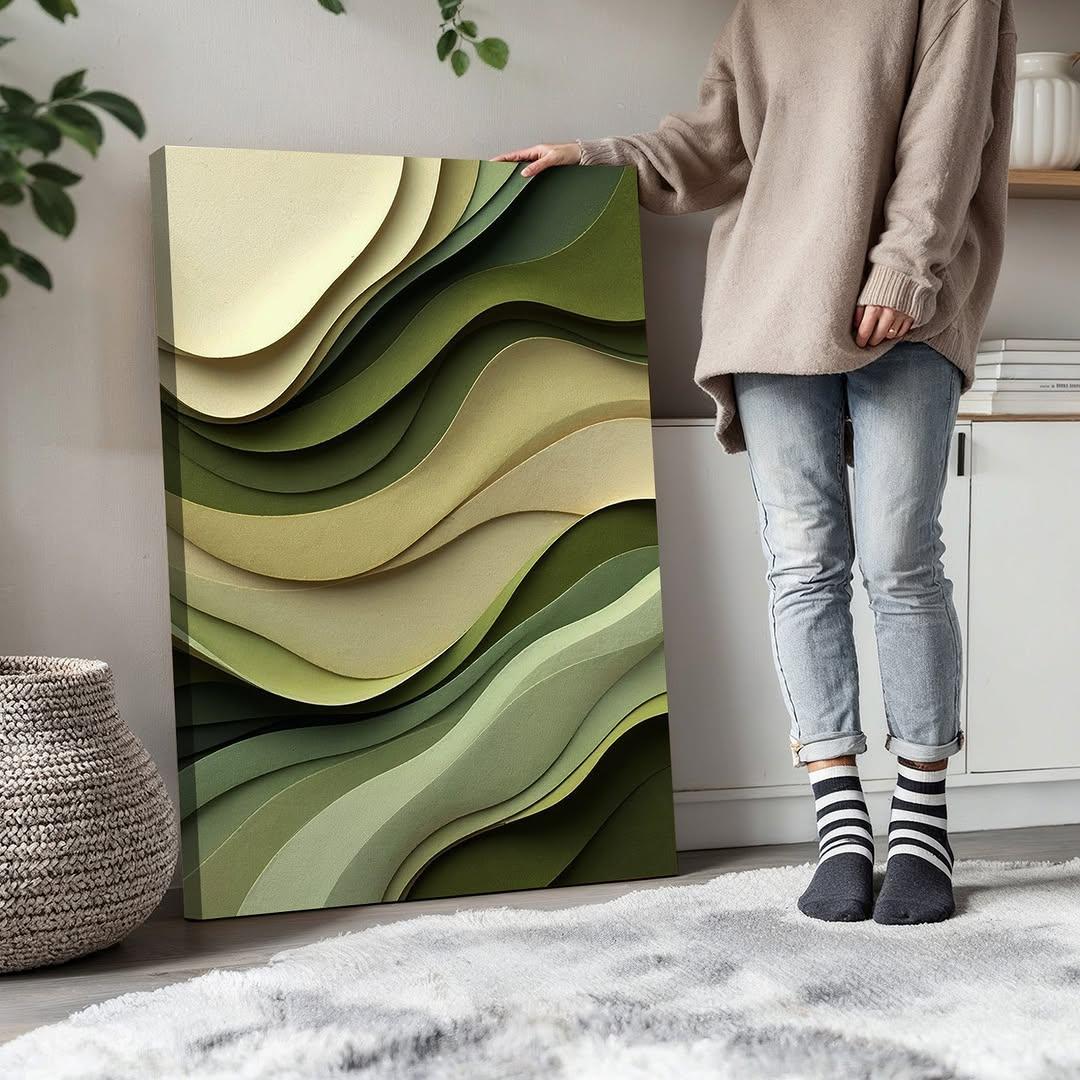
PH
Wall Art
The 2026 wall art trend in the Philippine market is defined by a sophisticated fusion of clean minimalism and a profound respect for natural, locally-sourced materials. This movement is driven by the desire to create personal, airy, and inviting living spaces that harmonize with the tropical climate and a growing consumer preference for sustainable and meaningful decor. The Filipino concept of "Maaliwalas," meaning bright, clear, and open, is a cornerstone of this trend, promoting a "less-is-more" philosophy. This translates into a focus on warm minimalism, where simple lines and neutral palettes are enriched with texture, organic forms, and personal touches, resulting in interiors that are both stylish and deeply authentic. This overarching trend manifests in several key themes that emphasize nature and heritage. Biophilic Abstract Wall Art brings the outdoors in with earthy palettes and organic shapes, aligning with the "Maaliwalas" ideal and the global wellness movement. Similarly, Textured Weave Wall Art, featuring handmade pieces from local fibers like abaca and rattan, adds warmth, tactility, and artisanal character. A significant cultural component is seen in Modern Filipino Wall Art, which reinterprets indigenous patterns and traditional craftsmanship for contemporary homes, satisfying a growing nostalgia and desire to celebrate local heritage while supporting local artisans. Complementing the organic and cultural themes are styles that embrace modern simplicity and industrial aesthetics. Minimalist Line Art, with its clean lines and focus on negative space, perfectly embodies the "less is more" principle, offering a versatile and affordable way to achieve a sophisticated look. On the other end of the textural spectrum, Industrial Metal Wall Art introduces a sleek, sculptural element with materials like steel and chrome. This style aligns with the durability needed for the humid climate and provides a polished contrast to softer, natural elements, catering to urban and modern glam interiors. Together, these diverse themes offer a comprehensive toolkit for creating intentional, personal, and stylish spaces in 2026.
Explore →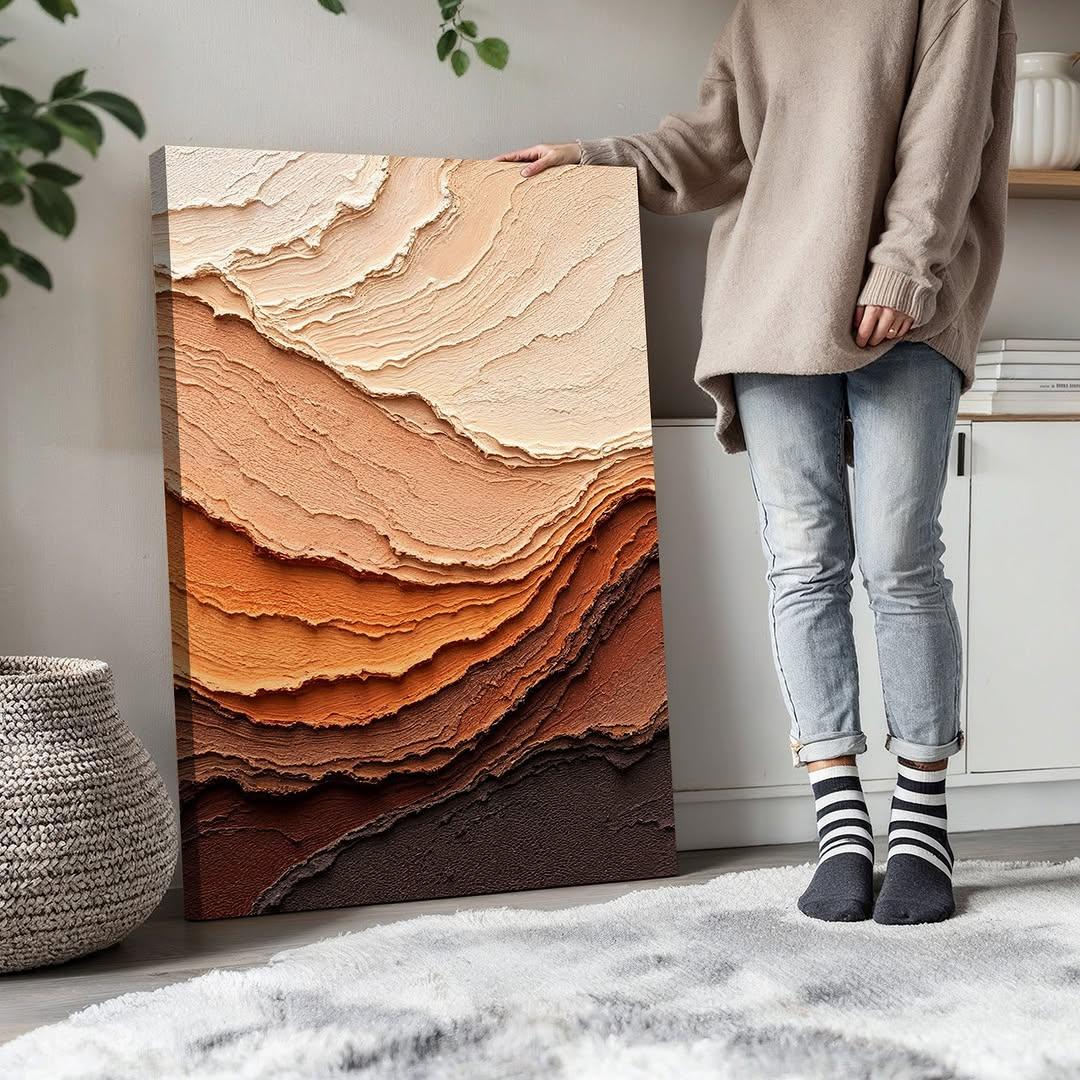
US
Wall Art
In 2026, the trend for wall art in the US market is shifting towards a more intentional and personal aesthetic, with minimalist styles evolving significantly. The era of stark, cold minimalism is giving way to "soft modern" or warm minimalism, which emphasizes comfort, texture, and emotional connection. This new wave of minimalist framed wall art focuses on creating serene and balanced living environments. Key characteristics include the use of warm neutral color palettes—think sand, clay, and oat—along with gentle, organic forms and subtle textures that add depth without visual clutter. Biophilic design continues to be a major influence, with nature-inspired art that is more abstract and suggestive rather than literal. There is a growing appreciation for art that feels human and imperfect, such as pieces with visible brushstrokes or freehand sketches. Ultimately, the trend for minimalist wall art framed is moving towards creating spaces that feel curated, personal, and emotionally resonant, offering a sense of calm in a visually noisy world.
Explore →