
Home Decor · PH
Bowl trends
Explore the themes shaping this product market.
Themes
5
Market
PH
Trend observations
53
PH
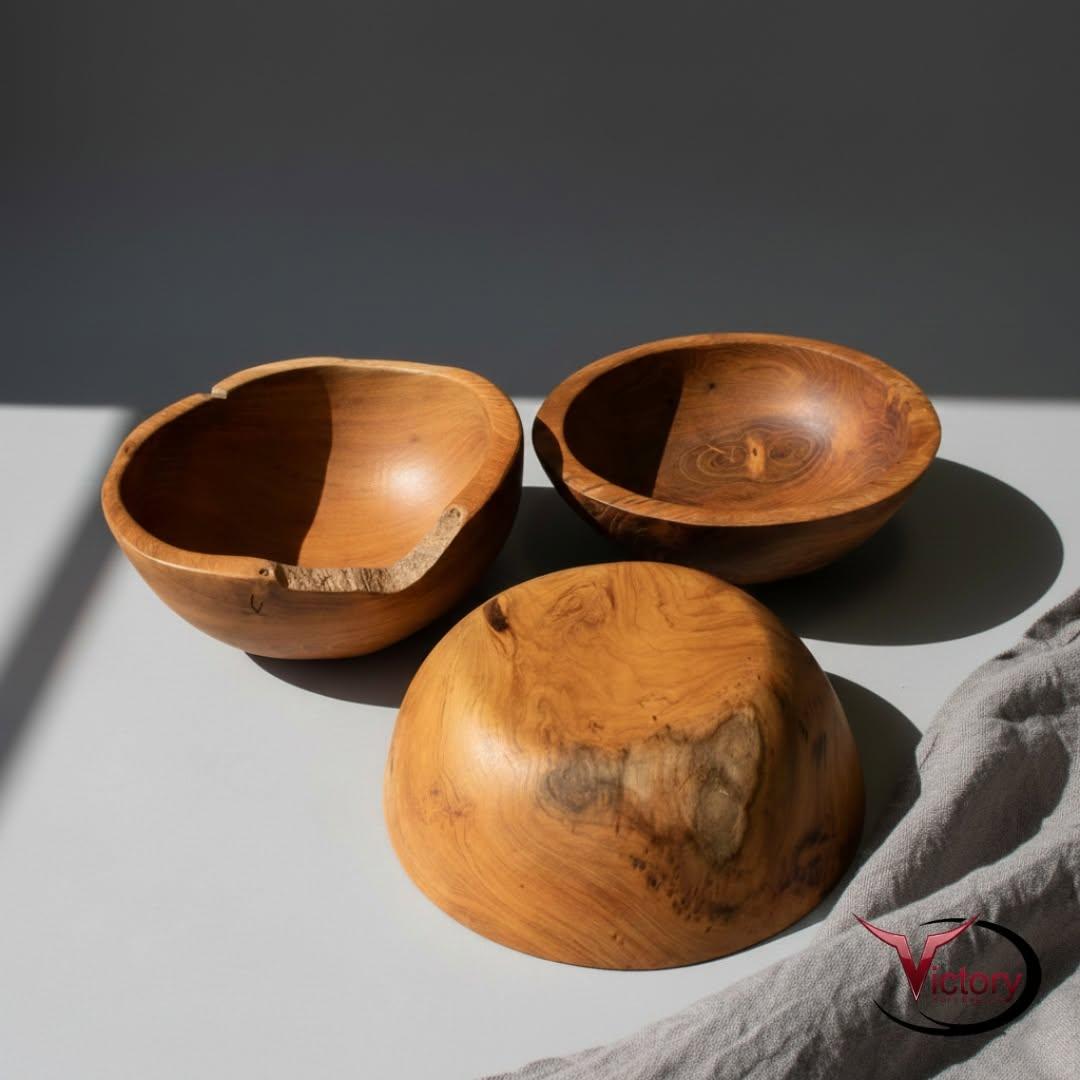
Artisan Wooden Bowls
- These are handcrafted bowls made from local woods like acacia, teak, and mahogany. - They often feature the natural grain and imperfections of the wood, celebrating organic forms. - Styles range from rustic `modern dough bowl decor` to more polished, sculptural pieces. - Many are created by local artisans, aligning with the trend of supporting local craftsmanship.
Explore →PH
Functional Decor Bowls
- This theme focuses on using `modern decorative bowls` for practical, everyday purposes that are also aesthetically pleasing. - Examples include using a `modern dough bowl decor` to hold fresh fruit on a kitchen counter or a stylish bowl as a catch-all in an entryway. - Materials are diverse, ranging from wood and ceramic to glass and metal. - The styling is often simple, allowing the contents of the bowl to be part of the decor.
Explore →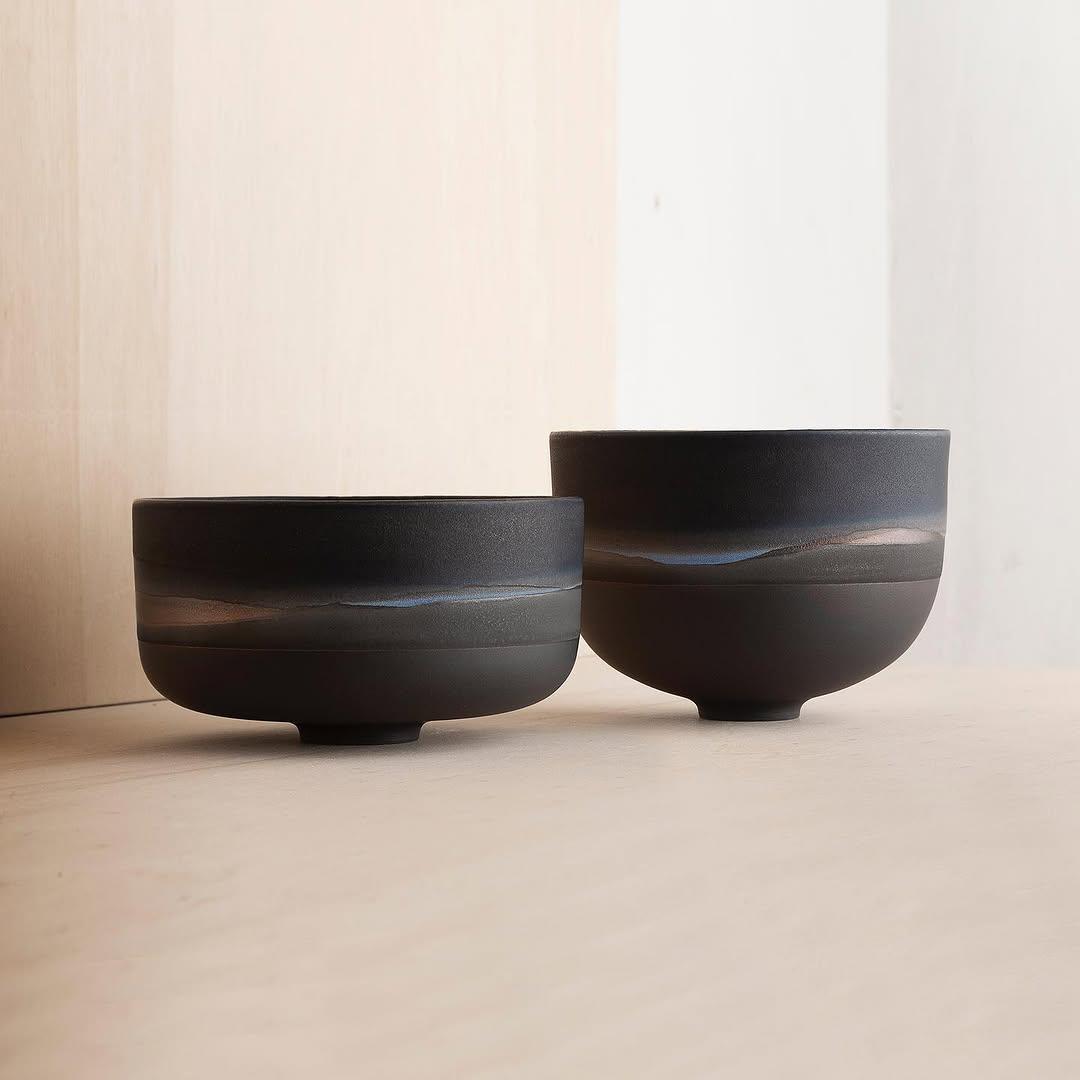
PH
Matte Black Ceramic Bowls
- These are ceramic or terracotta bowls with a non-glossy, matte black finish. - They often feature minimalist, modern, or even brutalist-inspired designs with clean lines or textured surfaces. - Shapes can be both classic round forms or more contemporary, abstract, and sculptural silhouettes. - A `modern black decorative bowl` can serve as a bold, sophisticated accent piece in a room.
Explore →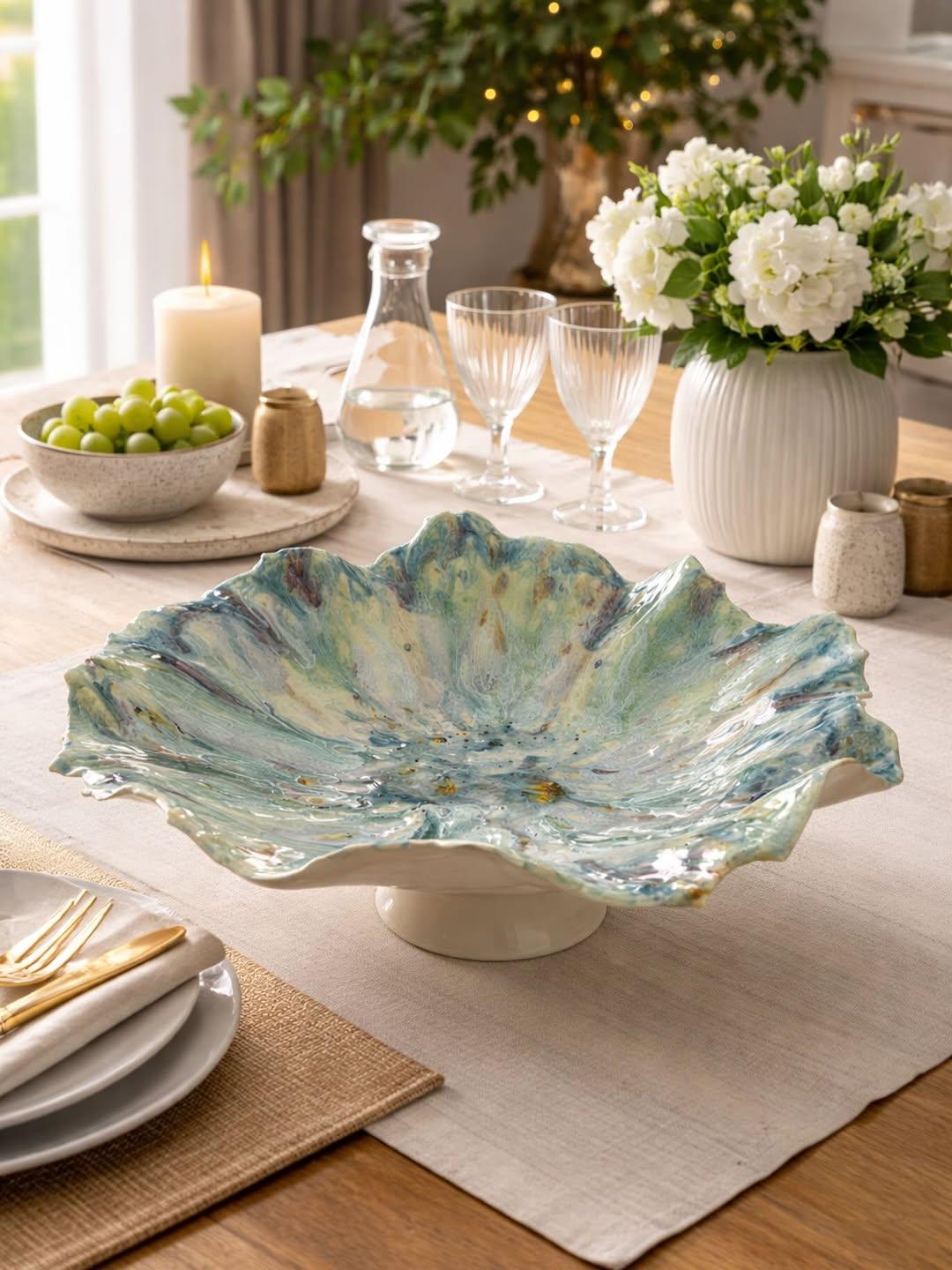
PH
Sculptural Pedestal Bowls
- These are decorative bowls elevated on a foot or base, also known as footed or presentation dishes. - Materials range from earthenware and ceramic to modern interpretations in concrete or metal. - The design often emphasizes the form, creating a sculptural object that can stand alone as decor. - Historically used for ceremonial purposes in the Philippines, they are now being adopted in modern home decor.
Explore →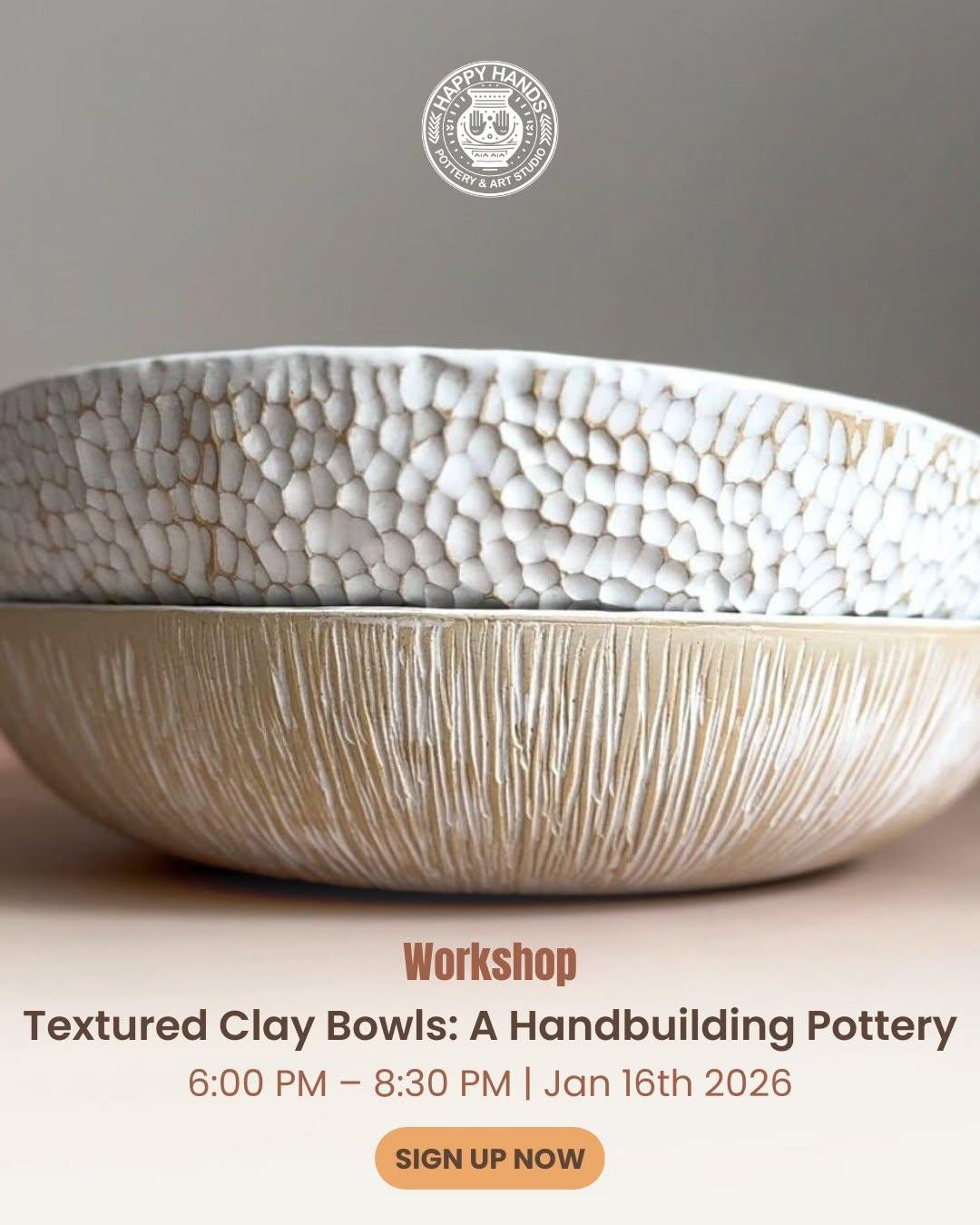
PH
Textured Earthenware Bowls
- These bowls are made from natural clays like terracotta and earthenware, often with a visible, tactile texture. - Finishes can include reactive glazes, ribbed or fluted surfaces, and raw, unglazed portions. - Colors are typically earthy, including terracotta, clay, and creamy neutrals. - The style aligns with a wabi-sabi aesthetic, embracing imperfection and natural beauty.
Explore →