
Nutrition & Supplements · BR
Protein Powder trends
The Brazilian protein powder market in 2026 is evolving from a niche for athletes to a mainstream wellness category, driven by a consumer base that is increasingly focused on health, practicality, and scientific validation. A significant trend is the demand for plant-based protein powders, with ingredients like pea and rice protein gaining popularity among vegans, vegetarians, and those with lactose intolerance. Flavor innovation is a key competitive differentiator, with a strong movement towards gourmet flavors and collaborations with iconic food brands to create nostalgic and indulgent experiences, such as Dadinho and Paçoquita. Consumers are also seeking clean label products, prioritizing natural ingredients, and showing interest in grass-fed whey protein. Furthermore, there is a growing demand for functional protein powders enriched with ingredients like collagen, aimed at specific demographics such as women, or nootropics for cognitive benefits, reflecting a broader shift towards supplements that support longevity and overall well-being. This diversification of products indicates the market's maturation, catering to a wider audience beyond just muscle gain, including goals like weight management and healthy aging. This market maturation is also evident in the variety of protein blends available, such as 3W formulas that combine different types of whey for multi-phase absorption, appealing to consumers seeking maximum efficiency. The overall picture is one of a sophisticated market where experience, transparency, and targeted functionality are just as important as the basic nutritional profile. Brands that can successfully merge indulgence with health, and science with natural ingredients, are poised to lead in this dynamic landscape.
Themes
5
Market
BR
Trend observations
53
BR
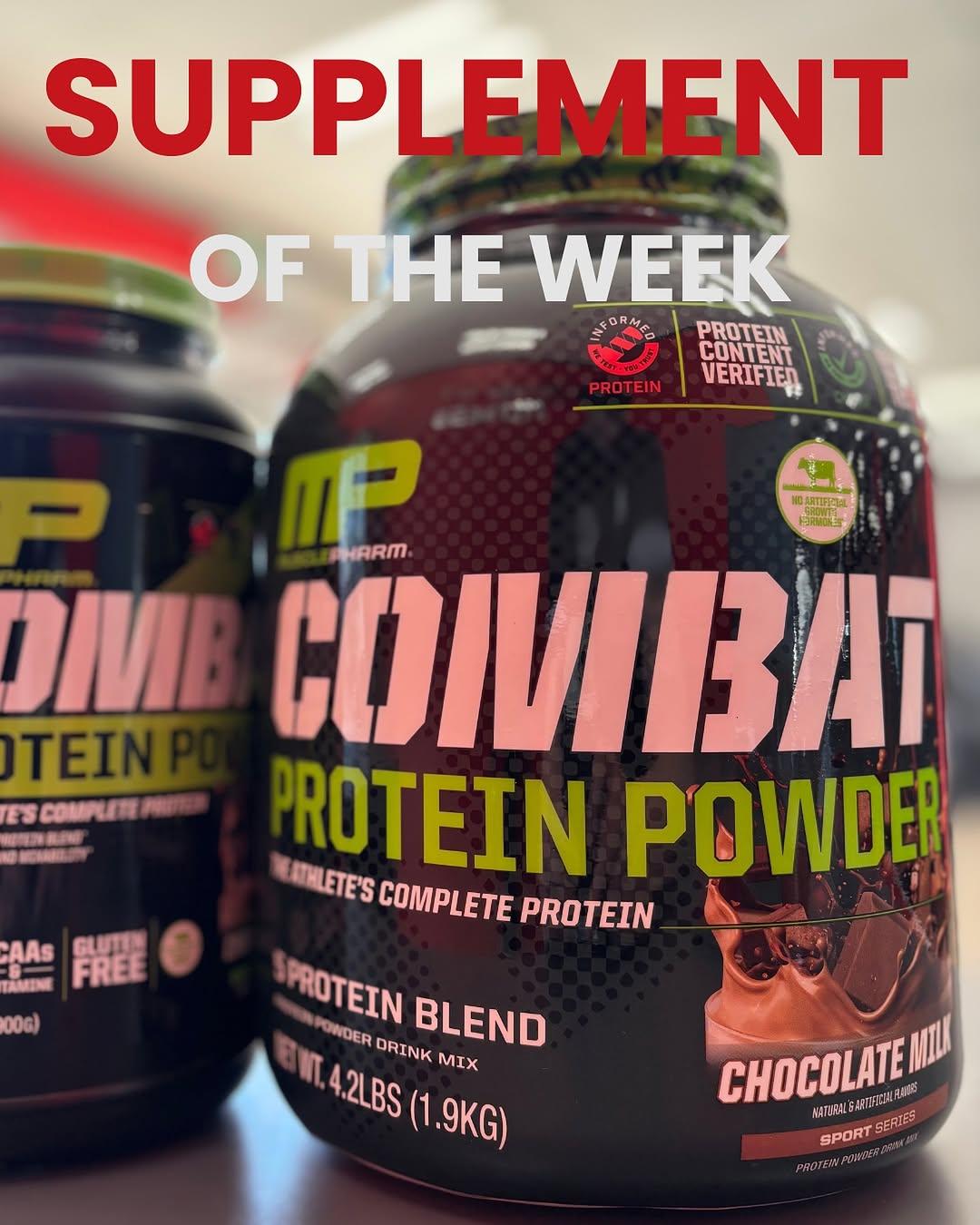
Blended Source Protein Powder
- Blended protein powders, particularly "3W" formulas, combine whey protein concentrate (WPC), isolate (WPI), and hydrolysate (WPH). - This blend provides a multi-phase absorption profile with fast-acting and slower-digesting proteins. - The combination is designed for quick post-workout recovery and sustained amino acid release. - Some blends also mix whey with other sources like casein or plant proteins to create a versatile supplement.
Explore →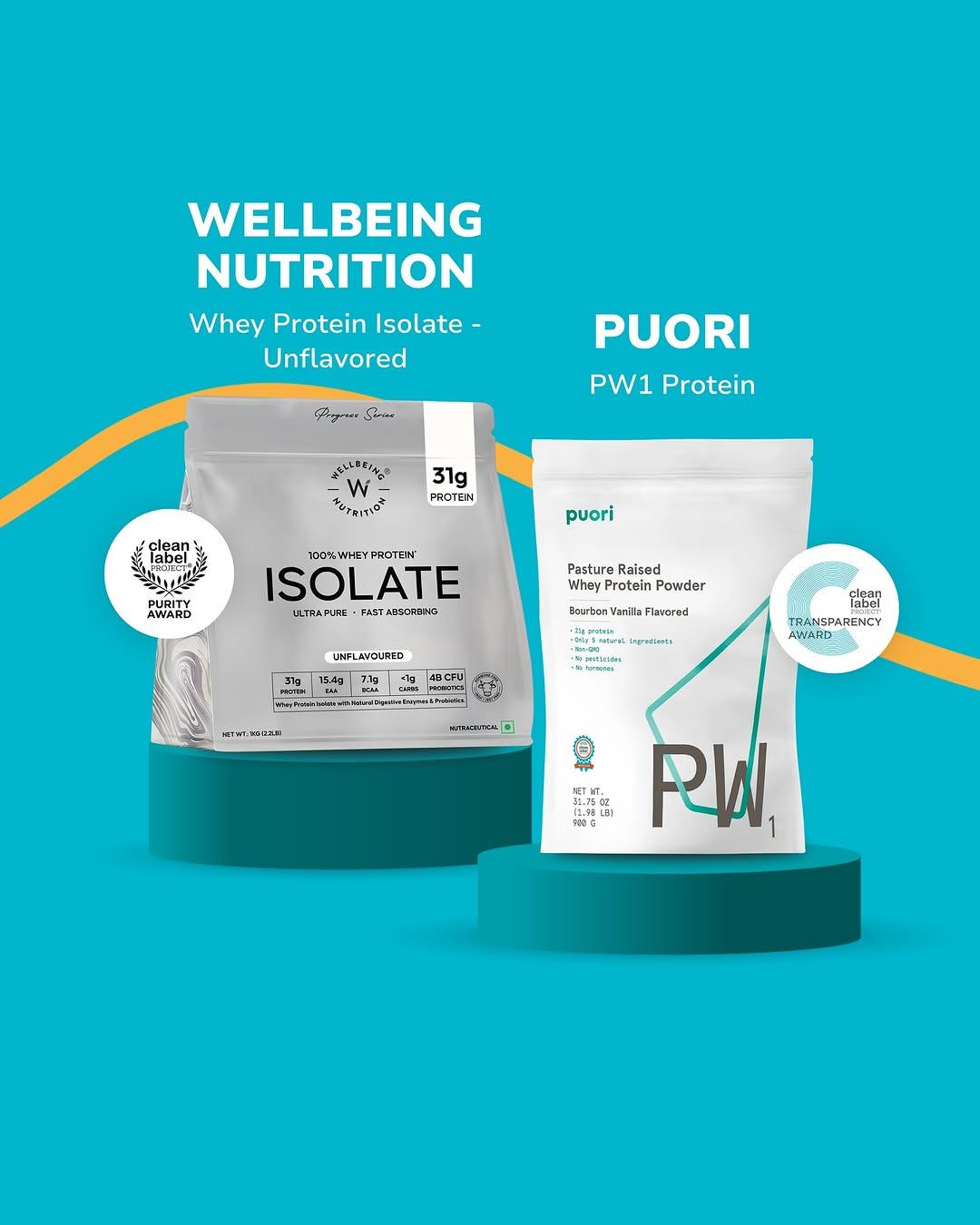
BR
Clean Label Protein Powder
- This trend reflects a consumer demand for transparency and simplicity in ingredients. - These protein powders are characterized by the absence of artificial sweeteners, colors, flavors, gluten, and GMOs. - A prominent product is grass-fed whey, sourced from pasture-raised cows not treated with hormones or antibiotics. - The emphasis is on natural, minimally processed ingredients that consumers can easily recognize and trust.
Explore →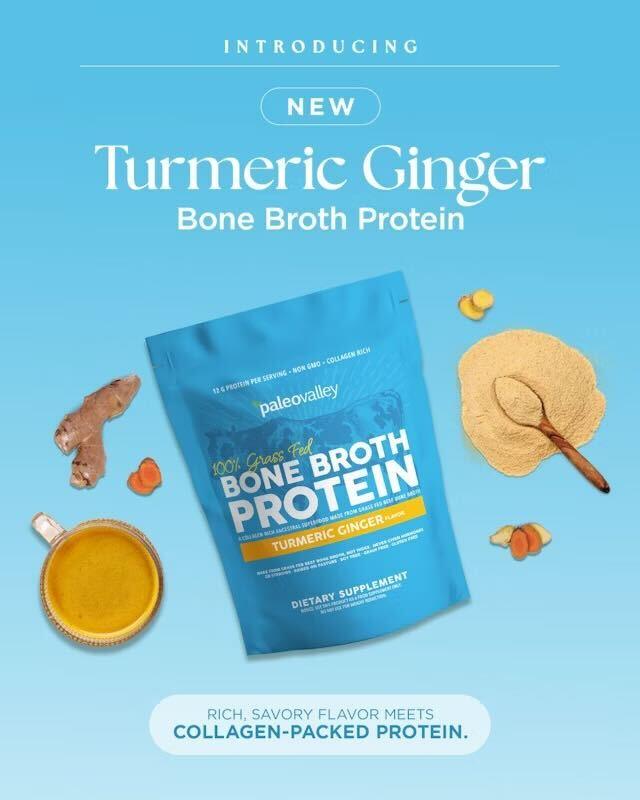
BR
Functional & Enriched Protein Powder
- This trend involves enhancing protein powders with additional functional ingredients to offer targeted health benefits beyond muscle building. - A popular sub-trend is protein powder for women, often enriched with collagen to support skin, hair, and nail health. - Other formulations include ingredients aimed at longevity and active aging, or nootropics for improved cognitive performance, focus, and stress management. - These products align with a holistic view of health where supplementation supports overall vitality.
Explore →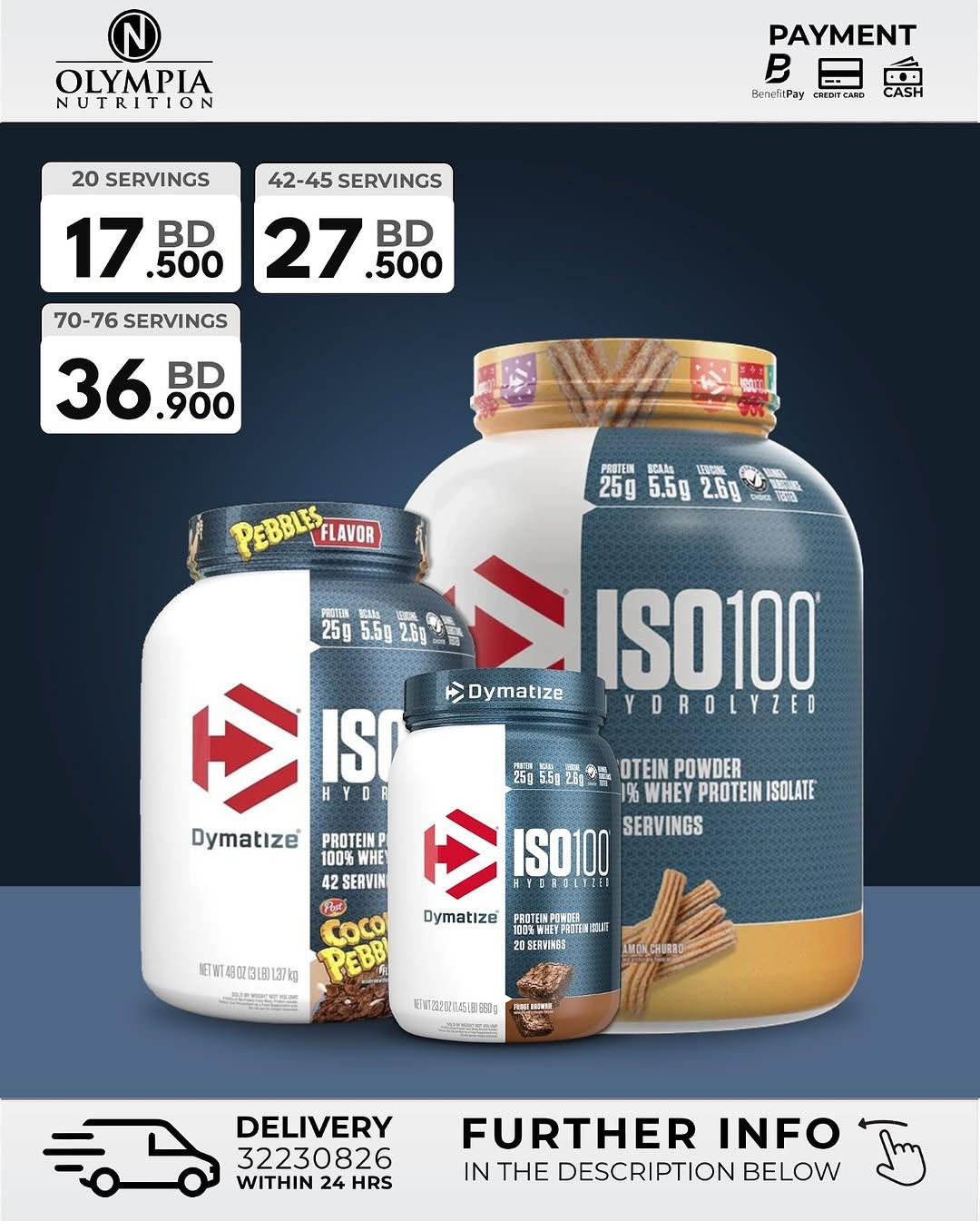
BR
Gourmet Flavored Protein Powder
- This trend centers on elevating the protein consumption experience by moving beyond basic flavors. - Brands are innovating by launching gourmet and indulgent flavor profiles like Belgian chocolate, chocomaltine, and vanilla milkshake. - A key strategy involves collaborations with well-known food brands to create unique protein powders with nostalgic tastes. - This approach transforms a functional supplement into a pleasurable treat, making consistent protein intake more enjoyable.
Explore →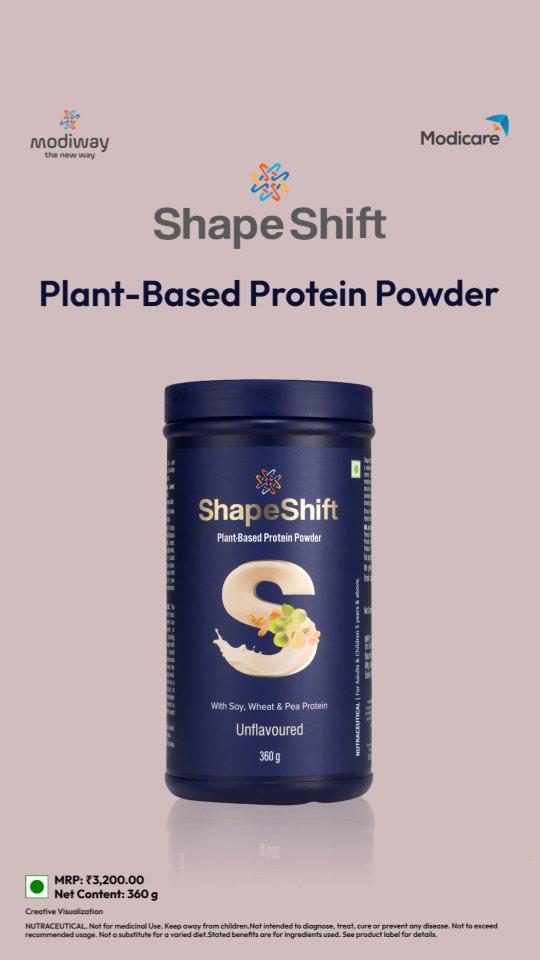
BR
Plant-Based Protein Powder
- The plant-based protein powder segment offers alternatives to traditional dairy-based whey. - These products are typically formulated from sources like peas, rice, soy, and sometimes hemp or peanuts. - Brands are focusing on creating complete amino acid profiles by blending different plant proteins to ensure they are effective for muscle repair and growth. - Many are also clean label, free of gluten, lactose, and artificial additives, catering to health-conscious consumers.
Explore →