
Trend category
Cosmetics
Select a product query to review its market data and emerging themes.
BR
Ampoule
The Brazilian ampoule market is set for a dynamic shift in 2026, embracing a "less is more" philosophy without compromising on efficacy. Upcoming trends point towards a surge in demand for highly concentrated, single-dose ampoules that deliver potent, targeted treatments. Both the skincare and haircare segments are influenced by the "skinification" trend, where ingredients and formats traditionally used for the face are being adapted for hair and scalp health. For facial care, consumers are seeking minimalist routines with maximum impact, driving the popularity of ampoules with powerhouse ingredients like Vitamin C for brightening, hyaluronic acid for intense hydration, and advanced bio-retinols and peptides for anti-aging. In haircare, the focus is on intensive repair and restoration, with ampoules designed to combat damage from chemical treatments, reduce frizz, and provide deep nourishment. Across the board, there is a growing consumer desire for products that offer visible, fast-acting results, positioning the ampoule as an essential component of the modern Brazilian beauty regimen.
Explore →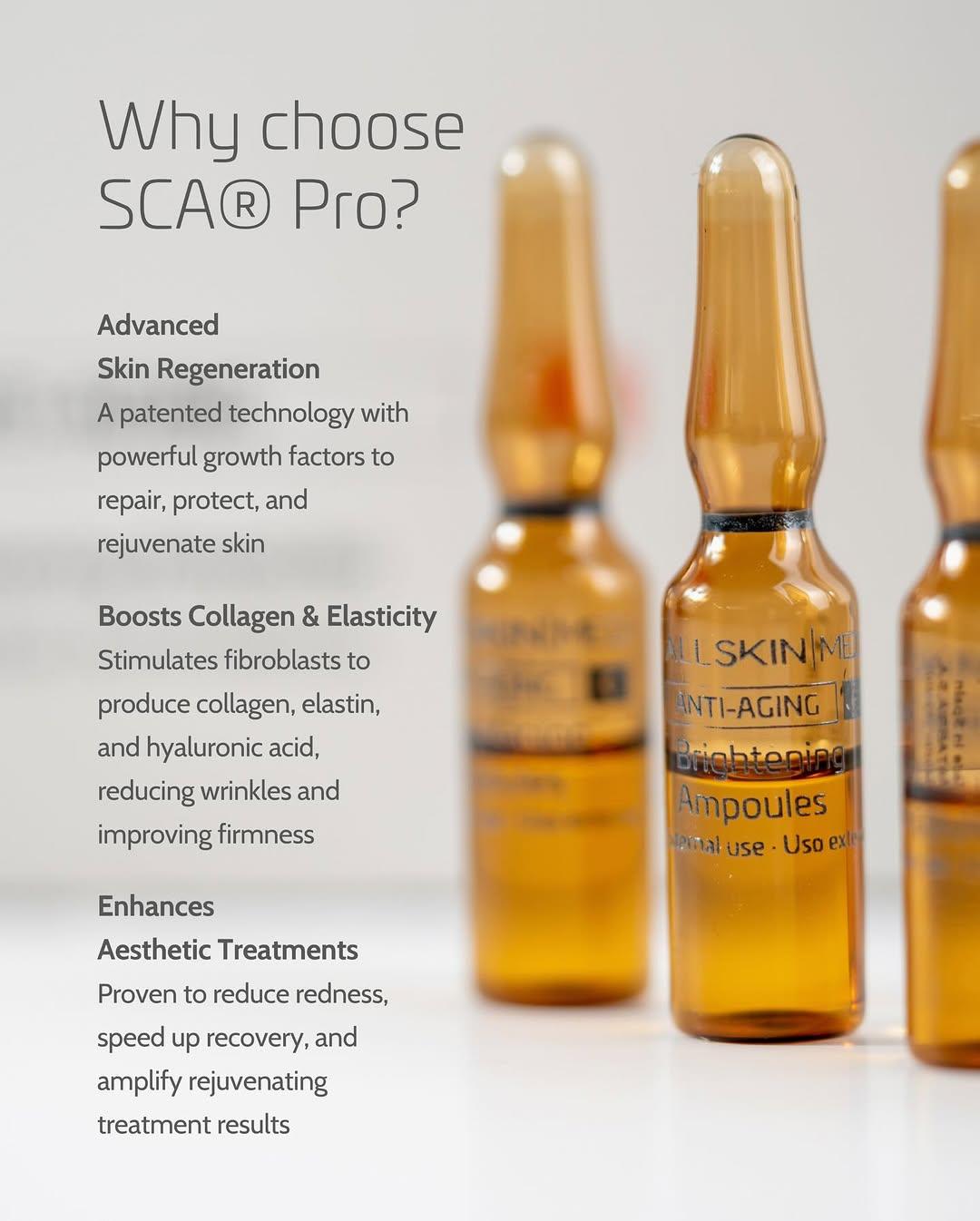
MX
Ampoule
The Mexican facial ampoule market is set for significant evolution, shaped by a blend of global innovations and local consumer desires. There is a growing demand for highly concentrated, effective, and fast-acting skincare solutions, with a primary goal of achieving a luminous and healthy-looking complexion. This reflects a broader shift towards products that deliver tangible and immediate benefits, catering to a consumer base that is increasingly knowledgeable about skincare ingredients and efficacy. A key trend driving this evolution is "skinimalism," which champions multi-functional products that provide visible results with fewer application steps. This minimalist approach is supported by advancements in biotechnology, including the use of lab-engineered and fermented ingredients designed for enhanced stability and absorption. The pervasive influence of K-beauty continues to introduce Mexican consumers to novel ingredients and concepts, particularly those focused on repairing the skin barrier and adopting a holistic view of skin health, moving beyond surface-level treatments to address the skin's fundamental needs. Furthermore, the market is seeing a growing appreciation for products that offer a rich sensorial experience and a connection to overall wellness. This has given rise to the emerging field of neurocosmetics, which focuses on the link between the mind and skin. Formulations featuring botanical ingredients, calming aromas, and pleasant textures are becoming more popular, as consumers seek skincare routines that double as mindful rituals, promoting relaxation and reducing the visible effects of stress.
Explore →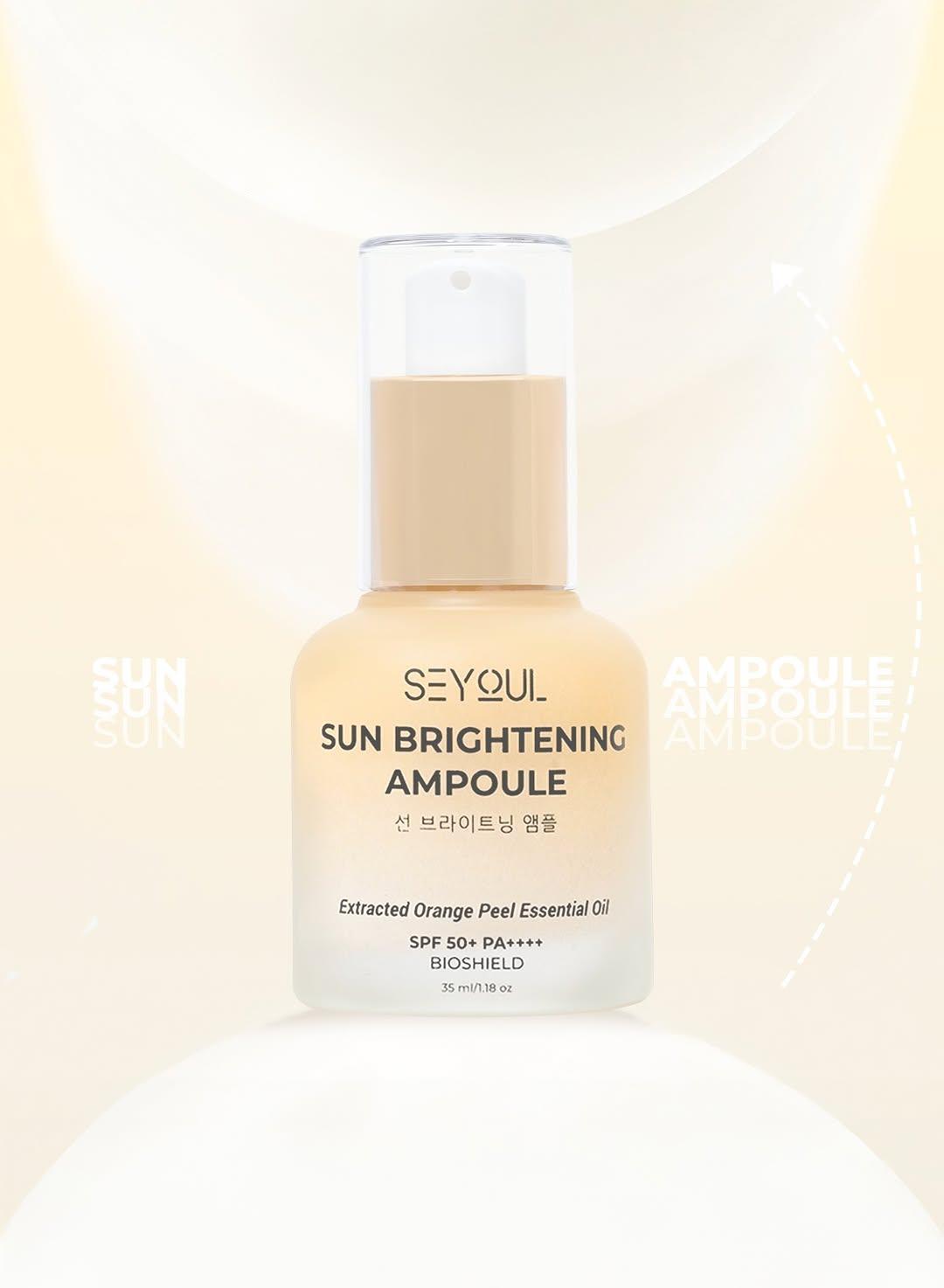
PH
Ampoule
The Philippine skincare market for ampoules in 2026 is defined by a dynamic interplay between enduring beauty ideals and emerging scientific frontiers. The persistent quest for "glass skin" continues to fuel strong demand for potent brightening ampoules, a trend heavily influenced by Korean beauty standards. Simultaneously, the country's tropical climate sustains a fundamental need for lightweight hydrating ampoules that provide essential moisture without feeling heavy, making them a staple for consumers in a humid environment. A significant shift towards "skinimalism" and a greater consumer understanding of skin health have brought barrier repair ampoules to the forefront. Consumers are increasingly prioritizing healing, protection, and strengthening the skin's natural defenses, moving away from harsh treatments. This health-centric mindset is also reshaping the consistent demand for anti-aging ampoules, with a growing emphasis on preventative care among younger demographics and the adoption of innovative, science-backed ingredients that promise clinic-grade results at home. The latest and most sophisticated evolution in this landscape is the rise of microbiome-balancing ampoules. This trend reflects a mature, health-oriented approach to skincare that focuses on nurturing the skin's natural ecosystem of beneficial bacteria. As consumers become more educated and seek science-driven solutions, products formulated with prebiotics, probiotics, and postbiotics are gaining traction, marking a move towards supporting the skin's intrinsic functions for long-term health and resilience.
Explore →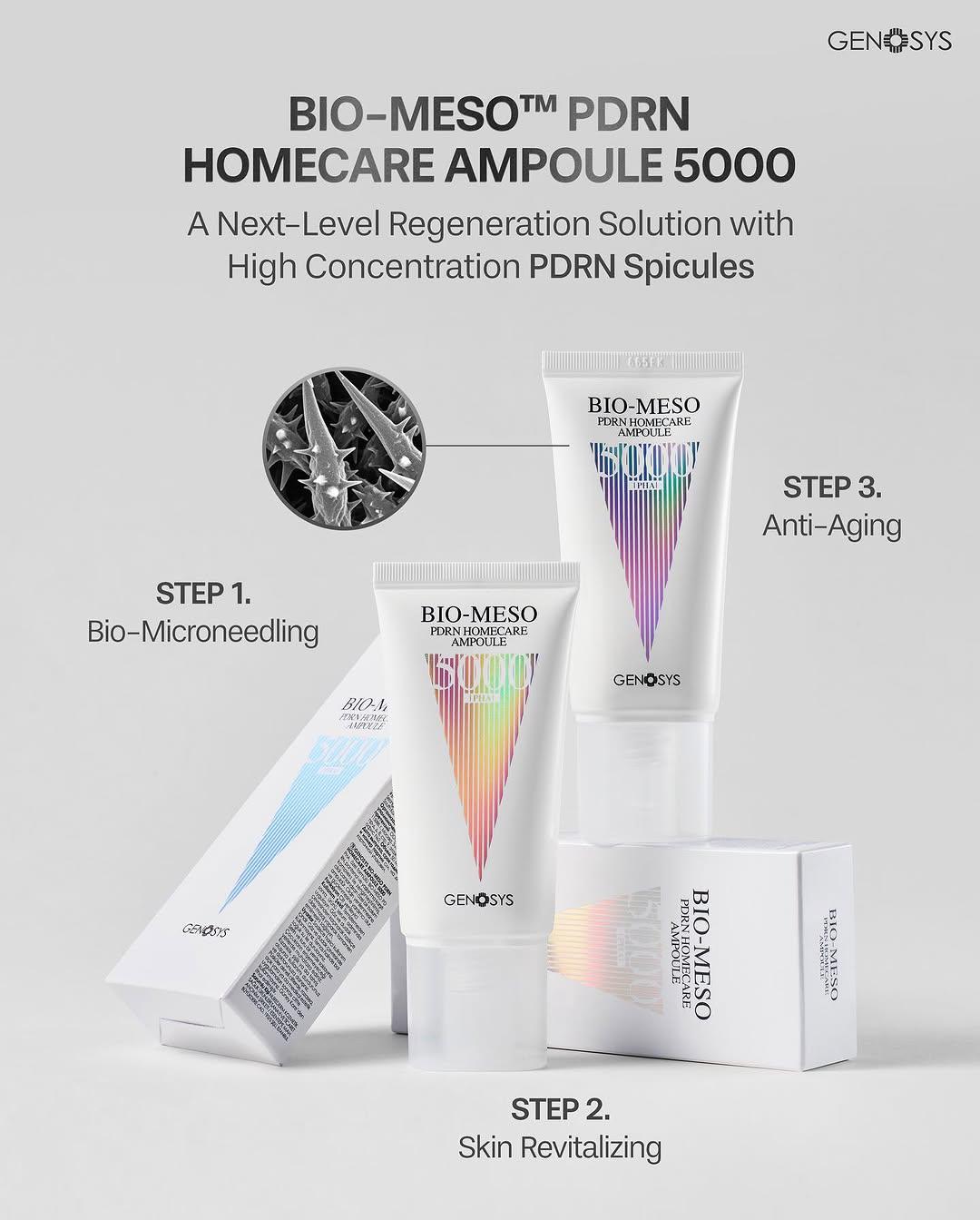
US
Ampoule
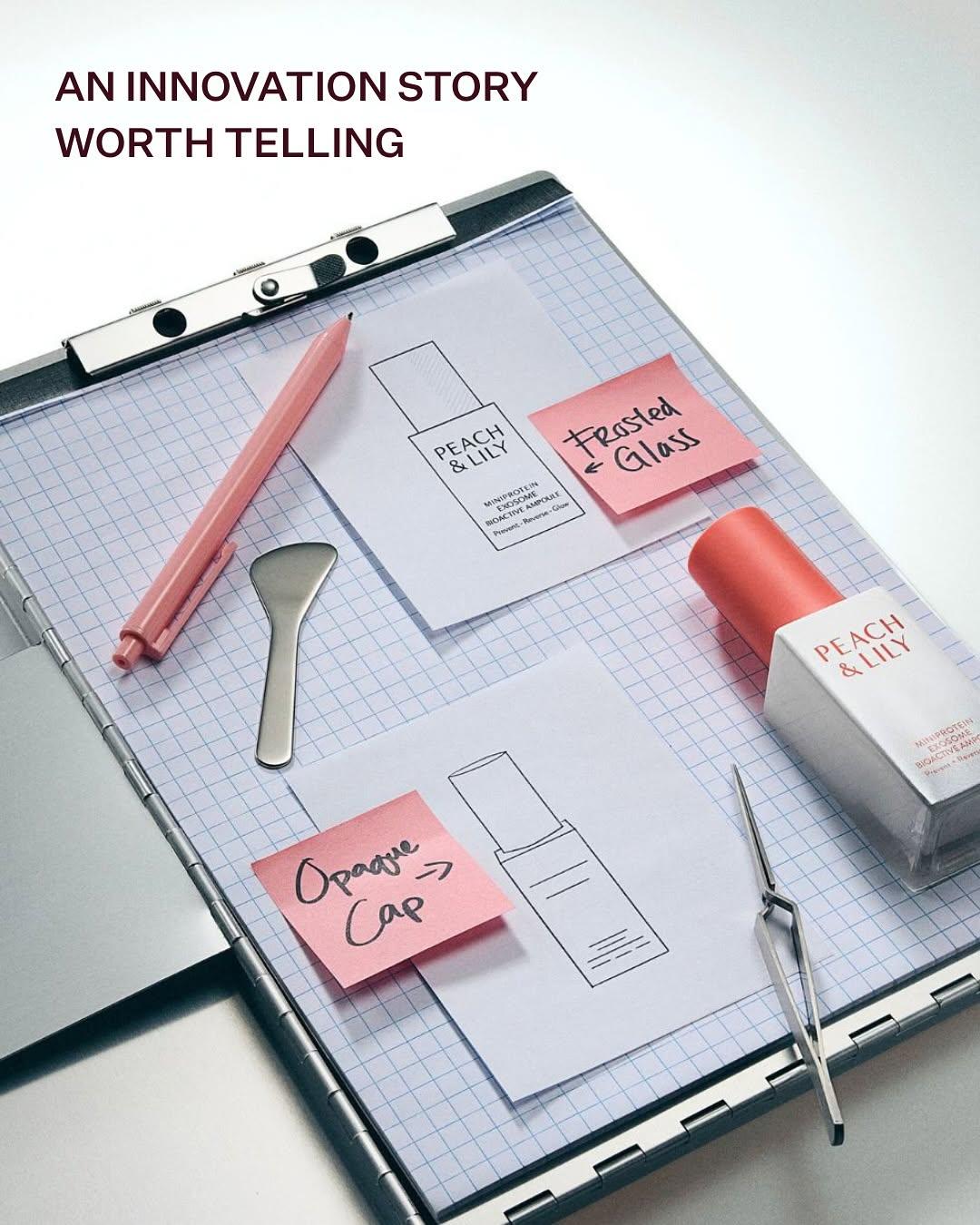
As we move into 2026, the ampoule market in the United States is characterized by a demand for highly concentrated, targeted treatments that deliver professional-level results at home. Consumers are gravitating towards "skinimalism," favoring potent, single-dose ampoules over complex, multi-step routines. This trend is heavily influenced by K-beauty innovations, which introduce advanced biotech ingredients like PDRN (salmon DNA), exosomes, and multi-peptide complexes to the forefront. There is a significant movement towards pairing these powerful formulations with at-home beauty devices, particularly microneedling pens, to enhance ingredient absorption and efficacy. Sustainability is a key purchasing driver, with a strong preference for eco-conscious packaging, including refillable systems and recyclable glass and mono-material plastics. Ampoules designed for barrier repair, featuring ingredients like ceramides, cica, and beta-glucans, are also gaining traction, addressing skin sensitivity and stress for the upcoming winter season. Personalization is another major trend, with consumers seeking customized ampoule sets that target specific and evolving skin concerns, from anti-aging to brightening.
Explore →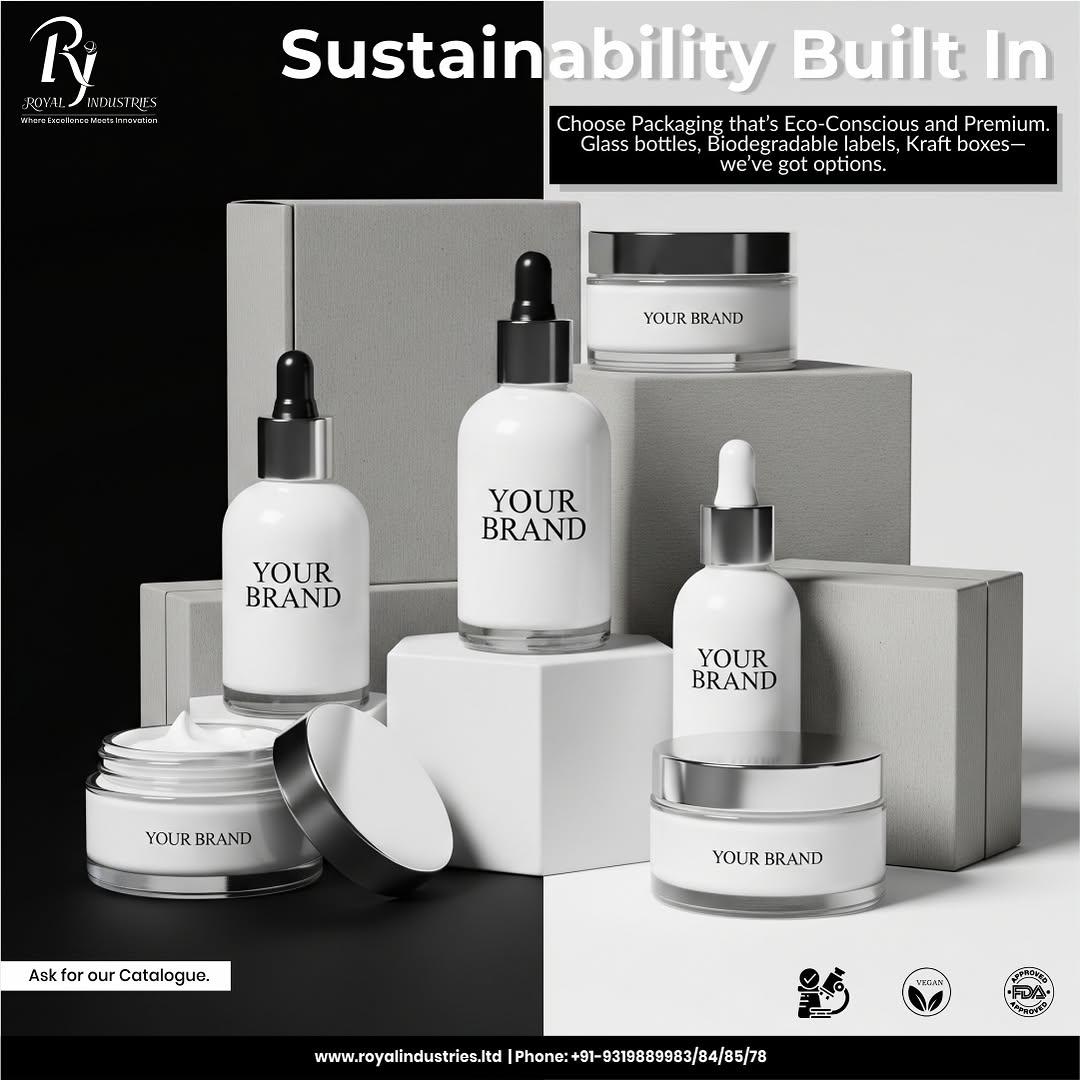
BR
Cosmetic Bottlles
The Brazilian cosmetic bottle market is undergoing a significant transformation heading into 2026, driven by a conscious consumer base that prioritizes sustainability and innovation. A major trend is the move towards eco-friendly packaging, with a high demand for materials such as recycled plastics (PCR), glass, aluminum, and other biodegradable options. Brands are expected to adopt these materials not only to reduce their environmental footprint but also to appeal to eco-conscious consumers. Alongside sustainability, there is a growing preference for minimalist and "quiet beauty" aesthetics, which emphasize simplicity and product efficacy. Personalization is another key driver, with technologies like AI and QR codes being integrated into packaging to offer consumers a more customized and interactive experience. For the luxury market, premium materials like glass are gaining prominence, communicating sophistication and preserving complex formulas. Furthermore, functionality is being redefined with smart designs like airless pumps, refillable systems, and even larger "jumbo" sizes that offer both economic and environmental benefits. In essence, the Brazilian cosmetic bottle market is evolving to be more environmentally responsible, technologically integrated, and aesthetically refined. The key to success for brands will be to balance these elements, offering packaging that is not only beautiful and functional but also aligns with the values of a modern, discerning consumer. This means a future where packaging is an integral part of the product's story, communicating sustainability, luxury, and innovation in equal measure.
Explore →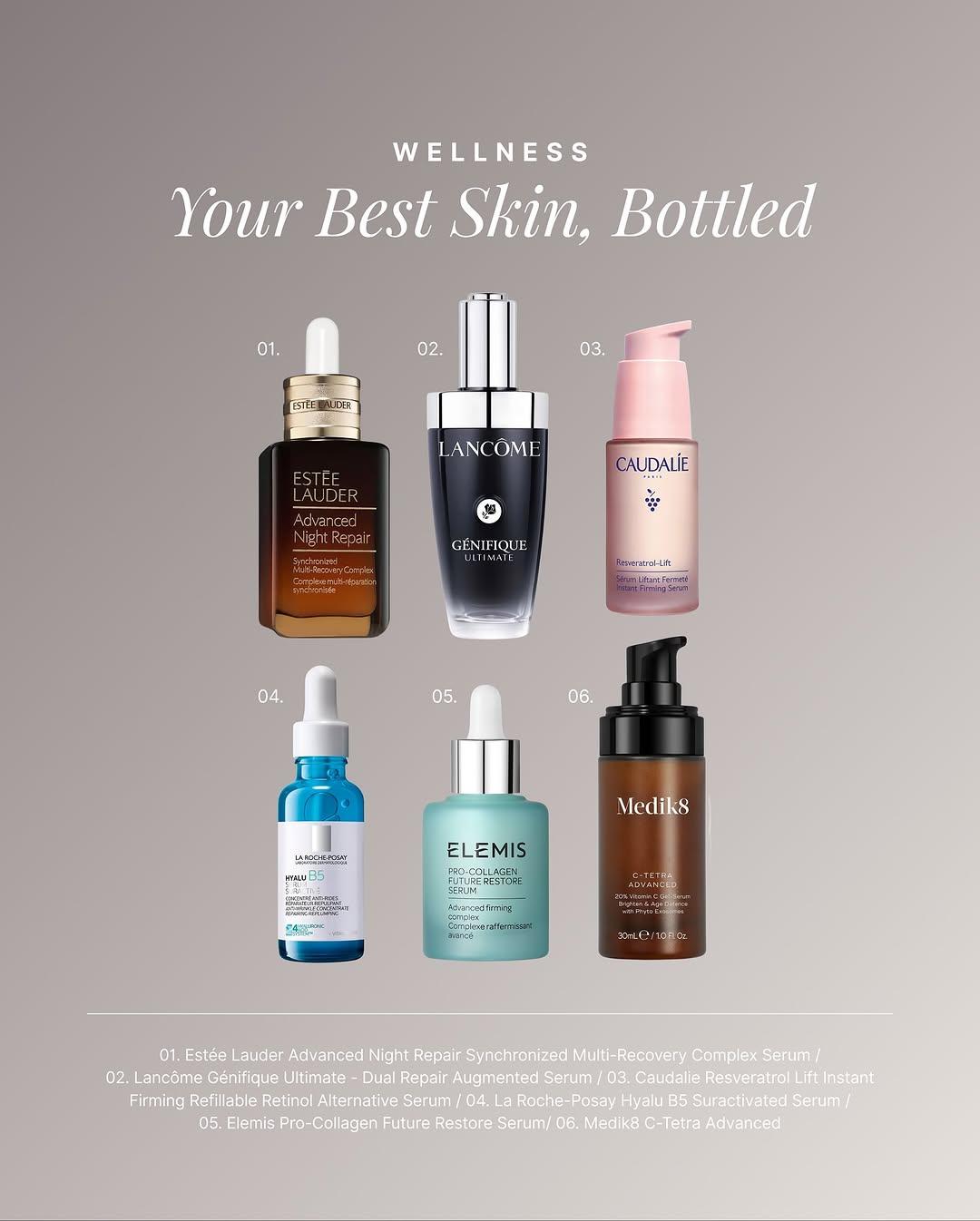
MX
Cosmetic Bottlles
The cosmetic bottle market in Mexico is set for a significant evolution by 2026, primarily driven by a powerful consumer movement towards sustainability and a preference for sophisticated, minimalist aesthetics. Brands are facing increasing pressure, especially from the influential Gen Z demographic, to adopt more environmentally responsible practices. This has led to a fundamental rethinking of packaging, with a focus on materials and designs that reduce environmental impact while still conveying a sense of luxury and maintaining strong brand identity. The demand for transparency in sourcing and materials is a key factor shaping these emerging trends. In response to these demands, two major material-focused trends are gaining prominence: refillable systems and recycled PET. Refillable bottles, often featuring a durable, premium outer case with replaceable inner cartridges, are becoming popular as they reduce single-use waste and foster long-term customer loyalty. Simultaneously, the use of post-consumer recycled (PCR) PET is on the rise, offering a scalable and circular solution that leverages Mexico's robust recycling infrastructure. These eco-conscious choices allow brands to meet consumer expectations for sustainability without sacrificing the quality or appearance of their packaging. Aesthetically, the market is bifurcating to serve different consumer desires. The "skinimalism" movement has fueled a trend for minimalist bottle designs, characterized by clean lines, simple typography, and gender-neutral forms that communicate efficacy and honesty. In the luxury sector, sculptural glass bottles are becoming statement pieces, valued for their artistic, architectural forms and premium feel. Furthermore, technology is being integrated into packaging, with smart and interactive bottles using QR codes and other digital features to provide consumers with deeper product information, enhancing brand transparency and engagement.
Explore →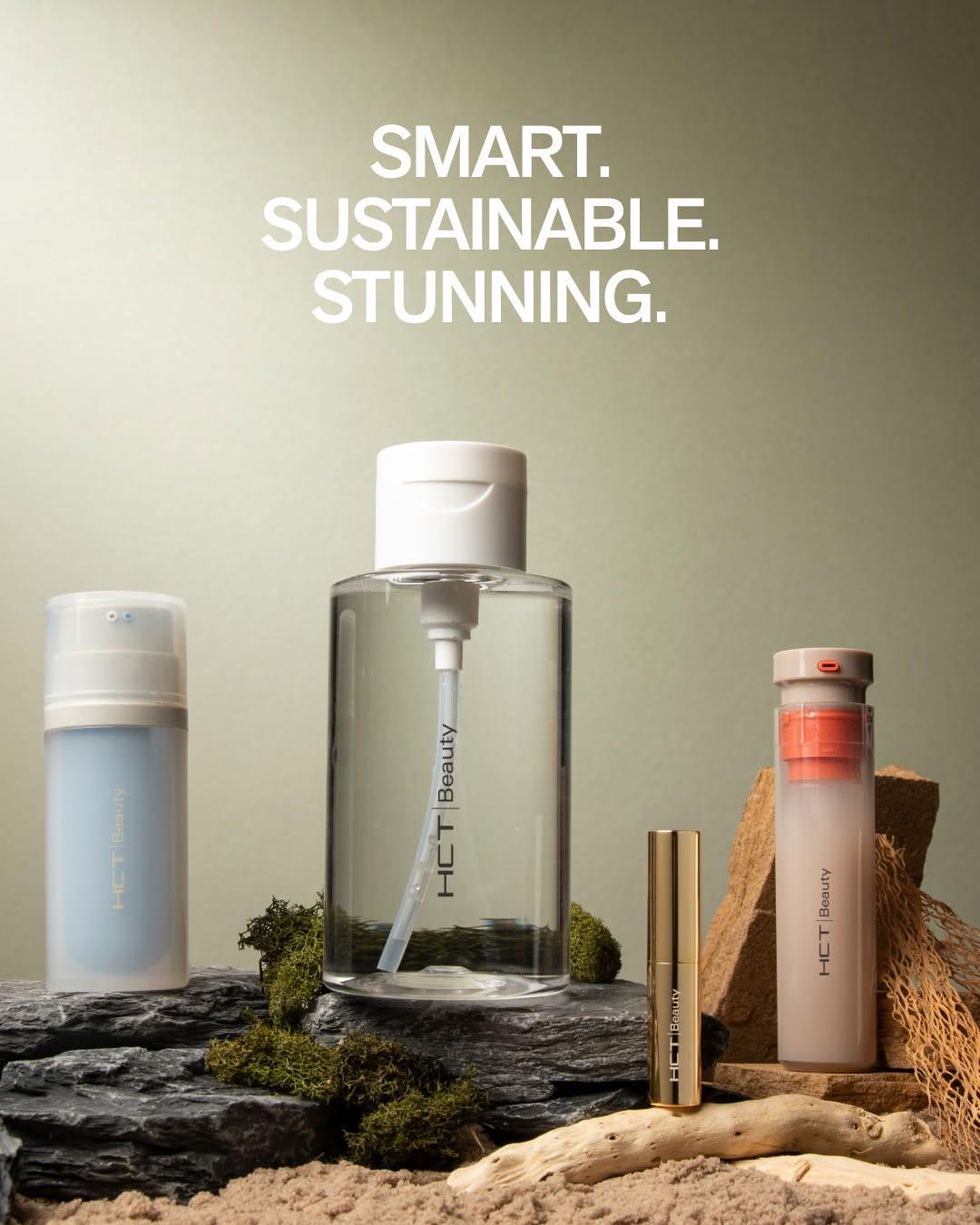
PH
Cosmetic Bottlles
The Philippine cosmetic market in 2026 will see a surge in demand for sustainable cosmetic packaging, with a strong emphasis on refillable cosmetic packaging and the use of eco-friendly materials like biodegradable plastics and recyclable glass and aluminum. This shift is propelled by a growing eco-consciousness among Filipino consumers. Alongside sustainability, a "less is more" philosophy will take hold, with minimalist cosmetic packaging becoming synonymous with luxury and quality. Expect to see clean designs, soft pastel color palettes, and a focus on high-quality materials that enhance the tactile experience. Functionality will also be key, with airless pump bottles gaining popularity for their ability to preserve product integrity and minimize waste. Furthermore, the rise of e-commerce is putting a spotlight on the importance of the unboxing experience, making "Instagrammable" and durable packaging a vital marketing tool. Personalization and customization will also emerge as a significant trend, allowing consumers to connect with brands on a deeper level.
Explore →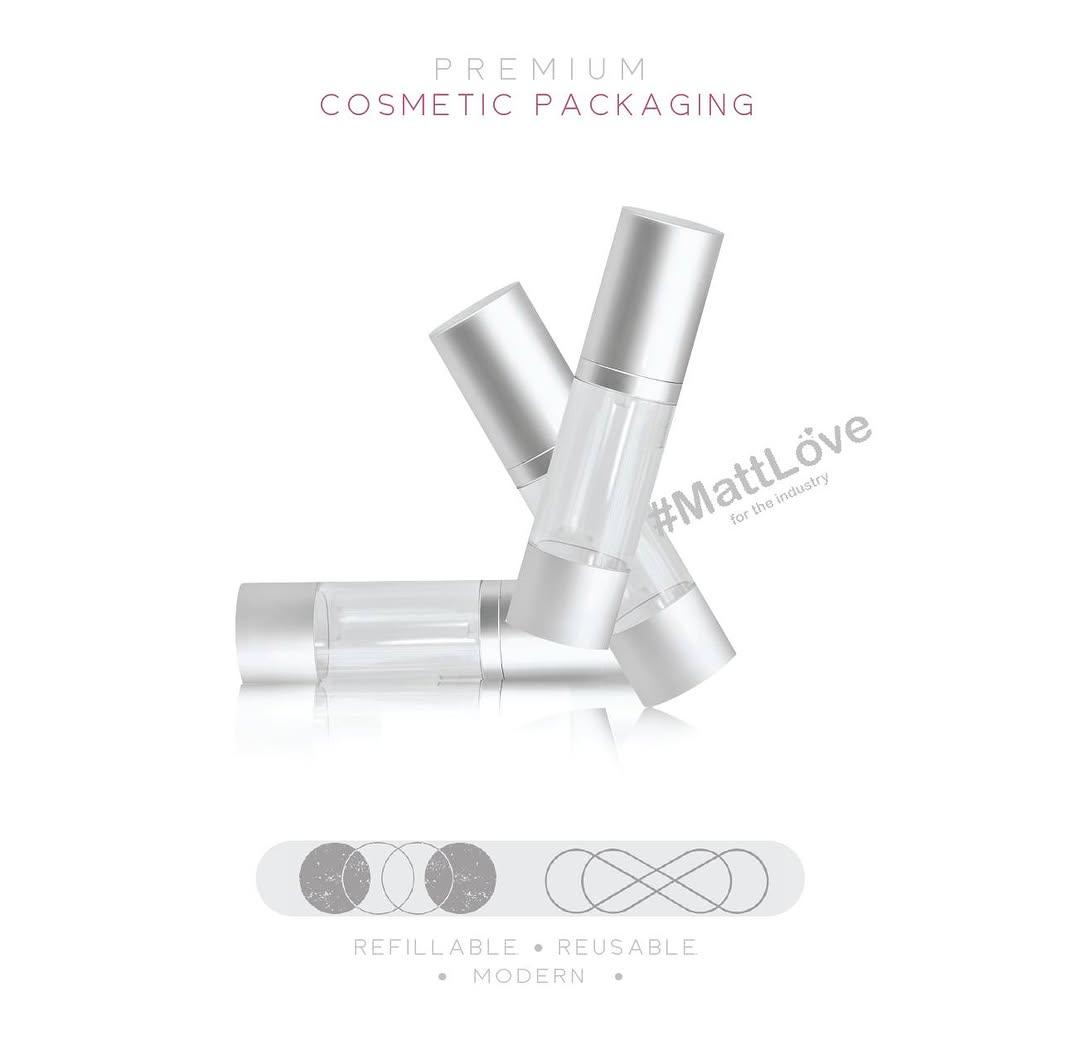
US
Cosmetic Bottlles
The US cosmetic bottle market in 2026 is undergoing a significant transformation, driven by a convergence of sustainability, technology, and sophisticated design. A primary focus is on "Sustainability 3.0," which moves beyond basic recycling to embrace a fully circular economy. This includes the rise of elegant refillable and reusable systems, which are transitioning from a niche luxury offering to a mass-market expectation. Brands are increasingly adopting mono-material construction (using a single type of plastic like all-PE or all-PP) to simplify the recycling process and are exploring innovative bio-based materials such as algae, mycelium, and agricultural waste. Alongside this eco-consciousness, there is a strong trend towards minimalist and lightweight aesthetics, which not only reduces material usage and transportation emissions but also conveys a sense of clean, modern luxury. Smart and connected packaging is another major trend, with QR codes, NFC tags, and augmented reality features being integrated to enhance consumer engagement, provide tutorials, and offer ingredient transparency. Furthermore, premium and sensory designs are gaining traction, utilizing materials like frosted glass and decorated aluminum, often paired with innovative integrated applicators to elevate the user experience.
Explore →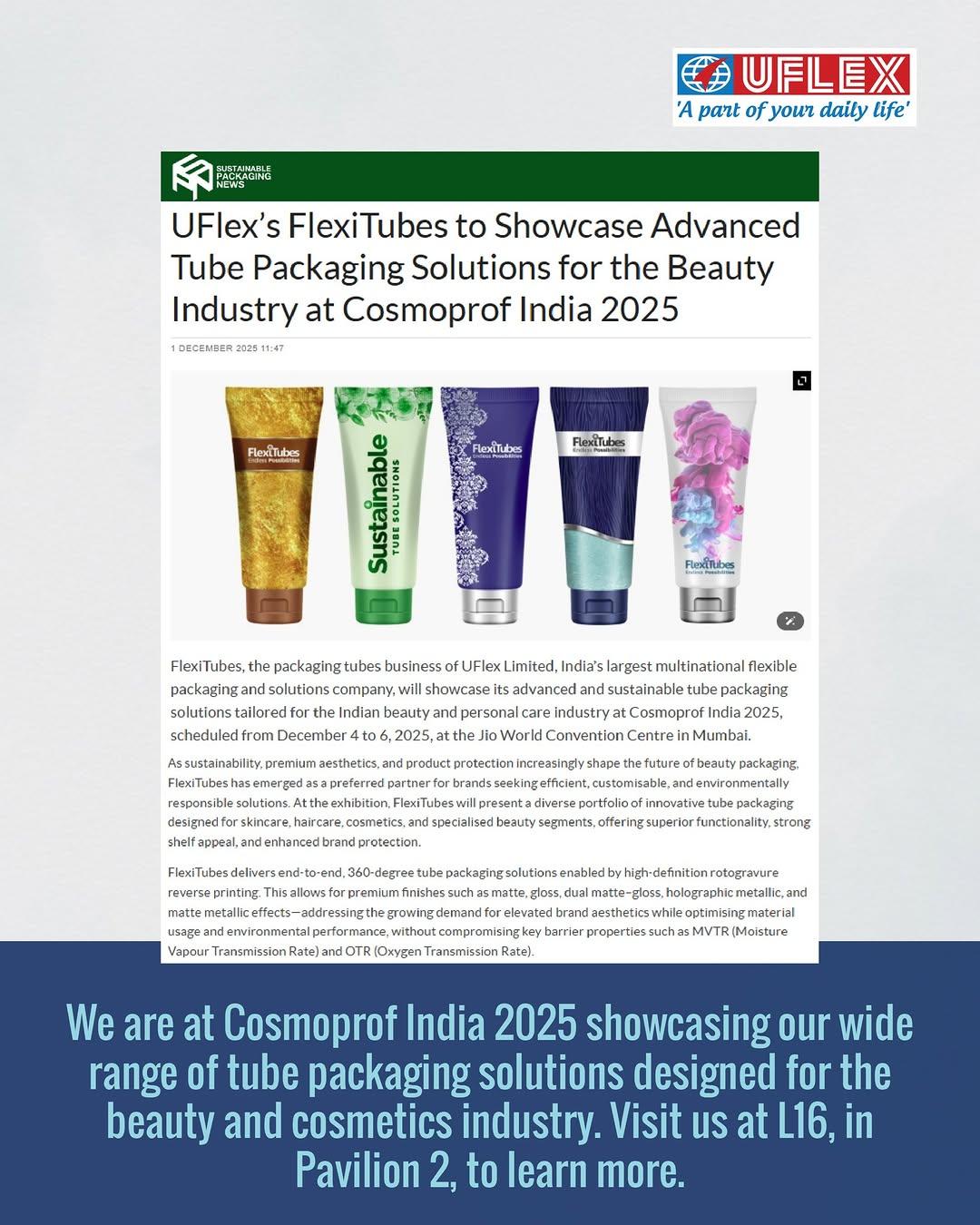
BR
Cosmetic Tube
The Brazilian market for cosmetic tubes in 2026 is undergoing a significant transformation, driven by a consumer demand for sustainability, authenticity, and innovative design. Key trends point towards a future where packaging is not just a container but a statement of a brand's values and commitment to the environment. There is a strong movement towards "Light Luxury," where premium aesthetics are achieved through intelligent, lightweight design and tactile materials rather than heavy, wasteful packaging. Sustainable cosmetic tubes are a major focus, with an emphasis on recyclable, refillable, and Post-Consumer Recycled (PCR) materials to reduce environmental impact. Minimalist designs with clean lines and clear typography are gaining popularity, conveying a sense of transparency and modernity. Furthermore, the market is seeing a rise in personalized and interactive packaging, using features like QR codes to engage consumers and provide more information about the product. Functionality and multi-sensory experiences are also becoming crucial, with brands exploring unique textures and innovative dispensing systems to enhance the user experience. This holistic approach to packaging design reflects a deeper understanding of consumer desires for products that are not only effective but also align with their personal values and offer a more engaging and memorable interaction from purchase to use.
Explore →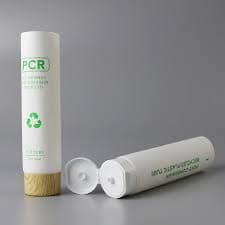
MX
Cosmetic Tube
Explore →
PH
Cosmetic Tube
Explore →
US
Cosmetic Tube
Explore →
BR
Foundation
The Brazilian beauty market in 2026 is set to embrace a significant shift in foundation trends, moving away from heavy, single-purpose makeup towards sophisticated, multi-functional products. This evolution is driven by the "skinification" of cosmetics, where foundations are increasingly infused with active skincare ingredients. Consumers now expect their makeup to not only perfect their complexion but also to provide tangible benefits like hydration, anti-aging, and sun protection, with ingredients such as hyaluronic acid, vitamin C, and SPF becoming standard. While finish preferences are diversifying, the overarching trend is a move towards more natural and skin-like appearances. The classic matte finish, long a staple in Brazil, is being refined into a "soft matte" or velvety texture that controls oil without appearing dry or flat. However, the most prominent trend is the pursuit of a luminous, healthy glow. Aesthetics like "Cloud Skin," which artfully combines matte and radiant elements for a diffused, soft-focus effect, are gaining significant traction. For the summer season, the "Guava Girl" look, characterized by a fresh, sun-kissed radiance, will dominate, highlighting the demand for dewy, lightweight formulas. Ultimately, the 2026 foundation trends reflect a broader consumer desire for products that are both effective and adaptable. There is a strong preference for foundations that feel like a "second skin"—breathable, long-lasting, and offering buildable coverage that can be customized for any occasion. This demand for versatility and performance, perfectly suited to Brazil's warm climate, aligns with a larger movement towards practical, multifunctional beauty products that create a cohesive, fresh, and authentic look.
Explore →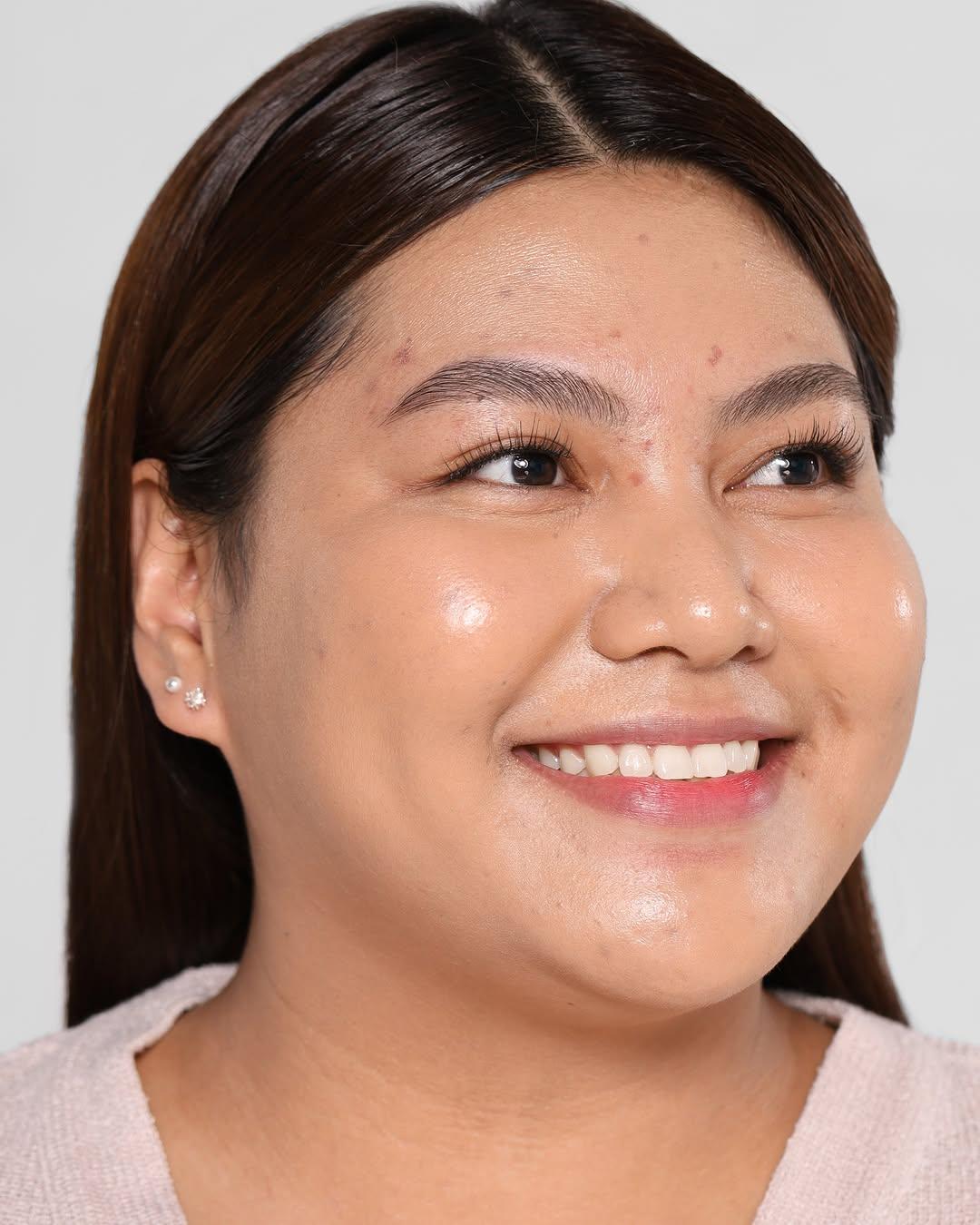
MX
Foundation
The upcoming 2026 season in Mexico signals a significant shift in foundation trends, moving decisively away from heavy, masking coverage towards a celebration of authentic, perfected skin. The overarching theme is "skin that looks like skin, but better," with a strong emphasis on lightweight, breathable formulas that offer a natural and radiant finish. High-coverage foundations are taking a backseat to products like skin tints, serum-infused foundations, and buildable medium-coverage options that even out skin tone while allowing natural features like freckles to show through. The desired aesthetic is a "lit-from-within" glow, a satin or velvet finish that looks healthy and hydrated, rather than overtly dewy or flatly matte. This trend is complemented by a strategic application of foundation, focusing only on areas that need balancing, rather than a full-face application. The popularity of skincare-makeup hybrids continues to surge, with consumers seeking foundations fortified with beneficial ingredients like antioxidants and peptides, reflecting a desire for products that are both cosmetic and beneficial to skin health. This move towards radiant realness is part of a larger trend embracing minimalist and intentional beauty. Consumers are looking for products that feel comfortable, save time, and promote a more positive relationship with their natural skin. In parallel, the lipstick trend is seeing a return of satin and soft matte textures, often in natural and neutral tones that align with the understated elegance of the skin-focused look, completing a cohesive vision of effortless sophistication.
Explore →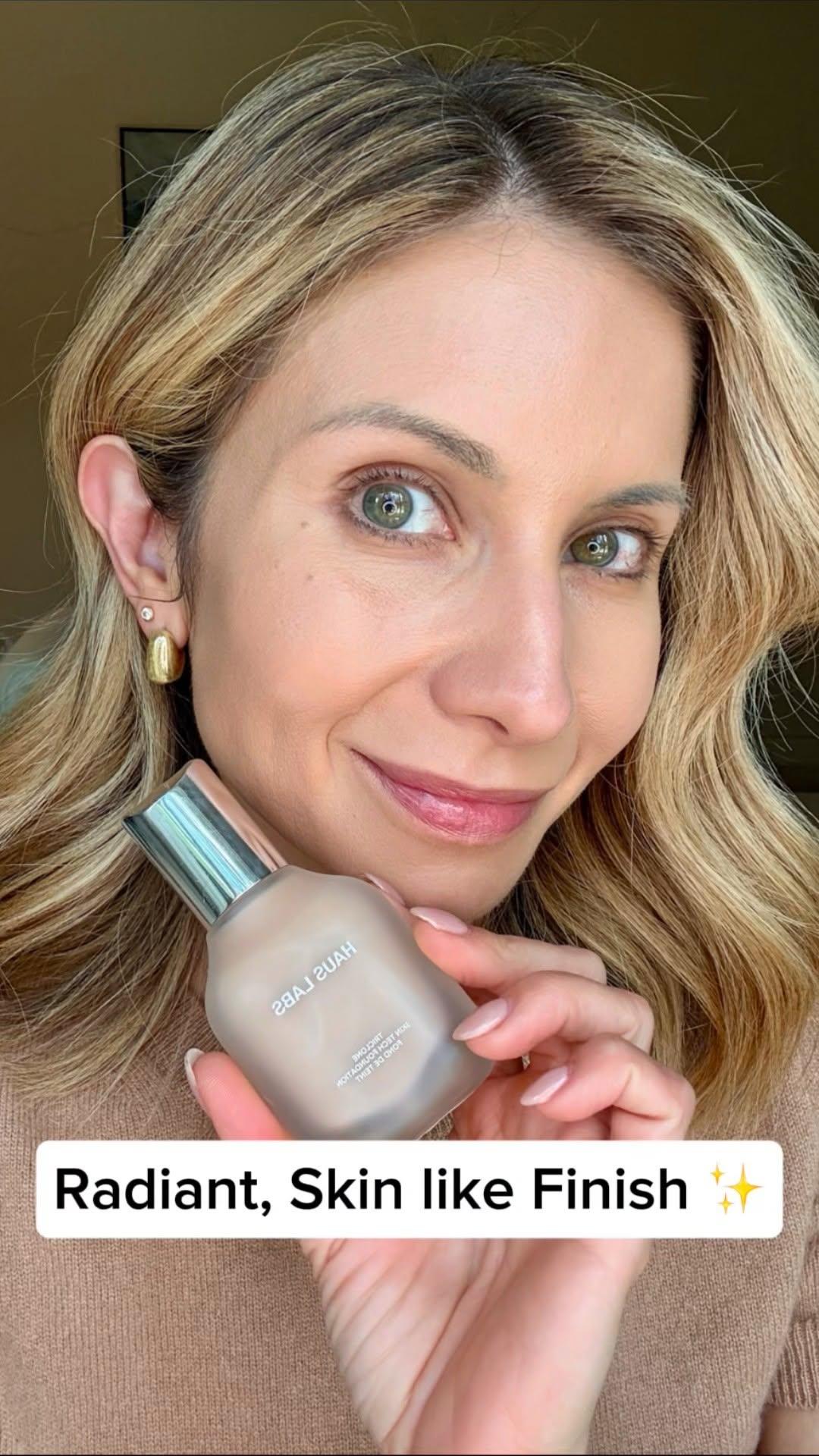
PH
Foundation
For the upcoming seasons in the Philippines, the foundation trend centers on achieving a flawless yet natural-looking complexion that can withstand the tropical climate. There is a significant movement towards lightweight, breathable formulas that offer a "second-skin" feel, moving away from heavy, cakey makeup. The demand is high for products that are long-wearing, sweat-resistant, and humidity-resistant, with local brands gaining popularity for creating formulations specifically suited for the Philippine heat. Finishes are split between a enduring desire for a soft, velvety matte look that controls oil and shine, and a growing preference for luminous, radiant complexions that appear healthy and hydrated from within. A major driving force in the market is the "skinification" of makeup; consumers are actively seeking foundations infused with skincare benefits like hyaluronic acid for hydration, niacinamide for brightening, and SPF for sun protection. This aligns with the broader beauty trend where a bold lipstick trend often complements a more refined, natural base, allowing the skin to look polished but not overly made up. Buildable coverage is also key, allowing users to customize their look from sheer to medium coverage for daily wear or build it up for special occasions.
Explore →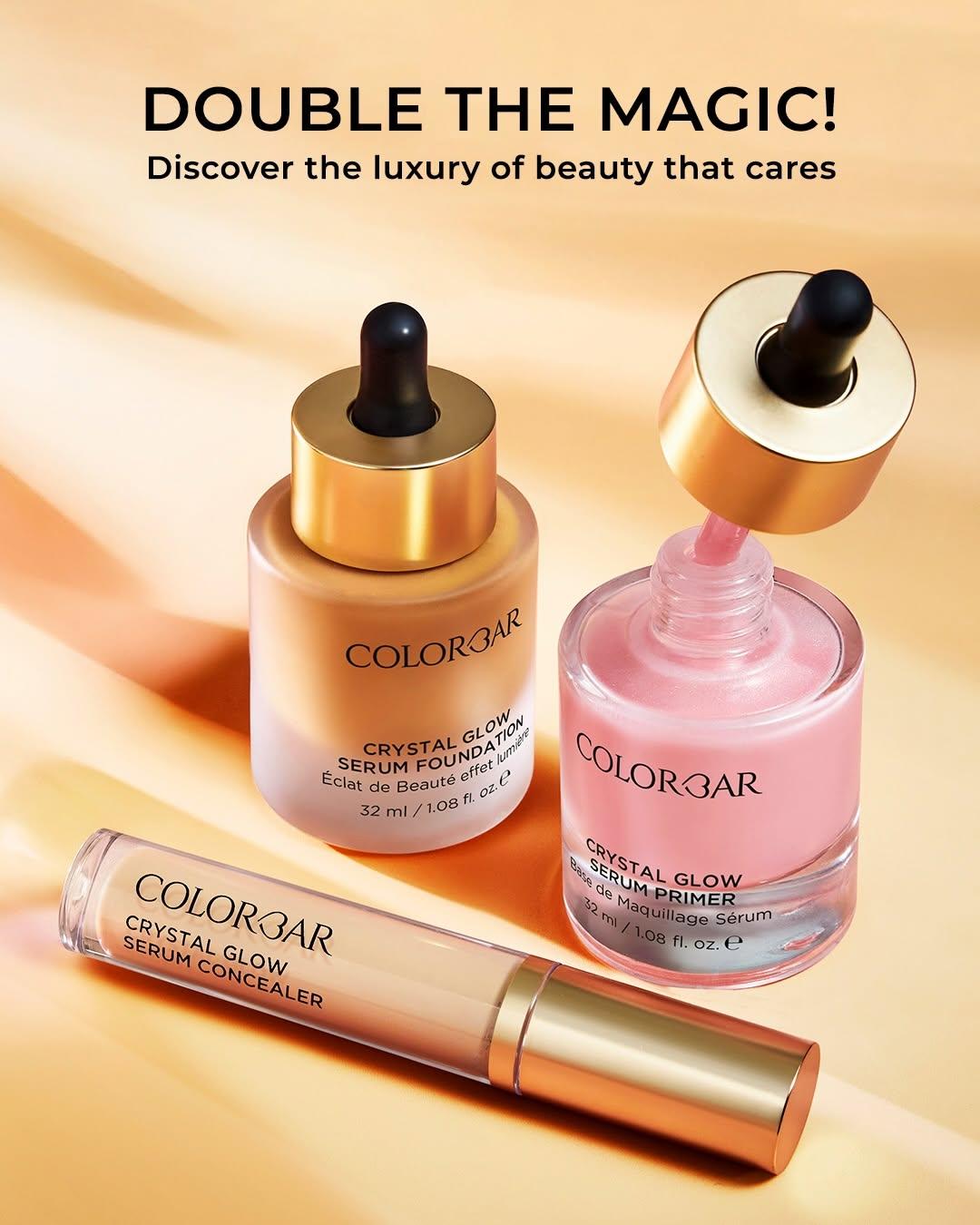
US
Foundation
The foundation landscape in the US for the upcoming 2026 season is defined by a "skin-first, makeup-second" philosophy, where the line between skincare and cosmetics continues to blur. The overarching trend is a move away from heavy, masking coverage towards breathable, lightweight formulas that enhance the skin's natural appearance. Expect to see a surge in skincare-infused foundations, often described as serum-infused foundations, packed with beneficial ingredients like hyaluronic acid, peptides, and niacinamide that hydrate and improve skin health over time. Finishes are paramount, with a focus on creating a radiant, luminous, and dewy glow that looks like it comes from within. This "skinimalism" approach favors sheer to medium coverage that perfects and blurs rather than conceals. While glowing skin is dominant, a new, more refined soft matte foundation is also gaining traction, offering a velvety, non-cakey alternative for a polished look. In harmony with these natural skin trends, the foundation lipstick trend sees a move towards softer, blurred lip looks or balanced, confident lips that complement the understated complexion, creating a cohesive and modern aesthetic.
Explore →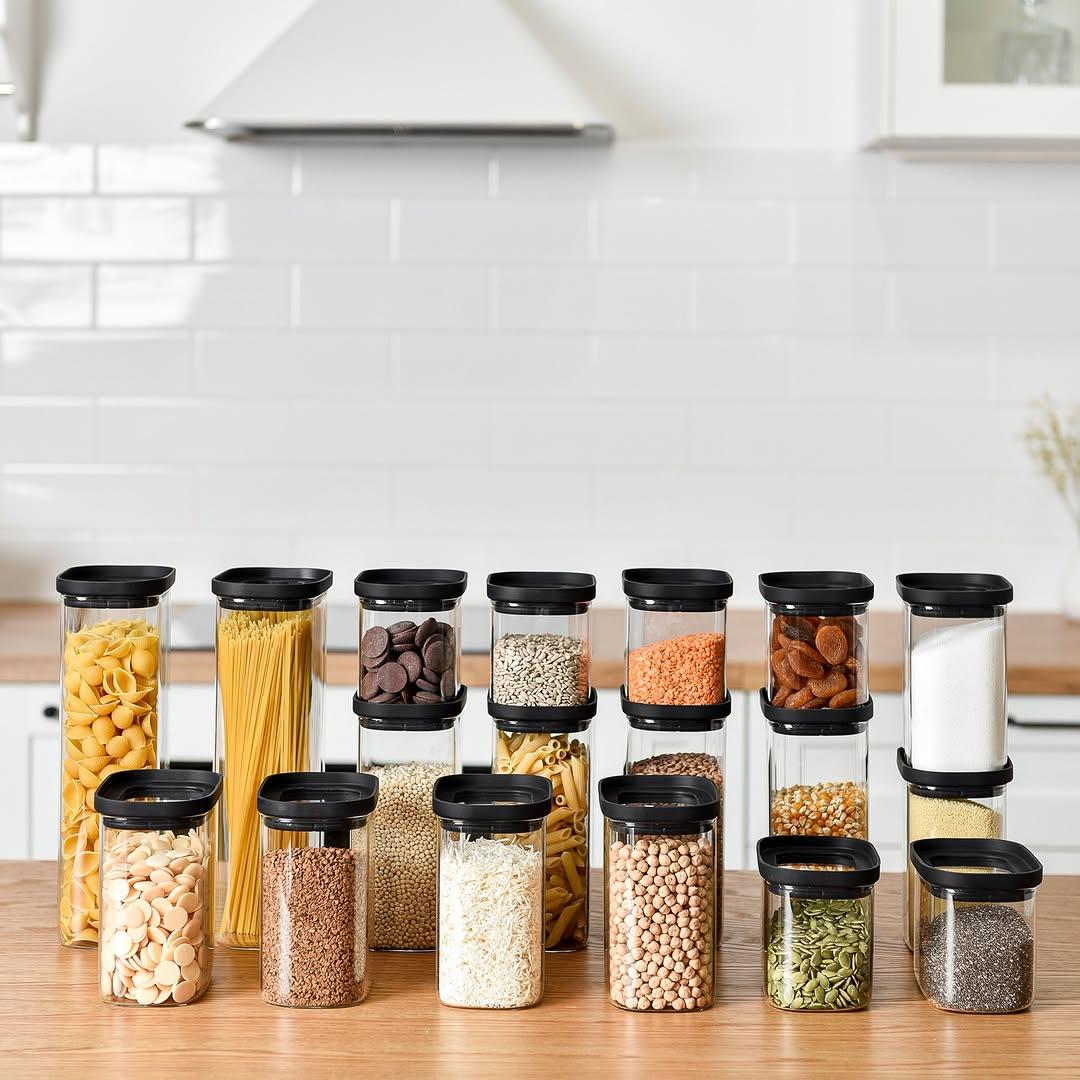
BR
Jars
In the Brazilian market for 2026, the trend for jars is centered on sustainability, organization, and aesthetic appeal. There is a significant movement towards reusing glass jars as a way to reduce plastic consumption and promote a more eco-conscious lifestyle. This aligns with a broader home decor trend of "soft minimalism" and creating a "comfort chic" environment, where organization itself becomes a decorative element. Transparent glass jars are particularly popular for kitchen organization, allowing for easy identification of contents like pantry staples (mantimentos), which helps in reducing food waste. Hermetic jars are in high demand for their ability to preserve the freshness of food for longer. Beyond the kitchen, jars are being repurposed for a variety of decorative and artisanal purposes, from holding candles and plants to being customized for sale. The aesthetic is clean and natural, often incorporating materials like bamboo for lids and spoons, reflecting a desire for connection with nature within the home. Overall, the jar trend in Brazil for 2026 reflects a consumer shift towards more mindful consumption. This is seen in the preference for durable, reusable materials like glass, the desire for organized and aesthetically pleasing home environments, and the growing appreciation for DIY projects and artisanal goods. Functionality, sustainability, and personal expression are the key drivers shaping how consumers purchase and use jars in their daily lives.
Explore →
MX
Jars
The jar market in Mexico is experiencing a significant shift towards sustainability and versatile design in preparation for 2026. Glass jars are increasingly favored over plastic due to their recyclability and non-toxic properties, a trend driven by growing environmental consciousness among consumers. This is particularly evident in the food and beverage sector, where jars are popular for everything from traditional homemade preserves and salsas to the burgeoning craft drink scene. Beyond the kitchen, there is a strong movement towards repurposing jars for decorative purposes, with minimalist and artisanal aesthetics transforming them into chic home décor items like vases and candle holders. In the realm of food storage, pantry organization using uniform glass jars is a prominent trend, valued for both its functionality and clean visual appeal. This highlights the jar's versatility in the modern home, serving both practical and aesthetic purposes. Furthermore, the cosmetic industry continues to utilize premium glass jars for products, leveraging the material's inert nature and high-end perception. Upcoming trends for 2026 indicate a move towards more innovative and personalized packaging, including lighter-weight glass and unique, handcrafted designs. This evolution reflects a market that values sustainability, quality, and personalization in all aspects of consumer goods.
Explore →
PH
Jars
As we move into 2026, the market for jars in the Philippines is defined by a strong inclination towards sustainability, personalization, and aesthetic functionality. Consumers are increasingly seeking eco-friendly options, with a particular interest in glass jars featuring natural materials like bamboo lids. This trend is driven by a growing environmental consciousness and a desire for products that are both beautiful and reusable. The demand for kitchen organization solutions continues to rise, with an emphasis on creating a clean, minimalist, and "Instagrammable" pantry aesthetic. Consequently, transparent glass jars that allow for easy content identification are highly popular. Furthermore, there is a significant trend towards personalization, with customized jars being sought after for special occasions, corporate giveaways, and as unique gift items. This reflects a broader desire for products that offer a personal touch and a memorable unboxing experience. The "imperfect by design" ethos is also gaining traction, where the subtle, natural imperfections of materials like wood and handcrafted ceramics are appreciated, adding a layer of authenticity and uniqueness to the product.
Explore →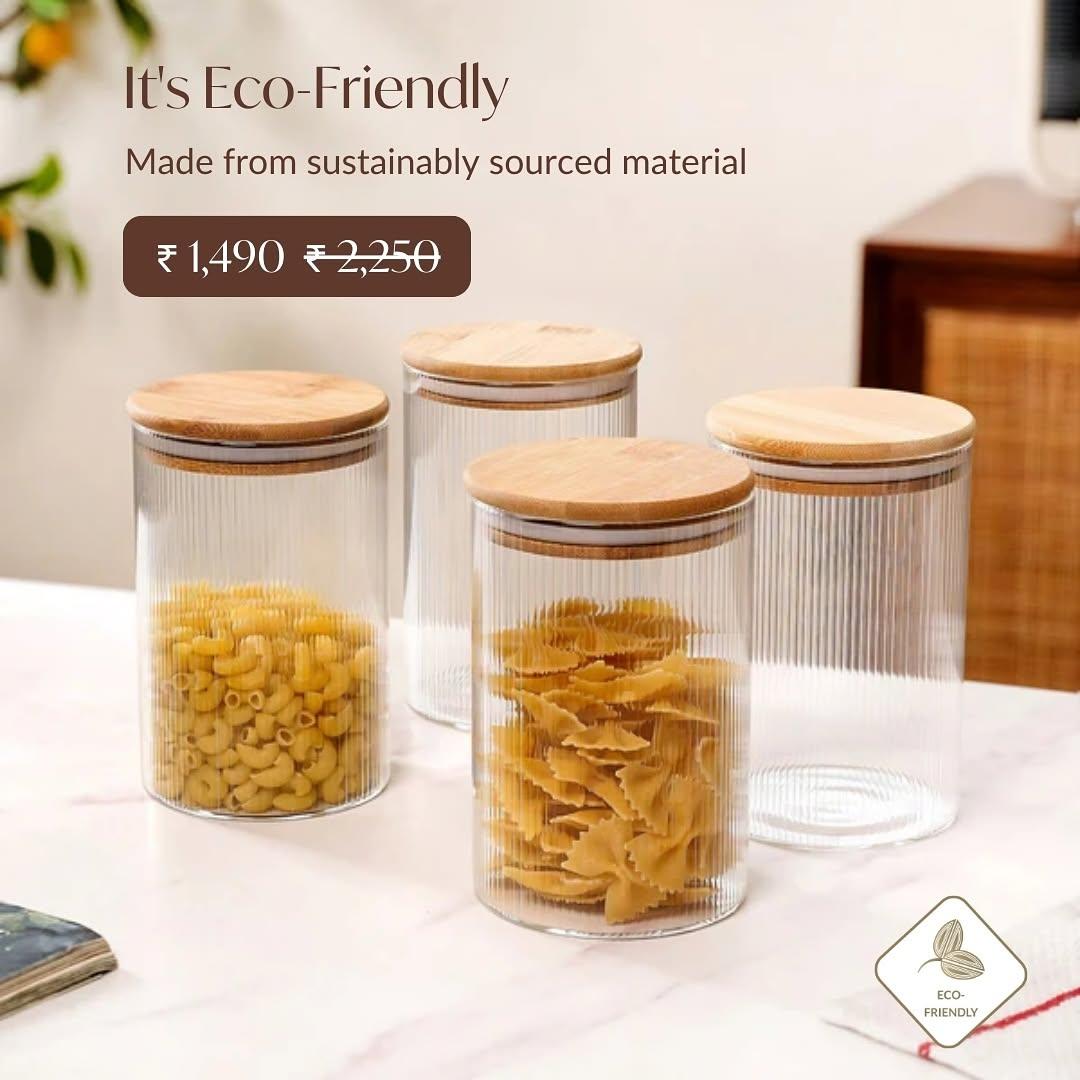
US
Jars
The upcoming year in the US jar market is shaped by a powerful convergence of sustainability, health consciousness, and a desire for natural materials. Consumers are actively moving away from plastics, driven by concerns over chemical leaching and environmental impact. This has led to a strong preference for glass jars, particularly those made from high-purity, recycled materials. Complementing this trend is the demand for natural lids made from renewable resources like bamboo, reflecting a holistic approach to eco-friendly living and wellness. Beyond material choices, functionality and aesthetics play crucial roles in consumer decisions. Practical features such as airtight seals for freshness, stackable designs for efficient pantry organization, and wide-mouth openings for ease of use are highly valued. Aesthetically, while the classic transparency of glass remains popular for showcasing contents, there is a growing appetite for jars that serve a dual purpose as home decor. This includes vintage-inspired designs that evoke nostalgia, minimalist jars with clean lines and matte finishes, and unique, architectural shapes that make a statement on open shelving. Personalization emerges as a key differentiator in a crowded market. Consumers are increasingly seeking ways to make standard products uniquely their own, driving demand for customizable jars. Options range from engraved messages and names for special occasions to bespoke labels that align with individual kitchen aesthetics. This trend transforms the humble jar from a simple storage container into a personalized artifact, a thoughtful gift, or a curated decorative object that reflects personal style and the growing "shelfie" culture on social media.
Explore →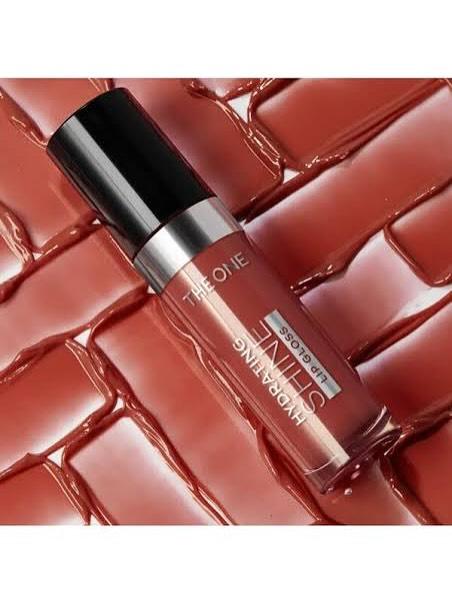
BR
Lipgloss
The Brazilian lip gloss market for 2026 is defined by a significant shift towards multifunctional products that prioritize both aesthetics and skincare. Consumers are moving away from traditional matte finishes, instead favoring luminous, hydrated, and voluminous lips. The demand is high for formulas that create a "wet look" or a mirrored, glassy finish, known locally as "efeito espelhado." Crucially, this high-shine look must be delivered with a comfortable, non-sticky texture, making skincare-infused glosses the new standard. Ingredients like hyaluronic acid, vitamin E, and various plant oils are commonly integrated to blur the line between makeup and lip care. As summer 2026 approaches, the "Jujuba Joia" (Jelly Jewel) trend is expected to dominate, introducing playful, vibrant colors with tactile jelly and vinyl textures. This trend caters to a growing desire for fun and sensorial beauty experiences. While brights are on the rise, the appeal of sophisticated earthy tones, such as browns and reddish hues, remains strong. These shades are frequently used in "lip combos," paired with a darker liner to achieve a defined and impactful look, showcasing the versatility of consumer preferences. Lip plumping glosses continue their reign as a market force, offering an immediate volumizing effect through ingredients that stimulate microcirculation. This provides a non-invasive alternative for consumers seeking fuller lips. The versatility of lip gloss is a major selling point, with clear and shimmery variants being used alone for a subtle, natural look or layered over lipstick to add dimension and a glossy finish. This adaptability underscores the product's role as an essential, multi-use item in the modern Brazilian beauty routine.
Explore →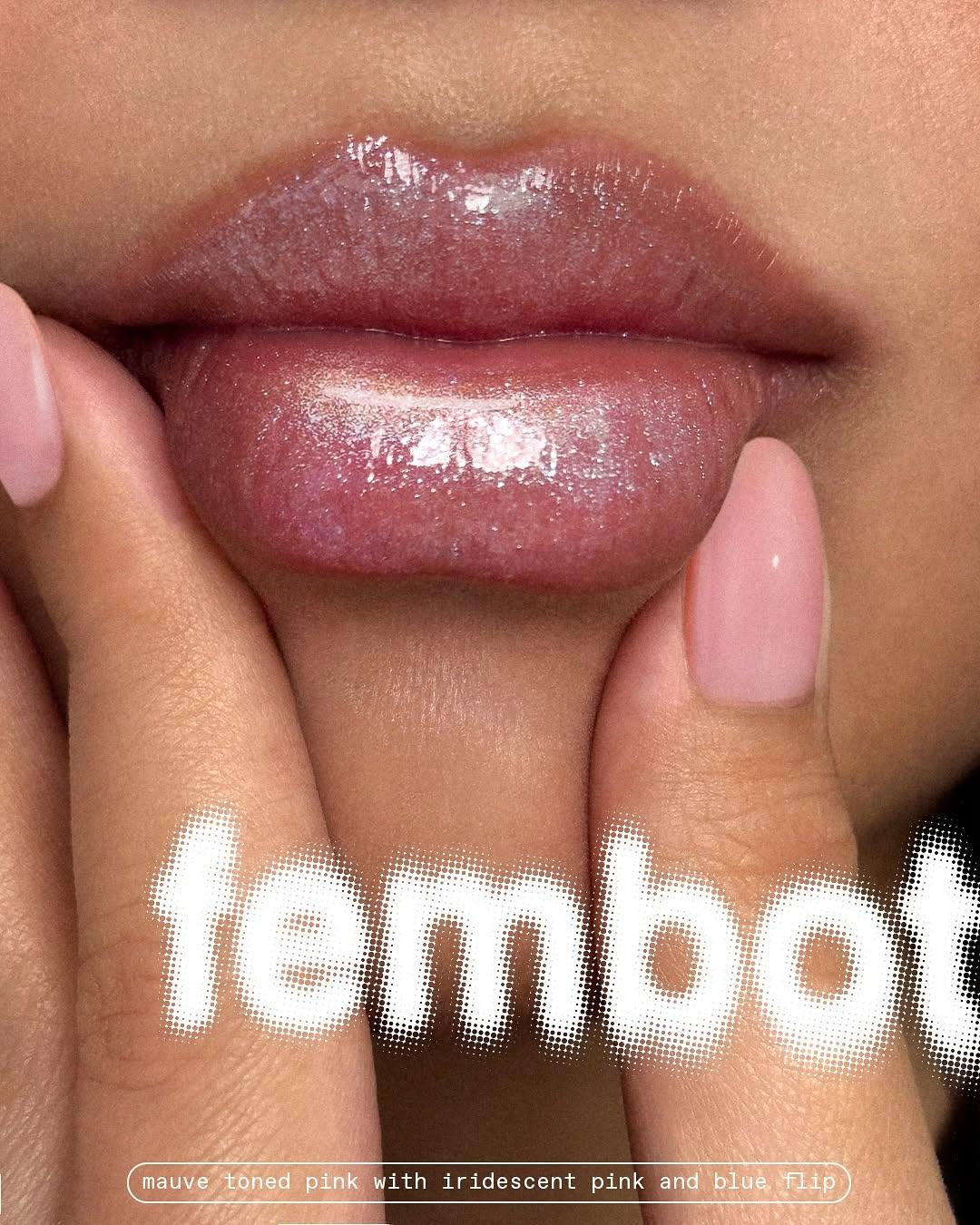
MX
Lipgloss
The lip gloss market in Mexico is heading into 2026 with a focus on dimension, hydration, and a touch of nostalgia. The overarching trend is a move away from flat, matte looks towards juicy, voluminous, and luminous lips. High-shine finishes that create a "glass hair" effect for the lips are in high demand, giving an instant plumping and fresh look. This is often achieved with formulas infused with hydrating ingredients like hyaluronic acid and collagen, which not only provide a glossy finish but also care for the lips. Another significant trend is the resurgence of fruit-inspired glosses, particularly strawberry, which brings a sense of nostalgic fun from the 90s and 2000s but with modern, more comfortable, and non-sticky formulas. Additionally, "magic" or pH-reacting glosses that provide a personalized pink tint are gaining popularity for their unique and natural-looking results. While glossy textures are dominant, there is an emerging counter-trend for a more refined, comfortable matte finish, suggesting a desire for variety in lip textures. Overall, the Mexican market is embracing lip glosses that offer not just color and shine, but also tangible benefits like hydration and volume, with a playful nod to the past.
Explore →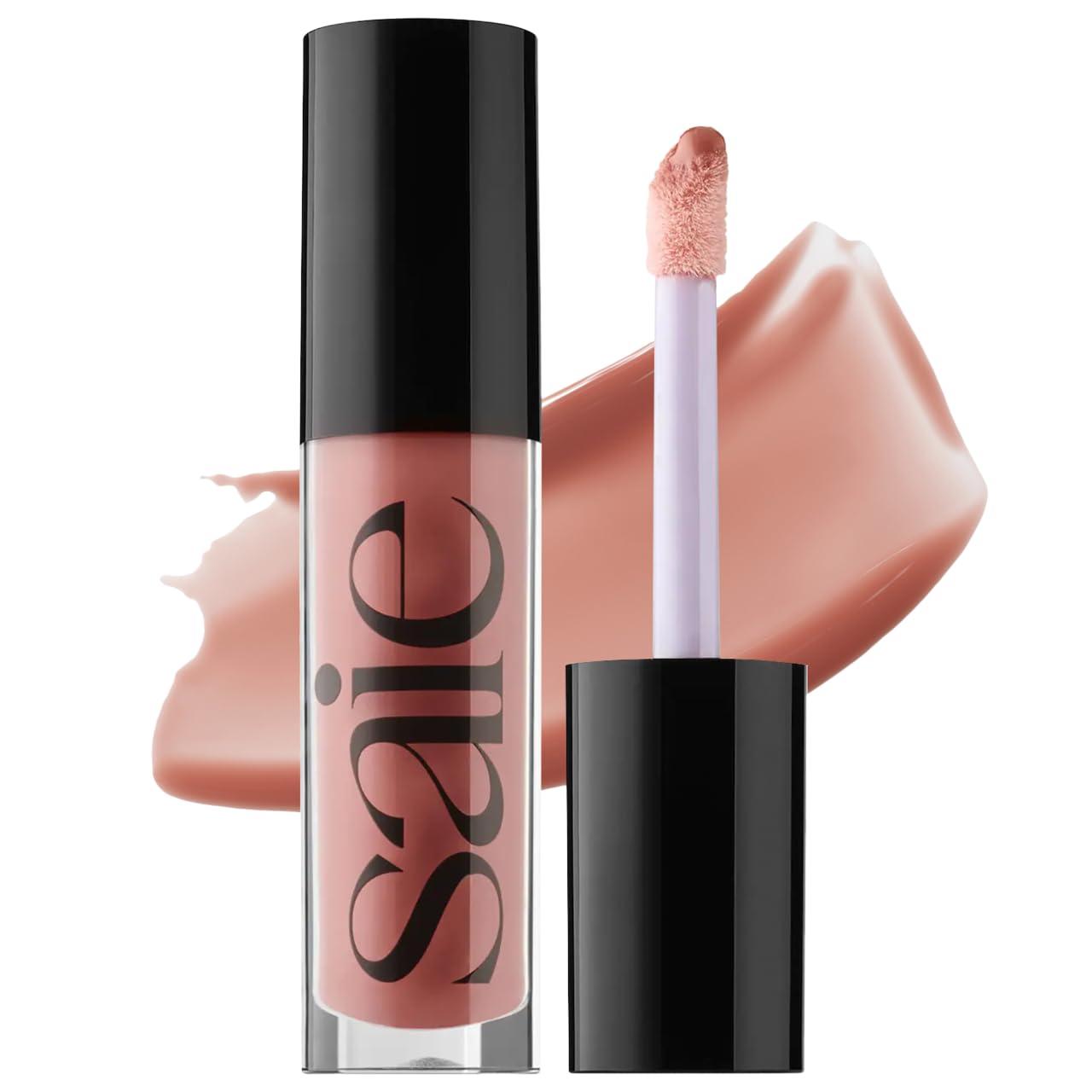
PH
Lipgloss
Explore →
US
Lipgloss
For the upcoming Winter and Spring 2026 seasons in the US market, the lip gloss category is defined by a blend of nostalgic revivals and innovative formulations. A major trend is the continued dominance of high-shine, glassy finishes that create a plump, "wet-look" effect on the lips. Alongside this, there's a strong inclination towards products that offer more than just shine, with hydrating and nourishing formulas becoming a consumer expectation. These multi-benefit products often come in the form of "bloss" or lip gloss-balm hybrids, which provide the sheen of a gloss with the comfort and care of a balm, frequently infused with ingredients like hyaluronic acid and peptides. The '90s influence also remains significant, bringing back brown-toned and neutral shades. This look is often achieved through "lip combos," using a slightly darker liner to create a contoured effect that enhances the shape and fullness of the lips. Color trends will span a wide spectrum, moving from deep plum and wine tones for winter to vibrant reds and icy, bubblegum pinks for spring, reflecting a desire for more expressive and statement-making looks. Additionally, metallic and frosted finishes are making a comeback, offering a more dramatic and light-reflecting option that adds a futuristic or festive dimension to lip makeup, moving beyond simple shine to incorporate texture and shimmer.
Explore →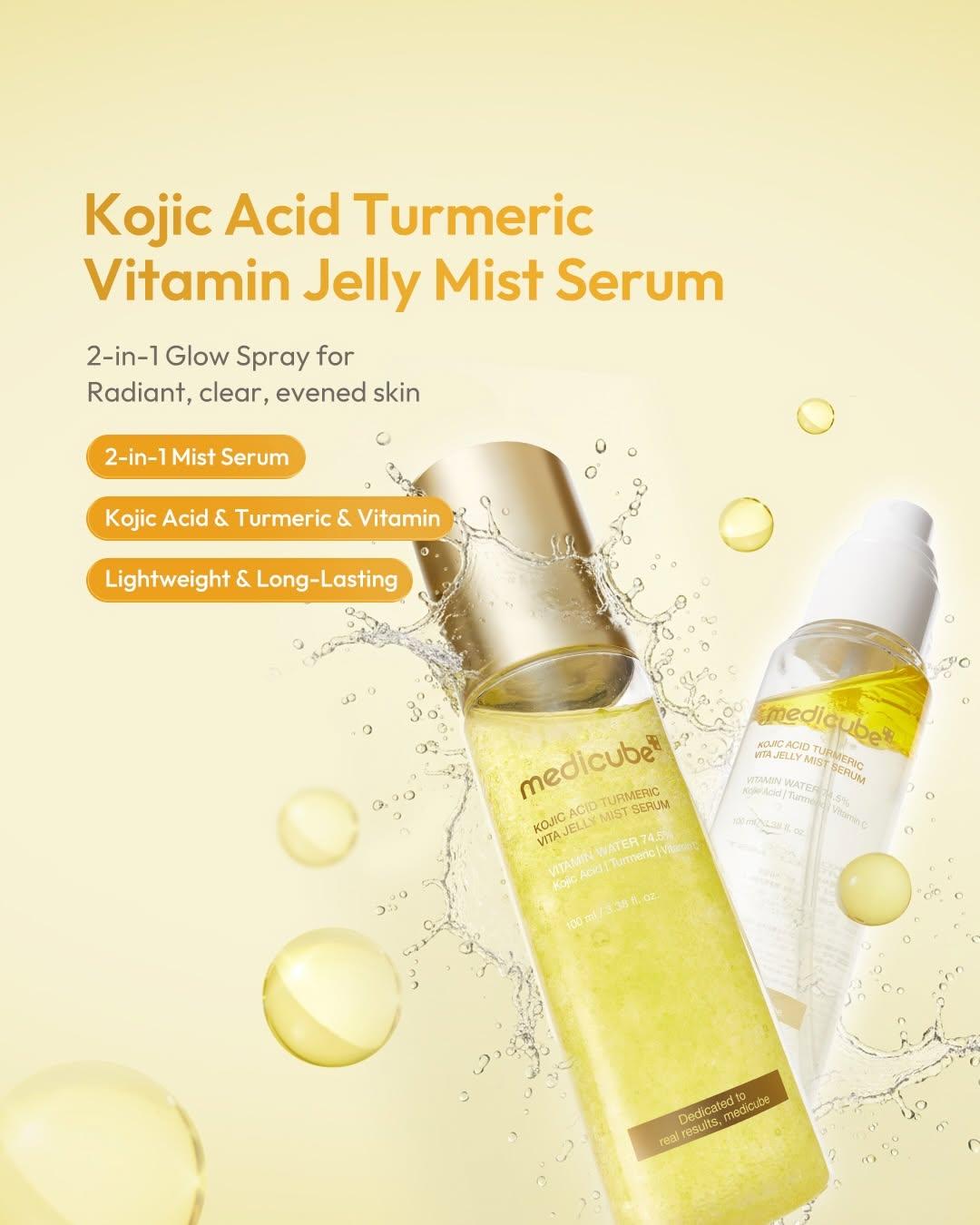
BR
Mist Spray
The Brazilian market for mist sprays is experiencing a surge in popularity, driven by a consumer desire for multi-functional, practical, and sensory-pleasing beauty products. For the upcoming 2026 season, the trend points towards a fusion of skincare and makeup, with a strong emphasis on delivering tangible benefits beyond simple hydration. Facial mists are increasingly formulated with high-performance active ingredients like Vitamin C and hyaluronic acid, catering to the "skincare-ification" of beauty routines and the enduring influence of K-beauty's "glass skin" aesthetic. Body sprays, locally known as brumas corporais or body splashes, are positioned as light, refreshing fragrances perfect for Brazil's warm climate, often featuring tropical and fruity scents. Meanwhile, makeup-fixing sprays remain a staple, offering longevity to makeup looks with varied finishes from matte to glow. Looking forward, the market is set to embrace innovations in textures and formats, such as jelly-like mists that transform upon application, and a growing demand for products that offer sun protection in a convenient spray format.
Explore →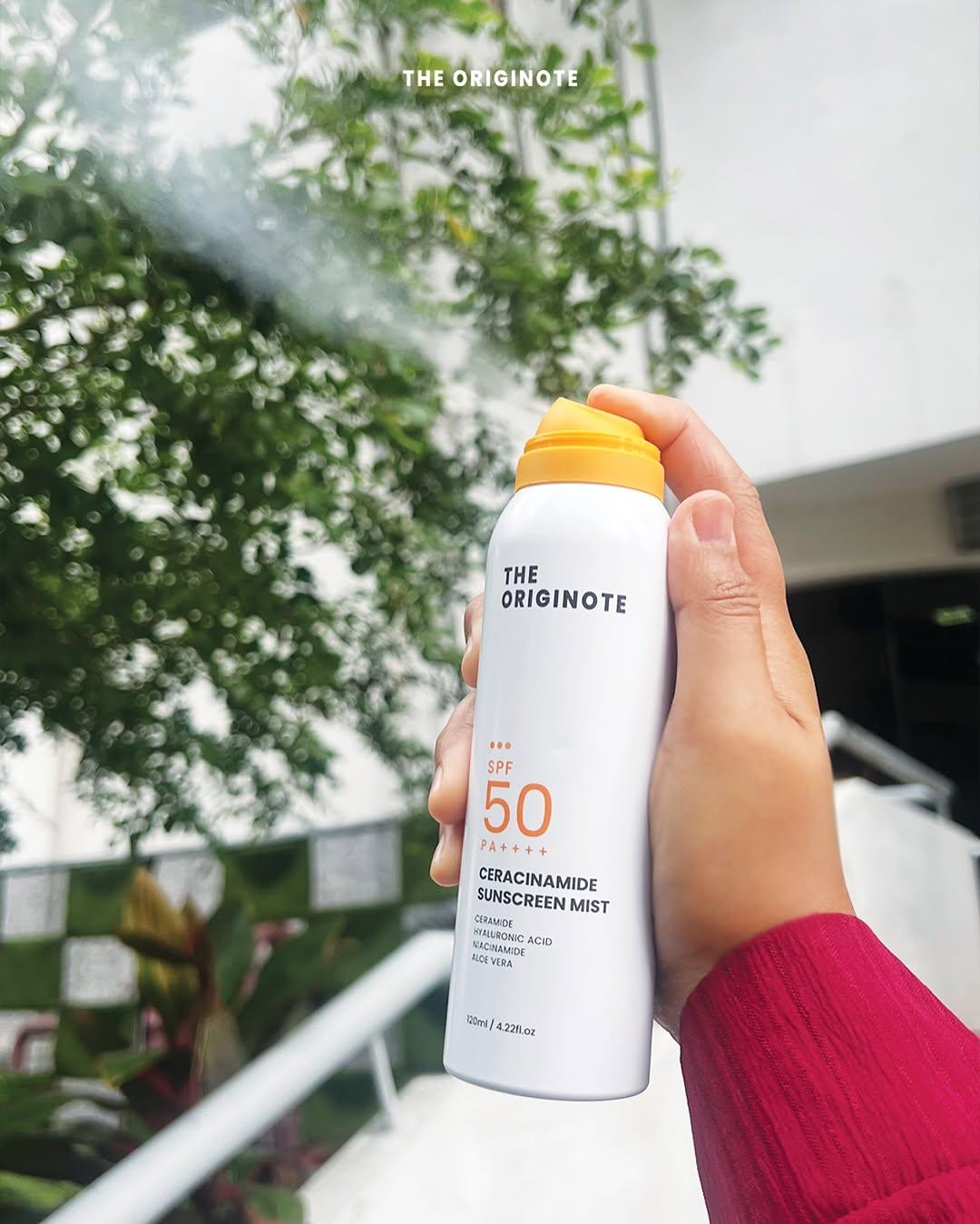
MX
Mist Spray
The mist spray market in Mexico is undergoing a significant transformation, characterized by dynamic growth and a shift away from basic fragrances. Consumers are becoming more informed and conscious, driving demand for multi-functional products that offer more than just a pleasant scent. Looking ahead to 2026, a clear trend is emerging towards mists that incorporate tangible skincare benefits. The primary focus is on functions like intense hydration and convenient sun protection, reflecting a deeper integration of mists into daily skincare and wellness routines. This evolution is heavily influenced by the "clean beauty" movement, with a growing consumer preference for products formulated with natural and organic ingredients. In the facial mist category, products that set makeup, provide anti-aging properties, or simply offer a refreshing boost are gaining considerable traction. Simultaneously, the traditional markets for body and hair mists remain strong. These segments are innovating with fresh, appealing scents, and hair mists are increasingly expected to provide additional benefits such as enhanced shine and softness. External factors like social media trends and the entry of new international brands into the Mexican market are poised to further accelerate and shape consumer preferences. These influences are creating a more competitive landscape and raising consumer expectations for product efficacy and innovation. As a result, the market is seeing a heightened demand for advanced and effective mist spray solutions that can deliver on their promises, catering to a diverse range of needs from sun care to makeup longevity and personal fragrance for the upcoming seasons.
Explore →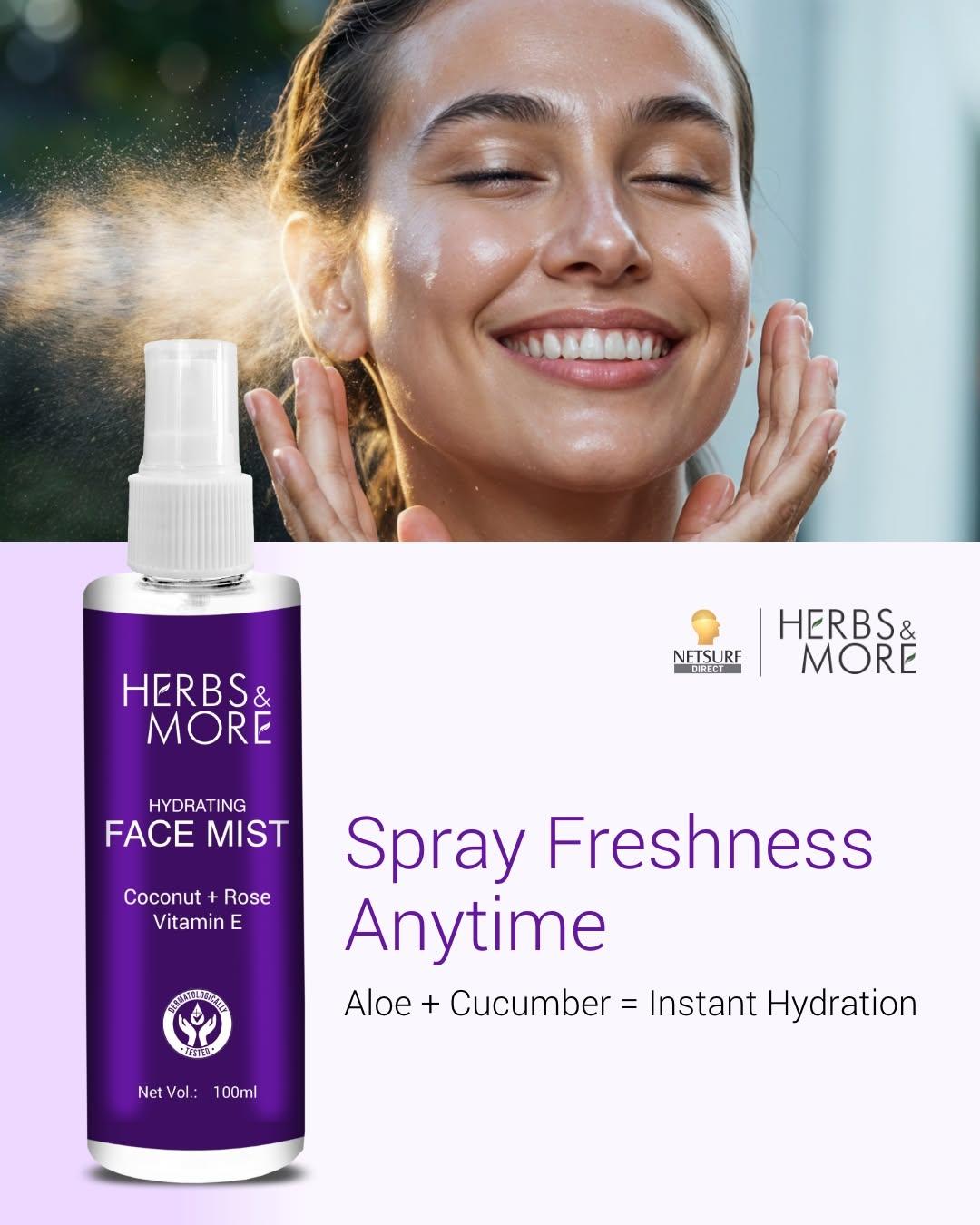
PH
Mist Spray
As the Philippine skincare market continues its growth trajectory, projected to reach PHP 74.8 billion by 2026, the demand for mist sprays is set to intensify, driven by the country's hot and humid climate and a growing consumer focus on "clean beauty". For the upcoming 2026 season, the trend leans towards multi-functional mists that offer more than just a momentary refresh. Consumers are seeking lightweight, hydrating formulas that provide instant cooling relief, set makeup for prolonged wear, and deliver skincare benefits. The influence of K-beauty remains strong, popularizing products that impart a "glowing skin" or "glass skin" effect. There is a significant movement towards products with natural and gentle ingredients like aloe vera, centella asiatica, and rose water, catering to sensitive skin and the desire for minimalist, effective skincare routines. Mists with added benefits such as sun protection and oil control are also gaining traction, positioning them as an indispensable, on-the-go essential for the modern Filipino.
Explore →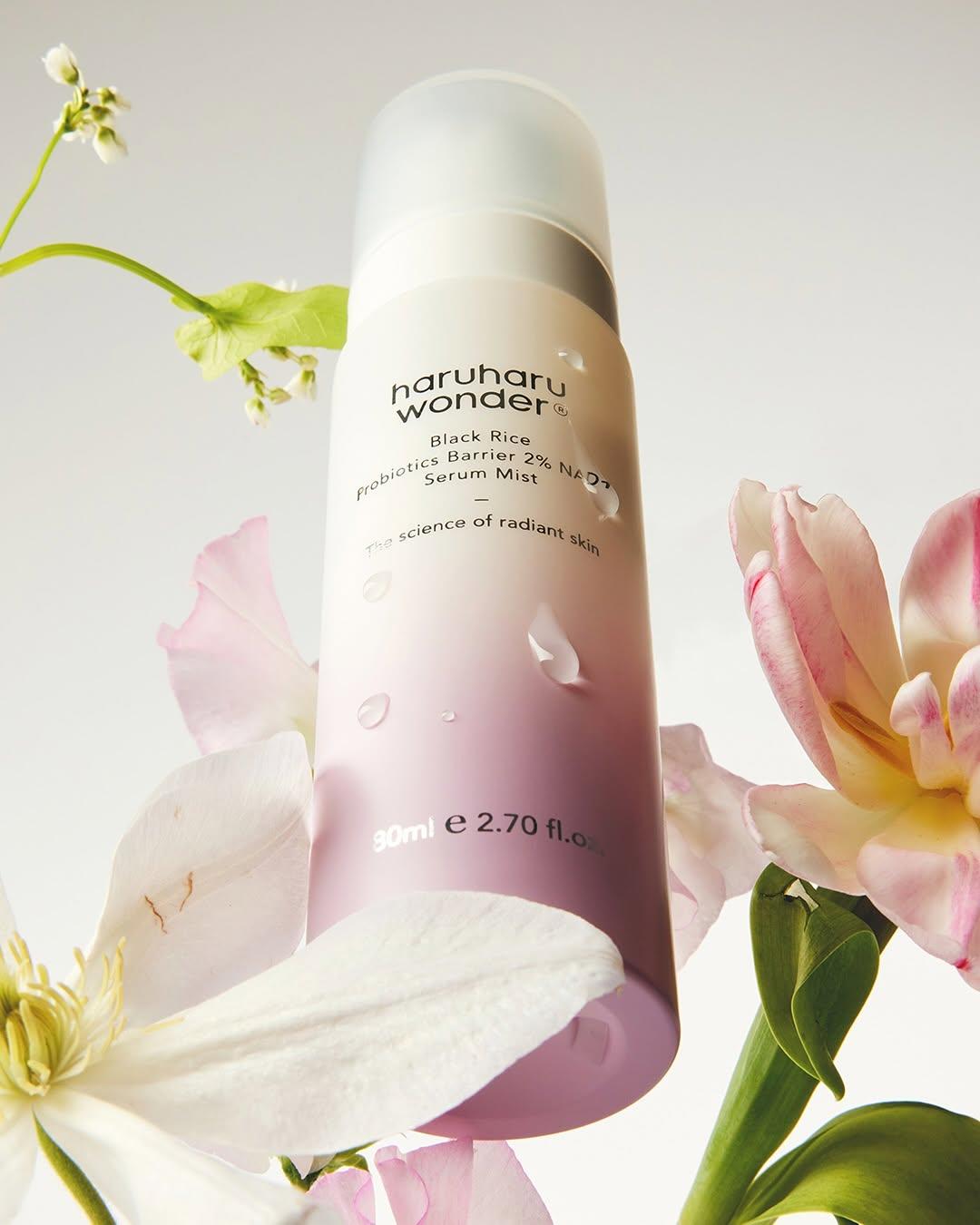
US
Mist Spray
The mist spray category in the US market is evolving from a simple refreshing spritz to a sophisticated, multi-functional skincare staple for the upcoming 2026 seasons. The overarching trend is a move towards "skinimalism" and hybrid products that combine hydration with potent, targeted skincare benefits. Consumers are seeking mists that do more than just hydrate; they want formulas that provide a visible "glass skin" glow, calm irritation, and protect the skin. Consequently, mists are now packed with high-performance active ingredients like hyaluronic acid, niacinamide, ceramides, and antioxidants. There is a significant focus on calming and barrier-repairing mists, utilizing ingredients like hypochlorous acid and magnesium to soothe sensitive and reactive skin. Another major growth area is the SPF mist, which offers a convenient way to reapply sun protection over makeup, merging sun care with daily skincare routines. The desire for an immediate dewy, "glazed" finish, heavily influenced by social media, continues to drive the popularity of glow-boosting mists that can be used under or over makeup. Overall, the market is seeing substantial growth as consumers embrace mists as an essential, versatile step for on-the-go hydration, skin health, and achieving a radiant complexion.
Explore →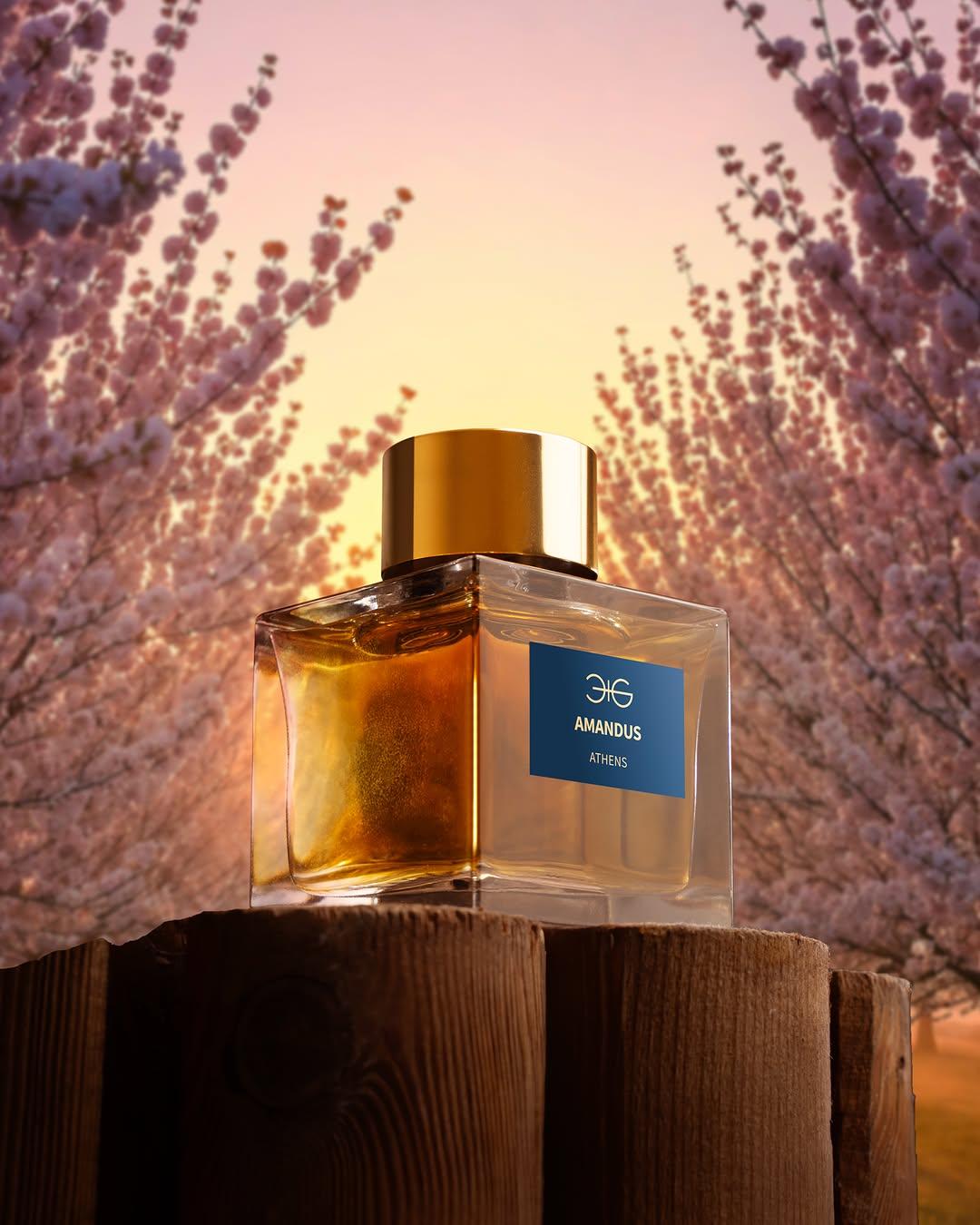
BR
Perfume
The Brazilian perfume market in 2026 is defined by a compelling duality, balancing sophisticated comfort with vibrant escapism. Consumers are increasingly drawn to more nuanced and modern interpretations of classic fragrance families, moving away from overly simplistic scents. A dominant trend is 'Olfactive Escapism,' where tropical and fruity notes transport the wearer to idyllic destinations. This is particularly popular for the warmer months, highlighting a desire for scents that evoke freedom and joy. Alongside this desire for escape, there is a growing appreciation for refined gourmand fragrances that offer modern comfort without excessive sweetness. Floral scents are also being reinvented, presented with a lighter, more contemporary, and natural touch that appeals to the local climate. For men, the classic appeal of woody and spicy notes remains strong, but these are now being offered in more intense and sophisticated compositions, reflecting a demand for powerful, long-lasting fragrances. Across all categories, a significant movement towards fragrances that promote well-being is evident, with fresh and calming notes like lavender and citrus gaining prominence. This focus on personal feeling and experience is also fueling the rise of unisex fragrances. Prioritizing individual expression over traditional gender categories, these fresh, versatile scents appeal to a younger generation and a broader cultural shift towards inclusivity and personal choice.
Explore →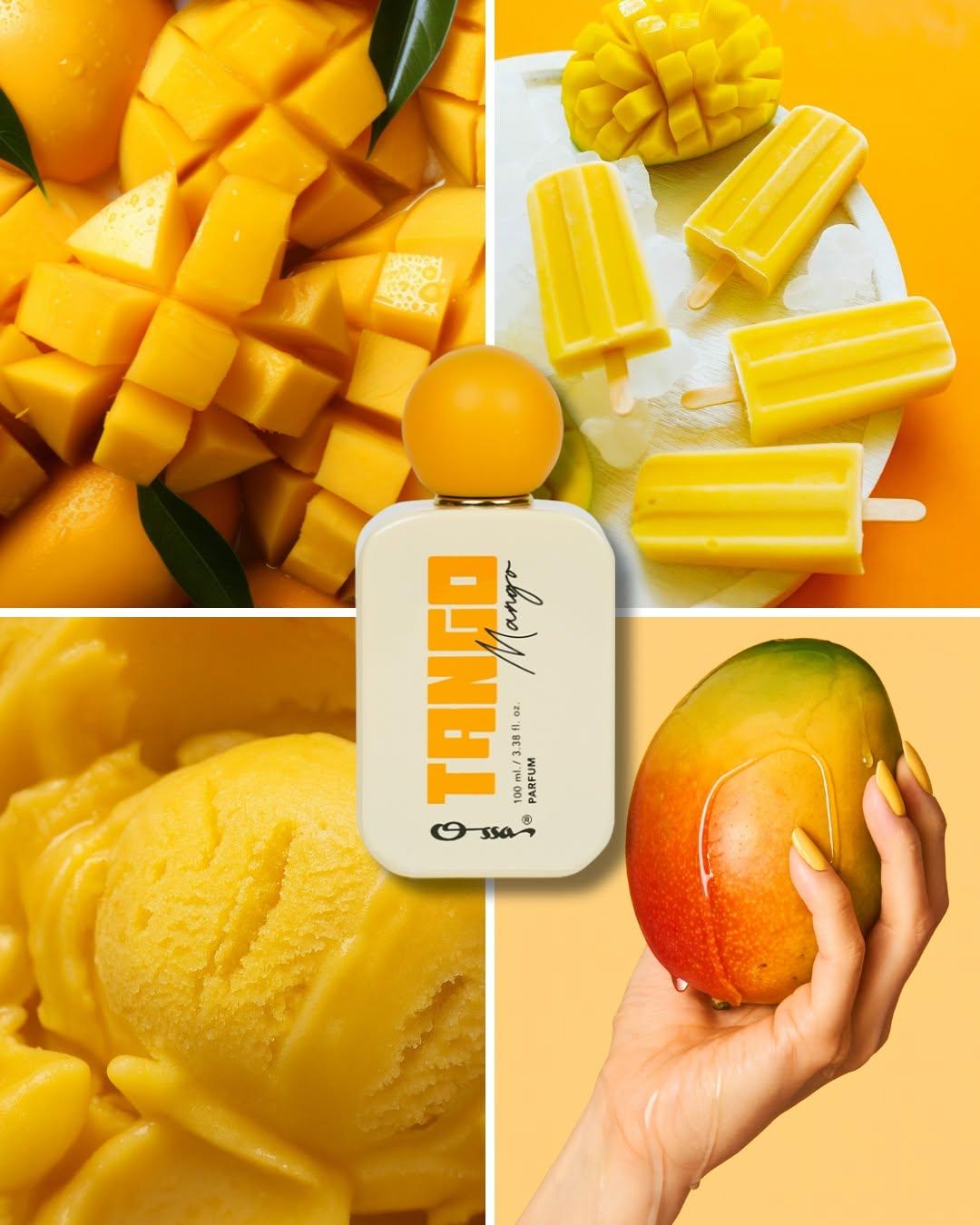
MX
Perfume
The perfume market in Mexico is heading towards a preference for intense, long-lasting, and emotionally resonant fragrances in the upcoming months. For women, this translates into a continued love for sweet and gourmand perfumes, with notes of vanilla, coffee, and fruit being particularly popular. Best-selling fragrances often feature these sweet profiles combined with classic floral hearts. For men, the trend leans towards sophisticated woody and spicy perfumes, often in more concentrated "Elixir" or "Parfum" versions that offer a powerful and lasting scent profile. Across the board, there is a growing interest in genderless perfumes that prioritize personal expression over traditional gender norms, as well as a rising consciousness for organic and sustainably sourced ingredients. As consumers become more knowledgeable, they are seeking unique and high-quality fragrances, leading to the growth of the luxury and niche perfume sectors.
Explore →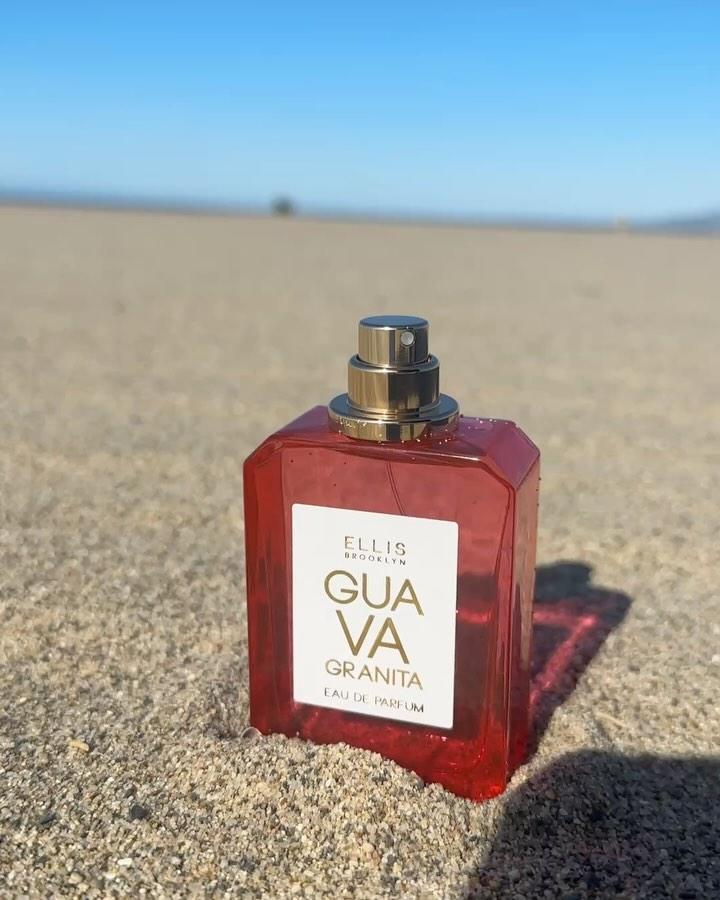
PH
Perfume
The Philippine perfume market is experiencing significant growth, driven by an expanding middle class, a heightened focus on personal grooming, and the pervasive influence of digital culture. Consumers, particularly the influential Gen Z demographic, are shifting away from traditional, mass-market fragrances. Instead, they are seeking unique and niche scents that offer a distinct form of self-expression and align with their personal values. This has sparked a surge in demand for personalized perfumes that tell a compelling story, moving the market towards greater individuality and authenticity. In response to the country's tropical climate, scent preferences are evolving in a nuanced way. Fresh, citrus, and light floral notes remain perennial favorites, providing a clean and energizing feel ideal for daily wear in the heat. However, there is a growing appetite for more complex gourmand fragrances. These sweet scents are being cleverly reinvented with sophisticated and unexpected notes like coffee, tea, and exotic fruits, making them lighter and more wearable. This trend allows consumers to enjoy warm, inviting aromas without them being overwhelming, bridging the gap between a love for sweet scents and the demands of the climate. A powerful movement towards conscious consumerism and local pride is also shaping the industry. Sustainability has become a key purchasing driver, with a clear consumer preference for natural, organic, and eco-consciously produced fragrances, often featuring vegan formulas and recyclable packaging. In parallel, local artisan brands are gaining remarkable traction. Celebrated for their use of native ingredients and their ability to offer affordable luxury, these homegrown perfumers are creating scents that resonate deeply with Filipino culture and identity, capturing the loyalty of a discerning market.
Explore →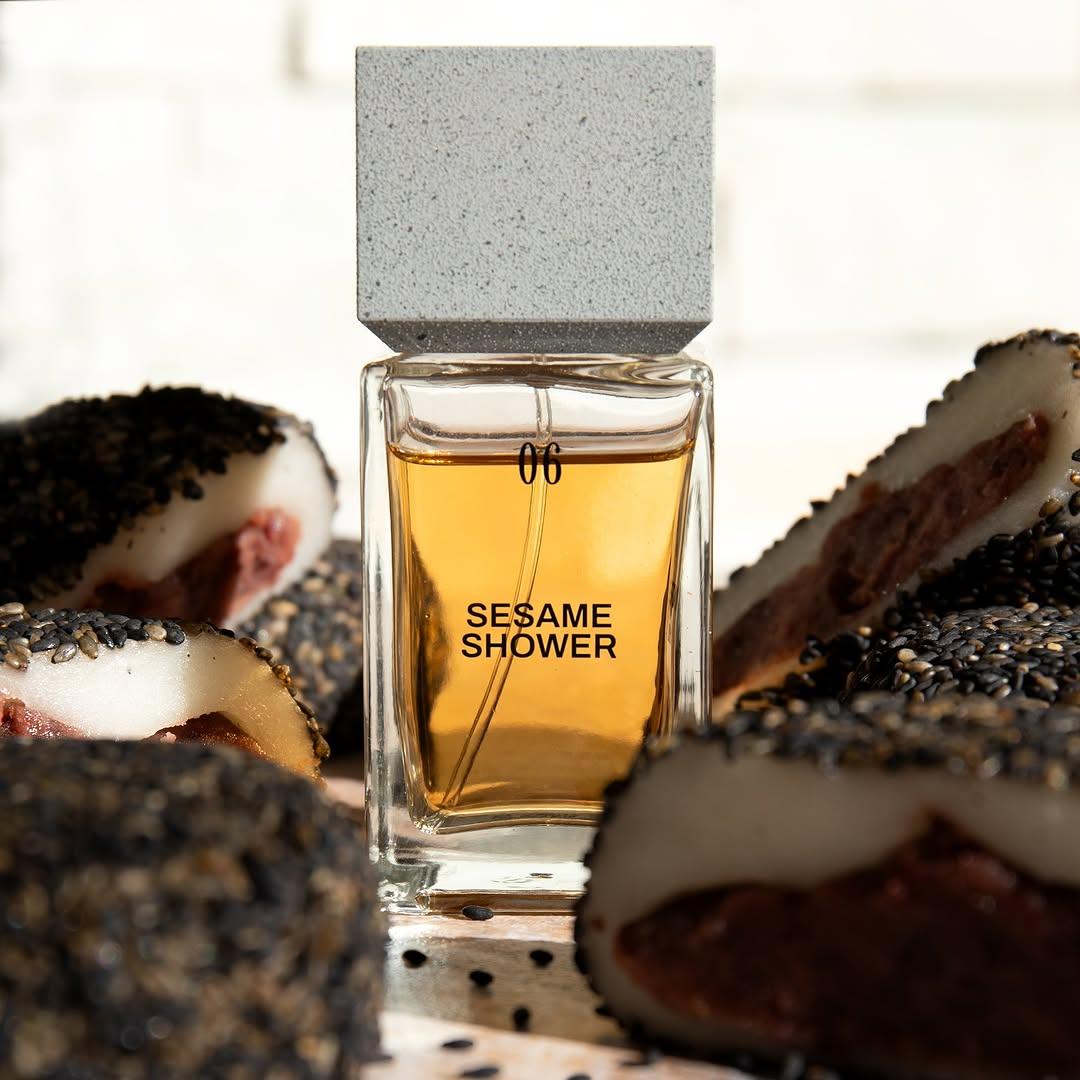
US
Perfume
The US perfume market in 2026 is undergoing a significant transformation, moving beyond traditional scents to embrace fragrances that offer personal expression, emotional well-being, and a deeper narrative. A major shift is occurring in the gourmand category, which is evolving from overly sweet profiles to more complex and sophisticated compositions. We are seeing a rise in savory, nutty, and even salty notes like pistachio and almond, alongside boozy accords of rum and whiskey. This new era of "not-so-sweet" gourmands feels indulgent and sophisticated. Simultaneously, woody fragrances are shedding their traditionally masculine image and are being embraced across all genders for their natural, confident, and "quiet luxury" appeal. These are not overpowering scents but rather softer, intimate structures that wear close to the skin. Another key driver is the growing interest in functional fragrances, with a majority of consumers now seeking perfumes that provide emotional or physical benefits, such as energy boosts or a sense of calm. This aligns with the trend toward sustainability and transparency, as consumers demand eco-friendly practices, including recyclable packaging and ethically sourced ingredients. The market is also seeing a surge in hyper-realistic fruit notes, like golden peach and dark berries, which are becoming more central and long-lasting in compositions. Finally, florals are being reinvented with earthy and green notes, creating a connection to nature and serenity. This move towards artisanal storytelling and niche perfumery reflects a broader consumer desire for authenticity and scents with a distinct personality.
Explore →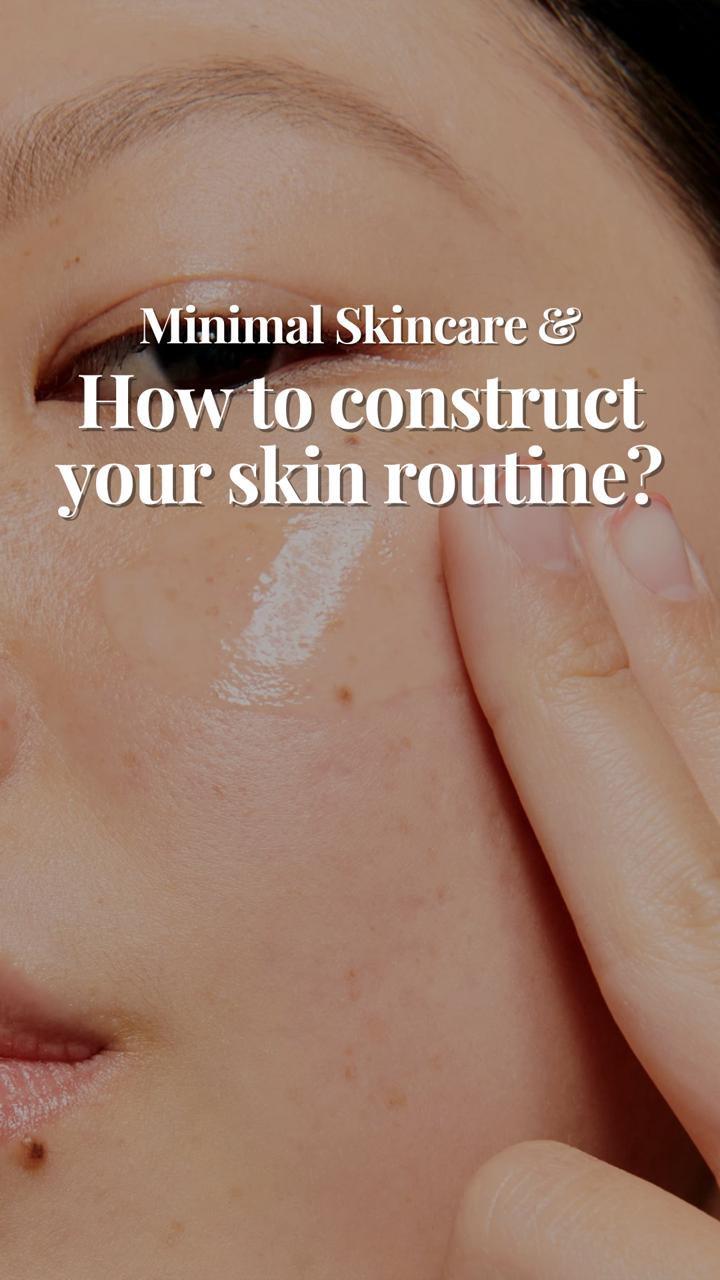
BR
Skincare
Explore →
MX
Skincare
The Mexican skincare market in 2026 is undergoing a significant transformation, moving towards a more holistic and scientifically-driven approach to beauty. Key trends indicate a shift towards "metabolic beauty," where skincare is seen as a reflection of internal health, emphasizing wellness from the inside out. Consumers are increasingly seeking "clean beauty" products, prioritizing natural, non-toxic ingredients, and sustainable practices like refillable and waterless formats. There is a growing demand for science-backed, dermocosmetic solutions with proven efficacy, incorporating advanced ingredients like peptides and niacinamide. Simultaneously, the "skinimalism" movement is gaining traction, with a preference for simplified, functional routines composed of multi-purpose products. The user experience is also paramount, with a focus on "sensorial beauty" where textures and aromas enhance emotional well-being. Technology, including AI and smart devices, is becoming integral for personalized skin analysis and customized routines. This evolving landscape reflects a consumer who is more informed, demanding transparency, efficacy, and a deeper connection between their skincare rituals and overall wellness.
Explore →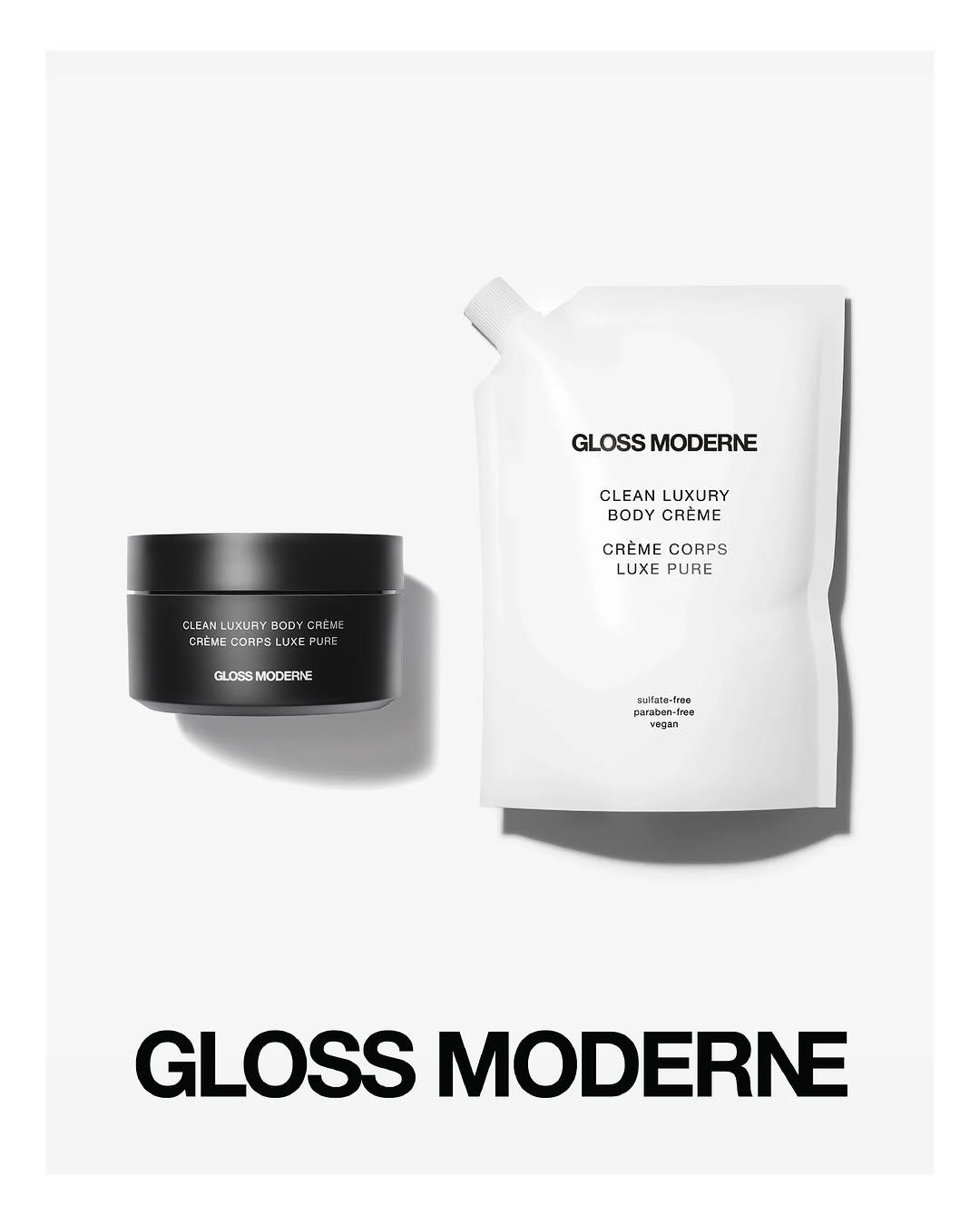
PH
Skincare
The Philippine skincare market is poised for significant growth, with projections indicating a substantial increase in value by 2026. This expansion is largely driven by a consumer shift towards "clean" and sustainable beauty, with a growing preference for products with simpler, natural, and non-toxic ingredients. The trend of "skinimalism," or a minimalist approach to skincare, is also gaining significant traction, as consumers opt for fewer, yet more effective and often multi-purpose products. Consequently, there is a heightened focus on potent and scientifically-backed active ingredients like niacinamide, hyaluronic acid, retinol, and vitamin C to address specific concerns such as acne, signs of aging, and hyperpigmentation. The desire for a radiant, "glass skin" complexion remains a dominant influence, fueling the popularity of brightening serums and essences. Furthermore, the market is seeing an emergence of tech-infused and personalized skincare solutions, offering customized routines and advanced formulations. Local and international brands, including those founded by celebrities, are actively catering to these evolving consumer demands.
Explore →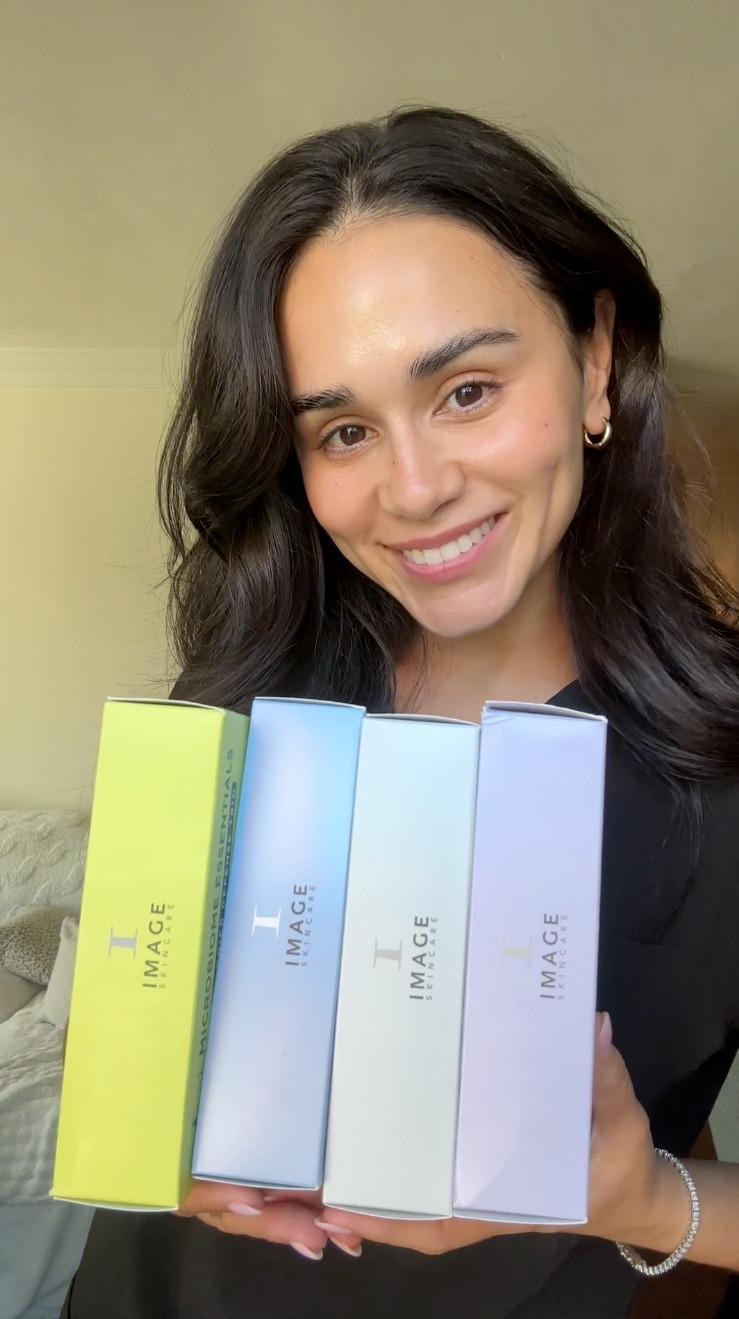
US
Skincare
The American skincare landscape in 2026 is set for a transformation, moving towards a more intelligent, holistic, and personalized approach. Consumers are increasingly viewing skincare as an extension of their overall health and wellness, prioritizing long-term skin health over quick fixes. This shift is driving a "skinimalism" movement, favoring smarter, multifunctional products over complex, multi-step routines. There is a growing emphasis on strengthening the skin's natural defenses, with a focus on the skin microbiome and barrier repair. Sustainability is also a major consideration, with the "Blue Beauty" movement gaining traction, which emphasizes ocean-safe formulations and eco-friendly packaging. Technology will play a significant role, with AI-powered diagnostics and personalized routines becoming more mainstream. New and innovative ingredients are also on the rise, including neurocosmetics that connect skincare with emotional well-being, and postbiotics that support the skin's ecosystem.
Explore →