
Trend category
Body & Recovery Care
Select a product query to review its market data and emerging themes.
AU
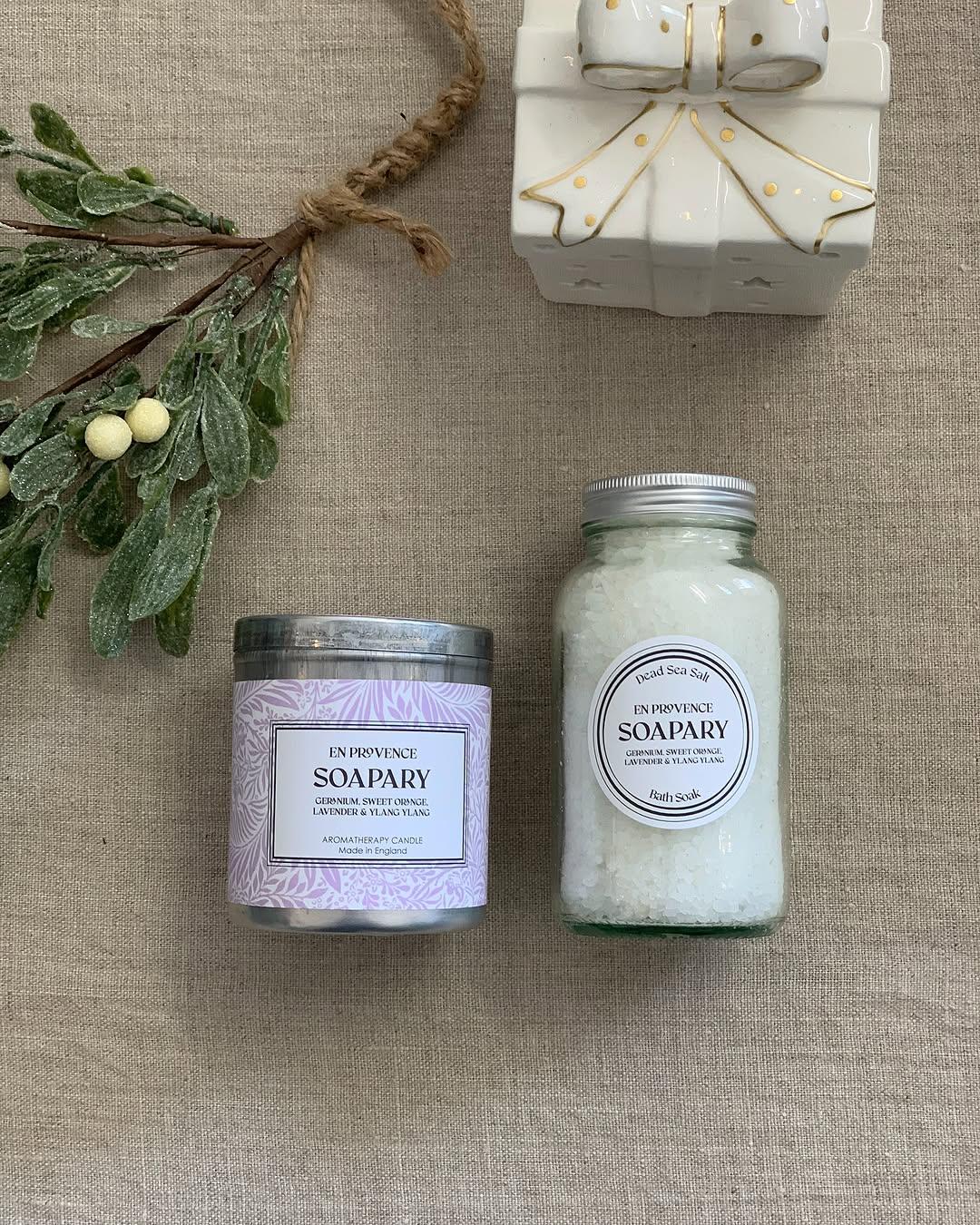
Bath Salts
Explore →
BR
Bath Salts
Explore →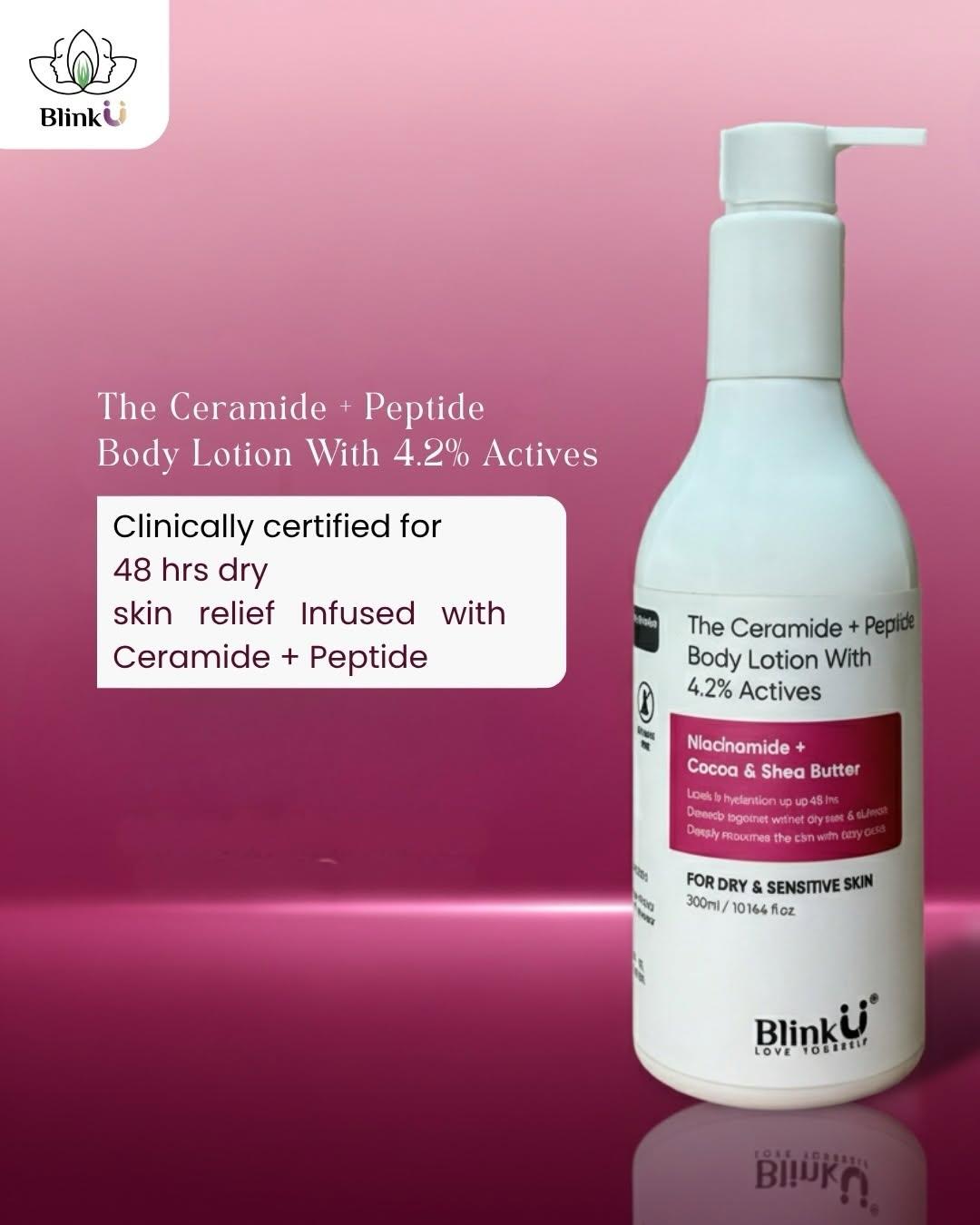
AU
Body Lotion
The Australian body lotion market in 2026 is defined by the "skinification" of body care, where products are evolving beyond basic hydration to offer targeted treatments with high-efficacy ingredients traditionally reserved for facial skincare. Consumers are increasingly seeking out trending body lotions that deliver tangible results, addressing concerns like firming, anti-aging, and texture improvement. This has led to a surge in popularity for lotions infused with active ingredients such as retinol, peptides, and exfoliating acids (AHAs and BHAs). Concurrently, there is a strong and growing demand for natural and sustainable products, with a focus on clean formulations free from parabens, sulfates, and synthetic fragrances. Australian consumers are particularly drawn to products featuring native botanicals like Kakadu Plum, known for its high vitamin C content, and other locally sourced, biodynamic ingredients. The sensory experience is also paramount, with luxurious textures—like whipped creams and lightweight oils—and sophisticated fragrances playing a key role in product selection. Wellness-infused body care is another significant trend, incorporating ingredients like magnesium and probiotics to offer benefits that extend to overall wellbeing. Finally, the desire for a healthy, sun-kissed glow without sun damage is driving the popularity of gradual tanning lotions and those that enhance the skin's natural radiance.
Explore →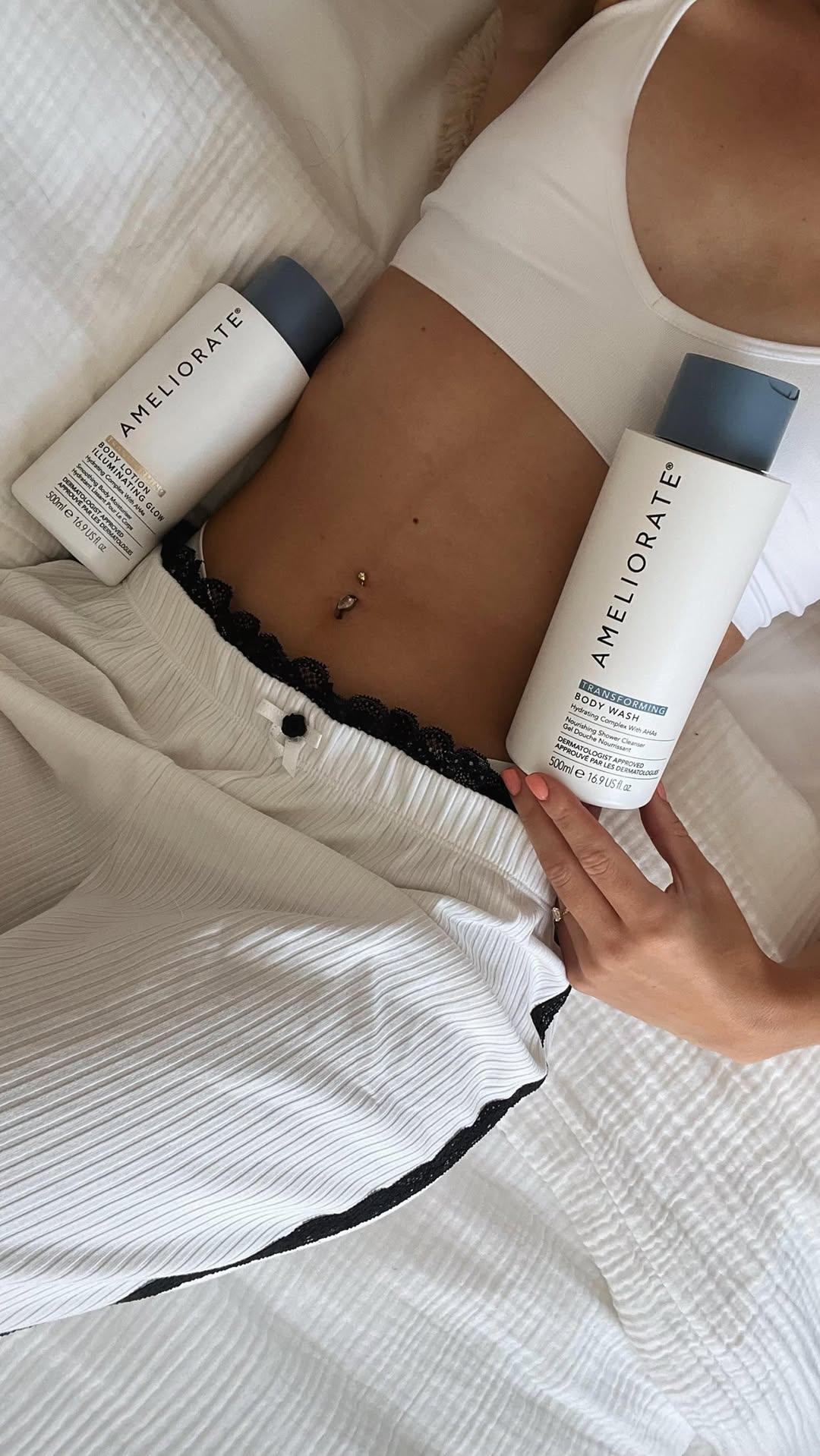
BR
Body Lotion
Explore →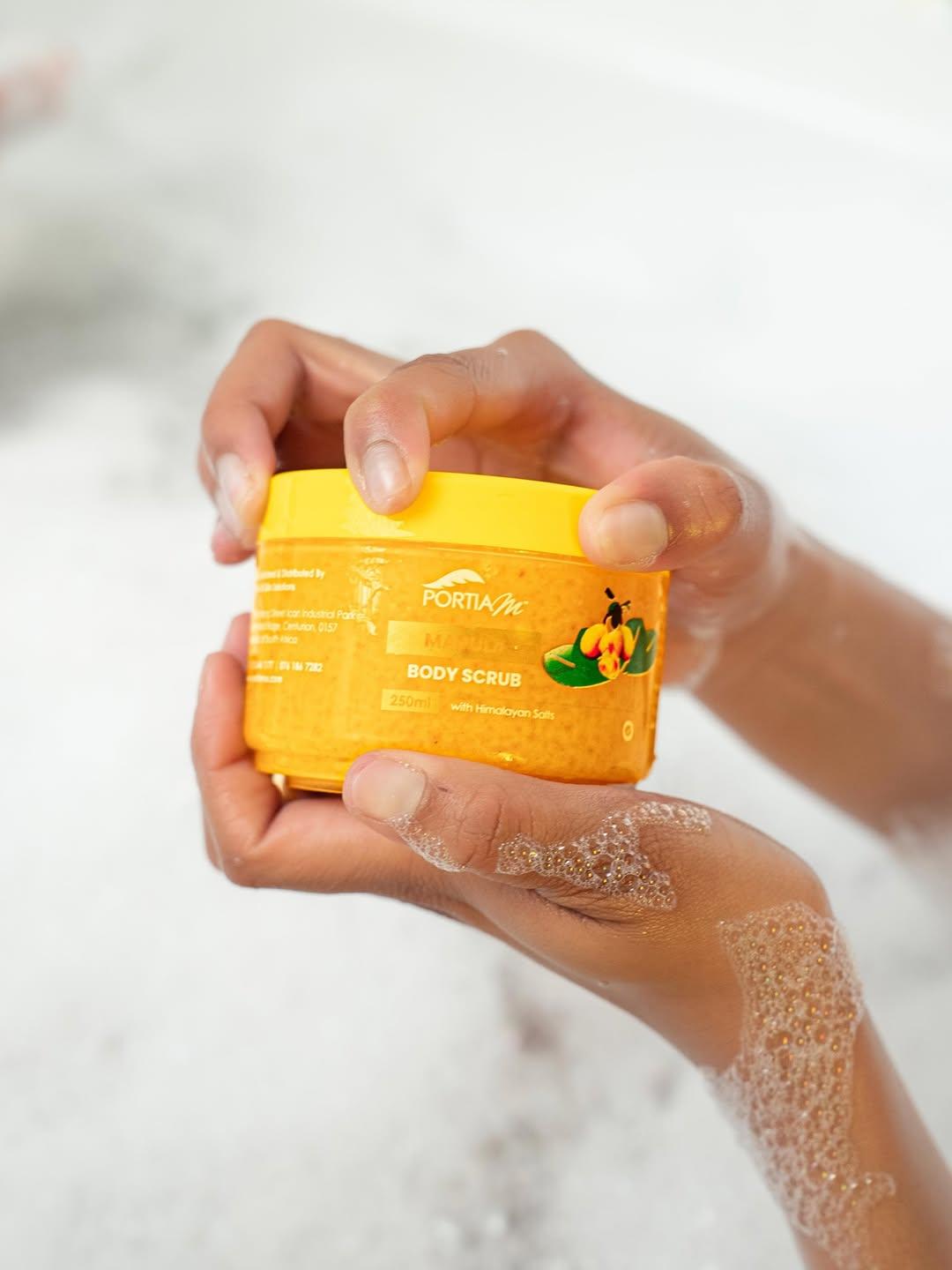
AU
Body Scrub
The Australian body scrub market is experiencing a significant shift towards multi-functional products that go beyond simple exfoliation. Upcoming trends for Summer and Autumn 2026 indicate a strong consumer preference for formulas that hydrate and nourish the skin, with an emphasis on natural and organic ingredients. Trending body scrubs are often infused with moisturizing oils like coconut, jojoba, and almond, alongside nourishing butters such as shea butter. There is also a growing interest in hybrid products that combine physical exfoliants, like sugar and salt, with chemical exfoliants such as AHAs and BHAs to address specific skin concerns like keratosis pilaris. The sensory experience is paramount, with gourmand scents like coffee, vanilla, and fruit extracts proving highly popular, transforming routine skincare into a spa-like indulgence. Furthermore, sustainability is a key driver, with consumers favouring brands that utilize eco-friendly packaging and biodegradable, natural exfoliants over microplastics.
Explore →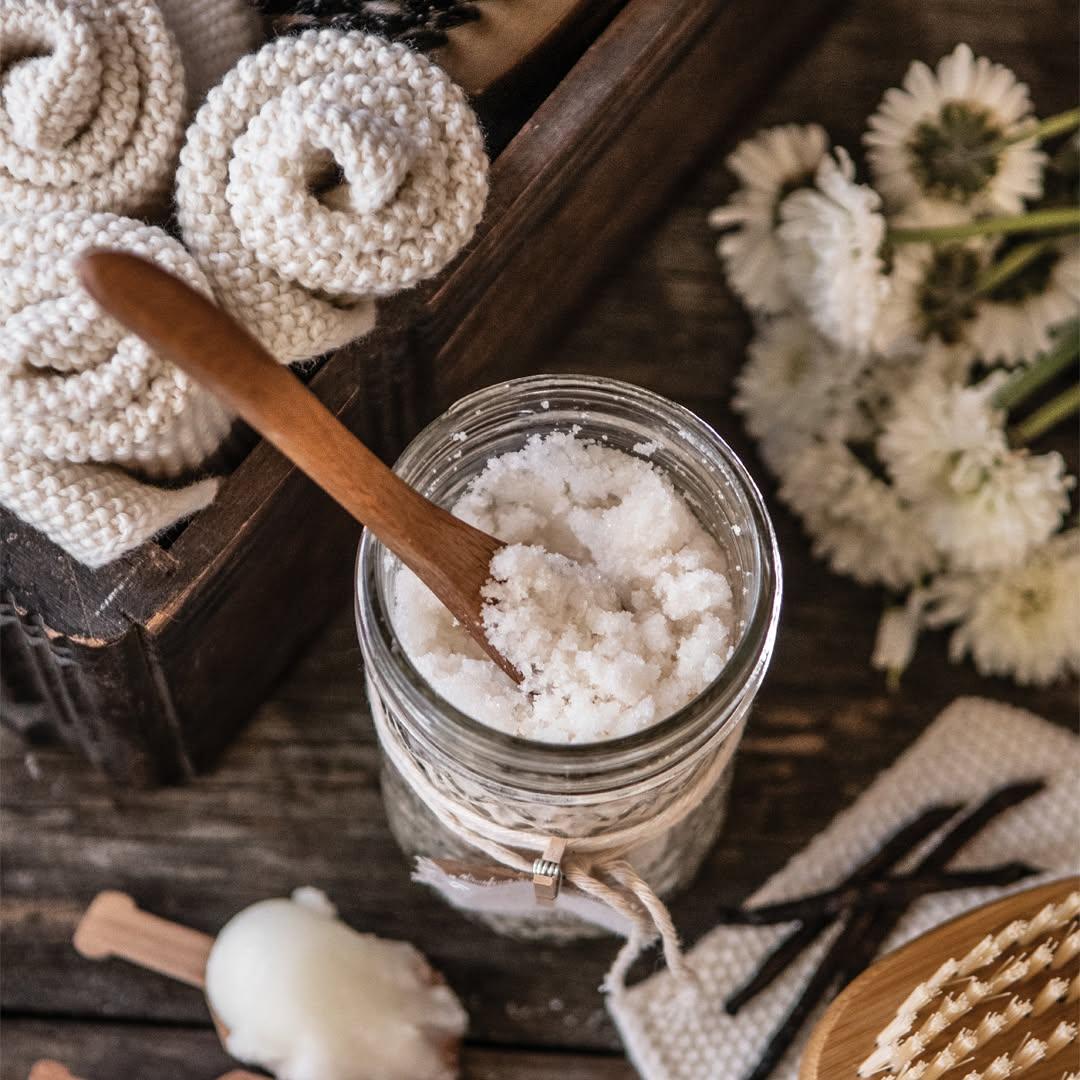
BR
Body Scrub
As the Brazilian market heads into the summer of 2026, the trend for trending body scrubs is centered on a holistic and sensorial experience that combines effective exfoliation with intense skin nourishment. Consumers are increasingly seeking products that offer more than just the removal of dead skin cells; they desire a complete "skinification" of their body care routine, treating the body with the same care as the face. This has led to a rise in popularity for scrubs with hybrid functionalities, such as those that combine physical and chemical exfoliation or offer hydrating and brightening benefits. There is a strong preference for formulas rich in natural and nourishing ingredients like shea butter, natural oils (coconut, almond, grape seed), and fruit extracts, which leave the skin feeling soft, hydrated, and radiant. The sensory aspect of the product, including rich textures and pleasant fragrances from tropical fruits and soothing botanicals, is a significant factor in purchasing decisions. Furthermore, sustainability and conscious consumerism are influencing trends, with a growing demand for vegan, cruelty-free, and natural products, including a continued interest in DIY-inspired formulations.
Explore →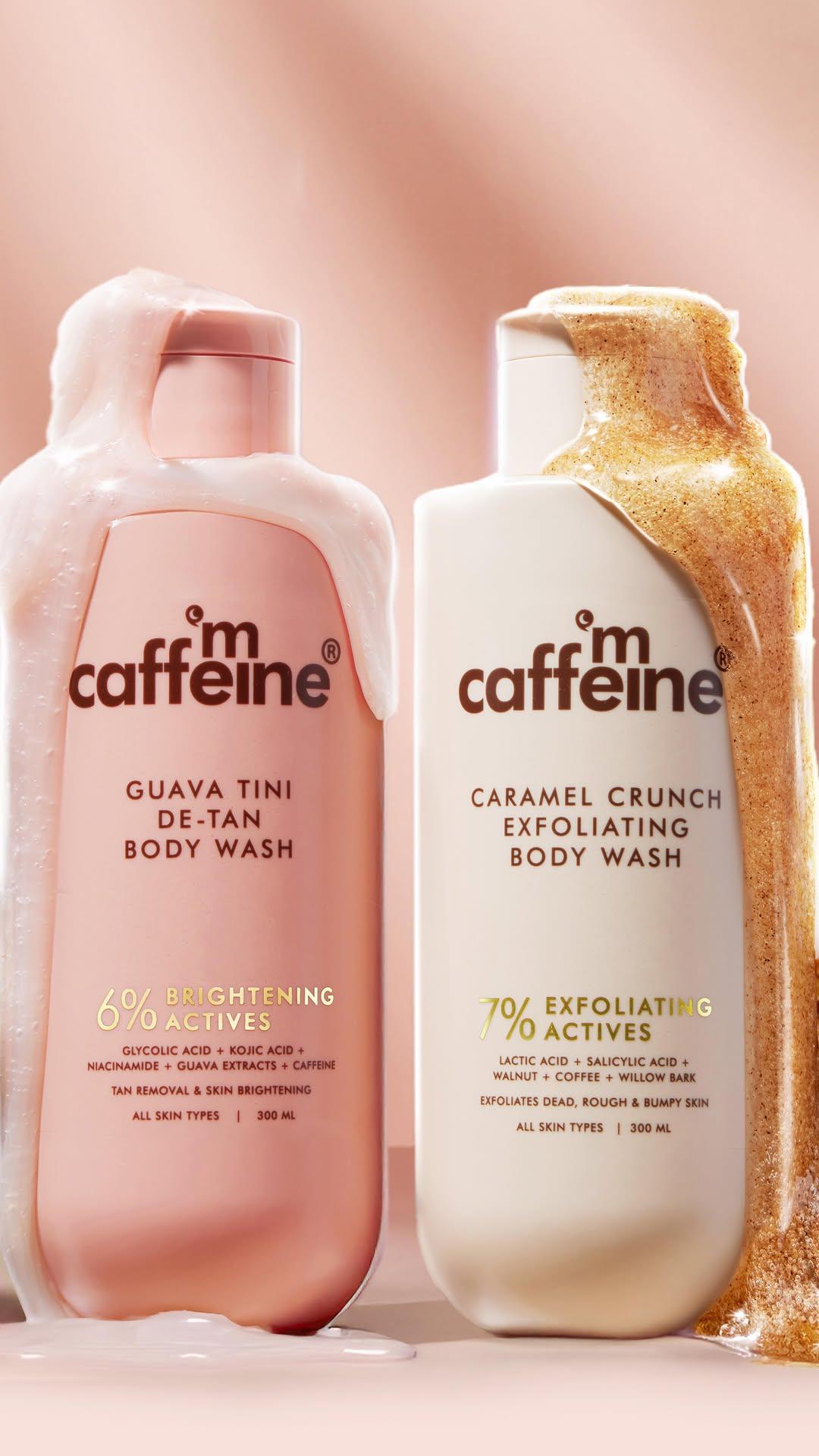
AU
Body Wash
The Australian body wash market is experiencing a significant transformation, driven by a "skinification" trend where body care is adopting the sophistication of facial skincare. For the upcoming 2026 season, the focus is on formulations that offer more than just cleansing, with a strong preference for products containing active ingredients that target specific skin concerns. There is a growing demand for body washes with hydrating and exfoliating properties, featuring ingredients like hyaluronic acid, salicylic acid (BHA), and AHAs to address issues from dryness to body acne. Concurrently, sustainability is a major influence, fueling the rise of eco-friendly formats such as refillable pouches, compostable refills, and waterless or solid bar alternatives to traditional plastic bottles. Australian consumers are also showing a strong affinity for products formulated with native botanicals like Kakadu Plum, Lemon Myrtle, and Kunzea Oil, which are prized for their natural benefits and unique fragrances. The sensory experience remains a key purchasing driver, with complex, perfume-like scents and gourmand notes trending alongside fresh, natural fragrances derived from essential oils. This shift reflects a more educated consumer base that demands efficacy, sustainability, and a premium sensory experience from their daily body care routines. Brands are responding by innovating with active-led formulas, eco-conscious packaging, and locally sourced ingredients, creating a dynamic and sophisticated market. The convergence of these trends points towards a future where body wash is not just a simple cleanser, but a multi-functional treatment product that aligns with consumers' broader health, wellness, and environmental values.
Explore →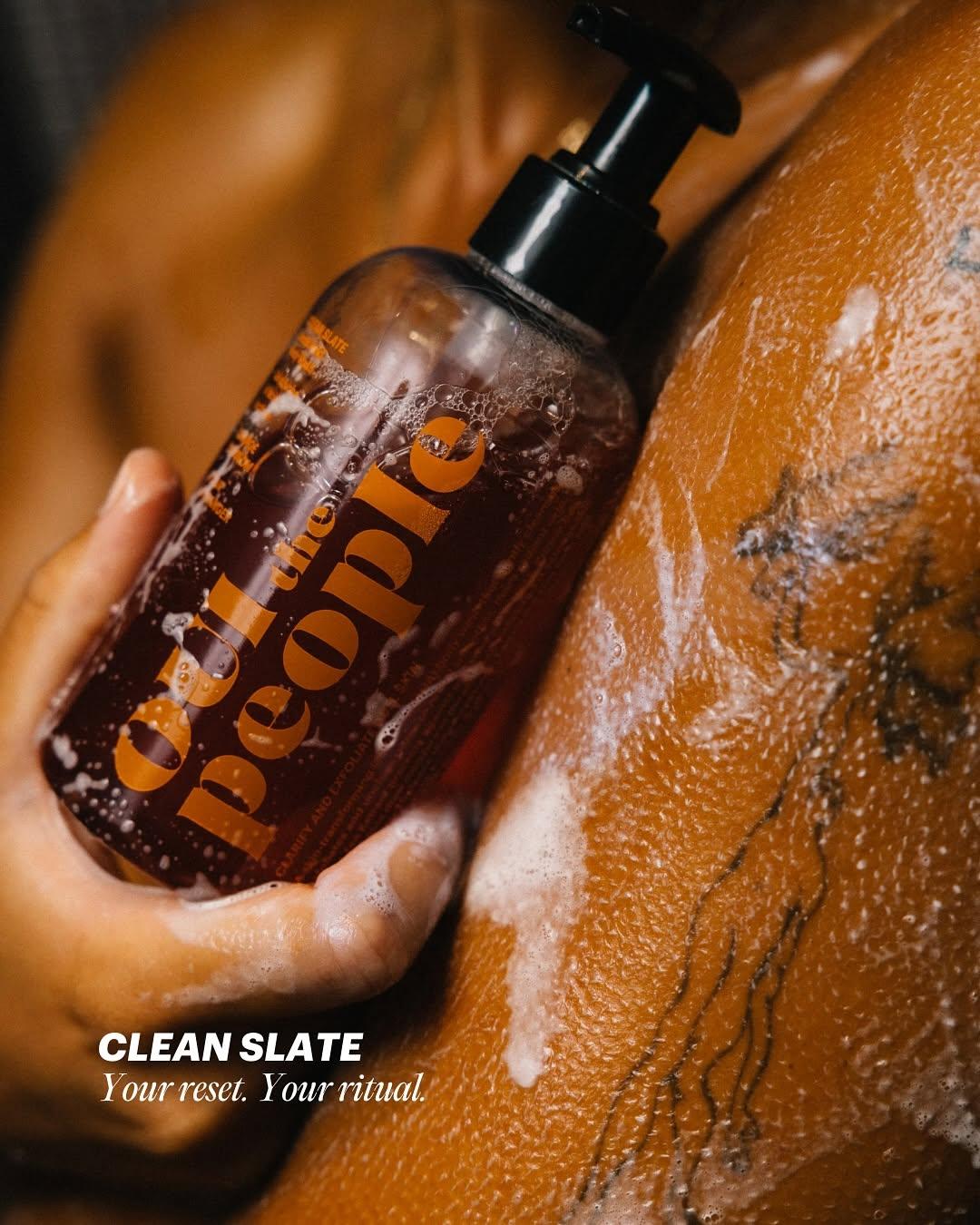
BR
Body Wash
The Brazilian body wash market is undergoing a significant transformation, moving away from simple cleansing towards a more sophisticated, skincare-inspired approach. This "skinification" of body care means consumers are now actively seeking products that deliver tangible benefits beyond hygiene. For the upcoming seasons, the focus is on body washes that improve skin health, provide deep hydration, and create sensory experiences that enhance overall well-being. This shift reflects a more educated consumer base that views their bathing routine as an integral part of their self-care regimen. In response to this demand, formulations are becoming more advanced and ingredient-focused. There is a notable surge in products featuring intensely moisturizing ingredients like shea butter, natural oils, and glycerin, designed to combat dryness in Brazil's tropical climate. Concurrently, the clean beauty movement is driving the popularity of vegan and natural body washes, with consumers preferring plant-based ingredients and avoiding harsh chemicals like sulfates and parabens. Specialized solutions for sensitive skin are also a key growth area, with hypoallergenic and pH-neutral formulas catering to a large segment of the population seeking gentle yet effective care. Beyond hydration and gentle cleansing, functionality and experience are paramount. Exfoliating body washes, containing either physical or chemical exfoliants, are gaining traction as they offer skin renewal and a spa-like treatment at home. These multi-functional products appeal to consumers looking for visible results like smoother, more radiant skin. Alongside these treatment-focused trends, the cultural preference for invigorating fragrances remains strong. Vibrant, fruit-scented body washes continue to be a market staple, providing an uplifting, sensorial experience that aligns perfectly with the fresh, energetic vibe of the Brazilian summer.
Explore →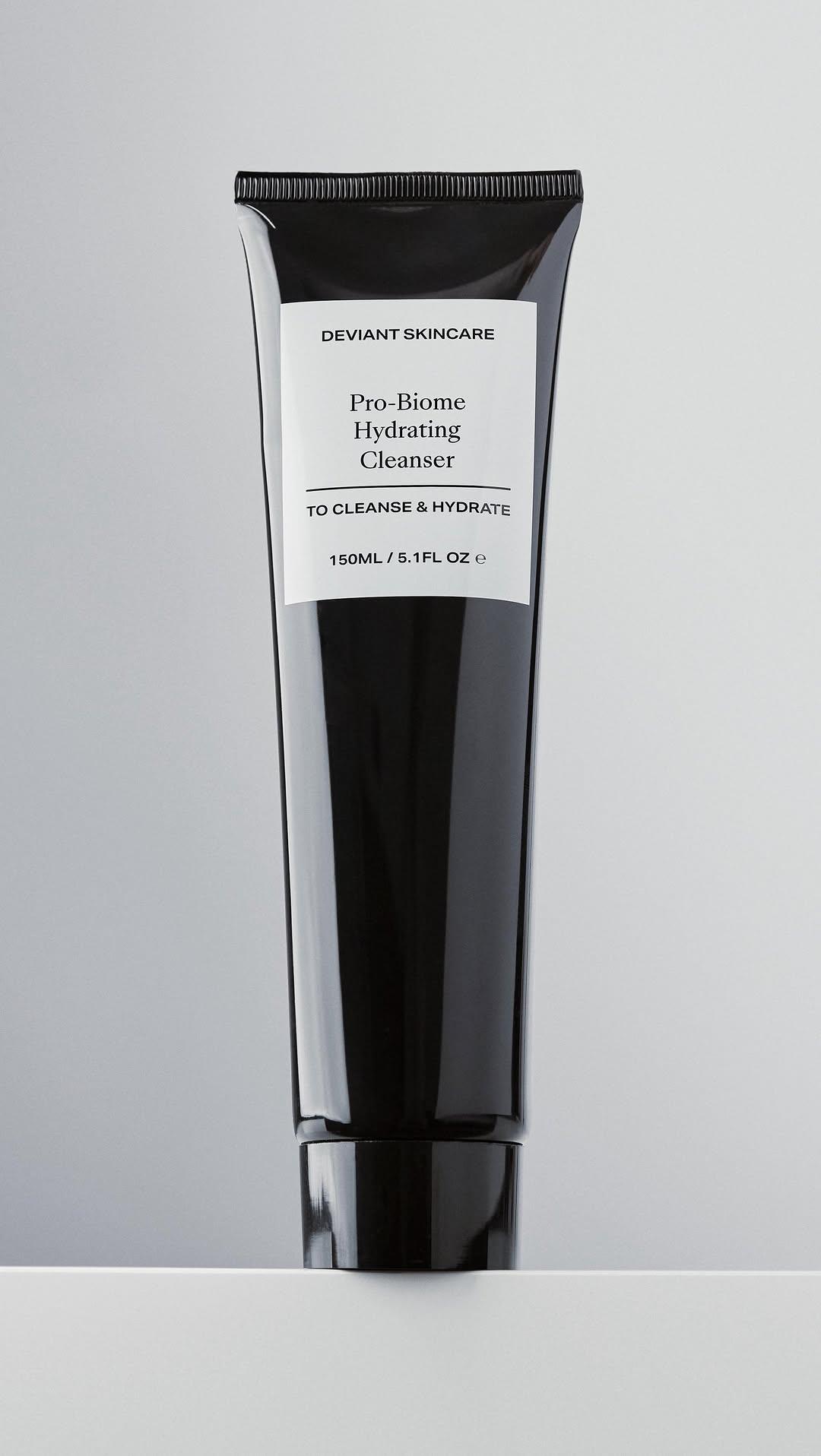
AU
Cleanser
The Australian cleanser market in 2026 is defined by a "skinimalism" approach, where consumers prioritize long-term skin health and a minimalist yet effective routine. This trend sees a focus on gentle cleansers that protect and support the skin's natural barrier. There is a significant demand for hydrating cleansers formulated with ingredients like hyaluronic acid and ceramides that cleanse without stripping the skin. The "clean beauty" movement continues to gain momentum, with a strong preference for natural skincare featuring Australian botanicals and organic ingredients, alongside a growing expectation for sustainable and eco-friendly packaging. A key emerging trend is microbiome-friendly skincare, with cleansers containing prebiotics and probiotics becoming increasingly sought after to maintain a healthy skin ecosystem. Furthermore, gentle exfoliation is favored over harsh scrubs, with exfoliating cleansers containing ingredients like PHAs and fruit enzymes gaining popularity for achieving a radiant complexion. Ingredients such as niacinamide are also becoming staples for their multi-functional benefits, including calming and brightening the skin. Overall, the market reflects a sophisticated consumer base that is well-informed about ingredients and their effects on skin health. They seek products that are not only effective but also gentle, supportive of the skin's natural functions, and aligned with their values regarding sustainability and natural formulations. This shift towards a more holistic and health-focused approach to cleansing is expected to drive innovation and product development in the Australian beauty industry.
Explore →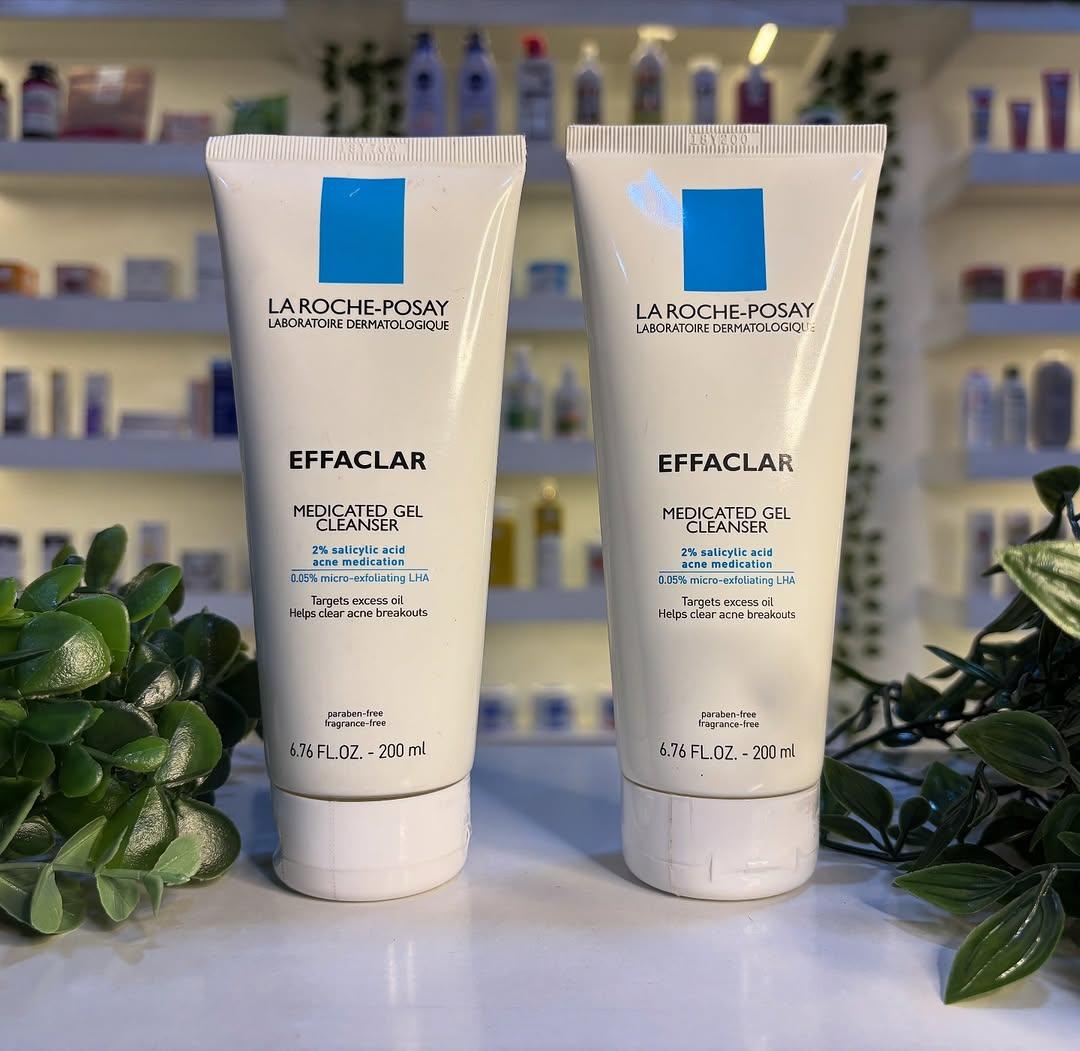
BR
Cleanser
The Brazilian cleanser market in 2026 is moving towards a "skinimalism" approach, where consumers prefer simple, effective routines with multi-functional products. There is a significant trend towards cleansers that not only purify the skin but also treat specific concerns, such as oiliness and acne, with active ingredients like salicylic and glycolic acid. The demand for gentle, yet deep cleaning formulations is rising, with gel and oil-based cleansers being particularly popular for their ability to remove impurities without stripping the skin's natural barrier. Sustainability and conscious consumerism are becoming paramount, influencing purchasing decisions towards brands with transparent practices and eco-friendly packaging. As consumers seek a more natural and authentic look, often referred to as "quiet beauty," there is a growing preference for cleansers that promote a healthy, radiant complexion as the foundation for a minimalist makeup look. This reflects a broader shift towards products that are both effective and ethically produced. The upcoming summer season will further boost the demand for lightweight cleansers that can manage increased oiliness and sweat while providing a fresh feel. This seasonal need reinforces the popularity of gel textures and medicated formulas that address common climate-related skin issues. Overall, the market is solidifying its direction towards effective, conscious, and minimalist skincare solutions that deliver visible results without complexity.
Explore →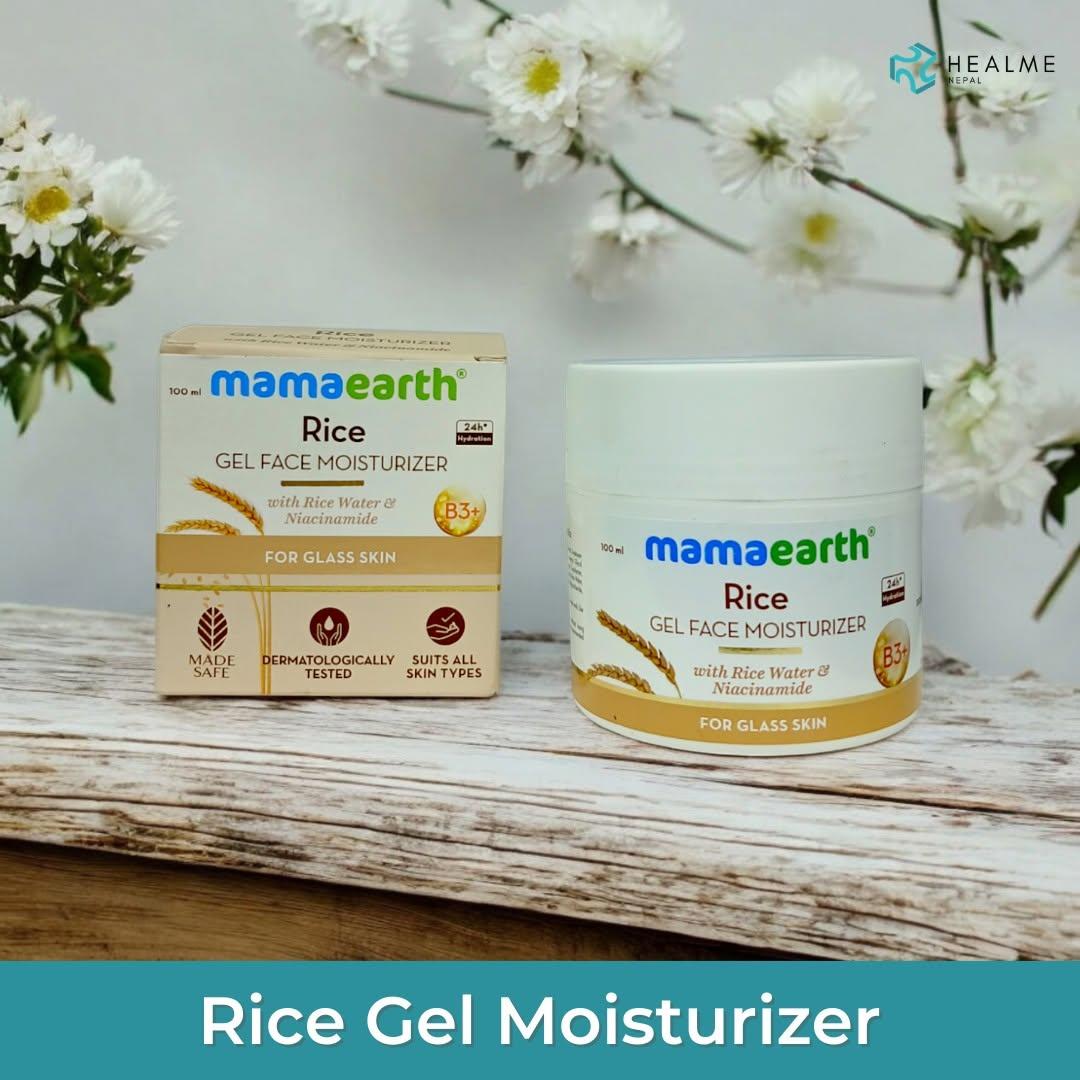
AU
Face Gel
As the Australian summer of 2026 approaches, the demand for face gels is centered on lightweight, hydrating, and refreshing formulations that offer a cooling sensation perfect for hot and humid weather. The overarching trend is a move towards "skinimalism," with consumers preferring simple yet effective skincare routines. This is complemented by a strong "clean beauty" movement, driving interest in products with natural, organic, and non-toxic ingredients. Key ingredients dominating the market include hyaluronic acid for intense hydration, aloe vera for its soothing and cooling properties, and a variety of native Australian botanicals known for their potent antioxidant and skin-repairing benefits. Multi-purpose products, such as gel-primers that hydrate while creating a smooth base for makeup, are also gaining popularity. Furthermore, the influence of K-Beauty continues with the "glass skin 2.0" trend, which prioritizes deep hydration to achieve a dewy, radiant complexion. Overall, Australian consumers are seeking face gels that are not only effective and suitable for the climate but also align with a minimalist and natural approach to beauty.
Explore →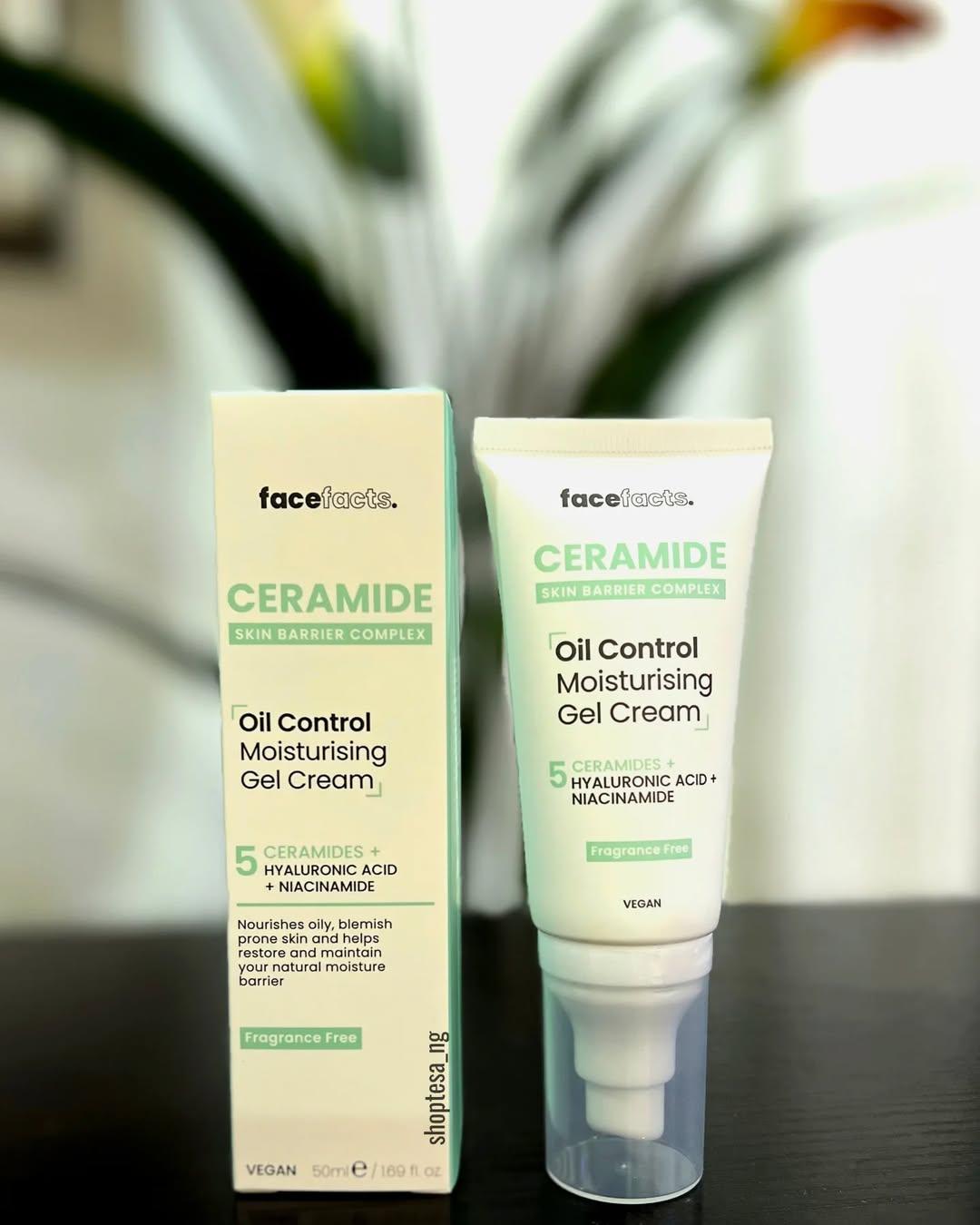
BR
Face Gel
In the upcoming months in the Brazilian market, the face gel category will be dominated by lightweight, fast-absorbing formulas designed to address the needs of oily and combination skin types, a prevalent concern in the country's warmer climate. The focus is on providing hydration without a greasy feel, often described as a "toque seco" (dry touch). Key ingredients driving trends include Vitamin C for its antioxidant and brightening properties, and hyaluronic acid for its ability to deliver deep hydration with a non-oily finish. Products offering oil control, often formulated with actives like salicylic acid and zinc PCA, are central to the market, targeting concerns like excess shine, enlarged pores, and acne. Multifunctional products, such as hydrating gels that also offer sun protection or anti-aging benefits, are gaining significant traction, appealing to a consumer base that values practicality and efficiency in their skincare routines. The overall trend points towards a minimalist approach to skincare, with consumers preferring effective, multi-benefit products that deliver a natural, healthy-looking complexion.
Explore →
AU
Footcream
Explore →
BR
Footcream
Explore →
AU
Hand Cream
The Australian hand cream market in 2026 is moving towards sophisticated, ingredient-focused formulations that mirror facial skincare trends, a concept known as the "face-ification" of body care. Consumers are increasingly seeking products that do more than just moisturize, with a strong demand for anti-aging properties and ingredients like peptides and niacinamide to address fine lines and skin elasticity. There is a significant trend towards "clean" and "green" beauty, with a preference for natural and organic ingredients, particularly Australian native botanicals like Kakadu Plum, which is renowned for its high Vitamin C content. Barrier repair is a key focus, driven by increased hand washing and the popularity of ingredients such as ceramides, niacinamide, and glycerin that soothe and restore the skin's protective layer. Furthermore, given Australia's high UV exposure, hand creams with added SPF are becoming an essential preventative measure against sun damage and premature aging. The overall approach is one of "skinimalism," emphasizing effective, multi-functional products that promote long-term skin health and are housed in sustainable packaging.
Explore →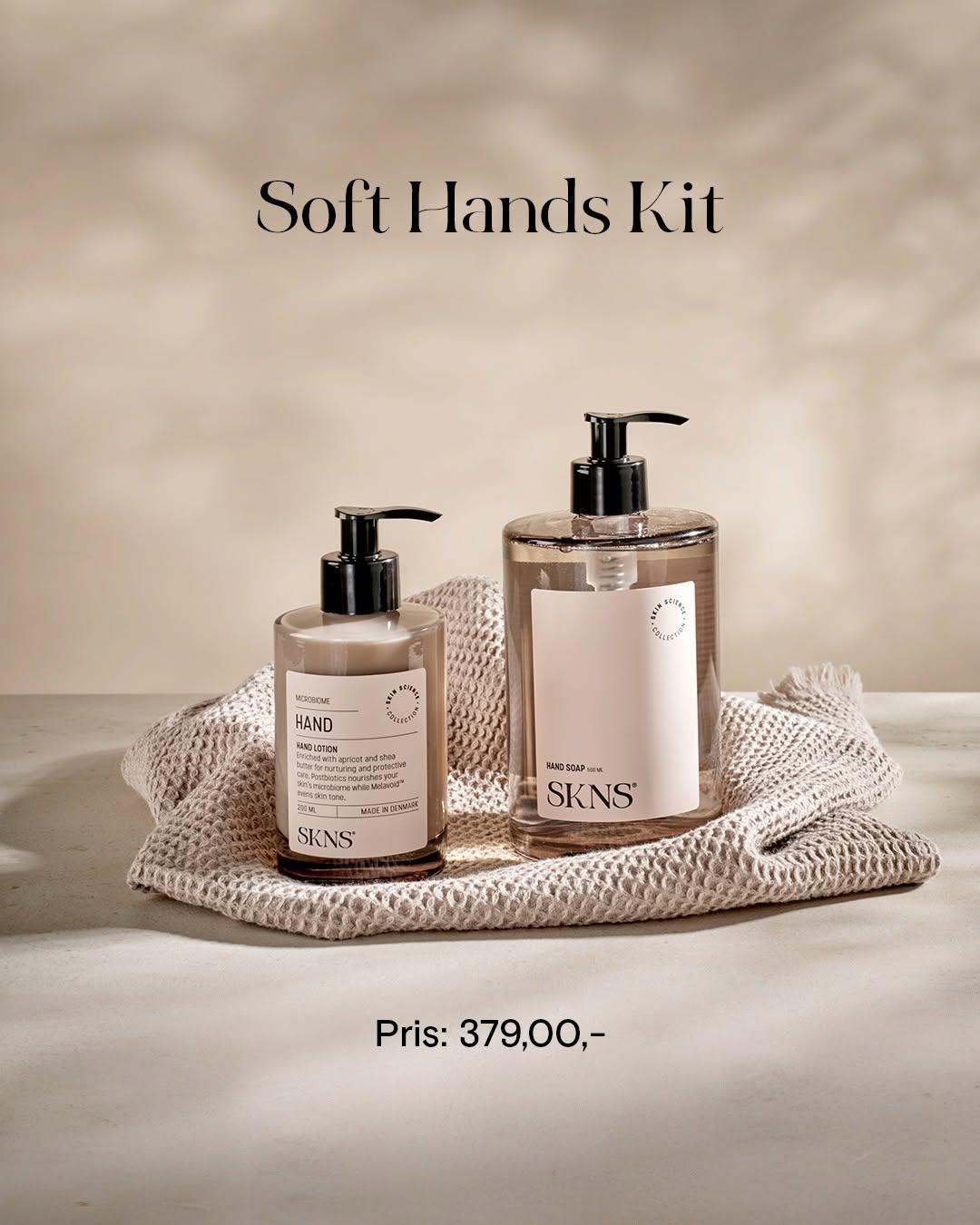
BR
Hand Cream
Explore →
AU
Hand Wash
The Australian hand wash market in 2026 is defined by a pronounced consumer shift towards products that are both gentle on the skin and the environment. A key trend is the rising demand for natural and organic hand wash formulations, with a particular emphasis on those suitable for sensitive skin. Consumers are increasingly scrutinizing labels, preferring plant-based ingredients and avoiding harsh chemicals like parabens and sulfates. This movement is complemented by a strong interest in sustainability, driving the popularity of refillable hand wash options and eco-friendly packaging. Simultaneously, the concept of "affordable luxury" is gaining traction, with many seeking out luxury hand wash that doubles as a stylish décor element, featuring sophisticated fragrances and aesthetically pleasing designs. The importance of hygiene remains paramount, ensuring a steady demand for effective antibacterial hand wash, though the preference is shifting towards natural antibacterial agents like tea tree oil and native Australian botanicals.
Explore →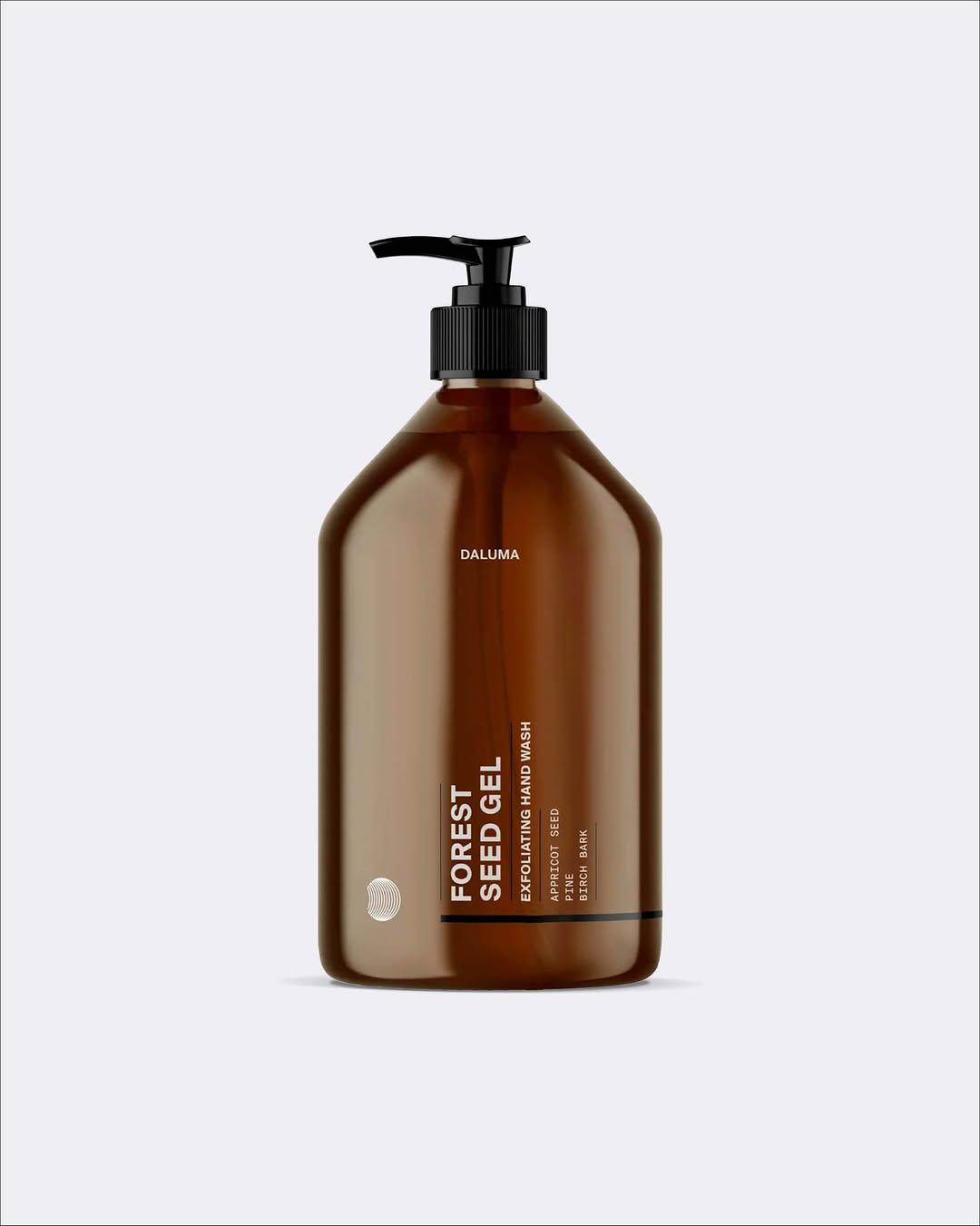
BR
Hand Wash
Explore →
AU
Muscle Recovery Gel
Explore →
BR
Muscle Recovery Gel
Explore →
AU
Sunscreen
Explore →
BR